Tools
Milwaukee Voltage Detectors Compared: Dual Range vs Standard Non-Contact Detection
Milwaukee's Dual Range and 50-1000V non-contact voltage detectors reviewed with a focus on sensitivity, usability, and where each one makes sense.
Introduction
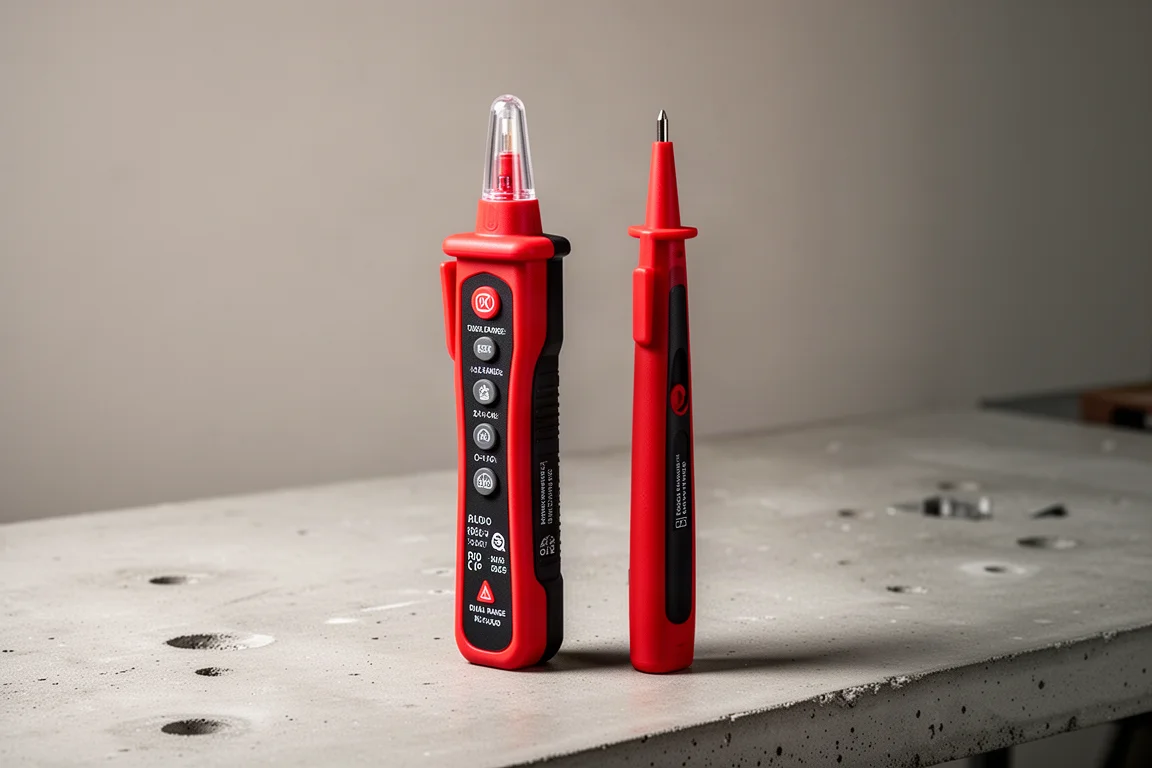
Non-contact voltage detectors are the kind of tool you do not think about until the moment you need one, and Milwaukee has been expanding its presence in this diagnostic space. The lineup includes a straightforward 50-1000V detector and a more ambitious Dual Range model that can detect from 10V to 1000V across two sensitivity levels. Neither replaces a multimeter, but both can tell you whether something is live before you put a hand on it.
Evaluation Criteria
For this comparison, three things mattered most: detection range and sensitivity, indicator visibility and audibility in real working conditions, and how usable the tool actually is in cramped panels where wires sit close together. Non-contact testers live or die on those details, because a detector that fires on everything nearby tells you just as little as one that needs to touch the wire.
Milwaukee Dual Range Voltage Detector (2231-20)
The Dual Range detector (model 2231-20) is the more capable of the two, covering two ranges in one body: 10-49V and 50-1000V. There is no setting to choose. Turn it on and it lights yellow when it picks something up in the low 10-49V range, and a different color in the 50-1000V range. That automatic behavior is a genuinely good design idea for anyone who moves between low-voltage and mains-voltage work.
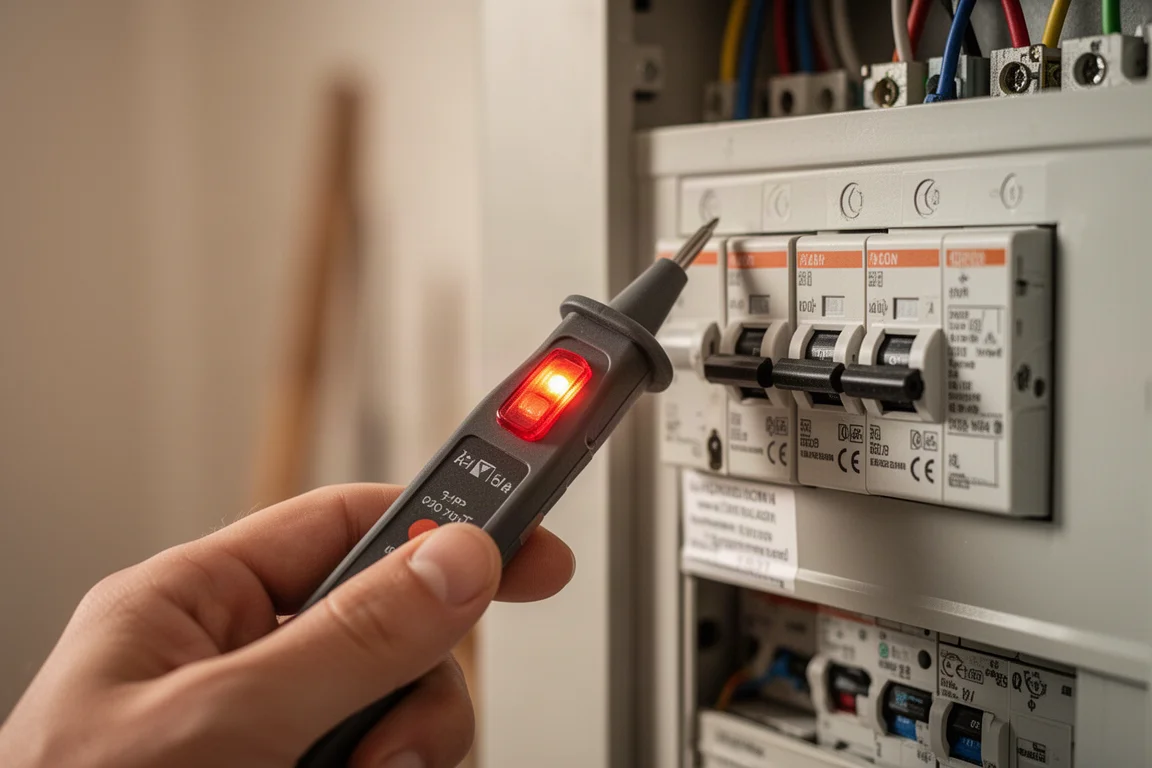
That sensitivity comes with a trade-off. Because the low range can fire on the electromagnetic field around nearby equipment, the pen can trigger on almost anything in a crowded workspace. Move it near a toolbox or any powered device and it will start responding, which makes it harder to know what it is actually telling you. It can even pick up current flowing through an adjacent battery-powered tool sitting well inside its lower range.
Milwaukee 50-1000V Voltage Detector (2203-20)
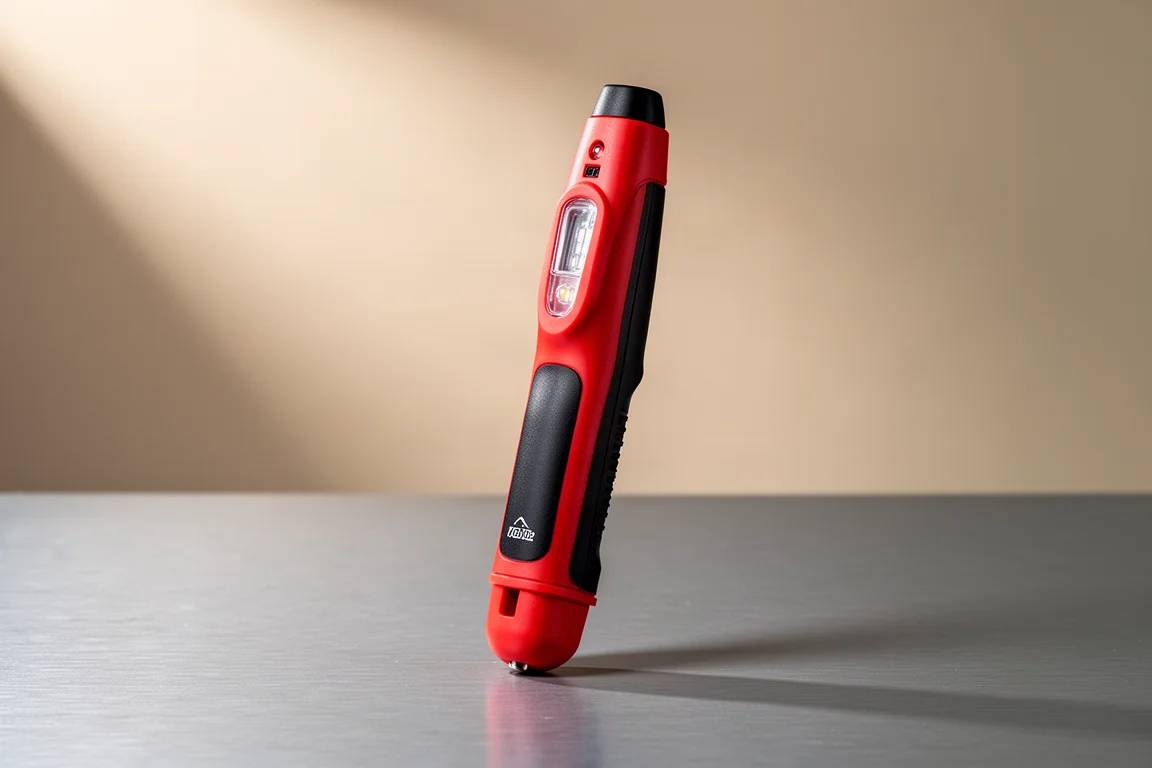
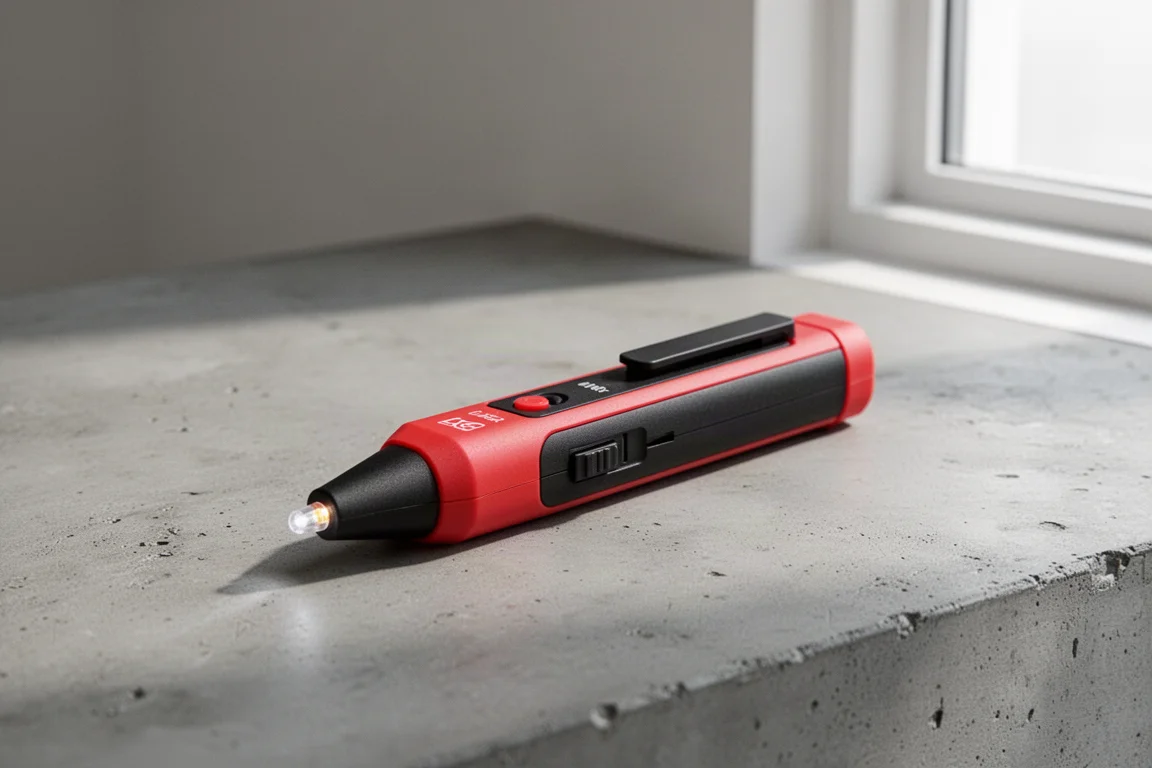
The 2203-20 is the simpler pen, covering 50V to 1000V. Its indicator is a small glowing V-shaped light at the tip, and it works best when the tip is held very close to the wire. In practical use it does detect live circuits, but it is far from the earliest Milwaukee design.
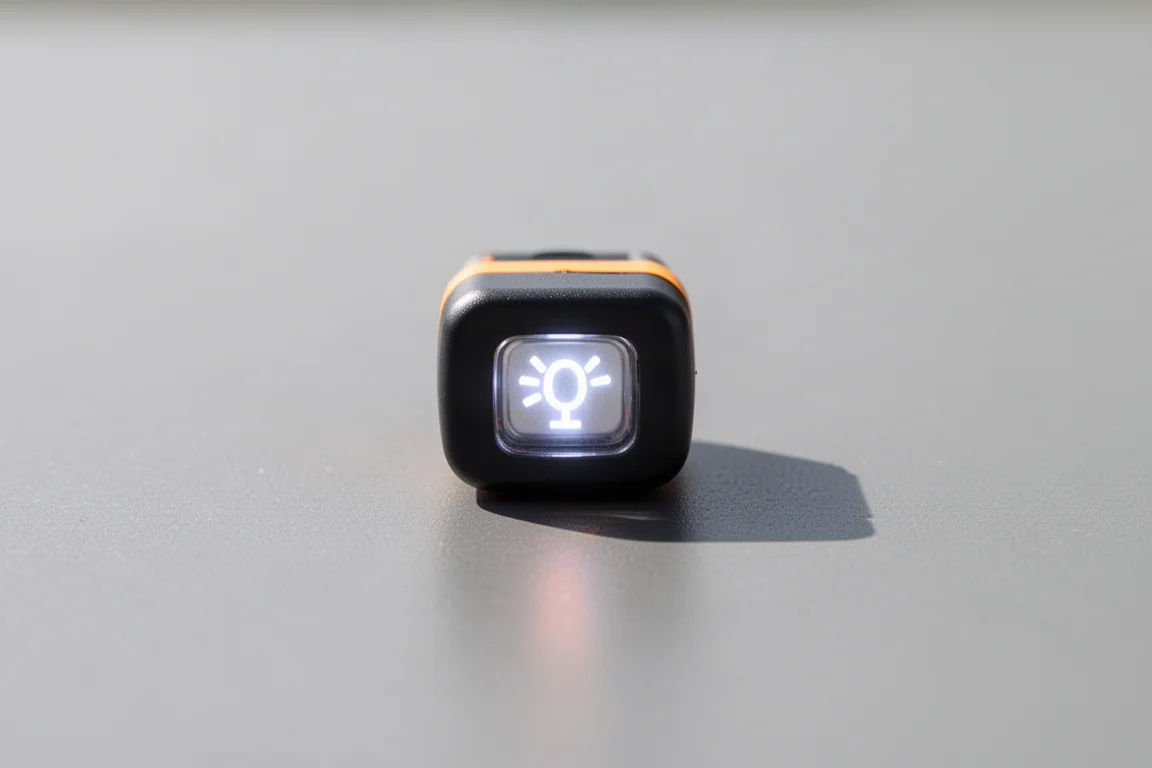
Two issues stand out. The indicator is small and can be genuinely hard to see in bright light, so a glowing lens in a sunlit panel may not register. It also lacks a way to turn off the built-in flashlight, which drains the batteries faster over time. It runs on a couple of AA batteries, so replacements are cheap and easy to find, but the constant flashlight draw is an avoidable annoyance.
Who Each Detector Suits
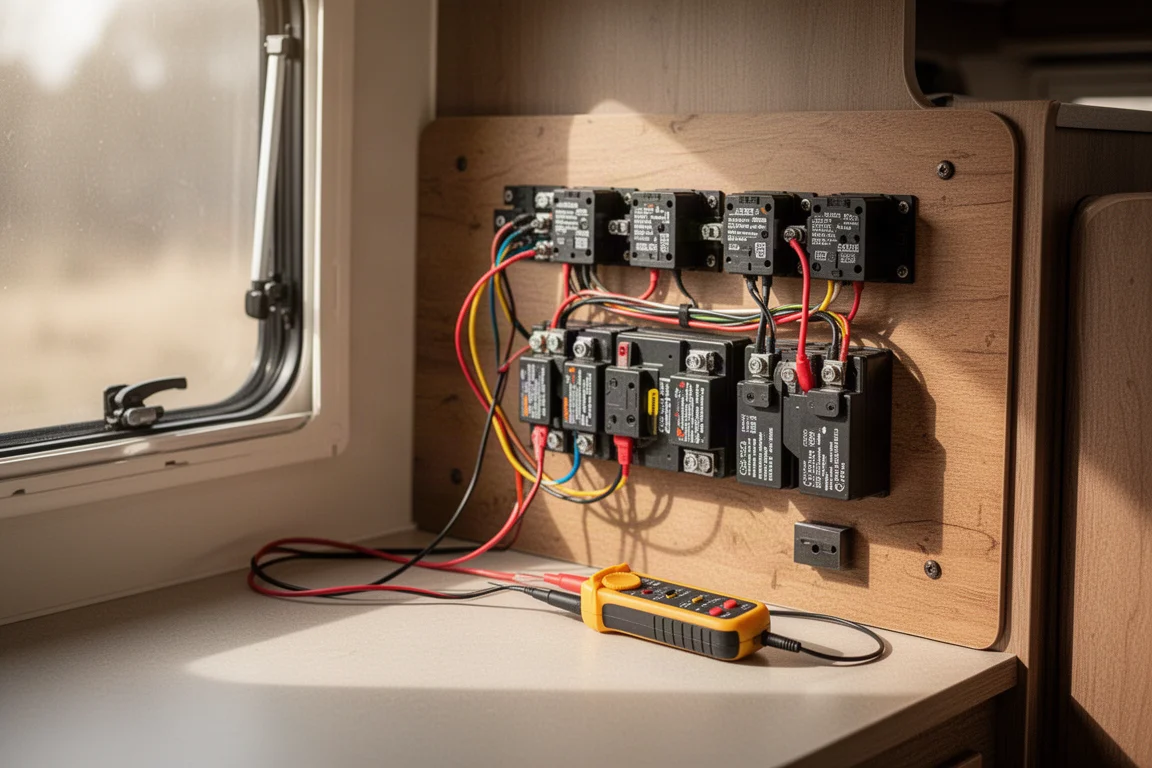
The Dual Range model was originally appealing for exactly one scenario: work in a camper, RV, or similar setup where you need one tool that indicates whether you are dealing with low-voltage 12V systems or standard household voltage. For that mixed-voltage use case it is a strong fit, and the automatic range display means no mode switching mistakes.
If your work is mostly standard household and jobsite voltage, the simpler 50-1000V pen covers the essentials at a lighter cost, provided you can live with the small indicator and the always-on flashlight. If your environment is packed with powered equipment, be aware that the Dual Range model may trigger constantly on surrounding fields.
Alternatives Worth a Look
Klein makes some of the strongest non-contact testers available. One model with a built-in infrared temperature sensor is a standout design, and there is also a more basic Klein option that lights up clearly, can be switched on with or without sound, and feels more solidly built than either Milwaukee pen. Fluke offers another decent basic detector, though the one tested here needed to be held very close to a wire to glow at all, and the feedback felt inconsistent.
Things to Consider Before Buying
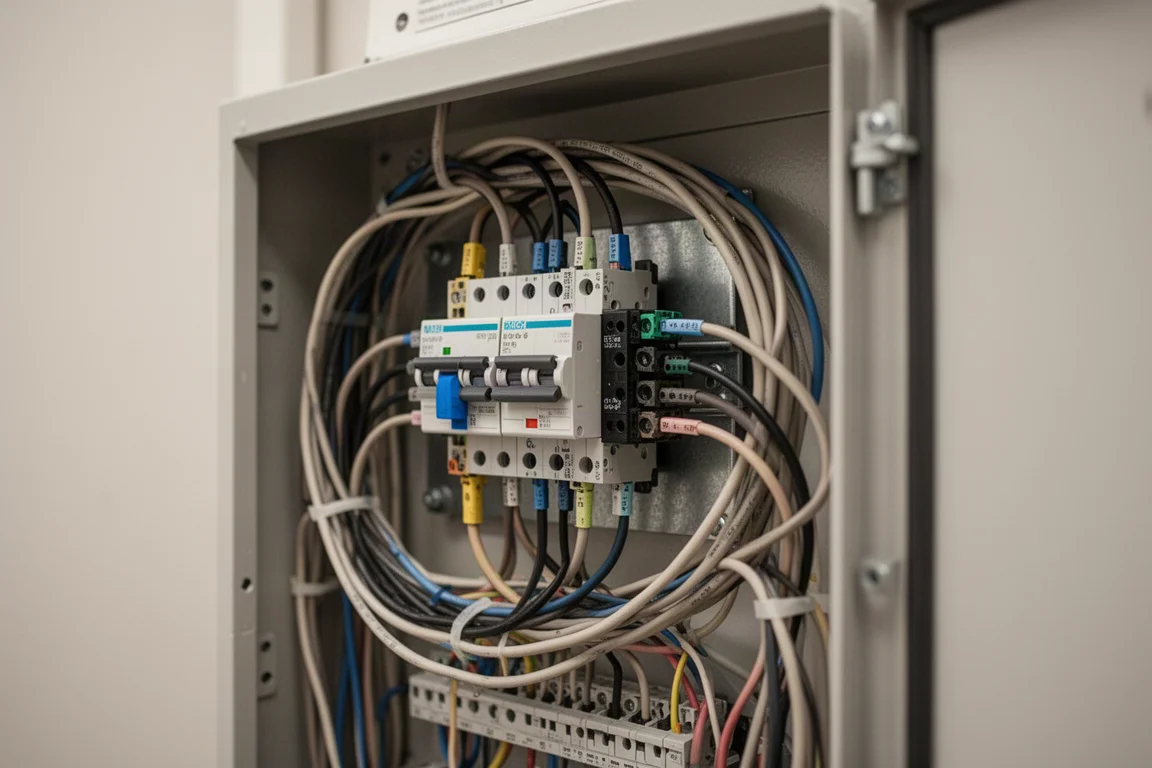
The core question is where you will use it. In an enclosed environment with lots of electrical connections close together, the Dual Range detector is hard to use productively because it needs plenty of open space around the wire to give you a meaningful signal. Its sensitivity is high enough that it fires easily on nearly everything nearby, so you may end up unsure what is actually hot.
It is also worth asking whether a separate range switch would help. A switch would reduce nuisance triggering, but it would introduce the risk of working on the wrong setting, which is why the automatic dual-range approach exists in the first place. Neither design is perfect, and the right choice depends on whether you value fewer false alarms or simple one-touch operation.
Conclusion
Milwaukee’s move into non-contact voltage detection is welcome, and the Dual Range 2231-20 is the more interesting of the two pens thanks to its automatic 10-1000V coverage and clear low/high range indication. Its high sensitivity makes it best for mixed low-voltage and mains work in open, uncluttered spaces. The 2203-20 is a basic 50-1000V detector with a small, hard-to-see indicator and an always-on flashlight, fine for occasional checks if you hold it close. If solid build quality and a clear indicator matter most to you, competitors like Klein and Fluke remain worth considering before you buy.
Further reading
Related Reviews

Tools
Best Contractor Grade Tape Measures 2026: Eight Models Tested Head to Head
We tested eight contractor grade tape measures from Milwaukee, DeWalt, Crescent Lufkin, Tajima, Stanley, Irwin, Gelan, and Craftsman to find the best value and performance.

Tools
Best Precision Screwdriver Sets 2026: Manual and Electric Options Compared
We compare 19 precision screwdriver sets, from budget manual kits to electric drivers, to find the strongest bits and best value.

Tools
Best Stud Finders 2026: Five Popular Models Put to the Test
We tested five popular stud finders on drywall, firewall, and lath and plaster surfaces to see which ones really find studs and avoid false readings.