Tool Lighting
Milwaukee M18 Rover Light: Gen 1 vs Gen 2 Compared
The second-generation M18 Rover is a genuine redesign, not just an LED swap. Here is how the two versions differ in brightness, beam, handling, and everyday placement.
Introduction
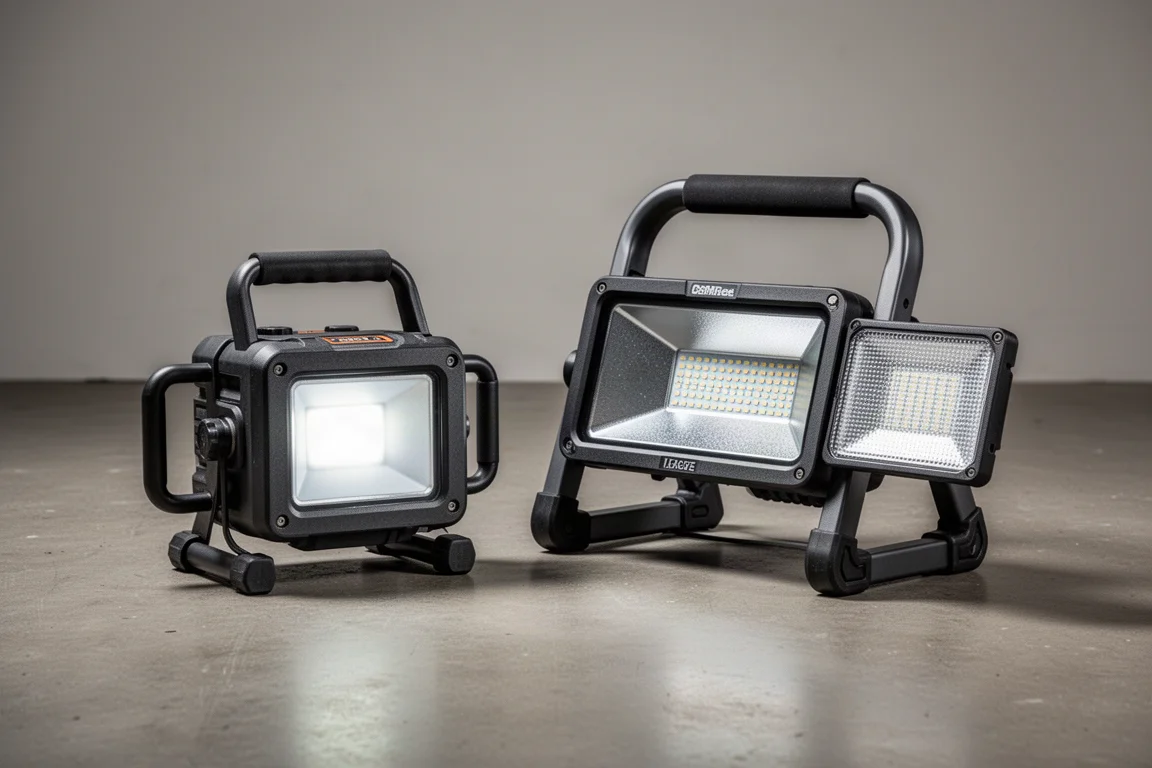
When a toolmaker ships a second generation of a product, the design changes are a useful reality check on the first one. The Milwaukee M18 Rover light is exactly that case: the Gen 2 model is not a minor refresh. It is a substantial redesign that addresses most of the everyday annoyances that made the original harder to recommend, while keeping the price and weight roughly the same.
This comparison covers what actually changed, why it matters in real use, and which version makes sense depending on how you work.
What Changed in Gen 2
The headline spec: Gen 2 produces roughly 1,000 more lumens on maximum output, about 33% brighter than Gen 1. It gets there with 36 individual LEDs, each with its own encapsulated reflector system, compared to 12 LEDs on the original. The result is a noticeably better beam spread, which was arguably the Gen 1’s biggest weakness. The original never quite worked as a go-anywhere job site light; the beam pattern was off in a way that pushed it into a supporting role, lighting a backdrop rather than a work area.
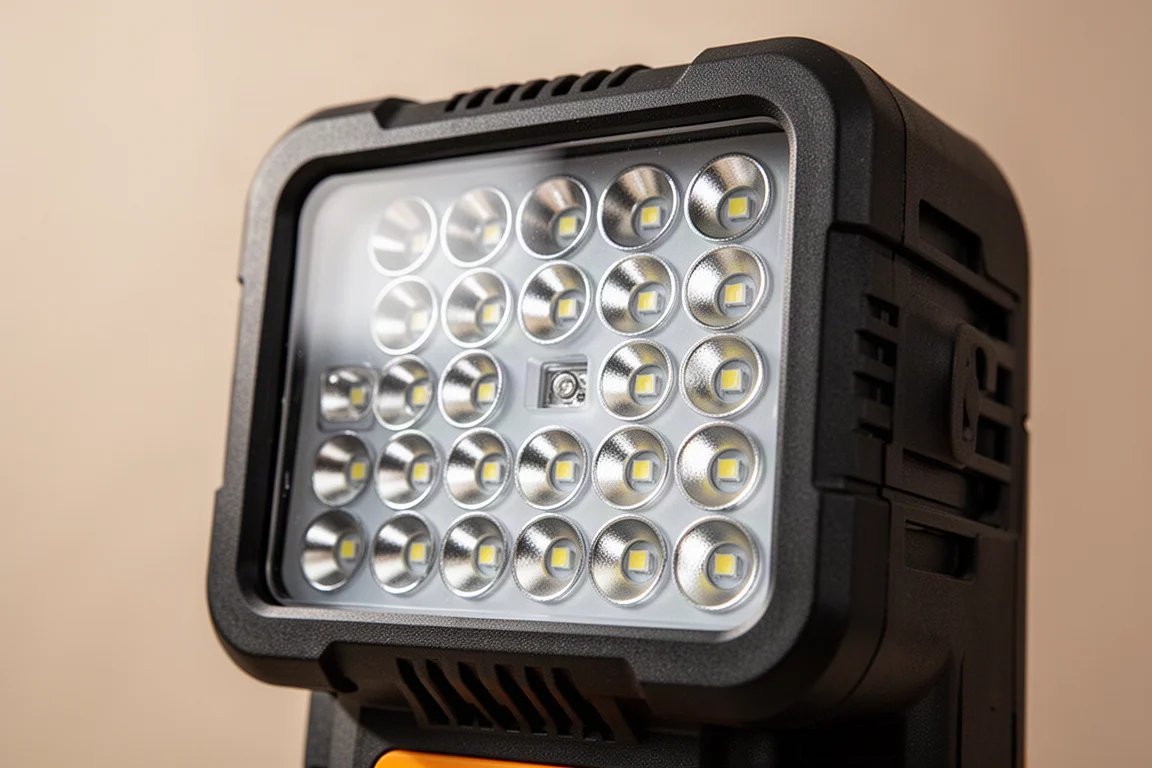
Heat management improves as well. Gen 1 ran hot and carried a large array of vents to cope with it. Gen 2 is more efficient overall, uses more aluminum, and delivers a longer run time.
Controls and Everyday Handling
Gen 1 hid a single button at the rear of the light body, which meant hunting for the switch in the dark, occasionally zapping your eyes with full output, and always starting on maximum. Turning it off meant cycling through full, medium, and low every time.
Gen 2 moves the button to a fixed, predictable location and separates power on/off from mode selection. That also enables mode memory, so the light comes back on at the last setting you used. For a light you turn on and off dozens of times a day, this is one of the most meaningful changes in the redesign.
Low-Profile Placement and Rotation
The handle design is where the two generations diverge most. Gen 1 uses two handles on the sides; Gen 2 uses a single handle across the top. The practical payoff is significant: you can hang the light easily, pick it up centered while keeping the beam on your work, and set it down predictably. Gen 1’s side handles make it tilt to one side when grabbed, which makes placing it accurately fiddly.
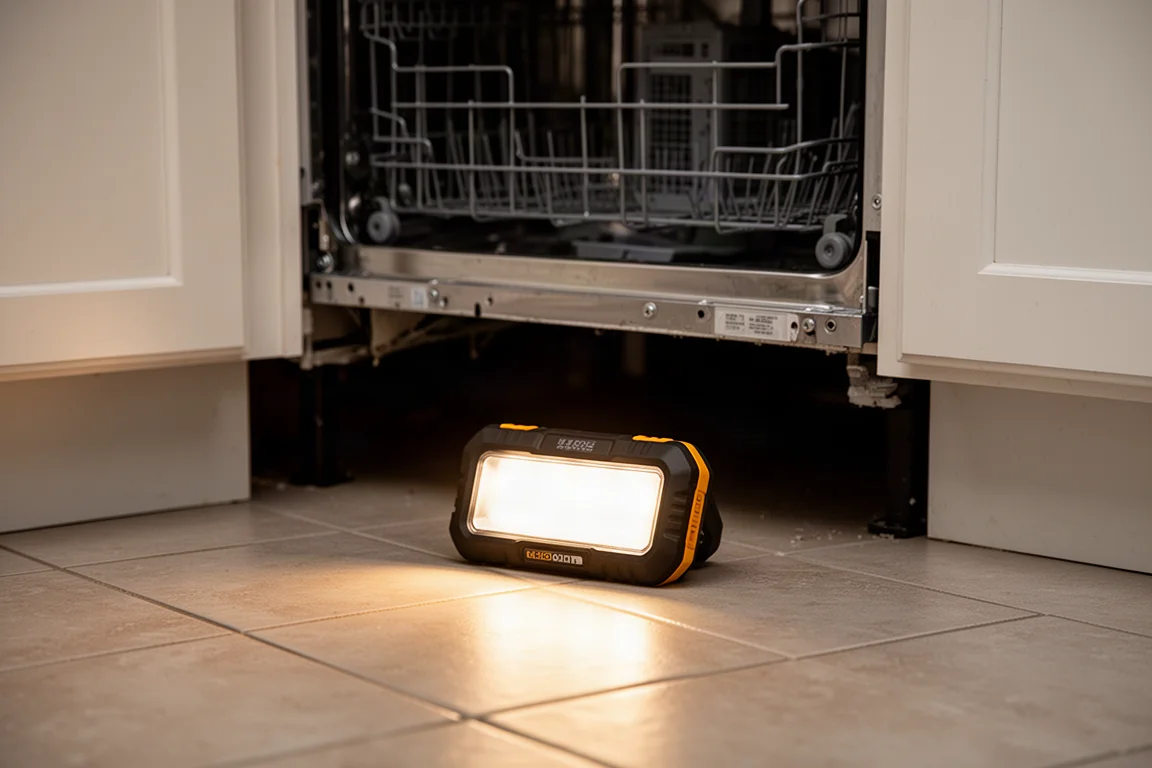
The front-mounted light panel on Gen 2, with the light sticking out of the frame rather than encased inside it, also lets the light sit flush on the ground. Working under an appliance, a dishwasher for example, without pulling it out, Gen 2 can drop all the way down and light the cavity. Gen 1 sits too high, wasting a large portion of its output blasting into the side of the appliance.
Rotation is another differentiator: Gen 2 offers roughly 120 degrees of tilt, while Gen 1 rotates about 240 degrees, from pointing straight up to pointing straight down and beyond. That said, Gen 2’s ability to lie flat and angle slightly downward covers the ground-level use cases where the extra rotation mattered most.
Battery Fit and Stability
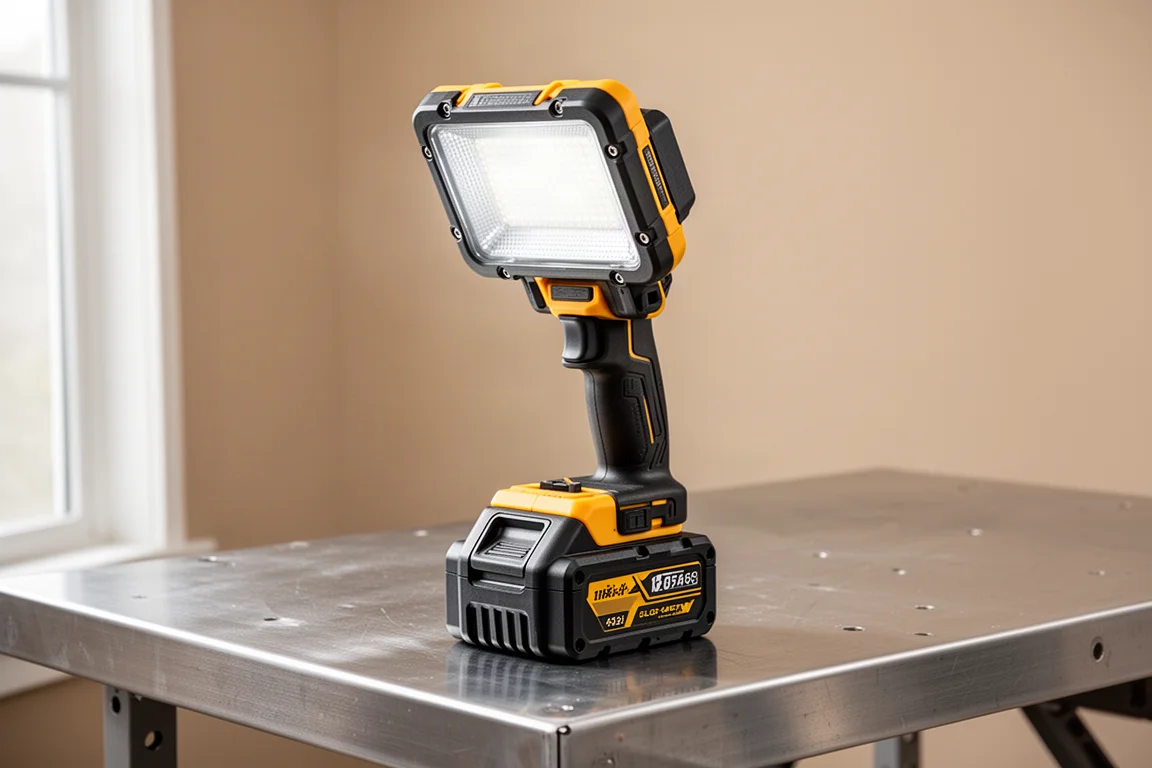
Gen 2 accepts Milwaukee’s largest M18 battery, the 12.0 Ah pack, with proper clearance so the light does not rest on the battery. Gen 1 predates that battery, and with a 12.0 installed it teeter-totters on the pack rather than sitting flat. On Gen 1 you are effectively tapped out at a 9.0 Ah battery. To be fair, the HD12 did not exist when Gen 1 launched, so this is a consequence of time rather than a design flaw at release.
Cord Management and Power Options
Both models accept an extension cord for AC power. Gen 1’s cord inlet sits loose, especially after knocks and jobsite abuse, because there is no strain relief mechanism. Gen 2 adds a spring-loaded cord wrap that holds the cord securely. Given how dirty and banged-around these lights get, that is an important durability detail.
Durability and the Details That Still Annoy
No redesign is perfect. Gen 2 has plenty of crevices and small recesses that collect dust, drywall powder, and dirt, and they are not easy to clean out thoroughly. The protruding front light panel also takes more hits than Gen 1’s fully encased design; the plastic cover can get scratched and dented over time. A replaceable cover, or one included as a spare, would be a sensible future improvement. Even so, most users would rather have the protruding light and exact placement than an encased design that cannot sit where the work is.
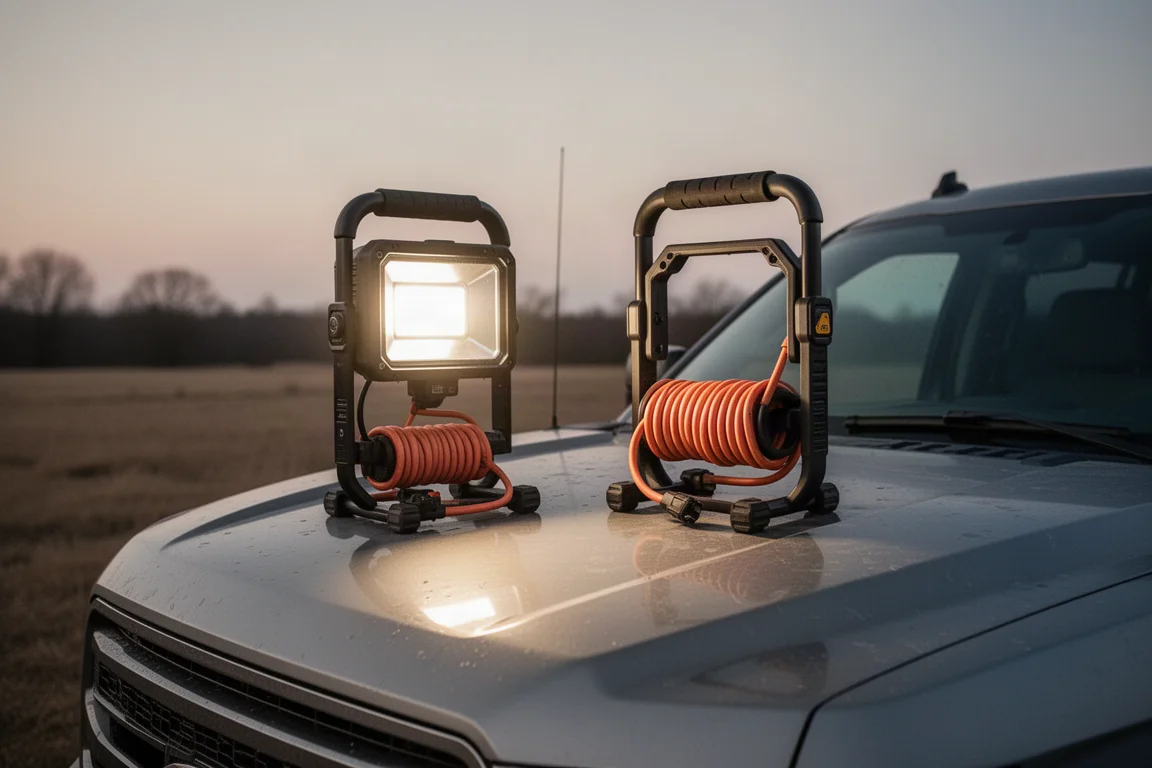
Gen 1 also raised water-ingress concerns, with open access points at the top of the unit, and it was never the light that went in the truck or the back country.
Which One Should You Buy?
Price-wise the two generations cost about the same new, and weight is nearly identical. That makes the decision unusually simple: Gen 2 is more efficient, runs longer, produces a third more light, handles batteries better, and fixes nearly every placement and control frustration of the original. Unless you find the Gen 1 at a steep discount and your needs are casual, Gen 2 is the clear pick. The original still works as a basic fill light, but its beam spread, hidden button, and battery limitations hold it back in daily use.
Conclusion
The M18 Rover light Gen 2 is a rare case where a new generation genuinely validates the complaints about the old one. Brighter output, a better beam, smarter controls, a more stable stance with large batteries, a proper cord wrap, and a low-profile form factor make it a dramatically more useful job site light. If you are choosing between the two, buy Gen 2.
Product link
View more details for Milwaukee M18 Rover Light Gen 2
This product is mentioned in the review. Check the specifications, options, and compatibility before buying.
View more details for Milwaukee M18 Rover Light Gen 2Further reading
Related Reviews
Tool Lighting
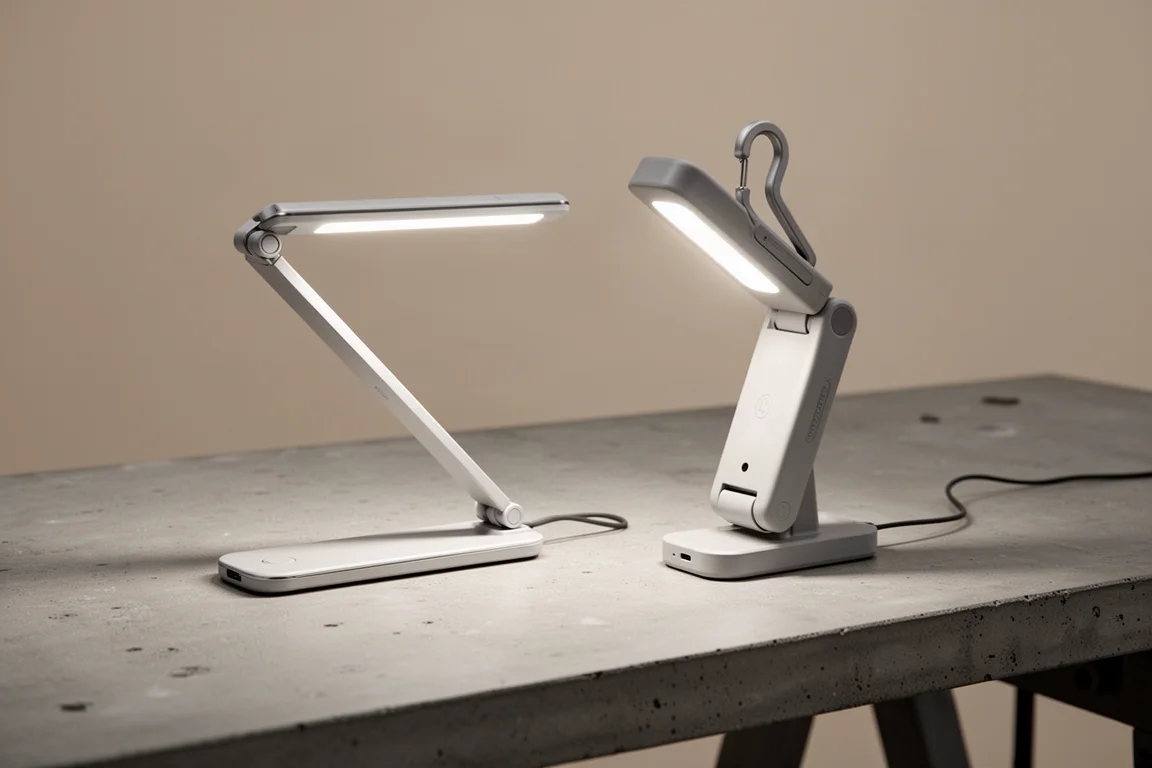
Best Compact Task Lights: Milwaukee 2013R vs Olight Swivel
Two USB-rechargeable task lights that take very different approaches to lighting tight workspaces, compared on design, mounting, and output.
Tool Lighting
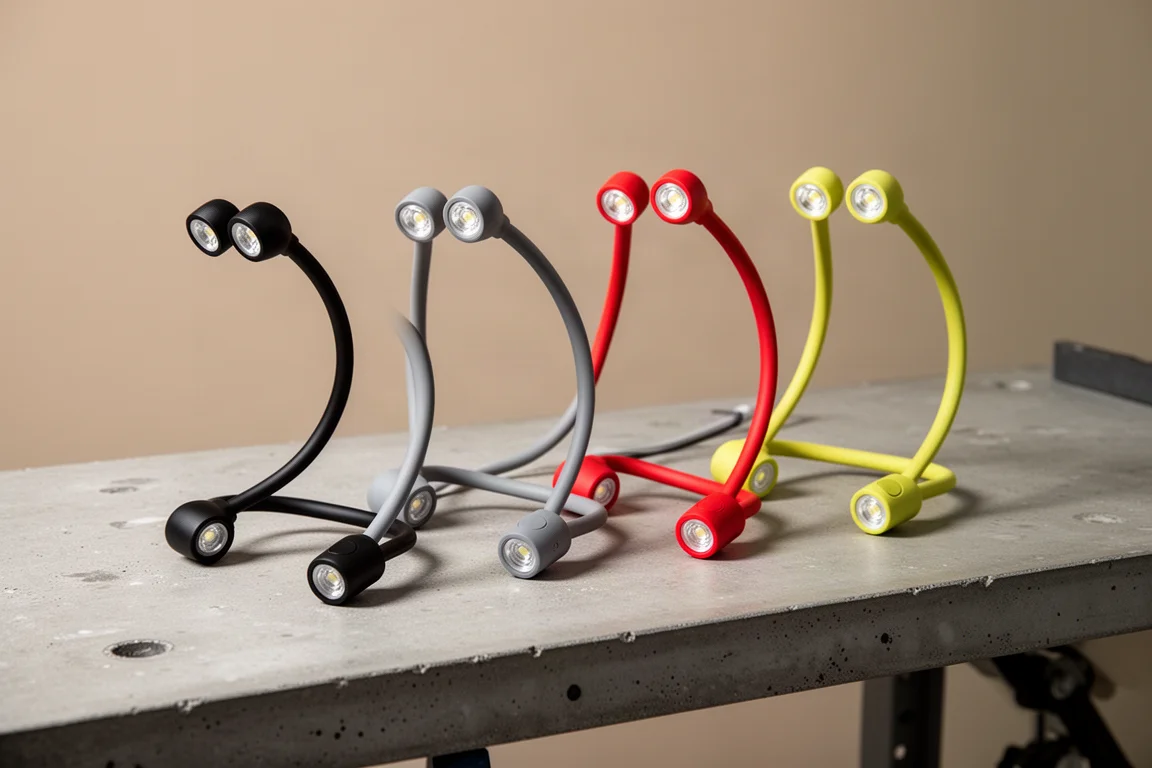
Best Neck Lights for Hands-Free Work: Four Options Compared
Snap-on, Matco, Milwaukee, and Braun neck lights compared on brightness, balance, battery design, and everyday usability.
Tool Lighting
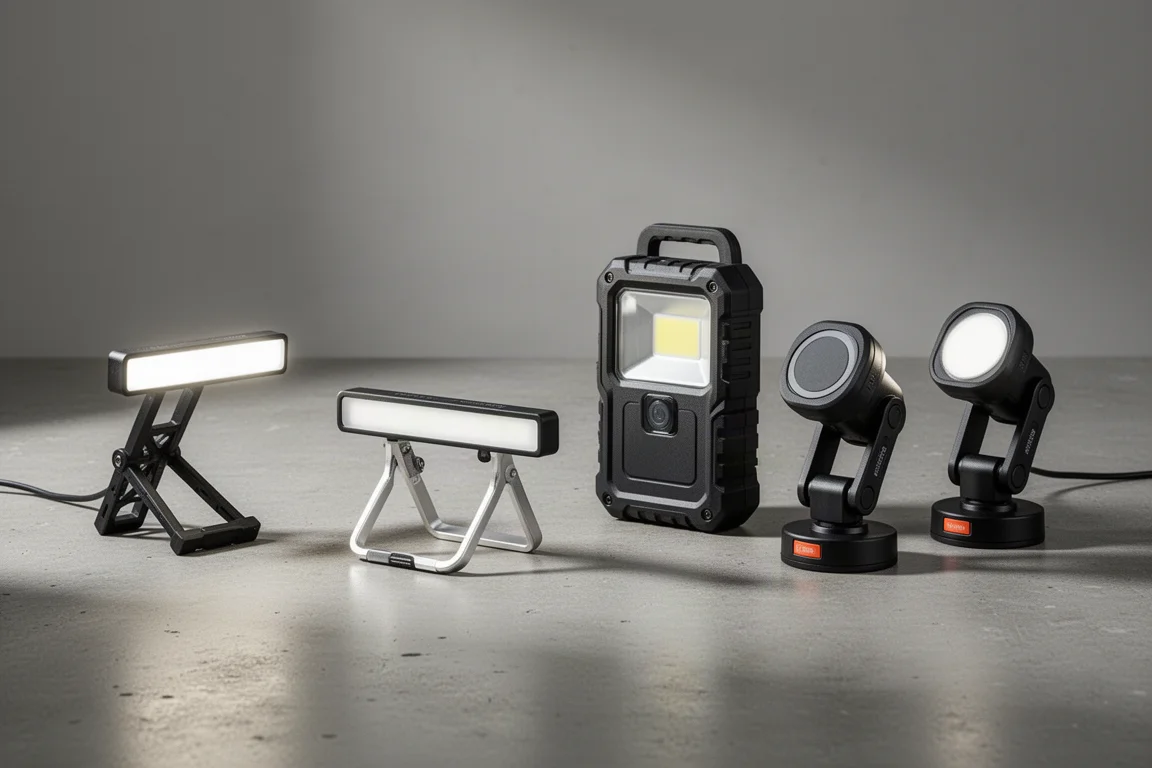
Slim Rechargeable Work Lights Compared: Klein 56079 vs Milwaukee 2013R Plus Three Alternatives
A practical comparison of slim rechargeable task lights, including the Klein 56079, Milwaukee 2013R, DeWalt, and two Olight Swivel options.