Tool Lighting
Best Neck Lights for Hands-Free Work: Four Options Compared
Snap-on, Matco, Milwaukee, and Braun neck lights compared on brightness, balance, battery design, and everyday usability.
Introduction
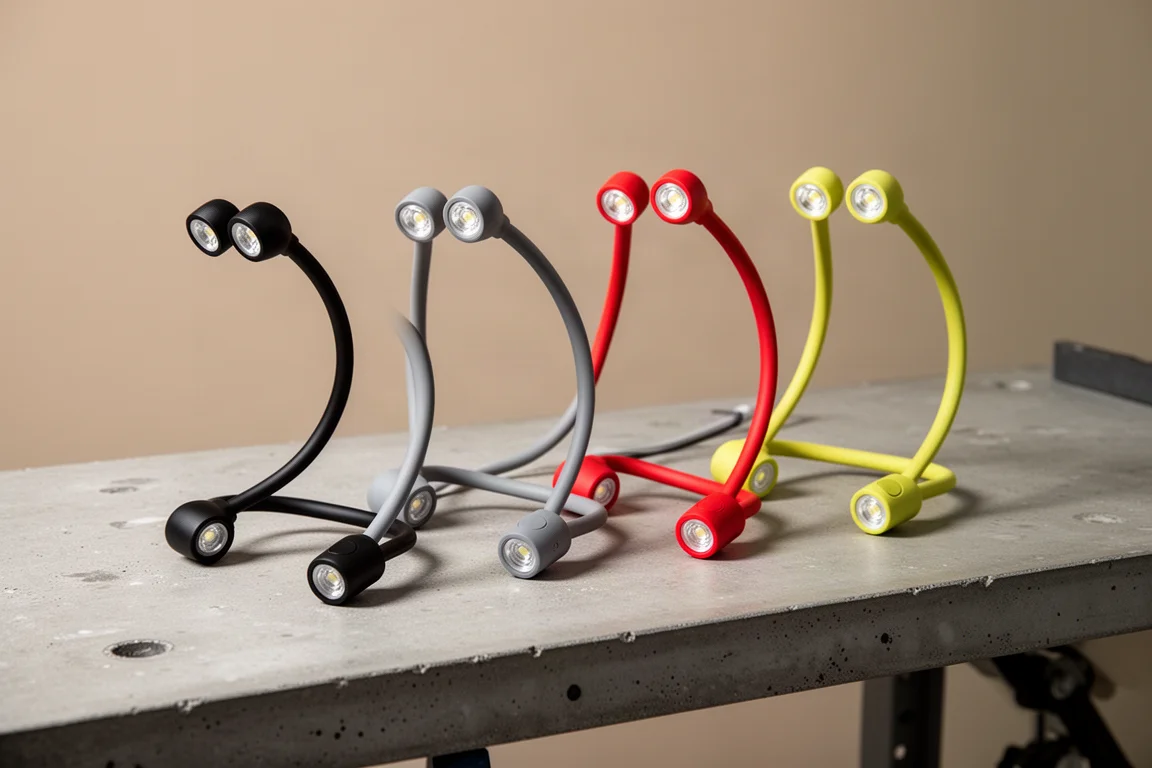
Neck lights have moved past the gimmick stage, but the category is still evolving fast, and quality varies wildly. Some of the worst examples cost under 20 dollars: sloppy light heads, poor fit, questionable rubbery materials, and double-A batteries. At the other end, well-designed units from tool truck brands cost around 100 to 120 dollars and genuinely earn their keep.
This comparison looks at four options: the Snap-on neck light at 118 dollars off the truck, the Matco at 116 dollars, the Milwaukee at roughly 100 dollars (sometimes as low as 80 on sale), and the Braun from Harbor Freight. Each takes a different approach, and the differences matter more than you might expect.
What to Look For in a Neck Light
A neck light only needs to illuminate what is within arm’s reach. Whether you are under a car or working on something close, massive lumen counts are unnecessary. Around 500 lumens is plenty, and 300 is often good enough. The exception is working under a vehicle with daylight overhead, where a brighter beam helps your eyes compensate for ambient light.
Beyond brightness, consider runtime and battery weight, light color, weight distribution, and whether the light heads can be aimed and controlled independently. These details separate the good units from the disappointing ones.

One warning: the cheap, poorly fitting neck lights that turned so many people off the category are not representative. There are genuinely good ones under 50 dollars, and they come in enough color options that style can help you decide.
Snap-on Neck Light
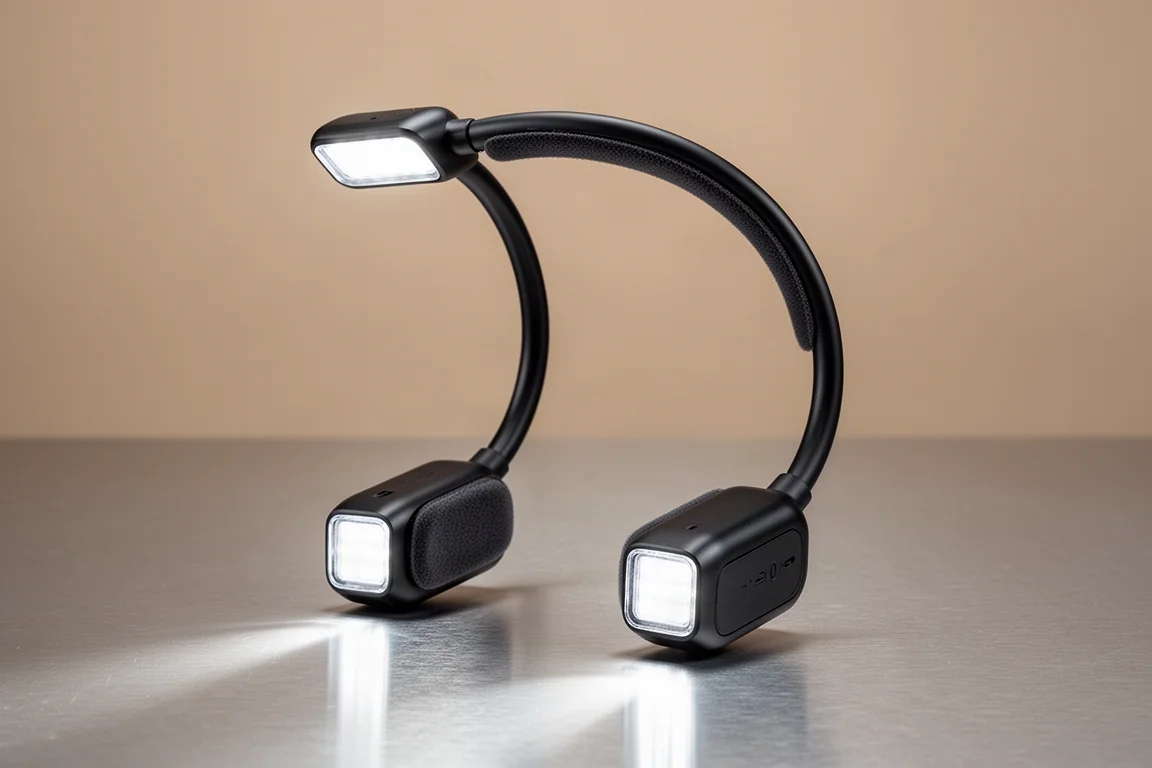
The Snap-on is the most expensive here at 118 dollars off the truck, and it is also the favorite. The design puts smaller light boxes at the front and the batteries at the back, creating a nice balance point in the middle. That matters because this unit can also ride on your ears, so it has to balance rather than smash against your head.
The light heads adjust up and down with a silky smooth motion, each one switches on individually, and the fit is secure. The main trade-offs are the slippery material compared to grippier rubber on competitors, and the adjustable brightness via a held button, which is of limited practical value. Replacement parts are available, though at roughly 40 dollars apiece, repairs can make an already expensive unit pricier.
Matco Neck Light
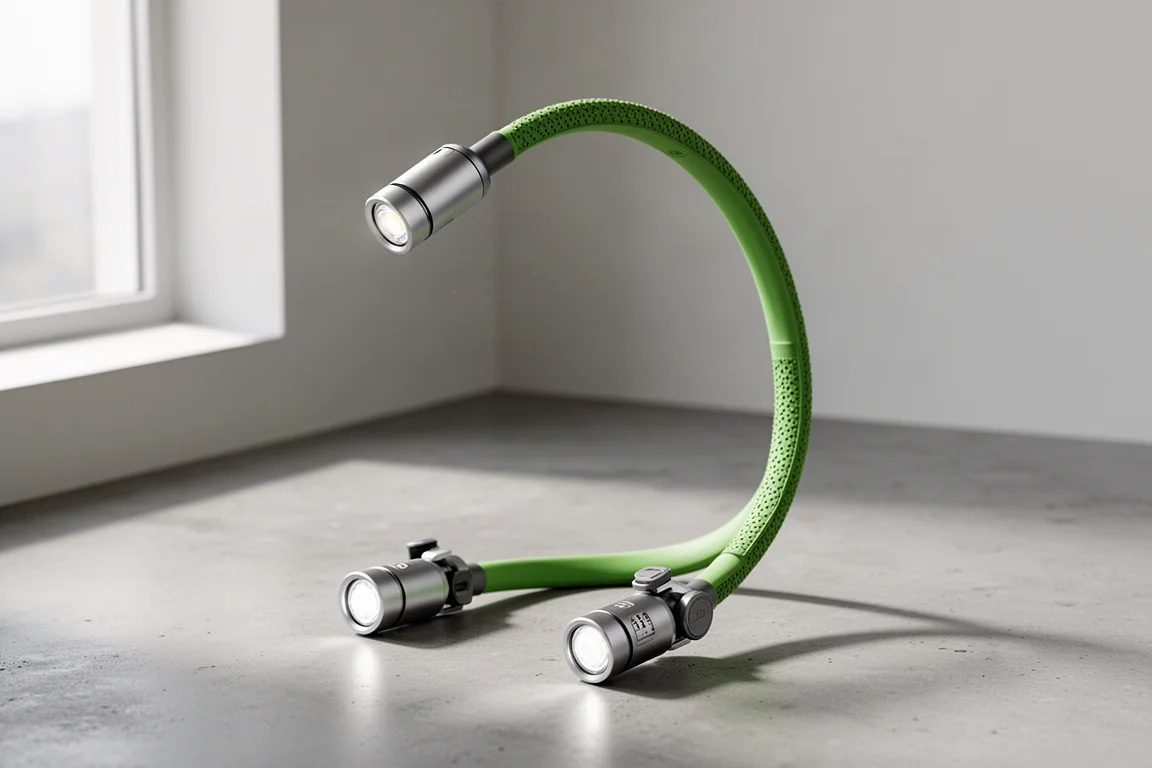
The Matco costs two dollars less than the Snap-on at 116 dollars off the truck and uses a different lighting system. It carries a lot of weight at the front, which can cause the unit to shift if the fit is not tight enough, if your neck is small, or if you look up and down a lot. The compensation is unique: these light heads spin a full 360 degrees with detents, so if the unit starts to slide, you can rebalance by adjusting the ends.
The output is a nice bright light with good overlap between the two beams, and each head switches individually. Replacement parts are available here as well, and the green finish has a slightly yellow tone some people prefer.
Milwaukee Neck Light
The Milwaukee sells for about 100 dollars and has been seen as low as 80 on sale. It takes the opposite approach to weight distribution: very light up front and heavy at the back, because it houses a replaceable battery in the rear. That is a real option if you want to swap batteries, especially if you are already invested in Milwaukee’s REDLITHIUM 3.0 USB system with other lights and flashlights. The catch: there is no USB port on the battery pack itself, so you charge it inside the unit via USB-C, which reduces the swap-around convenience.
The light uses Milwaukee’s true color output, which can genuinely help with color-sensitive work. It is very light on the neck, though some reviewers apparently mistook it for an ear-worn style, which it is not, although you could try wearing it that way given the slight back-heavy balance. It has the widest range of motion up and down, but no detents.
Braun Neck Light (Harbor Freight)
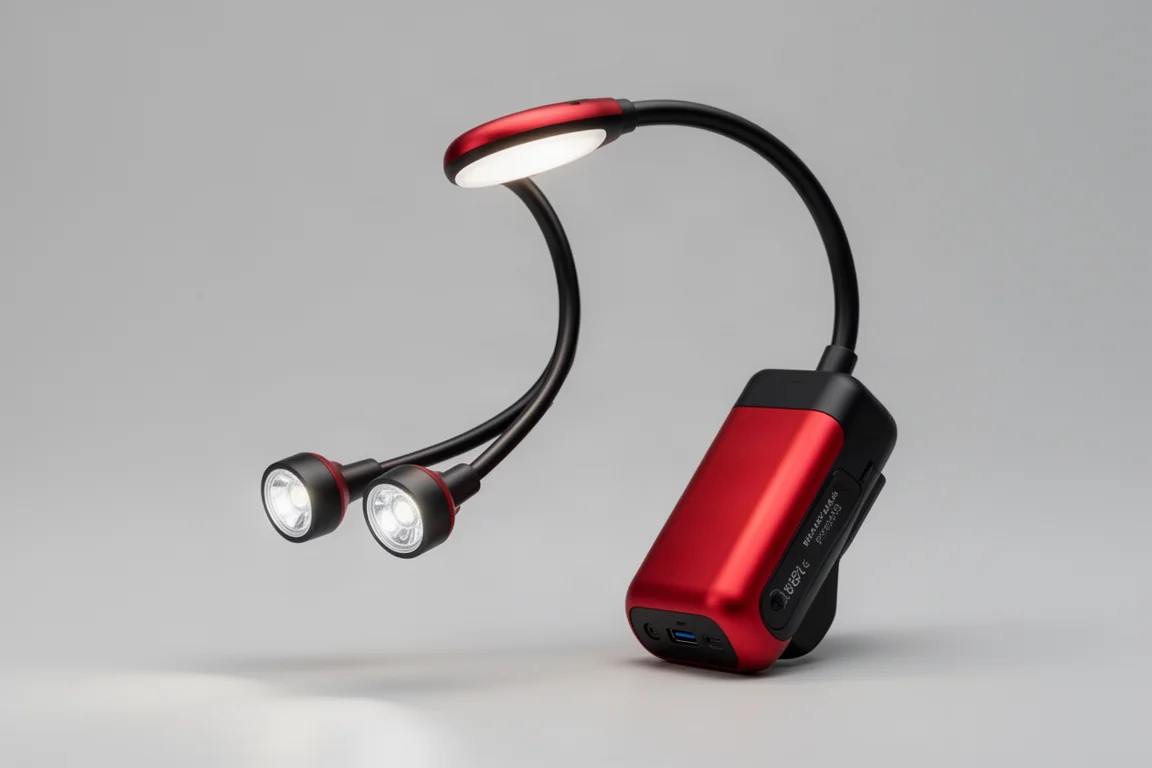
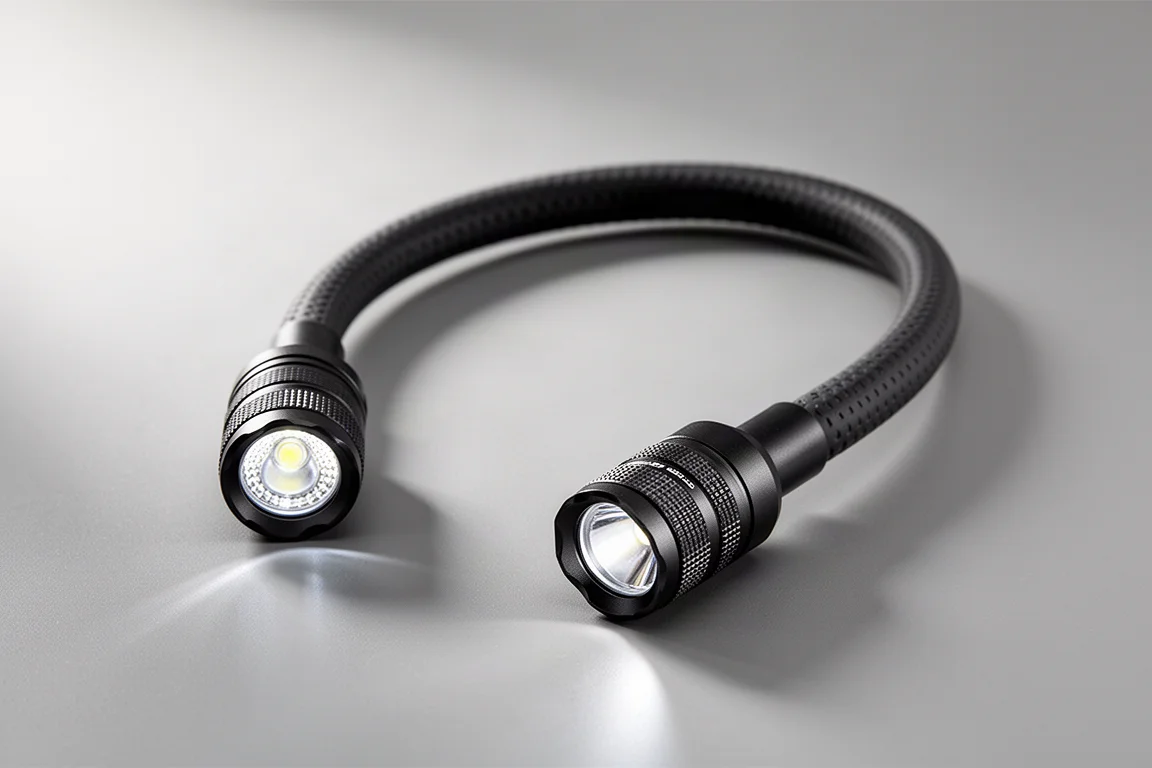
The Braun from Harbor Freight has its own feature set, but it illustrates why some people write off neck lights entirely. The zoom function on the light heads makes the light worse, not better: the heads behave like two small flashlights stuck onto the ends, producing a tiny work area, and twisting them concentrates the beam into something even less useful. Both lights come on together with a single button, which limits runtime flexibility compared to units with individual switches.
It is not worthless, but if you have used any of the others first, you will notice what is missing immediately. In its favor, the rubber is probably the grippiest of the four, and the light heads click through definite detents, though it has the least range of motion of all of them. If this is the only neck light you have tried, do not judge the category by it.
Brightness and Beam Quality
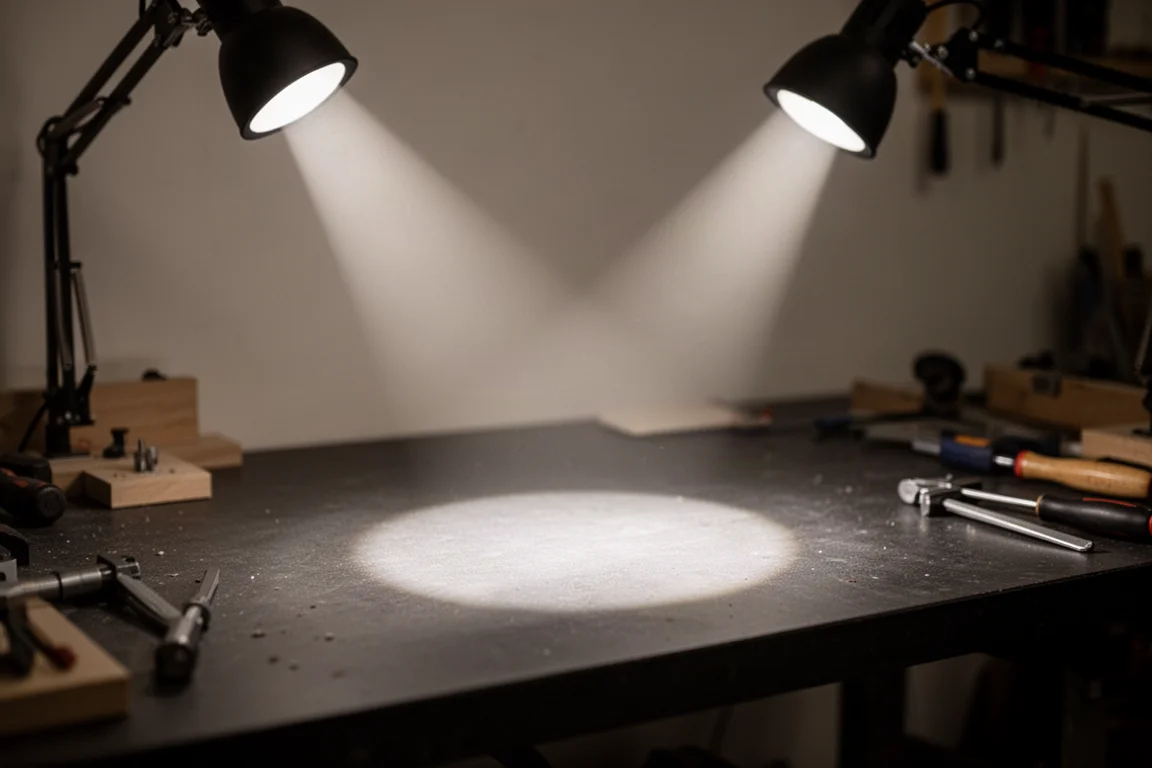
At close range, beam quality matters as much as raw output. The Milwaukee lights up an entire table surface from the same height where the Braun leaves it mostly dark. The Snap-on is perhaps slightly narrower than the Milwaukee but still plenty wide, and the Matco throws a nice bright spread.
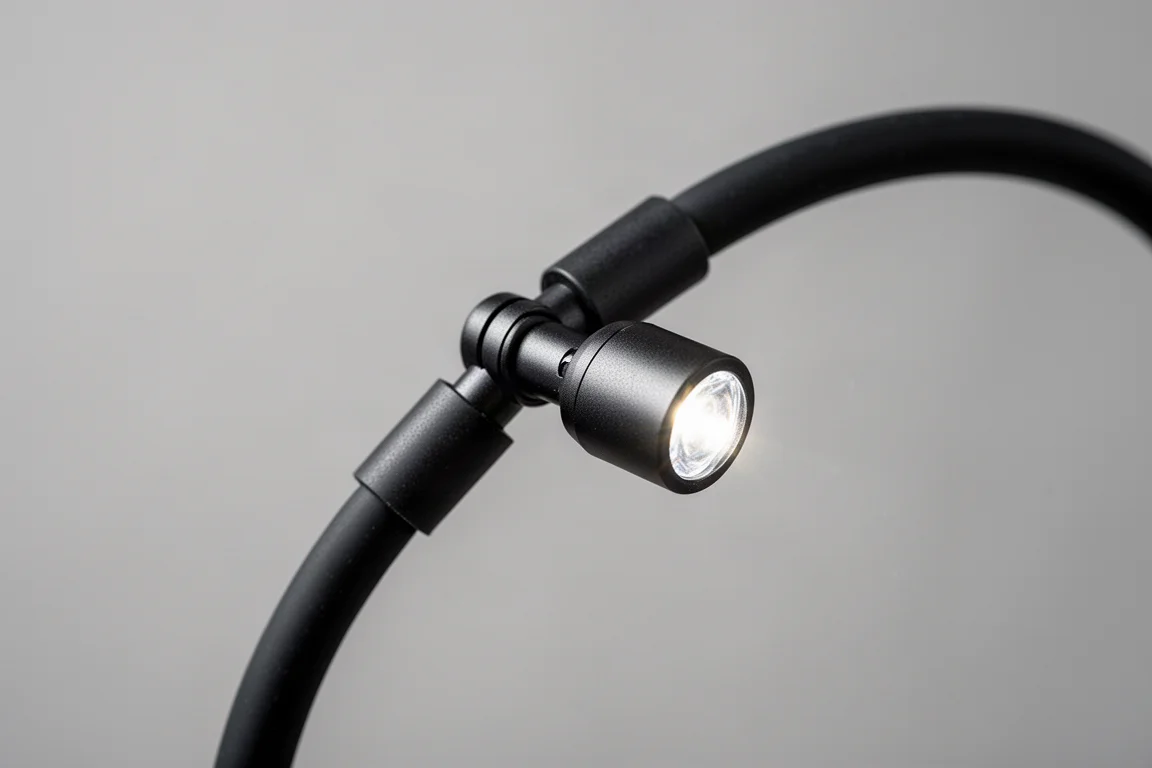
When working close in, artifacts matter too. The Snap-on, Matco, and Milwaukee all behave like a single well-blended light with good overlap and nothing strange going on. The Braun shows tight, separated beams and more chromatic aberration, a discoloration around the lens edge where wavelengths bend differently, though in real life it is hard to see. None of the good units run hot: one of these left on for extended periods did not produce much temperature at all, which casts doubt on occasional reports of overheating or smoking.
Design, Comfort, and Adjustability
All four are designed to go around the neck at minimum, and weight distributes over a larger area than a headlamp, which concentrates its bulk on your forehead. The Snap-on can also rest on the ears and is the most softly padded. The Matco and Braun use grippy rubber, with the Braun the grippiest of all, while the Snap-on is fairly slippery.
On adjustability: the Matco’s 360-degree rotating heads with detents are unique. The Snap-on moves up and down smoothly. The Milwaukee travels higher and lower than the others but has no detents. The Braun clicks through positions but has the smallest range of motion. Replacement parts are a real option on the Snap-on and Matco, though at about 40 dollars per piece. The Matco’s battery compartment has an accessible screw if you want to open it up or tighten it.
Buying Advice
If budget is the driver, remember there are genuinely good neck lights under 50 dollars; the category is not defined by its cheapest failures. If you want the best overall experience and can spend truck-brand money, the Snap-on’s balance and smooth adjustability justify its price. The Matco suits anyone who values 360-degree rotating heads and a bright, wide beam. The Milwaukee is the pick for existing REDLITHIUM USB users who want true color light and a replaceable battery, and it is often the most affordable of the premium options on sale.
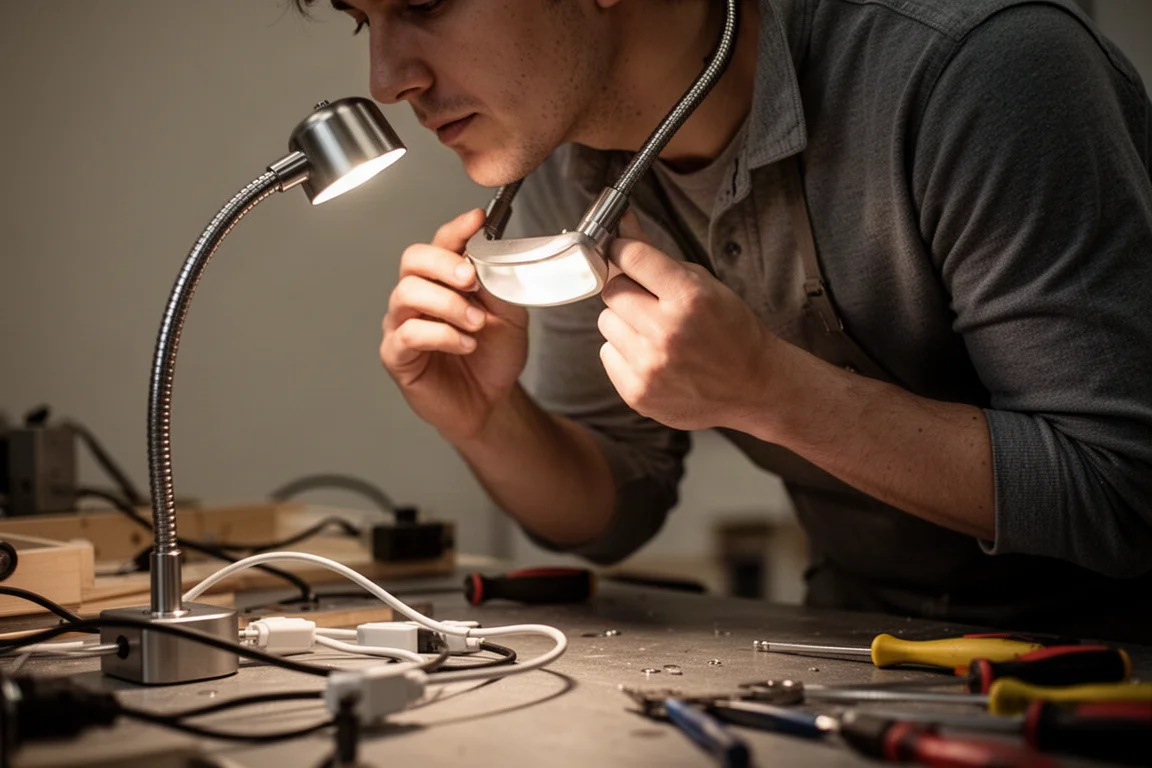
Whichever you choose, prioritize secure fit, individual light control, and good close-range beam blending over zoom features and adjustable brightness, which add little in practice. Runtime across these units generally lands in the 3 to 6 hour range depending on whether you run one light or both.
Conclusion
Neck lights are still finding their form, and the gap between a thoughtful design and a cheap two-flashlights-on-a-band approach is enormous. The Snap-on currently sets the standard for balance and refinement, the Matco counters with rotating heads and strong output, the Milwaukee offers a battery-swapping ecosystem play at a lower price, and the Braun shows why first impressions of the category can be misleading. Match the design details to how you actually work, and a neck light can earn a permanent place in your kit.
Further reading
Related Reviews
Tool Lighting
Best Compact Task Lights: Milwaukee 2013R vs Olight Swivel
Two USB-rechargeable task lights that take very different approaches to lighting tight workspaces, compared on design, mounting, and output.
Tool Lighting
Slim Rechargeable Work Lights Compared: Klein 56079 vs Milwaukee 2013R Plus Three Alternatives
A practical comparison of slim rechargeable task lights, including the Klein 56079, Milwaukee 2013R, DeWalt, and two Olight Swivel options.
Tool Lighting
Milwaukee M18 Rover Light: Gen 1 vs Gen 2 Compared
The second-generation M18 Rover is a genuine redesign, not just an LED swap. Here is how the two versions differ in brightness, beam, handling, and everyday placement.