Outdoor Power Equipment
Milwaukee M18 Quick-Lock String Trimmer: Gen 1 vs Gen 2 Compared
A hands-on comparison of Milwaukee's two Quick-Lock string trimmer generations, covering the redesigned attachment system, smoother operation, new speed modes, and whether the upgrade is worth it.
Introduction
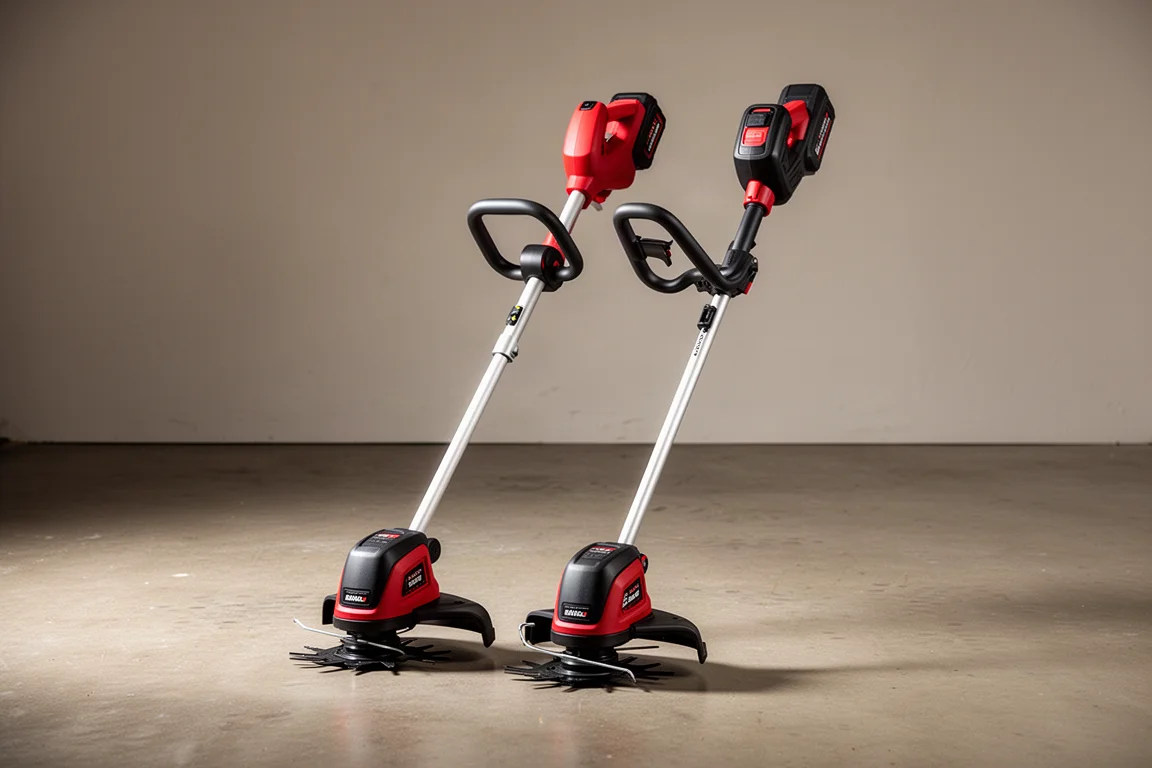
String trimmer season never really ends until the grass stops growing, and right now two generations of the same tool are competing for your attention: the Milwaukee M18 Quick-Lock String Trimmer Gen 1 and the newer Gen 2. Milwaukee is popular with homeowners, DIYers, and professionals alike, and its Quick-Lock system lets one powerhead run multiple attachments, including a string trimmer head, hedge trimmer, and a genuinely impressive edger. But is the second generation a meaningful upgrade, or should first-gen owners sit tight? After weighing, measuring, and running both back to back, here is how they stack up.
First Look: Two Generations, One Platform
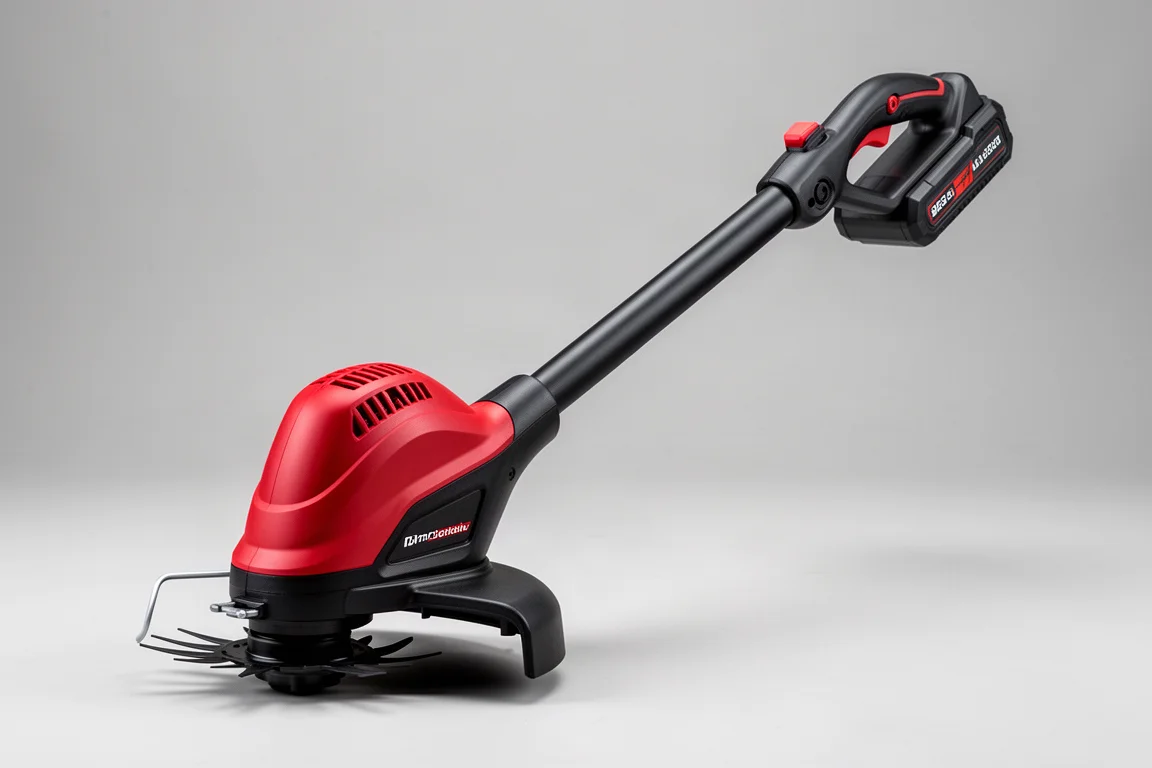
The first-gen Quick-Lock trimmer is a good tool, just not a great one. It cuts well, feels solid, and benefits from the same instant-power trigger that makes Milwaukee’s M18 outdoor lineup appealing. There is no soft-start delay: pull the trigger and it is at full speed immediately, which is exactly what wins over people used to gas trimmers.
Milwaukee gears these trimmers toward professionals, but homeowners have been buying in too. One detail worth noting up front: both generations share the same attachment ecosystem, and older attachments work on the new model, so nobody is forced to rebuy heads.

Attachment System: The Biggest Everyday Improvement
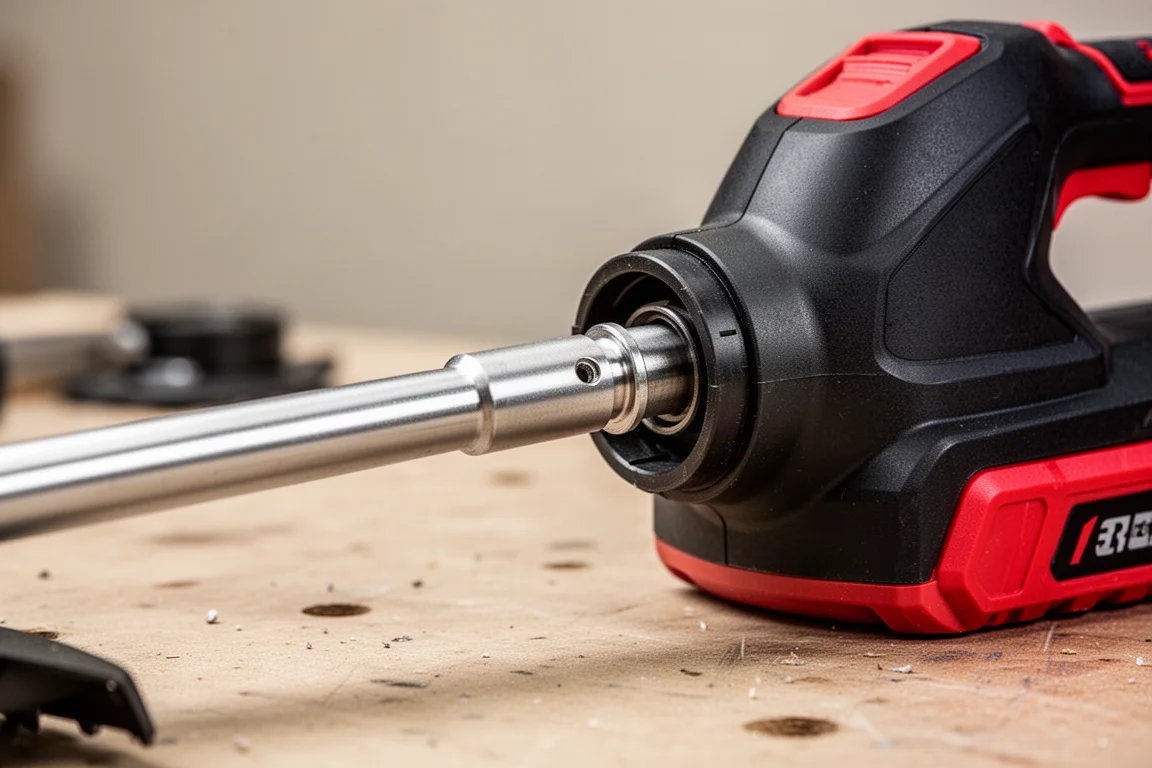
The Quick-Lock concept is simple. You drop the attachment shaft into the powerhead, seat it, and crank the collar down. On the first generation, that seating step was the weak point. Some days the attachment dropped in perfectly, other times it took multiple tries before you could lock it down.
The second generation fixes this. Attachments now click in on the first try far more consistently, and Milwaukee redesigned the internal locking mechanism with deeper, wider cuts that make seating easier. The company also appears to have secured the internal shaft, which addresses another first-gen quirk: with the tool running flat, the older model buzzes, rattles, and vibrates as the shaft rubs against the pole. The new generation runs dramatically smoother on both medium and high, a night-and-day difference you can hear and feel.
Speed Control and Handling
Both generations use a safety switch plus variable-speed trigger, and the safety and trigger parts appear to be the same design. The big operational change is speed modes. The first gen offers just two settings, low and high, with an indicator that is not easy to see. The Gen 2 adds a third: low at 4,600 RPM, medium at 5,400 RPM, and high at 6,200 RPM, all selectable with a backlit button. Combined with the variable trigger, that gives you noticeably more control in tight or delicate spots.
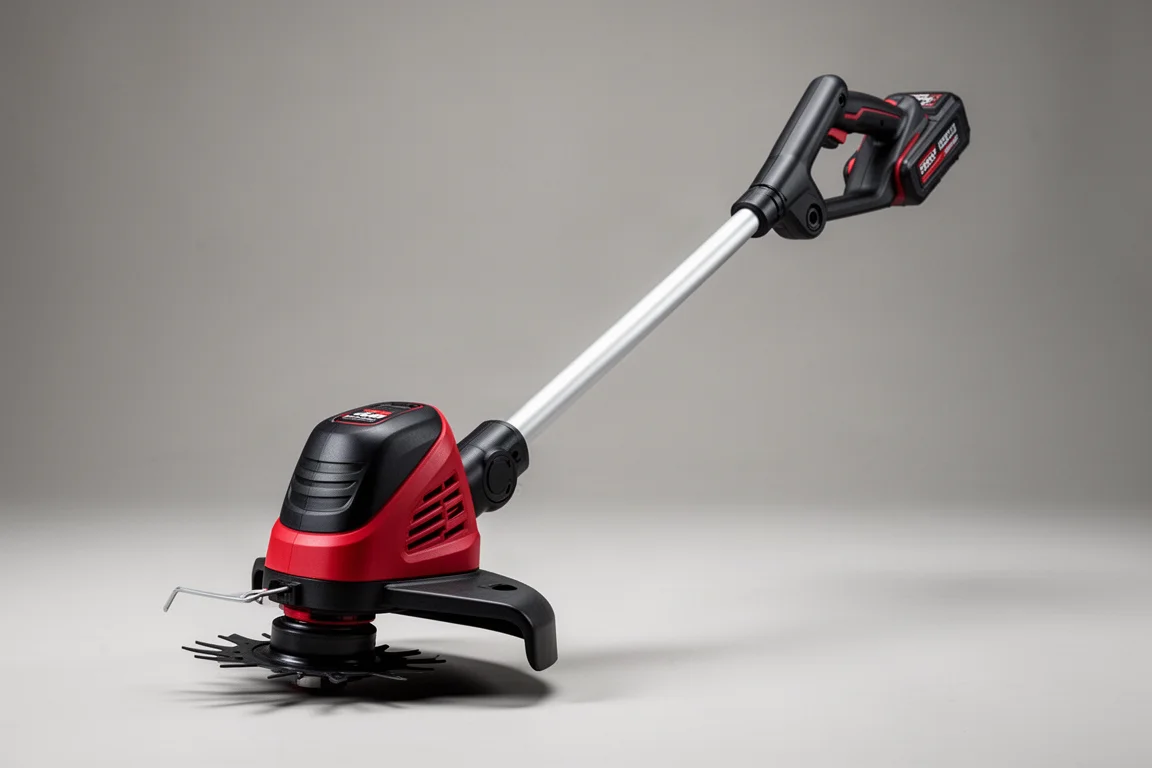
Handling is where the Gen 2 genuinely surprised. Despite nearly identical specs, it feels better balanced, more nimble, and easier to maneuver into tighter areas. The housing has also been smoothed out, with airflow vents relocated from the sides to the top in a cleaner design. For anyone with back issues, the improved balance makes long trimming sessions far more tolerable.
Specs: Weight, Length, and Cutting
Here is how the two generations compare on the numbers, weighed and measured directly rather than relying on inconsistent published figures:
- Gen 1 weight: 6.32 lbs without the attachment shaft or battery
- Gen 2 weight: 6.45 lbs, weighed the same way, so slightly heavier
- Cutting width: up to 16 inches on both
- Feed type: bump feed on both, no automatic feed
- Gen 1 length: 70.5 inches; Gen 2: 74 inches
- Gen 1 speeds: low 4,600 RPM, high 6,200 RPM
- Gen 2 speeds: 4,600 / 5,400 / 6,200 RPM
Cutting Performance and Runtime
Both trimmers ship with Milwaukee’s newer Forge 8.0 batteries in the kit rather than the older high-output 8.0 that some buyers disliked, and the kit includes the rapid charger instead of the standard one. That matters: with two batteries, you can rotate one on the 30-minute rapid charge while the other runs, effectively giving continuous operation.
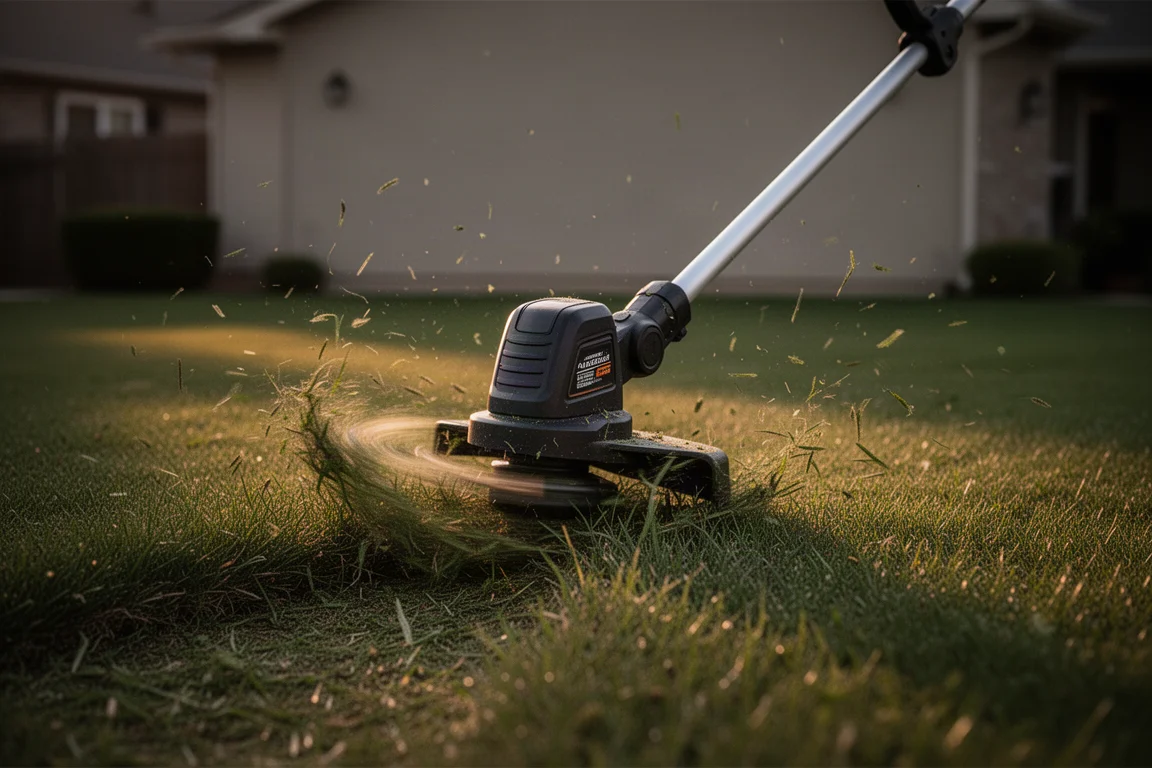
Runtime is the honest weak spot. In heavy, wet, thick grass, expect roughly 30 minutes on a charge, though drier summer grass stretches that considerably. On the plus side, there is no noticeable battery sag under load, and the trimmer powers through heavier growth without complaint. It also has more than enough power to edge, which the Quick-Lock edger attachment handles very well.
So, Should You Upgrade?
If you already own the first gen, probably not. The Gen 2 is smoother, better balanced, and much better at the attachment swap, but the first gen still runs great, and those refinements are not enough to justify replacing a working tool. The upgrade makes far more sense for anyone buying into the M18 Quick-Lock platform for the first time, where the Gen 2 is simply the better starting point.
Where Milwaukee Missed the Mark
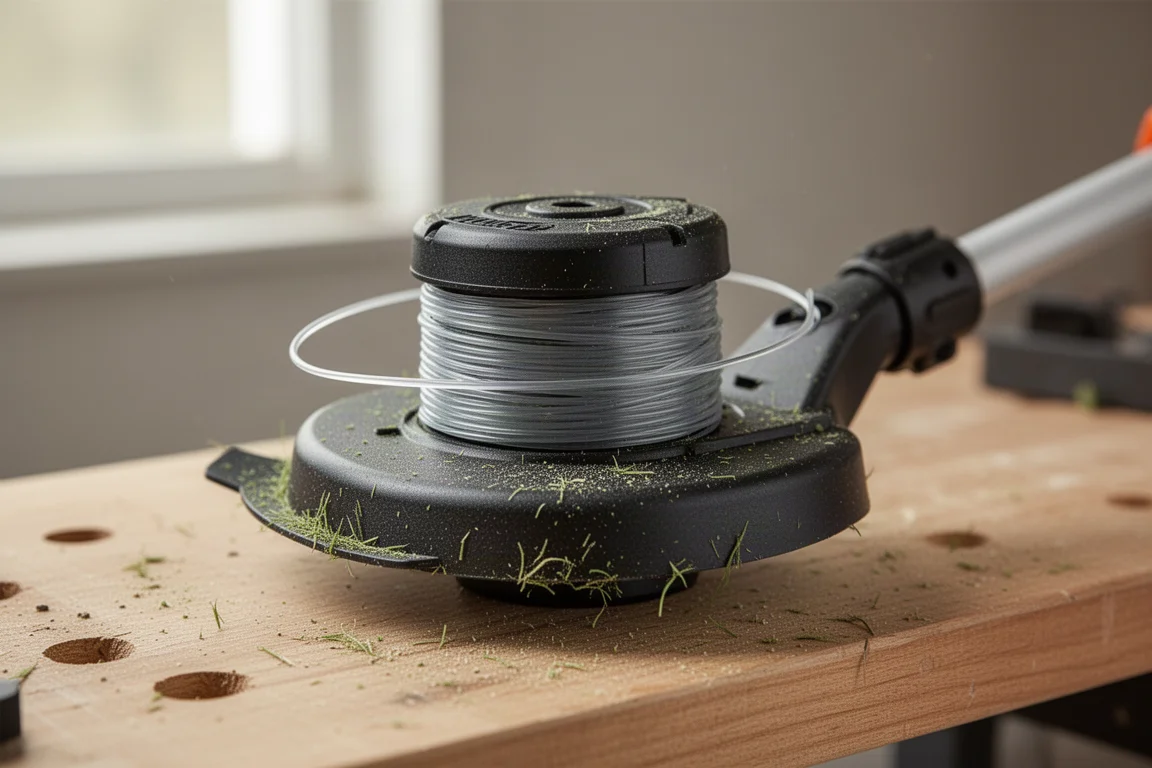
The clearest missed opportunity is line feed. Neither generation offers a self-feeding head, so you are still tapping to advance the line. Plenty of buyers prefer the simplicity of bump feed and worry about self-feed mechanisms breaking, and Milwaukee did make reloading easy: you insert the line, line it up, and twist the head rather than removing the whole spool assembly. Still, anyone who has used a reliable self-feeding trimmer for years will find the tapping routine tedious.
Buying Advice
Get the Gen 2 if you are new to the platform. It is the smoother, more refined tool, the three speed modes give real control, and the improved attachment coupling removes the most annoying part of the Quick-Lock system. Stick with the Gen 1 if you already own it; it remains a capable trimmer, and your existing attachments carry over anyway if you ever do switch. Either way, this Quick-Lock system is strong enough that it competes with dedicated trimmers, and for many buyers it has replaced long-time favorites as the top pick in this class.
Conclusion
The Milwaukee M18 Quick-Lock String Trimmer Gen 2 is a thoughtful refinement rather than a revolution: easier attachments, a secured shaft, less vibration, three speed modes, and better balance. It is the version to buy if you are entering the platform, while first-gen owners can comfortably keep what they have. Paired with the Forge battery and rapid charger in the kit, it is one of the most pleasant cordless trimmers to use, even if the bump-feed head leaves a little room for improvement.
Further reading
Related Reviews

Outdoor Power Equipment
Best Cordless Chainsaws 2026: EGO, Milwaukee, and Stihl Compared
Three flagship battery-powered chainsaws from EGO, Milwaukee, and Stihl go head to head in cutting speed, power, weight, and price.

Outdoor Power Equipment
Best Cordless Leaf Blowers 2026: Nine Models Put to the Test
We tested nine leading cordless leaf blowers from Ryobi, STIHL, Toro, EGO, Husqvarna, DeWalt, Makita, Milwaukee, and Echo to find the best blowing force, run time, and value.
Outdoor Power Equipment
Amazon Big Spring Sale 2026: Best Outdoor Power Equipment and Backyard Deals
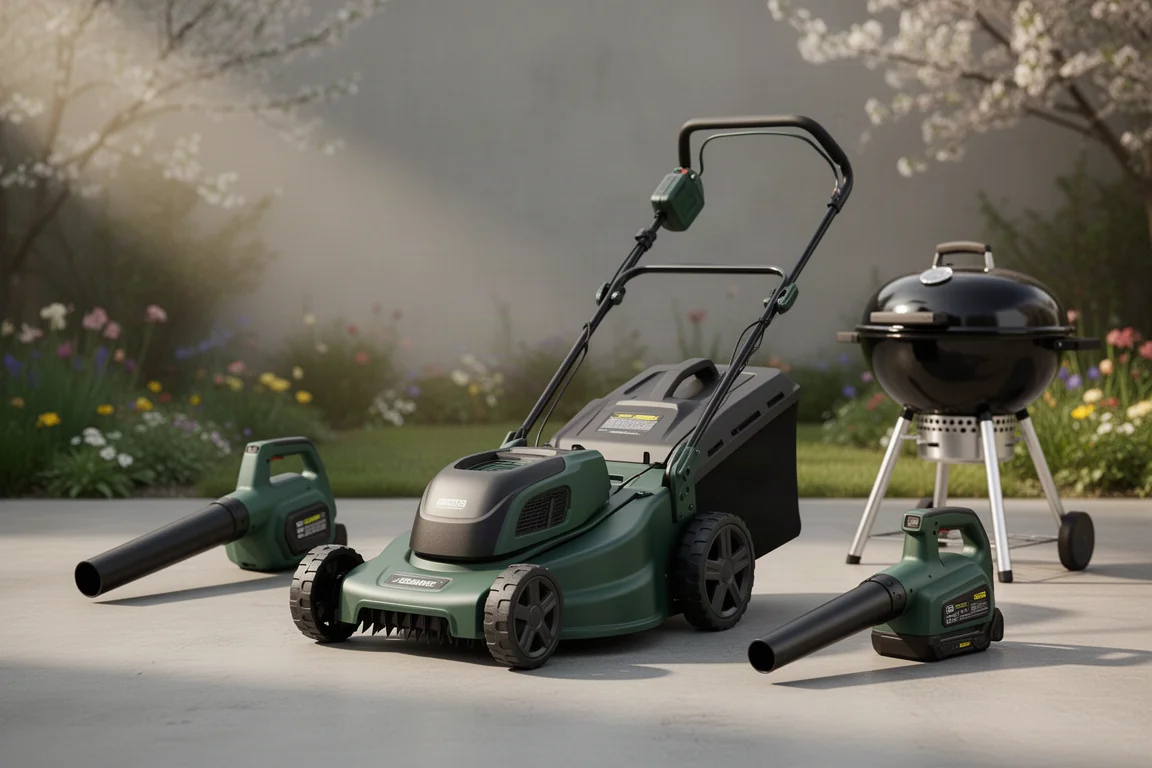
Cordless mowers, blowers, grills, and portable power on sale this spring, with practical advice on which packages are actually worth buying.