Outdoor Power Equipment
Milwaukee M18 Dual Battery 17-Inch String Trimmer: Hands-On Review
Milwaukee's dual battery 17-inch trimmer promises 2.5 peak horsepower and zero emissions, but the weight and price need a closer look.
Introduction
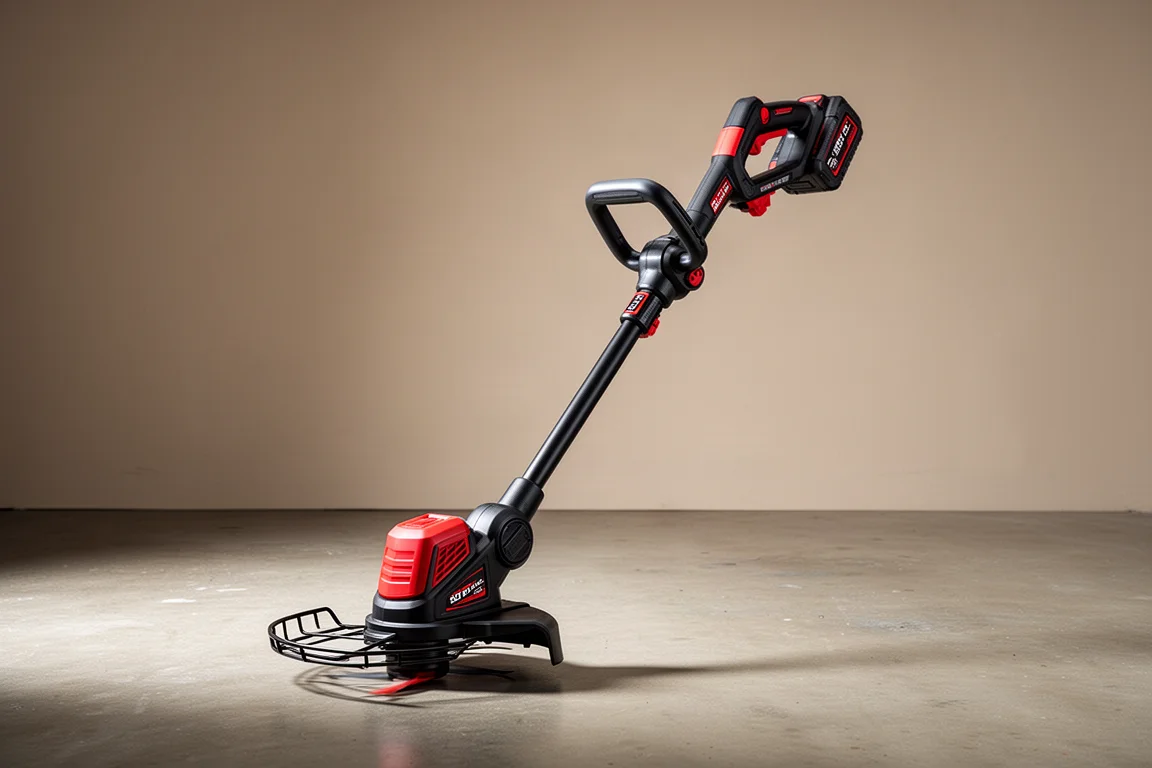
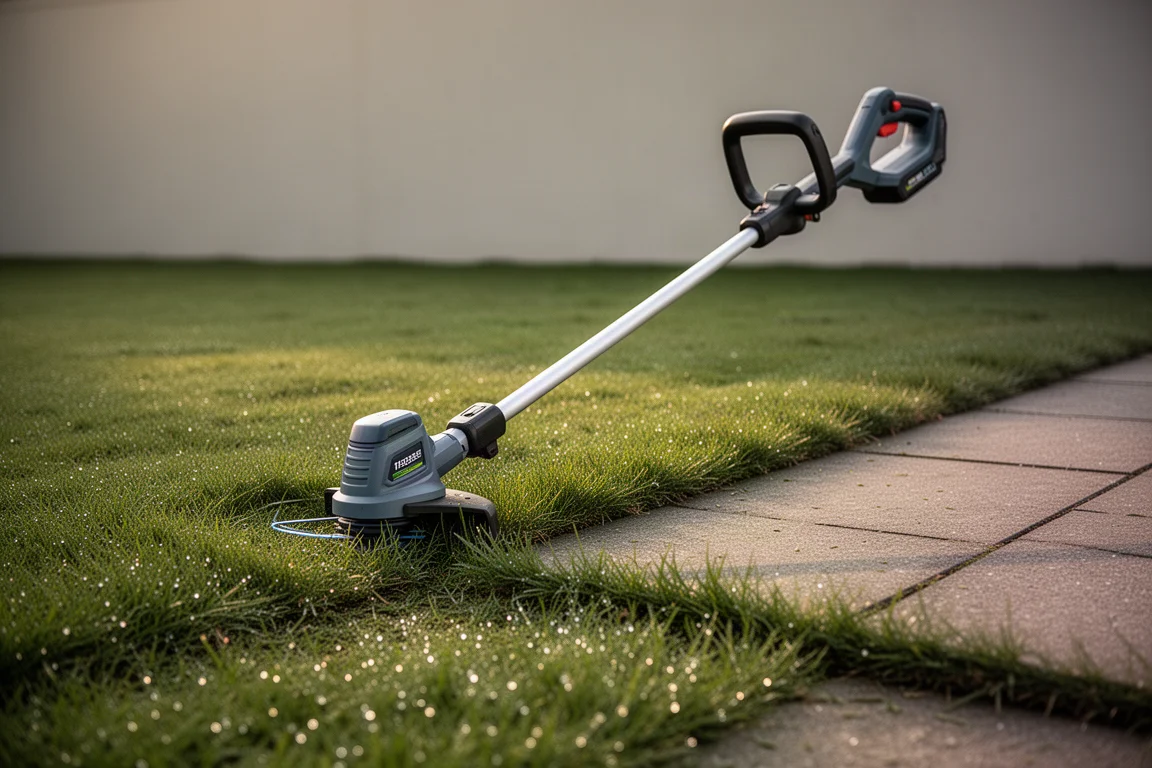
It is almost February in Michigan, and a new cordless string trimmer has arrived on the scene worth talking about: Milwaukee’s M18 dual battery 17-inch string trimmer. There are two reasons this machine generates real interest for anyone shopping in this category. First, it belongs to a large tool platform, which means the batteries you buy can power hundreds of other tools. That is the single best argument for choosing a battery-powered trimmer from an established tool brand. Second, Milwaukee claims a peak of 2.5 horsepower, which puts it ahead of the Stihl FS 131 R’s 1.9 horsepower. That kind of power headroom could make battery trimming genuinely competitive with gas.
After a full look at the unit, here is how it shakes out.
What You Get in the Box
The kit costs $699 and includes the trimmer, a nice two-battery Milwaukee M18 charger, and two 8.0 amp hour batteries. A bare tool option is available for $399. Getting the kit is the smart move, because the two 8.0 amp hour batteries are what make the whole platform worthwhile.
If you can find the kit bundled, the included rapid charger alone is worth the bump. It is the same charger that comes with Milwaukee’s dual battery blower, it has fans built in, and it handles charging without fuss.
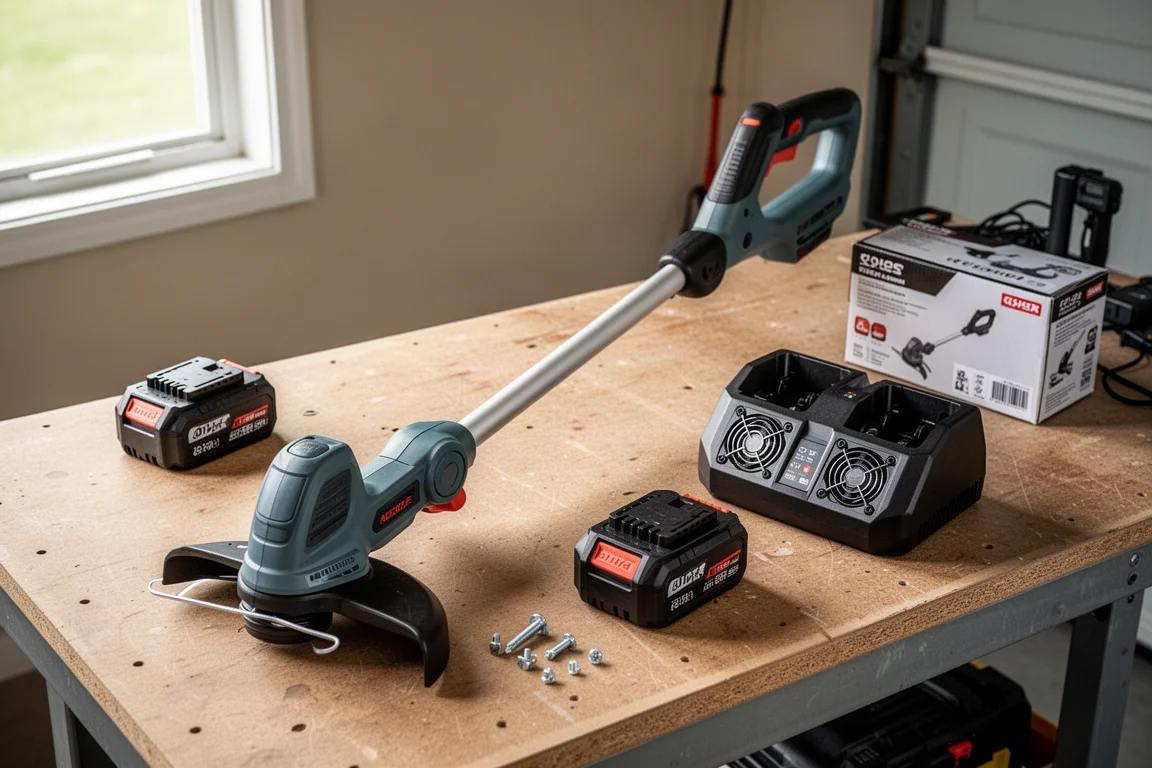
Assembly is not much of a chore. The guard bolts on with a generous amount of Loctite already applied, so take your time loosening them. The handle drops into place with two screws, and the head comes assembled with line already installed.
Head, Line, and Maintenance
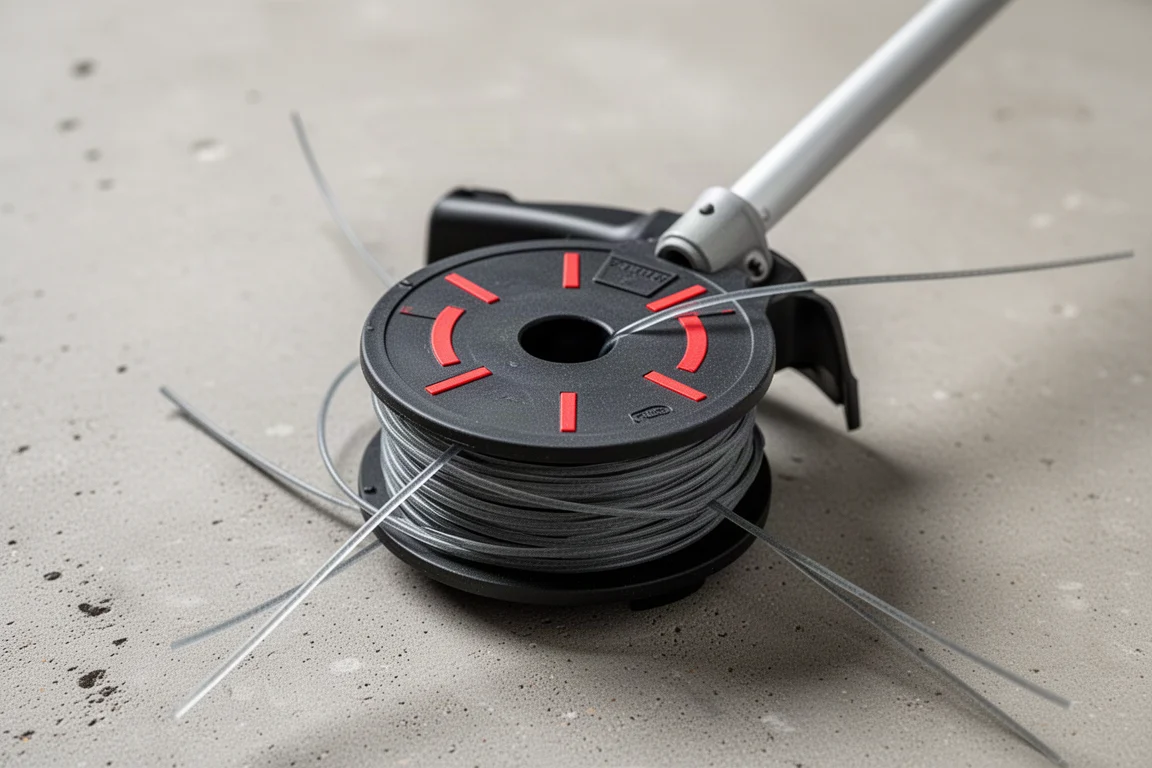
Milwaukee’s Speed-Load head is easy to use. There is a bump feed on the bottom, and the center hole lines up with red markings so you can feed and twist the line in quickly. The head takes apart and goes back together without drama.
It holds up to 25 feet of line. The included line is a thinner 0.080 gauge, but Milwaukee makes a 0.155 option, and with this much power on tap, stepping up to the thicker line is likely the better choice for most people. A tip worth following: if you are installing fresh line, soak it in water overnight. Dry line frays, and soaked line lasts longer. One useful bonus: there is a bolt on the side of the head for adding grease, and it is part of the official maintenance schedule. Not every trimmer offers that.
The guard is where the build quality really shows. It is genuinely heavy and rigid, nothing flimsy about it. It also converts the cutting width between 15 and 17 inches via the line cutter. Going with 17 inches is the obvious choice for cutting speed, but keeping it at 15 inches buys you longer battery run time.
Handle Setup, Balance, and the Strap
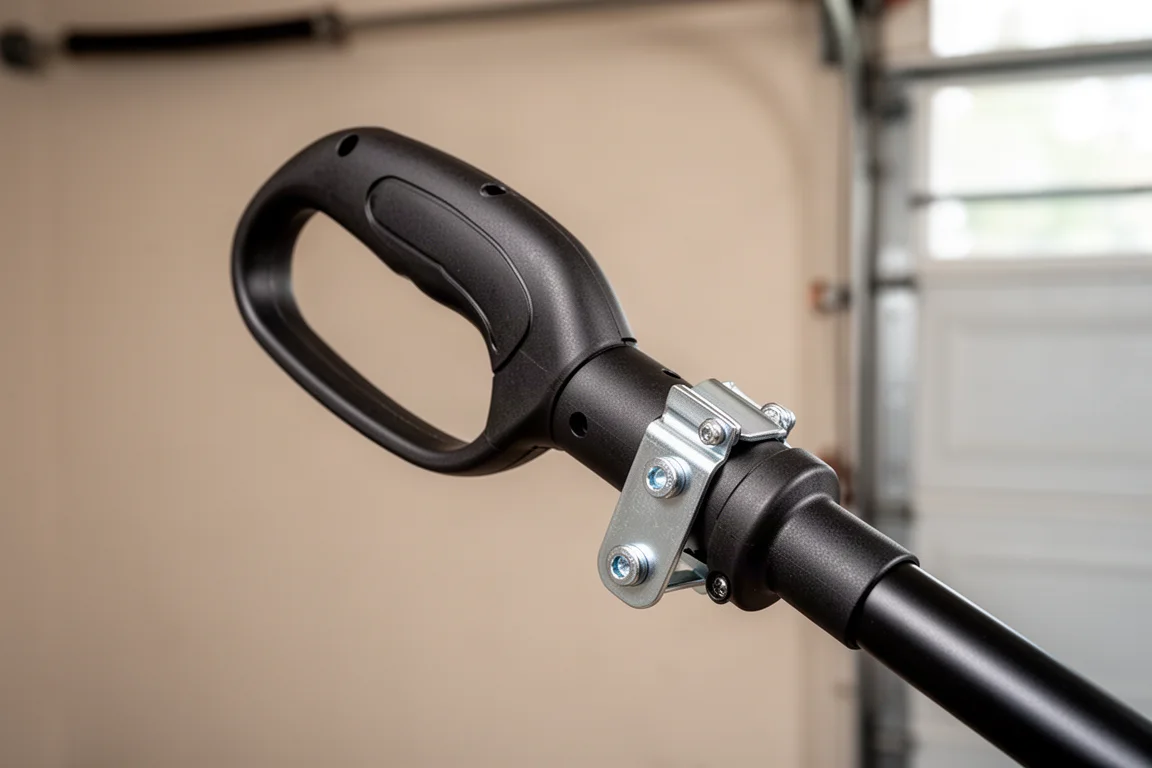
Measure before you buy if height matters to you. From the front of the head to the back of the handle, this trimmer runs 58 and a quarter inches, with roughly 54 and three-quarter inches back to the trigger position. That is a useful reference if you want to compare it against a trimmer you already own.
There is a small metal bracket for a shoulder strap, which matters because this machine is not light. Interestingly, the unit does not include the 8 mm wrench needed for that bracket’s bolt, even though Milwaukee supplies tools for everything else. That bracket helps manage the weight of the two batteries at the back.
One honest observation: if you are much over six feet tall, you may wish the trimmer were three or four inches longer. To get the head properly level, a very tall user has to bend forward noticeably. Some gas models run slightly longer. The comparable Milwaukee Quick-Lock trimmer actually measures a bit longer and may fit taller people better, but the dual battery model’s handle is a smaller, more forward-angled design with less room for a gloved hand behind the safety. It is a design difference worth checking in person.
Power, Weight, and Handling
Here is where things get interesting. In rabbit mode, the trimmer spins from 0 to 6,500 RPM very quickly. Turtle mode tops out at 4,900 RPM. The Stihl FS 131 R, a gas unit, runs up around 7,150 RPM, so the gap is real but not enormous, and the torque picture is harder to judge in winter conditions. What is clear is the throttle response: pull the trigger and the machine rocks immediately, and the feel is very close to a gas unit. An indicator tells you when you are in rabbit mode with a white light, and red lights show the fuel meter for both batteries.
The weight is the trade-off. With the two batteries installed, this unit comes in at 16.5 pounds. The Stihl FS 131 R weighs 12 pounds full of fuel. Four pounds is a lot when you are string trimming for an hour or more, and hanging the machine at the center of the handle you will notice the imbalance. Pick it up where the strap attachment goes and it balances much better. The shoulder strap exists for good reason.
The big improvement worth highlighting: vibration is essentially gone across the whole RPM range. Some earlier Milwaukee outdoor power equipment had noticeable vibration at certain speeds, and that is completely fixed on this model. Materials feel solid and high quality, the motor housing is substantial, and the flex points flex where they should without feeling loose.
One hard requirement: you need both batteries installed to run this at all. Pull one out and the lights still work, but the motor will not spin. It runs on a 36-volt architecture and draws serious power, so stick with high amp hour batteries. Smaller packs could overheat. The kit’s two 8.0 amp hour batteries drain at a similar rate, and while you could upgrade to the 12.0 HD packs for more runtime, that adds even more weight to a machine that is already heavy. Honestly, the dream configuration would be two Forge 6.0 amp hour batteries, which are lighter and punchy enough for thicker growth, especially if the kit price stayed at $699.
Buying Advice
Pricing is the decision point. The Stihl FS 131 R runs around $500, and this Milwaukee kit comes in closer to $700 with batteries. At $399, the bare tool option looks expensive unless you already own batteries. That said, $699 with two 8.0 amp hour batteries is not a bad deal when you consider that those batteries work across the entire M18 platform, all year, on anything from drills to blowers. If you already own the dual battery blower, you may have four batteries waiting, which changes the math entirely.
Availability is straightforward. Milwaukee carries this widely, and you can find it at your local Home Depot. Expect it near MSRP with free shipping in most places. One practical warning: this is a big box. If you are loading it into a car, be prepared to juggle the packaging.
Conclusion
The Milwaukee M18 dual battery 17-inch string trimmer delivers gas-like throttle response, a claimed 2.5 peak horsepower that beats the Stihl FS 131 R on paper, smooth vibration-free operation, and a genuinely well-built guard and Speed-Load head. The costs are clear too: 16.5 pounds of weight, a $699 kit price, and a shaft length that may run short for very tall users. If you want the battery platform advantage and already have, or plan to grow, an M18 collection, the value case is strong. If you just want a trimmer and nothing else, weigh whether the battery investment is worth it for you.
Product link
View more details for Milwaukee M18 Dual Battery 17-Inch String Trimmer
This product is mentioned in the review. Check the specifications, options, and compatibility before buying.
View more details for Milwaukee M18 Dual Battery 17-Inch String TrimmerFurther reading
Related Reviews

Outdoor Power Equipment
Best Cordless Chainsaws 2026: EGO, Milwaukee, and Stihl Compared
Three flagship battery-powered chainsaws from EGO, Milwaukee, and Stihl go head to head in cutting speed, power, weight, and price.

Outdoor Power Equipment
Best Cordless Leaf Blowers 2026: Nine Models Put to the Test
We tested nine leading cordless leaf blowers from Ryobi, STIHL, Toro, EGO, Husqvarna, DeWalt, Makita, Milwaukee, and Echo to find the best blowing force, run time, and value.
Outdoor Power Equipment
Amazon Big Spring Sale 2026: Best Outdoor Power Equipment and Backyard Deals
Cordless mowers, blowers, grills, and portable power on sale this spring, with practical advice on which packages are actually worth buying.