Outdoor Power Equipment
Milwaukee M18 Outdoor Power Equipment: One Power Head, Four Attachments Tested
A modular battery-powered yard system with a quick-lock power head and four attachments for trimming, edging, hedging, and cutting branches overhead.
Introduction
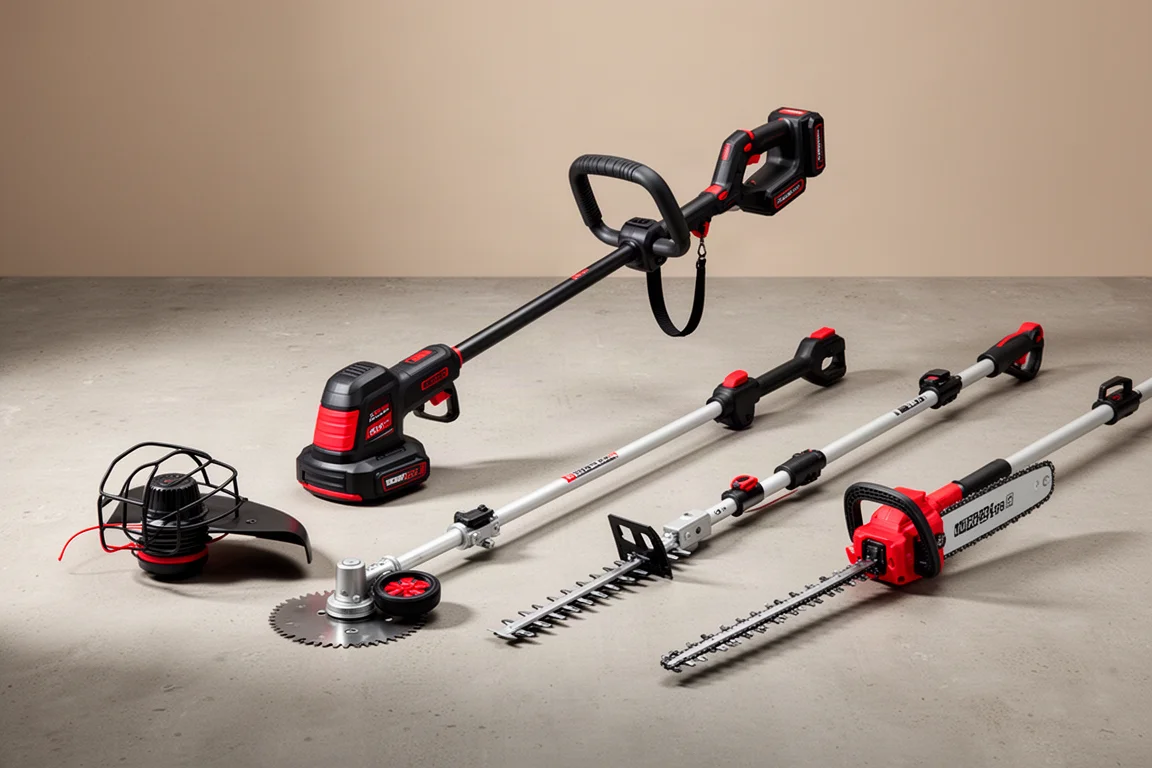
Milwaukee’s M18 outdoor power equipment line takes a modular approach: you buy one battery-powered head unit, then add whichever attachments your yard actually needs. For this test, the full kit included the power head, an extension pole, and four attachments: a line trimmer, an edger, a hedge trimmer, and a pole chainsaw. The tools were provided free of charge by Milwaukee, though the batteries used were already on hand. Prices vary frequently, so they are best checked at retailers directly.
The System: Power Head Plus Attachments
The system works the way most attachment platforms do now: buy the power head once, then purchase individual attachments as needed. If you later decide the pole saw is too short, you can add an extension rod rather than a whole new tool. It is effectively a system within a system, similar to how you build out a battery platform for hand tools.
The power head itself is the core of everything. It ships with a soft rubberized handle, a shoulder strap, and the hardware needed to attach strap hooks along the shaft. It runs on an M18 battery, here the 12.0Ah pack, and has two speed settings, a slow “turtle” mode and a fast mode, selected with a push button. A safety trigger must be pressed down before the main trigger engages.
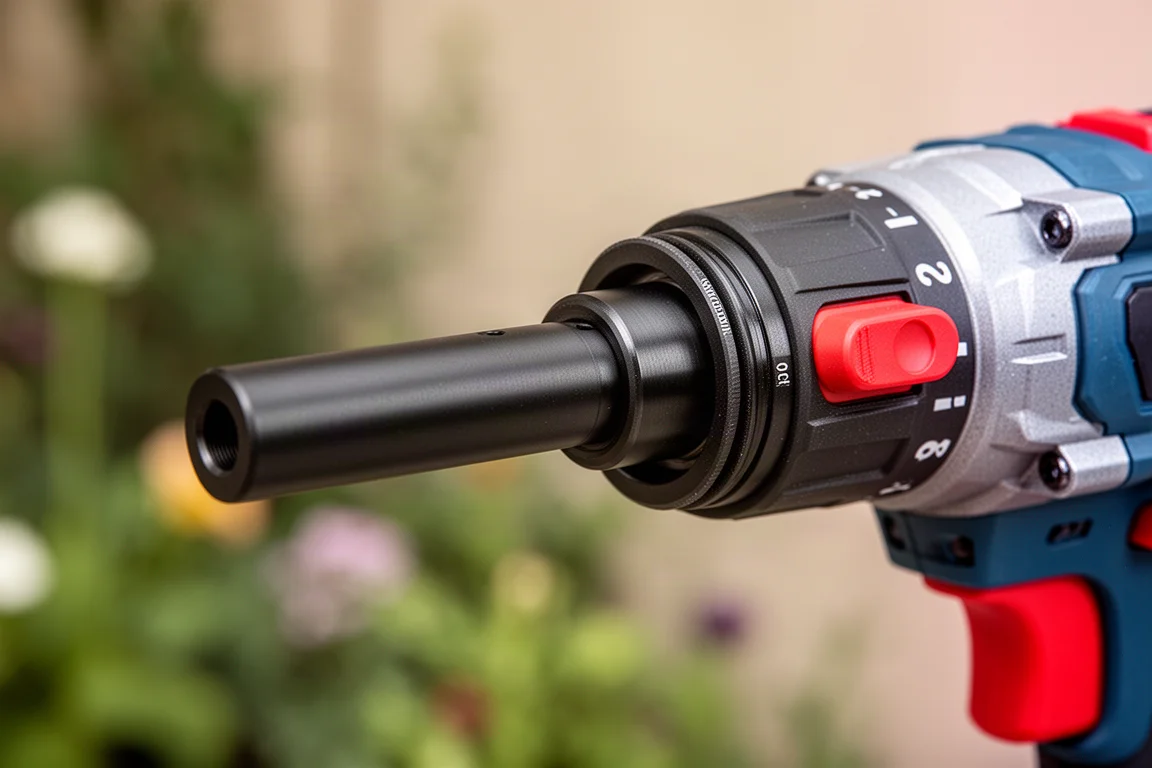
Attachments connect through the Quick Lock system: insert the attachment shaft into the coupler, it clicks into place, and you can tighten it further with a side knob. Releasing is just as simple: undo the knob, press the button, and pull the attachment out. The adjustable front handle is soft and can slide up or down the shaft to suit your body, and there is a hook for the shoulder strap. Batteries are sold separately from the tool set.

Line Trimmer Attachment
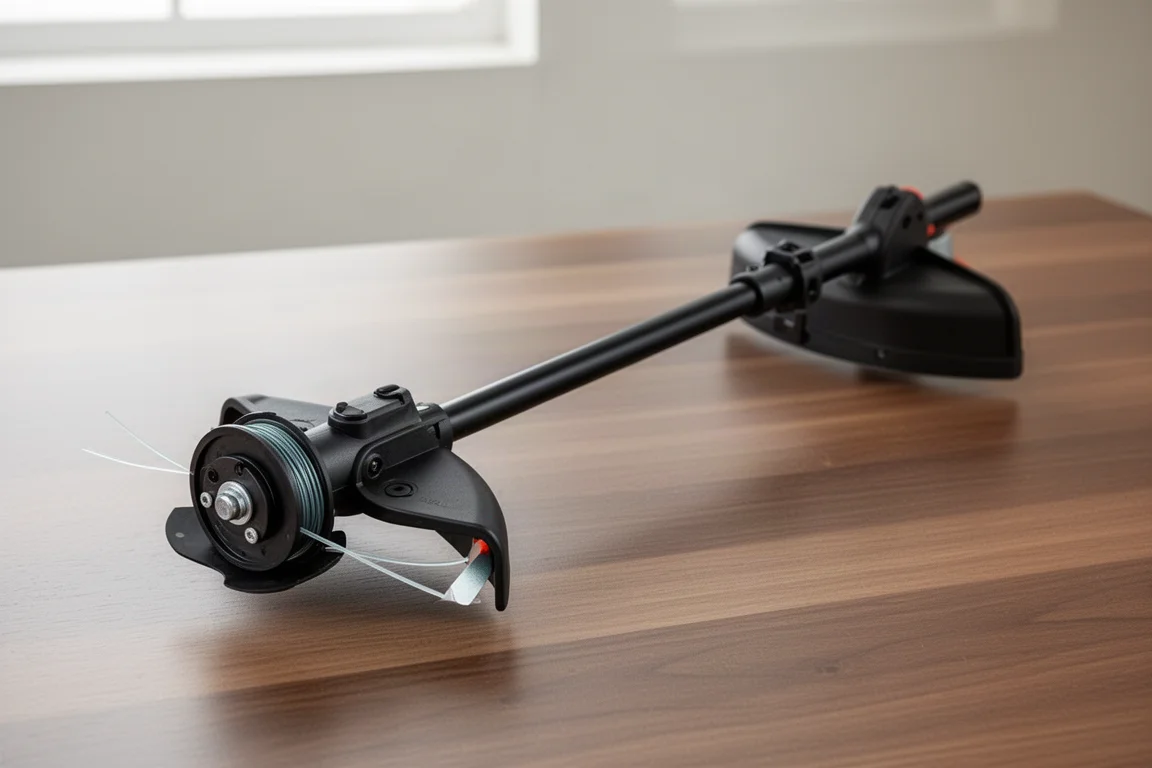
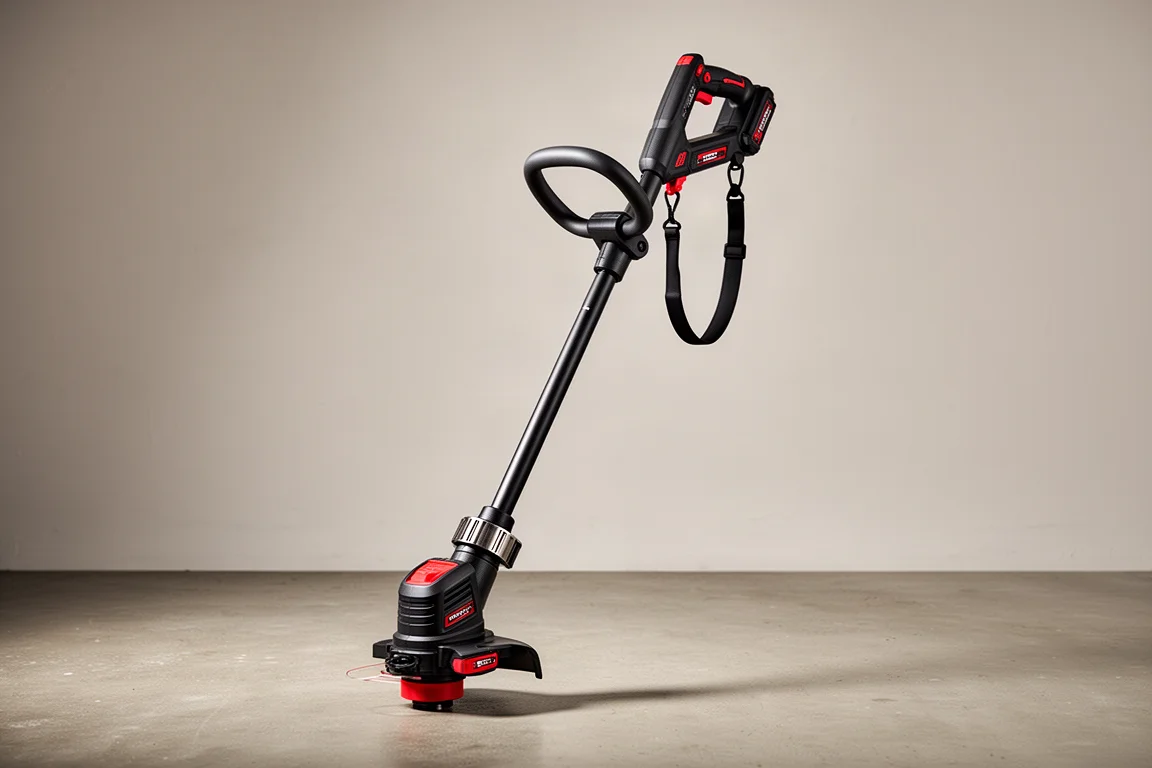
The line trimmer (called a weed eater or strimmer in many places) arrives fully loaded with spare line, a guard, and mounting gear. It is a twin-line head with a twisted line, nominally 2.4mm, and it also accepts 2mm line. The supplied guard looks a little flimsy but is genuinely tough, and it includes a blade for trimming the line to length. Notably, the blade is sharp on both sides: positioned one way it cuts the line to 355mm, and swivelled 180 degrees it cuts to 406mm.
Bump-feeding releases more line: tap the head on the ground while cutting, and the line feeds out and is trimmed by the blade. The guard is fairly flat with no raised center, so durability on concrete-heavy use will be worth watching. Like all attachments in this set, it has a grease port on the side for periodic maintenance, and each attachment comes with its own wall hook for storage.
Threading fresh line proved surprisingly easy: align the red marks on the spool base with the marks on the head, thread the line through until it pops out the other side, even up the lengths, and wind it in the indicated direction. It is much simpler than most trimmers. In use, the trimmer became the most-used tool of the bunch, with plenty of power for overgrown grass and weeds. It is also the hungriest: on high speed it drains batteries quickly, so the slow speed and variable trigger are worth using. One minor annoyance: when the line snaps off inside the head, reopening the spool is required to sort it out.
Edger Attachment
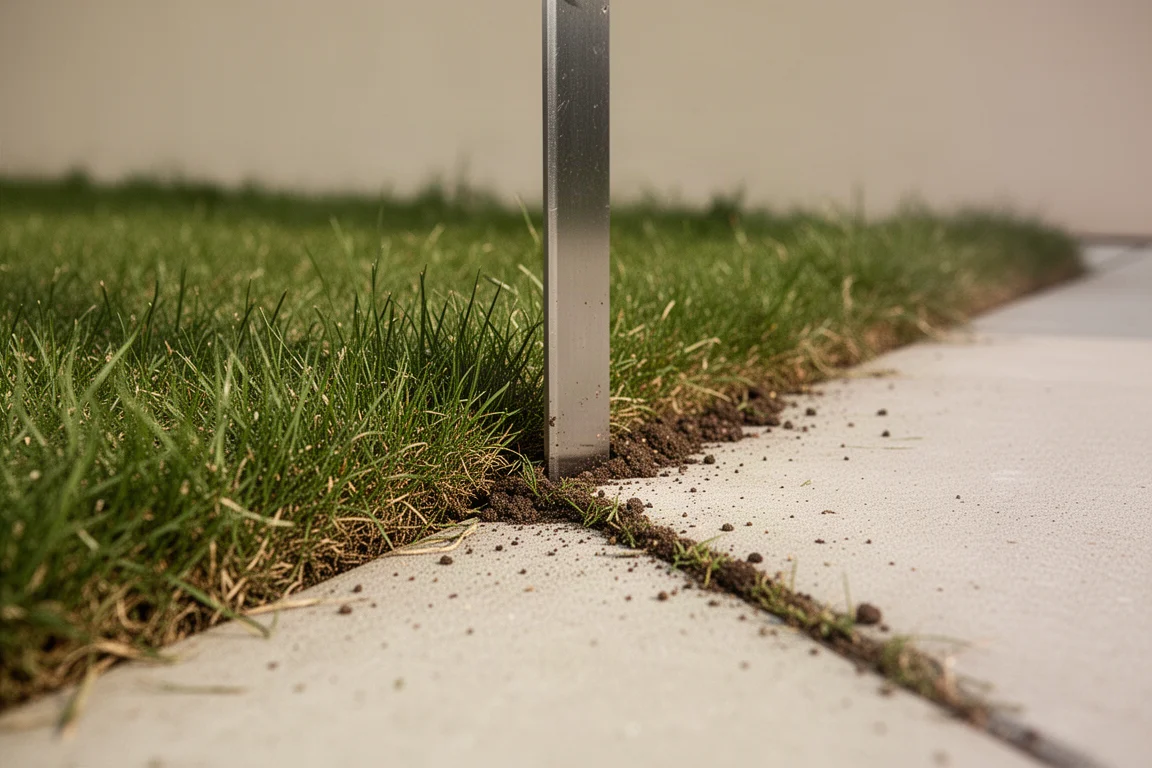
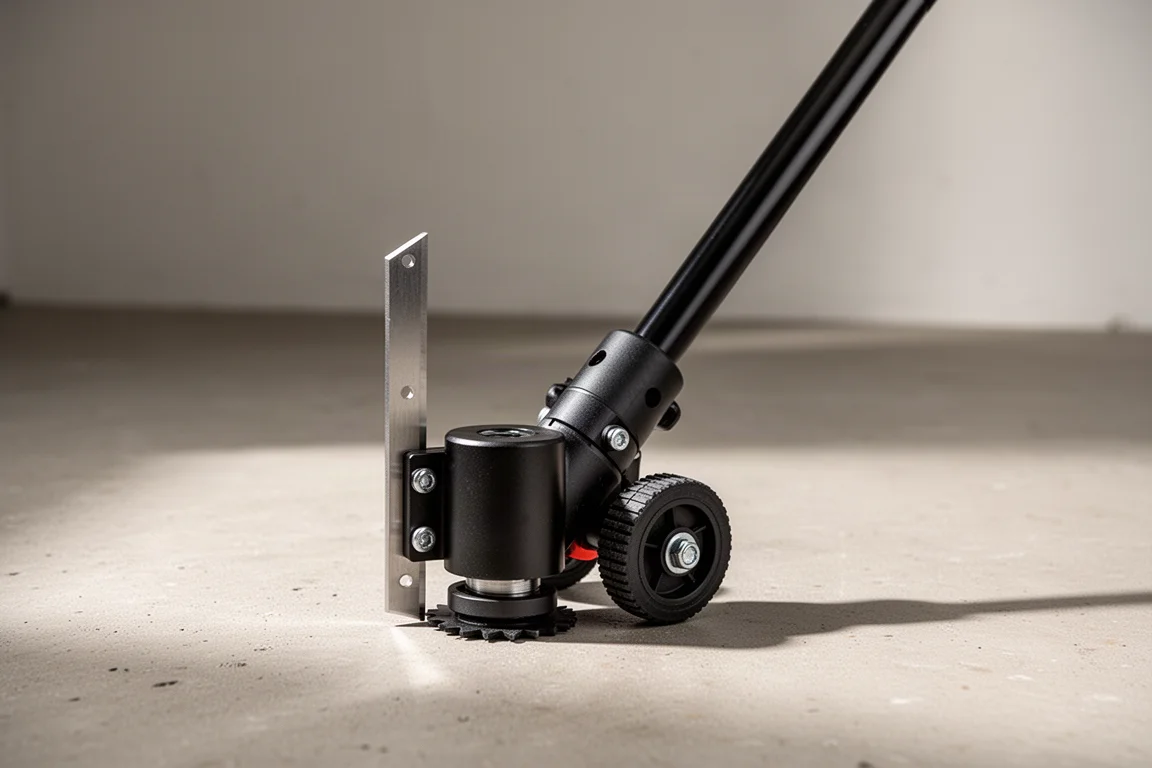
The edger uses a metal blade designed to run along the side of concrete paths and driveways. An adjustable wheel lets you raise or lower the depth of cut, so you can start high and work your way in. It handled the path edging job well, though using it over long distances is a bit of a workout: unlike a walk-behind dedicated edger, you tend to walk slightly sideways alongside it. For around-the-house jobs and small projects it is perfectly suited, but hundreds of meters of edging could get uncomfortable.
Hedge Trimmer Attachment
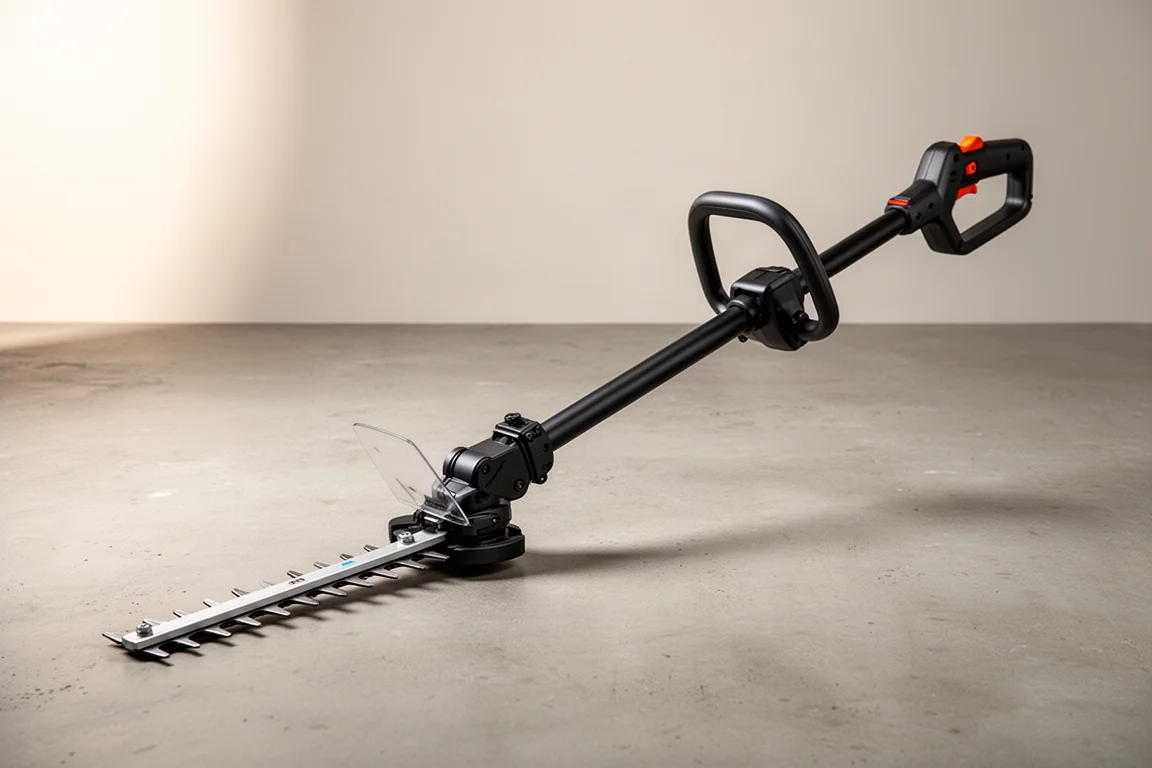
The hedge trimmer has a nicely simple articulating head: pull down the collar, turn, and lock it into one of 13 angles. You can also rotate it fully and lock it straight with the blade, which reduces the footprint for storage or transport. A hand protector on the rear handle helps stop branches from spiking your hand while you work from the opposite side.
In cutting, it performed well: a good blade length, solid cutting power, and only a couple of jams across the test. The main drawback is ergonomics. Because hedge work means holding the tool at odd angles, the trigger and the spring-loaded safety lever on the top of the handle become awkward, and the hand can slide off to the side, making the wrist work at uncomfortable angles. The other three attachments did not have this problem.
Pole Chainsaw Attachment
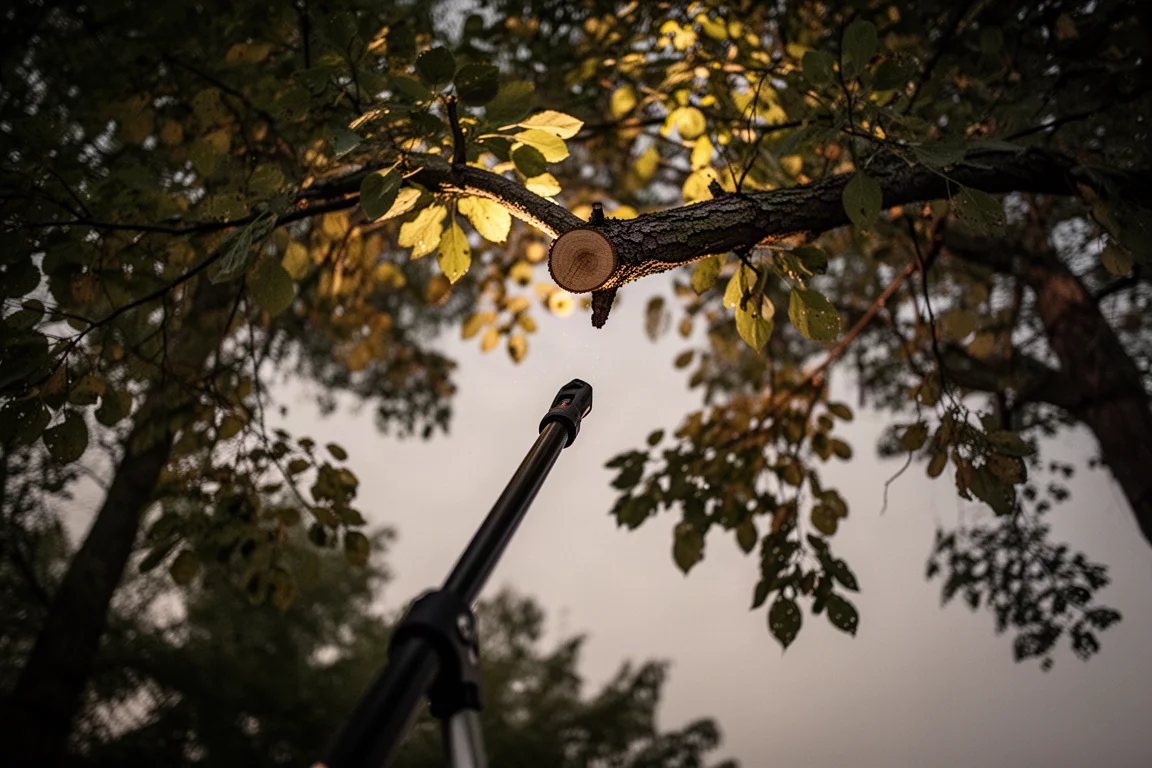
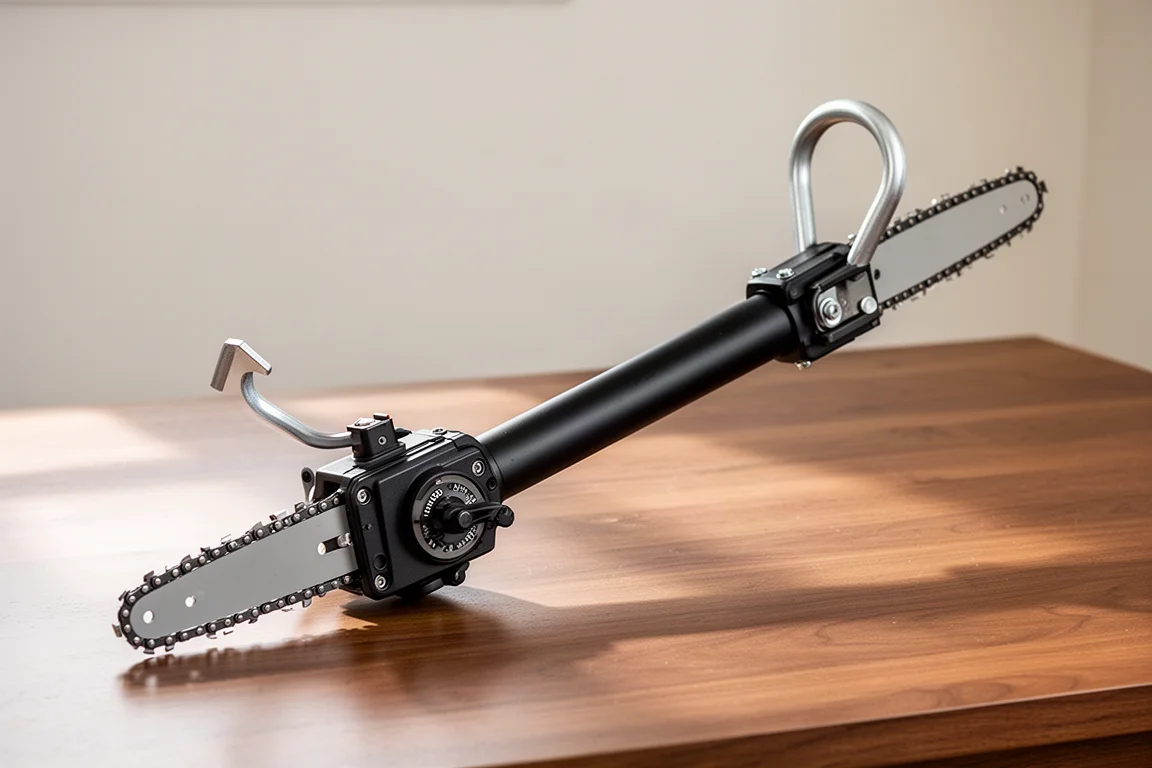
The pole chainsaw is a basic but effective attachment, and a favorite among pole tools for good reason. It has a branch hook built in, which is genuinely useful for pulling down stuck cut branches or snapping away small obstructions before making the main cut. It ships with a small chain-adjustment tool and 76ml of bar lubricant, roughly half a fill, so you will want to buy oil separately.
The cut quality is slightly rougher than some standalone chainsaws, but power is not in question. Across all four attachments, power delivery was consistently strong; these tools carry plenty of oomph. With the extension pole fitted, the pole saw reaches 2.6 meters measured from the power head trigger to the blade tip, and 2.9 meters with the hedge trimmer. The extension only works with those two attachments, which is a sensible limitation.
Everyday Usability and Battery Runtime
Several practical points emerged over weeks of use. The Quick Lock system works well overall, though occasionally the attachment shafts do not quite line up and need a wiggle, or a quick trigger pull on the power head, to engage. If you swap attachments constantly through the day, that could get mildly annoying.
The slow speed is genuinely usable: after starting everything on fast mode and watching batteries drain, the tester defaulted to slow speed for nearly everything, and it handled the jobs fine. The variable-speed trigger means you can set either mode and modulate with your finger, though full speed requires firm finger pressure, and the speed indicator light is nearly invisible: a white light on a white background.
On battery runtime, a 12.0Ah pack completed hedges, weed eating, and path edging before dropping to one bar, then ran the pole saw for roughly another one to two minutes. That is a fair amount of work from the biggest battery in the range, and smaller packs will get considerably less done. For all-day commercial use, roughly three 12.0Ah batteries seems like a sensible minimum, depending on the work. Two pleasant differences from petrol gear: no hot two-stroke motor next to your back on a summer day, and no exhaust smell. The tools are light and well balanced enough that the shoulder strap went unused entirely. Noise levels are low enough to use without ear muffs, though some may still prefer them for the whine over long sessions.
Should You Buy It?
This system suits homeowners who want one battery platform for a range of yard tasks rather than a shed full of dedicated petrol tools. The line trimmer is the standout for regular use, the hedge trimmer and pole saw cover the seasonal jobs, and the edger handles path maintenance well in modest quantities. If you routinely cut hundreds of meters of edges or work commercially all day, dedicated standalone tools may still be more comfortable and a large battery stockpile is worth budgeting for. For suburban gardens, the flexibility of adding attachments over time is a compelling argument.
Conclusion
Milwaukee’s M18 attachment system delivers strong, consistent power across all four tested attachments, with a quick-lock coupler that makes swapping tools genuinely quick. The line trimmer proved the most capable and most-used of the set, the hedge trimmer offers excellent articulation with slightly awkward ergonomics, the pole saw benefits from a smart built-in hook, and the edger does its job well around the house. If you are building a battery yard toolkit and want one head unit to cover trimming, edging, hedging, and overhead cutting, this is a well-rounded place to start.
Further reading
Related Reviews

Outdoor Power Equipment
Best Cordless Chainsaws 2026: EGO, Milwaukee, and Stihl Compared
Three flagship battery-powered chainsaws from EGO, Milwaukee, and Stihl go head to head in cutting speed, power, weight, and price.

Outdoor Power Equipment
Best Cordless Leaf Blowers 2026: Nine Models Put to the Test
We tested nine leading cordless leaf blowers from Ryobi, STIHL, Toro, EGO, Husqvarna, DeWalt, Makita, Milwaukee, and Echo to find the best blowing force, run time, and value.
Outdoor Power Equipment
Amazon Big Spring Sale 2026: Best Outdoor Power Equipment and Backyard Deals
Cordless mowers, blowers, grills, and portable power on sale this spring, with practical advice on which packages are actually worth buying.