Tools
Milwaukee 49-57-D91 Screw Extractor Set Review: A Clean Fix for Stripped Screws
A four-piece reverse drill and extractor set designed to remove stripped screws and bolts without destroying the workpiece.
Introduction
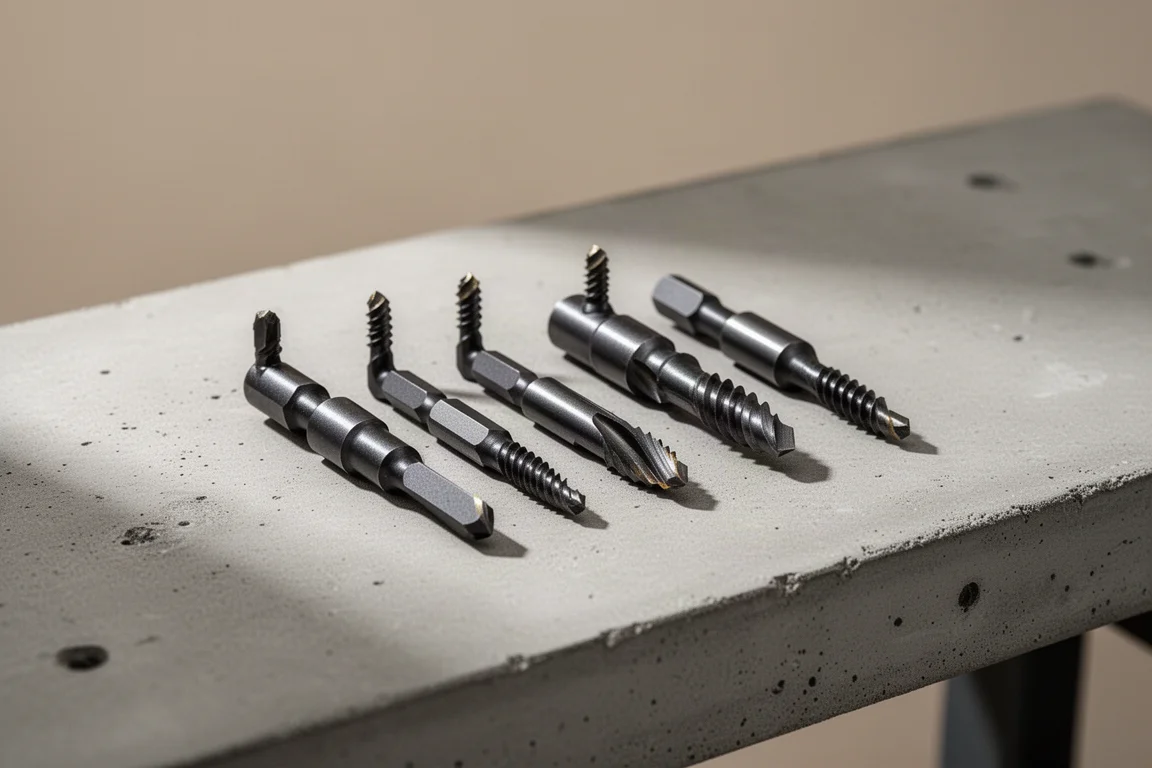
Stripped screws are one of those problems that turn a quick job into a frustrating one. Once a fastener head rounds out, the harder you try with a regular driver bit, the worse it gets. The Milwaukee 49-57-D91 Screw Extractor Set offers a more elegant solution: a four-piece kit of double-ended bits that first drill out the damaged fastener head, then back it out cleanly in reverse, all from a standard drill driver.
Why Stripped Screws Happen
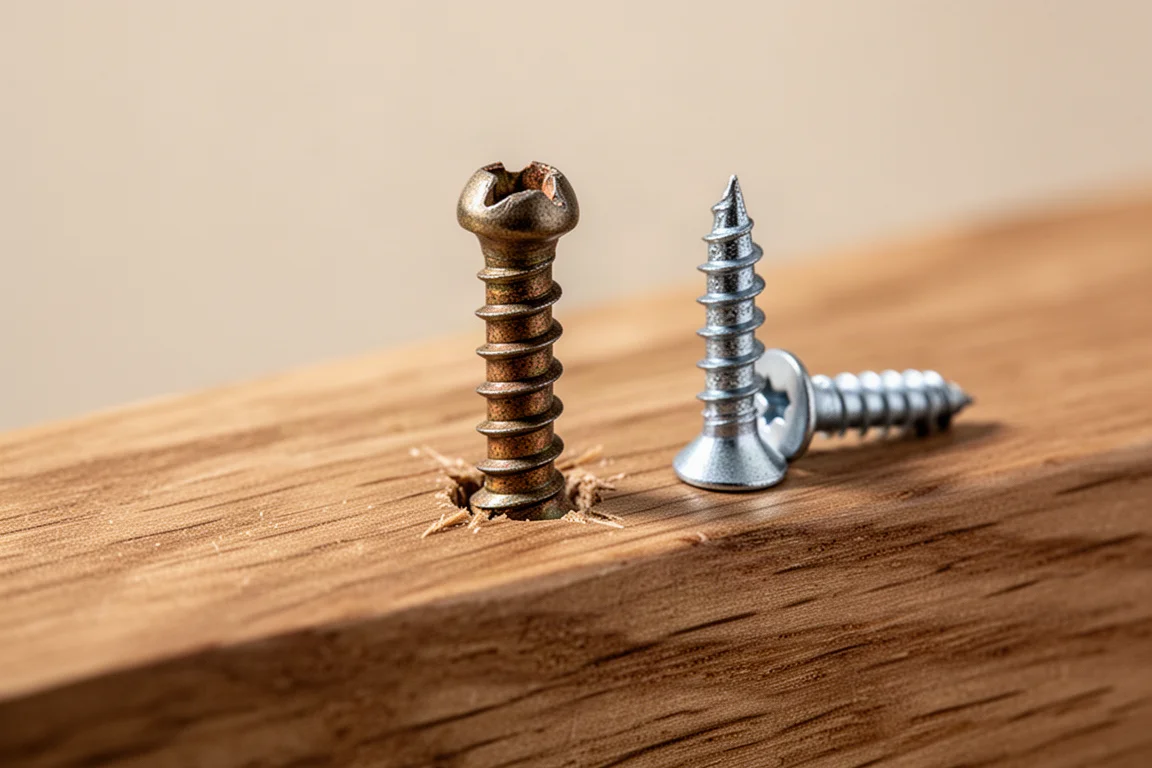
Fasteners strip for several reasons. Driving screws off axis, fasteners made from soft metal, or a driver with too much power can all cause the bit to cam out inside the screw head. Once that happens, no amount of downward pressure with a normal bit will back the screw out.
Testing here used three fastener sizes set in oak, mimicking a finished workpiece: 2.5-inch Torx T25 screws, a 1-5/8-inch number two screw, and a 1/4-inch by 6-inch T35 lag fastener. In each case, the intact screw backed out easily with a standard bit, while the stripped version refused to budge no matter how much pressure was applied.
How the Kit Works
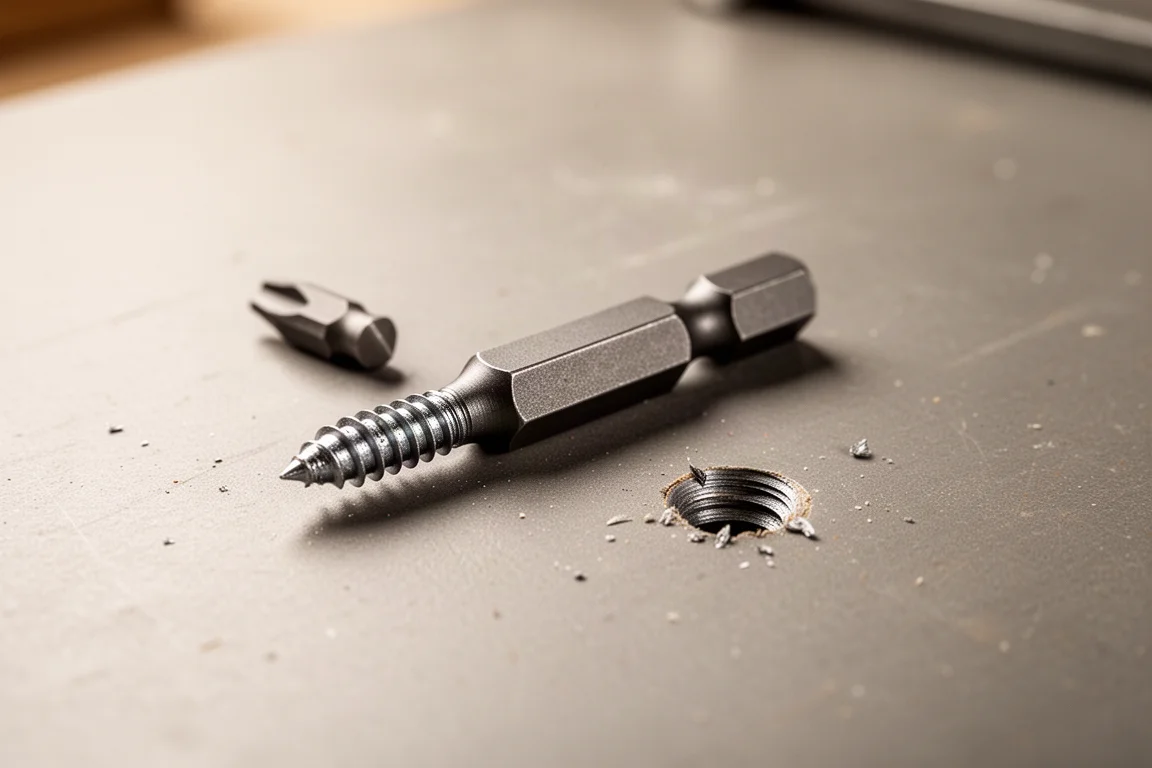
The kit is designed for use in drill drivers in reverse only, and covers number 4 to number 24 screws, plus number 10 and 5/16-inch and 3/8-inch bolts. Each bit has a reverse drill tip on one end and an extractor tip on the other.
Milwaukee’s guidance is important: never use the kit in forward. A clockwise drilling action can drive the stripped fastener deeper into the material. In reverse, the drill tip cuts into the screw head, and flipping the bit over lets the extractor side bite into the fresh hole and back the screw out. Off-axis pressure is even permitted to help the extractor bite.
One practical note: the bits fit in a magnetic driver tip but go off axis, so chucking them into a drill is the sensible approach.
Removing Stripped Wood Screws
For a number eight size screw, the number two extractor (covering number 8 to number 10) is the right choice. The process is simple: run the drill tip in reverse on high speed to round out the head further and cut a socket, then flip the bit, drop to speed one, and apply firm downward pressure while staying in reverse.
The extractor bit made contact and bit into the screw head convincingly. For a softer wood fastener, the process was quick and effective, backing the screw straight out.
How the Kit Performs on Drywall Screws
Drywall screws are the harder test. They use very hard metal, which makes them snap-prone, and a stripped one countersunk below the surface is a nightmare to engage.
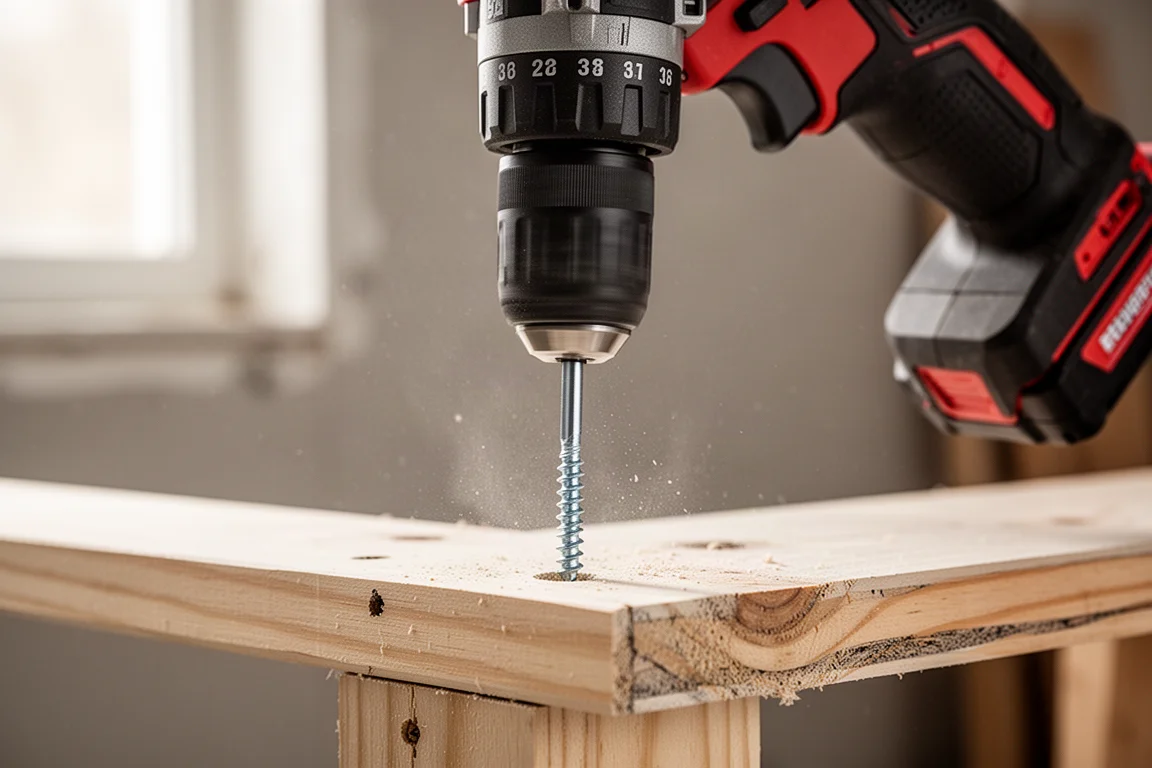
With the drill locked down, set to reverse, and running on speed two, the drill tip cut through the hard screw head quickly. The heat generated was significant, but the bit held up without melting or fusing. Impressively, the screw came out on the drilling pass alone, without even needing the extractor side.
Bigger Fasteners: The Lag Bolt Test
A 1/4-inch by 6-inch structural lag bolt is where doubts set in. It is a much larger, harder fastener with a Torx 30 head, and repeated attempts to engage it with a normal bit only wear both the head and the bit further, a self-reinforcing failure.
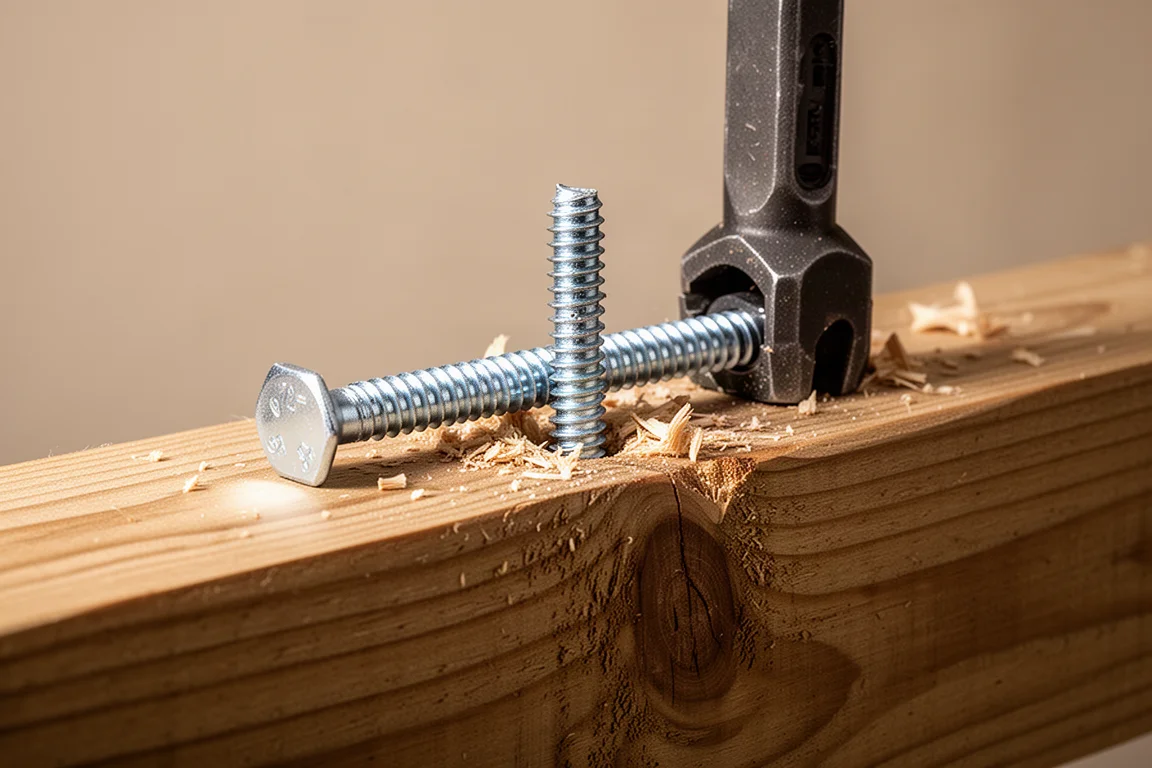
Surprisingly, Milwaukee’s guidance calls for the number two extractor on this size of fastener. Drilling the socket with the number two bit worked, and the extractor fitted snugly into the pocket. If the bite is insufficient, moving up to the next size and drilling a larger socket hole is an option. The screw ultimately backed out without trouble.
Who This Product Is For
This kit suits anyone who regularly works with fasteners in wood, drywall, or structural timber: woodworkers, contractors, DIYers, and anyone tired of prying out stripped screws with methods that damage the workpiece. It is designed to remove stripped fasteners while preserving the surrounding work surface.
Main Strengths
The double-ended design is the standout. One bit handles both the drilling and the extraction, so there is no bit swapping mid-job. The reverse-only approach means the stripped fastener never gets driven deeper by mistake. It also performed well across a genuine range of fasteners, from soft wood screws to hard drywall screws and a large structural lag bolt. Heat buildup from the reverse drilling did not damage the bits, which is a real durability signal.
Things to Consider Before Buying
The kit is deliberately limited: it covers specific screw and bolt sizes, so check that it matches the fasteners you actually use. It requires a drill driver, and the process generates significant heat, so expect worn screw heads by the time the job is done. Following the reverse-only instructions matters, as the system is designed around that workflow.
Buying Advice
If stripped fasteners are a recurring headache, this set is worth having on the bench. The trick that makes it work is patience with the process: drill the socket in reverse, keep firm downward pressure, and go off axis if the extractor needs more bite. If the first size does not bite, move up a size and drill a larger socket.
For anyone who has failed with traditional easy-out style extractors before, this kit’s approach is noticeably more forgiving, and it works without pre-drilling holes in the wrong direction.
Conclusion
The Milwaukee 49-57-D91 Screw Extractor Set is a straightforward, effective answer to stripped screws. It handled wood screws, hard drywall screws, and a structural lag bolt without damaging the workpiece, and its reverse drill-and-extract design removes most of the guesswork. For woodworkers and contractors, it is an easy recommendation.
Product link
View more details for Milwaukee 49-57-D91 Screw Extractor Set
This product is mentioned in the review. Check the specifications, options, and compatibility before buying.
View more details for Milwaukee 49-57-D91 Screw Extractor SetFurther reading
Related Reviews

Tools
Best Contractor Grade Tape Measures 2026: Eight Models Tested Head to Head
We tested eight contractor grade tape measures from Milwaukee, DeWalt, Crescent Lufkin, Tajima, Stanley, Irwin, Gelan, and Craftsman to find the best value and performance.

Tools
Best Precision Screwdriver Sets 2026: Manual and Electric Options Compared
We compare 19 precision screwdriver sets, from budget manual kits to electric drivers, to find the strongest bits and best value.

Tools
Best Stud Finders 2026: Five Popular Models Put to the Test
We tested five popular stud finders on drywall, firewall, and lath and plaster surfaces to see which ones really find studs and avoid false readings.