Tools
Milwaukee 27-in-1 Ratcheting Screwdriver Review: Big Bit Storage, Big Back-Drag
A hands-on look at the Milwaukee 27-in-1 ratcheting screwdriver, including a back-drag comparison against the Wera and PB Swiss ratcheting screwdrivers.
Introduction
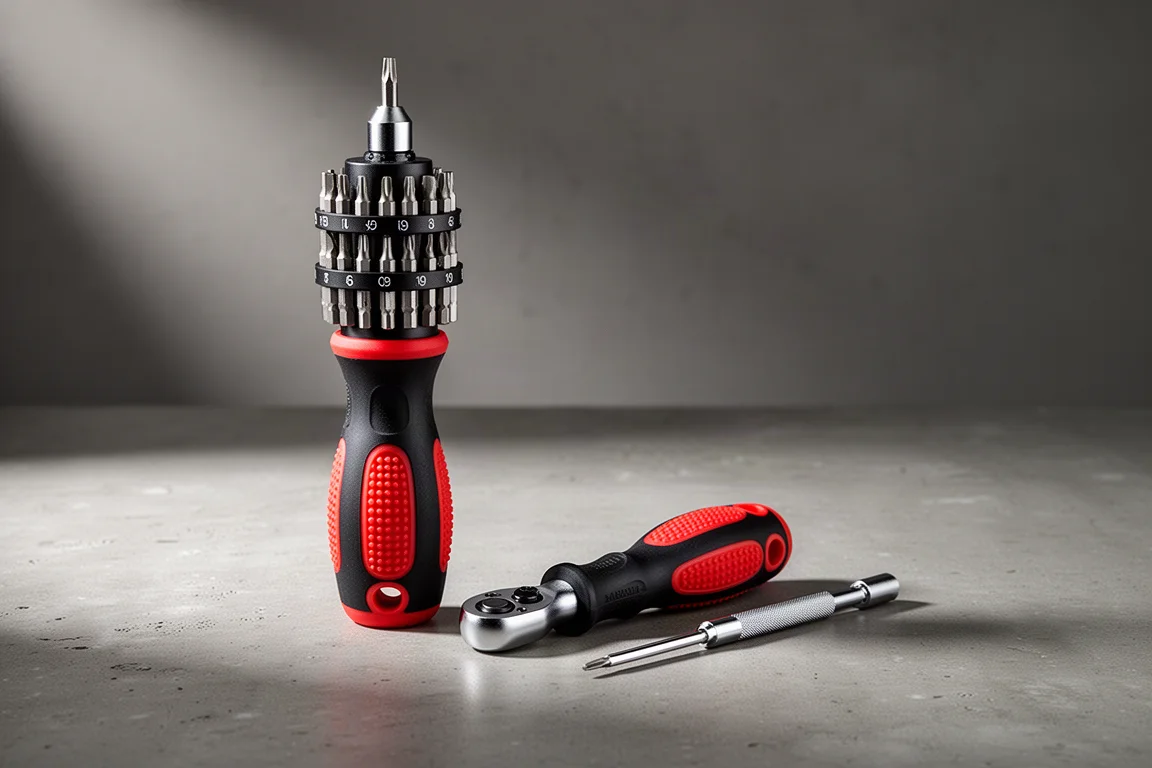
After the popularity of the Milwaukee 8-in-1 ratcheting stubby, the 27-in-1 ratcheting screwdriver was the natural next tool to examine. It positions itself as an intermediate ratcheting screwdriver: pop out the bit and drop in a standard quarter-inch bit, and you effectively have one of those super stubbies, except with a large bit storage block built into the handle.
How the Back-Drag Test Worked
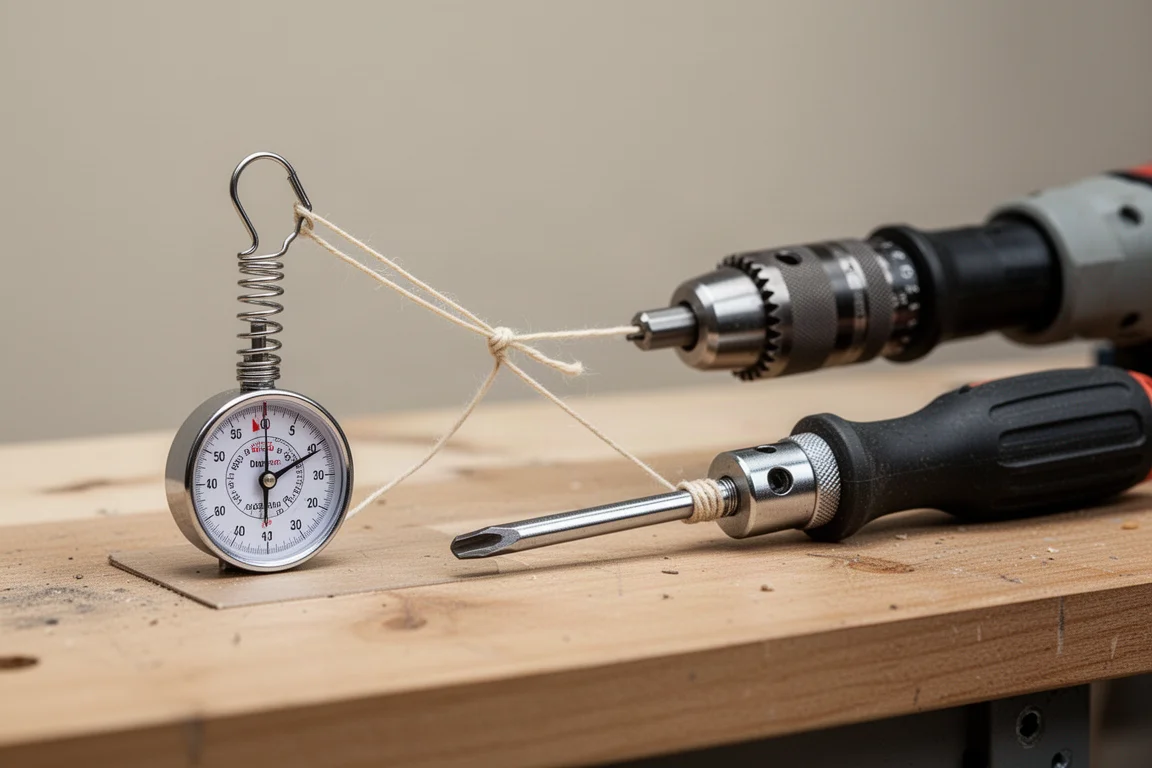
Back drag is the resistance you feel when the ratchet mechanism spins in reverse between strokes. If it is too high, the fastener can spin back and forth when driving into low-resistance material, because you lose the ability to ratchet until almost the final tightening. To compare tools, a simple rig was built from a spring scale and a quarter-inch extension tied with cord, so pulling the handle produced a rough comparative reading. It is not a laboratory measurement, but it works well for comparing screwdrivers against each other.
Gear count was also estimated by listening to the clicks over a quarter turn and multiplying by four. The Milwaukee sounds like it produces a double click, likely because two pawls engage the internal metal gear mechanism slightly out of phase. That puts the gear count at roughly 36 or 40, both of which are common figures.
Milwaukee 27-in-1 Ratcheting Screwdriver
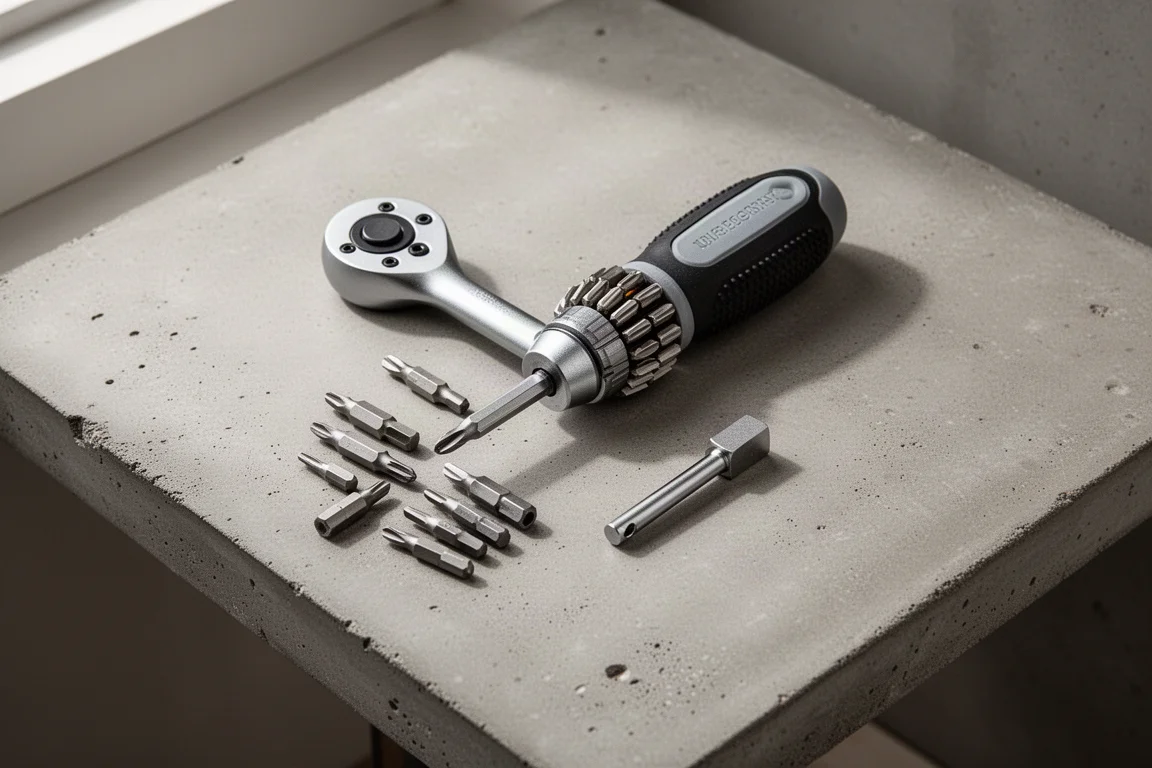
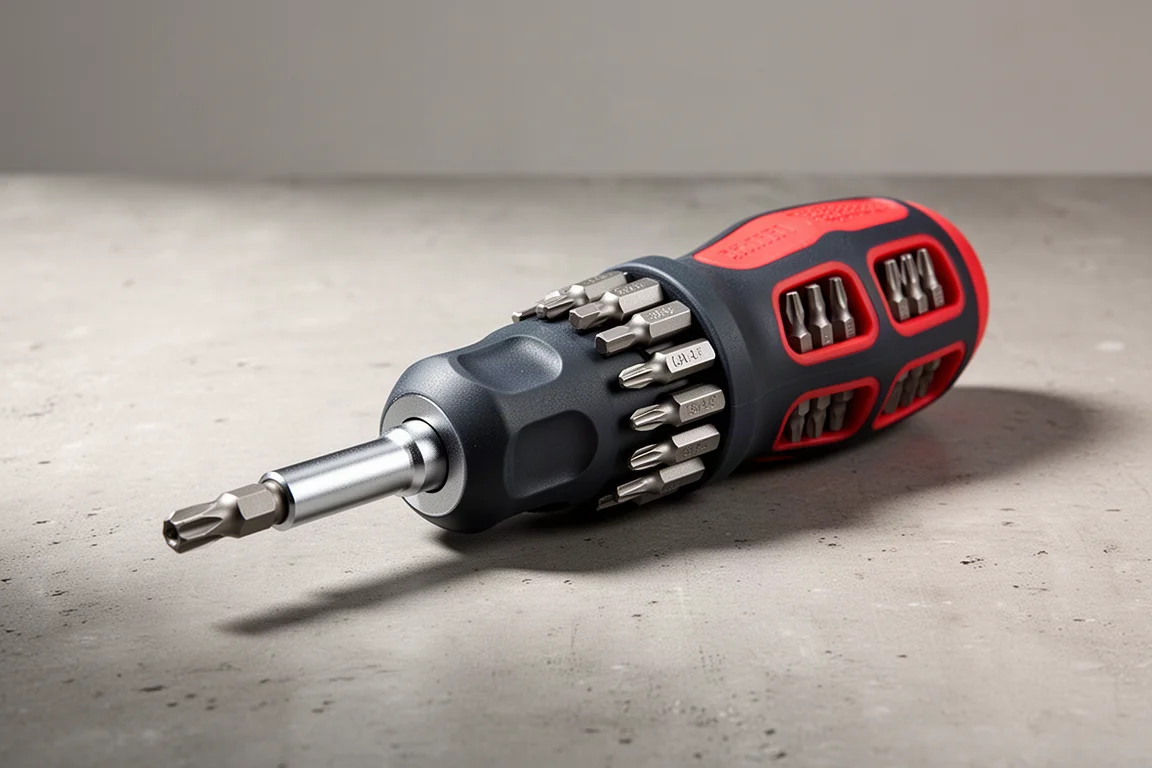
The headline feature is the storage: two full carousels in the handle, each holding six slots of double-sided bits, which works out to 24 stored bits. Add the bit that comes loaded up front, a quarter-inch nut driver position, and the extra shaft it ships with, and you arrive at the 27-in-1 count. The included hex sizes run up to 4 mm, Torx sizes run from T20 to T30 without skips, and there is a mix of slotted, Phillips down to PH0, square, and combination electrical-outlet bits.
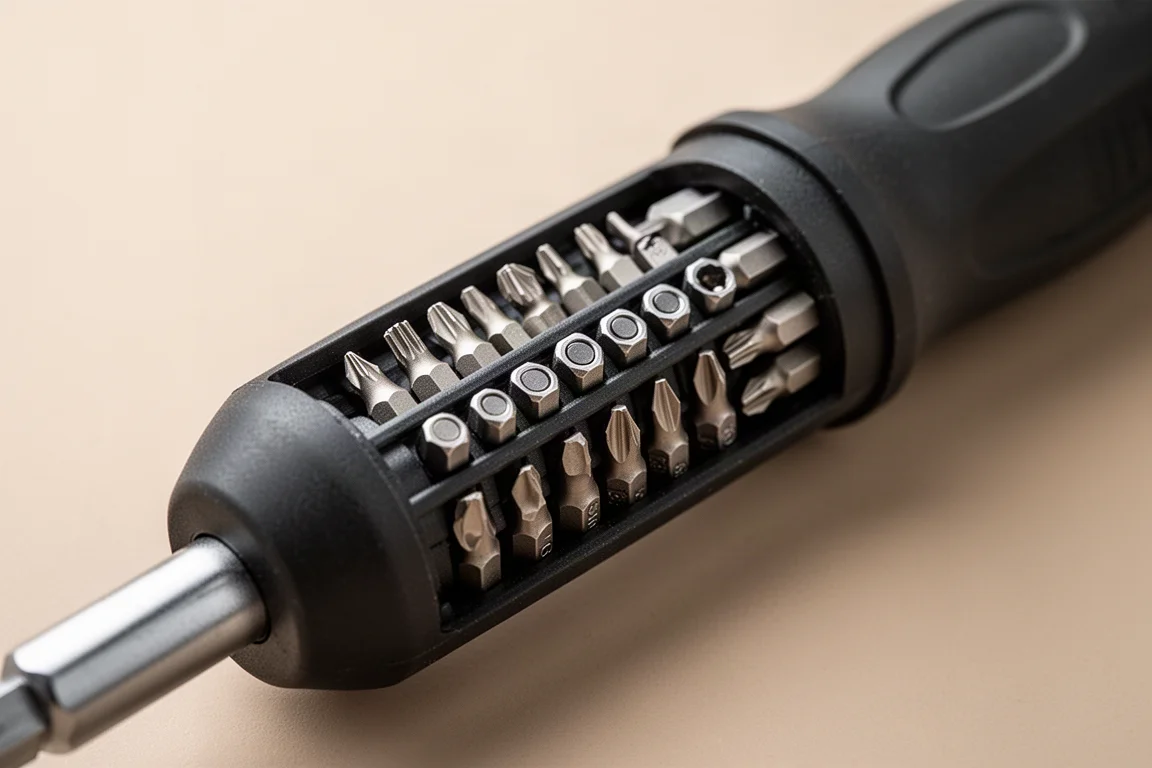
The extra shaft is a thoughtful detail. Because the bits are double-sided, they need a ball detent rather than a magnetic holder; a magnet on a double-sided bit gives little purchase and can sit crooked. The shaft also accepts other quarter-inch attachments, including a Wera bit holder, so there is real flexibility in how you use it.
In the back-drag test, the Milwaukee measured around 700 to 800 grams most of the time, with individual strokes reaching 900 or even 950 grams. That is a lot of back drag, and it varies slightly between clicks, suggesting some teeth grab harder than others. On the plus side, the stubby version of the same mechanism measured a consistent 700 to 750, so the mechanism itself behaves predictably. Verdict: it is worth it. It feels bulky and utilitarian in the hand rather than precise, but that is very much the Milwaukee character, and at a sale price of around $19.99 at Ace Hardware it is easy to recommend.
Wera Ratcheting Screwdriver
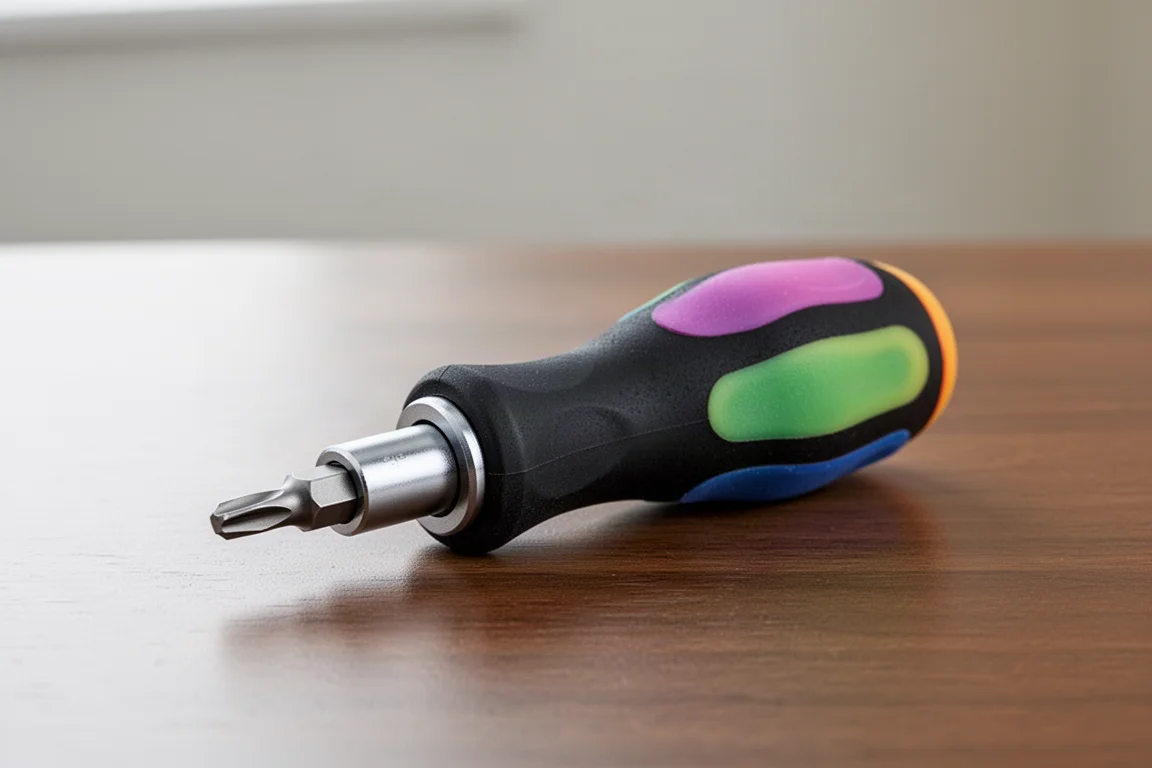
The larger Wera ratcheting screwdriver shares the same front end as the well-regarded Wera stubby. The recurring advice from other users is simply to get the stubby, and the hesitation with the full-size version comes from noticeable play at the front end. In the back-drag comparison it measured around 200 grams, and when it breaks free it backs up a fair distance.
It is a smooth, pleasant driver, but the front-end play is the reason it has not been an enthusiastic purchase here. If you want the Wera experience, the stubby remains the one people keep pointing to.
PB Swiss Ratcheting Screwdriver
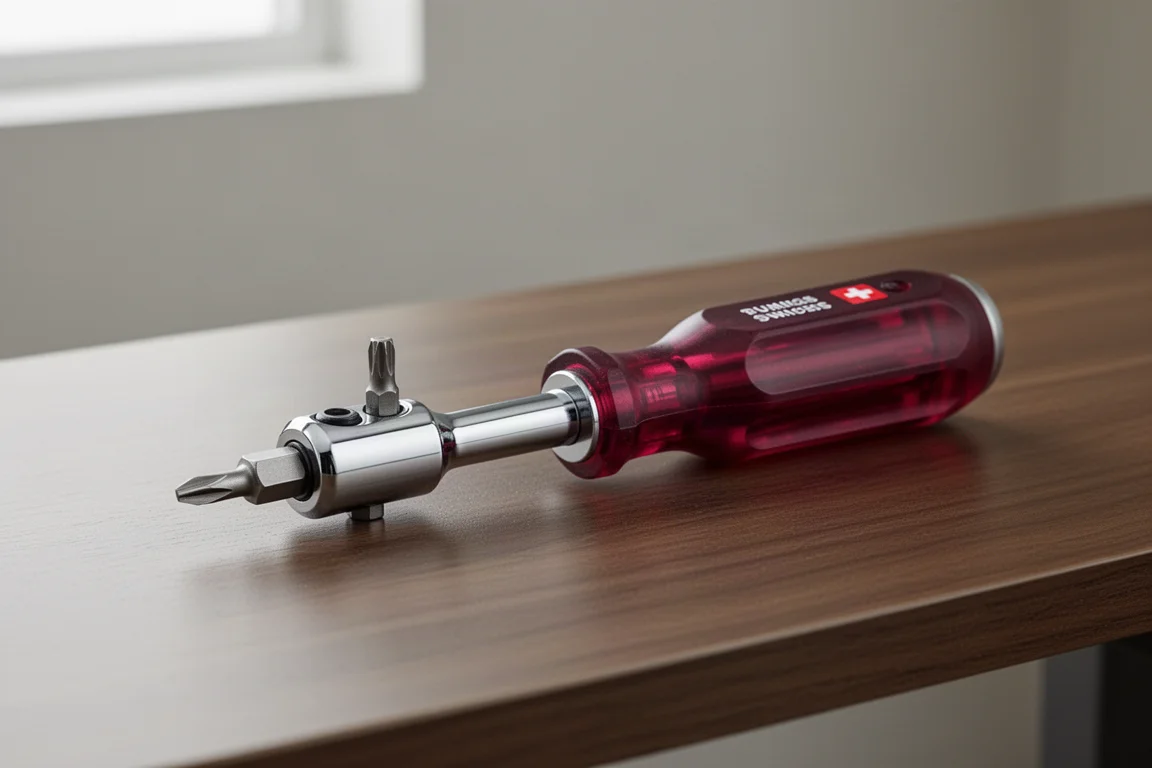
The PB Swiss represents the old-school high-drag school of design. It measured around 400 grams in the same test, roughly half the back drag of the Milwaukee but still substantial. It is a premium-feeling tool, and the higher drag is part of the traditional character rather than a defect.
Overall Buying Advice
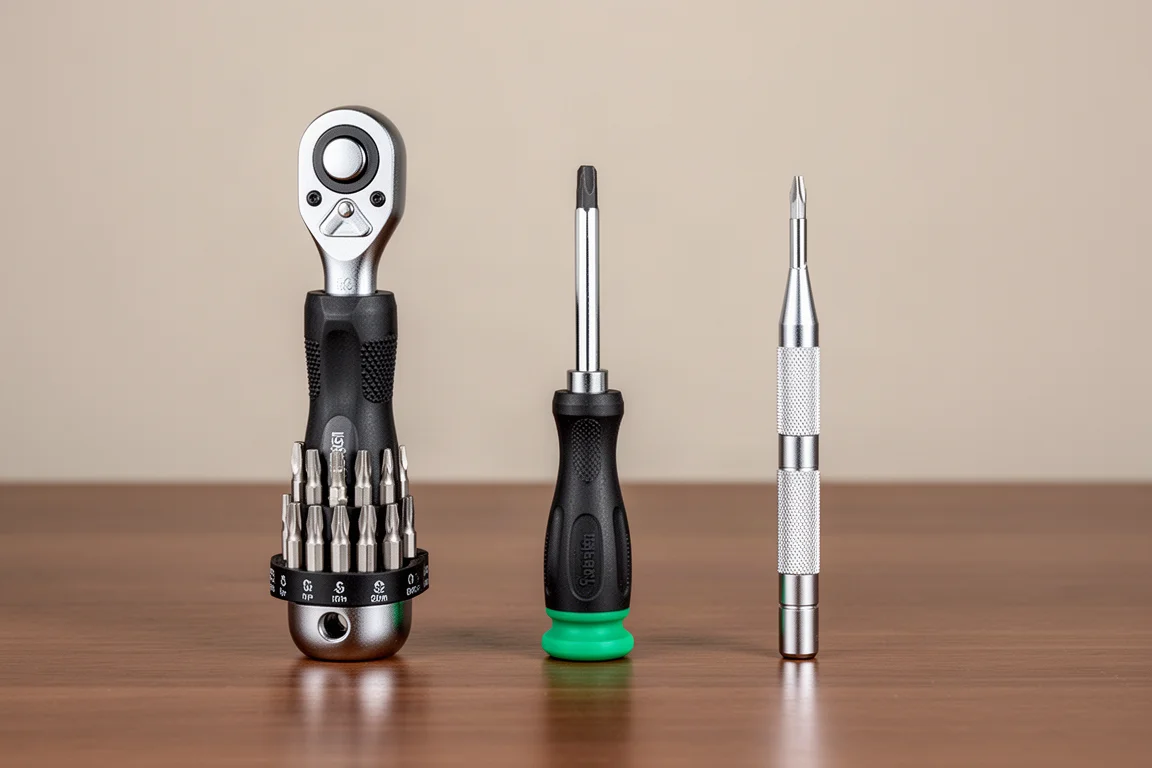
For context, one more driver deserves mention: the Gedore, repeatedly praised in comments for having essentially zero back drag. In the same test rig it showed almost no movement at all, completely dominating the competition. Back drag can never truly be zero, but the Gedore comes close enough that you cannot feel it.
If you want maximum bit capacity and flexibility at a low price, the Milwaukee 27-in-1 is the obvious pick. If back drag is your deal breaker, a gearless or low-drag design like the Gedore is worth seeking out. If you prefer traditional premium tools, the PB Swiss sits between the two in drag and character, and the Wera remains compelling mainly in its stubby form.
Conclusion
The Milwaukee 27-in-1 ratcheting screwdriver is a capable, feature-packed driver with unusually high back drag, and it is still easy to recommend for general use. The Wera offers a smoother mechanism with some front-end play, and the PB Swiss delivers classic high-drag feel. Match the tool to what bothers you less: capacity, precision, or drag.
Further reading
Related Reviews

Tools
Best Contractor Grade Tape Measures 2026: Eight Models Tested Head to Head
We tested eight contractor grade tape measures from Milwaukee, DeWalt, Crescent Lufkin, Tajima, Stanley, Irwin, Gelan, and Craftsman to find the best value and performance.

Tools
Best Precision Screwdriver Sets 2026: Manual and Electric Options Compared
We compare 19 precision screwdriver sets, from budget manual kits to electric drivers, to find the strongest bits and best value.

Tools
Best Stud Finders 2026: Five Popular Models Put to the Test
We tested five popular stud finders on drywall, firewall, and lath and plaster surfaces to see which ones really find studs and avoid false readings.