Outdoor Gear
MidwayUSA ECWS Sleep System Review: A Four-in-One Sleep Solution for Extreme Cold
The MidwayUSA ECWS Sleep System offers a scalable, four-component sleep setup designed for versatility across multiple climates. At 8 pounds 7 ounces total, it delivers warmth comparable to heavier traditional tent-and-bag setups while remaining affordable.
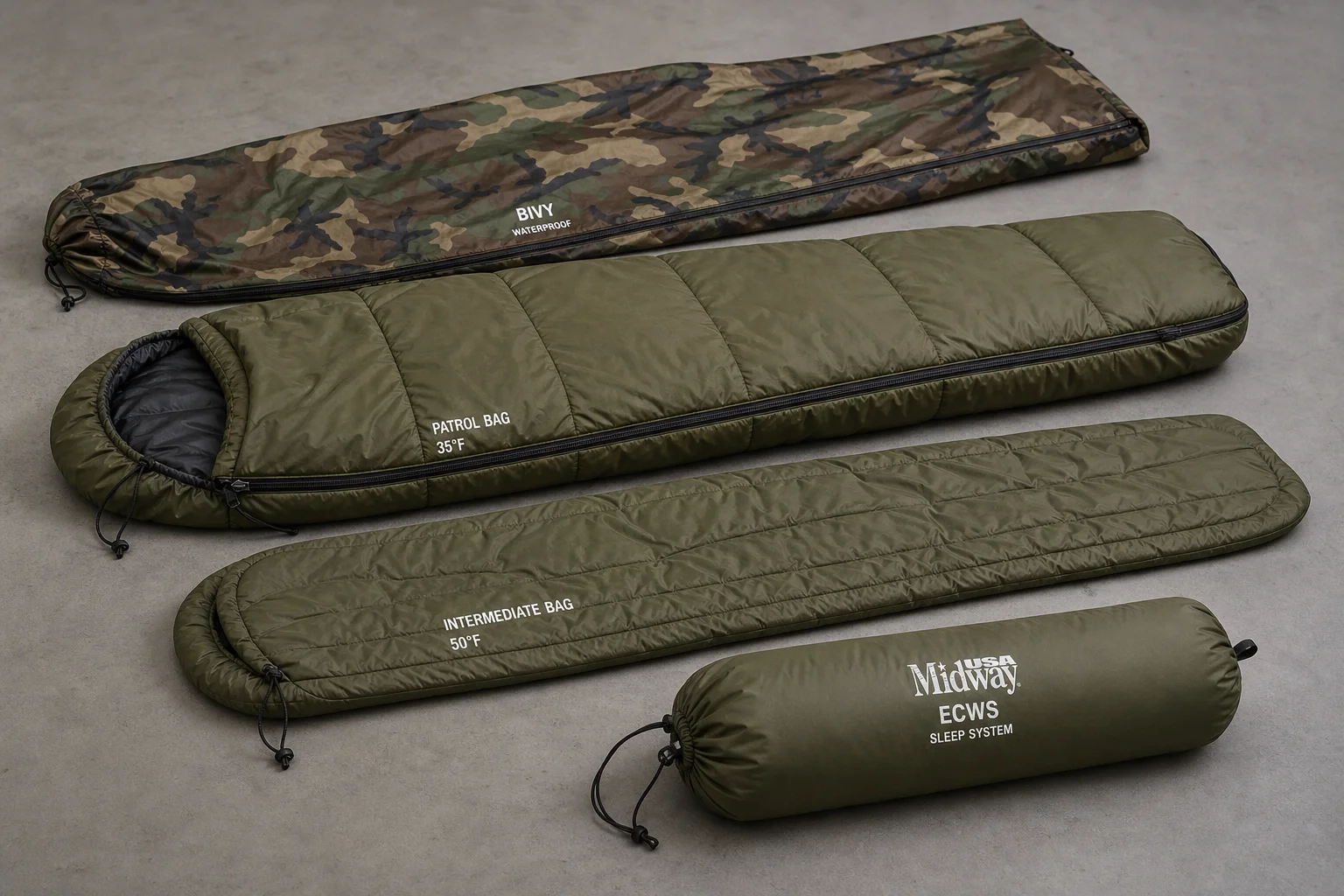
System Overview and Weight
The MidwayUSA ECWS Sleep System is a four-component modular sleep setup designed to adapt to varying environmental conditions. The system comprises a waterproof bivvy, a patrol bag, an intermediate bag, and a compression stuff sack. Total system weight is 8 pounds 7 ounces, which is lighter than many traditional tent-and-sleeping-bag combinations while offering greater versatility across temperature ranges.
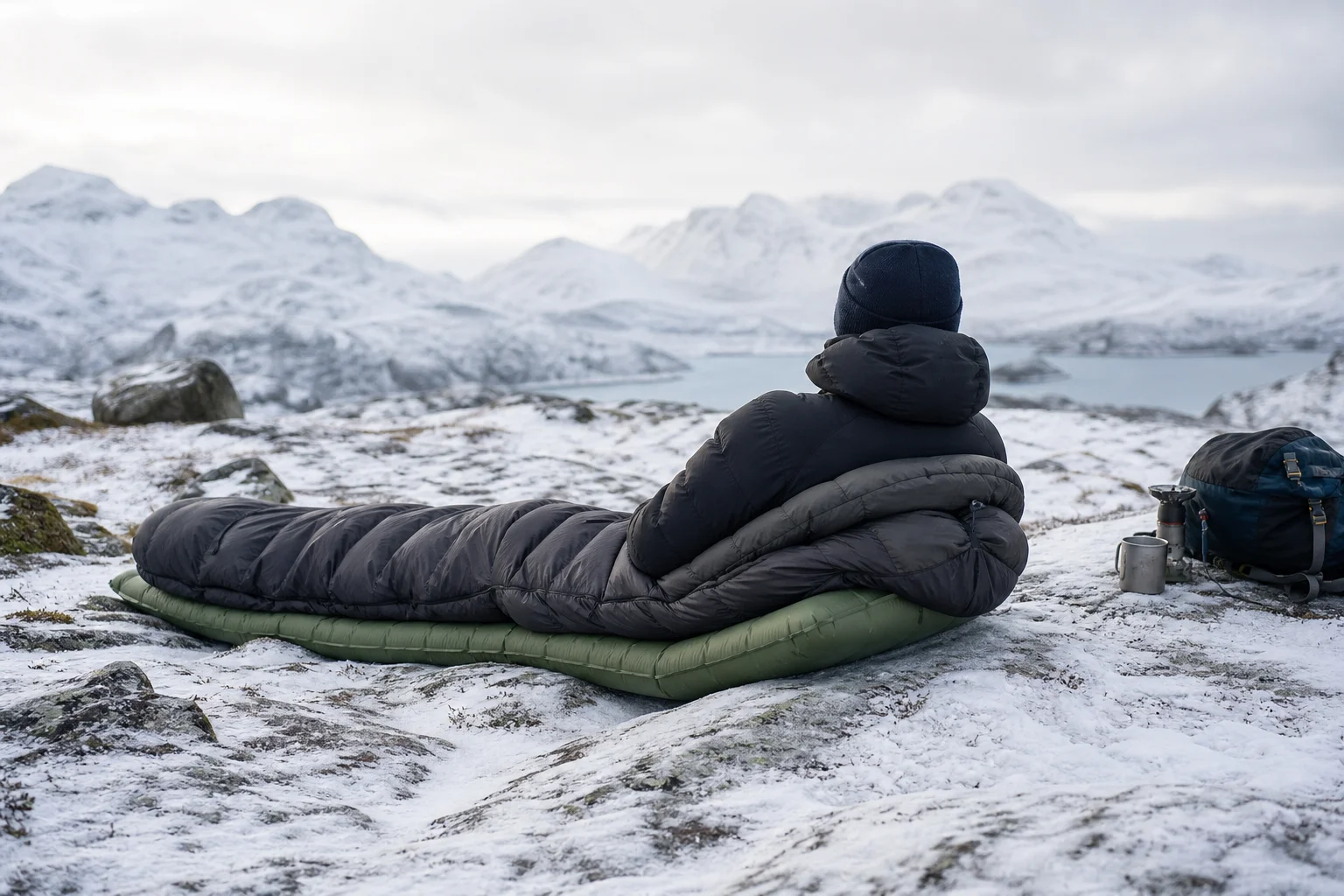
This modular design means you can scale the system to match your needs. In mild conditions, the bivvy alone or the bivvy paired with the patrol bag provides adequate shelter and insulation. For extreme cold, both inner bags work together to extend warmth ratings to -15 degrees Fahrenheit or lower. The system packs down to approximately 17 inches by 12 inches, making it reasonably portable despite its comprehensive nature.
The Bivvy: Waterproof Outer Shell
The bivvy forms the outermost layer and is constructed from nylon talson with a PTFE membrane shell, making it waterproof and windproof. It measures 85 inches long by 34 inches wide and weighs 1 pound 14 ounces. The woodland camo pattern on the exterior may provide concealment value in certain environments.
The bivvy features a hood with hook-and-loop closure that allows you to seal the opening without completely cutting off airflow, which is important for managing condensation in cold conditions. A drawstring cinches the hood further when weather becomes severe. The bivvy closes via a two-sided zipper and a series of snaps that integrate with the inner bags, allowing the entire system to function as a unified shelter or to be separated into individual components.
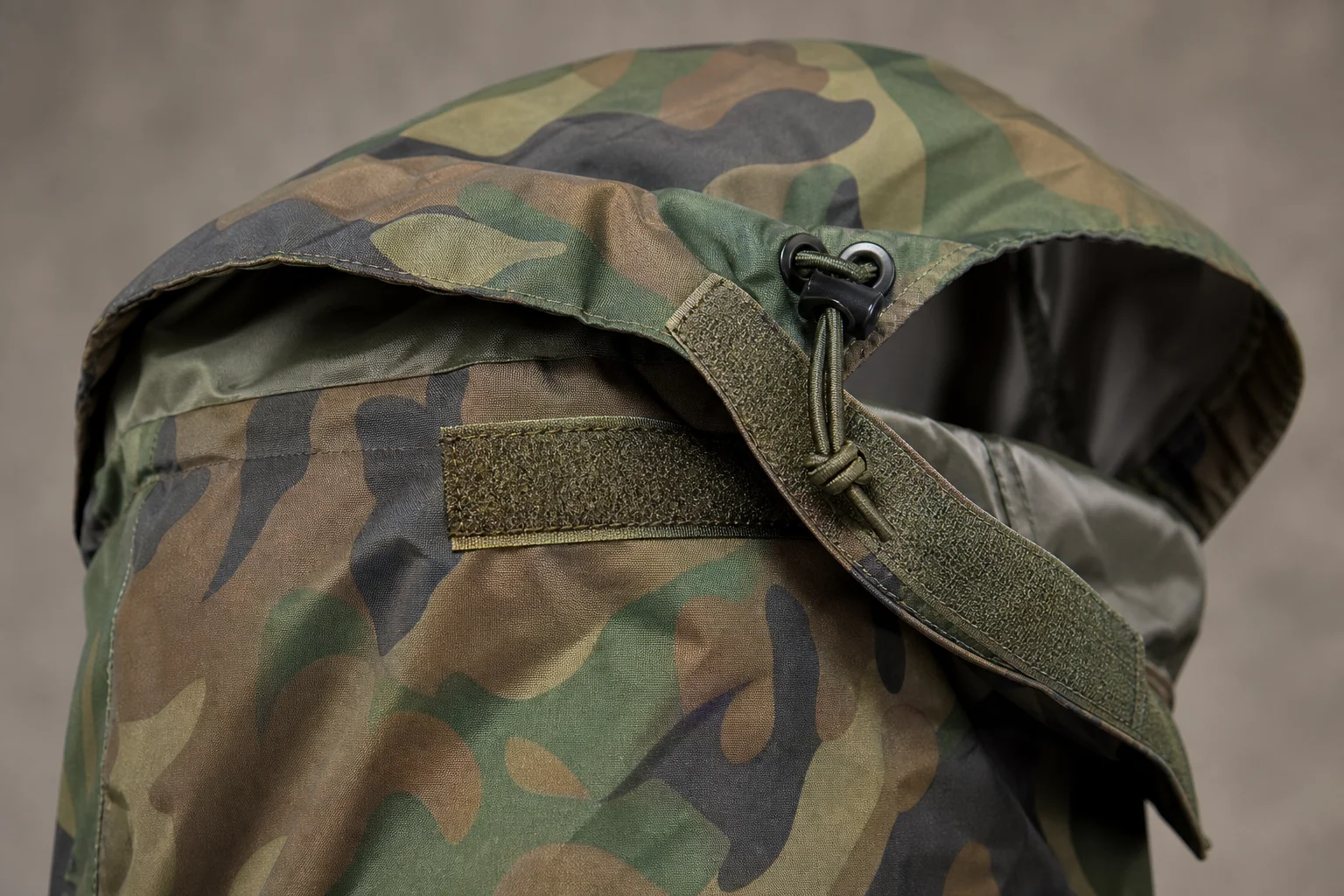
The bivvy alone can function as a sleep shelter if paired with a blanket or lightweight insulation layer, making it useful as a standalone piece if you need to reduce overall pack weight for specific trips.
Inner Bags: Patrol and Intermediate Layers
The patrol bag is the outer of the two inner layers and is rated to 40 degrees Fahrenheit. It measures 77 inches long by 30 inches wide and weighs 2 pounds 8 ounces. The bag uses a single layer of 110 grams per square meter of synthetic insulation and features a nylon ripstop shell for durability. For most of the continental United States where temperatures rarely drop below 40 degrees, the patrol bag paired with the bivvy provides sufficient insulation.
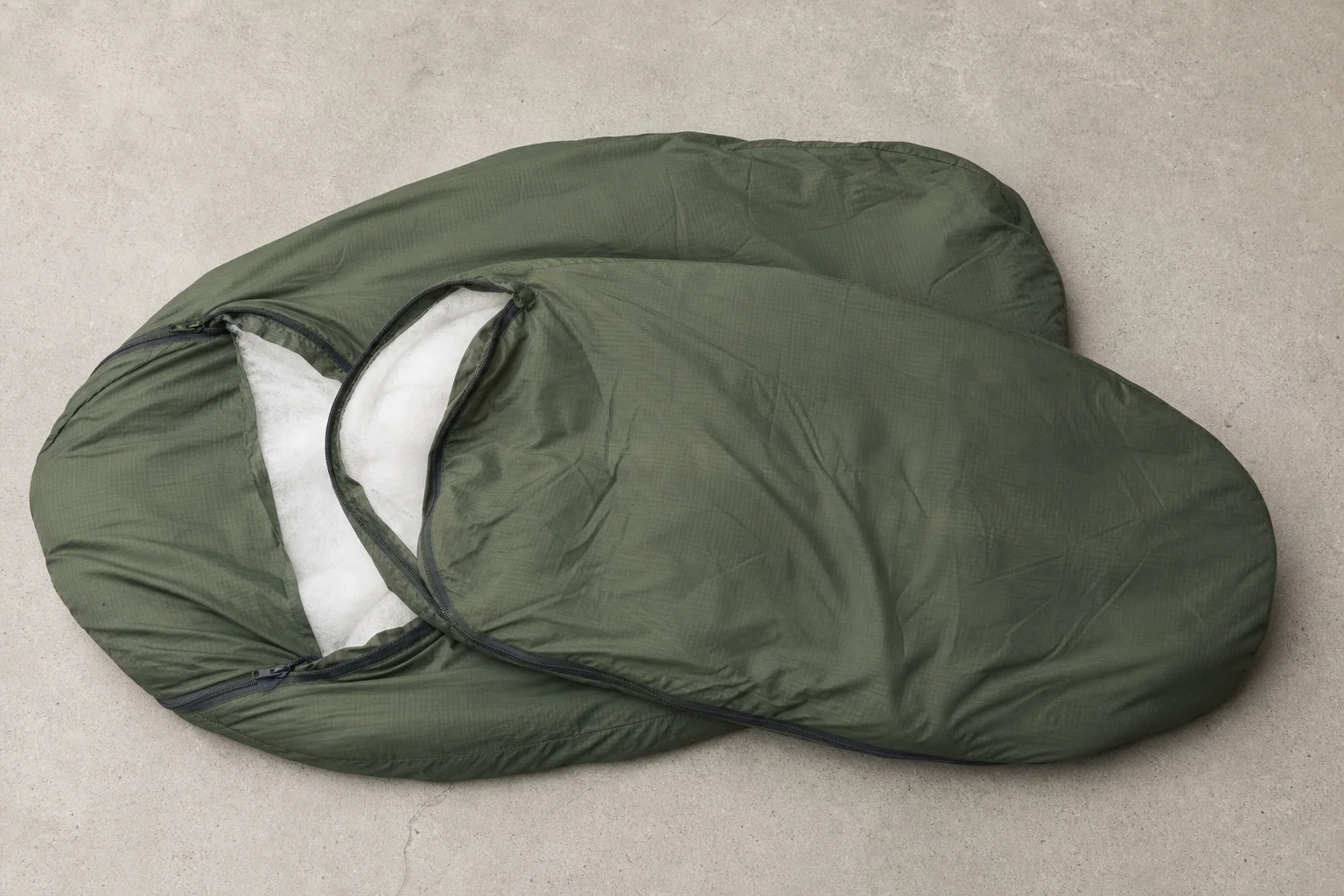
The intermediate bag is the inner layer and is rated from 40 to -15 degrees Fahrenheit. It measures 80 inches long by 31 inches wide and weighs 3 pounds 7 ounces. This bag uses a double layer of 170 grams per square meter of synthetic insulation, making it significantly warmer and heavier than the patrol bag. The intermediate bag’s temperature range makes it suitable for most cold-weather camping scenarios across North America.
Both bags feature zippers and snap connections to the bivvy. Once inside the bags, the zippers are optional since the insulation provides sufficient warmth; the snaps alone can keep the system closed if you prefer to avoid zipper friction or condensation issues.
Stuff Sack and Durability Concerns
The compression stuff sack is the weakest component of the system. The stitching on the compression straps can fail under heavy load, particularly when tightening the straps or removing the tightly packed bags. While the stuff sack performs its basic function, replacing it with an aftermarket compression sack from a manufacturer like Snugpak is advisable for long-term durability.
Additionally, since the inner bags are not waterproof, storing the system in a separate dry sack alongside the compression sack helps protect the insulation from moisture. This adds minimal weight and cost but significantly extends the lifespan of the insulation layers.
Practical Considerations and Value
The system is based on designs used by special forces units, which typically cost considerably more. The MidwayUSA version is manufactured in China, which allows the company to offer it at a fraction of the price of premium alternatives while maintaining functional performance.
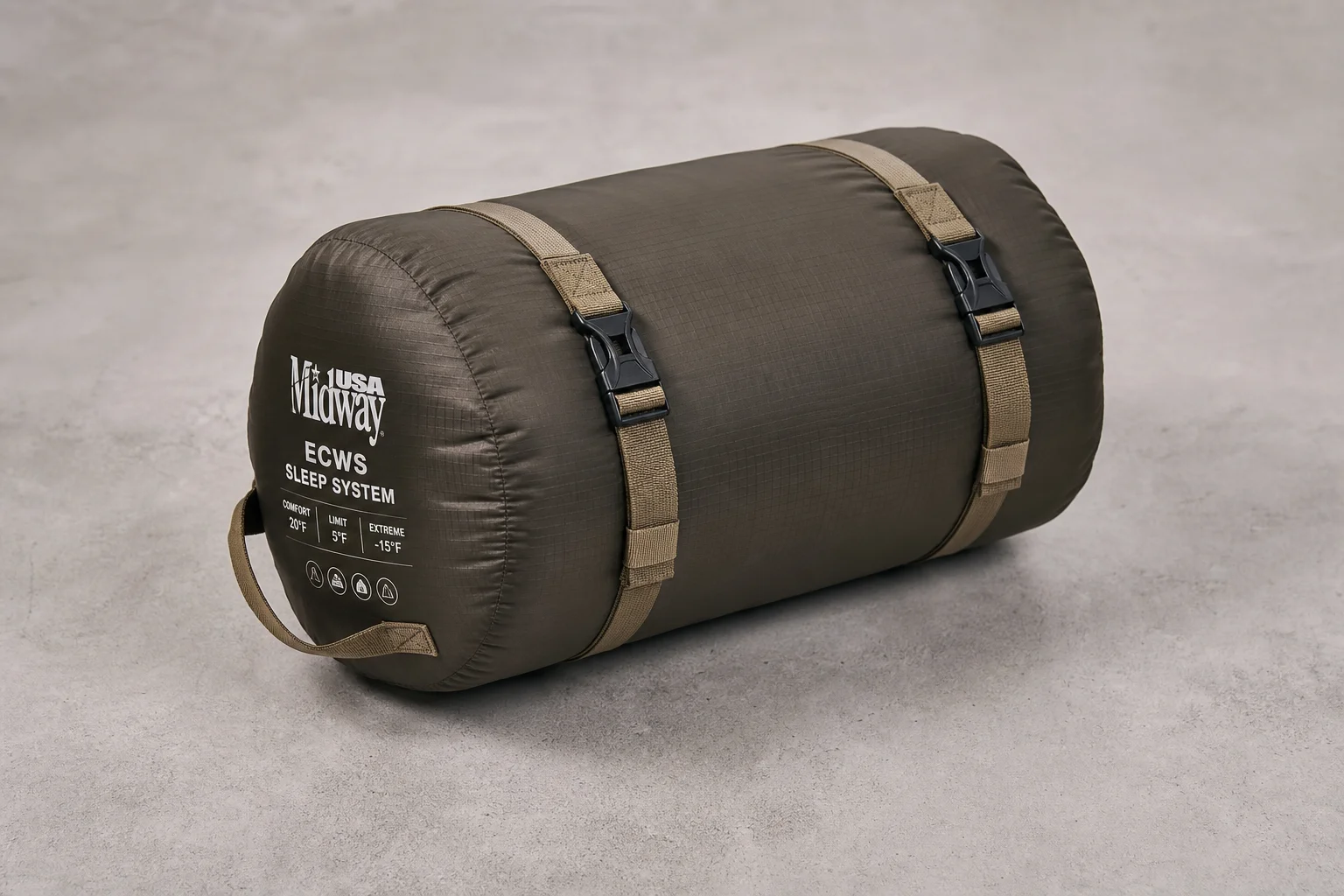
The modular nature of the system means you purchase one complete solution rather than multiple separate items. Whether you need a three-season setup (bivvy plus patrol bag) or a four-season system (all components), the same purchase covers all scenarios. For individuals living in regions with extreme seasonal temperature swings, this versatility eliminates the need to own multiple sleep systems.
The system’s height limitations should be considered: at 85 inches for the bivvy and 77 inches for the patrol bag, individuals taller than 6 feet 3 inches may find the fit snug, though not unusable. The intermediate bag’s 80-inch length provides slightly more room than the patrol bag.
Conclusion
The MidwayUSA ECWS Sleep System delivers genuine four-season capability at a price point that makes it accessible to budget-conscious campers and preppers. The modular design means you buy once and have a complete solution for any environment. The stuff sack durability issue is manageable through aftermarket replacement, and the overall value proposition remains strong even after accounting for this upgrade. For anyone seeking a single sleep system that handles everything from mild autumn camping to extreme winter conditions, this system merits serious consideration.
Product link
View more details for MidwayUSA ECWS Sleep System
This product is mentioned in the review. Check the specifications, options, and compatibility before buying.
View more details for MidwayUSA ECWS Sleep SystemFurther reading
Related Reviews
Outdoor Gear
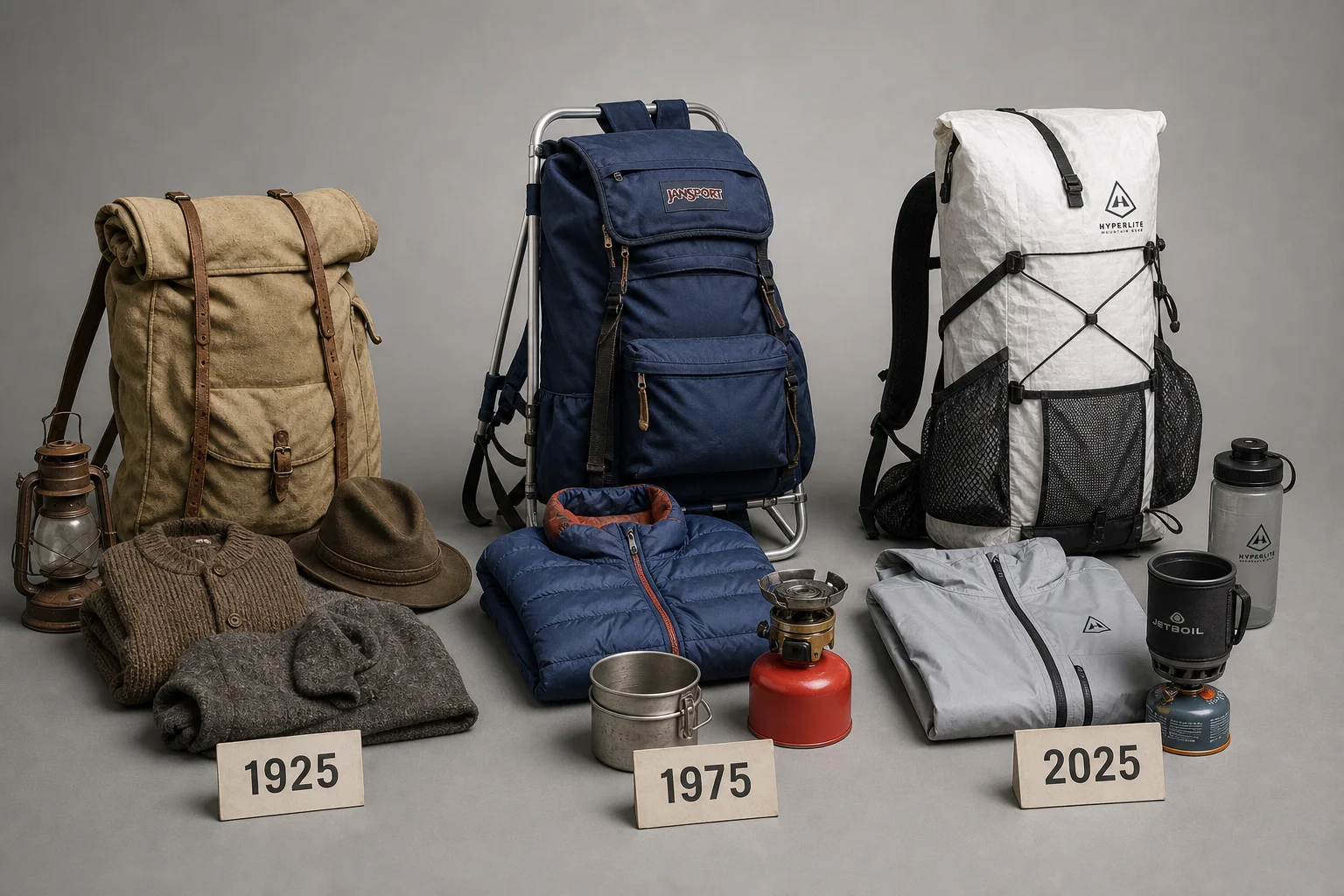
Backpacking Gear Evolution: 100 Years of Technology Compared
We tested backpacking gear from 1925, 1975, and 2025 across a three-day hike in Yosemite. Here's how technology has transformed comfort, weight, and the outdoor experience.
Outdoor Gear
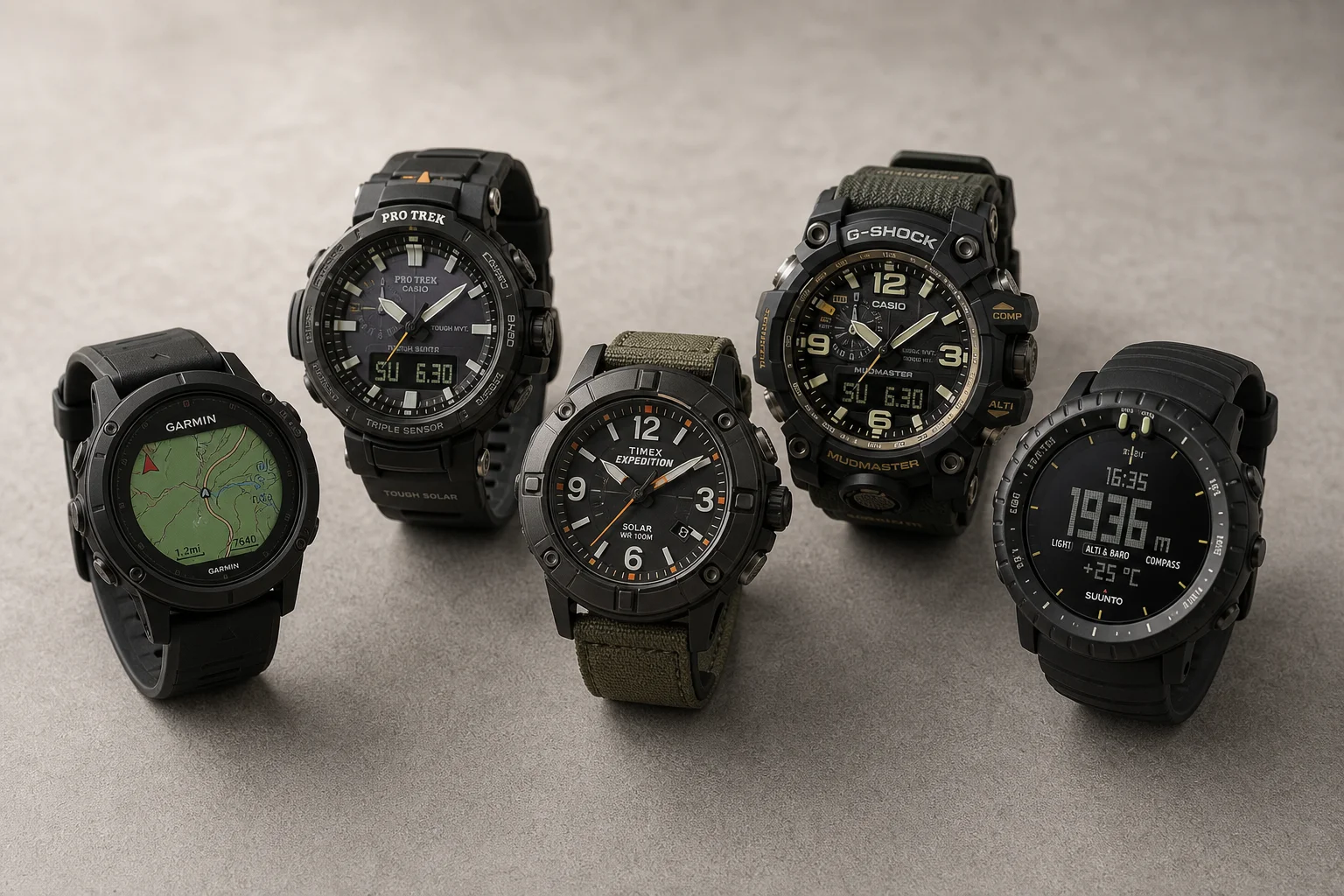
Best Affordable Hiking Watches: Five Rugged Options for Outdoor Adventures
Five durable hiking watches that balance ruggedness, functionality, and value for outdoor enthusiasts who need reliable GPS tracking and weather resistance.
Outdoor Gear
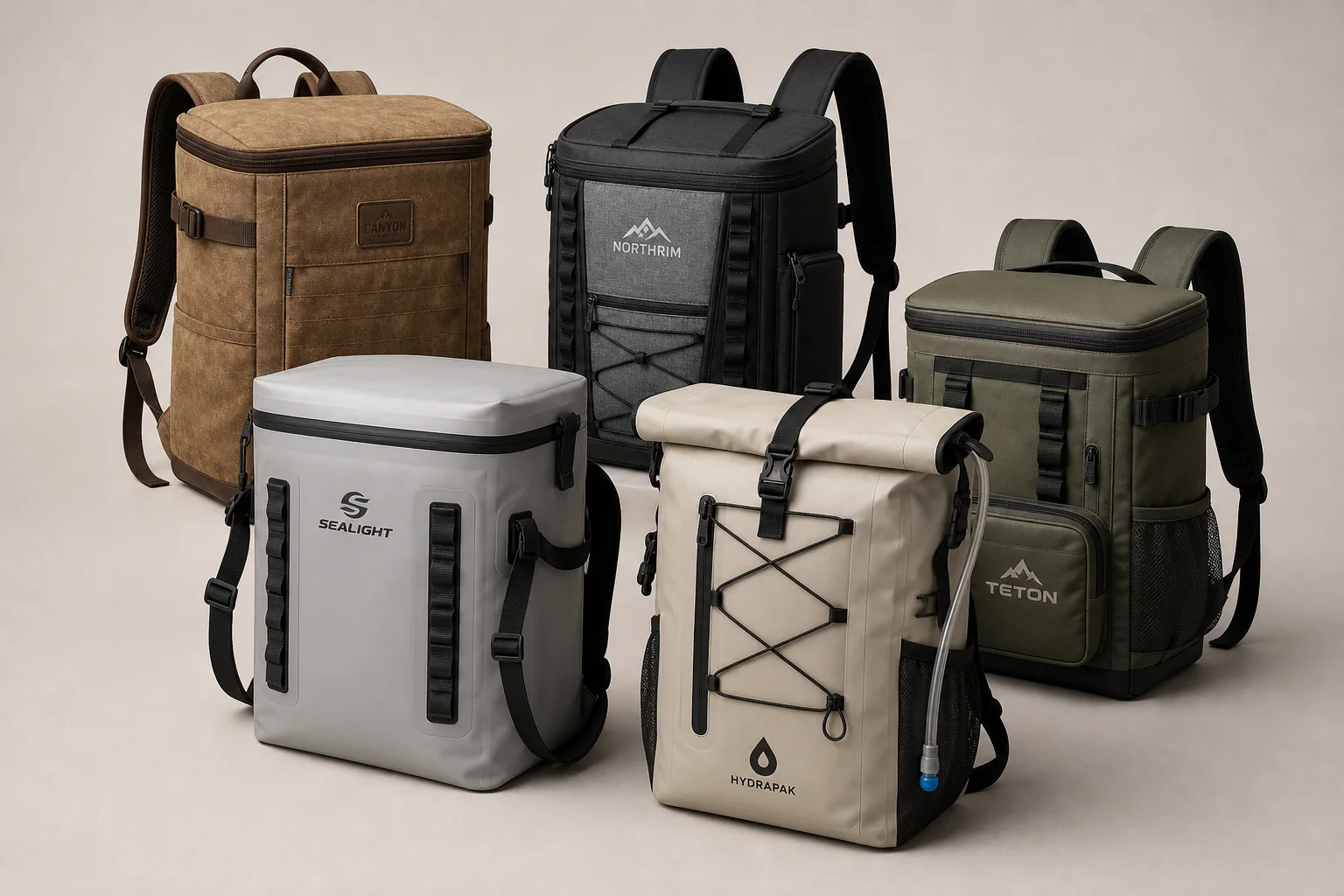
Best Backpack Coolers 2026: Five Practical Options for Outdoor Adventures
Five backpack coolers with distinct cooling capabilities, storage features, and design trade-offs to help you choose the right one for your outdoor needs.