Ski Gear
Best Mid-80 Frontside Skis 2026: Fourteen All-Mountain Carvers Compared
A practical comparison of fourteen mid-80 frontside skis, from value-minded system setups to race-influenced carvers, with clear guidance on who each one suits.
Introduction
The mid-80 waist is one of the most useful places to stand in a ski shop. Narrow enough to carve cleanly on firm groomers, wide enough to stay composed when the snow softens or the trail gets cut up, it is a width that suits a very wide range of skiers. That range is exactly why this group is so interesting, and so easy to get wrong.
The fourteen skis here run from roughly $500 to more than $1,400, and price is not the only thing that separates them. Some are system skis with integrated bindings and a more forgiving build. Others are race-influenced carvers with two sheets of metal and a binding plate underfoot. Almost all of them sit between a 13 and 16 metre turn radius, so the difference is rarely about turn shape alone. It is about how much energy a ski gives back, how much effort it asks for, and how forgiving it stays when your technique slips.
What Defines the Mid-80 Frontside Category
Two patterns are worth understanding before you read any further.
The first is where a ski sits inside its own brand’s collection. Some of these are the widest skis in a line that runs all the way into race equipment, which means the construction and the intent come from a racing background. Others are the narrowest ski a brand makes, sitting at the bottom of a range that climbs past 110 mm. Same waist width, very different DNA.
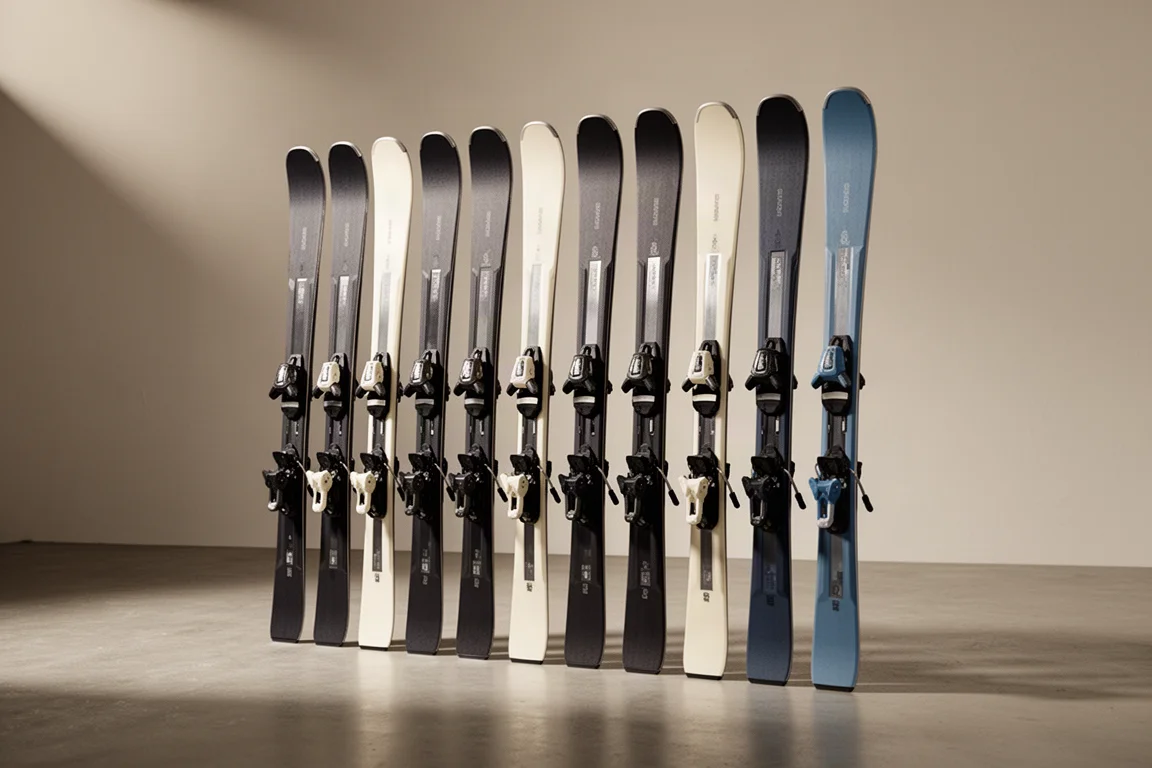
The second is shape, and the easiest place to read it is the tip. Skis with a lot of early taper and tip rocker slide and skid willingly, stay loose in bumps and soft snow, and tolerate a wide range of turn styles. Skis with almost no taper hold an edge earlier and want to be driven. Run your eye along a wall of skis and you can usually predict which one will feel forgiving and which one will feel demanding.
Construction tells the rest of the story. Vertical sidewall tends to increase as you move up in performance, adding edge grip and a more planted feel. Metal does the same, and thickness matters: a single 0.4 mm sheet is a very different ski from two sheets at 0.8 mm. Most skis in this group land near 3,000 grams with bindings mounted, so weight alone will not tell you which one is right for you.
Carry that framework into the rest of this guide. Waist width sets the category; taper, sidewall, metal thickness, and binding integration set everything else.
Atomic Maverick 84R: The Value Entry Point
At $499.95 including a binding, the Maverick 84R is the most affordable way into this group, and it is built for people who are still finding their feet. The core is a hybrid of wood and a dense, lightweight material, bolstered by what the brand calls TI reinforcement. It uses a cap construction with a textured top sheet and a tip protector, which makes it about as durable as a ski in this category gets. The tip carries a useful amount of early taper and a little rocker, so it slides and skids without complaint. On the scale it comes in just over 3,000 grams with the binding.
The binding is a straightforward 9 to 10 DIN unit on a simple track. It will not deliver the precision or torsional stiffness of the systems further down this list, but it works, and it keeps the price down.
Salomon Stance 80: A Light, Quick All-Mountain Starter
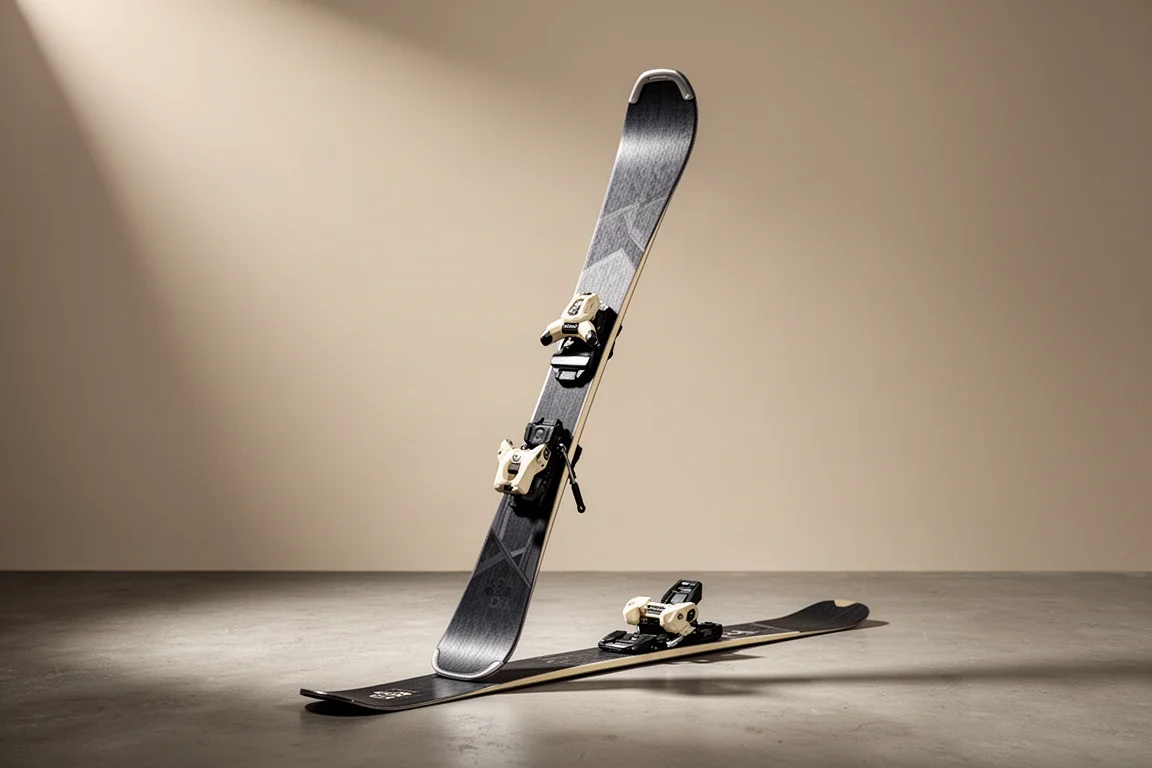
The Stance 80 costs $579.95 and steps the materials up without stepping the price up much. There is a poplar wood core, titanal and carbon laminates, and a shape that is close to the Maverick 84R in overall style, with slightly more tip rocker and a spoonier tip. At 3,008 grams it is a touch lighter than the Maverick. Where it shines is in quick, shorter turns, whether that is on groomers, in moguls, or just off the edge of the trail. The narrower waist and easier flex make it a genuinely friendly place to learn, and the support is still there when you start pushing.
The trade-off is speed. Like everything at this end of the group, it is not a ski you take to a race course, and it is happier at a moderate pace.
Nordica Steadfast 80: The First Step Toward Real Carving
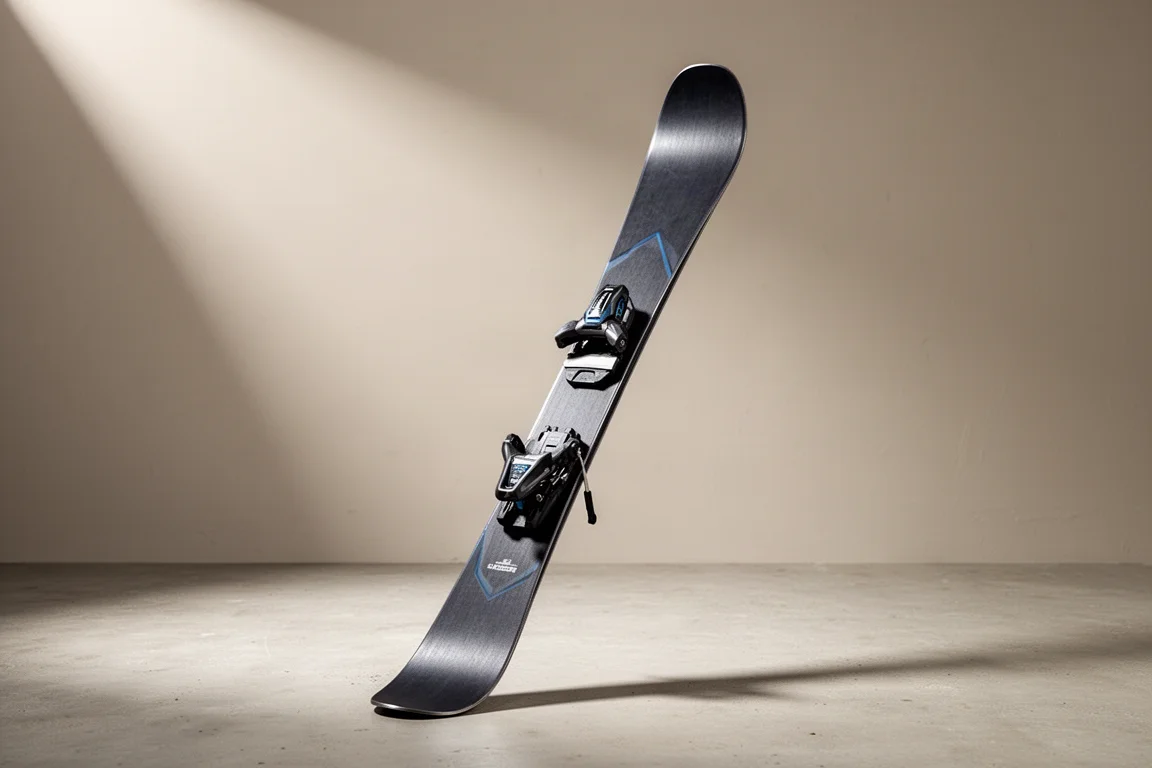
At $749.99, the Steadfast 80 marks the point where this group stops being purely about accessibility. The construction uses two thin wood cores stacked together with a rubber-based pulse core between them rather than metal, which keeps the ski smooth and forgiving while adding a noticeable amount of feedback. It comes with a TP 11 binding, a clear step up from the units on the two skis above.
On snow, this is a ski for someone who is deliberately working on technique and starting to feel linked carves. The effective edge is long, the rocker is modest, and the tail is round enough that releasing a turn stays easy. You can take it off trail and be fine, but it is happiest on groomers.
Head Shape e-V10: Light, Stiff, and Tech-Rich
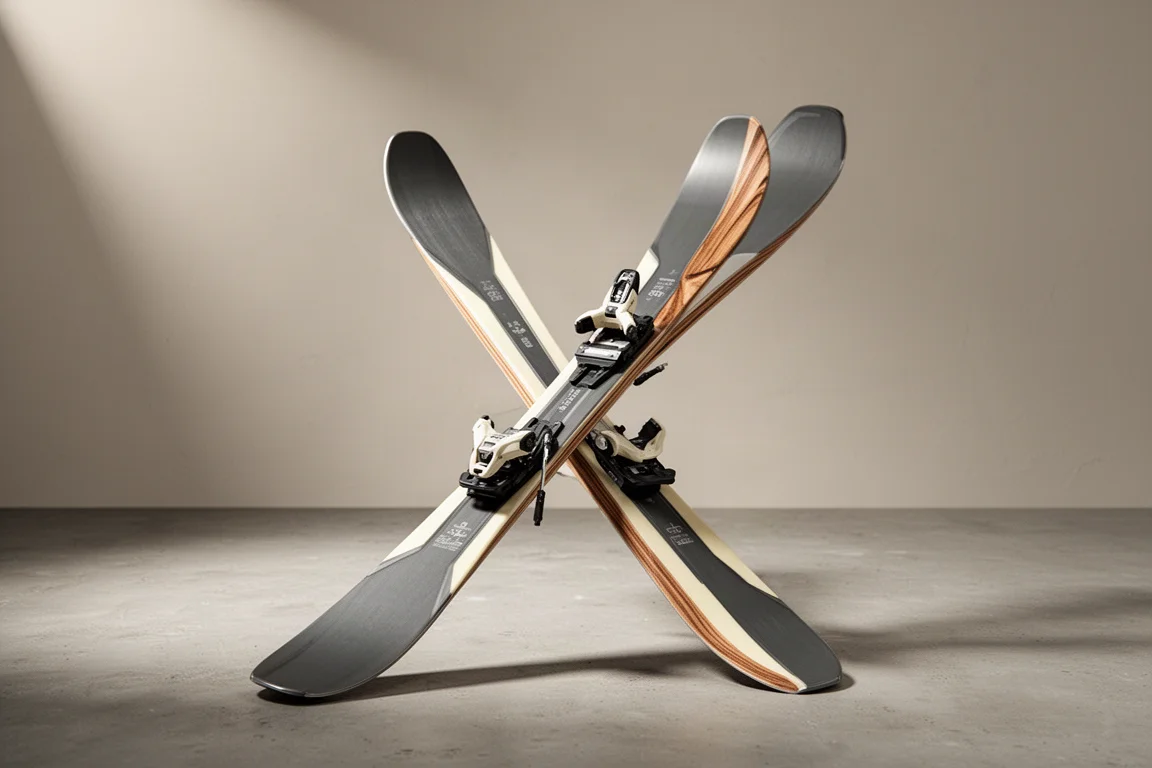
The Shape e-V10 is $849 with a PRD 11 binding, and it carries more technology than almost anything else at this price. A lightweight Karuba wood core, graphene, and an energy management circuit in the tips and tails all filter down from the brand’s higher-end shapes. At 84 mm underfoot it weighs just 2,810 grams, and the turn radius in the 177 is 14.8 metres.
Light and stiff is a specific combination, and it defines how this ski feels. It tips onto edge easily and reacts immediately, but once it is there, the turn radius largely decides what happens next. With very long camber, minimal rocker, and a more angular tail, it holds a turn longer and more aggressively than the rounder skis above. It is a genuinely good choice for an intermediate who wants a nicer set of gear, as long as that skier is content to stay near the ski’s natural arc.
Atomic Redster Q7.8: Precise Groomer Turns at a Moderate Pace
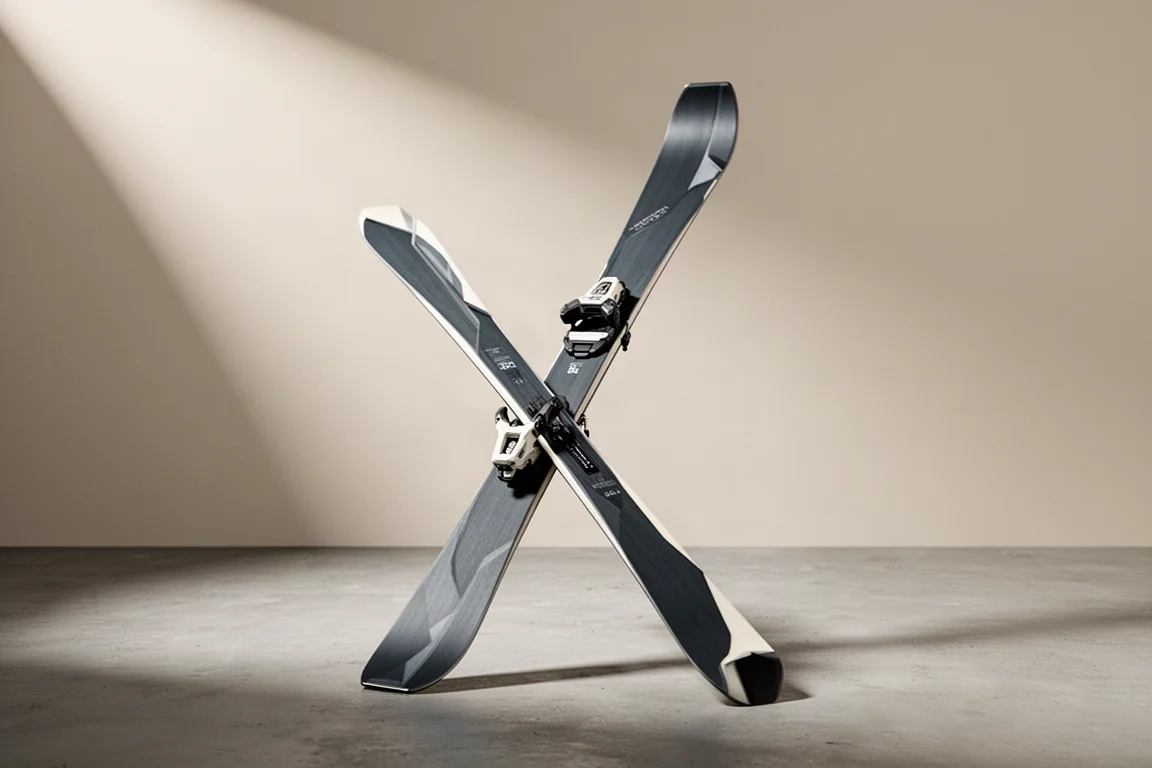
At $799.95, the Redster Q7.8 pairs a wood core with a single sheet of metal and uses a carbon and elastomer damping layer rather than the metal and elastomer version found higher in the line. It also arrives with a new version of the brand’s X12 binding that is considerably easier to install and adjust than the previous generation. On the scale it reads 2,804 grams.
The personality here is unmistakable. Tip it on edge and it responds instantly, with no lag or delay, which translates into a lot of confidence for a skier who wants clean, well-shaped turns on groomers at a moderate pace. It is a fairly one-dimensional ski, and it is worth saying that plainly: if you mostly ski on trail, it will reward you. If you want to spend your days off trail, there are better uses of the money.
Dynastar M-Cross 82: A Narrow Soft-Snow Specialist
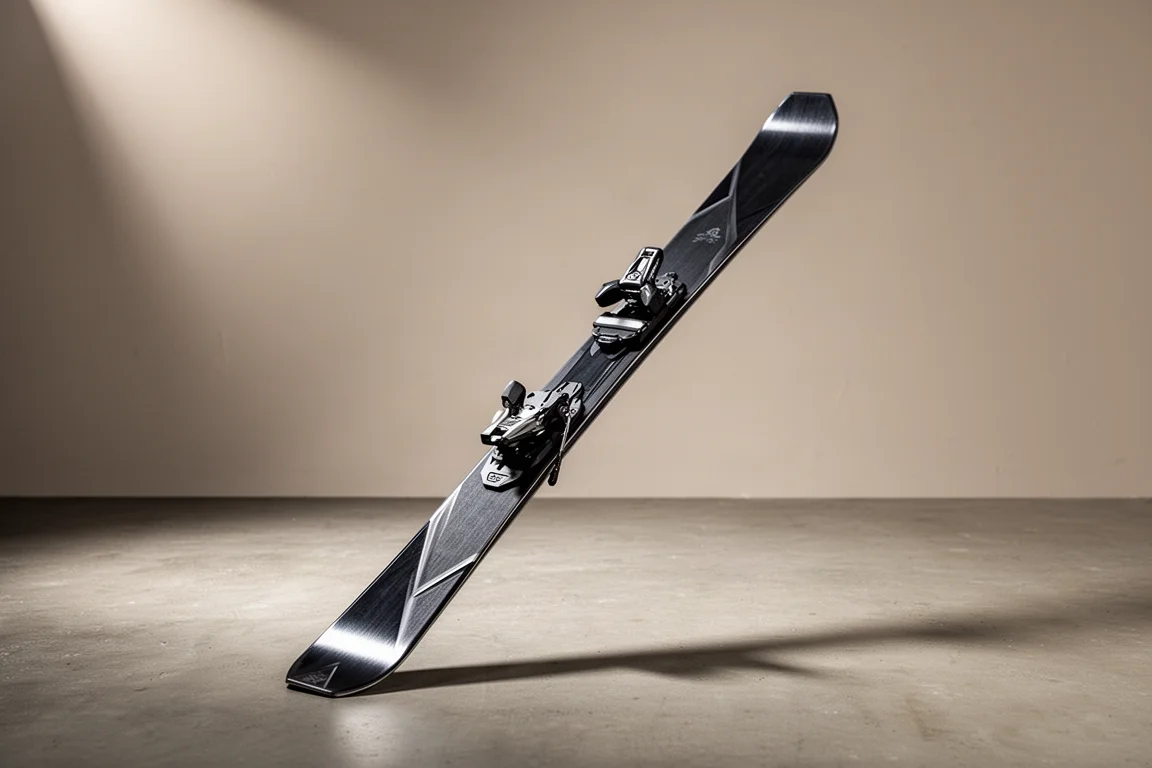
The M-Cross 82 is $749.95 and takes the all-mountain idea further than anything else at this price. It is a narrower take on the brand’s 88, with a hybrid core that places polyurethane along the side and three horizontal layers of wood inside, plus metal underfoot. What really sets it apart is shape: it carries the most dramatic tip taper and the longest tip rocker in this entire group, which lets it rise up in softer snow and stay loose in variable conditions.
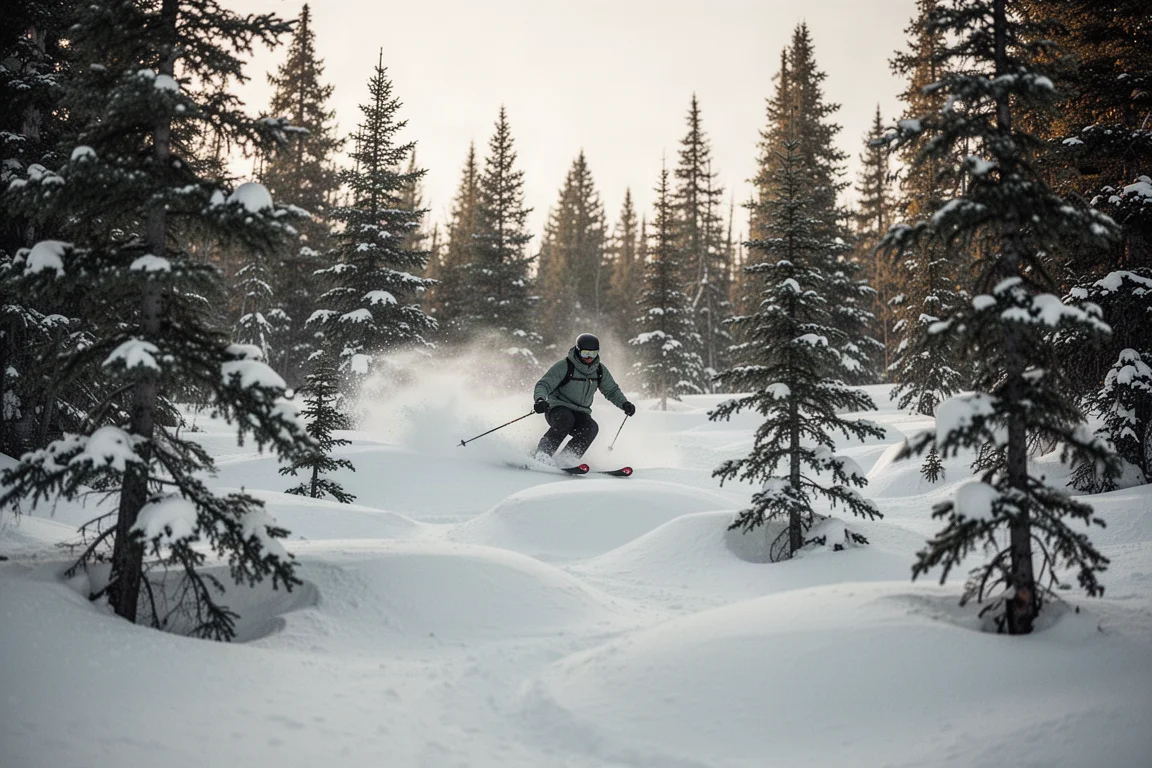
At around 3,000 grams it is not light, but it is quick. It makes short and medium radius turns with real precision for a ski with this much rocker, and it is excellent in bumps and packed-out trees. It will not hold up at high speed, and that is the honest trade-off. For moderate speeds and a playful approach, it punches well above its price. It is also a ski that very few people seem to actually own, which is a shame given how composed it stays rather than getting pulled through turns.
Blizzard Stormbird 80 Ti: A Comfortable High-Performer
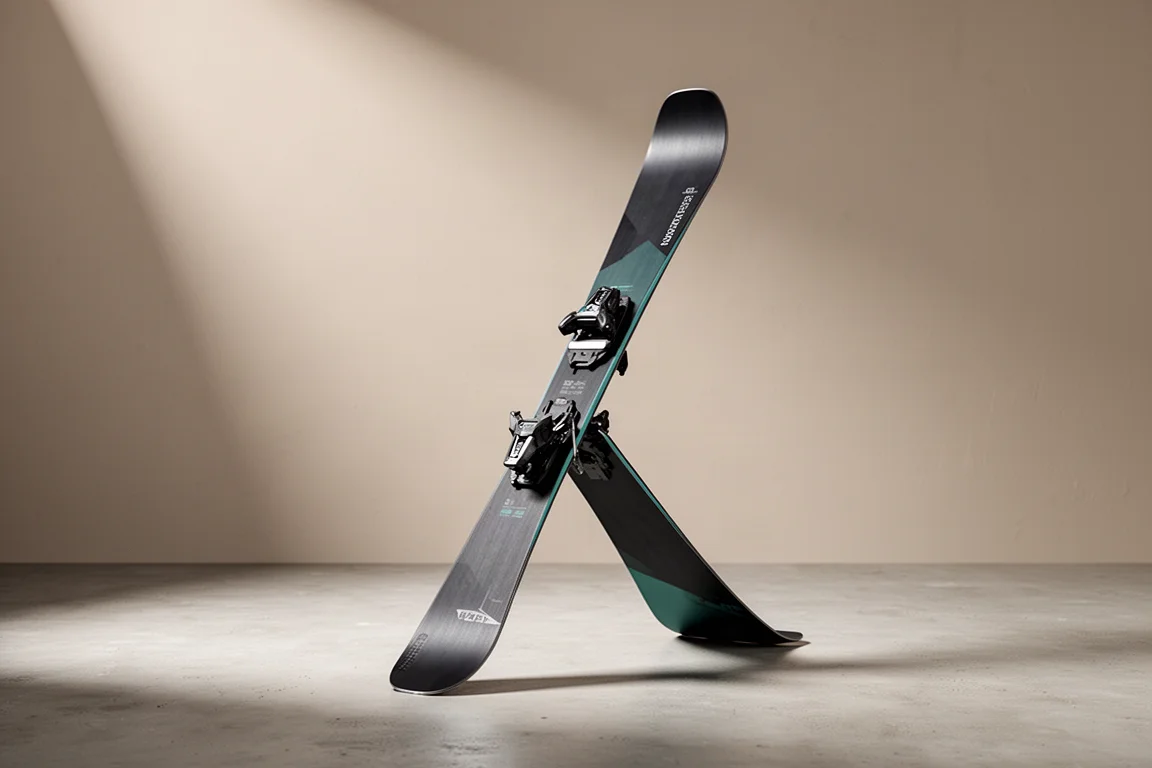
The Stormbird line is new for 2026, and the 80 Ti sits at $849.99. The core is a poplar and beech blend in a sport performance layup, with a single 0.4 mm sheet of titanal and a substantial section of cap construction in the fore and aft of the ski. That combination is deliberate: cap construction adds durability and softens the way a turn begins, so tip initiation feels gradual and easy, particularly at slower and moderate speeds.
Do not read that as a beginner ski. It is still a high-performing tool that will take speed and aggression when you ask. It is best understood as a comfortable cruiser for a progressing upper-level intermediate or advanced skier who wants responsive, performance-oriented feel without the full commitment of the skis at the demanding end of this group.
View more details for Blizzard Stormbird 80 Ti
Salomon Stance 84: Unassuming and Quick Edge to Edge
The Stance 84 has been around for a while and it is $749.95 as a system ski. It does not advertise itself. There is a poplar wood core, a sheet of metal, and carbon stringers, plus more vertical sidewall than the Stance 80, which gives it a higher-quality feel and better edge grip.
The shape leans all-mountain, with tip and tail rocker comparable to the Dynastar M-Cross 82, and at 2,826 grams in the 185 it stays light for its length. It is quick edge to edge for an 84, fun in bumps and trees, and comfortable when conditions degrade through the day. In pure groomer carving it will not outclass the sharper skis further down this list, but it has more energy and zip than the heavier, damper models in the same family.
Volkl Peregrine 80: Approachable With a High Ceiling
At $1,099.99 the Peregrine 80 sits in premium territory, and the construction explains why. A multi-layer poplar and beech wood core, a titanal band running through the middle of the ski, tailored carbon tips, and an integrated binding system that mounts directly into the ski rather than being drilled onto it. Weight is 3,030 grams.
The profile is deliberately flat, with a low tip that keeps the ski close to the snow, and it works with a three-dimensional radius so the ski can make different turn shapes as you change edge angle. That flat profile is also what makes it approachable: skiers of many different levels can smear it and swish it around, which is rare at 80 mm underfoot. The performance ceiling is high but the entry point is low, and that combination is what justifies the price.
Nordica Steadfast 85 DC: Strong, Smooth, and Easy to Live With
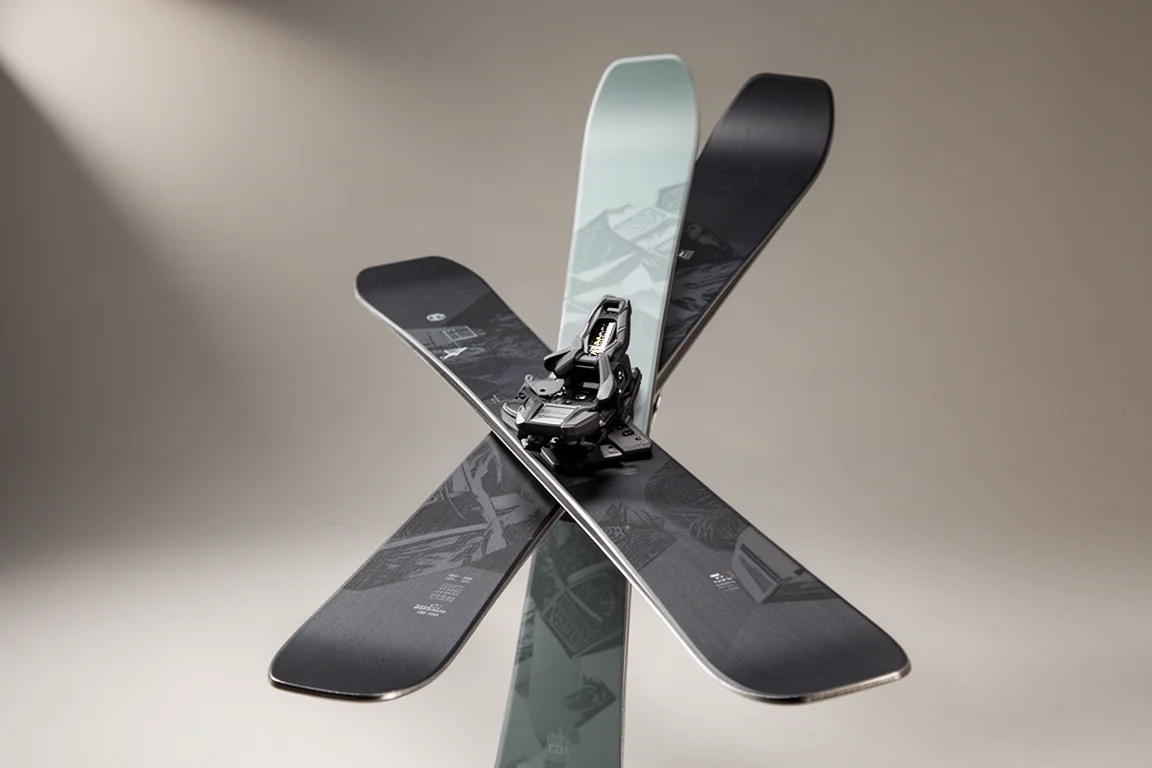
The Steadfast 85 DC is $849.99 and follows the same logic as the Steadfast 80: widen it to 85 mm, add a sheet of titanal between the two stacked cores, and the result is a substantial step up in performance. It weighs around 3,300 grams and comes with a TPX 12 binding.
Compared with the Salomon Stance 84, it is crisper and leans more toward groomer performance, trading away some all-mountain quickness in the process. It is not the sharpest carving ski here, but it is smooth, not hooky, and not catchy, and the slightly rounder tail lets you exit a turn when you want to rather than being ripped through it. It tops out at 179 cm, and for the way this ski wants to be skied, that is not a limitation.
Blizzard Stormbird 82 DTi: Thunderbird Performance, More Accessible
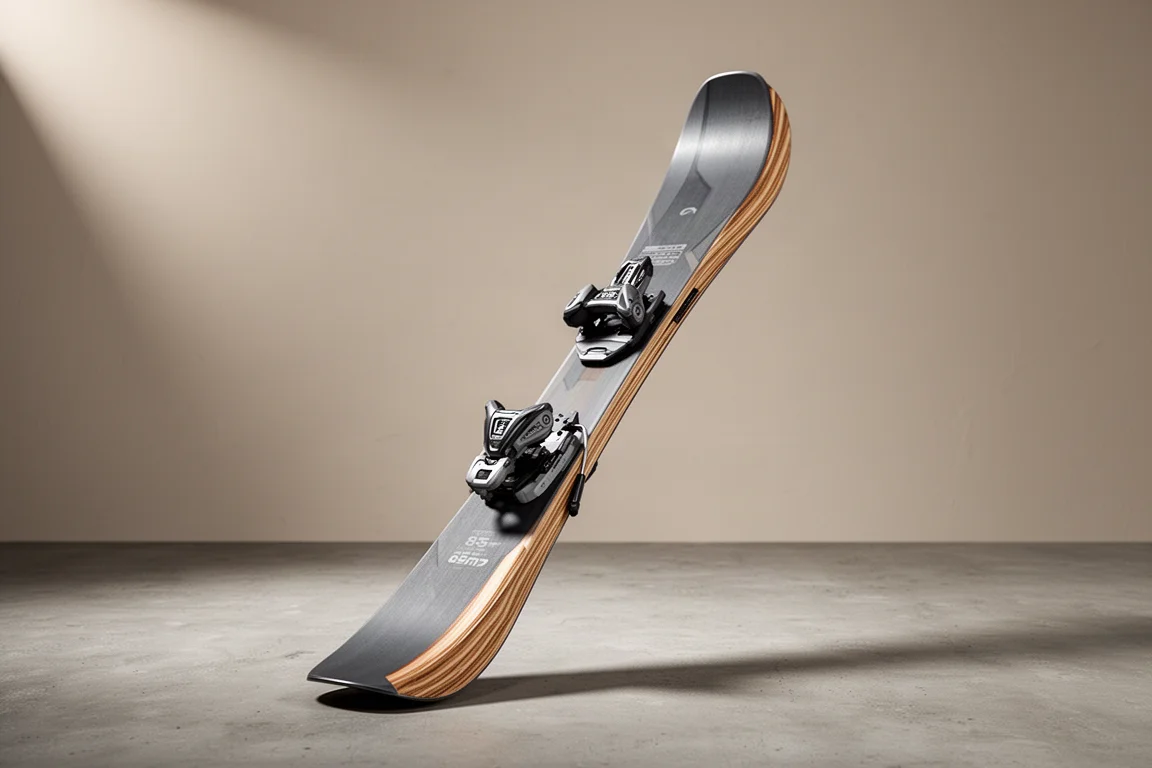
At $949.99, the Stormbird 82 DTi shares its mold with the Thunderbird 82 LTD, so there is no difference in shape or profile between them. What differs is the build. The core is a sport performance poplar and beech blend, and there are two sheets of titanal, one 0.4 mm and one 0.6 mm. Weight comes in at 3,200 grams with a TPX 12 binding.
That extra metal makes it a heavier, more planted ski than the 80 Ti, but it remains noticeably easier to access than the LTD version. It grips hard, it is stable, and it holds up to a strong skier, yet it does not demand maximum effort all day. For most skiers shopping in this width, this is likely the smarter of the two Blizzard options.
Volkl Peregrine 82: Built to Run
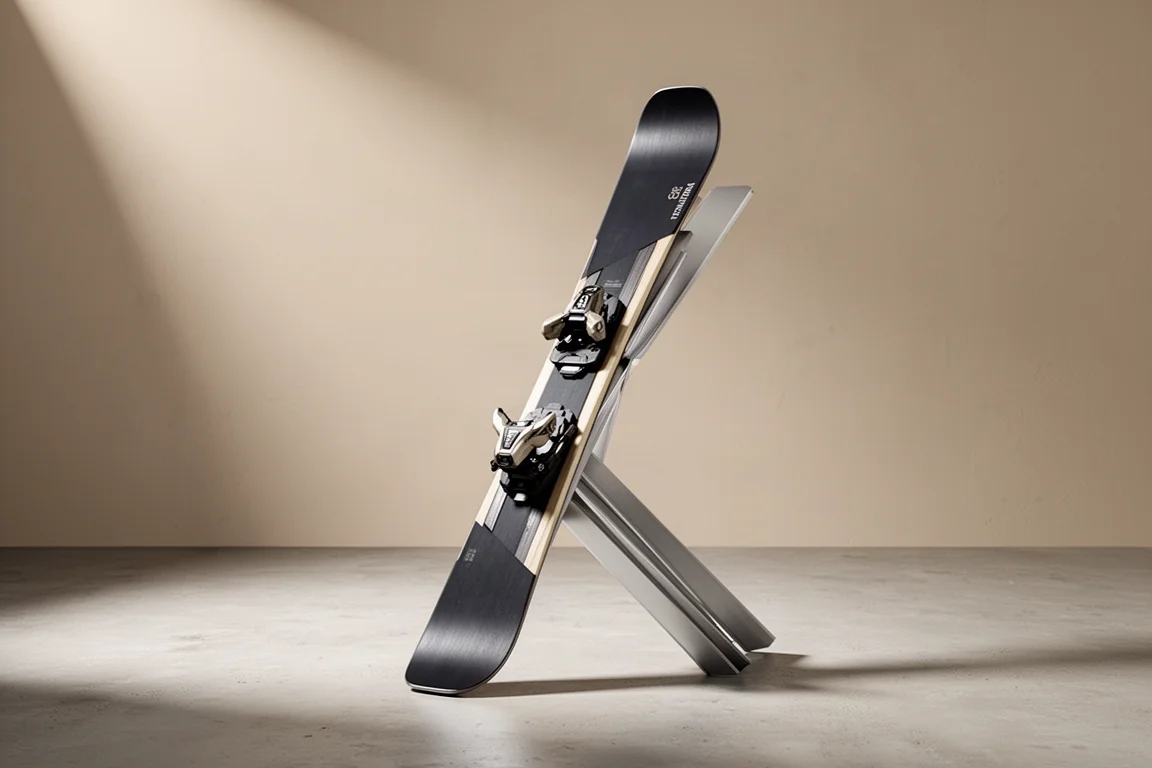
The Peregrine 82 is $1,199.99, and it returns structurally unchanged with a new top sheet. It carries a tailored titanal frame plus an additional sheet of metal below, and it weighs 3,095 grams with a Griffin-range integrated binding. The 2 mm of extra width over the Peregrine 80 is negligible; the construction is what separates them.
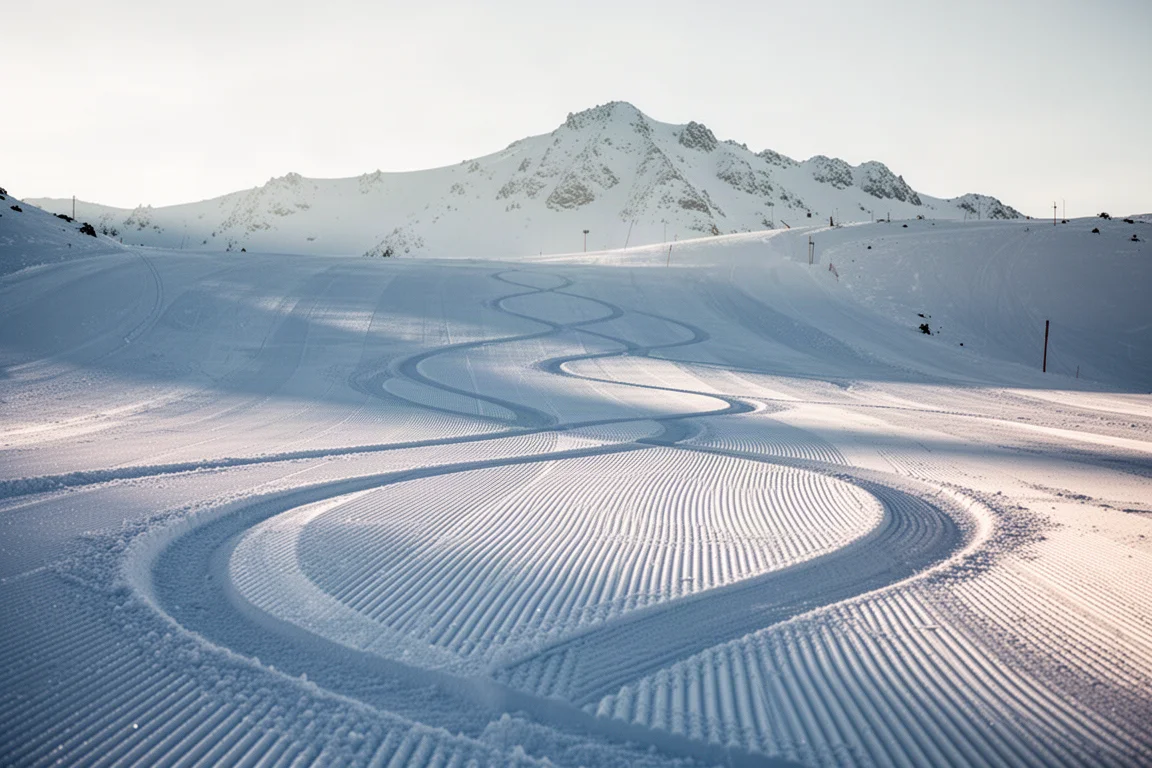
The result is more stability and more power, and a corresponding drop in quickness and agility. This ski wants to be driven forward and it wants long, sweeping turns, which is exactly where it shines. Try to make five or six rapid turns in a row on it and you will find yourself pulled toward the back of the ski rather than staying centered. That preference for longer arcs is why it has found a following among technical skiers and instructors. The shape can be smeared as well as carved, and the more you give it, the more it returns.
Stöckli Montero AX: Smooth, Light, and Rewarding
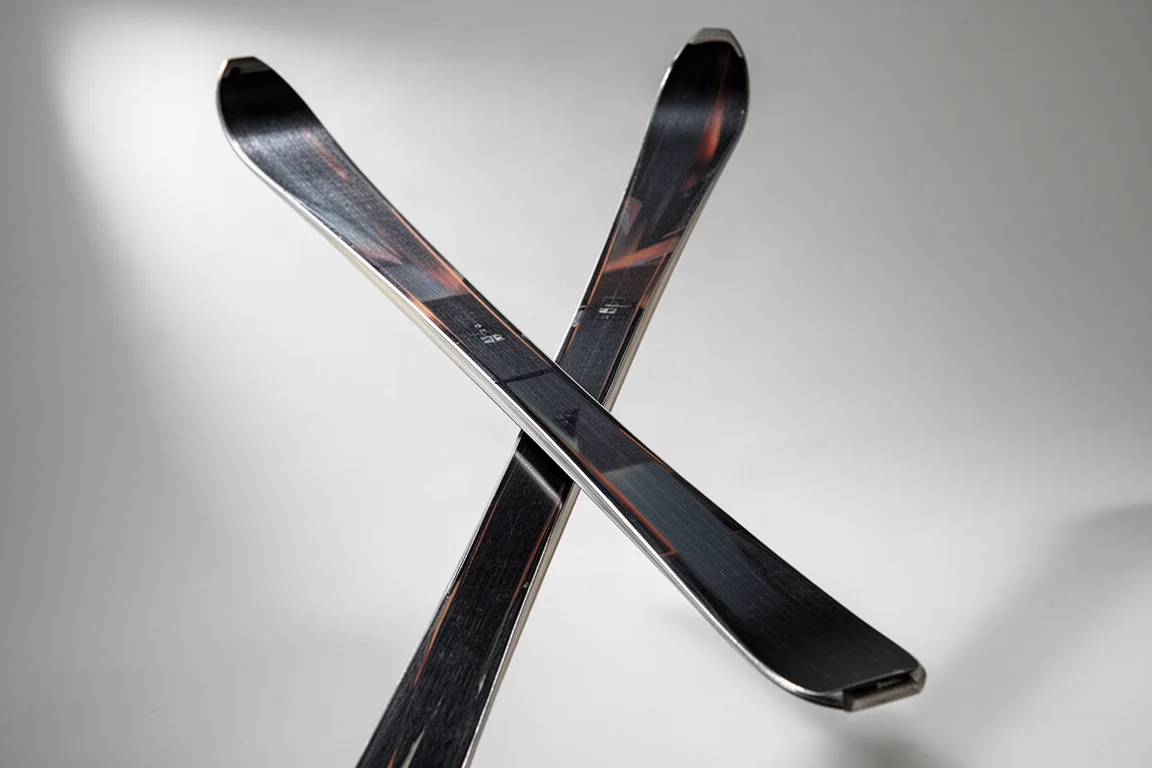
The Montero AX is $1,439 as a flat ski, before you choose a binding, which makes it the most expensive option here. That price reflects manufacturing: a poplar and beech wood core, two sheets of titanal, and the brand’s signature rubber layer for vibration damping. At 80 mm underfoot it weighs around 1,800 grams, making it one of the lightest skis in this group, and because it comes flat you can pair it with a lightweight binding or a heavier, burlier one to change its character.
It is not the most powerful ski here. It is the smoothest, and the damping is genuinely unusual. It makes clean, beautiful turns on groomers, it will handle bumps and trees, and it lets you vary turn shape easily rather than locking you into one arc. Nothing about it is the best in the group on paper, and yet it is consistently one of the most rewarding skis to spend a full day on.
View more details for Stöckli Montero AX
Blizzard Thunderbird 82 LTD: The Most Demanding Ski Here
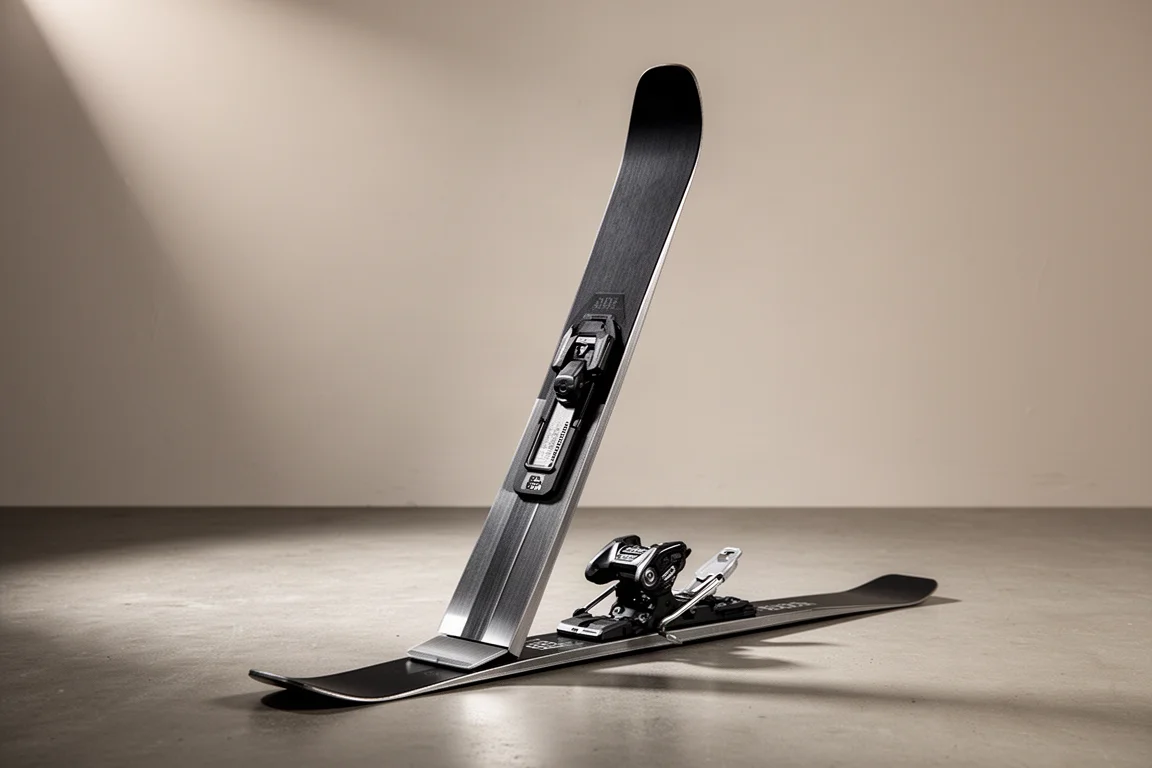
The Thunderbird 82 LTD is $1,299 and it closes this progression exactly as you would expect. It is the most demanding ski in this comparison and the most powerful, and those two things go together. The core uses a denser poplar and beech blend with a higher proportion of beech, there are two thick sheets of titanal, and the binding is a race-style Comp 12 with a zinc plate underfoot and an active carbon armor plate.
The extra money over the Stormbird 82 DTi is largely in that binding and that material. In return you get a ski that absolutely rails carved turns and holds an edge through just about anything, at the cost of basically all forgiveness. It requires commitment on every turn, it will tire you out over a full day, and if you are not confident in your technique, there are better places to spend your money. For a top-tier skier who wants the strongest ski in this width range, it delivers.
Buying Advice: Matching the Ski to the Skier
Three decisions matter more than any specification sheet: the terrain you actually ski, whether you want a system or a flat ski, and how hard you are willing to work.
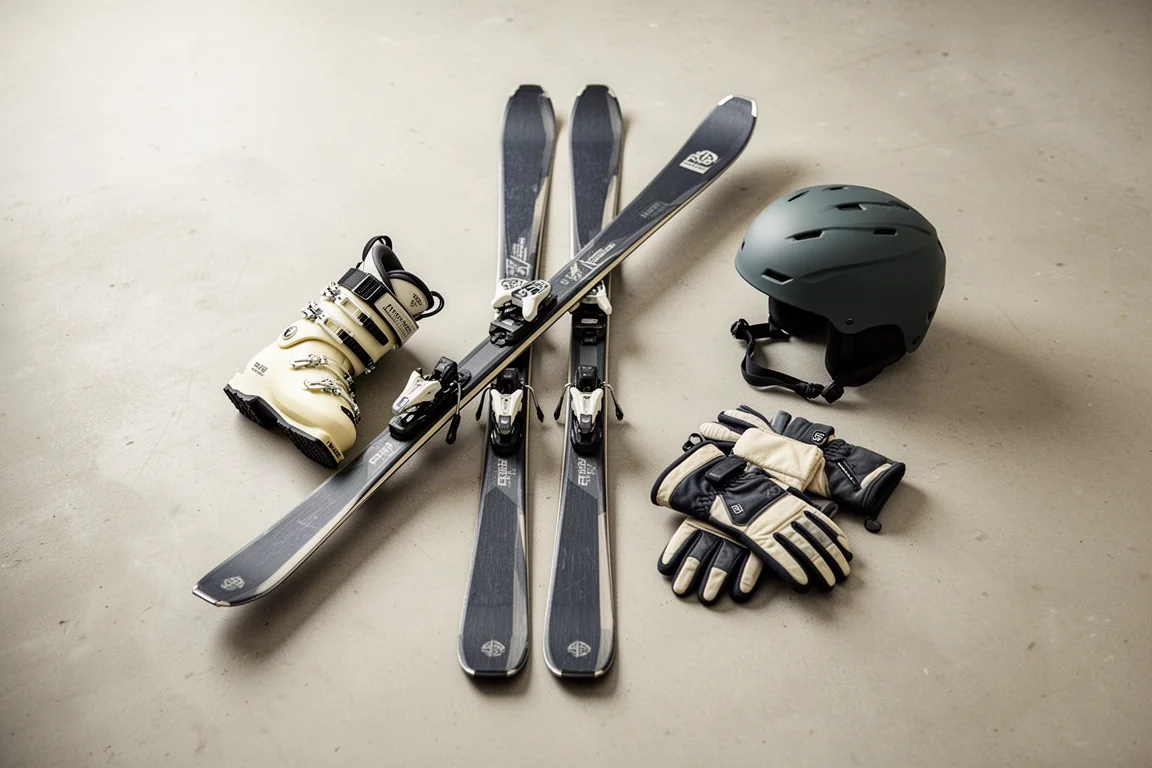
If most of your days are on groomers and you are still building technique, the Maverick 84R, the Stance 80, and the Steadfast 80 give you modern shapes and progressive construction at prices that leave room for boots and a helmet. If you have solid technique and want a ski that rewards it, the Head Shape e-V10 and the Redster Q7.8 are the sharper end of the value range, while the Dynastar M-Cross 82 and the Salomon Stance 84 trade a little carving precision for all-mountain versatility.
System skis versus flat skis is the next decision. Integrated systems keep weight down and setup simple, and they are part of the reason several of these skis cost what they do. A flat ski such as the Montero AX costs more up front but lets you choose a binding to match your weight, style, and budget.
Finally, be honest about how hard you want to work. Energy and quickness, and power and stability, sit at opposite ends of this group. The Peregrine 80 and the Steadfast 85 DC offer a lot of performance without demanding everything you have. The Peregrine 82 and the Thunderbird 82 LTD are built for skiers who want to be pushed.
Conclusion
The mid-80 frontside category is crowded, and it is crowded for a good reason. Every ski here can carve, every ski here can handle a full day on the mountain, and the prices span a range wide enough to suit very different budgets. The differences come down to how much forgiveness you want, how much power you need, and whether you would rather feel quick edge to edge or planted through a long, clean arc.
Start with the terrain you actually ski, match the construction to your technique, and choose the ski that suits the days you really have. That is a far better guide than the number on the waist or the number on the price tag.
Further reading
Related Reviews

Ski Gear
2023 Blizzard Hustle vs Rustler: Six Freeride Skis Compared
Blizzard's 2023 Hustle collection rebuilds the Rustler shape with a lighter core and no metal. Here is how all six skis differ, and which one suits your riding.

Ski Gear
2023 Skis of the Year: Atomic Maverick 88 TI, Salomon QST 106, and Look SPX 12 Pro
Three standout ski picks for all-mountain carving, powder days, and reliable binding performance, with practical buying notes for 2023 models.

Ski Gear
2025 Nordica Enforcer 104 Review: A Directional Charger Replaces the 104 Free
The 2025 Nordica Enforcer 104 drops the Free name and the twin-tip personality, gaining weight, stiffness and composure in rough snow. Here is what changed and who it suits.