Ski Gear
Mid-100mm Ski Quiver Guide: Boots, Skis, and Poles That Earn Their Place
A practical walkthrough of the boots, skis, and poles that make up a mid-100mm freeride quiver, and what each piece is genuinely good at.
Introduction
Walk along any wall of all-mountain skis and you will notice how many of them cluster around the 100 mm waist. That is not an accident. A waist in that range is wide enough to stay on top of soft snow, narrow enough to hold an edge on firm groomers, and versatile enough that a long day does not feel like a compromise. For a lot of skiers it is the single width that covers the most days of the season.
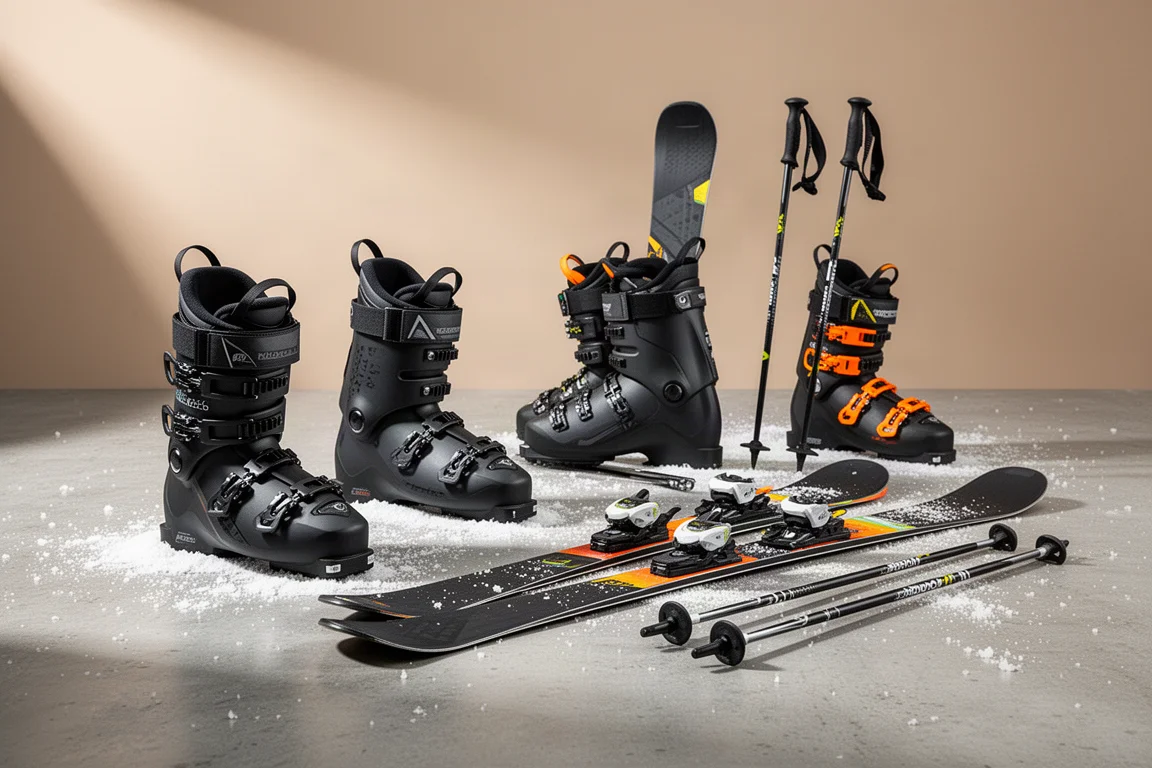
This guide works through a quiver built almost entirely inside that zone. It covers boots that range from dedicated touring shells to stiff freeride options, skis that span a playful sub-95 mm twin tip up to a wide powder shape, and the two pairs of poles that round out the kit.
Nothing here is theoretical. Each piece has a job, and each one earns its place by doing that job well.
How This Quiver Fits Together
The logic behind the collection is easier to follow once you see how the pieces divide up.
On the boot side there are two clear camps. Dedicated touring boots prioritise range of motion and low weight for the climb. Stiffer freeride and hybrid boots prioritise power transfer and edge control on the way down, with enough walk mode to make a short skin track tolerable. A couple of the boots here deliberately sit in the middle, which is where most skiers who own only one pair will end up.
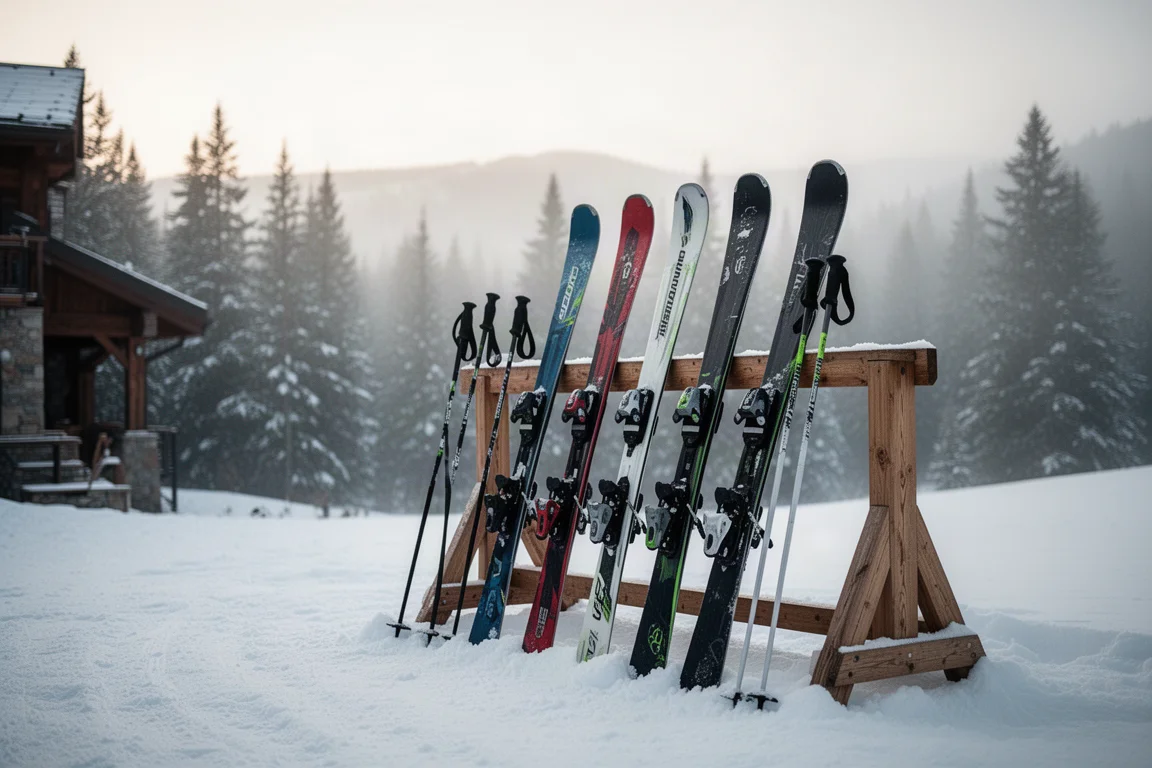
On the ski side, almost everything sits between roughly 98 mm and 108 mm underfoot, with one narrower twin tip for firm days and one wide shape reserved for deep snow. Turn radii vary just as much as the widths do, and that matters more than most people expect. Colour is the last variable, and it is a real one: some of these skis are bright and loud while others are matte and understated. It does not change how they perform, but it does change how the quiver looks at the end of the day.
Touring Boots: Dynafit Radical Pro
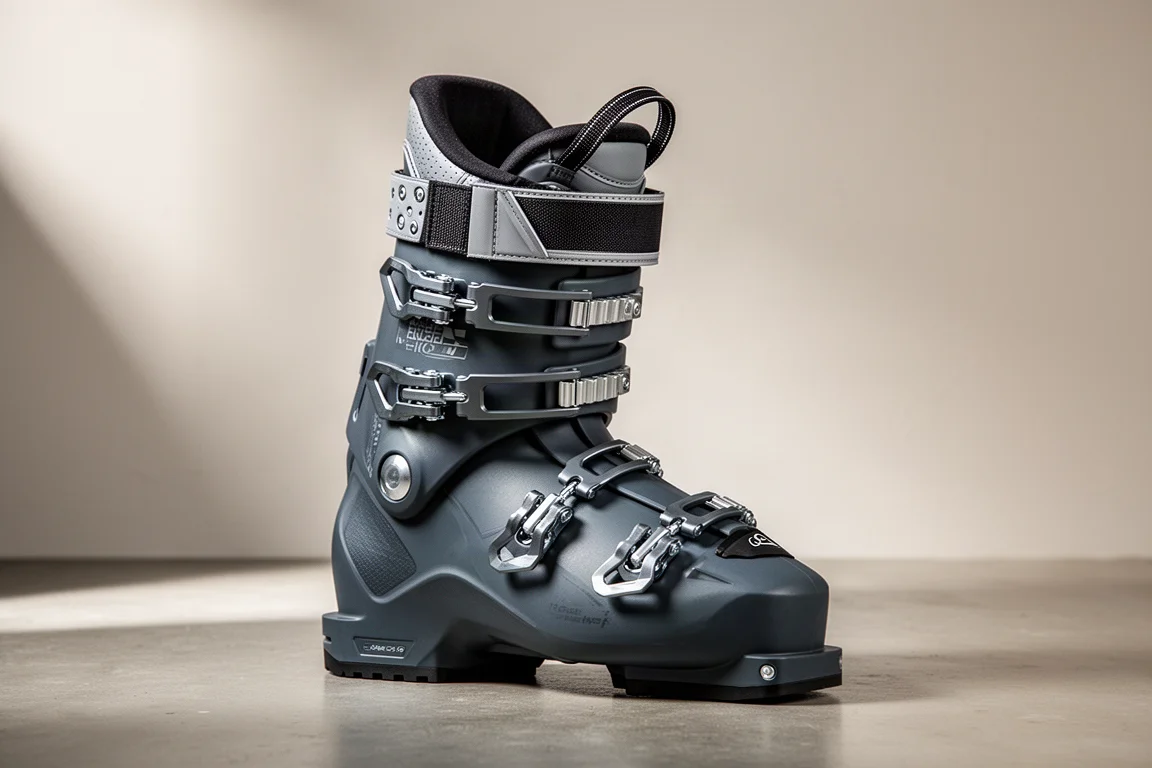
The Radical Pro is what gets reached for when the plan involves a long day, a big climb, or a ski mountaineering objective. It uses a three-buckle layout plus a strap that pulls the foot back into the shell, which makes the fit feel more connected than the buckle count alone suggests. The flex sits around 130, though that number means something different on a touring boot than it does on a resort shell.
The liner is comfortable and has held up through heavy use. The main thing to watch is sizing. This pair was picked up a size too large, and after a long day the extra volume becomes noticeable, so ordering true to size is the safer route.
Hybrid Boots: Nordica Unlimited 130
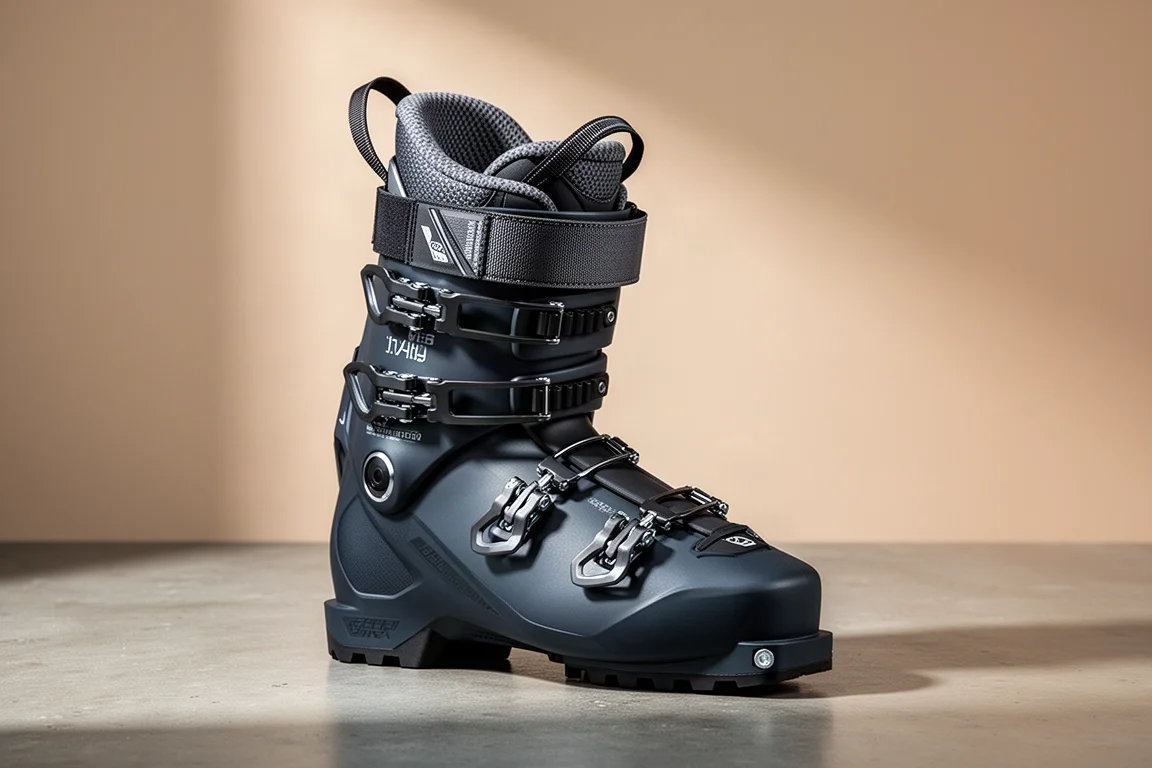
The Unlimited 130 is a strong example of the 50/50 category. It keeps the design minimal and allows a genuinely useful amount of movement for a boot with this much support, which makes it efficient on the uphill without giving up much on the descent.
The lower buckle is the detail that stands out. Undo it at the bottom of a run and the whole lower shell opens up, which restores circulation before the next lap. Build quality is high and power transfer is secure, though it does feel slightly less stiff underfoot than a dedicated freeride shell.
Thin-Liner All-Rounder: Kastle K130 P
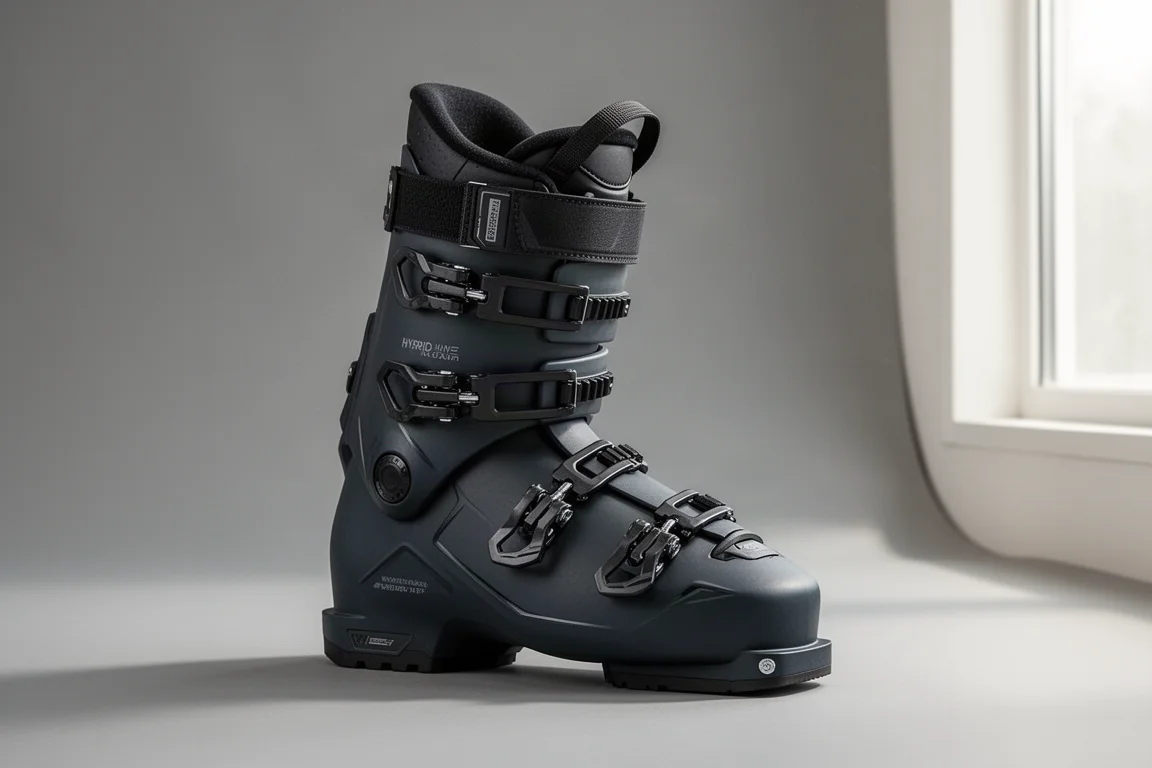
The K130 P takes a different approach to warmth and fit. The liner is deliberately thin, which puts the foot very close to the shell plastic. That sounds like a downside until the payoff becomes obvious: less insulation means less sweat, and dry feet stay warmer than damp ones. It is the same principle behind layering thin and light in cold weather.
The shell design matters just as much. The lower plastic extends unusually high and folds neatly into the upper, which creates a lot of support and trust underfoot without adding bulk. In a size 28.5 the last measures around 102 mm, so it should suit skiers who normally prefer something close to 100 mm. It has handled everything from lift-served laps to a long hike up Mount Mansfield.
Boa Touring Boots: Salomon Shift 130 BOA
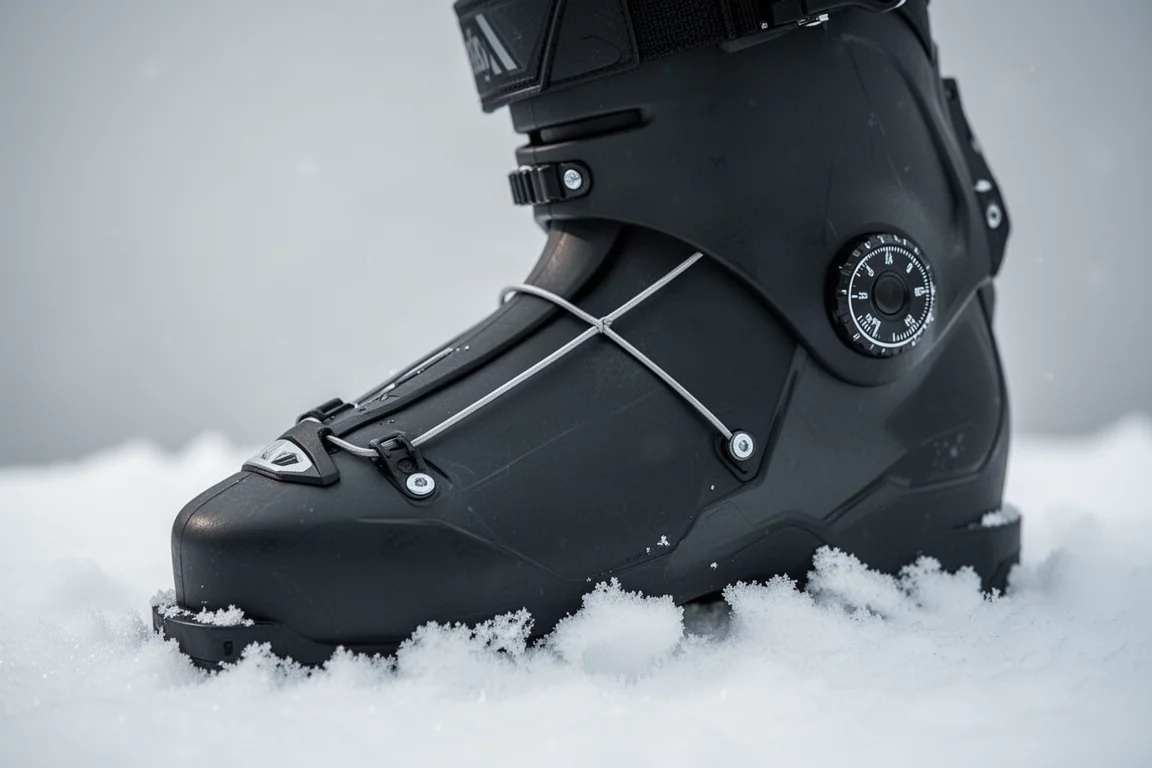
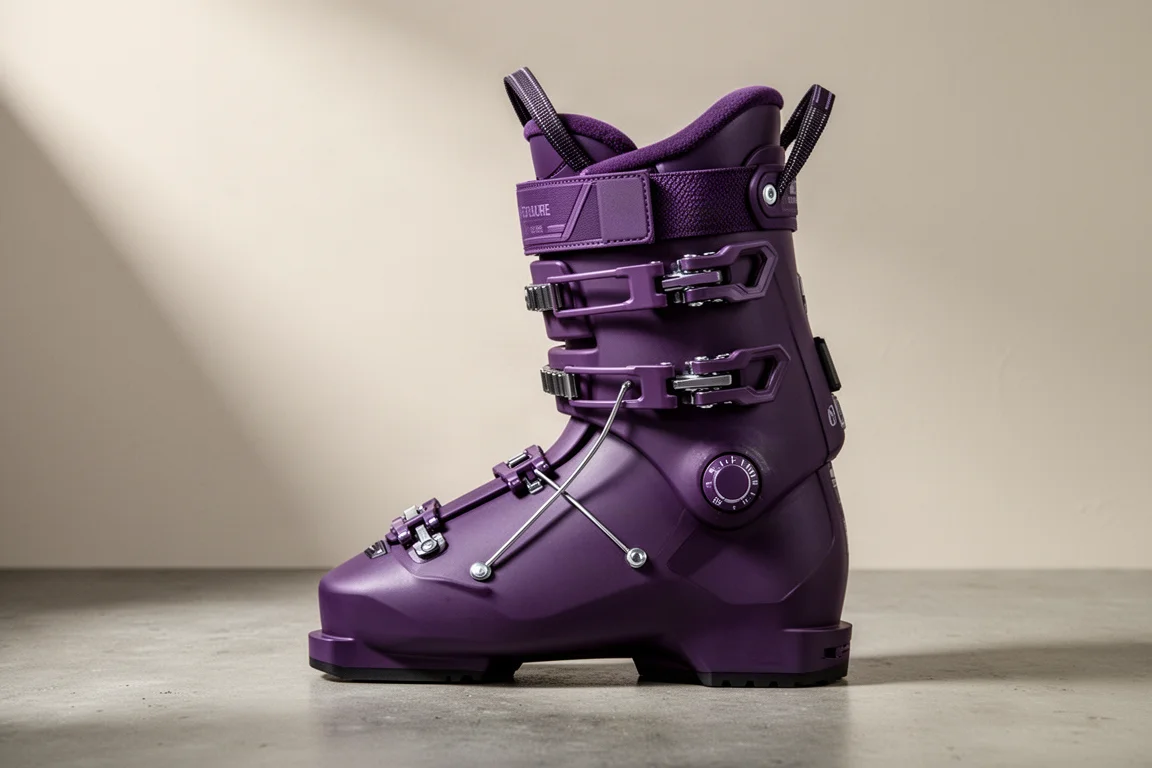
This is a Boa-equipped touring boot, and the interesting part is not the dial itself but what happens around it. Instead of running a second cable parallel to the existing one, the EXO belt anchors at the side rivet near the pivot point and pulls the heel directly into the heel pocket. For anyone who loses confidence the moment a heel lifts, that is a meaningful design choice.
The dial also offers a way to fine-tune tension through the day rather than choosing between locked down and fully open. The shell allows a good amount of forward movement for the climb, which makes it a sensible pick for early morning tours and powder days.
It is also a natural fit for skiers who can only justify one pair of boots. Because it can cover both lift-served days and short tours, it removes the need to choose between an alpine shell and a dedicated backcountry shell before leaving the house.
Daily Driver Skis: Armada Declivity 102 Ti
The Declivity 102 Ti is the ski that sees the most days. It pairs a karuba wood core with a fairly thick profile, which lands it on the stiffer side of the spectrum while keeping a lively, poppy feel. Carving is where it shines: smooth, energetic turns that hold through the whole arc.
There is plenty of camber underfoot, and that is where the energy comes from. Tip rocker gives it enough float to handle fresh snow and the chopped-up leftovers that show up after the first lift. The trade-off is a modest amount of tail rocker, so the tails are not the easiest to release in tight trees. Put some effort in and they come around fine, but this is a ski that rewards a driver.
It is also unusually adaptable. A 62-year-old skier with a classic two-feet-together style took one run on it and immediately wanted the same setup in the same length. That range says a lot about how forgiving the platform is while still being a serious performer.
Lightweight Carbon Twin Tips: Head Oblivion 102
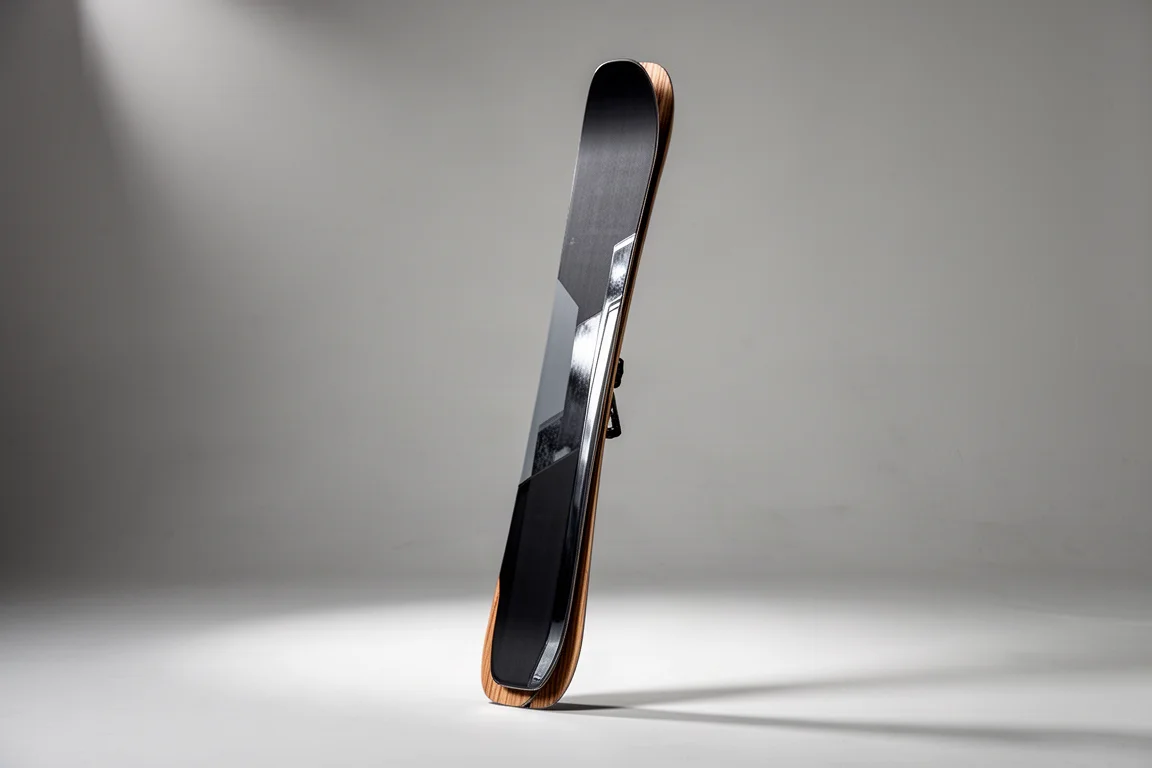
The Oblivion 102 replaces metal with carbon, and the result is a twin tip that stays light and easy to move around while keeping a high performance ceiling. Torsional stiffness is high, high-speed stability is strong, and the carving performance is genuinely surprising for a ski in this category.
Taper is minimal, with the widest point sitting well forward. More edge angle generates more grip and a tighter radius, so the ski changes character depending on how it is driven. In a 189 the turn radius comes in at 25.1 m, which should make the tail easy to release in trees and soft snow.
Versatile Soft-Snow Skis: Salomon QST 106
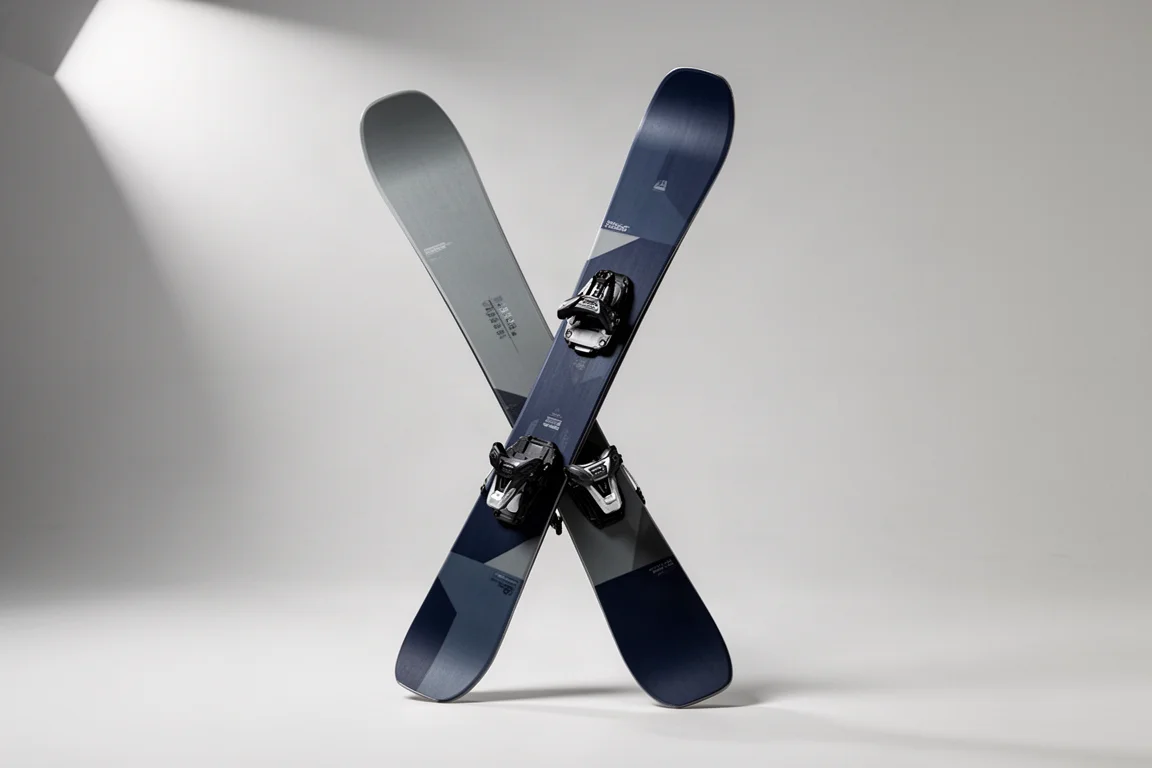
At 106 mm underfoot, this is the ski that handles the widest range of conditions in the collection. It smears easily, feels smooth through variable snow, and carries enough surface area in the tip to stay on top of soft snow without feeling like a dedicated powder shape.
That versatility makes it the natural travel ski. A 106 mm waist covers most snow depths, and the rocker profile keeps it manageable on groomers once the fresh snow has been tracked out. It has been the pick for trips where conditions were uncertain, holding up on sun-baked, tracked-out slush just as comfortably as on a full metre of fresh snow.
Powder Skis: Salomon QST X
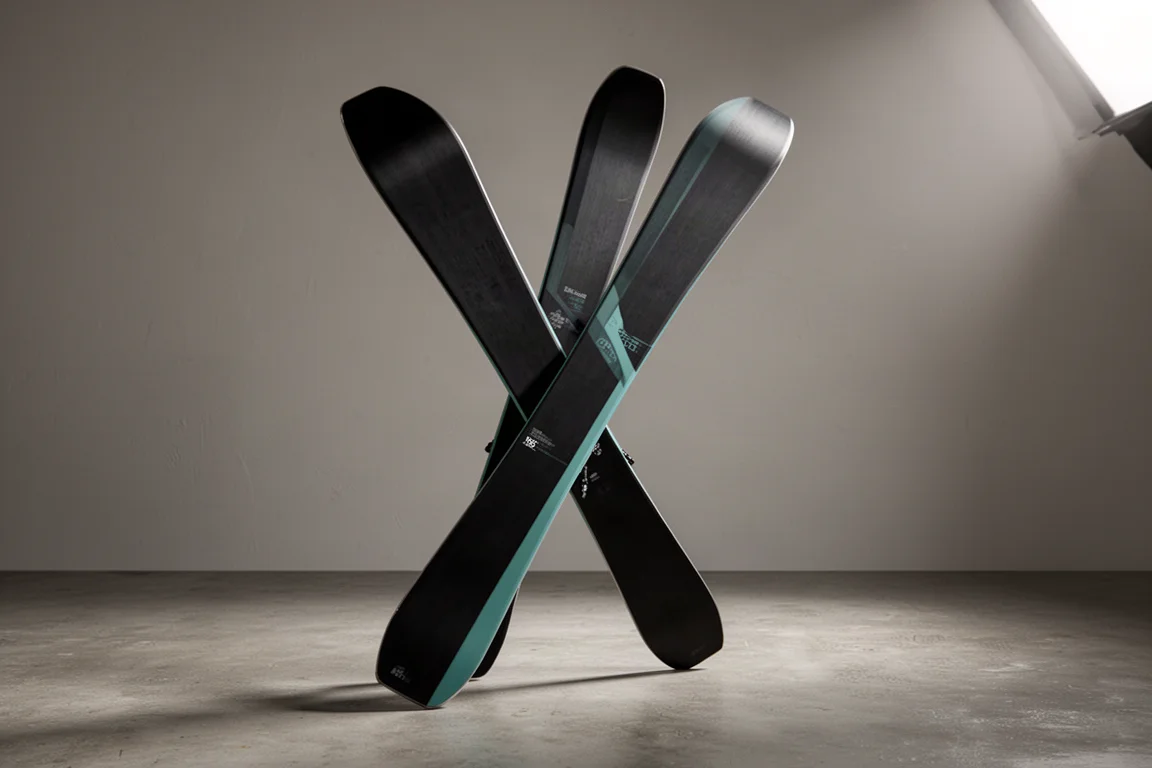
The QST X is the deep-snow specialist. It borrows the lighter Echo construction from the QST 106, then adds dramatic early taper and a pronounced tip and tail rocker. The result is a ski that is floaty and extremely manoeuvrable, pivoting and smearing through tight trees without much input.
The turn radius is long, around 16 m, which suits a fast, straight, then sideways style of skiing. Compared with a wider, more heavily tapered powder ski, the QST X is less likely to hook and pull the tip toward the skier, and more likely to simply plough through soft snow.
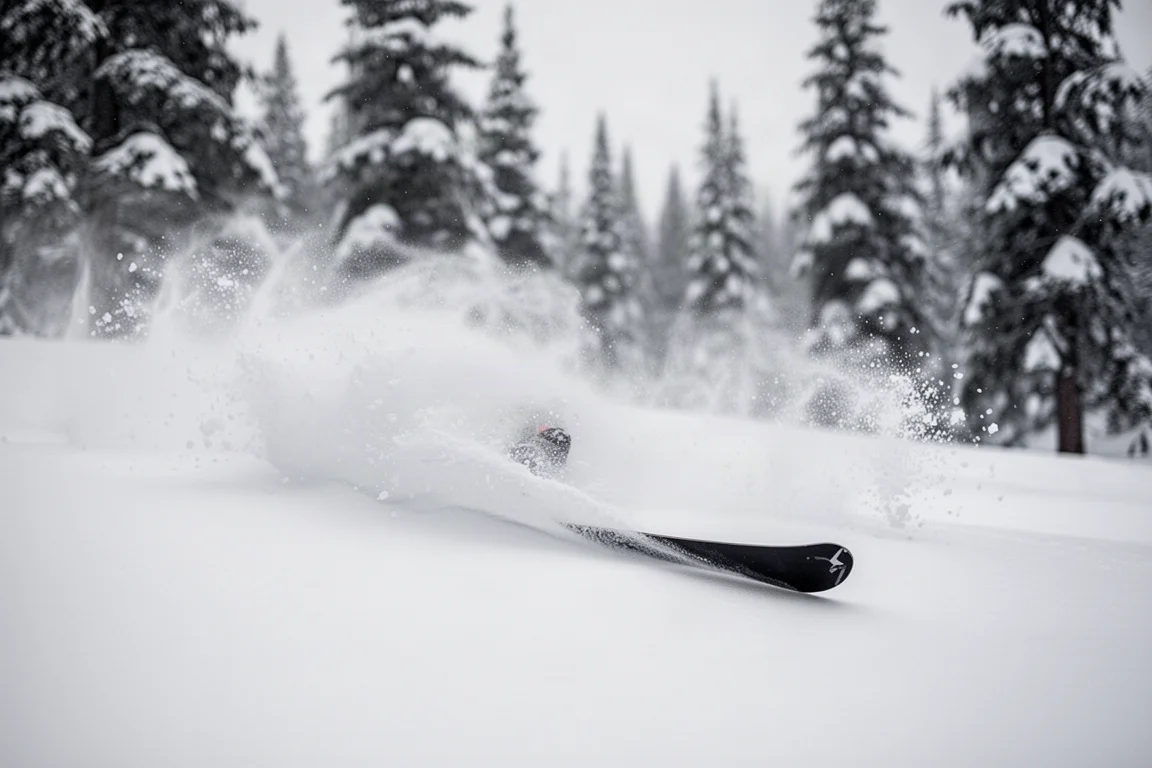
It is not the best choice for long groomer runs, which is exactly what you would expect from a shape built for powder. Mounted on the recommended line it worked well even in tight trees at 192 cm, and the lightweight build means it can double as a touring ski on the right day.
View more details for Salomon QST X
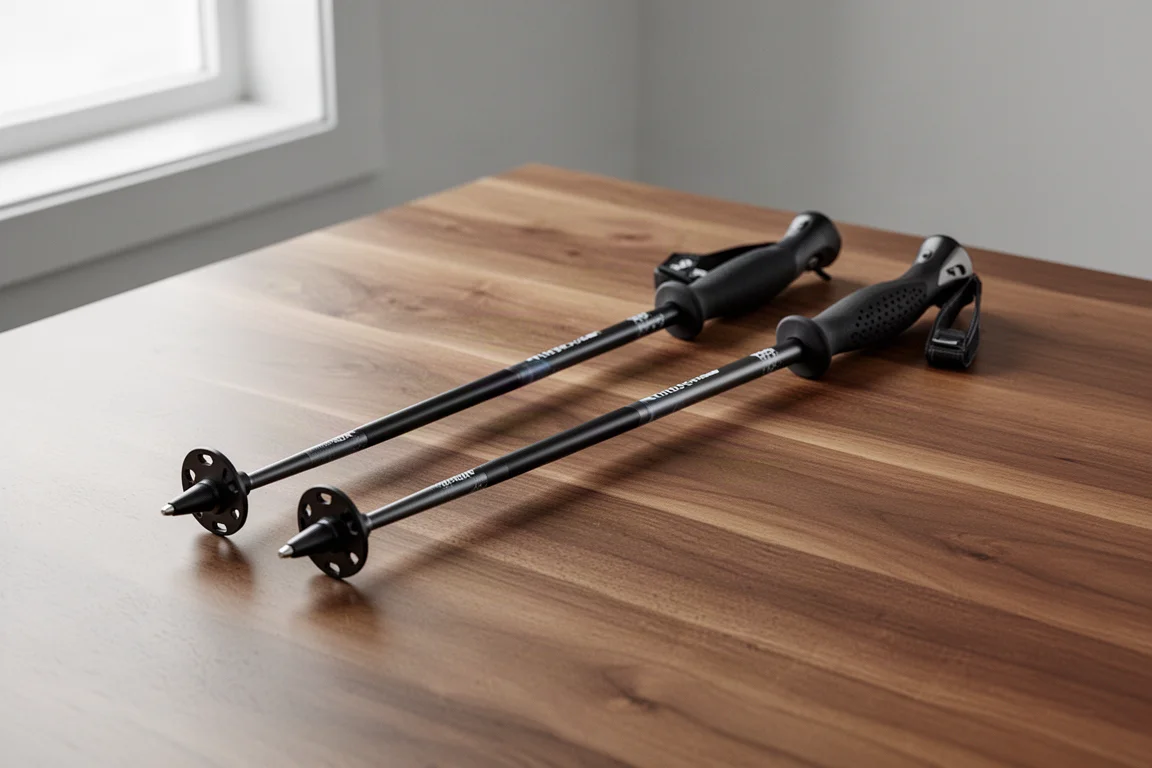
Touring Poles: Black Crows Duos Freebird
Adjustable poles make sense for anyone splitting time between the resort and the backcountry, and the Duos Freebird is a good example. The length adjustment covers everything from skinning to bootpacking, and the long grips are the standout feature. Choking up on the uphill side keeps both hands level during a traverse, which is a small thing that becomes obvious over a long day.
The metal cap on top of the grip is the other practical detail. During bootpacks and technical ascents it lets you plunge the pole and pull on it like a stake, which is more effective than trying to get purchase with the basket alone.
Resort Poles: Leki Bold Light S
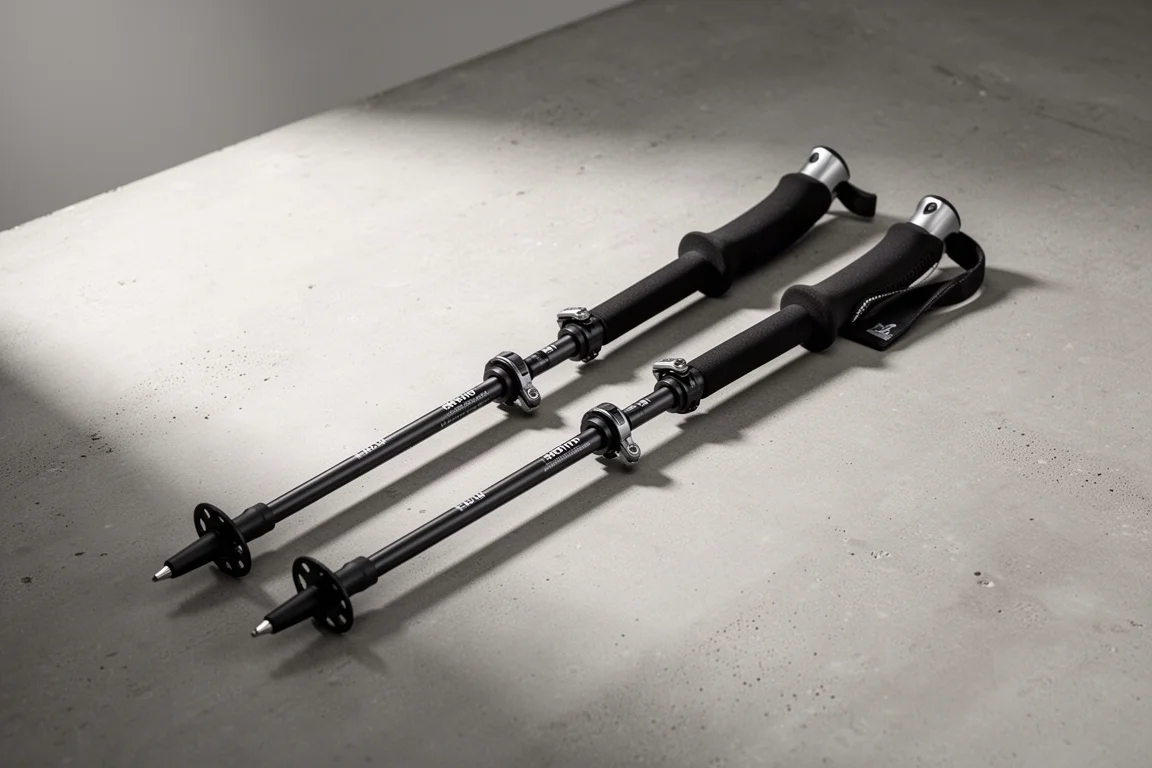
The Bold Light S is a straightforward resort pole, and the clip system is what makes it worth having. If the pole catches on a branch or a root, the clip releases instead of transferring the force up through the wrist and shoulder. In tight trees that is a meaningful safety feature, and it is the kind of thing you only appreciate once you have needed it.
The grips are ergonomic and comfortable, and the clip also makes them easy to manage when going for a grab off a jump: you can let go completely, find your ski, and clip back in. The muted finish also keeps attention on the skis, which matters more than you would think in photos and film.
Buying Advice
If you are building a quiver from scratch, resist the urge to buy several skis at once. Start with one waist width that matches the snow you actually ski most often, then add a second shape only when you can name the specific conditions it covers. A 100 mm waist is a sensible first purchase because it works on groomers, in trees, and in moderate soft snow.
For boots, the decision comes down to how much of your time is spent climbing. A dedicated touring boot with a wide range of motion is the right answer if most of your days involve skinning. A stiffer hybrid or freeride boot makes more sense if you mostly ride lifts and want the option to tour occasionally.
Sizing deserves more attention than it usually gets. A touring boot that fits well on the skin track can become roomy after several hours of uphill work, and a resort boot that feels snug in the shop can be unbearable by the afternoon. Measure carefully and be honest about your foot shape rather than defaulting to the same size you wear in street shoes.
Finally, be realistic about how many pairs you need. A quiver grows naturally, and it is easy to end up with two skis that do almost the same job. If two shapes overlap heavily, one of them is not earning its place.
Conclusion
The mid-100 mm zone is popular for a reason. It is the width that lets a single ski cover groomers, trees, and moderate powder without a specialist shape for every condition, and it pairs naturally with a boot that can climb as well as it descends.
The clearest takeaway from this quiver is that specialisation is worth it only when you can name the day it serves. One do-everything ski and one hybrid boot will cover the majority of a season. Add a dedicated powder shape, a lightweight touring setup, or a stiffer freeride shell only when your calendar genuinely calls for it, and each addition will feel like a genuine upgrade rather than another set of skis gathering dust.
Further reading
Related Reviews

Ski Gear
2023 Blizzard Hustle vs Rustler: Six Freeride Skis Compared
Blizzard's 2023 Hustle collection rebuilds the Rustler shape with a lighter core and no metal. Here is how all six skis differ, and which one suits your riding.

Ski Gear
2023 Skis of the Year: Atomic Maverick 88 TI, Salomon QST 106, and Look SPX 12 Pro
Three standout ski picks for all-mountain carving, powder days, and reliable binding performance, with practical buying notes for 2023 models.

Ski Gear
2025 Nordica Enforcer 104 Review: A Directional Charger Replaces the 104 Free
The 2025 Nordica Enforcer 104 drops the Free name and the twin-tip personality, gaining weight, stiffness and composure in rough snow. Here is what changed and who it suits.