Running Shoes
Asics Metaspeed Sky Paris vs Nike Alphafly 3: Which Carbon Racer Wins?
Two of the standout carbon racing shoes go head to head on weight, price, ride feel, fit and durability.
Introduction
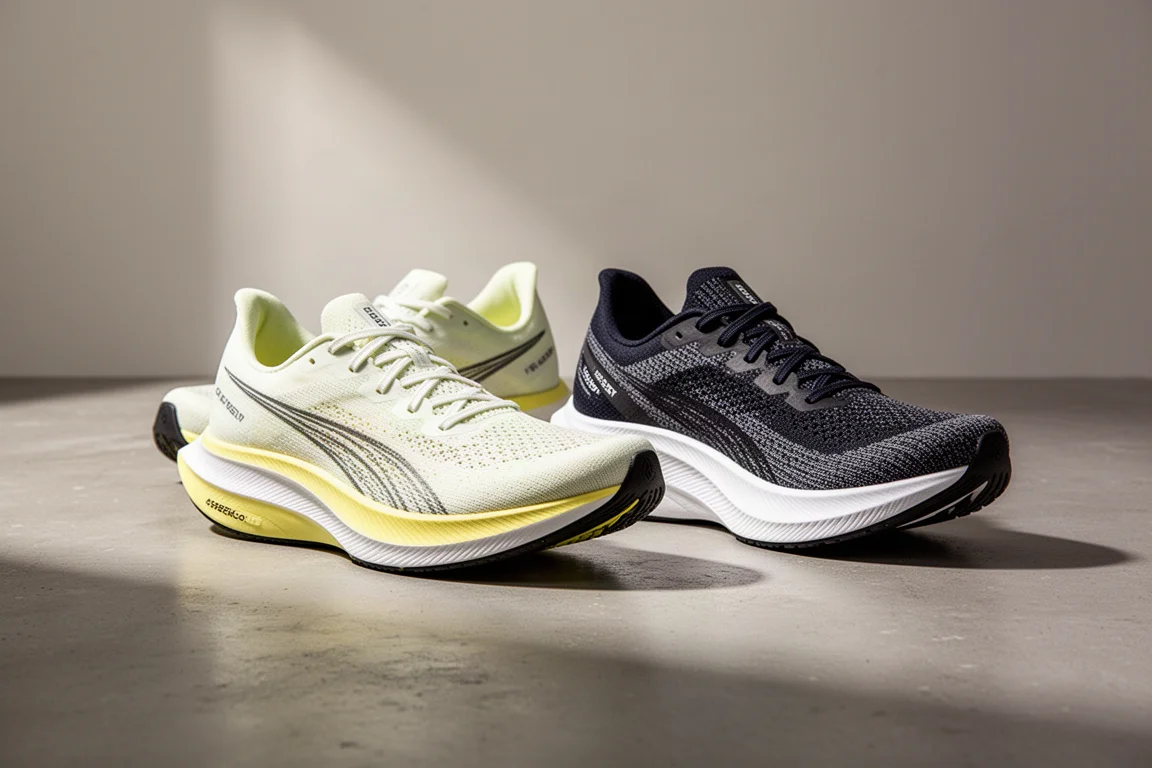
The Asics Metaspeed Sky Paris and the Nike Alphafly 3 are two of the biggest carbon shoe launches of the year, and in testing they stand out as the two best new carbon racers currently available. Both have been used hard across races, long runs and track sessions, and both deliver elite-level performance. The interesting part is how differently they get there, and which one suits your running style.
Spec and Design Comparison
On paper the differences are clear. The Metaspeed Sky Paris is the lighter shoe, coming in around 187g (6.6 oz) versus roughly 220g (7.7 oz) for the Alphafly 3 in the same size. The Asics also costs less, listed at £220 in the UK and $250 in the US, while the Alphafly sits at a higher price point and has been harder to find in stock.
The Asics uses a new FF Turbo Plus midsole that is lighter, softer and bouncier than the FF Turbo found in earlier Metaspeed models, paired with a wider carbon plate and a light, breathable Motion Wrap 2.0 upper. The Nike sticks with ZoomX foam and Air Zoom pods under the forefoot, a full-length carbon plate, and an Atomknit 3.0 bootie-style upper. Both shoes carry stacks near 40mm at the heel, with the Asics on a 5mm drop and the Nike on an 8mm drop.
Fit and Upper Feel
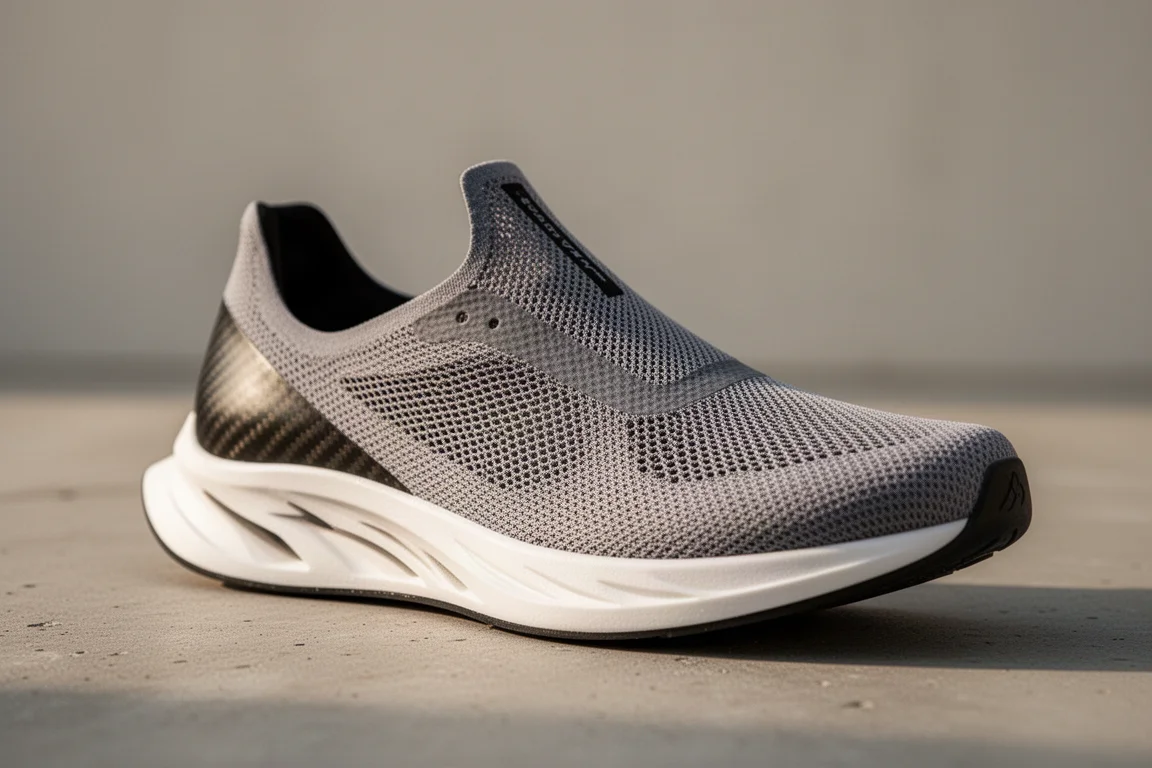
Both shoes fit true to normal running shoe size, with dialed-in racing fits that stay secure and comfortable over long distances. The Asics upper disappears on the foot and gives a firm hold around the heel without irritating the Achilles. The Alphafly’s higher heel tab and more structured heel work well too, but there is slightly more potential for Achilles aggravation on the Nike. For overall feel, the Asics gets the narrow edge.
Ride Feel: Where Each Shoe Excels
The Alphafly 3 is lighter than previous versions, and its continuous midsole design without the midfoot cutout creates a smoother, faster ride that pushes you onto the Air Zoom pods effectively. It feels nimbler, a little closer to a Vaporfly than past Alphaflys, while still delivering that booming ZoomX bounce. It is the louder, more explosive-feeling shoe of the two, and it has proven itself from 5K and 10K races to a hard 20-miler and short track workouts.
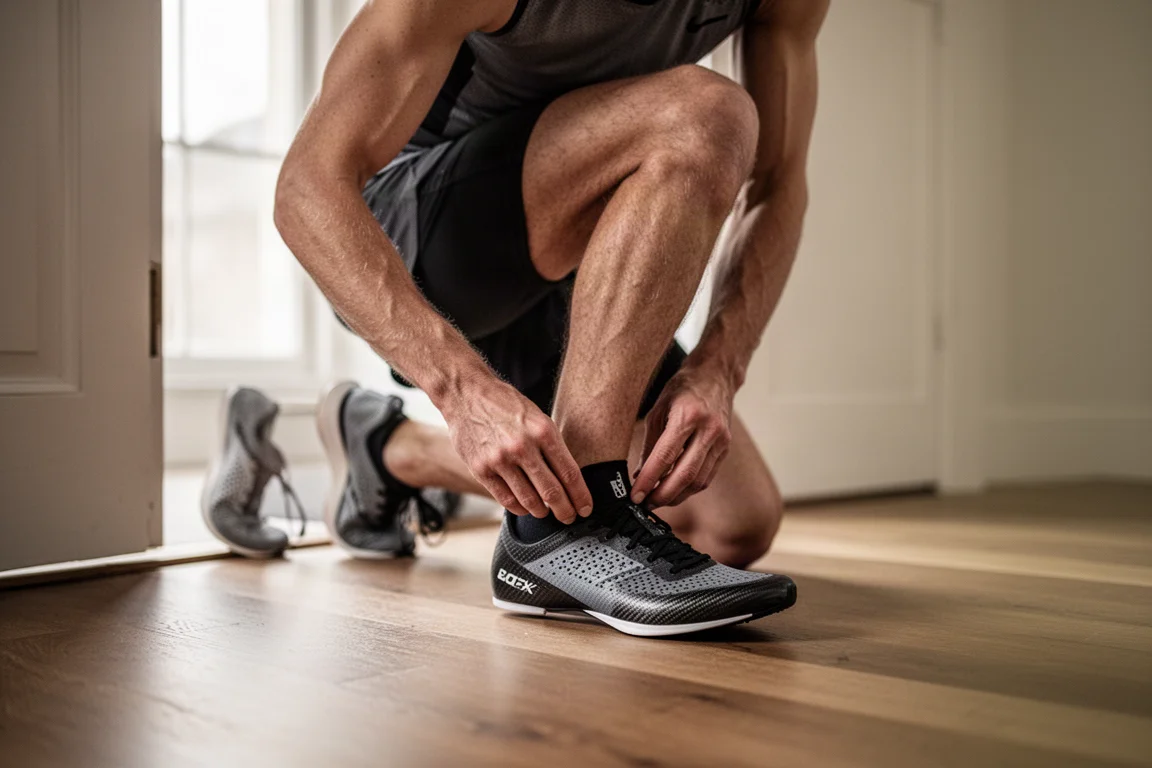
The Metaspeed Sky Paris is not quite as bouncy, but its transition is faster and more aggressive. You feel the carbon plate under the forefoot without any harshness, moving through foot strike quickly and getting strong propulsion off the toes. Even though it is aimed at “bounders” with a loping stride, the new version delivers its spring readily, even when shuffling late in races. In a back-to-back short run wearing one shoe on each foot, the Asics felt like it was already at the forefoot and moving on, while the Nike actively drove you there with its bounce.
Durability After Real Testing
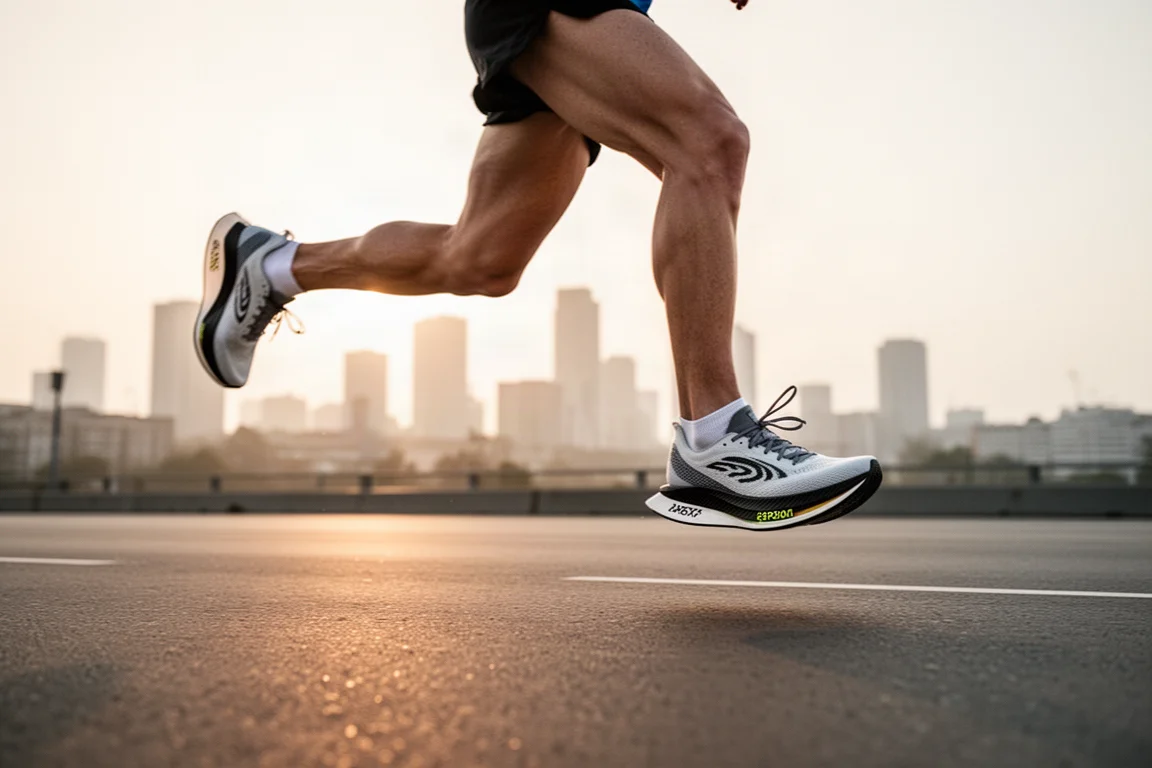
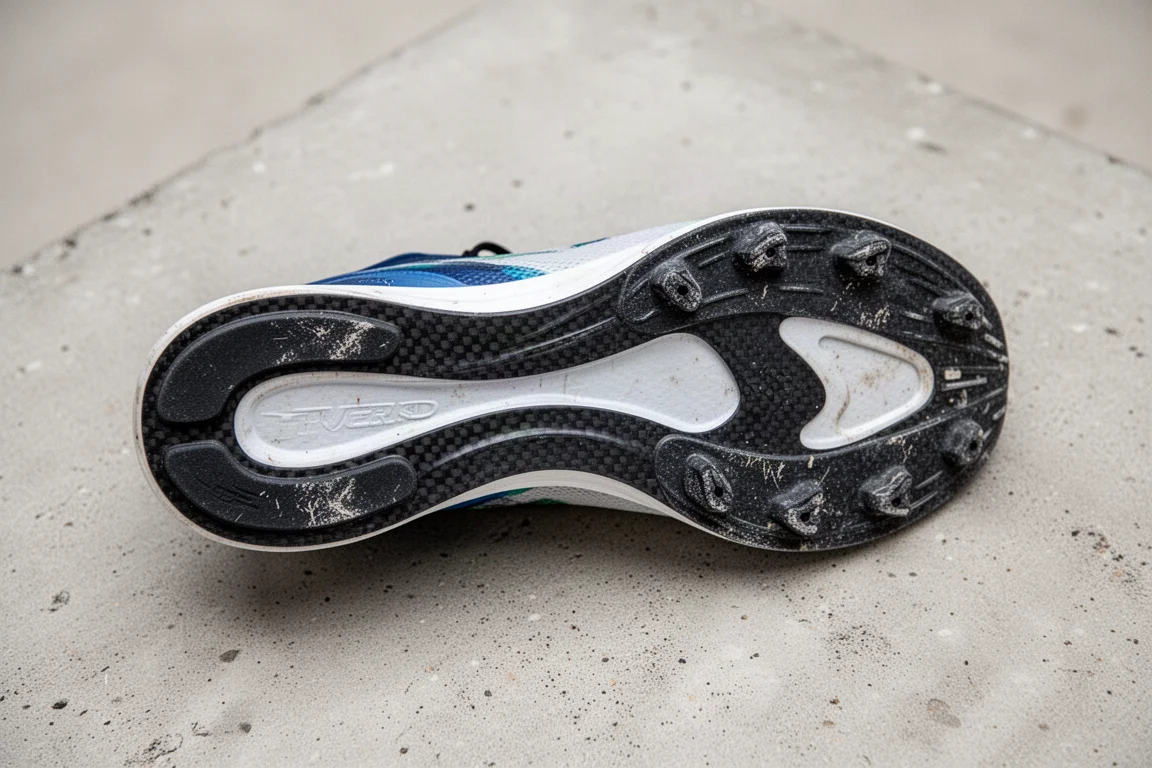
After roughly 125k in each shoe, including races, hard sessions and runs beyond 20 miles, durability has been genuinely good in both, with no noticeable loss of bounce. The Alphafly benefits from rubber coverage extending further back at the heel, protecting the foam well. The Asics offers less heel coverage, and for a pronounced heel striker the foam is more exposed, though it held up better at this mileage than the previous Metaspeed Sky Plus. Scuffing is cosmetic rather than structural on both.
Which One Should You Buy?
Both are excellent across every distance from 5K to marathon. Some runners will find the Metaspeed leans toward shorter races and the Alphafly toward longer ones, but each comfortably handles the full range. The objective advantages sit with the Asics: it is considerably lighter, considerably cheaper, and right now much easier to actually buy. Subjectively, the faster transition and lighter feel make it the preferred pick, especially for high-cadence runners.
That said, the Alphafly 3 is an outstanding shoe in its own right, and many runners will prefer its classic bouncy ZoomX character. If you already own one, there is no need to rush out and replace it.
Conclusion
The Metaspeed Sky Paris edges this comparison on ride feel, weight, price and availability, making it the top carbon racing choice of the year. The Alphafly 3 remains a phenomenal alternative for runners who love maximum bounce and a propulsive, pod-driven ride. Match the shoe to your stride and either one will serve you brilliantly on race day.
Product link
View more details for Asics Metaspeed Sky Paris
This product is mentioned in the review. Check the specifications, options, and compatibility before buying.
View more details for Asics Metaspeed Sky ParisFurther reading
Related Reviews

Running Shoes
Best Road-to-Trail Running Shoes: Three Versatile Options for Mixed Terrain
A practical guide to three road-to-trail running shoes that handle both pavement and mild trails, with clear strengths and trade-offs for different runner types.

Running Shoes
Best Running Shoes for Achilles Tendonitis: Three Options Explained
Three running shoes with different heel drops and support features designed to help reduce Achilles tendon pain during walking and running.

Running Shoes
Best Running Shoes for Women: Five Top Choices Ranked
A ranked guide to five women's running shoes, from versatile daily trainers to high-performance racing options, with real strengths and trade-offs for each.