Trail Running Shoes
Merrell MTL Adapt Matrix Review: A Max-Stack Trail Workhorse Built for the Long Haul
A wild-looking 36 mm max-stack trail shoe designed for 50K and 100 mile ultras. Cushioned, stable and surprisingly road-friendly, but sizing and price need some thought.
Introduction
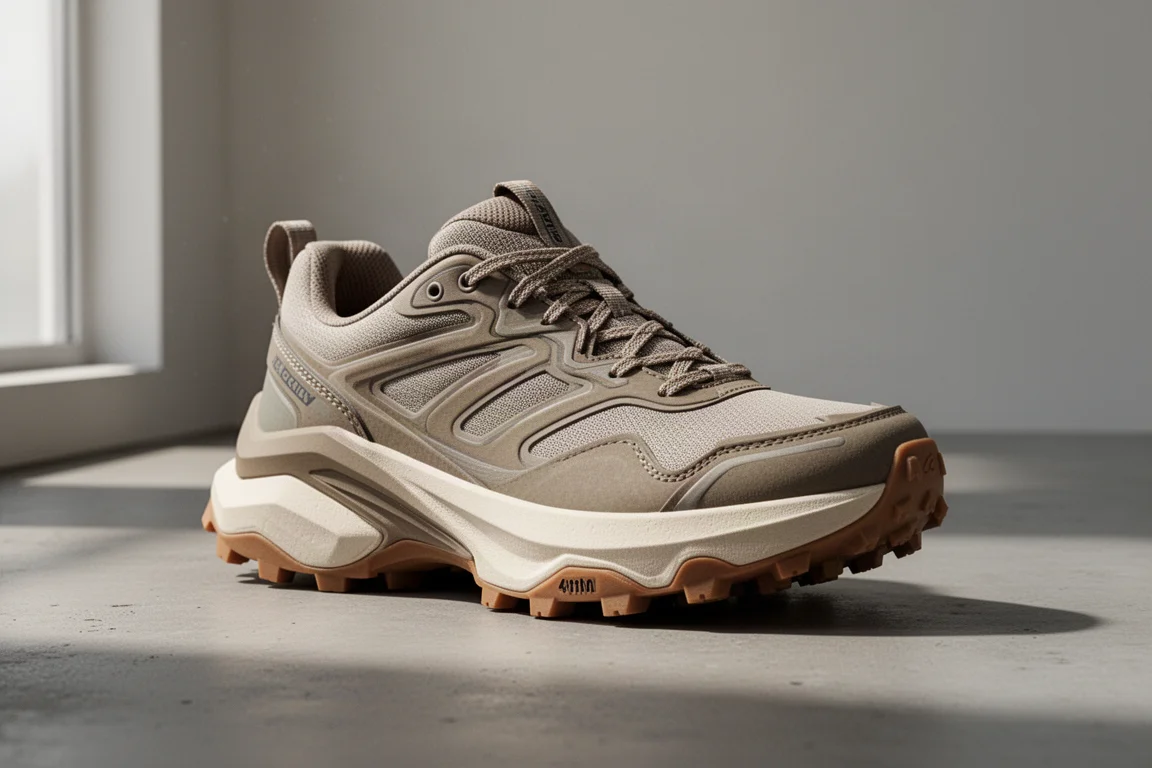
The Merrell MTL Adapt Matrix does not look like a shy shoe. It is a slightly wild-looking max-stack trail shoe designed with 50K and 100 mile ultras in mind, and when it first came out of the box it did raise the question of whether it might be a bit gimmicky. After roughly 60 km of mixed testing, the answer is that there is a lot that genuinely works here.
The headline specs: a 36 mm heel and 30 mm forefoot for a 6 mm drop, a weight of 300 g (10.6 oz) in a UK 8.5 / US 9, and a price of £170 in the UK or $180 in the US. That pricing is getting up there for a trail shoe, which is worth factoring in from the start.
The midsole uses Merrell’s Float Pro Plus foam, designed with a soft core for comfort and firmer sidewalls for stability and responsiveness. Up top there is a single-layer Matrix upper with Kevlar thread and polyamide, aiming for the magic combo of lightweight, breathable and durable. A mesh lining helps keep the foot cool and dry, there are big padded heel collars, an elastic lace keeper to secure the laces out of the way, and 3D printed TPU overlays in the big wear zones for extra protection. Underneath, a Vibram MegaGrip outsole carries 4 mm rubber lugs in an interesting pattern, with ridges cut into the midsole that appear to help the shoe flex as you run.
Who This Shoe Is For
This is very much a workhorse trail shoe rather than a race weapon. It suits runners logging big easy miles on mixed terrain: road, compacted forest paths, fields, grass and coastal trail. It is designed for ultra-distance training, and it is also a genuinely good option for beginner runners moving from road to light trail, or as the one trail shoe that covers a lot of your easier outings.

Walking comfort is another real plus, and since walking is a major part of the ultra experience, that counts for a lot in this category.
Main Strengths
The ride is the star. The big stack of nitrogen-infused midsole foam delivers a balanced feel that is cushioned and responsive but not too soft and soggy, somewhere in the territory of a Hoka Mafate Speed 4 era ride. A pronounced rocker is noticeable from the moment you lace up, and the whole shoe has a smooth road-shoe quality that works well when moving between road, compacted trail and soft grass.
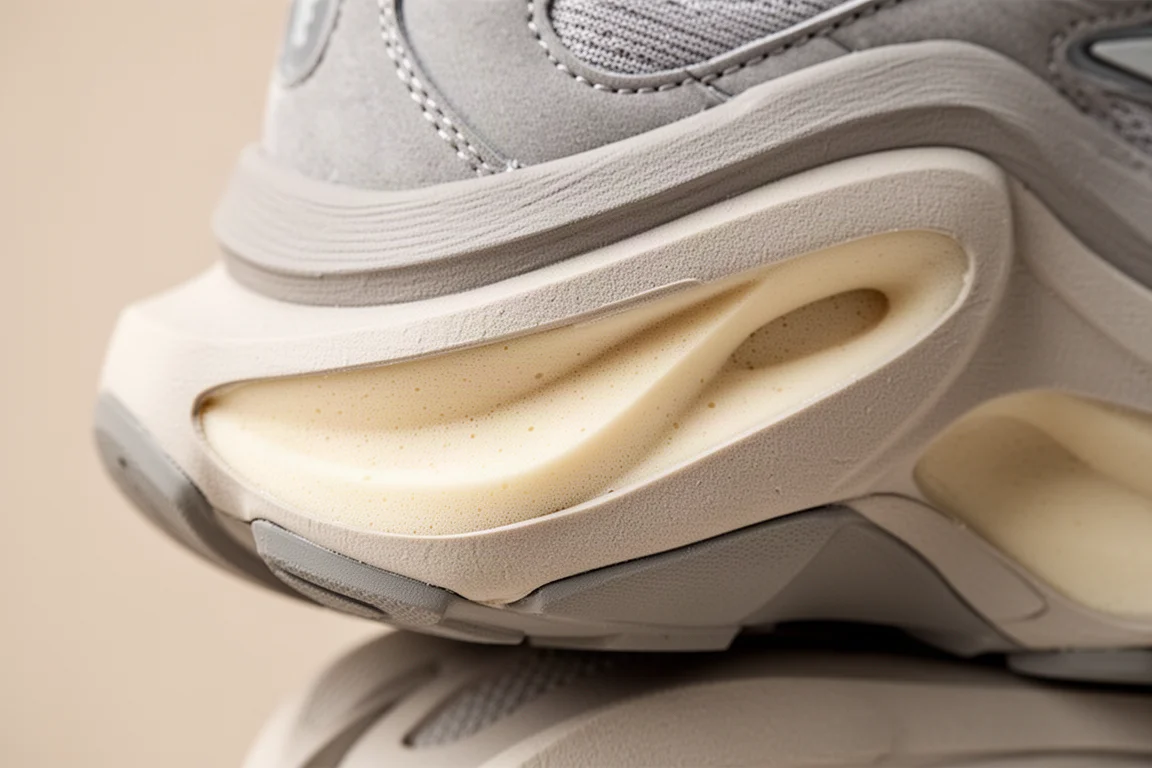
On road, the ride is excellent for a trail shoe. The 4 mm lugs use fairly soft rubber, so they do not hammer the enjoyment out of hard surfaces the way some trail outsoles can. Ten or twenty kilometres on tarmac feels entirely plausible, largely thanks to a midsole that runs softer than most trail shoes. The big sidewalls encase the foot and add stability, balancing out the softer, bigger midsole nicely.
On trails it handled hard, muddy, lumpy and rocky surfaces well, with a smooth heel-to-toe transition and a confident, planted feel. The shoe adapts to what is underfoot while staying comfortable, and the uppers proved breathable with no worrying signs of wear on the outsole. These have the hallmarks of a long-lasting, big-mileage shoe.
Things to Consider Before Buying
Fit is the big one. Testers found the shoe runs cramped, particularly across the toe box and midfoot, and both recommend going up at least half a size. In regular sizing the toe box lacked room, the little toe felt squished, and while that creates a locked-in feel on shorter runs, it would become a problem over ultra distances as feet swell. The good news: half a size up fixed it, and the rest of the shoe is very comfortable, with just enough tongue padding and no rubbing issues over about 60 km of testing.
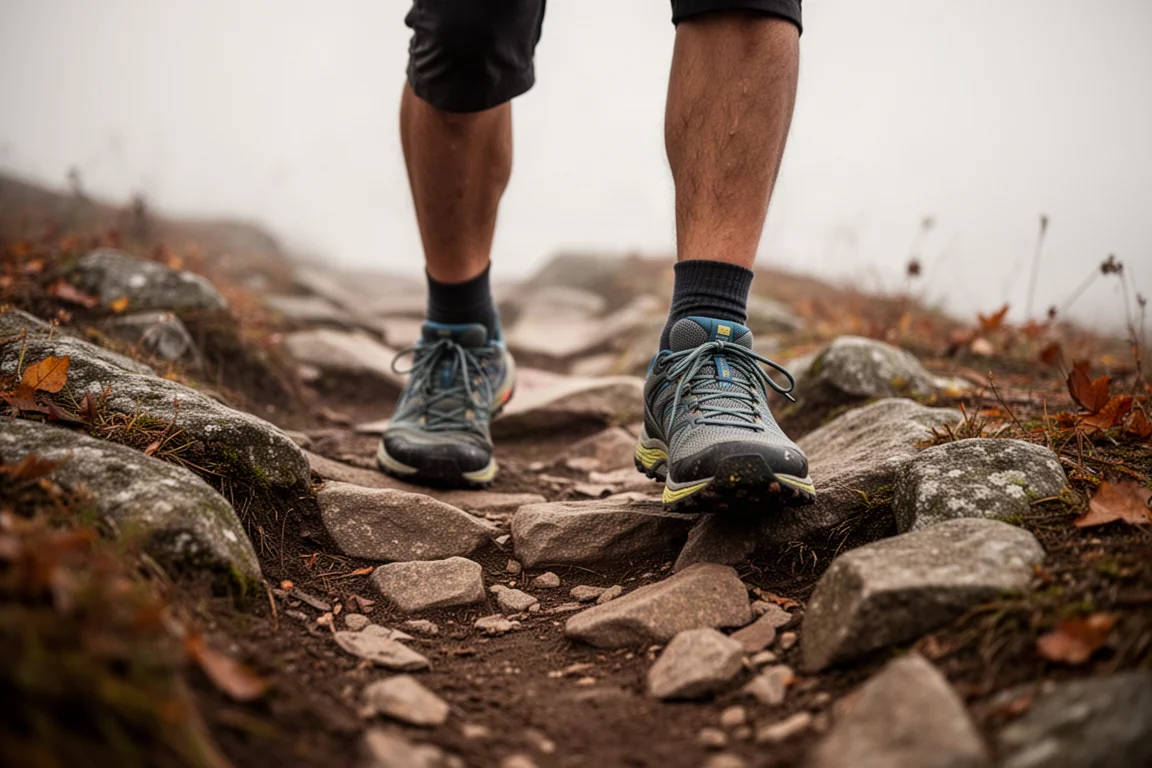
Precision is the other trade-off. This is a big shoe with a wide base, and it is not the most precise on trails where you need to pick your way. It is clearly not spritely, and it is the wrong tool for fast hill reps or race-pace sessions. The 4 mm lugs may also not hold up in genuinely tricky conditions, though grip testing was limited to runnable terrain.
Finally, price. At £170 in the UK it sits above the usual £140 to £150 mark for trail shoes, though still below many plated options. It is a chunk over utility shoes like the Speedgoat or Mafate, and waiting for the sales is sensible advice, with some discounts already visible at the time of testing.
Buying Advice
If you want one trail shoe to cover easy miles, road-to-trail transitions and long hours on your feet, this hits a real sweet spot. It is the kind of shoe that would suit something like the Thames Path 100, where 100 miles mix tarmac with compacted, sometimes wet and chopped-up trails: you could get away with a road shoe, but the trail grip here is insurance if the weather turns.

Size up half a size, expect a cushioned cruiser rather than a nimble racer, and this becomes a very comfortable companion for everything from a 7 km easy run to a 24 km day in the hills with real elevation.
Conclusion
The Merrell MTL Adapt Matrix surprised. It looks gimmicky but delivers a cushioned, stable, road-friendly ride with genuine ultra-long-haul comfort, durable-feeling construction and the versatility to cover a lot of mixed terrain. It is not fast, it is not precise, and it is pricey, but as a workhorse for easy miles and long days out, it earns its place.
Product link
View more details for Merrell MTL Adapt Matrix
This product is mentioned in the review. Check the specifications, options, and compatibility before buying.
View more details for Merrell MTL Adapt MatrixFurther reading
Related Reviews
Trail Running Shoes
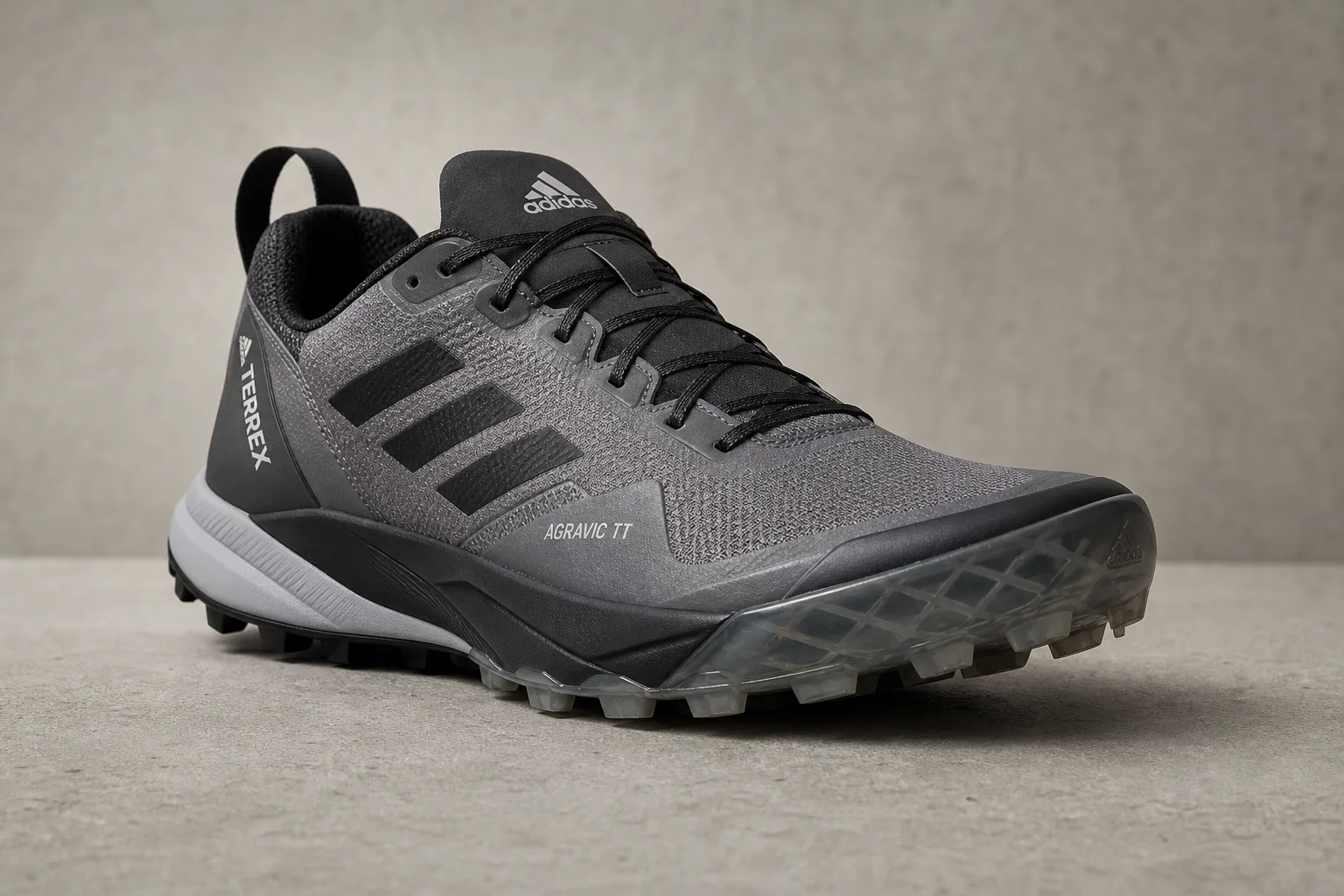
Adidas Terrex Agravic TT Review: A Technical Trail Shoe Built for Rocky Terrain
The Adidas Terrex Agravic TT combines a full-coverage rock plate with a firmer midsole to deliver protection and stability on technical, rocky trails. A capable choice for runners who prioritize underfoot defense over lightweight cushioning.
Trail Running Shoes
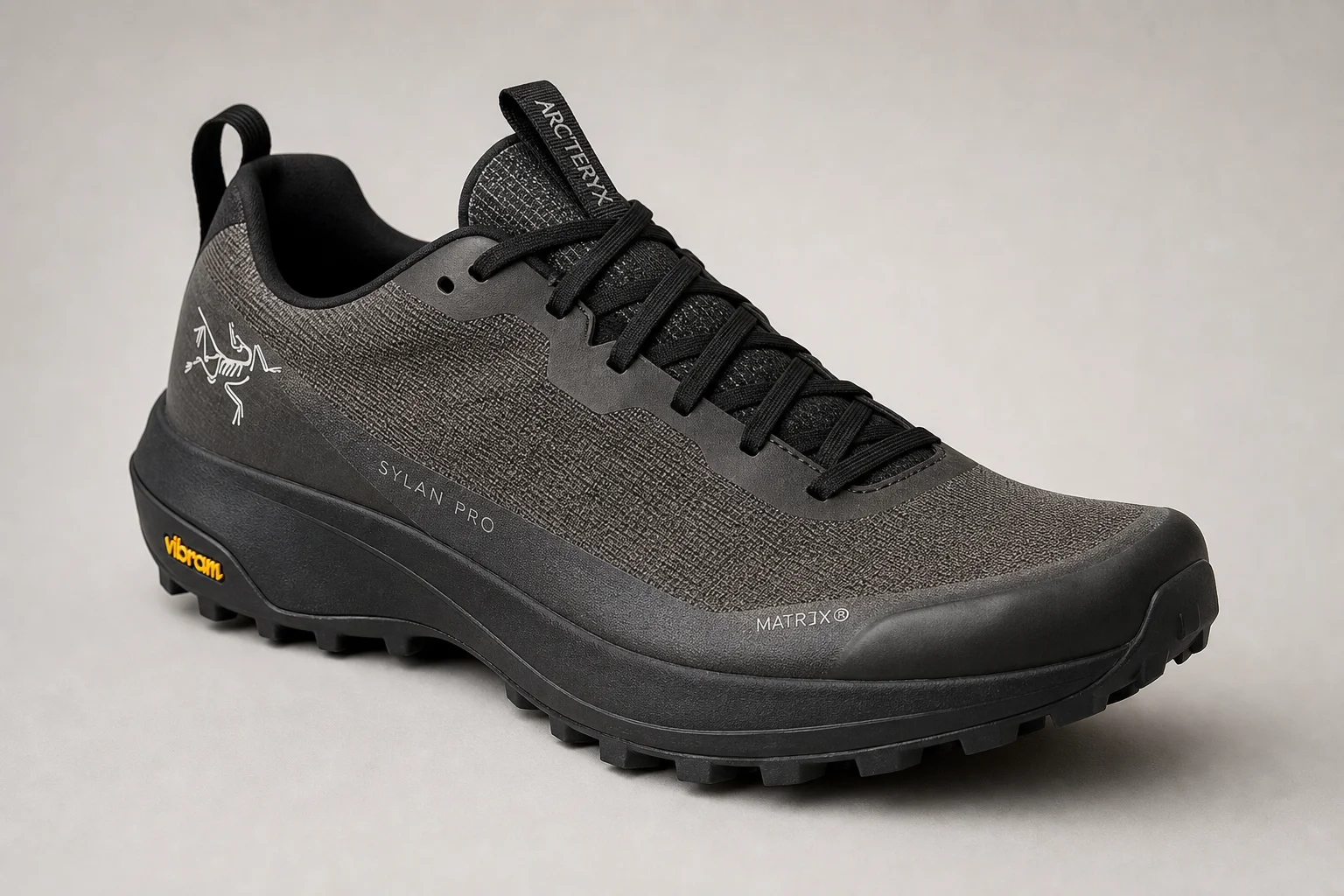
Arc'teryx Sylan Pro Review: A Rocker-Focused Mountain Running Shoe Tested on 20 Miles
The Arc'teryx Sylan Pro brings a pronounced rocker geometry and secure fit to mountain terrain. We tested it on a 20-mile Sawtooth loop to evaluate its climbing efficiency, protection, and handling of technical descents.
Trail Running Shoes
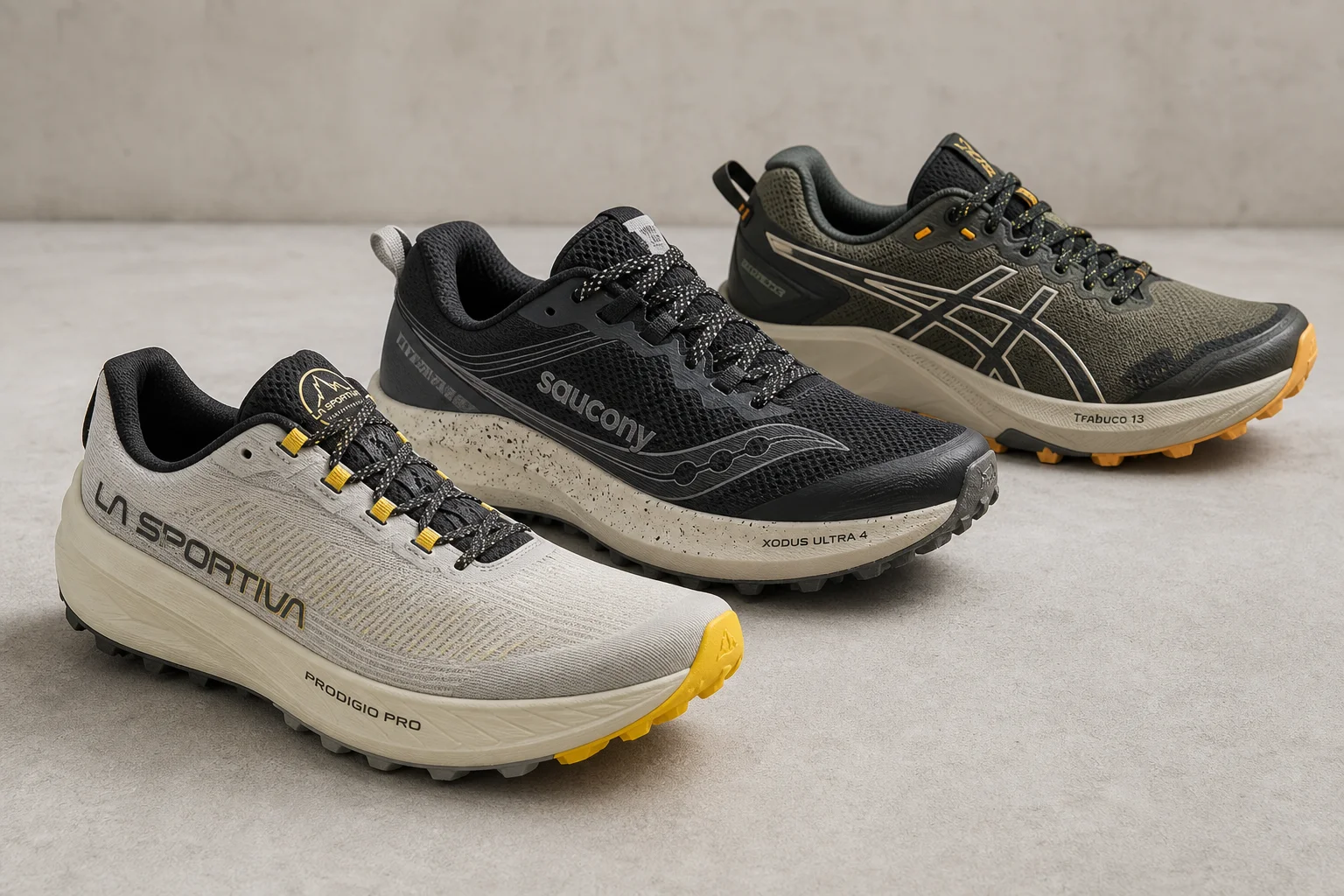
Best All-Mountain Trail Running Shoes: Three Versatile Options for Any Trail
A focused roundup of three all-mountain trail running shoes that handle technical terrain, long distances, and variable conditions with real strengths and practical trade-offs.