Trail Running Shoes
Merrell MTL Adapt Matrix First Run: A Max-Stack Trail Shoe With Road Shoe Energy
A 36 mm heel, Float Pro Plus foam, Kevlar-threaded upper and Vibram Mega Grip outsole make this one of the most unusual trail shoes around. Here is how the first seven miles went.
Introduction
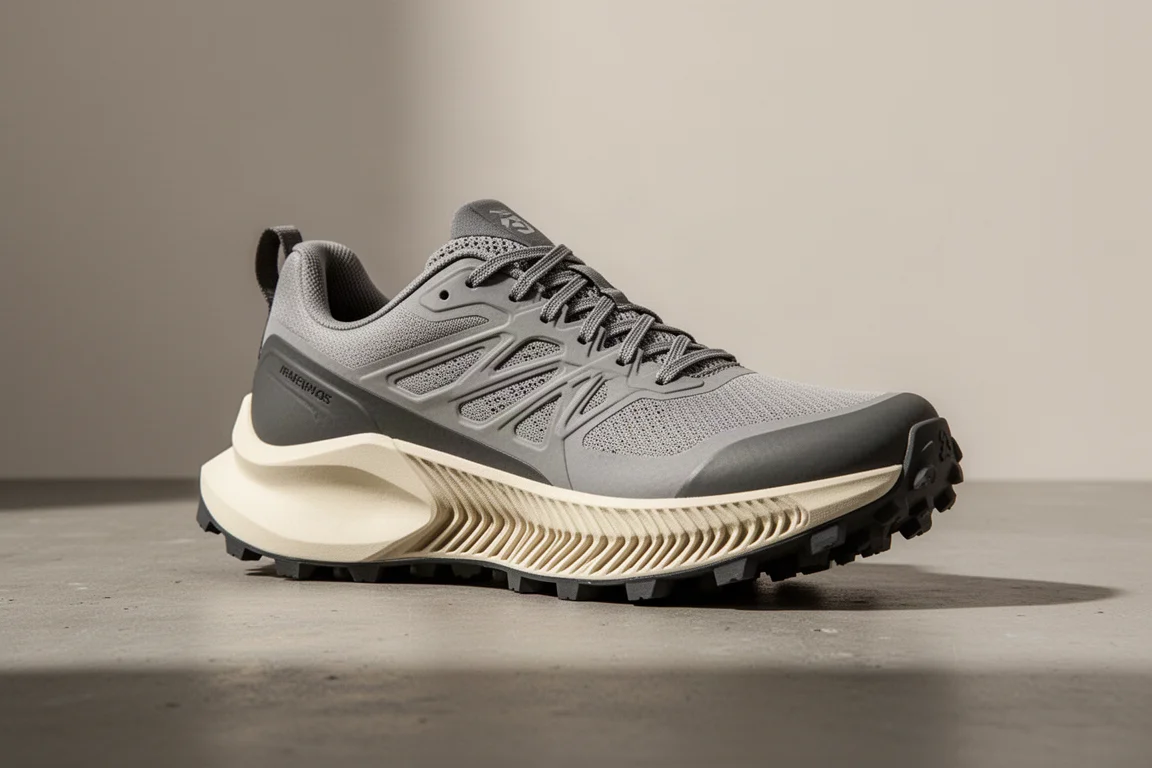
The Merrell MTL Adapt Matrix does not look like any trail shoe you have probably run in before. It is a massive-stack trail hybrid, with a midsole Merrell says is specifically tuned for ultras from 50K up to 100 miles. On the first run, the seven miles covered were a long way short of that, but they were enough to form some solid early impressions of a shoe that feels closer to a big, cushioned road trainer that someone bolted 4 mm lugs onto.
Out of the box, the first reaction is that these look wild, almost like a prototype concept shoe with a huge bulbous midsole. That is not a coincidence. The design recalls the Brooks Aurora line, a famously exaggerated road shoe whose technology later filtered into production models. The Adapt Matrix has a similar presence: a max-cushion platform, a pronounced rocker, and a silhouette that does not scream mountain runner.
Key Specs at a Glance
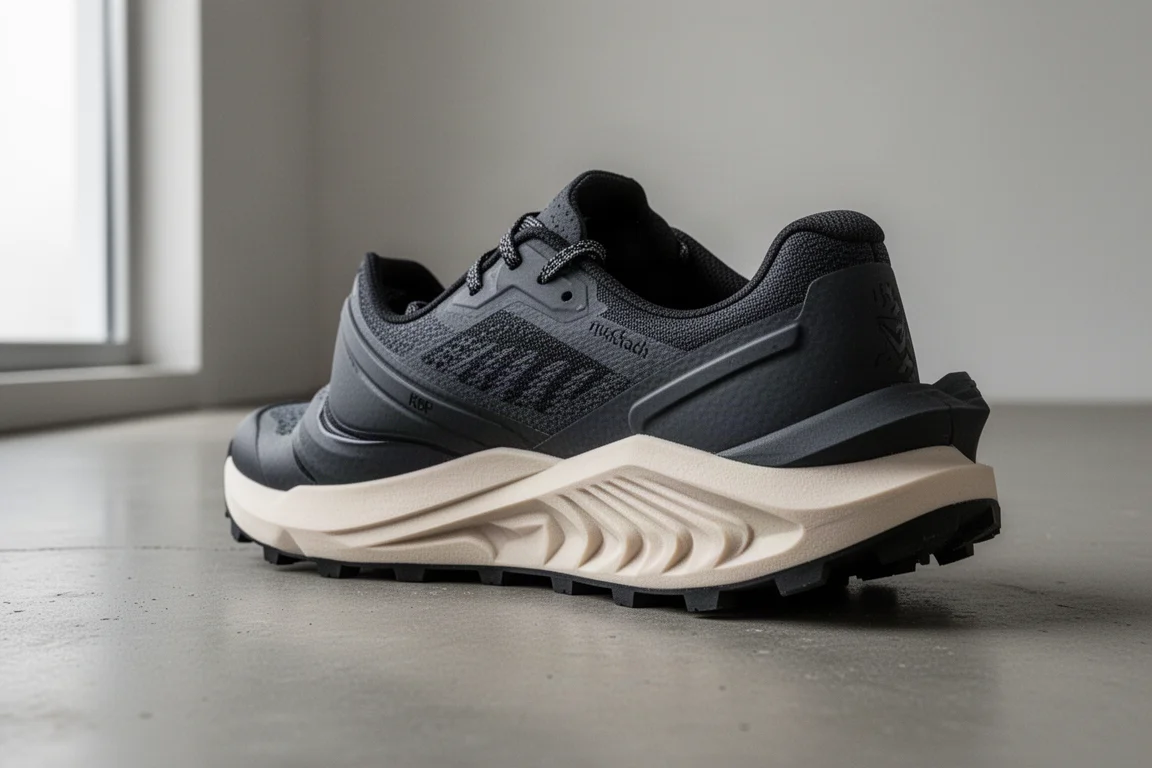
The numbers frame the shoe well. Stack height is 36 mm in the heel and 30 mm in the forefoot, for a 6 mm drop. Weight comes in at 300 g (10.6 oz) in a UK men’s 8.5, which is a Merrell US 9 test shoe. Pricing sits at £170 in the UK or $180 in the US, which is getting up there for trail shoes.
The midsole uses Merrell’s Float Pro Plus foam, designed with a soft core for comfort and firmer sidewalls for stability and responsiveness. Up top there is a single-layer matrix upper with Kevlar thread and polyamide, aiming for the classic combination of lightweight, breathability and durability. There is a mesh lining to help keep the foot cool and dry, big padded heel collars, an elastic lace keeper to secure the laces out of the way, and 3D printed TPU overlays in the big wear zones for extra protection. Underneath, a Vibram Mega Grip outsole carries 4 mm rubber lugs in an interesting pattern, with ridges cut into the sole that appear to help the shoe flex as you run.

How It Runs: First Seven Miles
Straight out of the box, the pronounced rocker is immediately noticeable. It rolls you forward. The initial impression was a little blocky and firm, but the midsole softened up quickly over the seven miles, ending the run feeling much softer, more cushioned and more energetic.
The best summary is road shoe energy with trail grip on top. There is a big, wide platform through the forefoot to the heel, which is unlikely to suit runs that demand a lot of precision on technical ground. That is a familiar trade-off with many modern super-foam, big-stack trail shoes. On the road itself, the shoe coped really well, with a touch of bounce and a cruising feel at around eight-minute-mile pace, an easy running pace rather than hard effort.
On compacted, flat, non-technical off-road, the shoe really came to life. There was plenty of good energy, and it is easy to imagine it suiting a mixed-surface UK ultra with tarmac and firm compacted trail. Heel strikers should note that the heel feels quite soft, which can feel slightly wobbly when landing further back. Midfoot and forefoot landings feel a little more stable on the wide platform. On dry hardpack the Vibram Mega Grip outsole was not overly tacky on the road, though wet grip remains untested so far.
Fit and Sizing: Plan to Size Up
Fit is the main caveat. The test shoe, a UK 8.5 (Merrell US 9), feels cramped. The toe box does not leave much room, with the little toe getting squeezed against its neighbor, and the midfoot section is snug too. That creates a locked-in feel, which is fine for shorter runs, but over ultra distances it would likely become a real problem.
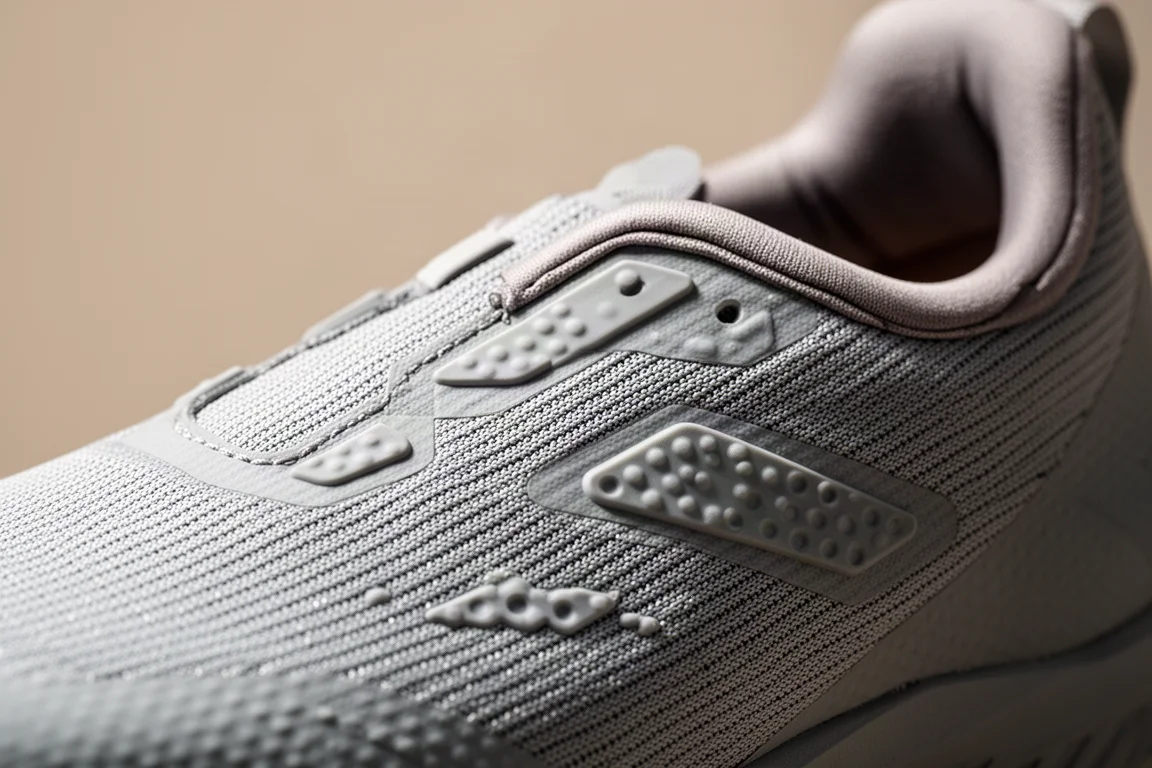
The positives in the fit are strong: excellent midfoot hold, a flat wrapping tongue with good coverage that stays put, and big padded heel collars that held very well with no initial Achilles rubbing. The heel collar does sit a little high, so steeper descents could bring some extra rubbing, but the first run was clean. The practical takeaway: going up at least half a size seems necessary to open up room in the toe box and midfoot. The snugness did loosen slightly during the run, but not enough to make it comfortable for very long hours on foot.
Buying Advice
This is a shoe with a clear target. If you run long, runnable off-road routes, mixed tarmac-and-trail ultras, or simply want maximum cushion and energy on easier terrain, the Adapt Matrix has the hallmarks of a very good option. It is cushioned, cruisy, cradles the foot well, and offers a nice clip along from the rockered midsole.

If steep mountain trails or technical ground are your main territory, the wide platform and sheer amount of shoe on the foot make it a doubtful fit. At £170 / $180 it is also a premium-priced trail shoe, so it earns its place by matching a specific, long-distance, runnable-terrain use case rather than as an all-round trail weapon. For that runner, sizing up half a size and putting in the miles, it looks like a genuinely interesting bet.
Conclusion
The Merrell MTL Adapt Matrix is one of the most distinctive trail shoes to come out in a while: part road trainer, part ultra-ready cruiser, wrapped in a wild-looking max-stack design. The first seven miles showed real cushioning, lively road-shoe energy and a stable wide platform on runnable terrain, with fit being the one clear obstacle to address through sizing. Longer and more technical testing will settle the full verdict, but for runnable trail and mixed-surface miles, the early signs are promising.
Product link
View more details for Merrell MTL Adapt Matrix
This product is mentioned in the review. Check the specifications, options, and compatibility before buying.
View more details for Merrell MTL Adapt MatrixFurther reading
Related Reviews
Trail Running Shoes
Adidas Terrex Agravic TT Review: A Technical Trail Shoe Built for Rocky Terrain
The Adidas Terrex Agravic TT combines a full-coverage rock plate with a firmer midsole to deliver protection and stability on technical, rocky trails. A capable choice for runners who prioritize underfoot defense over lightweight cushioning.
Trail Running Shoes
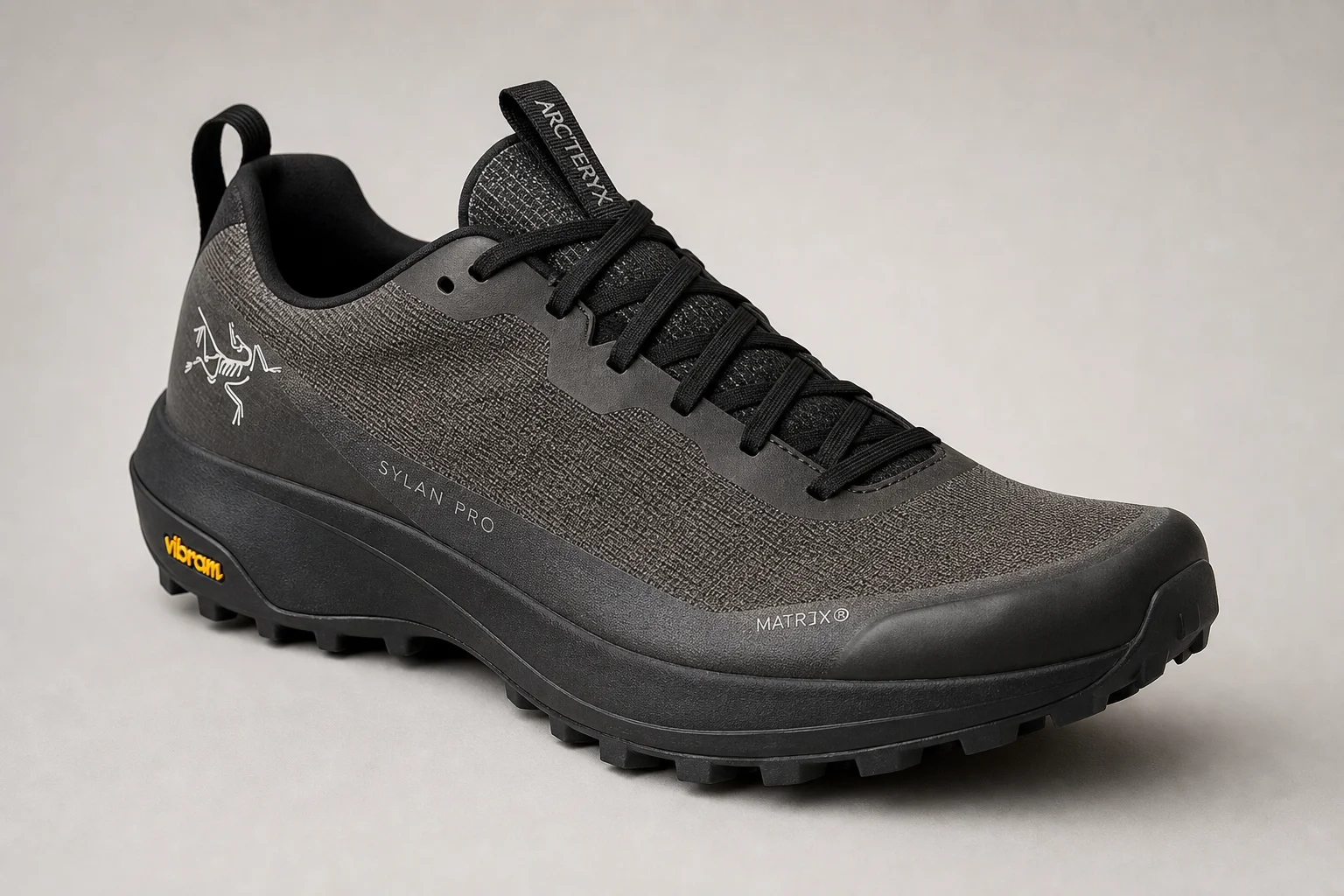
Arc'teryx Sylan Pro Review: A Rocker-Focused Mountain Running Shoe Tested on 20 Miles
The Arc'teryx Sylan Pro brings a pronounced rocker geometry and secure fit to mountain terrain. We tested it on a 20-mile Sawtooth loop to evaluate its climbing efficiency, protection, and handling of technical descents.
Trail Running Shoes
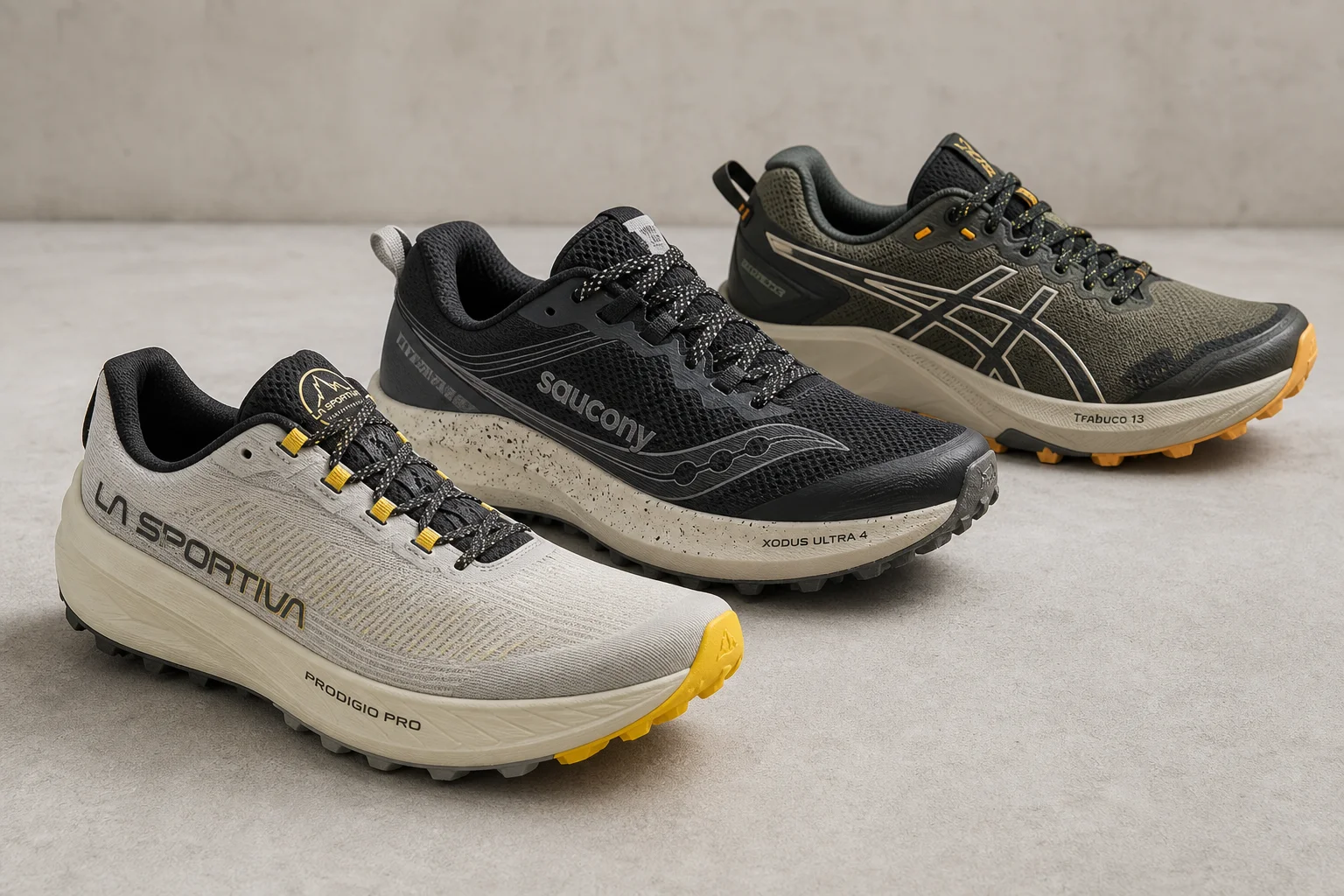
Best All-Mountain Trail Running Shoes: Three Versatile Options for Any Trail
A focused roundup of three all-mountain trail running shoes that handle technical terrain, long distances, and variable conditions with real strengths and practical trade-offs.