Trail Running Shoes
Merrell Morph Lite First Impressions: A £100 Crossover Trail Shoe That Punches Above Its Price
The Merrell Morph Lite blends road and trail running in a lightweight, recycled-friendly package. Here is how it performed alongside the Agility Peak 5 on a mixed 13-mile test run.
Introduction
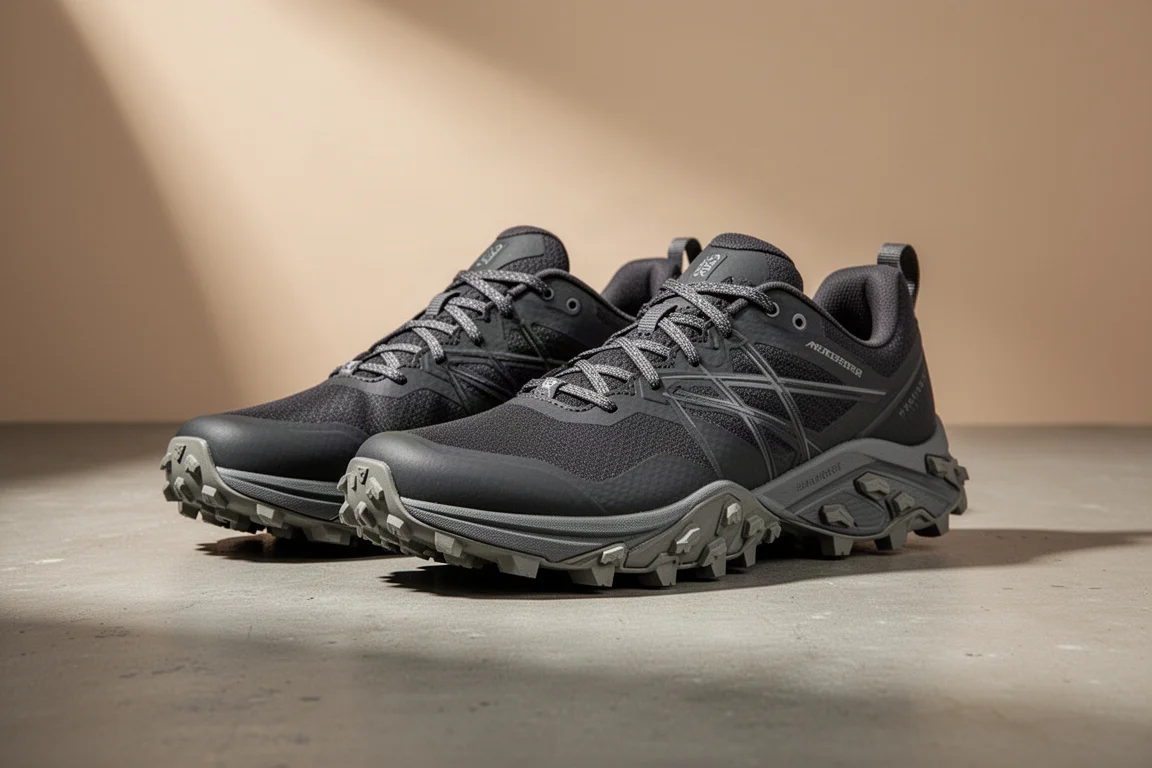
When the Merrell Agility Peak 5 landed last year, it quickly went from an under-the-radar release to one of the standout trail running shoes of its season, and it has remained a go-to pick for long-distance training runs and races ever since. So expectations were high when Merrell announced a new trail shoe: the Morph Lite.
The Morph Lite is a very different design. It has been built as a crossover shoe, meant to handle a bit of road running and a bit of trail running, and hopefully introduce runners who have not ventured off-road yet to the trail environment. The best part? It retails in the UK for just £100, which is very impressive in today’s running shoe market.
First Impressions: The Morph Lite Up Close
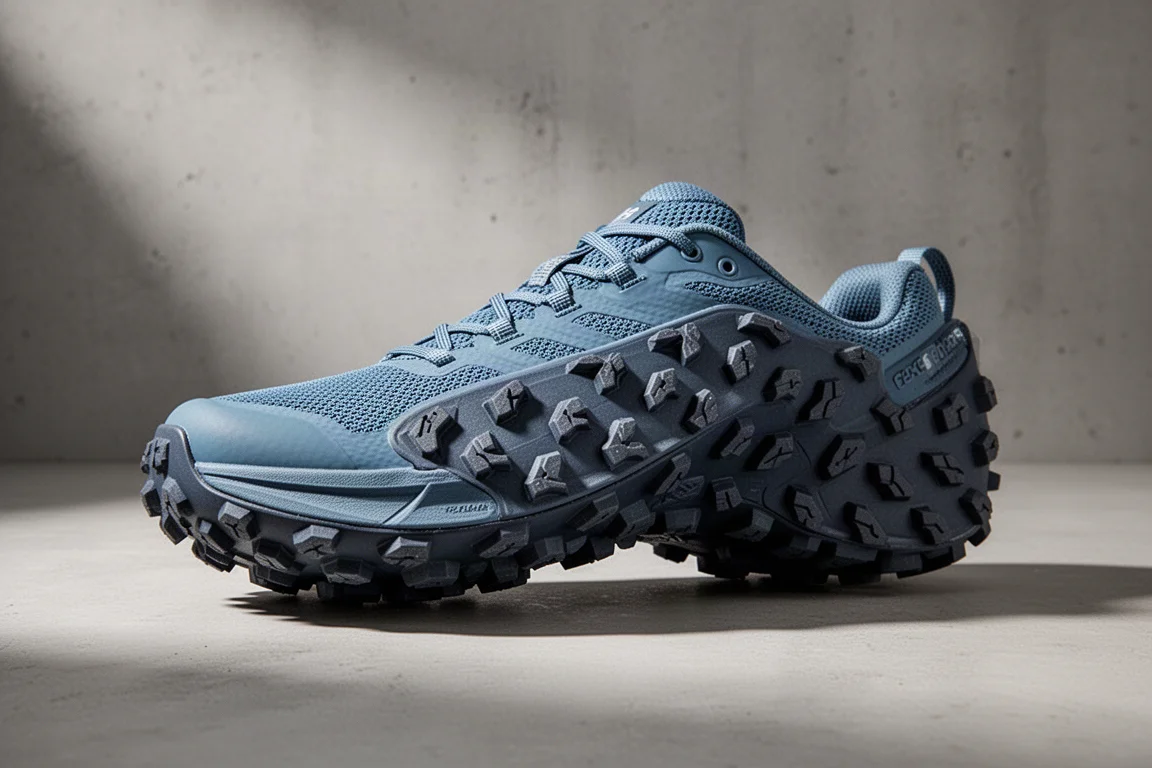
Starting with the stats, the Morph Lite is a genuinely lightweight shoe, weighing in at 249g in a UK 9.5. It carries a 26.5mm stack height at the heel and 20mm under the forefoot, giving you an unusual 6.5mm heel offset. Flip it over and you get a multi-directional lug pattern on the outsole: 2mm lugs down the centre and 3mm lugs working around the outside.
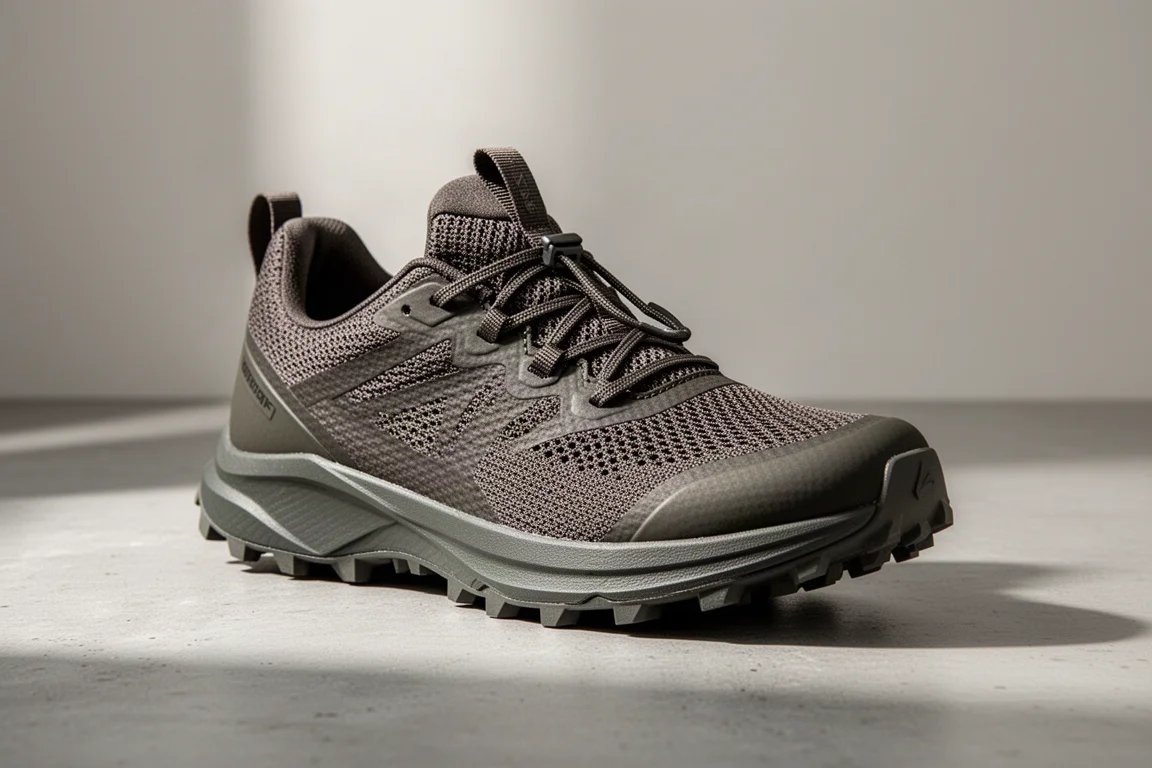
The upper is a lightweight, twin-layered engineered mesh with moderate padding in the gusseted tongue around the ankle collar and heel. Overlays wrap the lace eyelets and the back of the shoe, there is reinforcement at the toe for added trail protection, and a really handy elasticated strap on the tongue lets you stow your laces so they do not snag out on the trails. All in all, it is a clean, simple upper design.
Midsole and Sustainability Credentials
The midsole uses the same Float Pro foam that made the Agility Peak 5 feel so good underfoot, with a slight rocker geometry worked into the construction for a bit of added efficiency.
Another feature worth highlighting at this competitive price: the laces, webbing, shoe liner and footbed liner are made from 100% recycled materials, and the EVA foam footbed is made from 50% recycled materials. That is great to see at any price point, let alone on a £100 trail shoe.
Outsole and Traction
The outsole is a two-piece design, which unfortunately leaves an exposed section of midfoot on the underside of the shoe. A full rubber outsole would be preferable. You also do not get Vibram Megagrip rubber here, unlike on the Agility Peak 5, though at this price point that would be an unreasonable expectation.
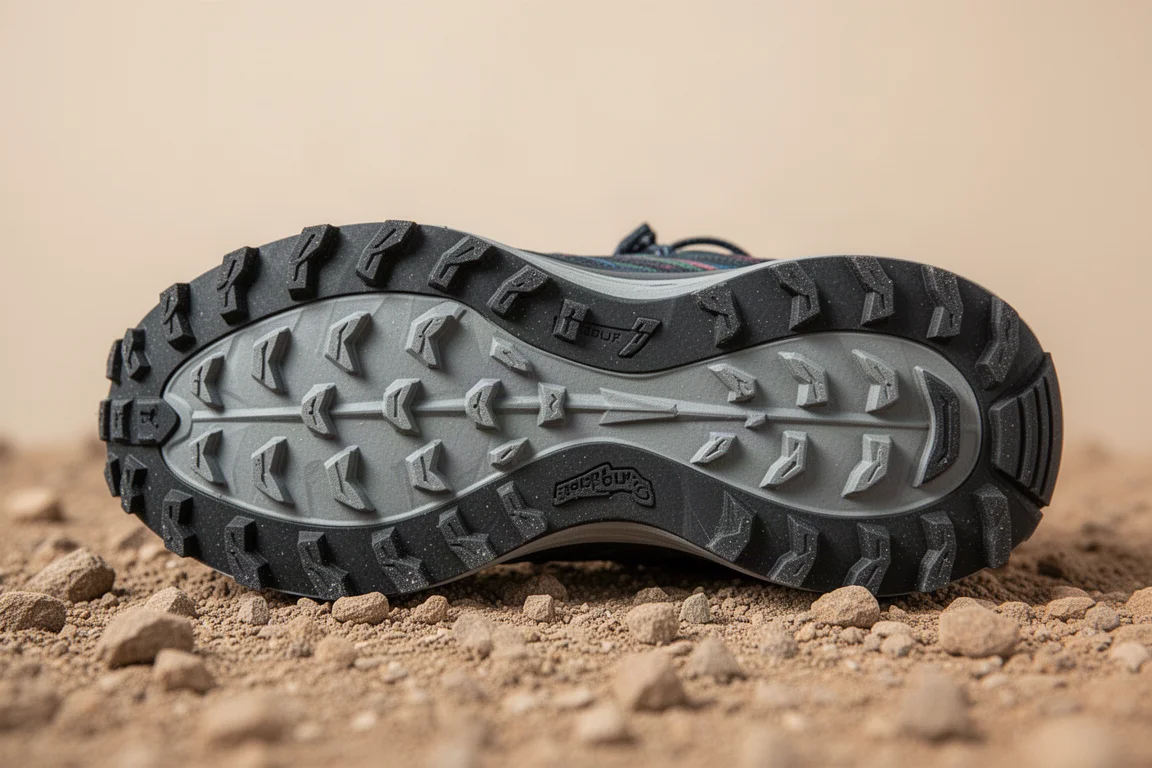
On paper, the 2mm and 3mm lug depths suggest this is not a shoe for wet, muddy UK winter conditions. It is aimed squarely at the crossover market: firmer, drier trails such as towpaths, gravel tracks and fire roads, with plenty of road in between.
How It Ran: Road, Trail and Back
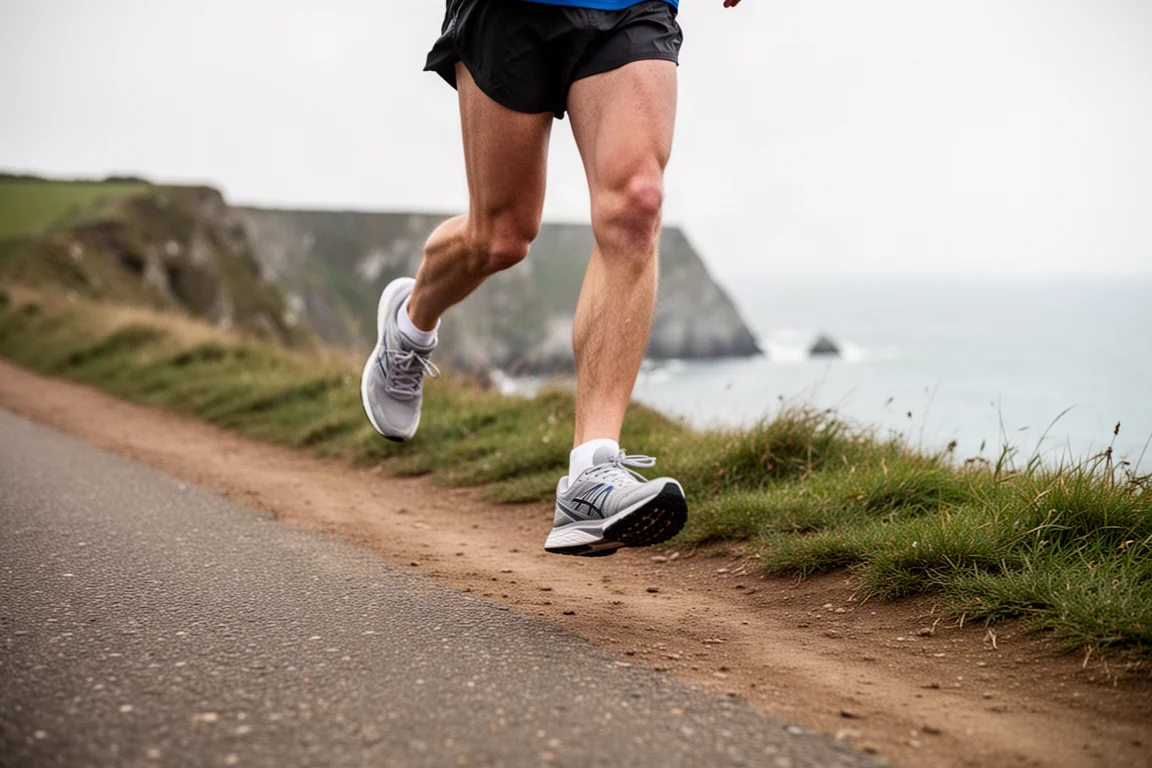
The test route started with a long section of tarmac to see how the midsole cushioning handled the hard stuff. After roughly five miles of pavement and road, the Morph Lite soaked it up with ease. The cushioning is not quite as soft as the Agility Peak 5, but it still feels very comfortable underfoot, and the lightweight build really shows its value over long stretches of hard surface.
Then came the trails: about four and a half miles of varied underfoot conditions, including soft sand, wet slippery rock and a few sections of mud. There was even one steep, greasy tarmac hill where the level of grip from the rubber was brilliant. Despite the modest 3mm lug depth, traction proved good on all of those surfaces, and the shoe performed better than expected.

The full outing came to just shy of 13 miles straight out of the box, which is a solid first run for any shoe. Cushioning was more than sufficient for the seven and a half miles spent on trails, with no comfort issues at all, and the upper felt light and airy around the foot.
Fit and Comfort
The Morph Lite runs true to size: the UK 9.5 fitted perfectly on length, with an average-width toe box. The upper, however, is quite deep at the midfoot. For a narrow, shallow foot shape, that meant pulling the laces down very tight to feel well held, to the point of stopping mid-run to retie them, as there was a little movement within the upper.
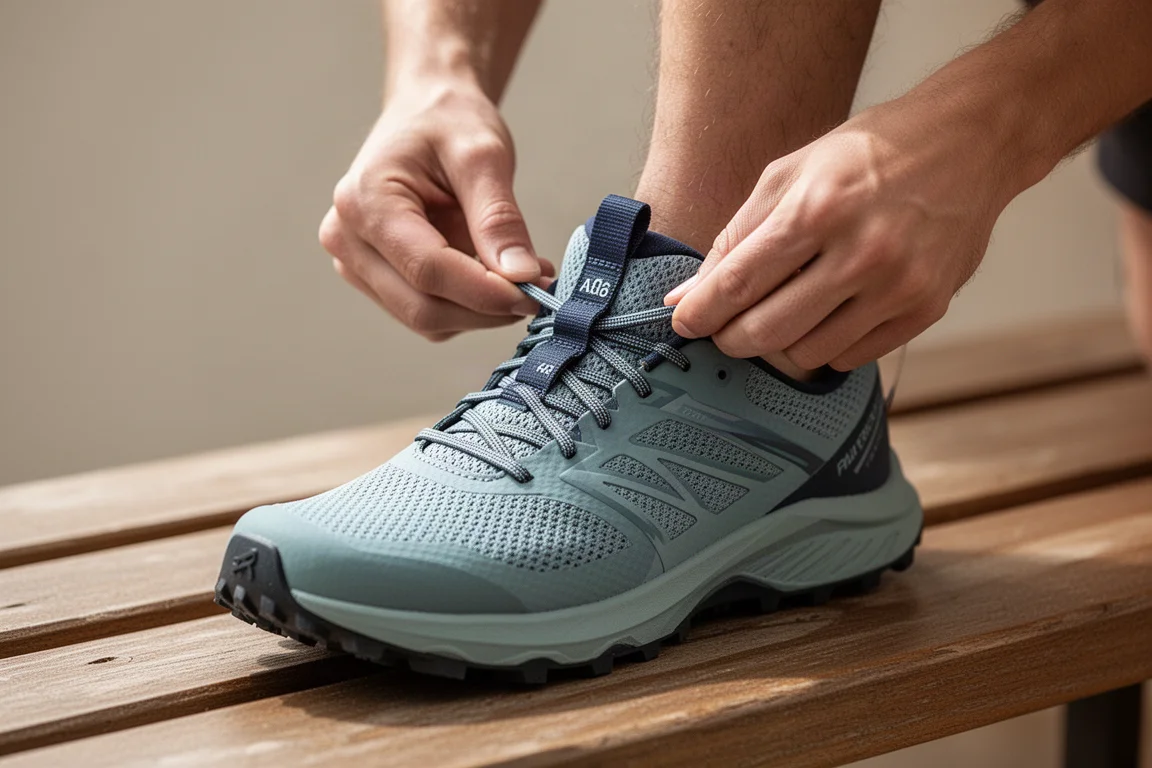
The concern is that as the shoe softens and the upper stretches over time, lockdown could get harder for narrow feet. The Morph Lite would clearly work better for runners with a high instep or a deeper foot shape, who would get a better midfoot fit without cranking the laces down. For a narrower foot shape, the Agility Peak 5 is the better match, making this a personal fit note rather than a flaw in the shoe itself.
Also in the Mix: Merrell Agility Peak 5
The Agility Peak 5 remains the reference point here. It offers Vibram Megagrip rubber on the outsole, a softer-feeling Float Pro midsole, and a fit that suits narrower, shallower feet. It earned its place as a favourite for long-distance training and racing, and it still edges the Morph Lite for grip and midfoot lockdown.
Buying Advice
Merrell has produced a genuinely decent crossover, entry-level trail shoe at a very realistic price that still looks well put together. Unlike some cheaper trail shoes, which announce their price the moment you run in them, the Morph Lite never gave that impression: nice fabrics, good midsole cushioning and an outsole that performed well beyond expectations.
Choose the Morph Lite if you split your time between road and firm, dry trails and want one lightweight shoe for both. Choose the Agility Peak 5 if you prioritise wet-weather grip, softer cushioning, or have a narrower foot shape.
Conclusion
The Merrell Morph Lite is an impressive first impression: comfortable on long road sections, surprisingly capable on dry and mixed trails, and responsibly built with recycled materials throughout. It is not built for wet, muddy winters, and deep midfoot uppers may not suit narrow feet, but at £100 it is one of the most accessible ways to start running trails without giving up road performance.
Further reading
Related Reviews
Trail Running Shoes
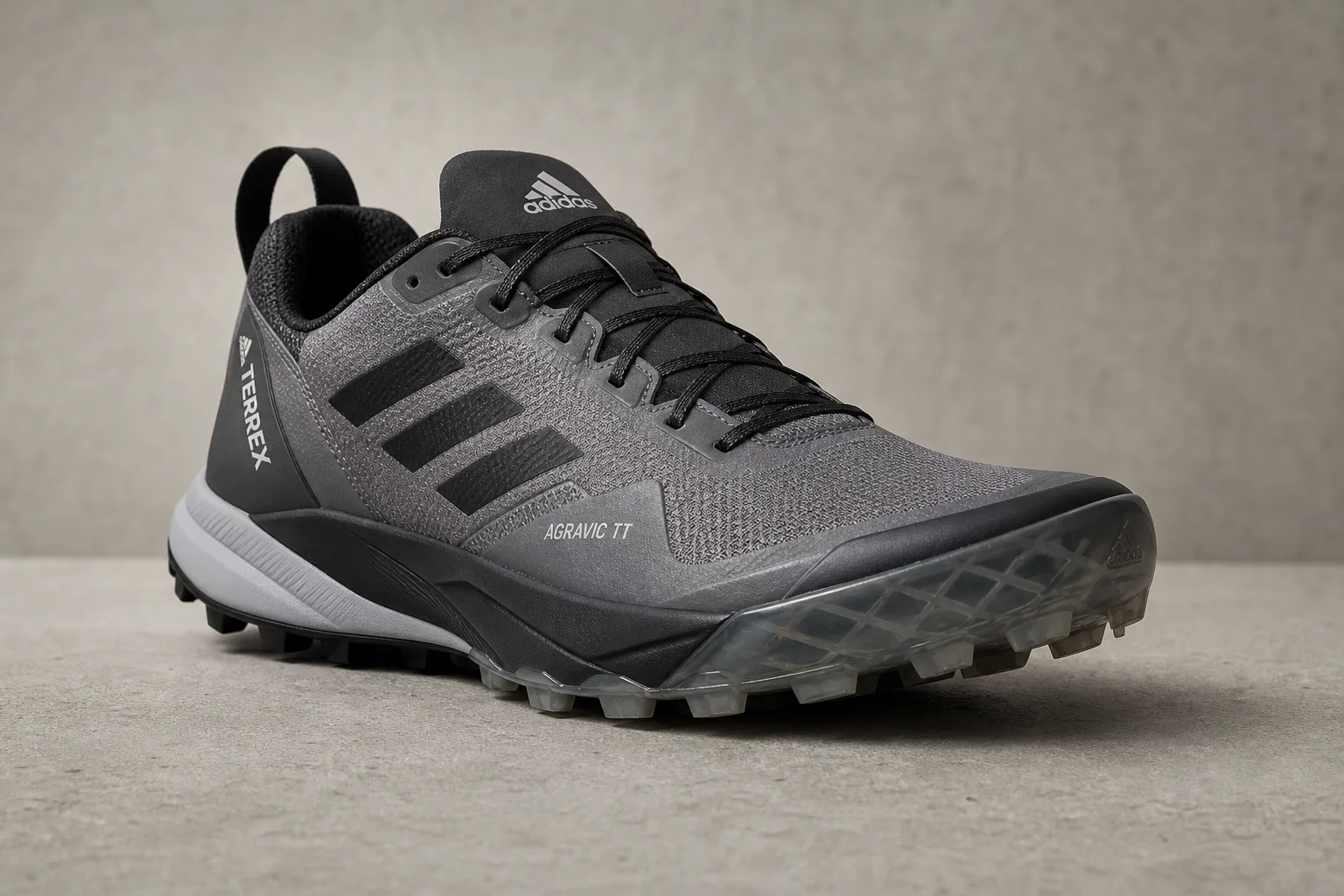
Adidas Terrex Agravic TT Review: A Technical Trail Shoe Built for Rocky Terrain
The Adidas Terrex Agravic TT combines a full-coverage rock plate with a firmer midsole to deliver protection and stability on technical, rocky trails. A capable choice for runners who prioritize underfoot defense over lightweight cushioning.
Trail Running Shoes
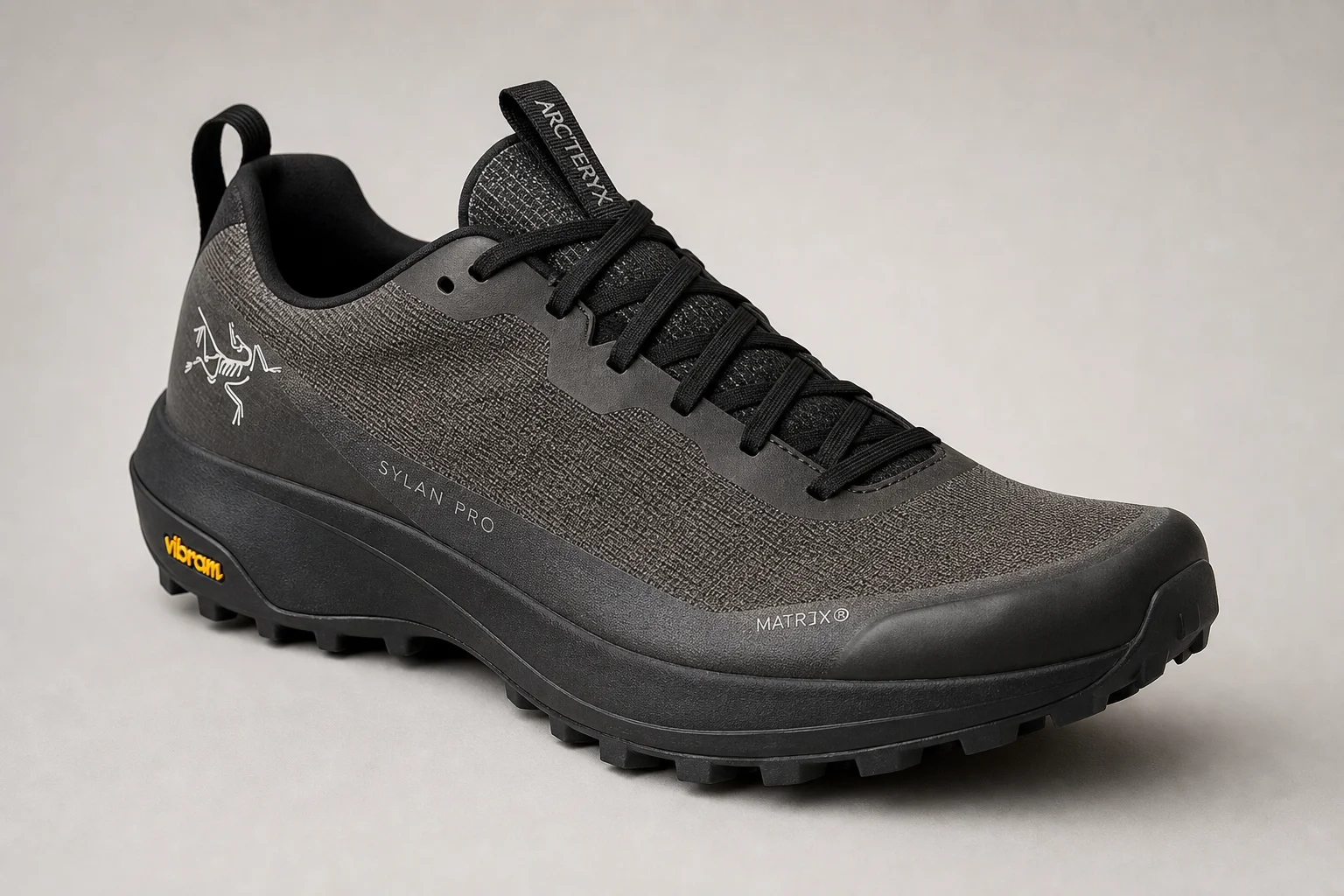
Arc'teryx Sylan Pro Review: A Rocker-Focused Mountain Running Shoe Tested on 20 Miles
The Arc'teryx Sylan Pro brings a pronounced rocker geometry and secure fit to mountain terrain. We tested it on a 20-mile Sawtooth loop to evaluate its climbing efficiency, protection, and handling of technical descents.
Trail Running Shoes
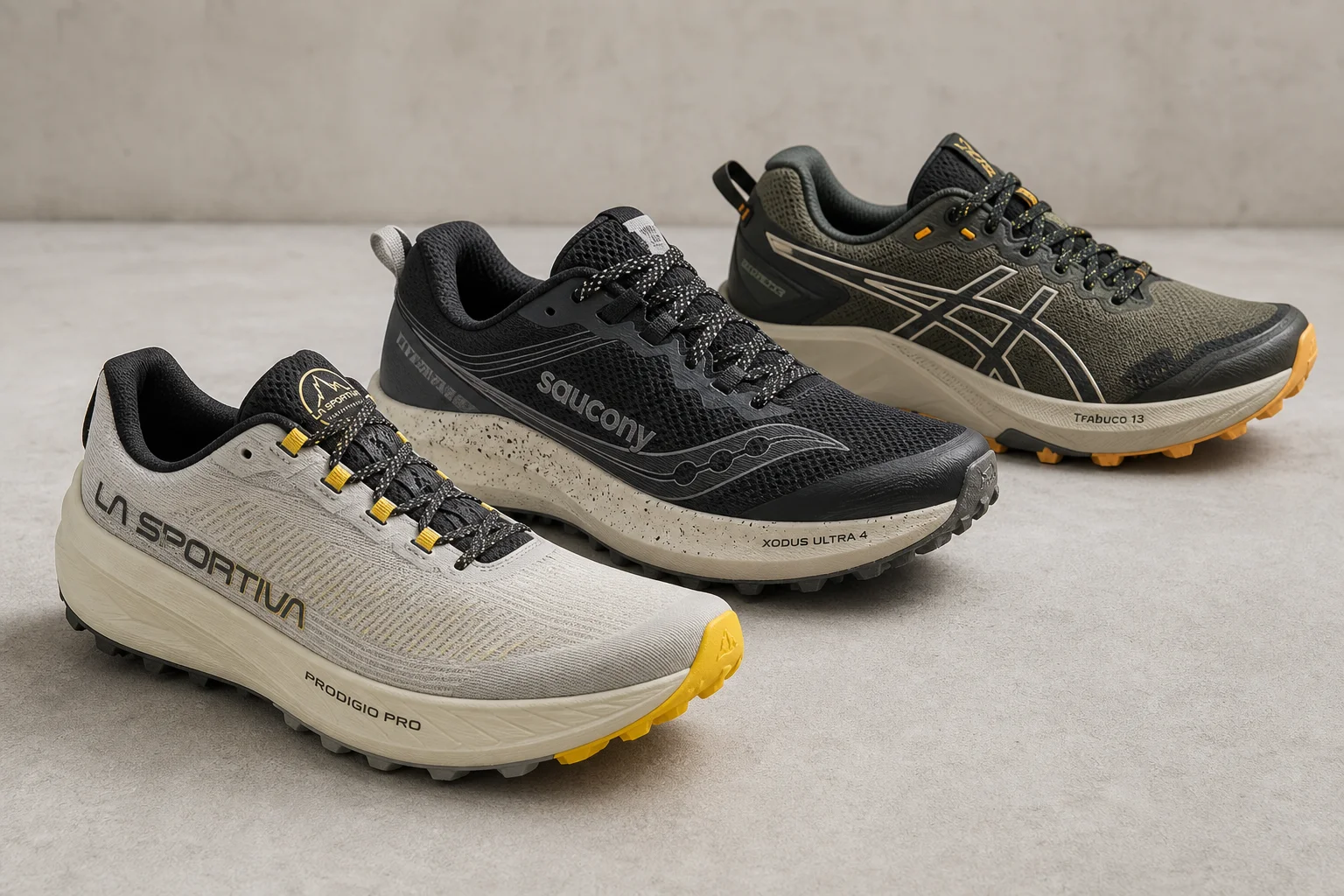
Best All-Mountain Trail Running Shoes: Three Versatile Options for Any Trail
A focused roundup of three all-mountain trail running shoes that handle technical terrain, long distances, and variable conditions with real strengths and practical trade-offs.