Hiking Boots
Merrell Moab Speed 2 Thermo Mid Waterproof Review: A Winter Hiking Boot for Sub-Zero Days
A practical look at the Merrell Moab Speed 2 Thermo Mid Waterproof, covering Vibram Ice Trek grip, PrimaLoft warmth, comfort, and the temperature limits to know before buying.
Introduction
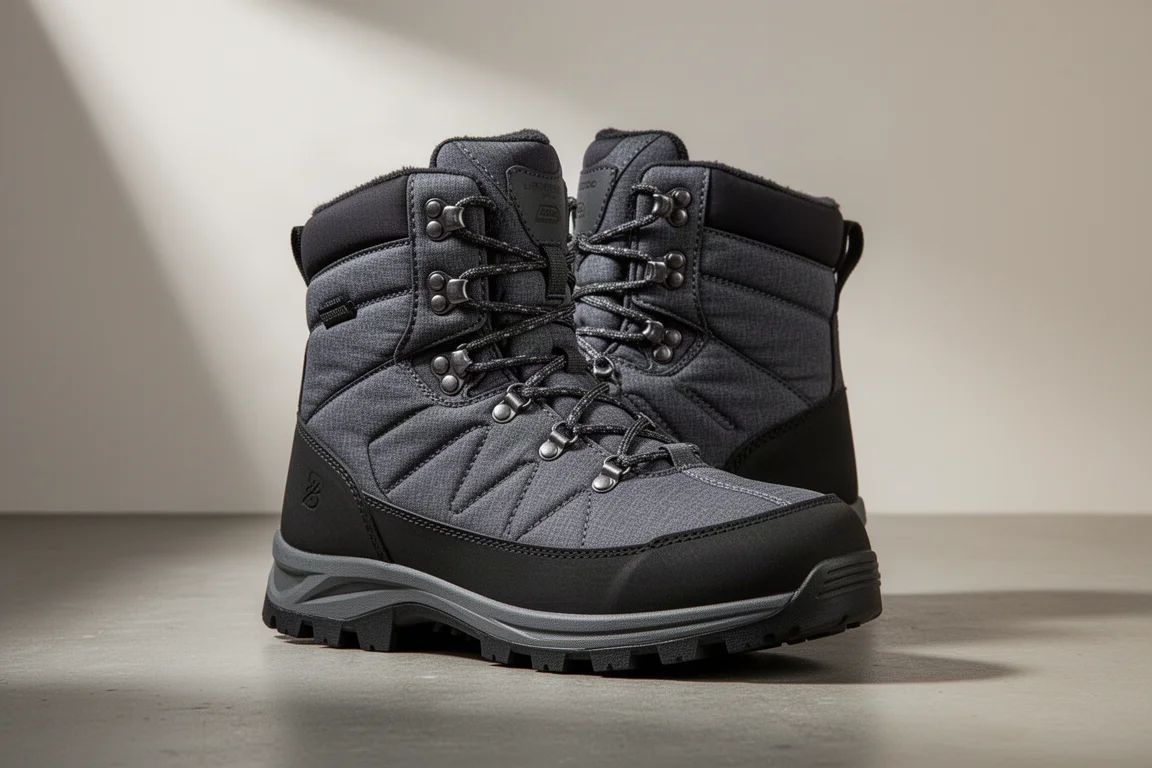
Winter hiking boots occupy a distinct category. They are not stiff-soled mountaineering boots built for fixed crampons with long, aggressive teeth, and they are not intended for alpine expeditions. Instead, they take a standard hiking boot and add insulation, keeping the flexibility and grip that ordinary walking demands. The Merrell Moab Speed 2 Thermo Mid Waterproof sits firmly in that space, with a retail price of around £180.
The specification list reads well for cold-weather use: a Vibram Ice Trek sole developed for wet, snowy, and icy ground, PrimaLoft insulation, a Merrell Float Pro insole, and a waterproof, breathable membrane. Each boot weighs 525 g, which is respectable for a proper ankle-height hiking boot, let alone an insulated winter pair.
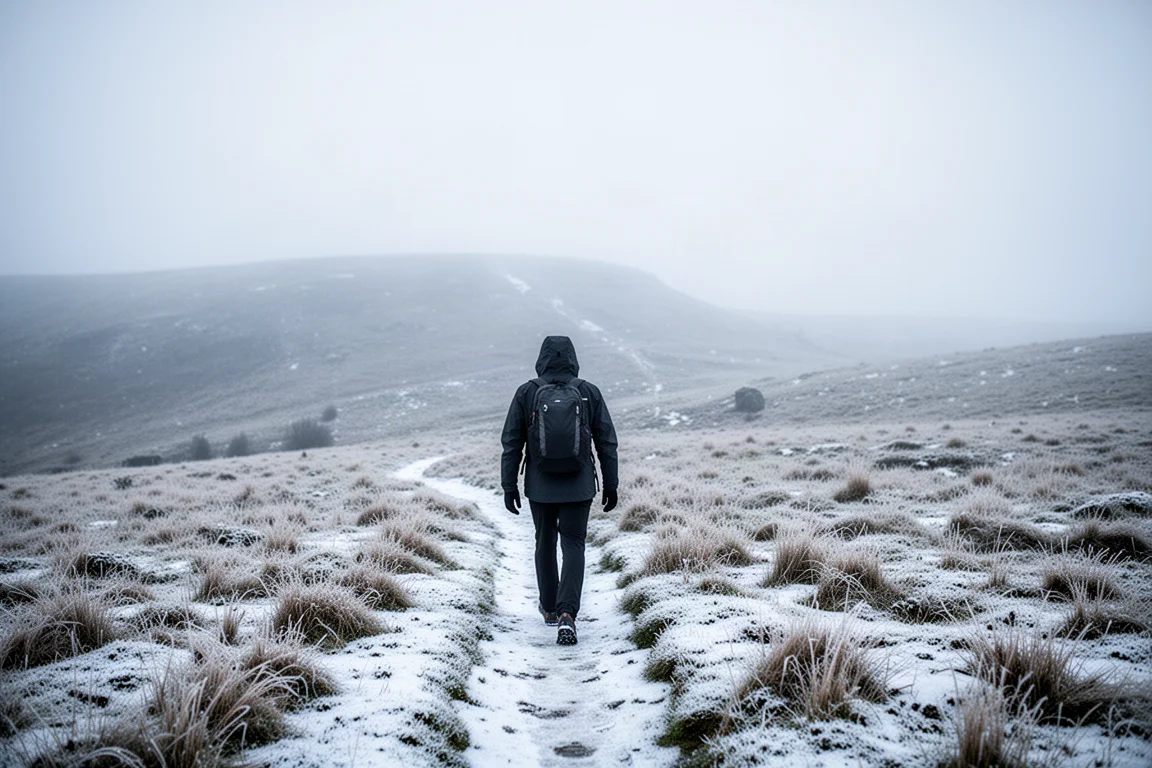
This article covers what the boots do well, where their limits sit, and who will get the most value from a pair.
Who This Product Is For
These boots are aimed at winter hikers and winter backpackers who want warm feet without stepping up to full mountaineering footwear. The insulation is generous enough that the boots stay comfortable through camp, which matters on cold backpacking trips where ordinary hiking boots leave feet frozen by the time the tent is pitched and everything is set up.
They also suit walkers with poor circulation. The warmth is substantial enough that people who usually struggle with cold hands and feet could comfortably wear them in milder cold, up to around plus 5°C.
They are not the right choice for everyone. Anyone hiking in mild or warm conditions will find them far too hot, and they are not a substitute for mountaineering boots on technical terrain or with stiff, fixed crampons.
Warmth and Comfort: PrimaLoft and SolarCore Insulation
Warmth is the defining feature here. PrimaLoft insulation is used throughout, with 200 g of fill. It is a lightweight insulation, so the warmth-to-weight ratio stays strong and the boots do not feel bulky or heavy on the foot.
The padding is not limited to a single panel. A thick padded tongue sits over the instep, and insulation wraps around the ankle and down the sides, extending through to the front of the boot. The sensation is closer to slipping each foot into its own sleeping bag than to wearing a conventional hiking boot.
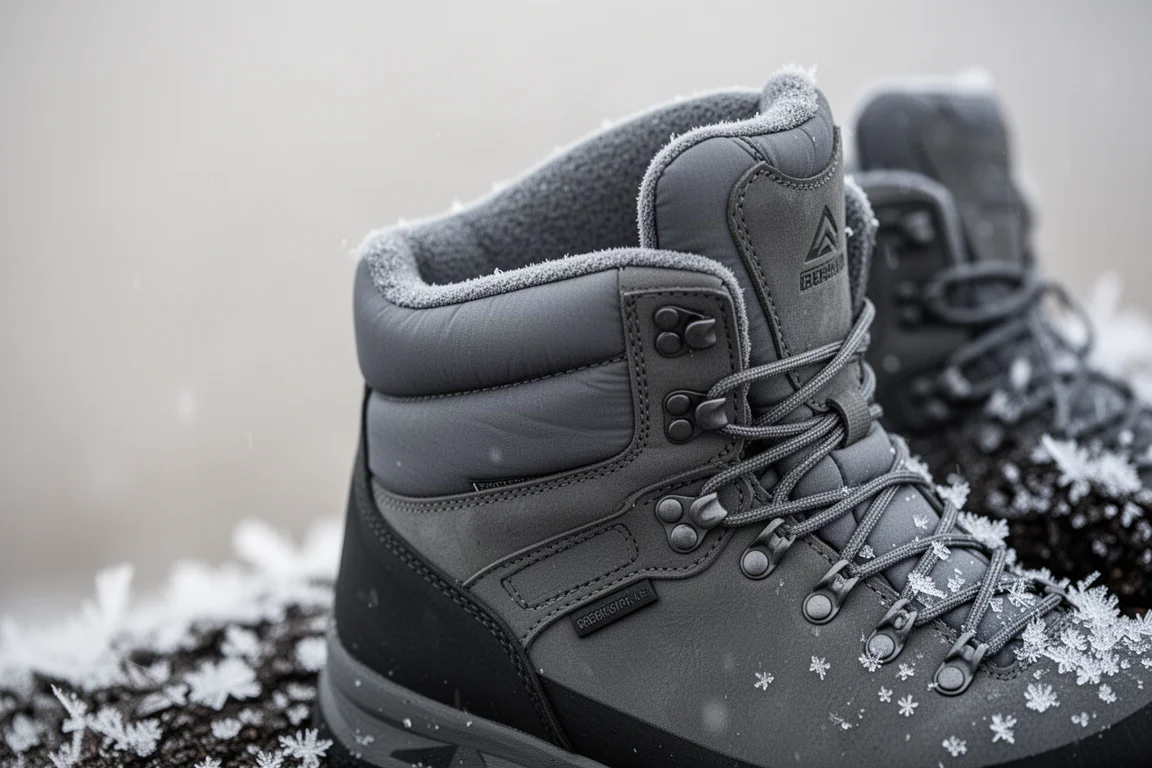
Comfort out of the box is another strong point. The Merrell Float Pro insole gives a soft, cushioned platform underfoot that supports long days without a break-in period, and a ten mile hike on day one should not produce niggles. The boots also use SolarCore insulation, a gel-style layer that adds warmth without adding meaningful weight.
Grip and Traction in Winter Conditions
The Vibram Ice Trek sole is built for wet, snowy, and icy ground, and it is where these boots earn their keep. The lugs are around 6 mm and noticeably soft, which is exactly what you want on ice and packed snow. There is plenty of space between the lugs to shed mud and snow rather than packing it in.
Flexibility is preserved, with a 10 mm drop from heel to toe, so the boot still rolls naturally as you walk. The boots work well with strap-on traction devices, including micro spikes and crampon-style options, and a ring at the front makes them gaiter compatible.
The upper is fully waterproof, with a breathable membrane that also wicks moisture, and the tongue is fully gusseted to keep water and snow out. Metal eyelets at the top of the lacing allow the boots to be tightened firmly without worrying about the lacing pulling through.
Things to Consider Before Buying
The main trade-off is temperature range. The insulation that makes these boots excellent below freezing also makes them uncomfortable above it. For most people, they are only really wearable when temperatures are below zero, and above that feet are likely to get hot and sweaty. That heat can cause feet to expand, which in turn can lead to rubbing or sores on longer walks.

Tread life is the second consideration. The soft rubber compound grips superbly on snow and ice, but it wears faster on hard, non-icy surfaces such as footpaths and roads. If you plan to use a single pair of boots for local tarmac walks as well as winter hill days, expect the sole to age quickly. Used mainly on snow, ice, and wet ground, the tread holds up well over repeated trips, and the boots themselves are durable and offer a good level of protection.
Buying Advice
At around £180 retail, these boots sit well below the cost of proper mountaineering footwear, which can run from the high £300s to around £450. Discounts are common, so it is worth checking current pricing before buying.
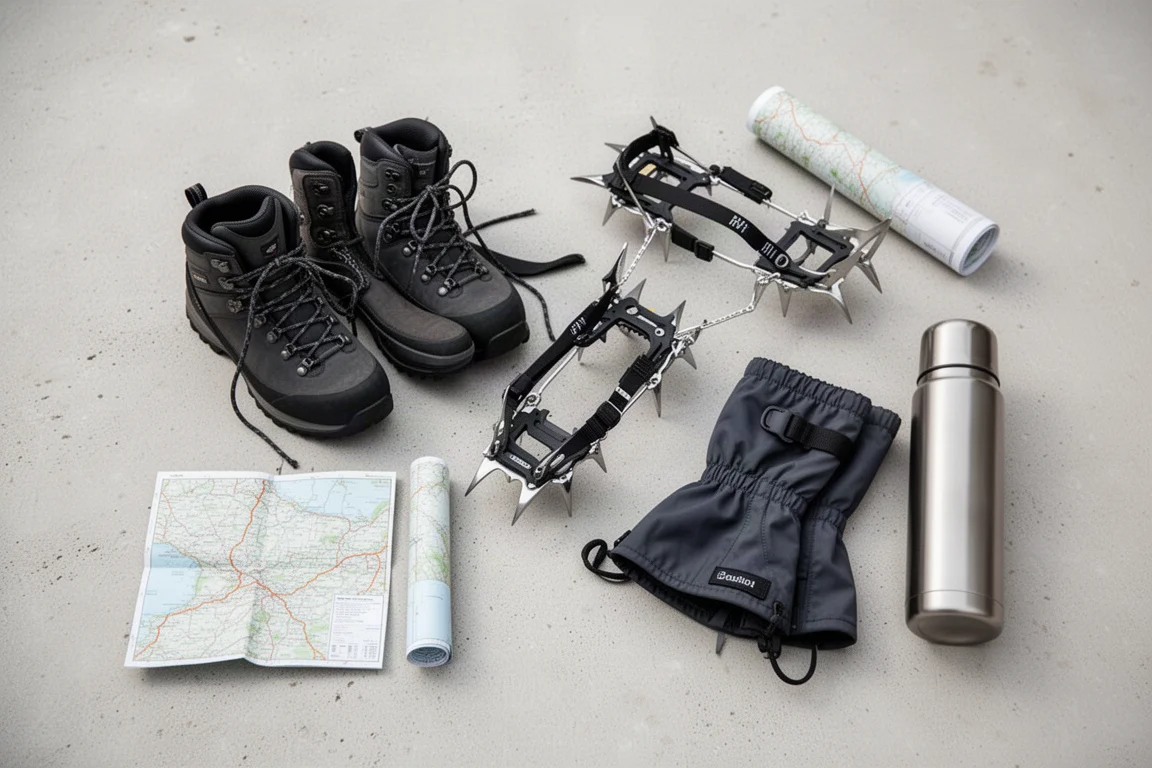
Strap-on traction is worth budgeting for if you walk on ice. Crampon-style options such as the Gravel Explorer, which cost around £35, fit these boots well, and micro spikes work too. Treat these as a dedicated cold-weather boot rather than an all-year pair, keep them clean and dried properly after use, and they should serve you across several winters. For winter hiking and winter backpacking, they represent genuinely good value.
Conclusion
The Merrell Moab Speed 2 Thermo Mid Waterproof does a specific job very well. It pairs dependable Vibram Ice Trek grip with substantial PrimaLoft insulation and a comfortable, lightweight build at 525 g per boot, and it looks good while doing it. If your winter walking happens in sub-zero conditions and you want warm feet on the trail and around camp, this is a sensible, well-priced option. If you need one boot for every season, look elsewhere.
Product link
View more details for Merrell Moab Speed 2 Thermo Mid Waterproof Hiking Boots
This product is mentioned in the review. Check the specifications, options, and compatibility before buying.
View more details for Merrell Moab Speed 2 Thermo Mid Waterproof Hiking BootsFurther reading
Related Reviews
Hiking Boots
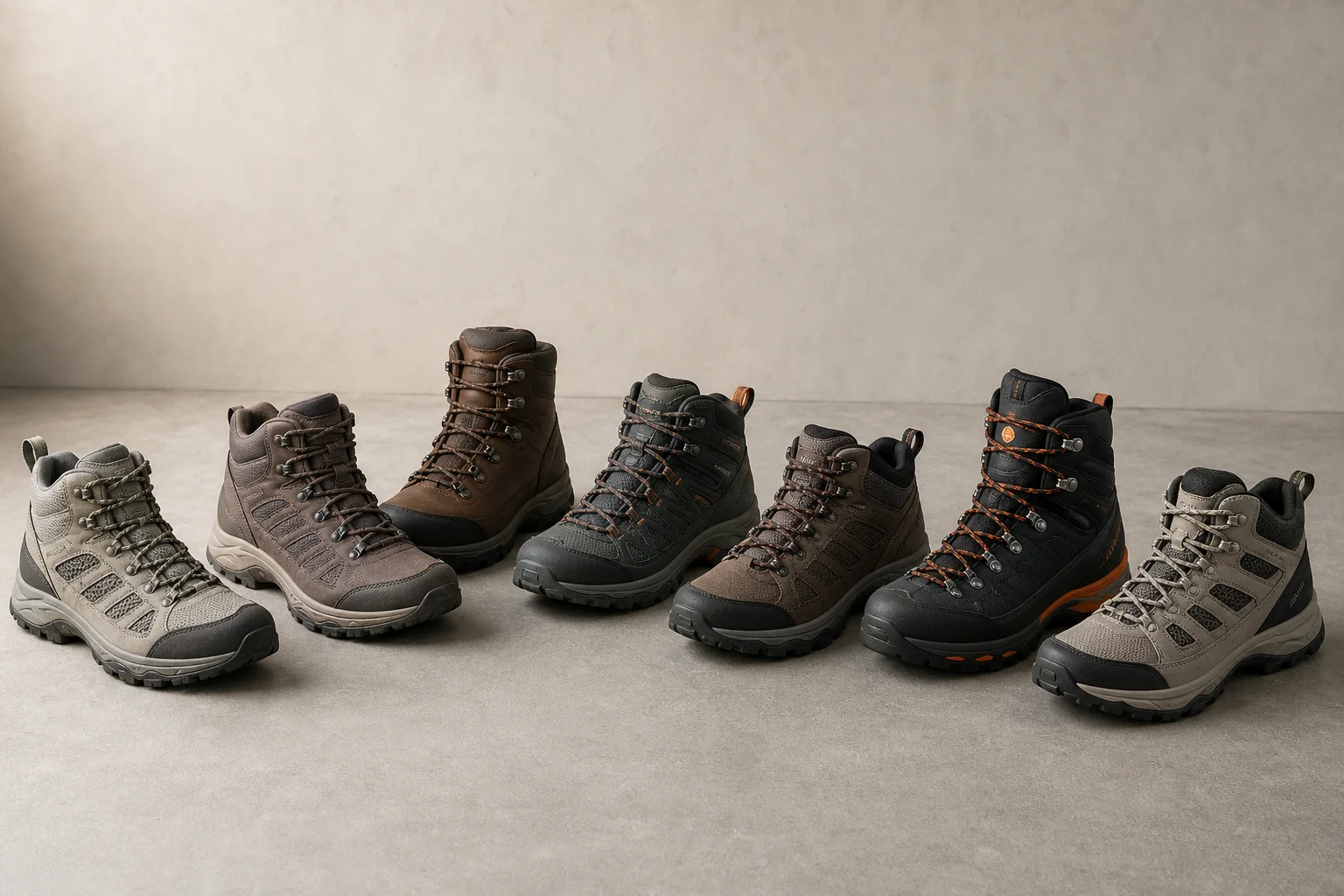
Best Hiking Boots 2025: Seven Options for Different Trail Needs
A practical guide to seven hiking boots spanning lightweight day hikes, comfort-focused designs, rugged terrain, budget options, and alpine performance.
Hiking Boots
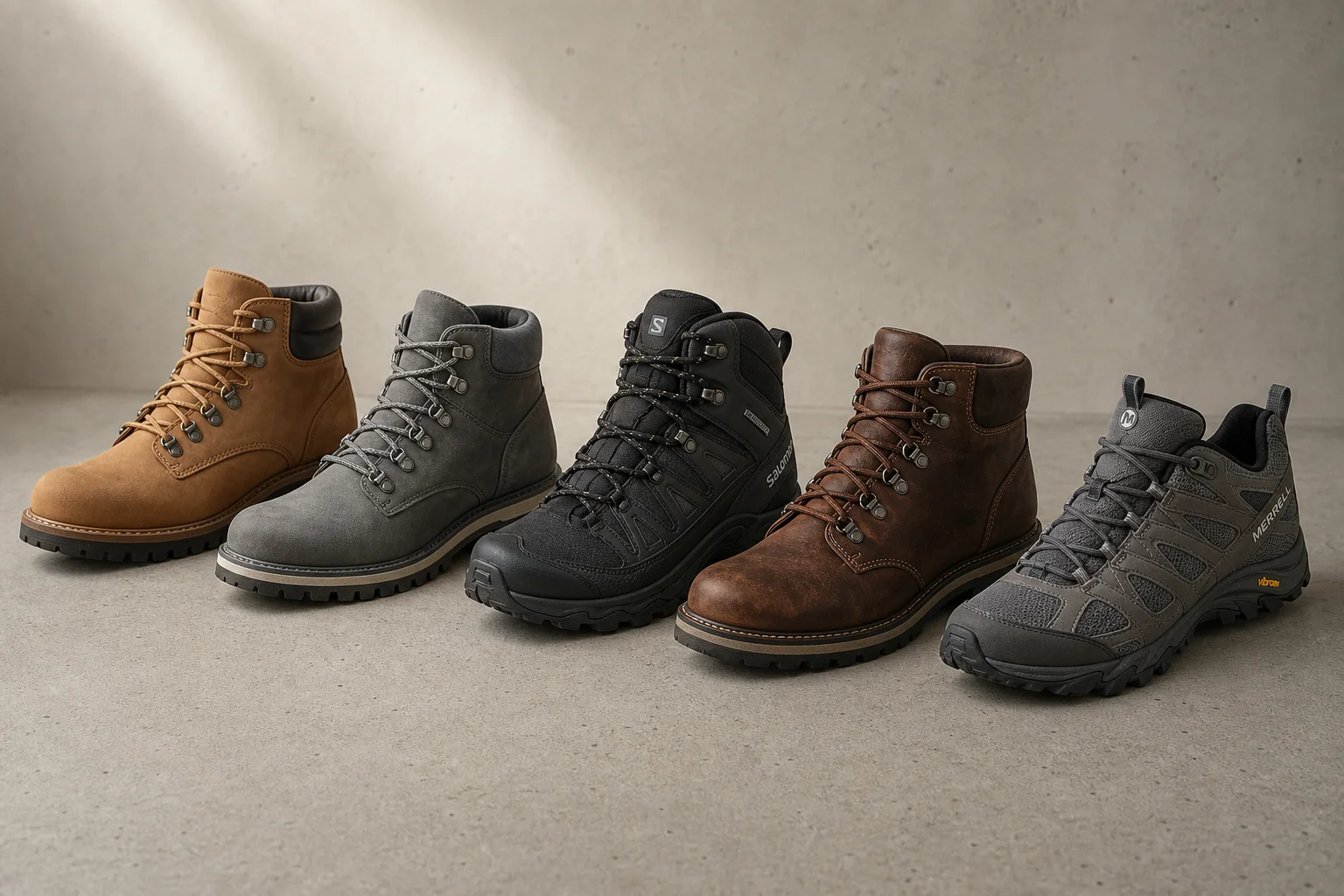
Best Hiking Boots 2026: Five Reliable Options for Different Trail Needs
Five hiking boots that balance waterproofing, comfort, and durability across casual day hikes and serious backpacking trips.
Hiking Boots
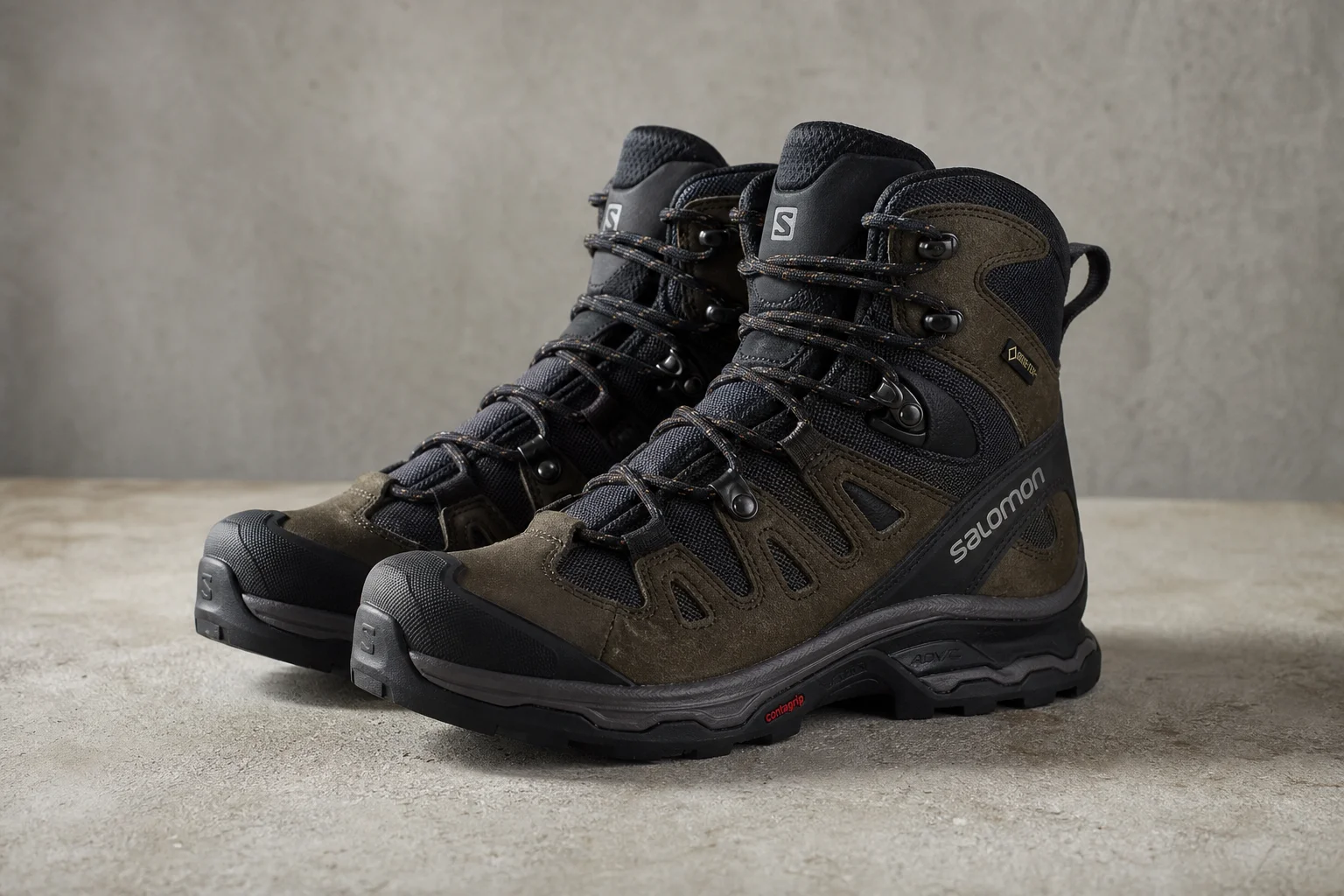
Salomon Quest Element GTX Review: A Reliable Hiking Boot for Serious Terrain
After 30+ kilometers of testing in varied conditions, the Salomon Quest Element GTX proves itself a capable, comfortable hiking boot with genuine waterproofing and solid long-term value.