Trail Running Shoes
Merrell Agility Peak 6 vs Hoka Speedgoat 7: Which Trail Shoe Should You Buy?
Two of the most anticipated trail shoes of the season go head to head on wet, muddy trails. Here is how they compare on cushioning, grip, fit and winter performance.
Introduction
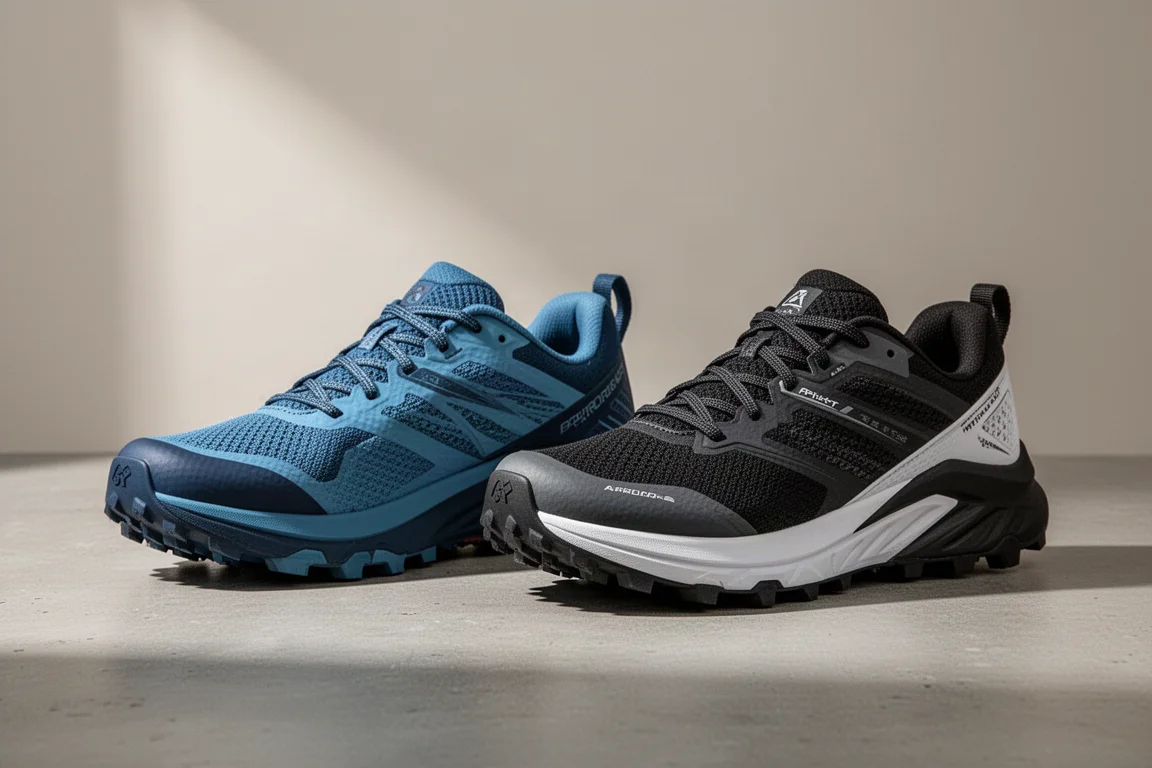
The Merrell Agility Peak 6 and the Hoka Speedgoat 7 are two of the most anticipated trail shoes of the season, and both have now been run hard in genuinely tough conditions: compacted gravel, slippery tree roots, deep mud and enough rain to turn the trails into rivers. The result was surprisingly close. Both shoes handled everything thrown at them, and after testing them on the same challenging woodland loop, calling a winner is genuinely difficult.
This comparison breaks down the specs, the on-trail behaviour and the fit of each shoe, so you can decide which one matches your preferences rather than chasing a single verdict.
Price, Weight and Geometry
The Merrell Agility Peak 6 launched on the Merrell website at £145 in the UK, a slight increase from the £140 of the previous version. The Hoka Speedgoat 7 sits alongside it as a direct rival with very similar performance characteristics.
In terms of weight, the Agility Peak 6 in a UK 9.5 comes in at a reasonable 293 grams, which is 11 grams lighter than the Agility Peak 5 and marginally lighter than the Speedgoat 7. In practice the two shoes are so close on weight that the difference is unlikely to be noticeable.

The geometry is where things change. The Agility Peak 6 now has a 38mm stack at the heel and 30mm under the forefoot, giving an 8mm drop. The previous version used a 6mm offset, which many runners consider a real sweet spot for a distance trail shoe, so this is worth noting if you are sensitive to heel-to-toe drop. The Speedgoat 7 has already proven itself with a slightly softer midsole feel, which becomes the key differentiator between the two.
Upper, Fit and Comfort
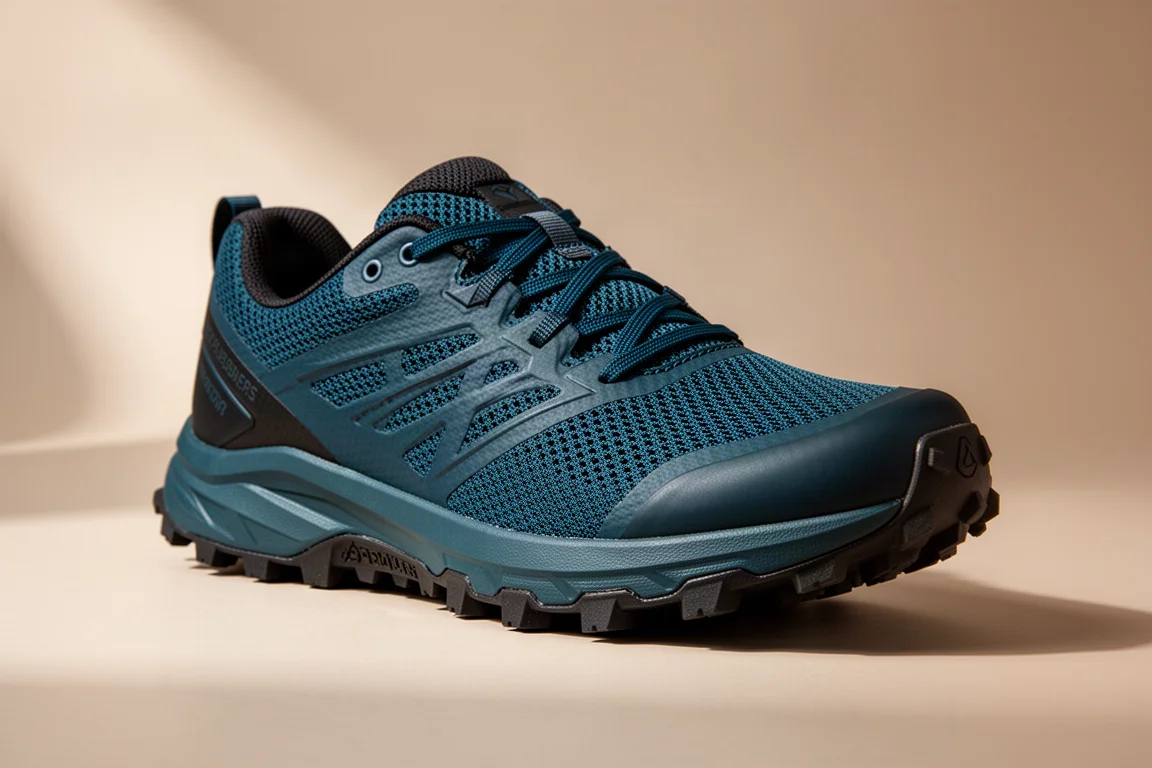
The Agility Peak 6 keeps much of what made the previous version work. The upper is a lightweight, highly breathable engineered mesh, and the tongue is an internally gusseted sleeve made from stretchy neoprene fabric, perforated for breathability and drainage. It is thin and lightly padded, but the design proved comfortable in the previous shoe and worked just as well here.
The big changes are at the ankle collar and heel cup. Merrell has beefed up the plush cushioning at the back end of the upper, aimed at improving long-distance comfort. Despite concerns that extra padding could affect fit, the lockdown turned out to be excellent: a secure hold around the midfoot from the gusseted sleeve tongue and a nice hold in the heel, with no rubbing or irritation straight out of the box.
Other practical details include 3D printed overlays in high-wear areas, a bungee cord halfway down the tongue for stowing laces, and a substantial toe bumper for protection on rocky terrain. On sizing, the Agility Peak suits a mid-to-narrow foot width best, and anyone planning to run above marathon distance would likely want to go up half a size for toe box room.
Grip and Outsole Performance
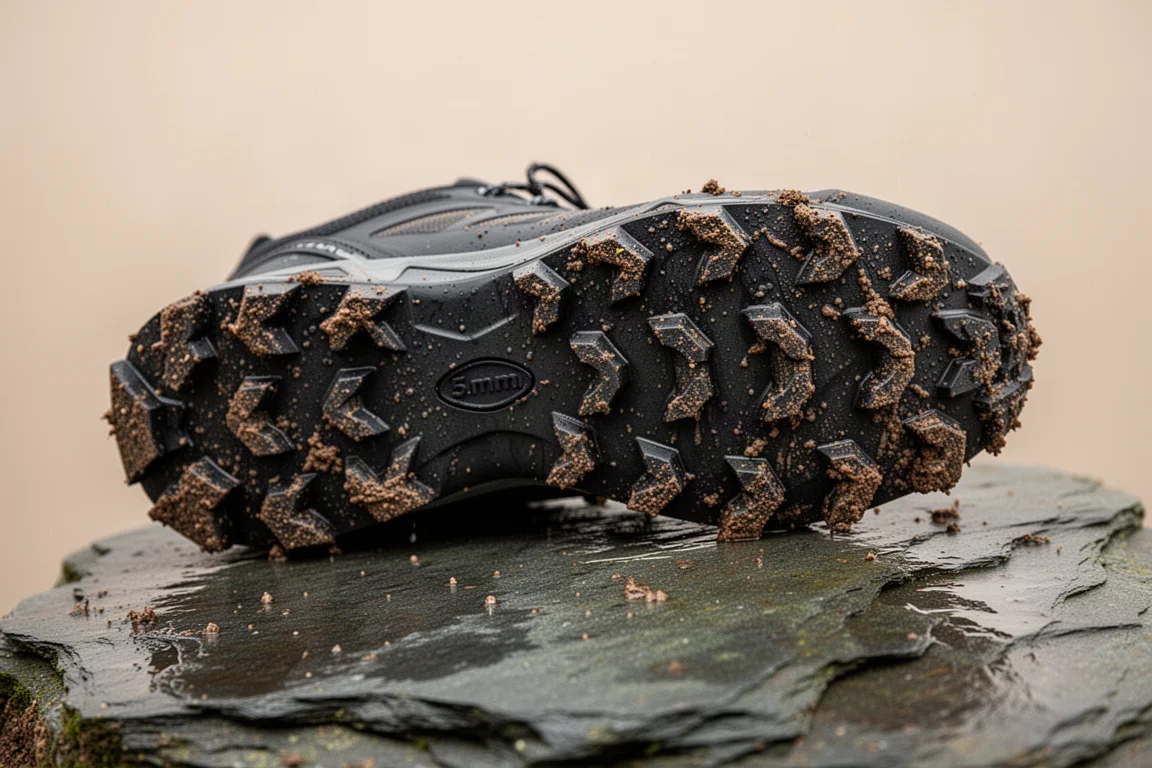
This is where the Merrell really shines. The Agility Peak 6 keeps the same Vibram MegaGrip rubber outsole as the previous version, and that consistency is a smart move: the outsole on the Agility Peak 5 was one of the most consistent performers around, handling almost any underfoot condition.
The 5mm lug pattern is described as chunky despite its modest depth, and the shape and well-spaced arrangement dig in well while shedding mud quickly rather than letting it cling to the outsole. Cutouts in the outsole improve midsole flexibility and help cut weight. On wet wood, rocky trail and deep mud alike, the grip inspired genuine confidence.
The Speedgoat 7 matched this standard on the same muddy, challenging loop and performed better than expected in those tough conditions, so neither shoe leaves you short on traction. The Vibram compound on the Merrell is, however, a known quantity that has proven itself across multiple generations.
Cushioning and Ride Feel
Both shoes use the same FloatPro Foam approach in the midsole as their predecessors, but the Agility Peak 6 gets a deeper stack height this time round. The result is a nicely cushioned, comfortable ride on most terrains, but not so over-cushioned that you lose ground feel. For many runners, that balance of comfort and connection is exactly right.
There is a caveat worth hearing: some runners have found the midsole feels firm on first runs. If you buy the Agility Peak 6 expecting a super soft, bouncy trail shoe, you may be disappointed. The slightly firmer feel does have an upside, though: the shoe feels well planted and stable on challenging trail sections, and it offers good ground connection for a cushioned shoe, which helps confidence when footing is uncertain.

The Speedgoat 7 is the better pick here if you want that softer, plusher midsole. Its cushioning is noticeably softer underfoot while still performing well in mud and on technical terrain.
How They Handled the Mud
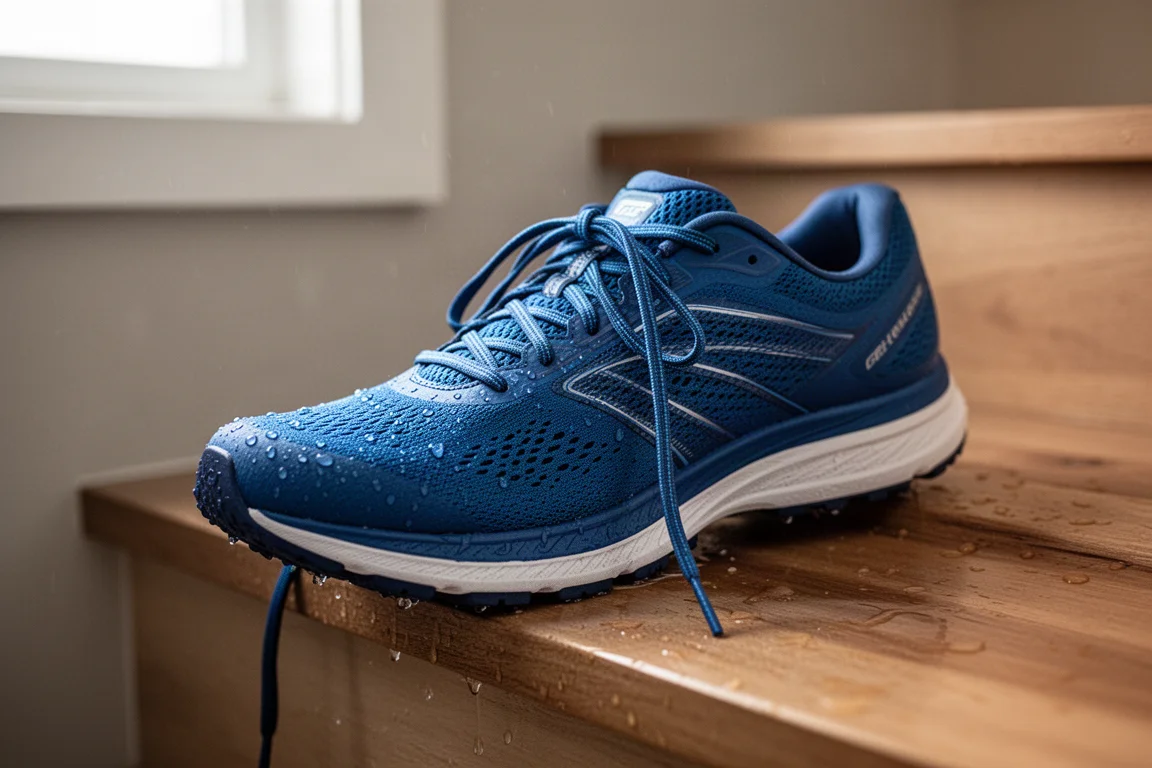
On a 7-mile test run through soaking wet, muddy woodland, the Agility Peak 6 came through in flying colours. The upper drains water exceptionally well and did not hold on to any of it: even running down literal streams of water and splashing through deep puddles, the shoe never felt squelchy or waterlogged. It is one of the best-draining trail shoes tested in these conditions.
That combination of a fast-draining upper, sticky Vibram MegaGrip rubber and chunky traction lugs makes the Agility Peak 6 a strong winter trail running option. It also earns style points for practicality: the dark and light blue colorway hides mud far better than a black and white alternative, and Merrell offers six colorways in total.
Which Shoe Should You Buy?
After testing both on the same demanding trail loop, this comparison is honestly a tie. Both delivered on fit, feel and performance in challenging conditions, so the decision comes down to ride preference.
If you prefer a softer, bouncier midsole feel, the Hoka Speedgoat 7 is the shoe to go for. If you want a more comfortable, connected ride with firmer stability, excellent drainage and proven Vibram grip, the Merrell Agility Peak 6 is the better match. Wide-footed runners and those who want maximum plushness should lean towards the Hoka; narrow-to-mid-width feet, winter runners and drop purists who prefer the feel of a firmer platform will likely prefer the Merrell.
Conclusion
The Merrell Agility Peak 6 refines an already strong trail shoe with a deeper 8mm drop stack, plush new heel cushioning and the same outstanding Vibram MegaGrip outsole. The Hoka Speedgoat 7 counters with a softer, plusher ride and equally impressive wet-terrain performance. Neither is a wrong choice: pick the Speedgoat 7 for softness, or the Agility Peak 6 for a connected, stable, fast-draining ride that thrives in winter conditions.
Further reading
Related Reviews
Trail Running Shoes
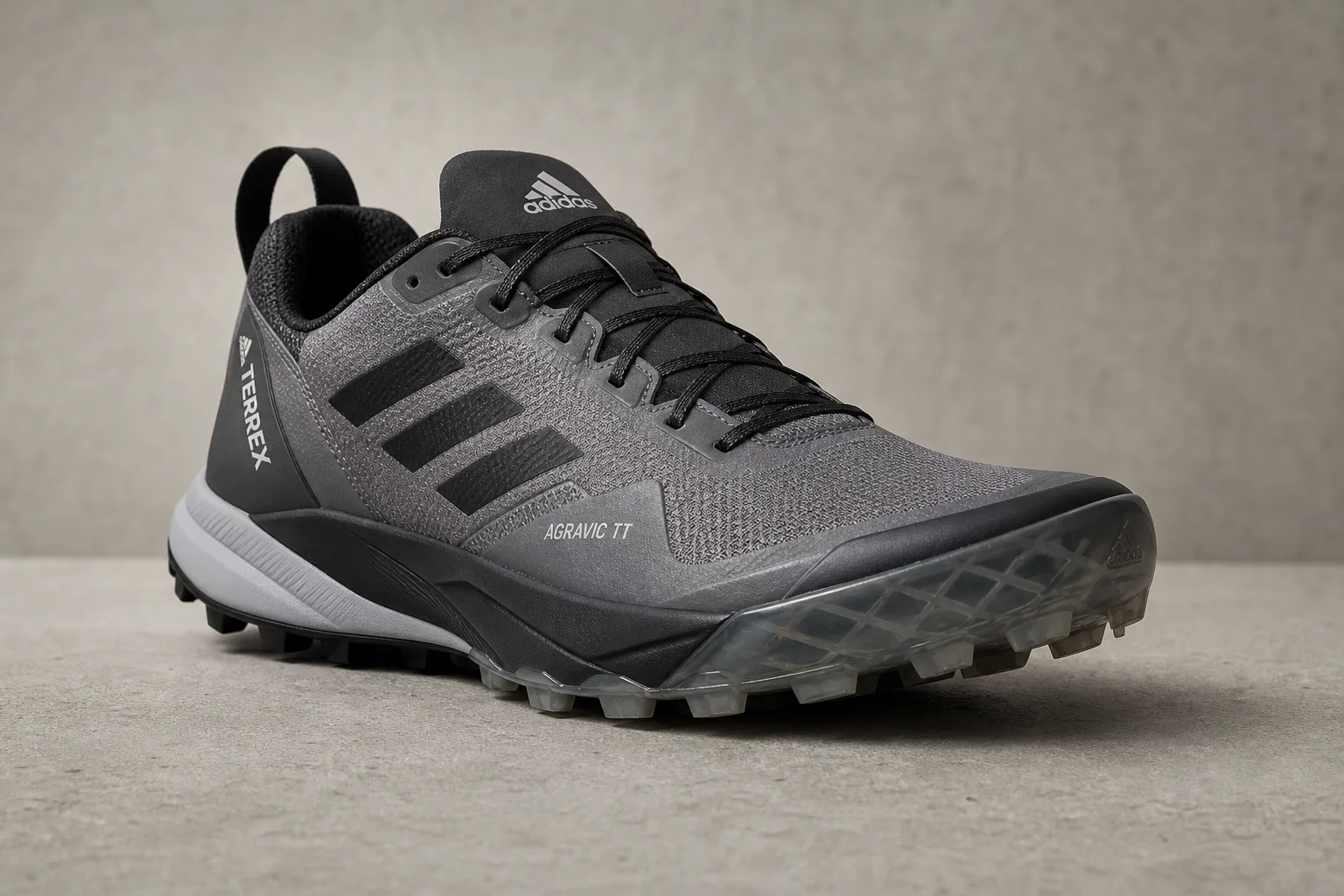
Adidas Terrex Agravic TT Review: A Technical Trail Shoe Built for Rocky Terrain
The Adidas Terrex Agravic TT combines a full-coverage rock plate with a firmer midsole to deliver protection and stability on technical, rocky trails. A capable choice for runners who prioritize underfoot defense over lightweight cushioning.
Trail Running Shoes
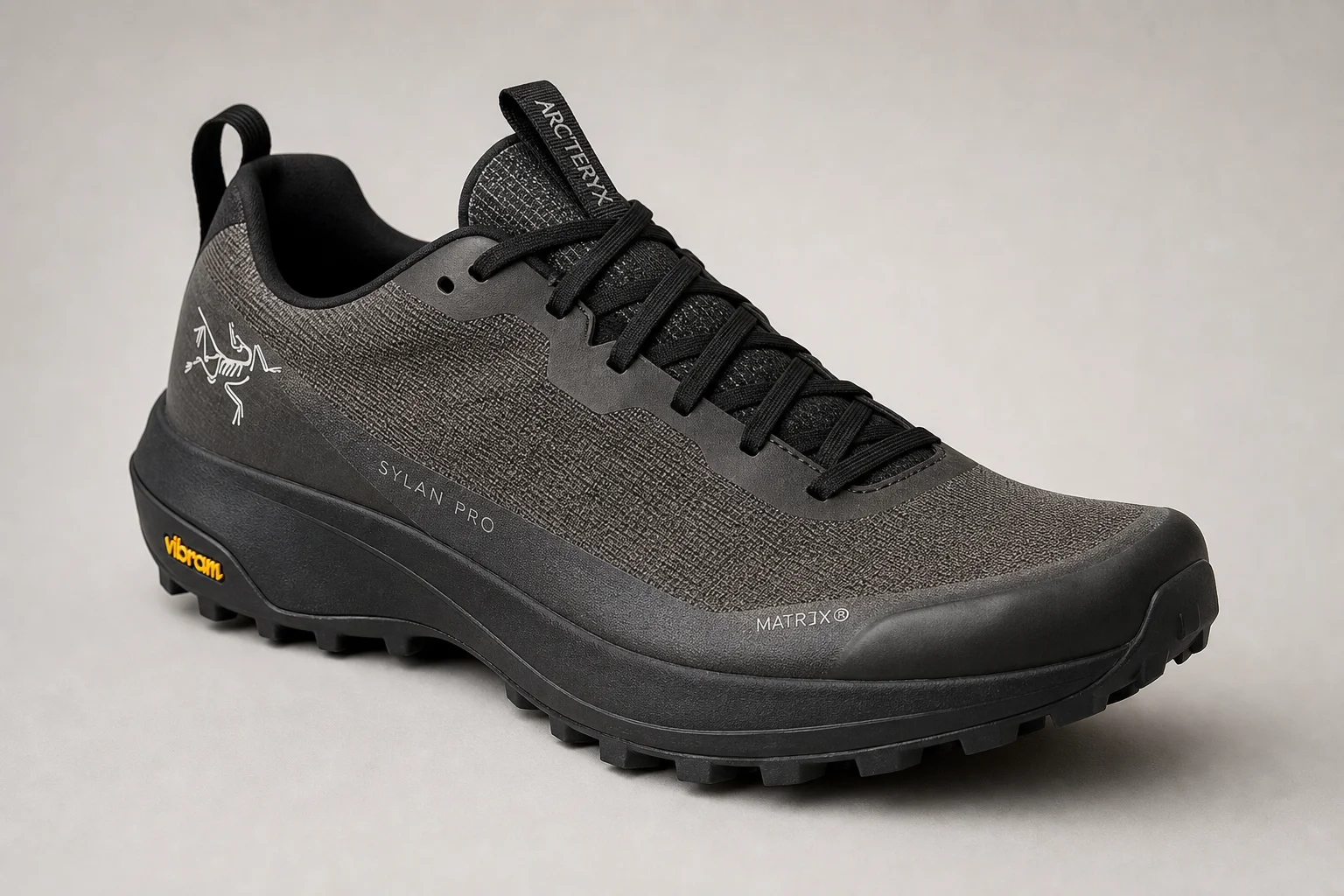
Arc'teryx Sylan Pro Review: A Rocker-Focused Mountain Running Shoe Tested on 20 Miles
The Arc'teryx Sylan Pro brings a pronounced rocker geometry and secure fit to mountain terrain. We tested it on a 20-mile Sawtooth loop to evaluate its climbing efficiency, protection, and handling of technical descents.
Trail Running Shoes
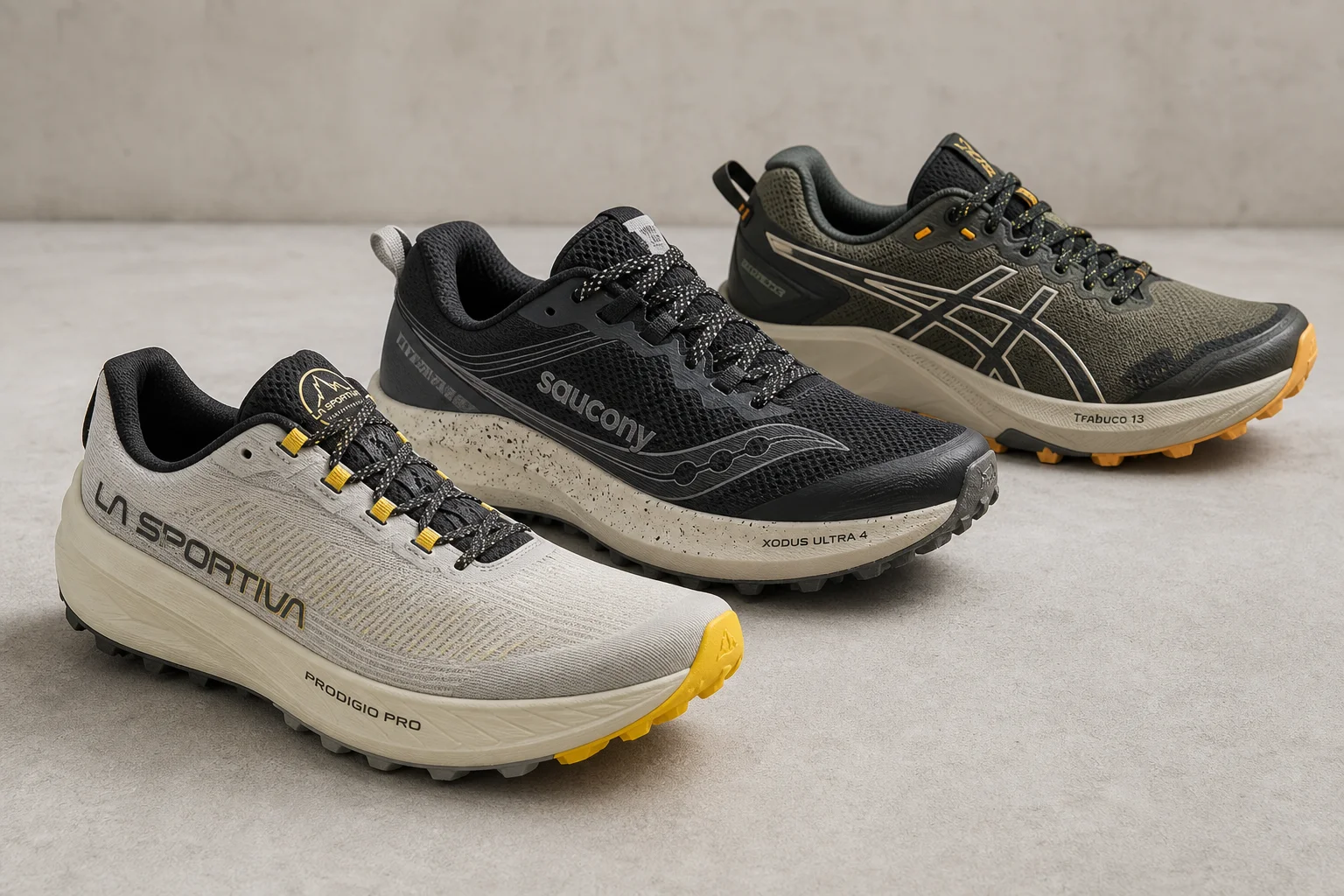
Best All-Mountain Trail Running Shoes: Three Versatile Options for Any Trail
A focused roundup of three all-mountain trail running shoes that handle technical terrain, long distances, and variable conditions with real strengths and practical trade-offs.