Supercars
McLaren Artura Review: McLaren's First Hybrid Supercar, Tested On Road and Track
McLaren's first series-production hybrid pairs a 3.0-liter twin-turbo V6 with an e-motor. We drove it on road and track to find out if it is still fun.
Introduction
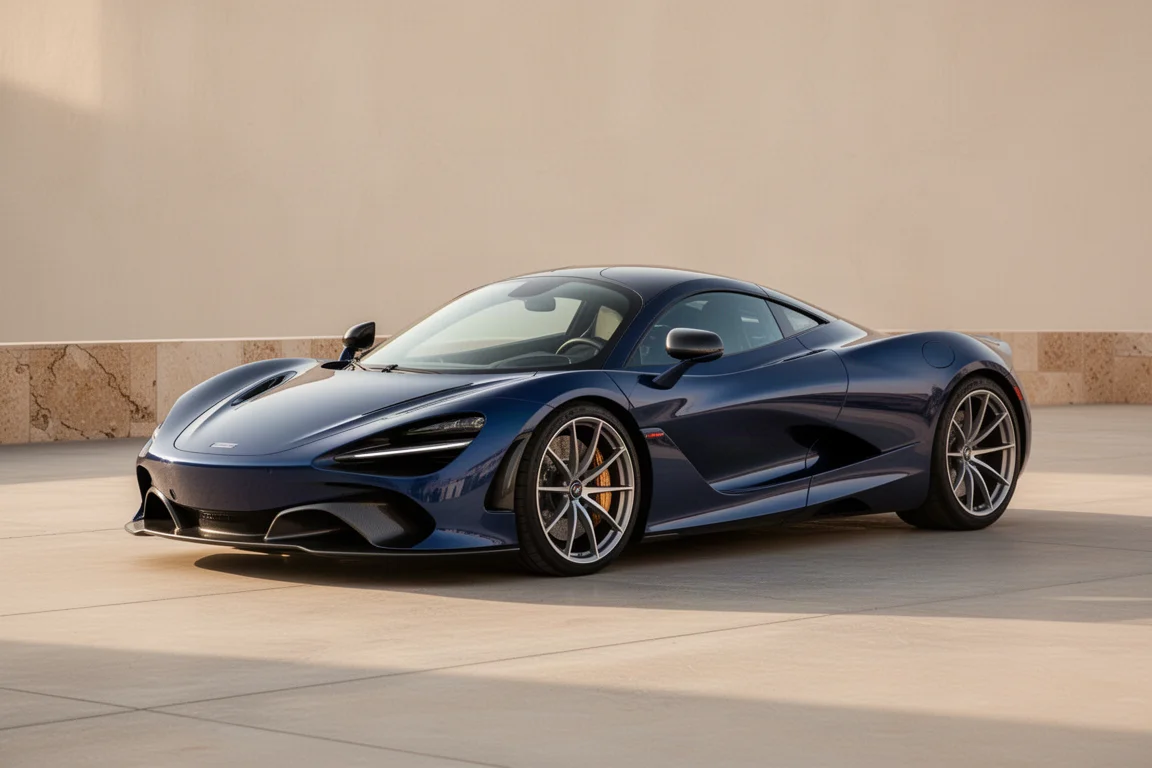
For decades, supercars got sharper, lighter, harder and wilder. Now the industry has entered a new era, one shaped by electrification, and every manufacturer has to adapt to survive. That brings us to the McLaren Artura, the company’s first series-production hybrid. It is a genuinely new car: the first to use McLaren’s new 3.0-liter twin-turbo V6, an eight-speed dual-clutch gearbox and a new carbon fiber lightweight architecture.
With 671 horsepower and 530 lb-ft of torque, the Artura produces serious performance. But the press pack runs to 34 pages, most of it requiring an engineering degree, and the real question is simpler: is it still fun?
A New Era for the Supercar
The central tension of the modern supercar is easy to state. Electric motors and batteries add weight, blunting agility. Electric boost, on the other hand, delivers instant response and previously almost unthinkable performance. The furious, relentless evolution of the supercar has been slowed, preserved, or maybe even enhanced, depending on who you ask.
McLaren likes to talk about its hybrid heritage through the outrageous P1, but the Artura’s application of electric boost is much more seamless and more efficient, and far less dramatic. It enhances the precise V6, yet you barely know it is there. That sets the tone for the whole car.
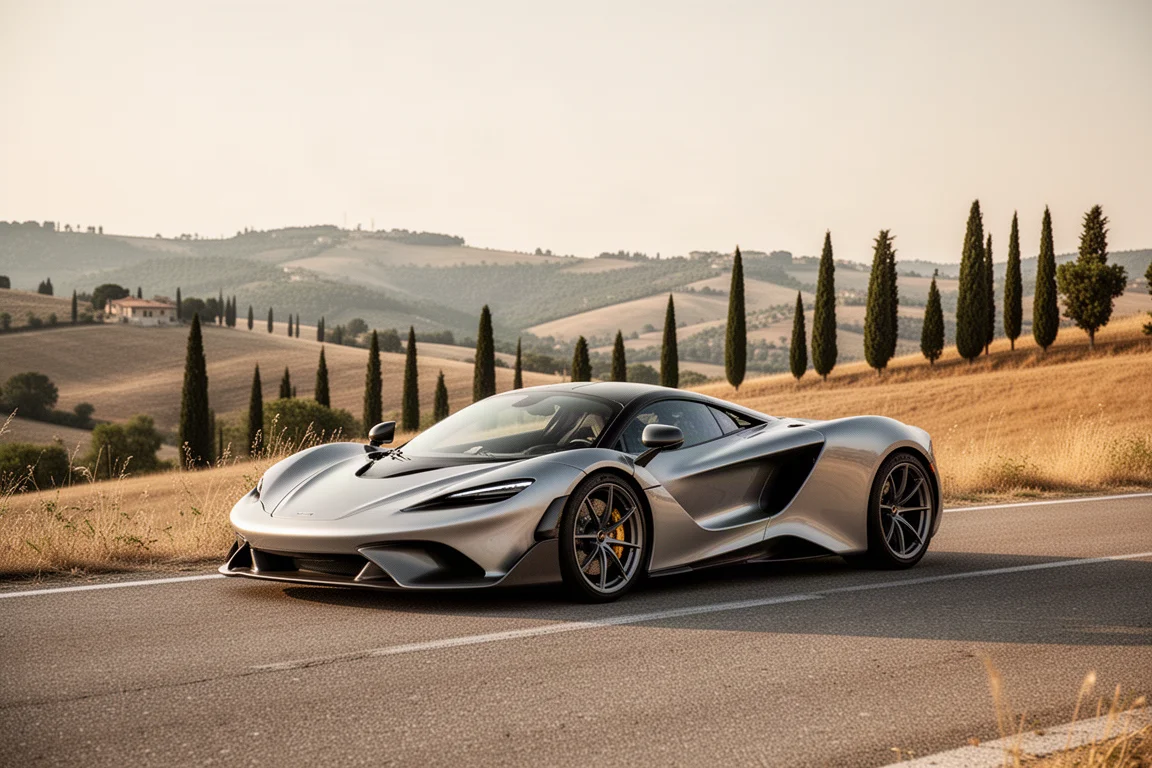
For context, we also spent time with the Ferrari 296 GTB, a 720S rival that sells for close to a quarter of a million pounds. It is not a full comparison, but Ferrari’s take on a wide-angle twin-turbo V6 makes a useful benchmark. The 296 makes 819 horsepower (830 PS) and summons enormous traction, and in that typical Ferrari style it empowers you to use a ridiculous level of performance. Ferrari uses the hybrid system to kick momentum into the car during gear changes; the logic can feel odd, but the engine itself is superb. They call it the piccolo V12, and it sounds really good, if anything sweeter than the F8 Tributo’s V8. You do sense its weight in braking zones, though, and that is exactly where the Artura’s obsessive light weighting could pay off: with fluids and a full 90 liters of fuel, the McLaren weighs about the same as the Ferrari does bone dry.
On the Road: Refined, But Reined In
The Artura’s jewel-like little V6 revs to 8,500 rpm, and the e-motor gives genuinely good throttle response, along with the adjustability you want from a supercar. The eight-speed gearbox is very good too. McLaren uses some electrical power to fill in torque interruption during shifts, but unlike the Ferrari it never gives you that artificial surge, which keeps the acceleration feeling natural.
That said, the engine lacks the fiery top end of the old V8. Compared with a 720S, and even with the Maserati MC20’s properly mad V6, it feels just a little bit mothered. This is a car deliberately built with familiarity, and it shows in the strong McLaren trademarks: a fantastic driving position, an outstanding view out, and a brake pedal perfectly placed for left-foot braking, which some people find annoying but works beautifully here.
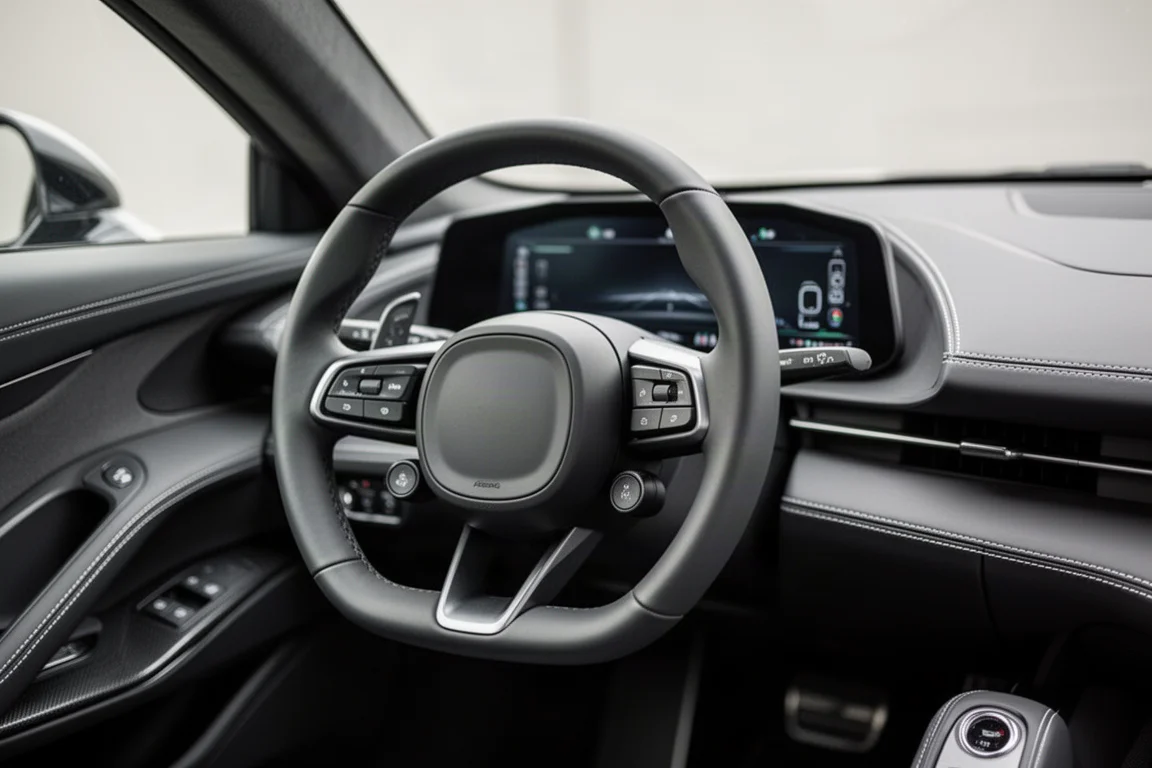
The steering is hydraulic but all new, and it feels better located. It does not ride in your hands quite like a 720S or 600LT, yet the feedback is genuinely good and the car feels calmer. The ride is quieter, with less suspension noise, a sense of refinement older McLarens did not have. The trade-off: it does not feel quite as light or instantaneous.
Inside, the mode controls have moved from the center console to rocker switches within easy reach of the steering wheel, each offering Comfort, Sport and Track settings. Sport works best for the dampers, which are no longer hydraulically linked as in the 720S and use conventional anti-roll bars. E-mode is exactly what you would expect: a supercar that is really quiet and really slow. It is fine, though. You can crawl through cities silently, then switch to E-mode in a village and have a clear conscience, with a claimed 19 miles of electric range.
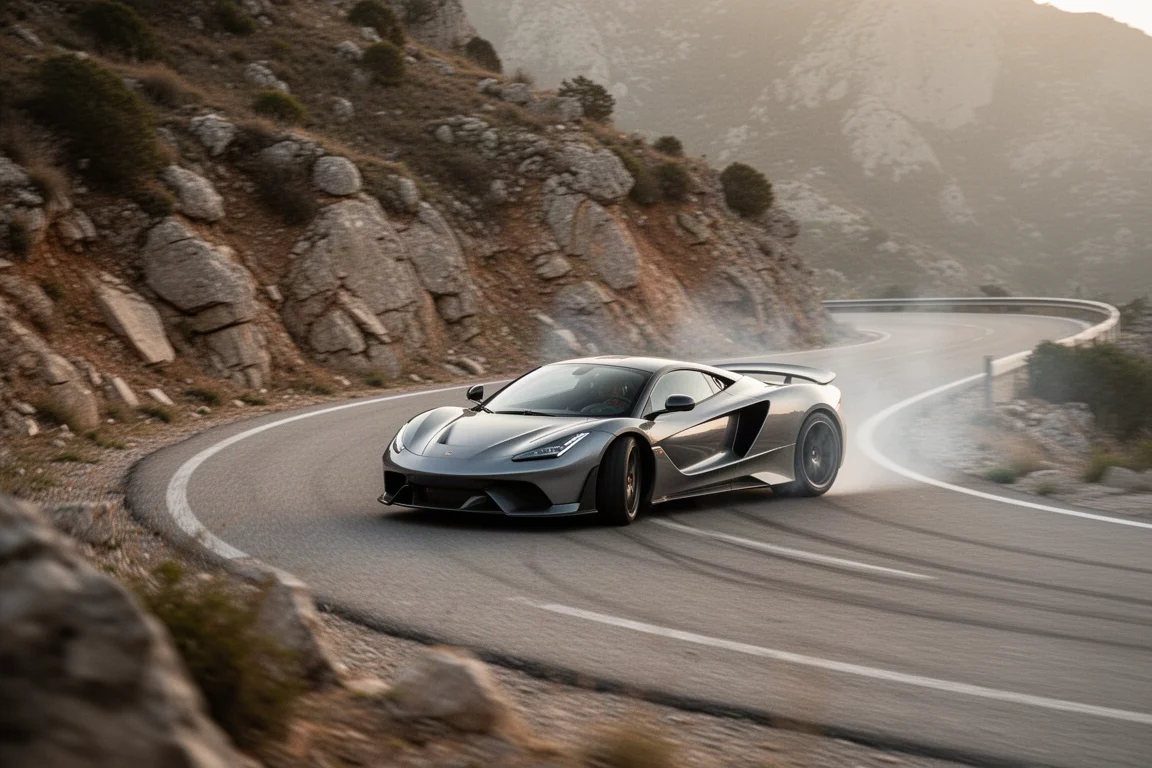
On the road, the front can push a little under load, but the new independent rear suspension, a claimed 75 percent increase in toe stiffness, and an electronically controlled mechanical e-diff (not brake-based) give the car lovely adjustability. It locks up aggressively in corners so you can slide the car, and it wants to slide quite a lot. The feel is more conventional than older McLarens, though. Previously, a McLaren was absolutely tuned into the surface; you read the road through the steering and the slight coarseness of the carbon tub. This one feels a generational leap on, a tiny bit more isolated. Still exciting, still goes hard, but it lacks the unhinged quality of a 720S or 765LT.
On the Track: The Talent Is There
At Ascari race resort, on track cars fitted with four-point harnesses and more aggressive Pirelli P Zero Corsa tires, things looked very good very quickly. The car feels pointier and more aggressive immediately, and the balance is good: a hint of entry understeer, then as soon as you are on the power it claws itself out of the corner. The e-diff finds excellent traction while still allowing plenty of oversteer.
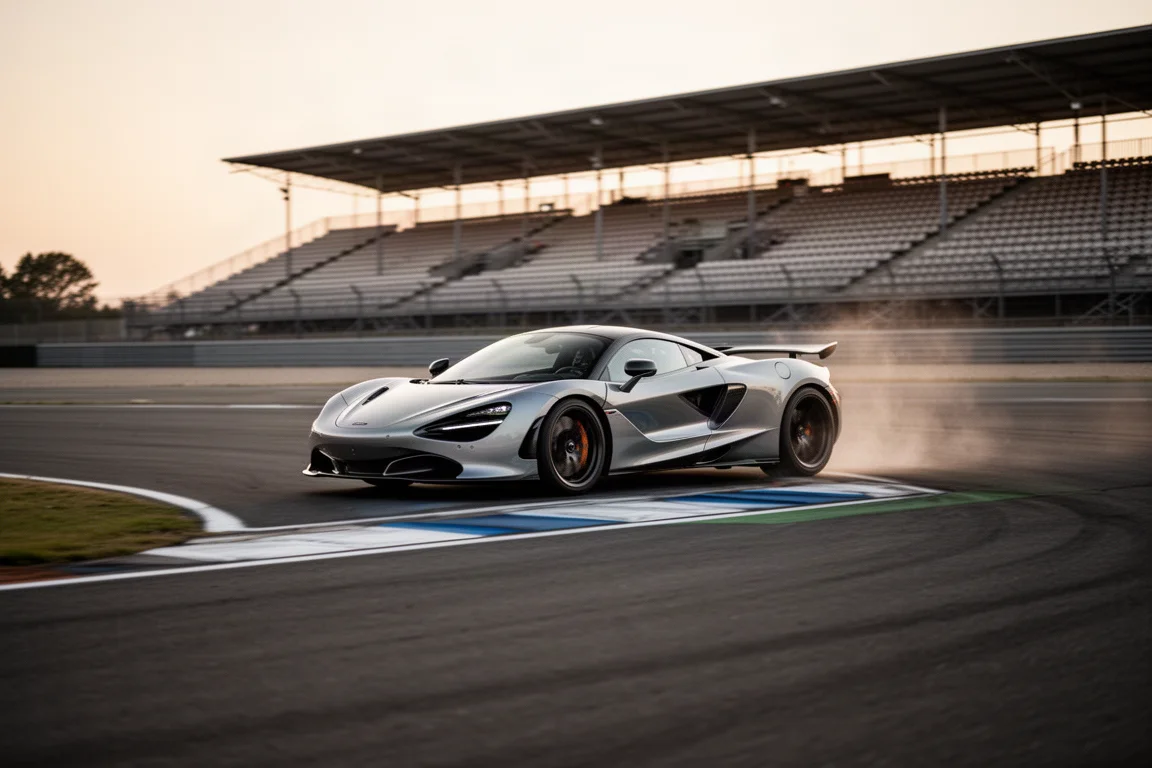
Wearing a helmet, you cannot hear much, and the engine no longer seems flat at all. You simply feel the performance, and there is a lot of it. Braking stability is excellent and the car wants to turn. The long gearing that seems almost ridiculous on the road, eight gears stretching to get on for 80 miles per hour in some gears, does not matter on track; there is so much torque and so much performance.
The irony is sharp: the car that felt too sensible on the road reveals far more agility and aggression at the limit. The underlying talent is real, but it requires real commitment to reveal in full. It needs to be more fun, more often, and that is one area where the characterful 296 GTB has a clear advantage.
Things to Consider Before Buying
Two important caveats. First, the launch cars were beset with software problems, which McLaren says will be solved for customer deliveries, along with a few mechanical failures, one of which made for a hasty evacuation on track. Second, very poor sales of the now entry-level McLaren GT suggest customers want accessible thrills rather than breadth at the expense of excitement, and the Artura walks that same line.
Buying Advice
The Artura is a very good car waiting to be coaxed out of a genuinely promising new platform and powertrain. If you want the most dramatic, most immediate McLaren experience available right now, the recommendation remains the same as before: buy a 720S and be happy. It is still the one. But if you want a quieter, more refined supercar with real track depth and electrified everyday usability, the Artura rewards patience and commitment.
Conclusion
The Artura is a true generational leap: brilliant steering, fantastic damping, an adjustable e-diff and an engine that revs and revs. But something is slightly missing on the road; the intensity and raw, grainy feedback of the old cars have been dialed back. Track it, and the platform’s potential is obvious. The verdict: a very good car not quite fully unleashed, and the 720S still holds the crown for pure fun.
Product link
View more details for McLaren Artura
This product is mentioned in the review. Check the specifications, options, and compatibility before buying.
View more details for McLaren ArturaFurther reading
Related Reviews
Supercars
Ferrari 296 GTB Review: The 830-Horsepower Hybrid Supercar That Feels Anything But Heavy
Ferrari's twin-turbo V6 plug-in hybrid delivers 830hp, striking agility, and a surprisingly friendly character on both road and track.
Supercars
Lamborghini Huracan STO Review: The Ultimate V10 Track Weapon
Lamborghini's most hardcore Huracan blends 631 hp, huge downforce, and a chassis that entertains at any speed. Here's what it's like flat out.
Supercars
McLaren 750S Review: A Lighter, Sharper Take on a Modern Supercar Icon
The McLaren 750S takes the brilliant 720S formula and pushes it closer to 765LT territory with more power, less weight, and a more neutral balance.