Supercars
McLaren 750S Review: A Lighter, Sharper Take on a Modern Supercar Icon
The McLaren 750S takes the brilliant 720S formula and pushes it closer to 765LT territory with more power, less weight, and a more neutral balance.
Introduction
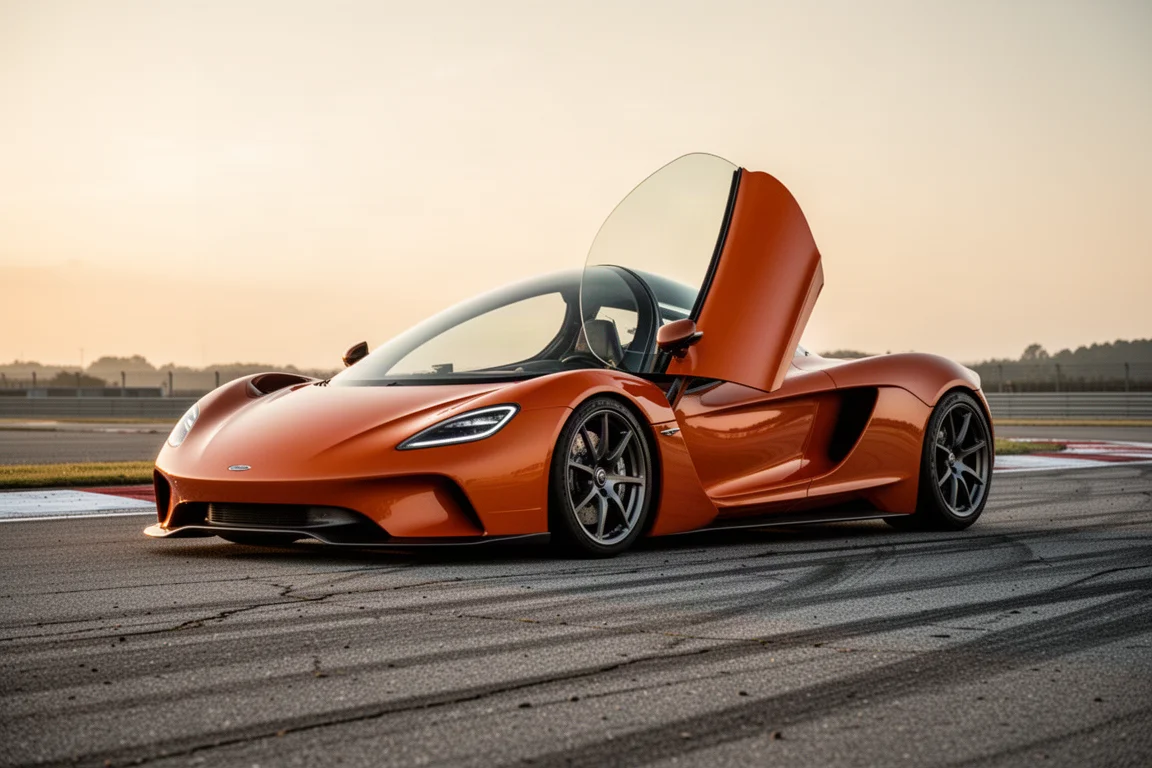
Some cars invite long explanations. The McLaren 750S mostly invites a question: what happens when a company takes a supercar it already nailed and pushes it even harder? This is, in essence, a 720S with roughly 30 more horsepower, 30 more Nm of torque, and 30 fewer kilos to carry around. There is no hybrid power, no battery pack, no complicated new philosophy to unpick. It is simply a lighter, more powerful evolution of one of the most complete supercars of its generation.
The 720S was always a difficult act to follow. Its appeal went far beyond the spaceship looks and straight-line performance: it combined genuine everyday usability, full-on supercar drama, and a real edge at the limit. The idea with the 750S was to stretch that capability further, pushing the top end right towards 765LT levels. That is a big ask, but after driving it hard on track and on the road, the answer is largely yes.
What Is the McLaren 750S?
The headline numbers tell part of the story: more power, more torque, and significantly less weight than the car it replaces. But McLaren did not stop there. The steering, already a strong point on any McLaren, is revised with a faster rack and a little more weight to the feeling of it. The settings for the trick cross-link dampers have been changed, with slightly softer springs at the front and stiffer ones at the rear to shift the balance and make the car more neutral.
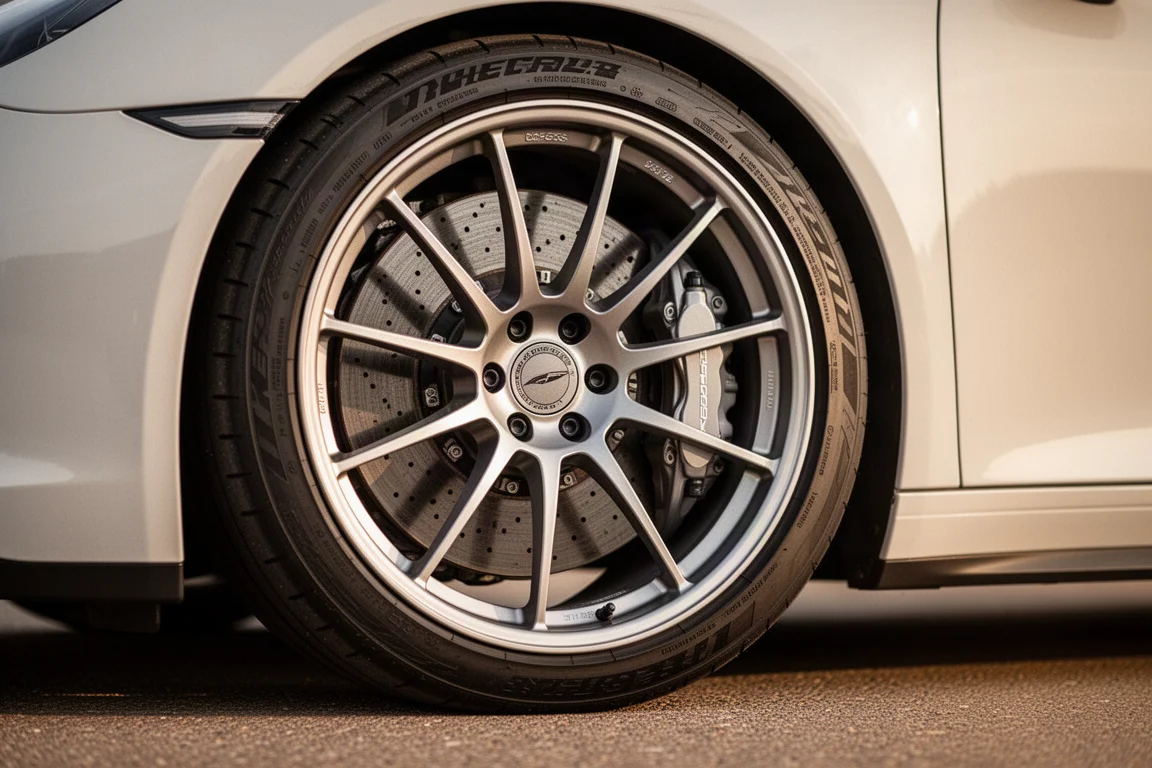
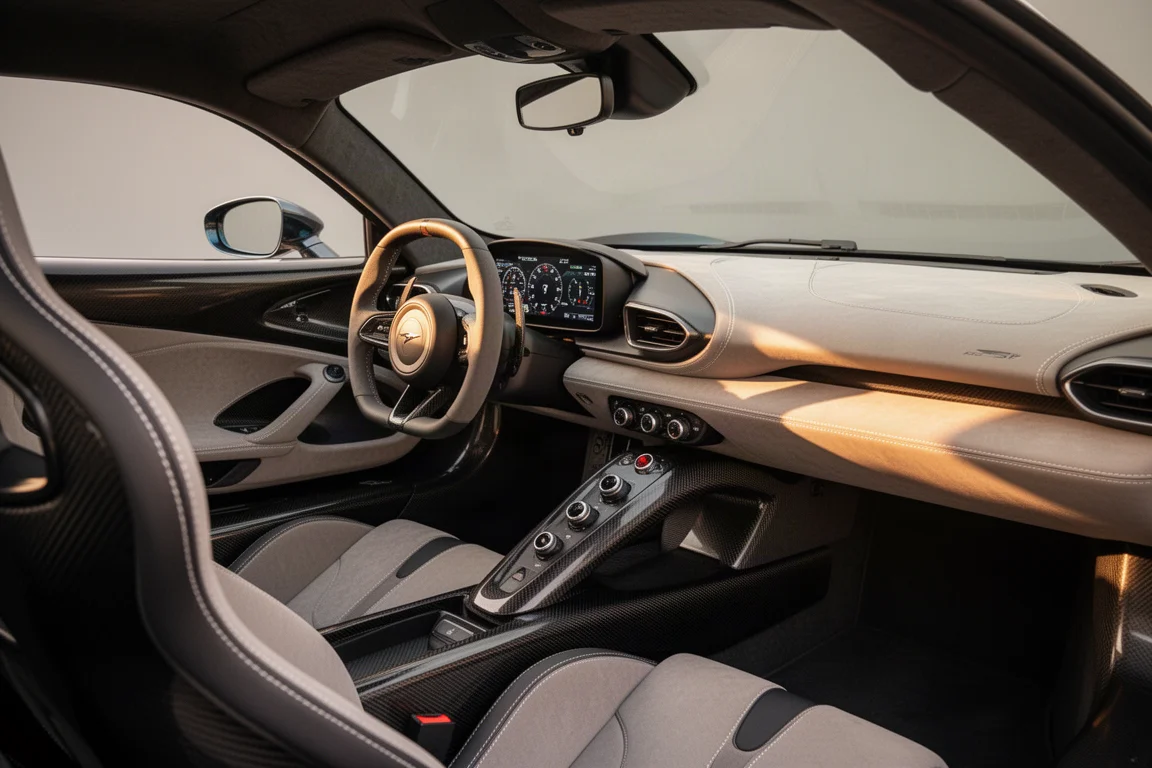
It also adopts the shorter final drive from the hardcore 765LT, benefits from an uprated brake system, and gains the new Artura-style dash. Some of those changes land better than others. The old sci-fi folding instrument binnacle is genuinely missed, and while the new rocker switch placement for powertrain and handling modes makes sense, the buttons themselves feel a bit cheap and insubstantial. At this level, nitpicking is part of the game, but it is worth noting.
How It Drives on Track
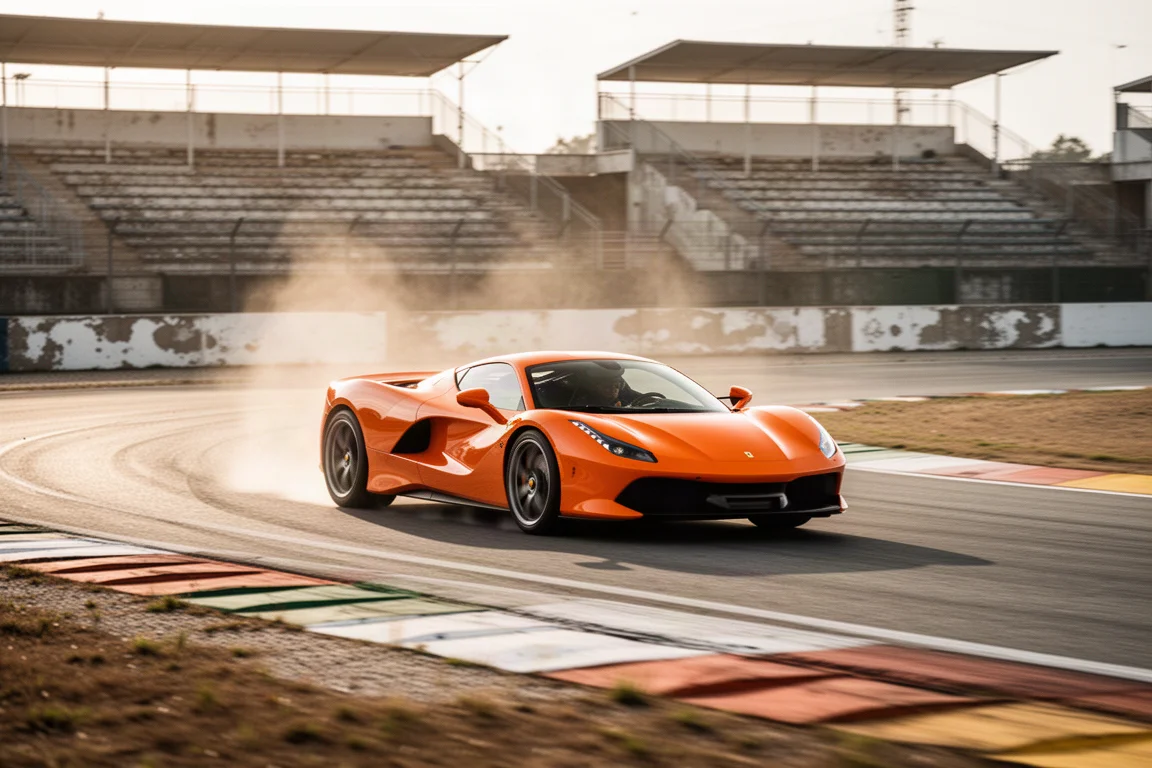
Driven hard at Estoril on a fresh set of track tyres, the 750S delivers an enormous amount of performance with a surprising amount of communication. There is fourth-gear wheel spin if you go looking for it, and you can hear it working at the limit. The car does without the new differential found in the Artura, but McLaren’s open differential has never been a problem: on the limit, the car is easy to read, needing just a bit of steering correction as it leans into its softer front and stiffer rear balance.
In track mode, with stiffer suspension engaged, the acceleration is ferocious, with real torque available at the top end. There is noticeably more feeling than in the 720S: the car feels more tied down, more locked down generally, with more weight in the steering, more front-end bite, and firmer brake feel. Some people dislike McLaren’s long brake pedal, but the extra firmness here retains the ability to modulate the brakes precisely, which is exactly what you want at speed.
The gearshift has gained a bit of kick, which felt less appealing in damp conditions but lovely and positive on a dry track. It remains a handful when you want it to be, with a bit of movement through fast corners when you let it run. That edge matters. A 750-horsepower car should not be too easy to drive, and the 750S keeps just enough of it to feel wicked while staying accessible. Some people do not get McLaren; it is genuinely hard to see why after driving this.
Usability on the Road
The road impressions, gathered in the 750S Spider, confirm that the usability of the 720S is retained. The ride remains really nice, the driving position is gorgeous, and the added steering weight and slightly more locked-down feel do not veer towards the much harsher 765LT.
Sport mode attempts to add plenty of drama with throttle-cut cracks on upshifts and downshifts, and overall the car is a bit of a riot. The engine is a strange one: in its delivery it has enormous character and a wicked, feral top end, but the noise itself lacks true sparkle. Mostly, though, as a road car it feels light, alive, and massively potent.
Two honest caveats emerge on the road. A Ferrari 296 GTB is sharper still, and the lack of a limited-slip differential does show up from time to time. But very little can live with the 750S, and it undercuts the Ferrari considerably on price, which matters at this end of the market.
Verdict: Job Done
It would be easy to say the 750S simply sits between the 720S and the 765LT, but that sells it short. It feels like its own thing: it borrows some of the 765LT’s edge, yet feels somehow more accessible, while still refusing to be watered down. It is not as manic as the Ferrari 296, and it delivers the lightness and controllability that make a supercar feel involving rather than intimidating.
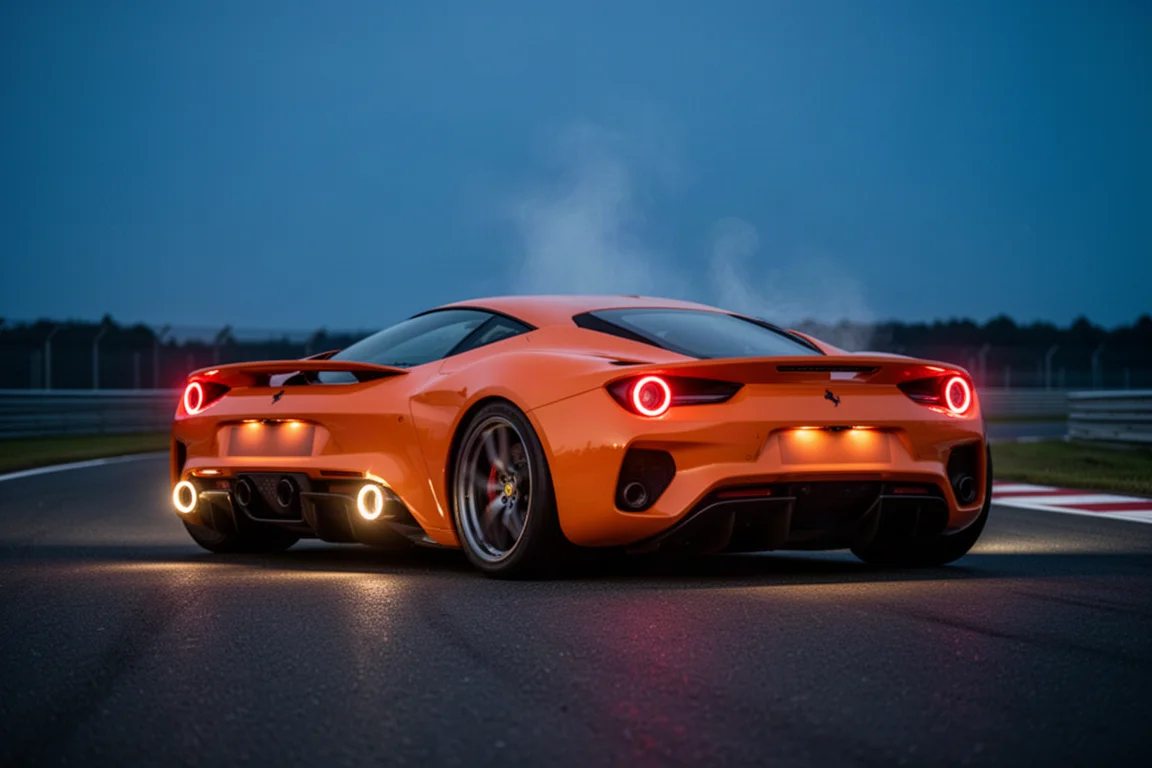
Manic yet accessible, usable but completely outrageous when you want it to be, and genuinely lightweight with all the benefits that brings: the 750S is a hell of a car, and much cheaper than the Ferrari 296 GTB. The engineering mostly fades into the background, letting you simply get stuck into the car, which is exactly what a great supercar should do. Consider the brief simple: McLaren took a brilliant car and made it better. Job done.
Conclusion
The McLaren 750S is a reminder that evolution can beat revolution. By combining more power, less weight, sharper steering, a more neutral balance, and LT-derived hardware, McLaren has produced a supercar with drama, usability, and a genuine edge. If you want the most complete mid-engine supercar experience without stepping into the hardest-core territory, the 750S makes a very strong case.
Product link
View more details for McLaren 750S
This product is mentioned in the review. Check the specifications, options, and compatibility before buying.
View more details for McLaren 750SFurther reading
Related Reviews
Supercars
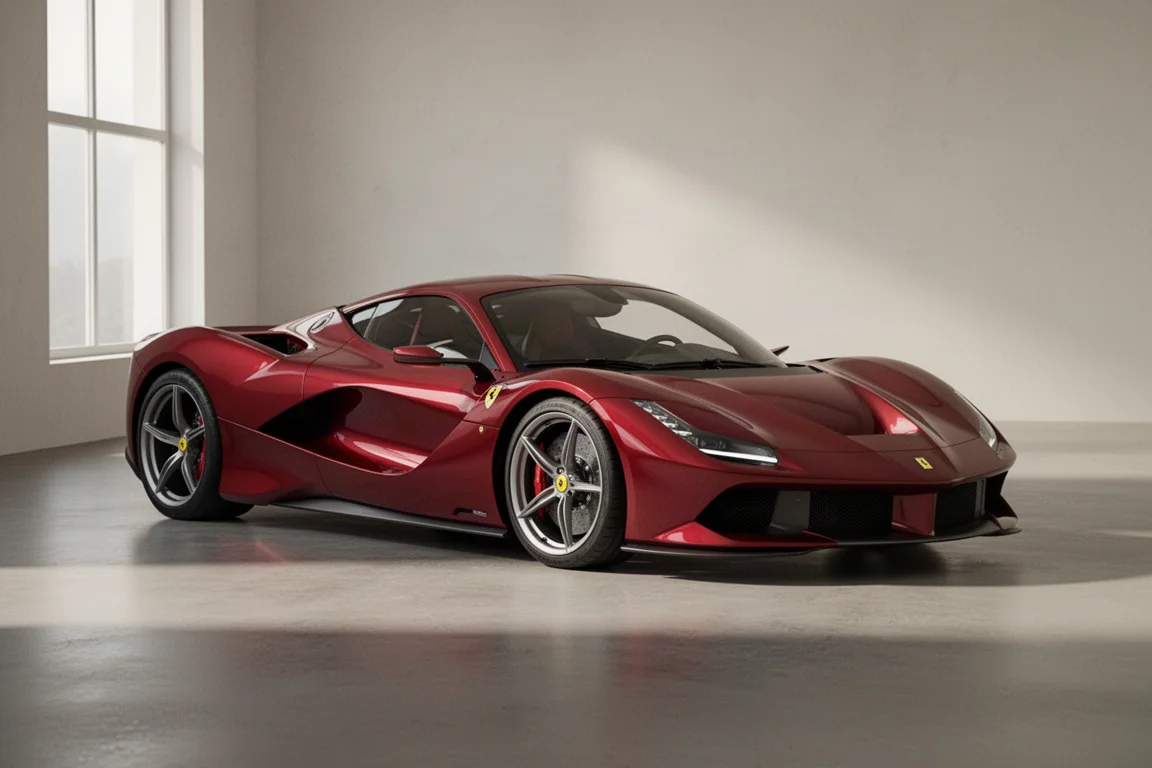
Ferrari 296 GTB Review: The 830-Horsepower Hybrid Supercar That Feels Anything But Heavy
Ferrari's twin-turbo V6 plug-in hybrid delivers 830hp, striking agility, and a surprisingly friendly character on both road and track.
Supercars
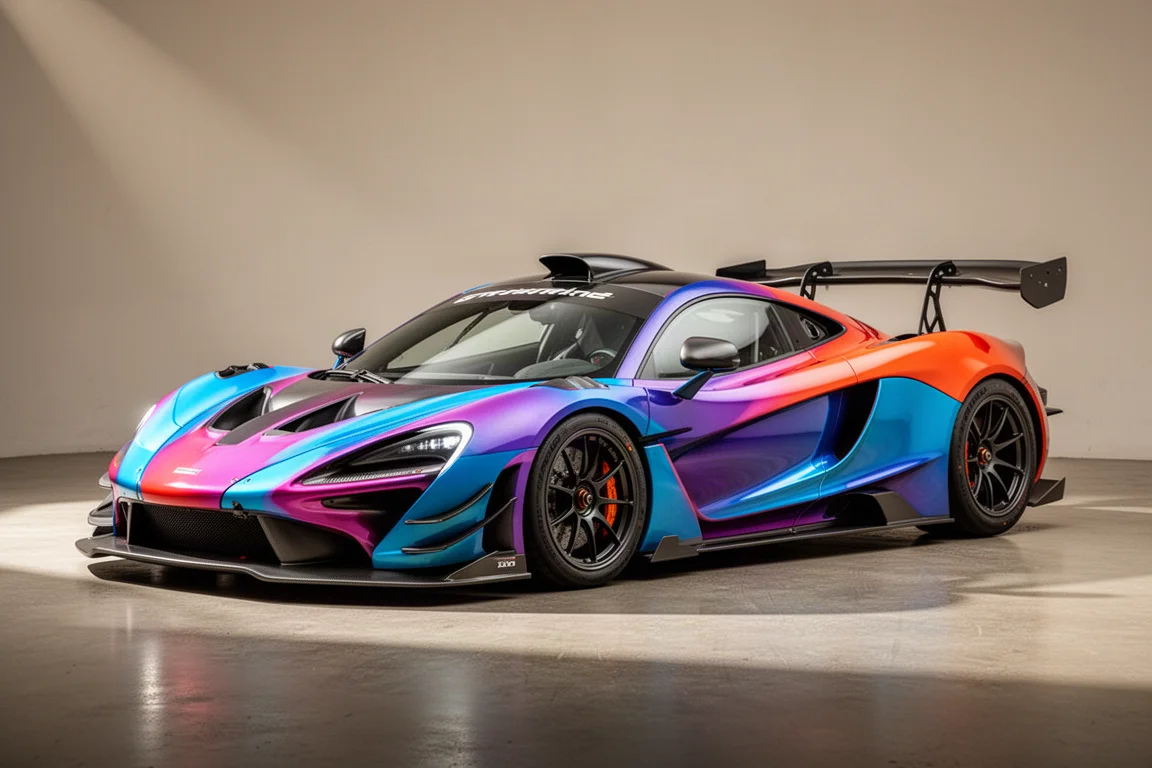
Lamborghini Huracan STO Review: The Ultimate V10 Track Weapon
Lamborghini's most hardcore Huracan blends 631 hp, huge downforce, and a chassis that entertains at any speed. Here's what it's like flat out.
Supercars
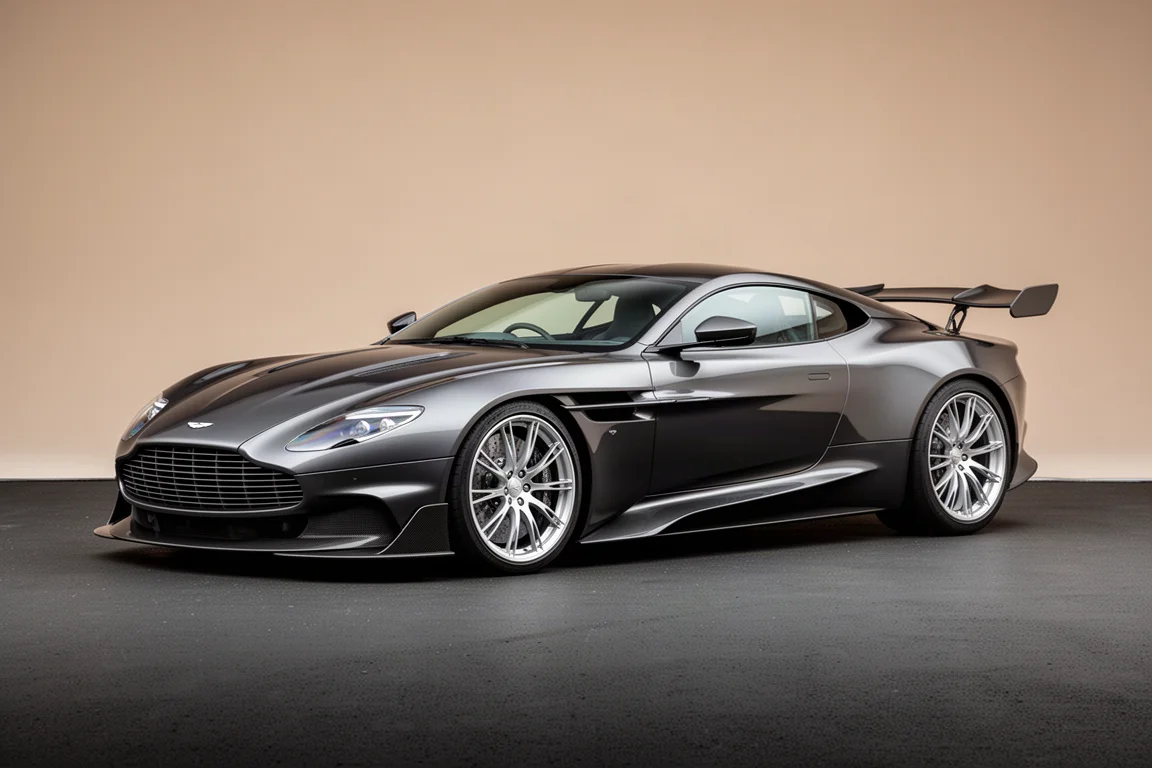
McLaren 765 LT Review: The Sharpest, Most Ferocious Road-Legal McLaren Yet
With 755 bhp, a 1,339 kg kerbweight and serious grip, the McLaren 765 LT is one of the quickest supercars we have timed, and a thrilling one to drive a step back from the limit.