Supercars
McLaren 788 HS Review: The Last Pure V8 McLaren Supercar
A 777bhp twin-turbo V8 send-off for the 750S platform, limited to just 200 cars. Here is what makes the 788 HS special and who it is really for.
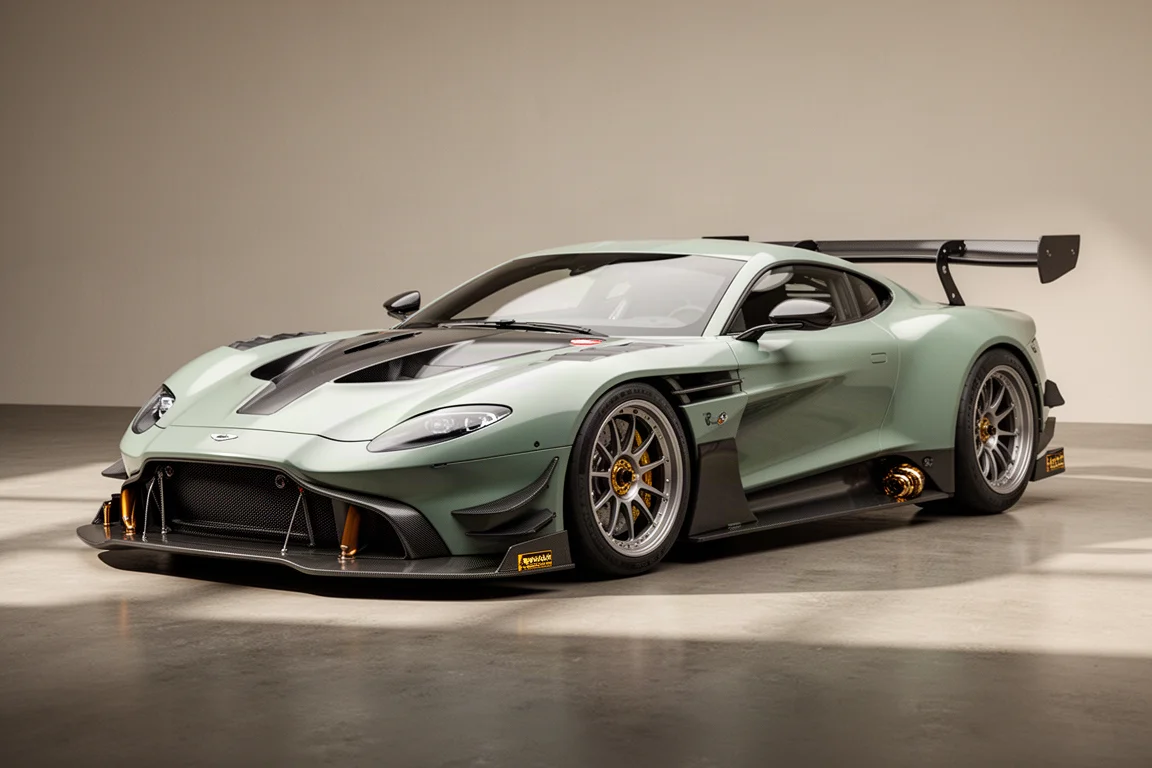
Introduction
McLaren is at a turning point. A new generation of cars is on the way, and they will be hybrid powered. That makes the 788 HS the end of an era: quite possibly the last pure twin-turbo V8 McLaren supercar. It is a send-off for the 720S and 750S platform, and it takes a formula many already consider close to perfect and pushes it to the extreme.
In simple terms, this is a 750S pushed to the max. There is no hybrid hardware at all. It is a rear-drive, twin-turbo V8 supercar with more power than the 750S, at 777 horsepower, and a genuinely low weight of around 1,265 kilos dry, much lighter than a lot of the competition. More power, new aero, and longtail-style chassis tuning: it sounds like a tantalizing recipe.
Who the 788 HS Is For
The HS badge has only been used twice before, on special versions of the 12C and 675LT. Those are some of the rarest cars McLaren makes, and each receives a thorough going-over from MSO, the McLaren Special Operations division. Customization is a big part of the HS treatment, but it goes well beyond surface-level tweaks.
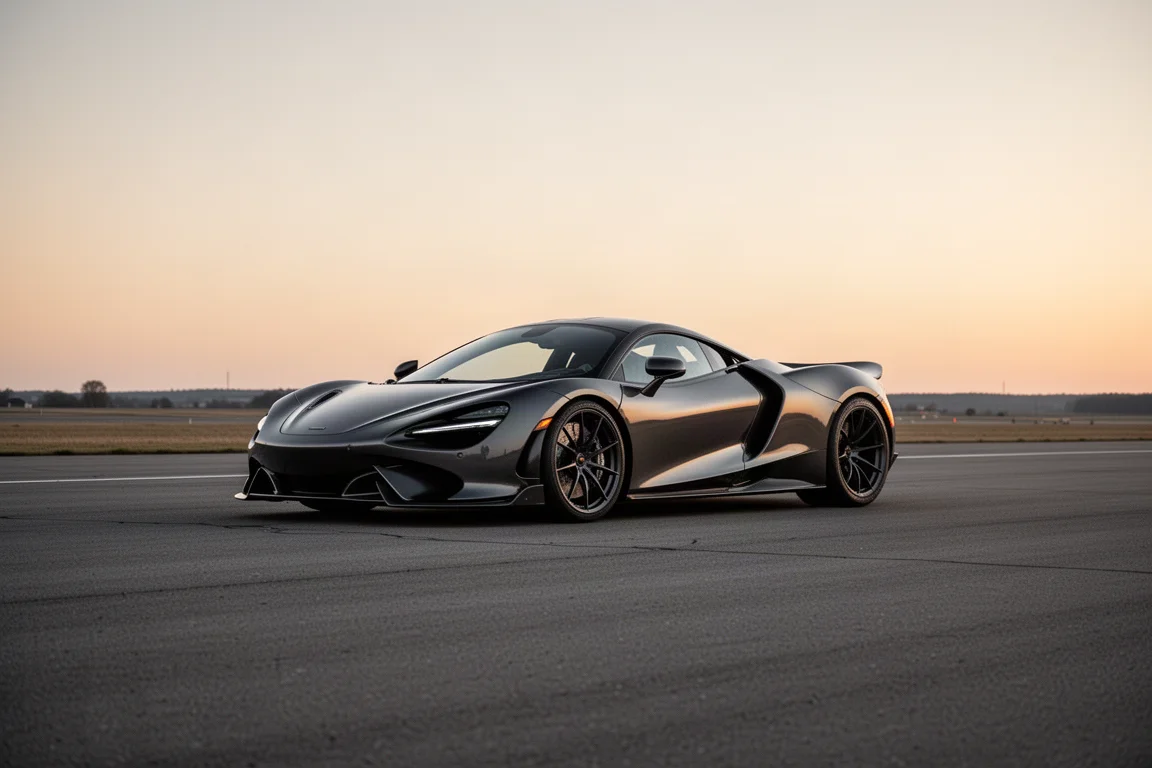
Mechanically, the 788 HS is essentially the LT version of the 750S that enthusiasts have always wanted. Underneath sits pretty much the same chassis hardware as the 765LT: the car rides 5mm lower on longtail springs with longtail damper tuning, now paired with McLaren’s latest Proactive Chassis Control system running improved software. The carbon brakes are derived from the Senna, and a wide set of bodywork changes increases downforce by 10 percent over the 765.
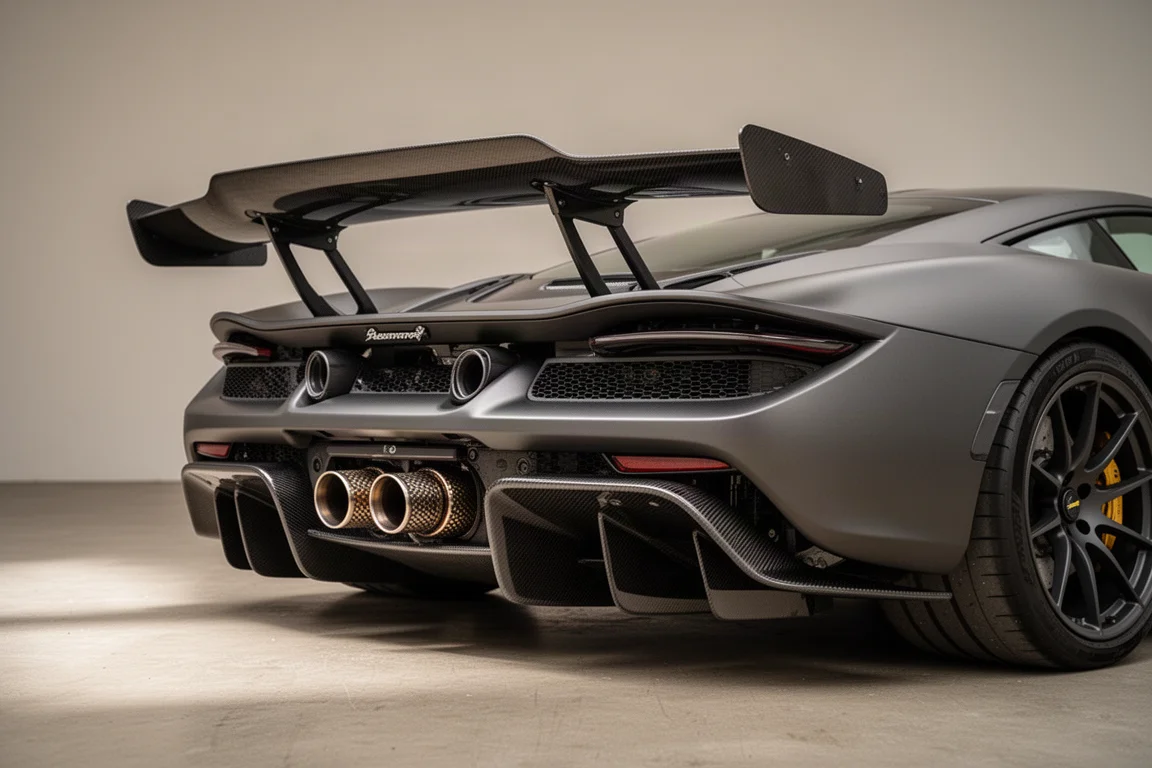
Interestingly, McLaren positions the HS as slightly more of a road car than the 675LT. It uses softer engine mounts and a slightly different engine sound profile suited to the road, even though it looks like a GT3 car with number plates. That combination suits buyers who want track-grade hardware without giving up everyday usability entirely.
Design and Aerodynamics
The bodywork is where the car makes its case. At the front, an S-duct channels air through the bumper and over the bonnet to generate more downforce, alongside a new splitter and new centre-lock wheels. Along the sides there are new skirts borrowed from the 765LT with an intake built in.
Around the back is the real drama. A massive carbon wing dominates the rear, and although it looks fixed, it is actually an active wing that can flip up and act as an air brake. There is a titanium exhaust with a textured finish and a carbon diffuser. The most charming detail is a snorkel rising from the rear window. It is not an engine intake, just a cooling duct, but it gives the car a wonderful resemblance to the old F1 GTR.
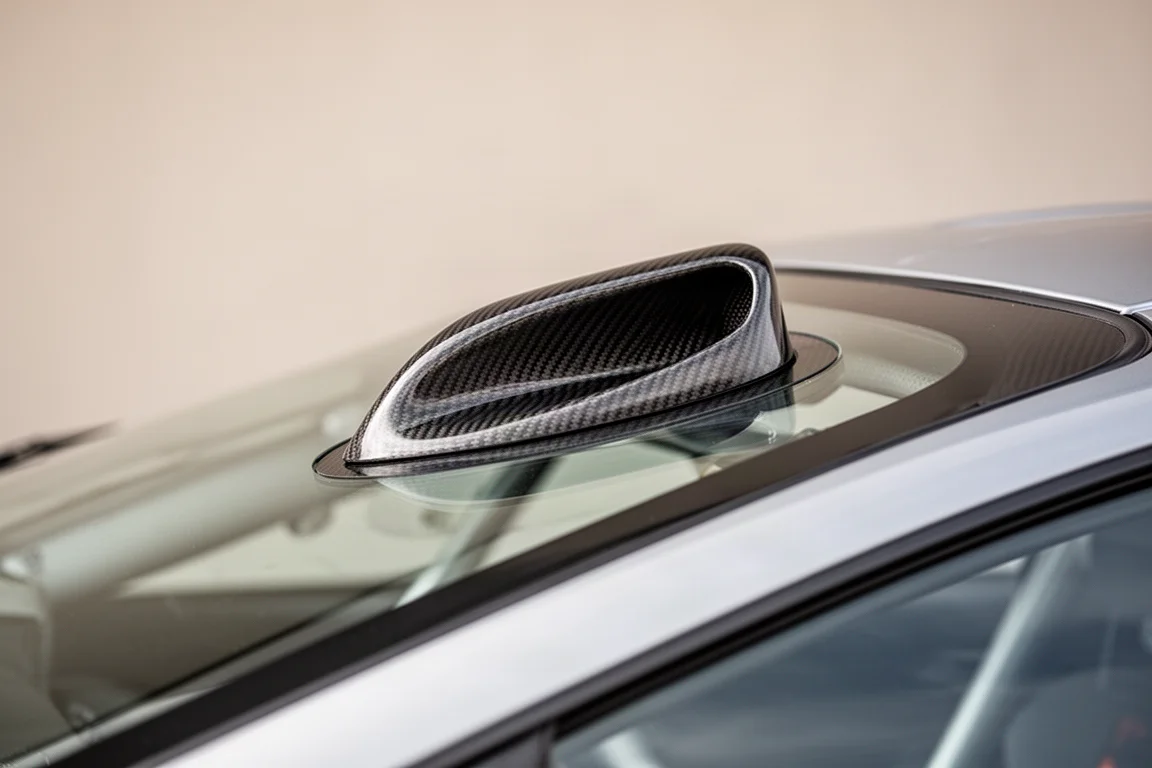
That snorkel is part of broader cooling improvements, and better cooling is what allowed McLaren to push the 4.0-litre twin-turbo V8 even harder.
Performance and Driving Hardware
The V8 now produces 777 brake horsepower thanks to a new engine map, while torque stays at 590 lb ft. Everything is sent through a 7-speed dual-clutch gearbox, still with an open diff and McLaren’s torque vectoring by braking. The rear tires are Pirelli Trofeo R rubber, but there is only so much power you can put through two rear tires. The 0 to 62 mph time is 2.8 seconds, no quicker than the 765LT, and top speed is 205 mph.
Interior and MSO Customization
Inside, the cabin is very familiar 750S territory, which is no bad thing. McLaren does driving positions as well as anyone: you sit nice and low, the wheel is perfectly centered, and the pedals sit centrally in the footwell, which makes left-foot braking easy.
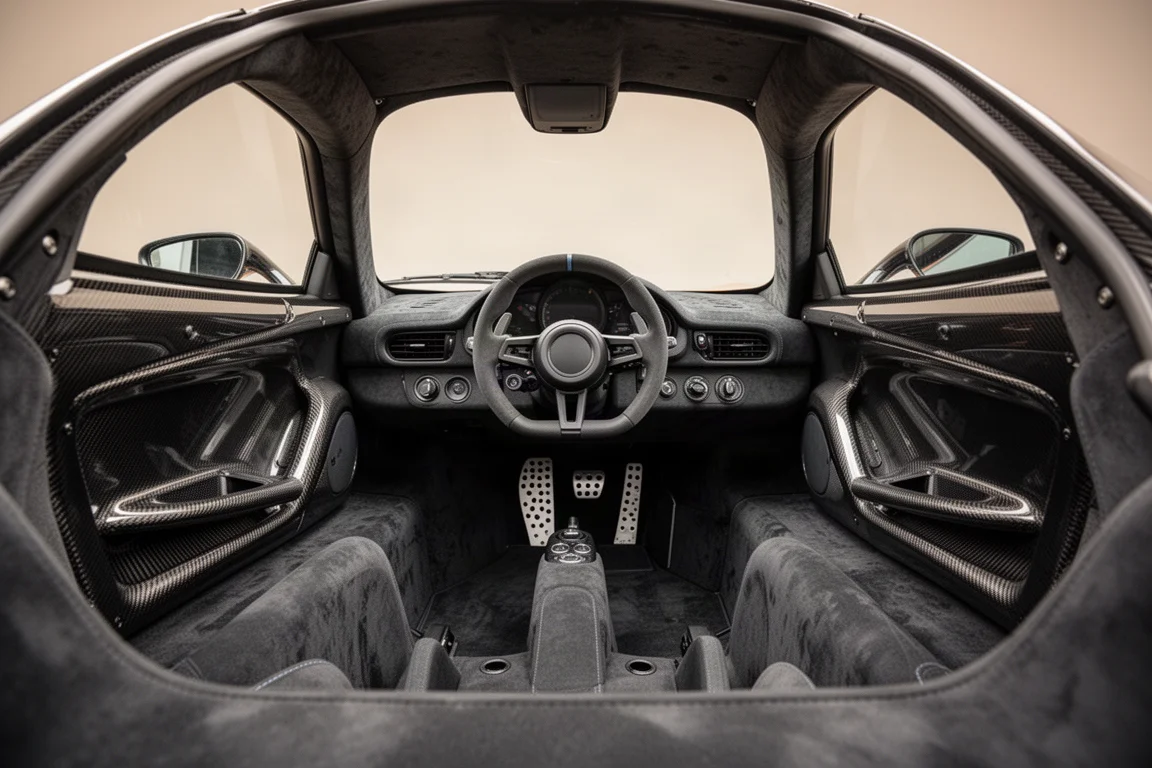
The environment is rich in detail. There is Alcantara everywhere, exposed carbon body structure visible out of the door aperture, a carbon fibre centre console with cup holders, and carbon-backed seats. Every single one of the 200 cars goes through MSO, so owners can customize the stitching, the seats, the finish on the carbon, and almost everything else.
Price, Allocation, and Availability
Rarity comes at a price. McLaren will not commit to an exact figure, but a 788 HS will likely cost around half a million. Even with the cash in hand, getting one is another matter: existing McLaren owners are prioritized in the allocation process and there is already a substantial queue. Production is capped at 200 units, split evenly between 100 Coupes and 100 Spiders.
What McLaren arguably still needs is something mainstream and new to take on Ferrari and Lamborghini. In the meantime, if the 788 HS channels any of the character of the older LT models, it could be remembered as one of the all-time greats.
Conclusion
The 788 HS is a car very few people will get to experience, which is a shame, because it has all the makings of an incredible, hugely exciting supercar. It is the most extreme expression of the platform that defined McLaren’s modern V8 era: simpler than what comes next, lighter, more powerful, and more focused. If you can secure an allocation, the hope is simple: that each owner actually drives and enjoys it for what it is.
Product link
View more details for McLaren 788 HS
This product is mentioned in the review. Check the specifications, options, and compatibility before buying.
View more details for McLaren 788 HSFurther reading
Related Reviews
Supercars
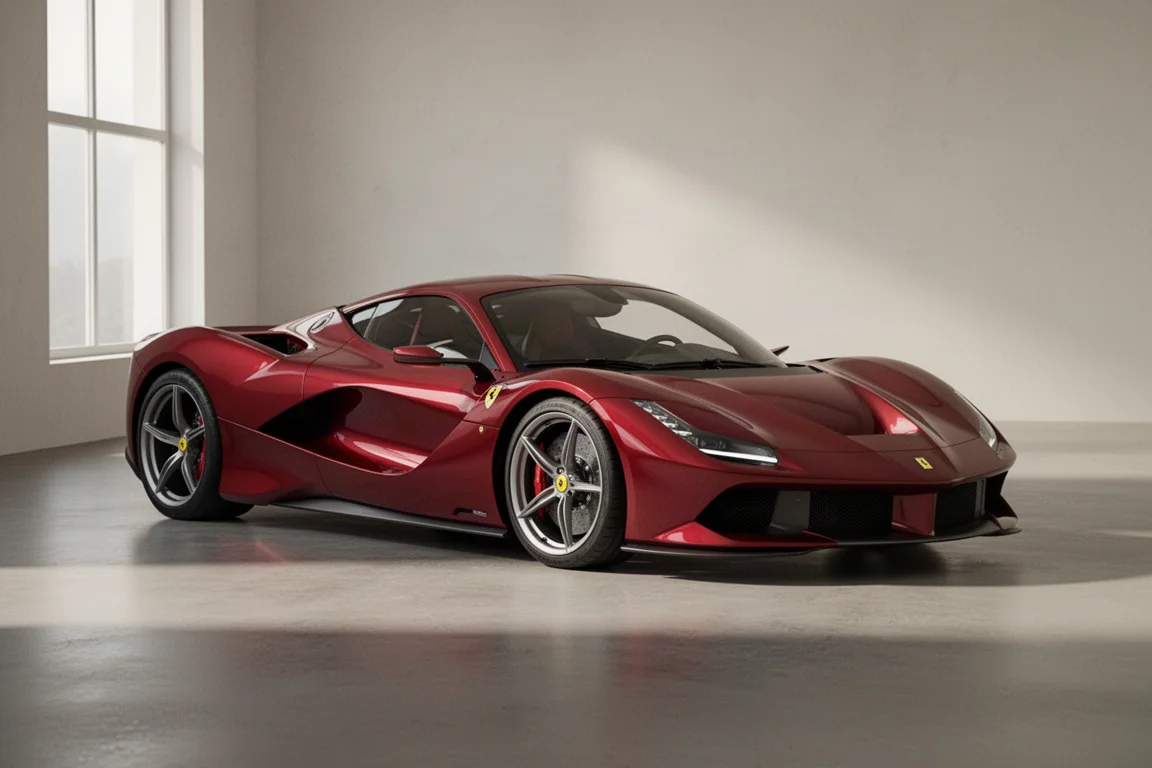
Ferrari 296 GTB Review: The 830-Horsepower Hybrid Supercar That Feels Anything But Heavy
Ferrari's twin-turbo V6 plug-in hybrid delivers 830hp, striking agility, and a surprisingly friendly character on both road and track.
Supercars
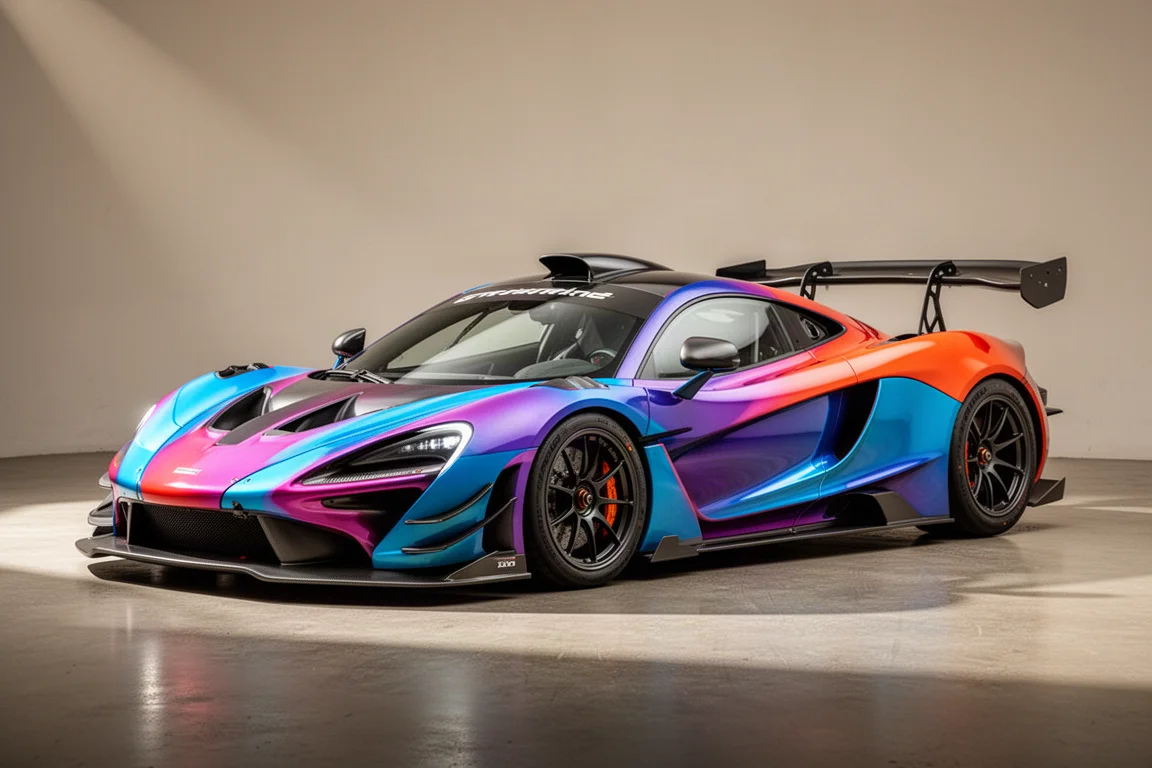
Lamborghini Huracan STO Review: The Ultimate V10 Track Weapon
Lamborghini's most hardcore Huracan blends 631 hp, huge downforce, and a chassis that entertains at any speed. Here's what it's like flat out.
Supercars
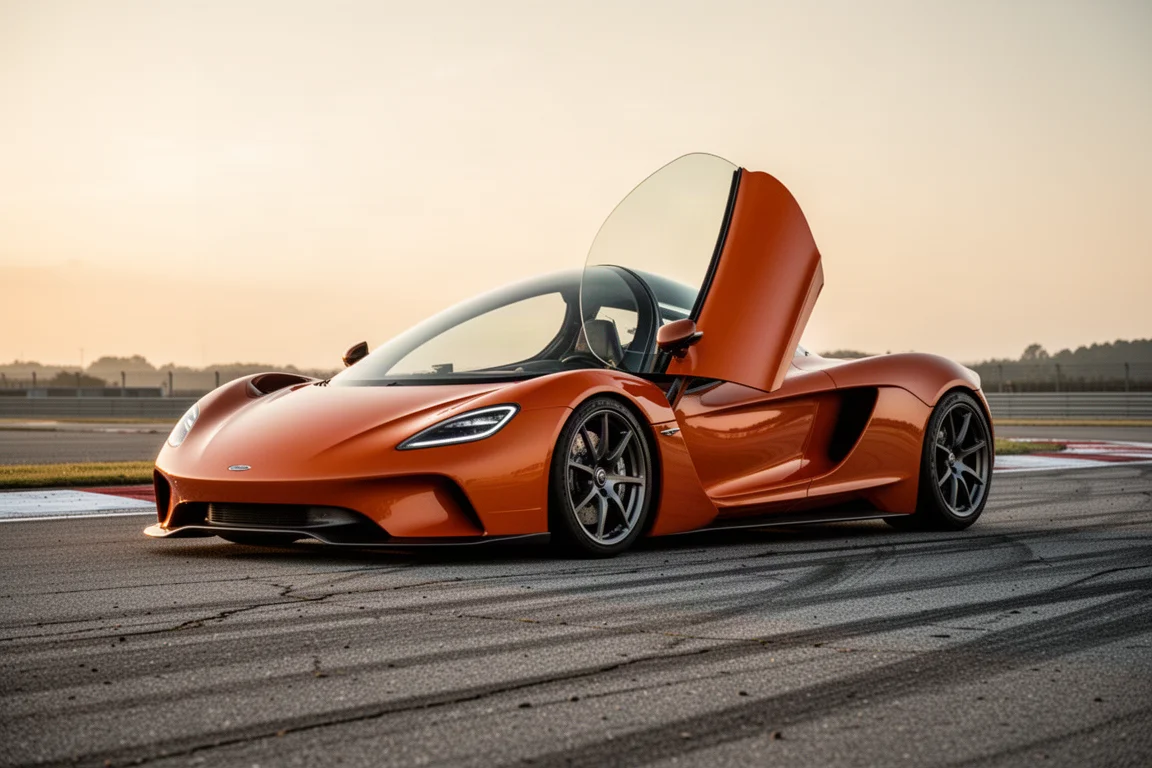
McLaren 750S Review: A Lighter, Sharper Take on a Modern Supercar Icon
The McLaren 750S takes the brilliant 720S formula and pushes it closer to 765LT territory with more power, less weight, and a more neutral balance.