Audio
McIntosh MX200, C-55, and MHT300: Which Preamp Fits Your System?
A close look at three McIntosh front ends: the MX200 home theater processor, the analog-focused C-55 preamp, and the all-in-one MHT300 receiver.
Introduction
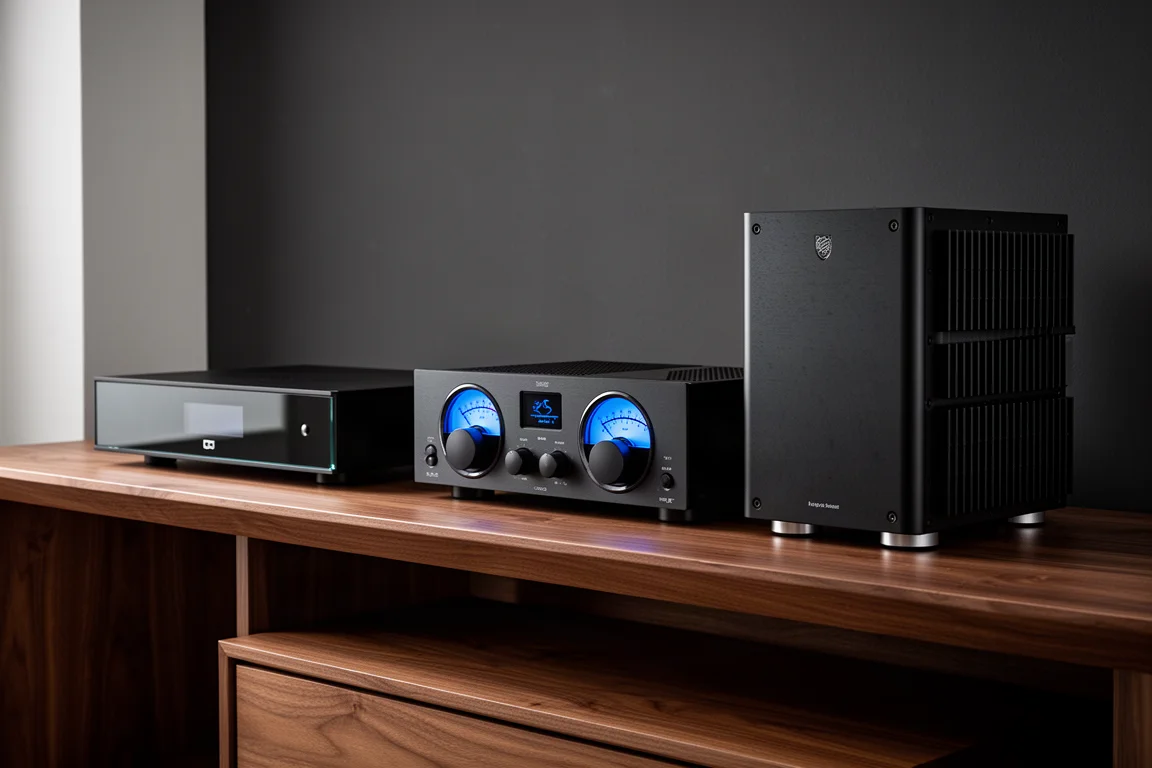
McIntosh builds two very different kinds of front end. On one side sits the C-55, a stereo preamp with solid-state ease of use, a built-in DAC with HDMI, and the brand’s iconic blue meters, priced above $10,000. On the other sits the MX200, a home theater processor that shares its family tree with the MHT300, the company’s only AV receiver. The interesting question is not which one is better built. It is which one belongs in your system.
This guide compares the MX200, the C-55, and the MHT300 on the things that shape day-to-day ownership: connectivity, setup, room correction, and how each behaves once the lights go down.
Why the MX200 Changes the McIntosh Buying Conversation
Take the MHT300, remove its Hypex amplifier modules, and drop the price by about a grand, and you have the MX200. That is the short version, and it explains why the processor is such an appealing proposition for anyone who already owns, or plans to own, a separate McIntosh power amplifier.
The appeal is straightforward. A processor gives you the flexibility of a multi-channel front end, while a traditional McIntosh amplifier supplies the character many listeners associate with the brand. Pairing the two can also cost meaningfully less than a comparable stereo preamp front end, which is a rare thing to say about anything wearing this badge.
McIntosh does not chase every feature. The MX200 deliberately omits wireless connectivity and streaming, on the argument that those functions change frequently and can work against performance. What remains is a focused processor with the essentials done properly.
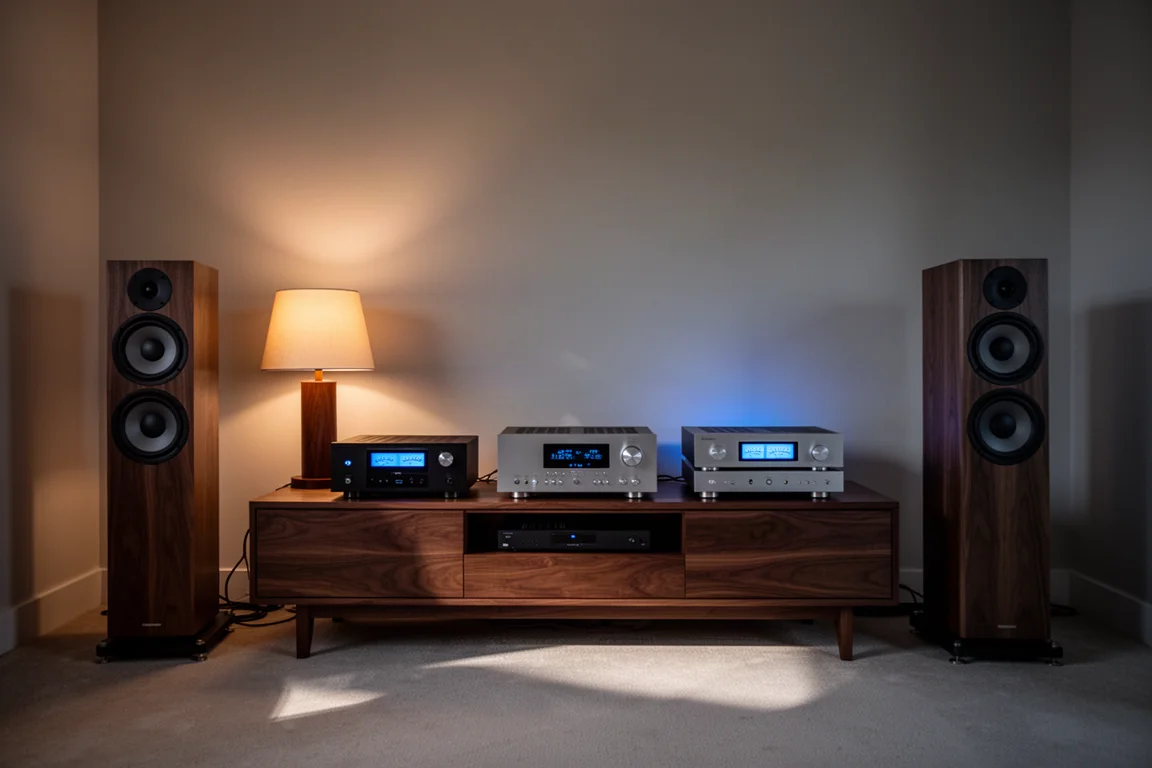
That restraint is the point. If you want an all-in-one box that streams, the MX200 will not be the answer, and McIntosh is not pretending otherwise.
McIntosh MX200: Design and Connectivity
The MX200 is an 11.2-channel Dolby Atmos preamp processor. Its analog section includes three sets of inputs, one of which is a moving magnet phono stage, so a turntable can connect directly without an outboard box.
Digital connectivity covers a built-in DAC with a pair of coaxial and a pair of optical inputs, plus four 4K120-compliant HDMI inputs and a single HDMI monitor output that supports eARC. Analog outputs are balanced throughout, which is ideal with McIntosh amplifiers and worth planning for if your power amplifier only accepts single-ended connections. Two independent subwoofer outputs are provided, and these use RCA connectors rather than balanced ones.
The chassis is modest for a processor: a little over 4 inches (11.1 cm) tall and 17 lb (7.7 kg), which makes it far easier to slide into a rack than a large power amplifier. There is no on-screen display and no Wi-Fi. Setup and configuration happen over Ethernet through a browser-based interface, while the front display and remote handle on-the-fly adjustments such as channel levels.
McIntosh C-55: The Analog-First Preamp
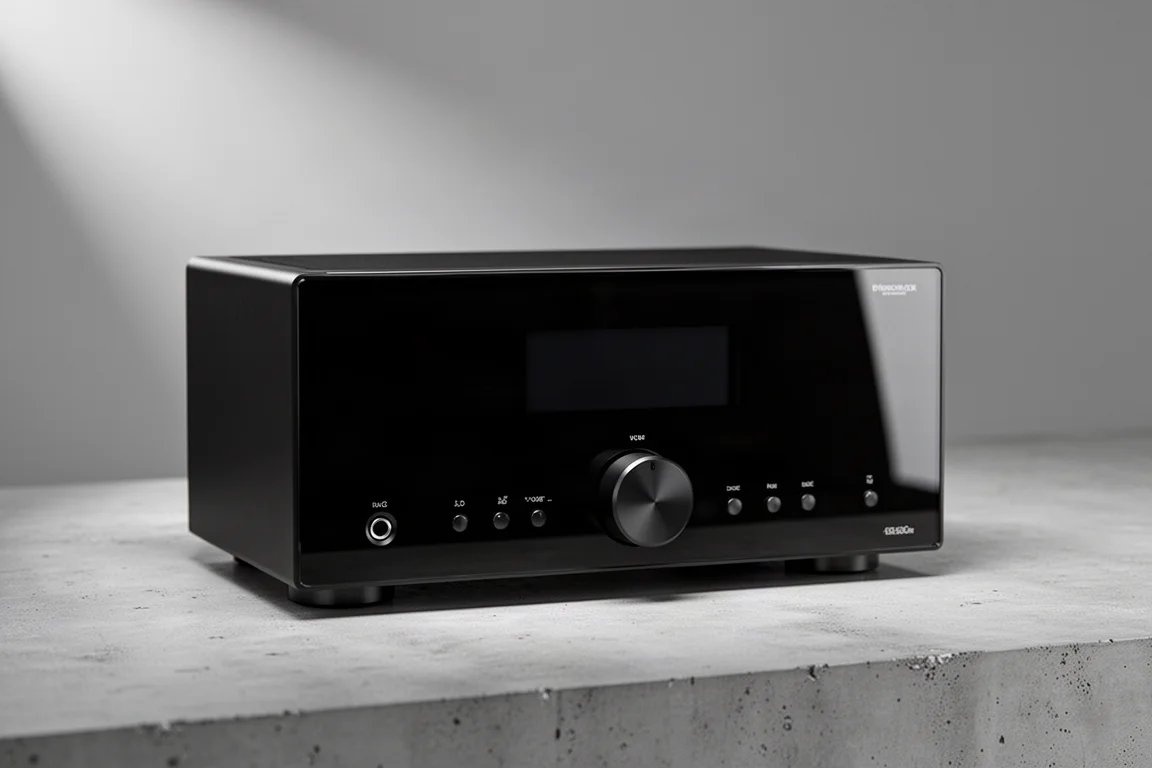
The C-55 is the traditionalist’s option: a stereo preamp with superb analog performance, a built-in DAC, HDMI, and those unmistakable blue meters. On paper it holds a slight edge in measured signal-to-noise ratio and distortion characteristics, which is exactly what you would expect from a dedicated two-channel design costing more than $10,000.
In practice, the gap is narrower than the spec sheet suggests. In solid-state to solid-state comparisons, tonality, presence, definition, and scale stayed remarkably close between the two McIntosh front ends. The C-55 remains the better choice for listeners who put vinyl first and want the most refined analog path available.

Where the C-55 gives up ground is flexibility. It is a stereo component at heart, so it cannot manage a multi-channel system or offer the same degree of room tuning and expandability that a processor provides.
McIntosh MHT300: The All-in-One Receiver
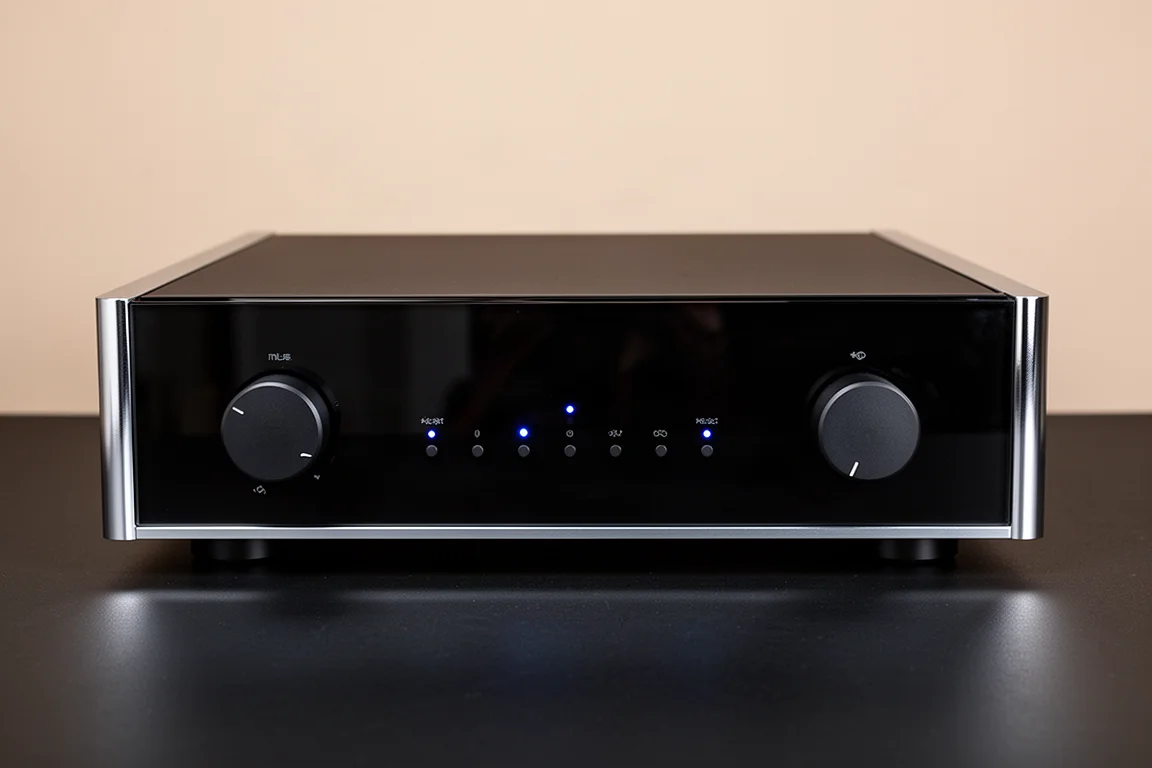
The MHT300 is McIntosh’s only AV receiver, and it is the most self-contained option of the three. Amplification is built in, so the system needs fewer boxes and fewer cables. It also includes preamp outputs, which means additional or different McIntosh amplifiers can be added later.
The trade-off is character. The Hypex amplifier modules inside the MHT300 perform well, but they do not carry the same voice as McIntosh’s traditional amplifier designs. Listeners who already know and love that voice may find the receiver’s amplification less satisfying than a separates approach.
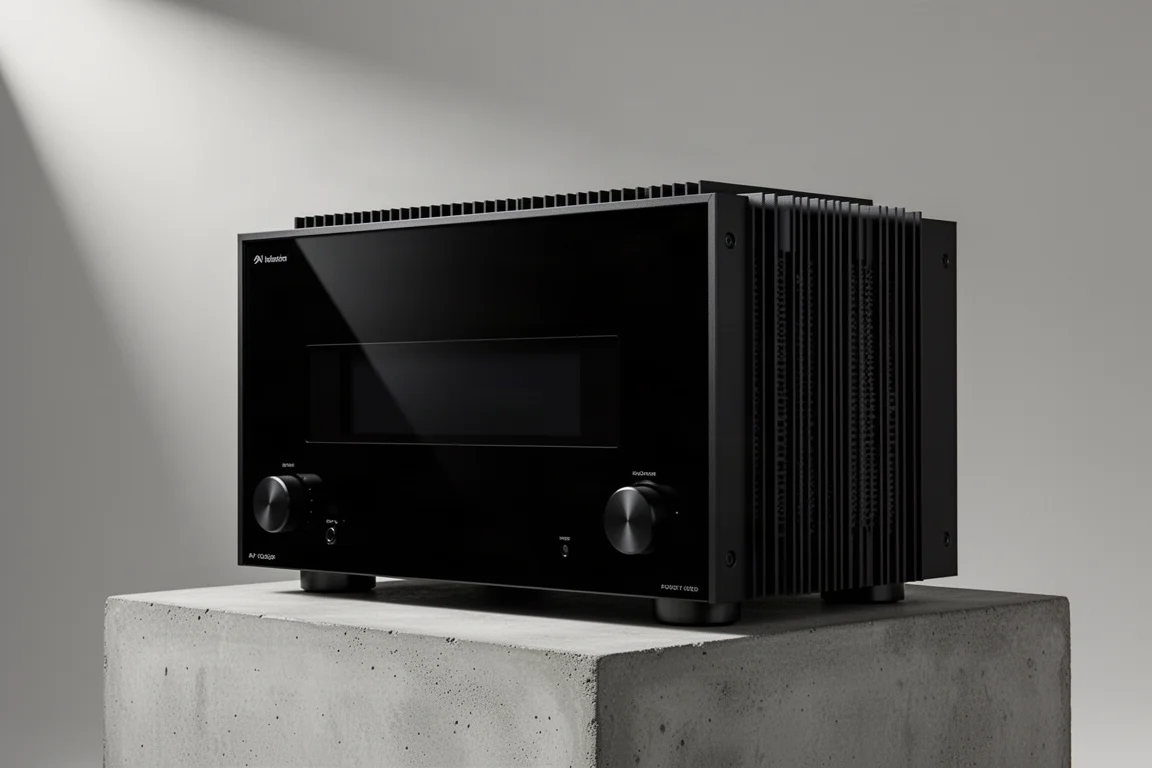
That leaves a clear split. If simplicity matters most, the MHT300 delivers it. If you want the option of choosing your own amplification, starting with the MX200 and buying once tends to make more sense than buying a receiver and adding amplifiers later.
Setup and Room Correction
Setup is where the MX200 shows its installer-friendly side. Connecting over Ethernet and opening the web interface is dramatically quicker than navigating menus with a small front display and a remote. Once the network connection is in place, the system is ready in record time.
Room correction is a headline feature, and the MX200 ships with the full version of the software rather than the bass-only edition. A microphone and a full-size microphone stand are included, and calibration runs through free desktop software for both PC and Mac. Multiple multi-point calibrations can be stored as separate profiles, each audibly distinct and easy to recall from the remote. Across configurations from two-channel up to 5.1.4, that flexibility made fine-tuning speakers to a room genuinely straightforward.
HDMI behaviour is mostly uneventful in the best way. The eARC connection acquires a signal quickly, and all sources passed through the processor’s inputs without signal loss. Intermittent dropouts that appeared during evaluation tracked back to the display rather than the processor, and they disappeared once sources were connected directly to the MX200. Control over HDMI worked without fault. The one cosmetic note involves Dolby Vision content, where on-screen overlays look less crisp and the overlay bar does not hold the same deep black as it does over non-HDR material. The front display can be switched off entirely if that bothers you.

One practical tip for anyone running several balanced interconnects to a multi-channel amplifier: a multi-channel cable snake keeps the rack tidy and costs far less than a shelf of boutique cables, with no audible penalty in a typical home theater run.
Listening Notes: Stereo and Surround Performance
In stereo, the MX200 does nothing to get in the way of a good amplifier. With a traditional McIntosh power amplifier attached, bass was deep and layered with a fuller, slightly warmer tone than a drier, more neutral alternative. The midrange and treble gained body and bloom, and high frequencies stayed extended while remaining smooth, breathy, and grain-free even at concert-like levels. Presence, realistic scale, and a sense of true-to-life dimension carried across every track.
Room correction produced a measurable improvement in in-room speaker response, though preference still matters. Some listeners will prefer the sound of their speakers with no EQ applied at all, which is easy to arrange since correction can be toggled off from the remote.
In surround use, the processor is balanced, nuanced, and controlled, and it never becomes fatiguing. Perhaps the best compliment is that it disappears: once configured, the only routine adjustments are volume and switching correction on or off, leaving you to follow the film rather than the gear.
Buying Advice: Which McIntosh Path Fits You
Three clear use cases emerge.
Choose the MX200 if you are a separates enthusiast. It offers the flexibility, customization, and expandability of a home theater processor, it can serve as a stereo preamp without giving up the character of a traditional McIntosh amplifier, and it can save a meaningful amount compared with a dedicated high-end stereo preamp. It is the option to build a system around, particularly if you intend to add amplification of your own choosing.
Choose the C-55 if analog performance is the priority. Listeners with a vinyl-focused setup will appreciate its slightly better analog experience and its measured edge, and the blue meters remain part of the appeal.
Choose the MHT300 if you want one box, fewer cables, and built-in amplification, accepting that its amplifier modules do not sound like McIntosh’s traditional designs.
It is worth being honest about expectations. The MX200 omits Wi-Fi streaming and offers a relatively limited user interface, and competing processors at similar prices often provide more channels and richer interfaces. Within McIntosh’s own lineup, however, the value story is clear.
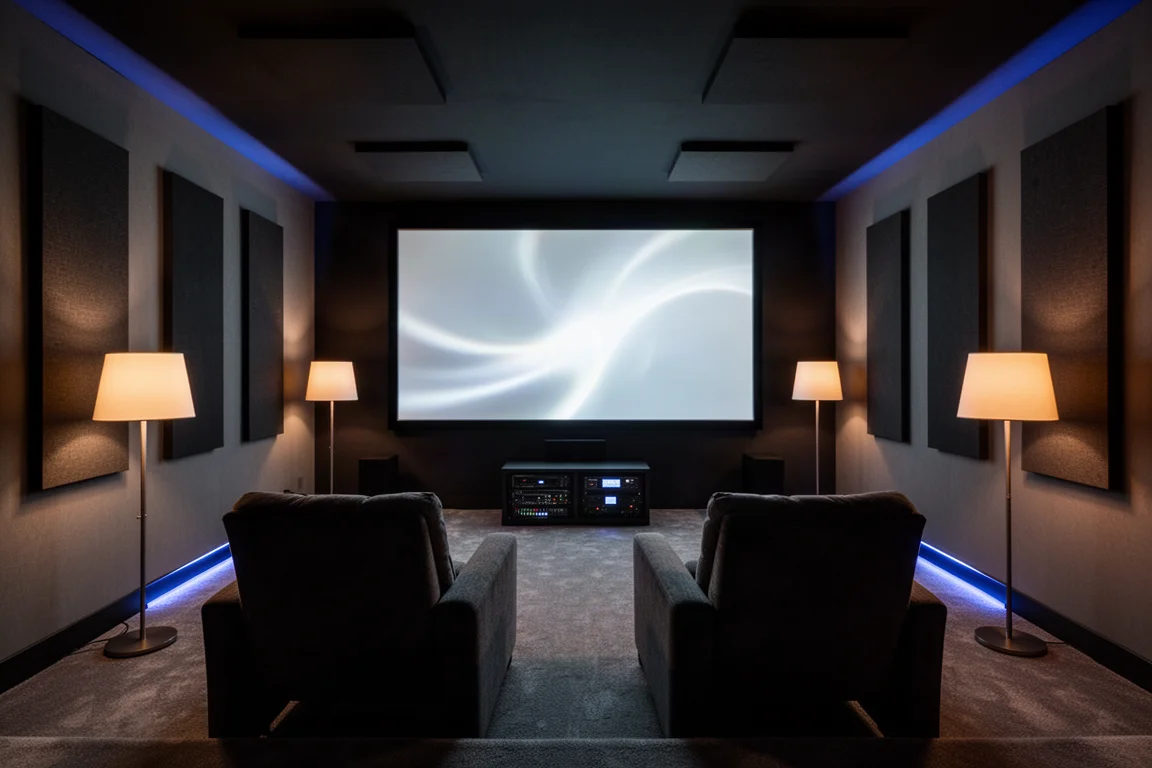
Before deciding, think about the room itself. If your system and room are already dialled in to an extreme degree, the C-55’s analog advantage may be worth the premium. For most two-channel and home theater setups, the MX200’s flexibility is likely to matter more than fractional differences in measured performance.
Conclusion
The MX200 answers a question worth asking: can a home theater processor serve as a high-quality stereo preamp while adding multi-channel flexibility? In this case, yes. It pairs the convenience of a processor with the voice of a traditional McIntosh amplifier, keeps setup clean through Ethernet and desktop calibration, and costs less than the dedicated stereo alternative.
The C-55 remains an exceptional stereo preamp and the better pick for analog-first listeners. The MHT300 remains the simplest path to a McIntosh system. For listeners who want options and plan to choose their own amplification, the MX200 is the one to build around.
Further reading
Related Reviews

Audio
Apos x Geshelli Merlin DAC Review: A Natural Match for the Gremlin Amp
The Apos x Geshelli Merlin DAC pairs balanced and single-ended outputs with a smooth, natural sound that complements the Gremlin tube amp.
Audio
Audio Gear That Beats Pricier Rivals: Nine Value Picks for 2026
Nine turntables, streamers, speakers, and amplifiers that deliver far more than their price suggests, plus the trade-offs worth checking before you buy.
Audio
Best Amplifiers Under $200: Four Compact Stereo Amps Worth Considering
Four compact amplifiers under $200, from a class AB design with a headphone section to a DAC-equipped integrated amp and a low-cost pick from a US-based brand.