Backpacking Tents
MC2 Mount One-Person Backpacking Tent Review: Light, Compact, and Budget Friendly
A 3 lb solo shelter with a 4,000 mm hydrostatic head fly, a wide 33 inch interior, and a packed size small enough to disappear into a pack.
Introduction
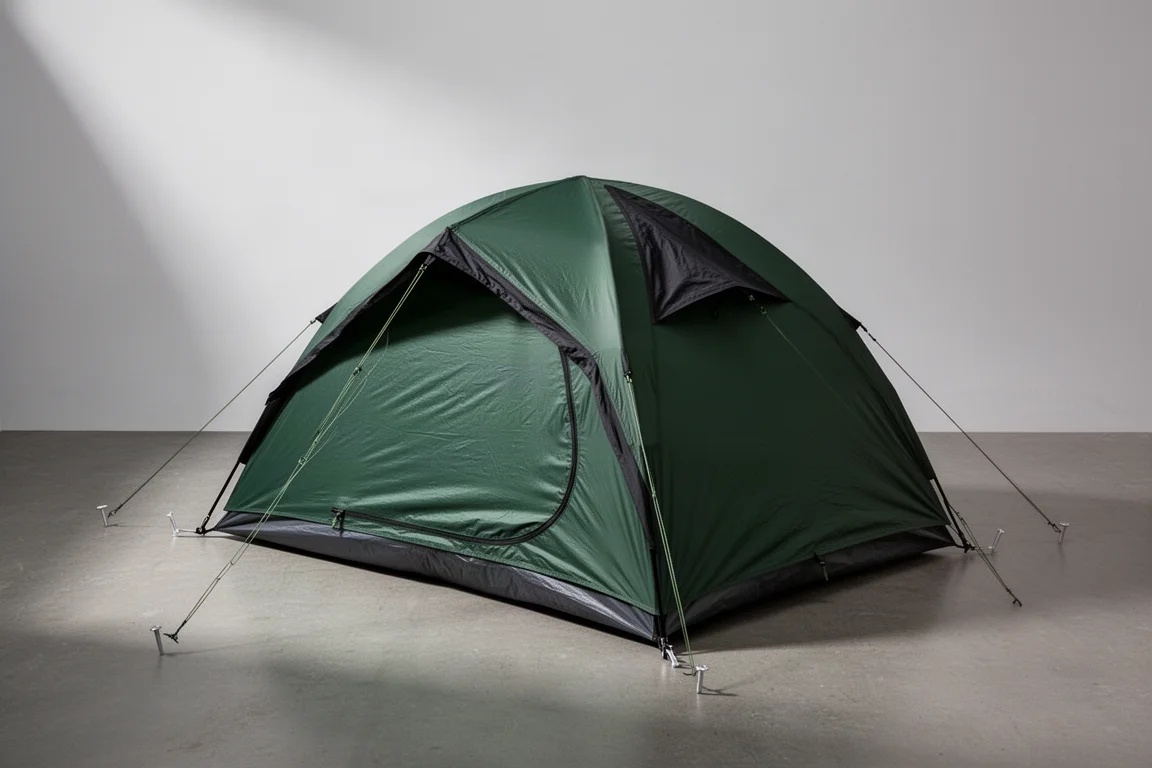
MC2 Mount offers backpacking shelters in a one-person and a two-person configuration, and the one-person version is the model examined here. It is built around a mesh-heavy inner with crisscrossing pole sleeves and clips, topped by a fly that pulls well away from the inner. The two-person version shares the same design approach and weighs 5 lb.
At 3 lb with a packed size of 17 by 3.5 by 3.5 inches, this is a shelter aimed squarely at solo backpackers who count grams and pack volume. The headline numbers are promising, and the details underneath them are worth a closer look before deciding.
Who This Tent Is For
This is a solo shelter for backpackers who want a wide, tall interior without carrying a heavy tent. The floor measures 33 inches across and the peak height is 38 inches, which is generous for a one-person model. That width matters more than it sounds: many solo tents narrow the floor so much that shoulders brush the walls, and this one avoids that problem.
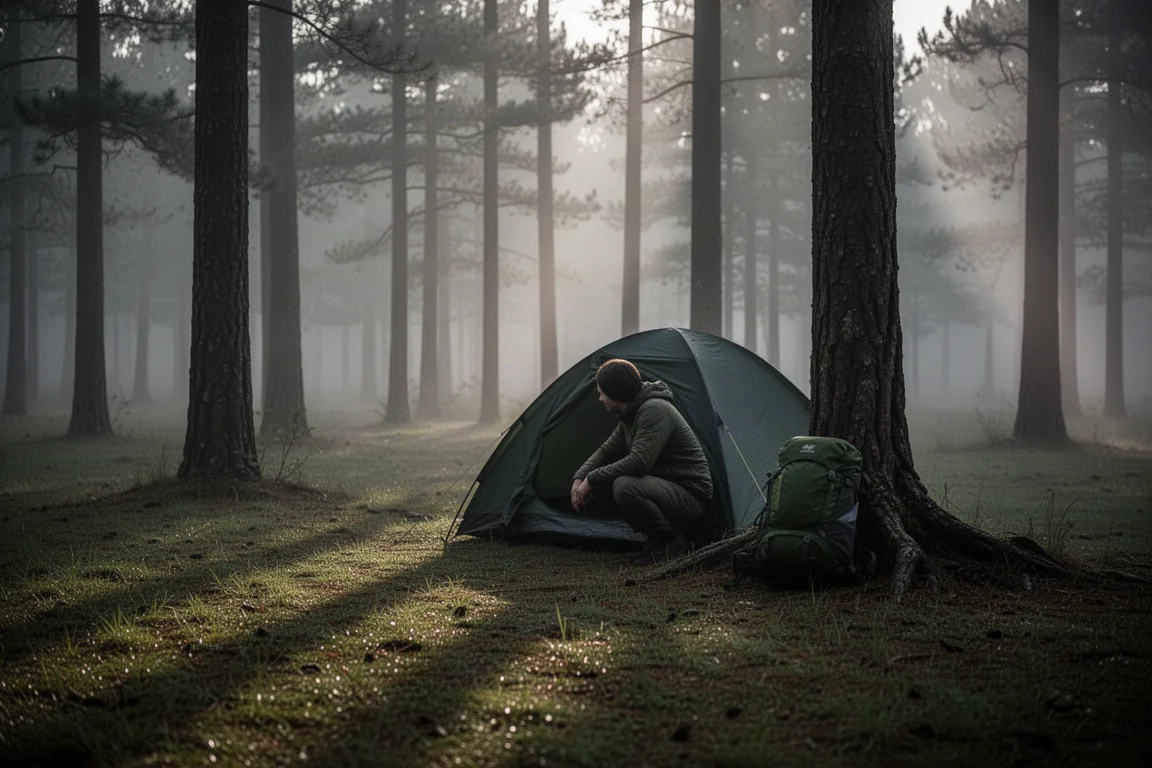
Length is the trade-off. The floor runs 72 inches, or six feet, so anyone taller than that will find head and feet pressing into the end walls. For context, the average adult male height in the United States is about 5 feet 11 inches, and the global average is roughly 5 feet 7.5 inches, so most backpackers will fit comfortably. Very tall campers should look elsewhere.
Main Strengths
The strengths here cluster around three areas: the materials and construction, the usable interior, and the packed size. Each deserves its own look.
Materials and Build Quality
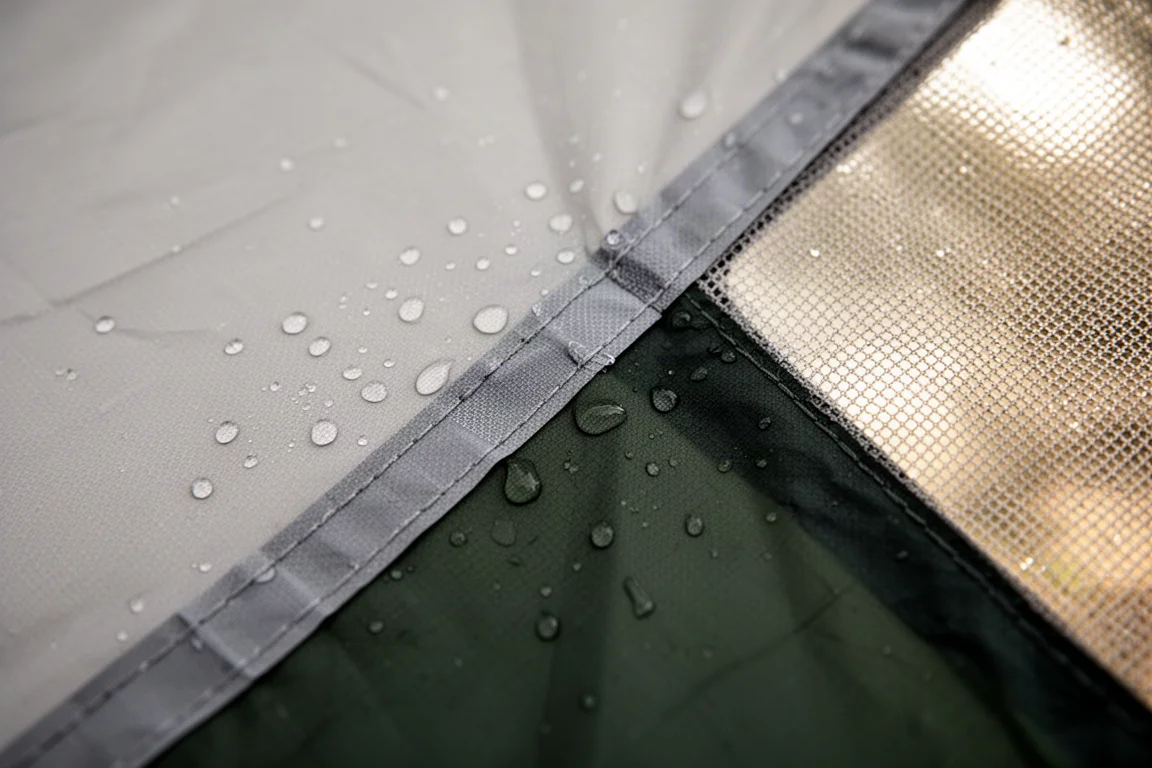
The tent body uses 20 denier nylon treated with both PU and silicone, paired with aluminum poles and aluminum stakes. The fly carries a 4,000 mm hydrostatic head rating, which is a solid figure for a shelter in this class. Seam work is clean, with no loose threads and well-applied seam tape across the panels.
The included hardware kit rounds out the package sensibly: ten tent stakes, four guy lines, a fabric and floor repair kit, and a repair sleeve for a pole. That is more than many tents at this level provide, and it means a puncture or a bent pole does not end a trip.
Interior Space and Comfort
Inside, there is a single door of a genuinely usable size, a bathtub floor, and two mesh pockets, one of which can hold the door panel when it is rolled back. A hook at the top of the interior handles a small lantern or a stuff sack. The side walls of fabric rise roughly 13 inches at the sides and 10 inches at the center, with mesh covering the rest of the body.
The vestibule offers enough room for a backpack or a pair of boots, which keeps wet gear out of the sleeping area. For a one-person tent, the sense of space is one of the more convincing parts of the design.
Packed Size and Weight
At 3 lb, this shelter stays light enough for multi-day trips, and the materials explain why: the 20 denier nylon body, aluminum poles, and aluminum stakes all keep weight down without resorting to fragile hardware. The storage bag is impressively small and includes a grab tab at the back and a drawcord at the top, so pulling the tent out of a pack is straightforward.
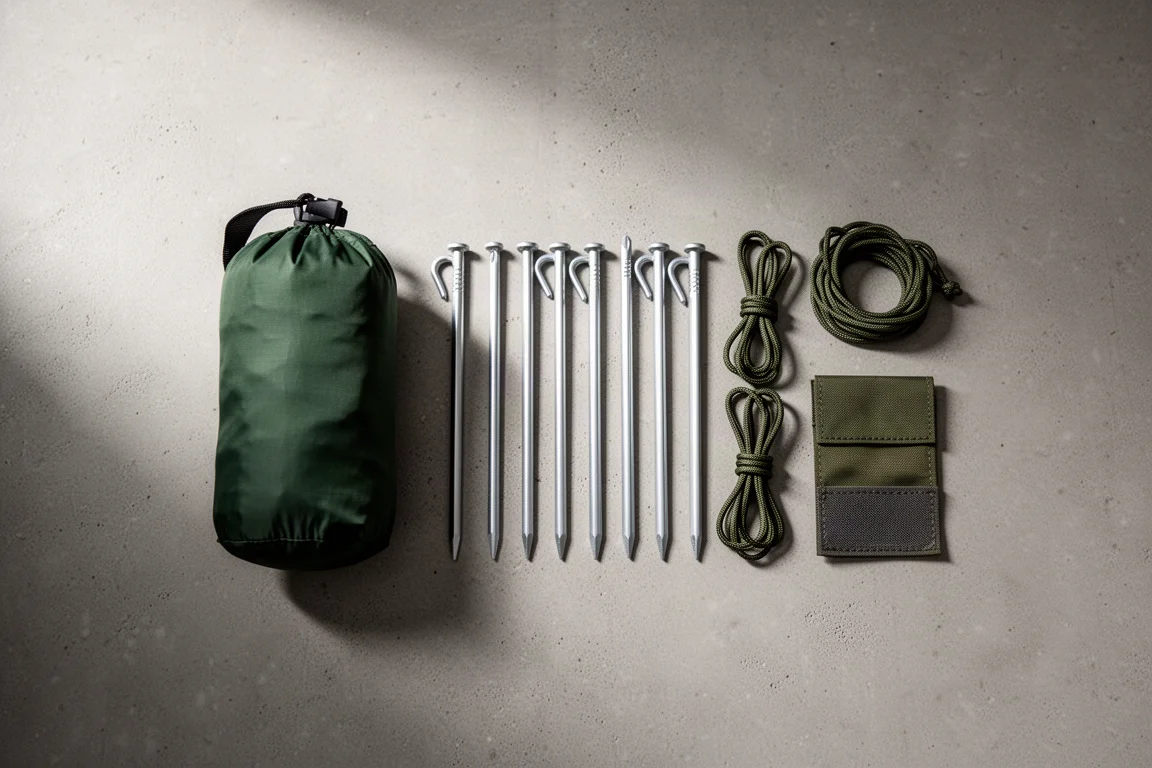
Packed down, the tent measures 17 by 3.5 by 3.5 inches, which is small enough to slide into a pack without rearranging the rest of a load. That combination of low weight and compact volume is the strongest argument for this tent, particularly given how wide it is when pitched.
Things to Consider Before Buying
Setup is quick thanks to the sleeve-and-clip layout. The poles can be threaded through the sleeves even after one pole is already standing, which is unusual and makes pitching noticeably faster. The fly then goes over the top and is secured with four guy line tie-off points, plus non-adjustable stakeout points at the front and back.
Those front and rear stakeout points are fixed, so adding a short length of shock cord or cordage to extend them will make setup easier in real conditions. There are no stakeout points along the sides of the fly, though the fly is cut to pull away from the inner, and it does not reach all the way to the ground, so air can still move through the tent when it is fully closed.
The side vents are the one detail worth watching. The protective lip on the inside of each vent does not extend far, which could let wind-driven rain in during a heavy storm. The vents can be closed when conditions turn, and the fly design means most condensation control comes from the large mesh panels and the gap between fly and inner rather than from the vents themselves.
Colour choice is limited to a single scheme: a dark green body with black accents, including a black storm flap over the door. Both door panels can be rolled up and stowed out of the way when the weather allows.
Buying Advice
The retail price sits around $100, and at the time of writing the tent was listed at a promotional price of about $50. Even at full retail, the specification is fair: a 3 lb shelter with a 4,000 mm fly, aluminum hardware, a repair kit, and a 33 inch wide floor is a reasonable proposition. At the lower promotional price, the value is difficult to argue with.
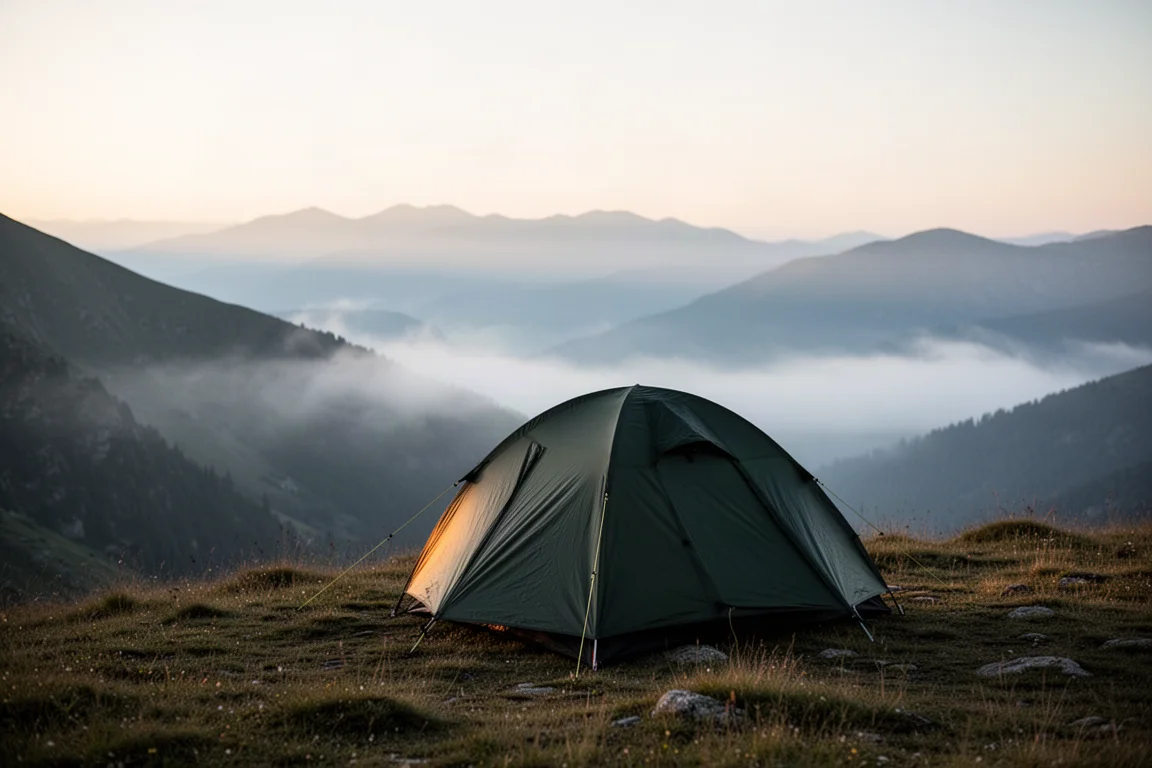
Availability is the practical catch. This brand brings stock into the United States in limited batches, and previous models have tended to sell through and then disappear rather than return. If this tent matches your needs and the price is at the lower end, waiting carries a real risk that it will simply be gone. At the full retail price, there is less urgency, and it is reasonable to weigh it against other solo shelters first.
Conclusion
The MC2 Mount one-person backpacking tent gets the fundamentals right: light, compact, wide where it counts, and built with materials that hold up to scrutiny. The 72 inch floor length is the main limitation, and the side vents deserve attention in exposed, stormy conditions. For most solo backpackers under six feet tall who want a roomy shelter without spending much, this is a compelling option, particularly while the promotional pricing holds.
Product link
View more details for MC2 Mount One-Person Backpacking Tent
This product is mentioned in the review. Check the specifications, options, and compatibility before buying.
View more details for MC2 Mount One-Person Backpacking TentFurther reading
Related Reviews
Backpacking Tents
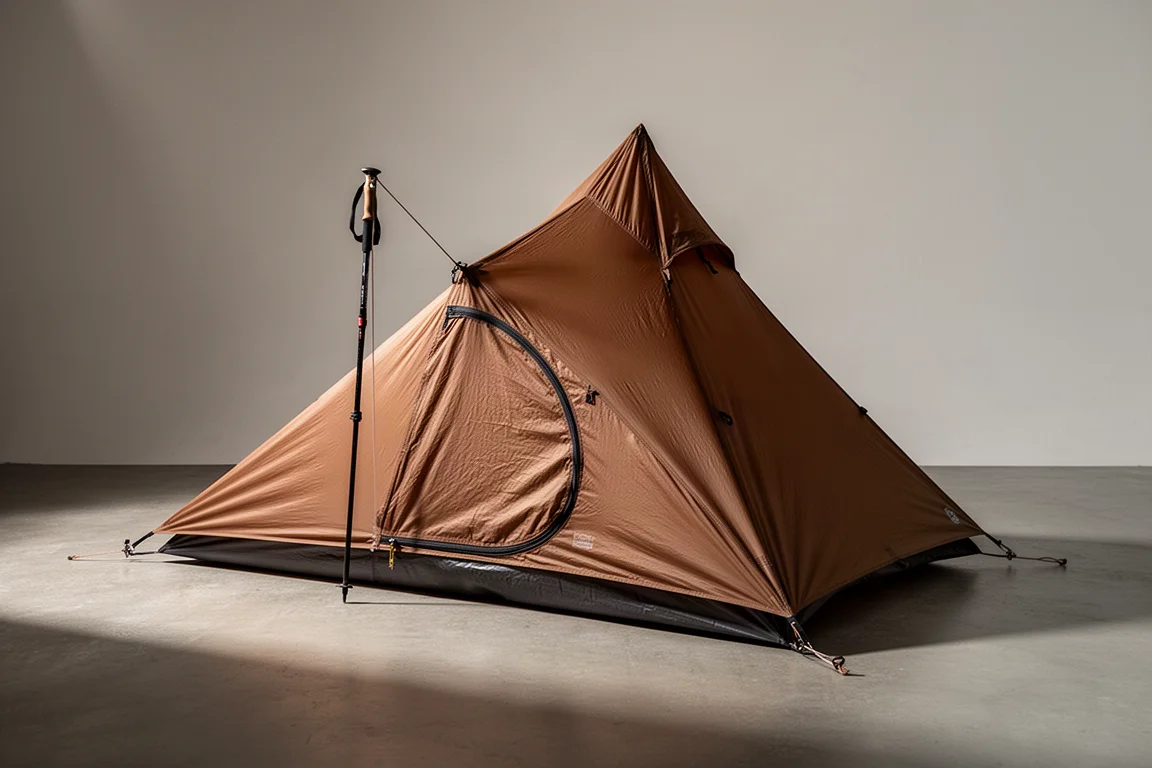
3F UL Lanchan Pro 1 Review: A 1 lb 8 oz Single-Wall Trekking Pole Tent
A practical look at the 3F UL Lanchan Pro 1, a single-wall trekking pole shelter with a 1 lb 8 oz weight, 20D silnylon fabrics, and a roomy 90 x 31 x 49 inch interior.
Backpacking Tents
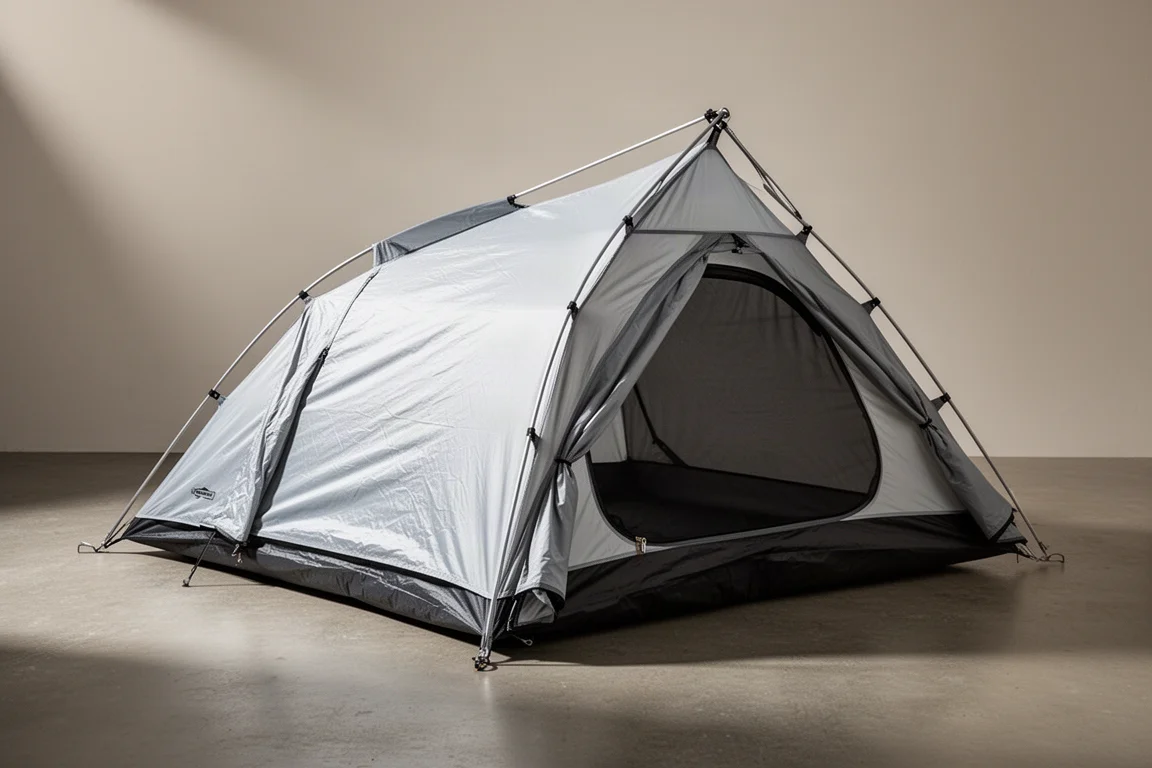
3F UL Taiji 2-Person Tent: A Convertible Backpacking Shelter Worth a Closer Look
A practical look at the 3F UL Taiji two-person tent, covering its materials, true two-person interior, fly-first pitching, and the seasonal inner swap that lets one shelter cover more of the year.
Backpacking Tents
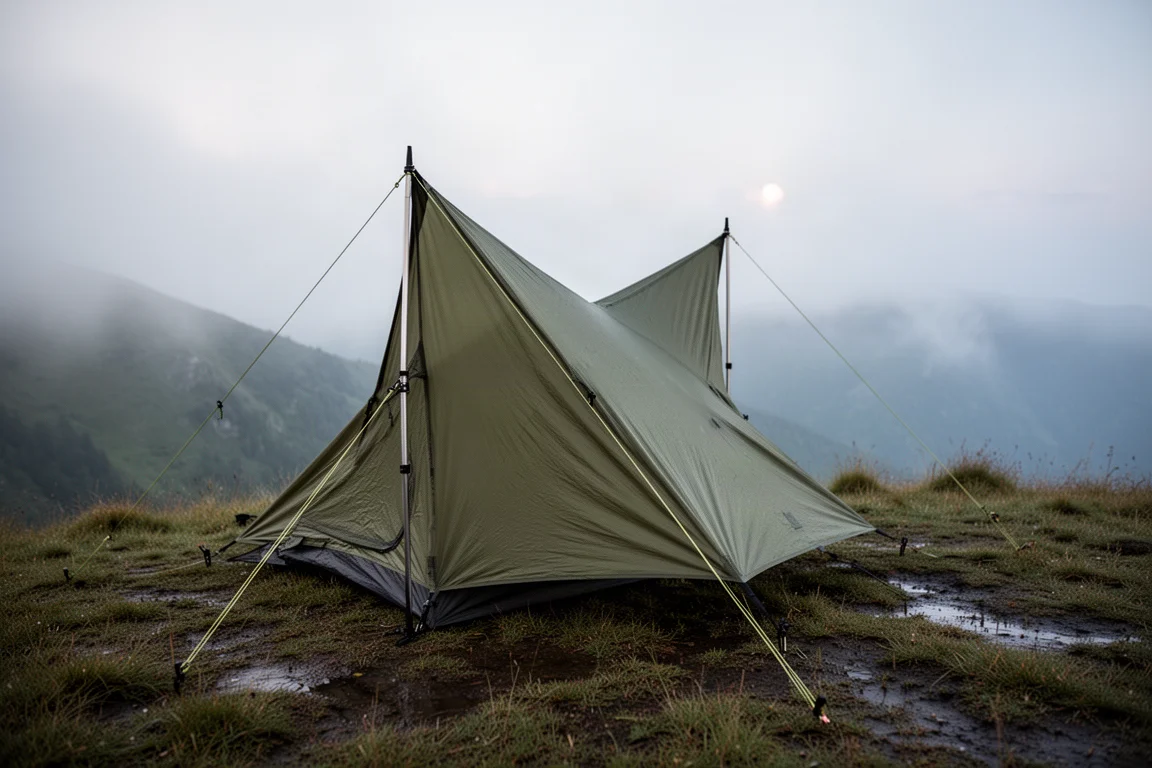
3FUL Lanshan Twoerson Pro Review: A Light Trekking Pole Shelter That Struggled in Rain
A two-person trekking pole shelter with a 2026 redesign, pitched with sticks and put through a night of steady rain. Here is what worked, what did not, and what to check before buying.