Backpacking Tents
MC2 Mount 2-Person Backpacking Tent Review: Roomy, Light, and Priced to Compete
A close look at the MC2 Mount two-person backpacking tent, from its mesh-heavy inner body and 47-inch floor to its packed size, ventilation, and $159 price.
Introduction
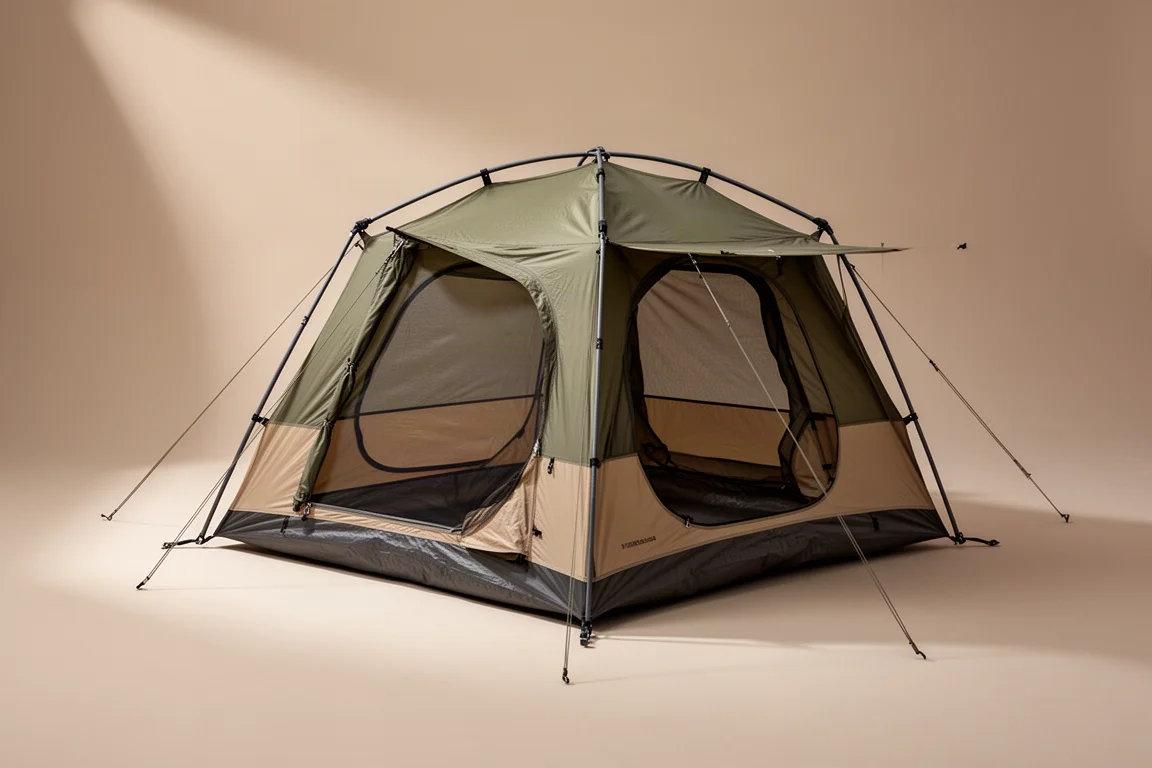
The MC2 Mount two-person backpacking tent arrives at $159 with a feature set that is usually reserved for shelters costing considerably more. The inner body is built almost entirely from mesh, the bathtub floor rises about a foot around the perimeter, and the fly adds closable vents, four guy lines, and adjustable stakeout points at both the head and the toe.
Packed down, the tent measures roughly 17 by 7 by 7 inches and weighs 4.3 pounds. A one-person version is also available at $139 and comes in at 3.3 pounds. Both are positioned as three-season shelters with aluminum poles and aluminum stakes, and both are described by the brand as using 20 denier nylon.
This review walks through what the design gets right, where the specification sheet stays quiet, and which campers will get the most out of this shelter at its price.
Who This Tent Is For
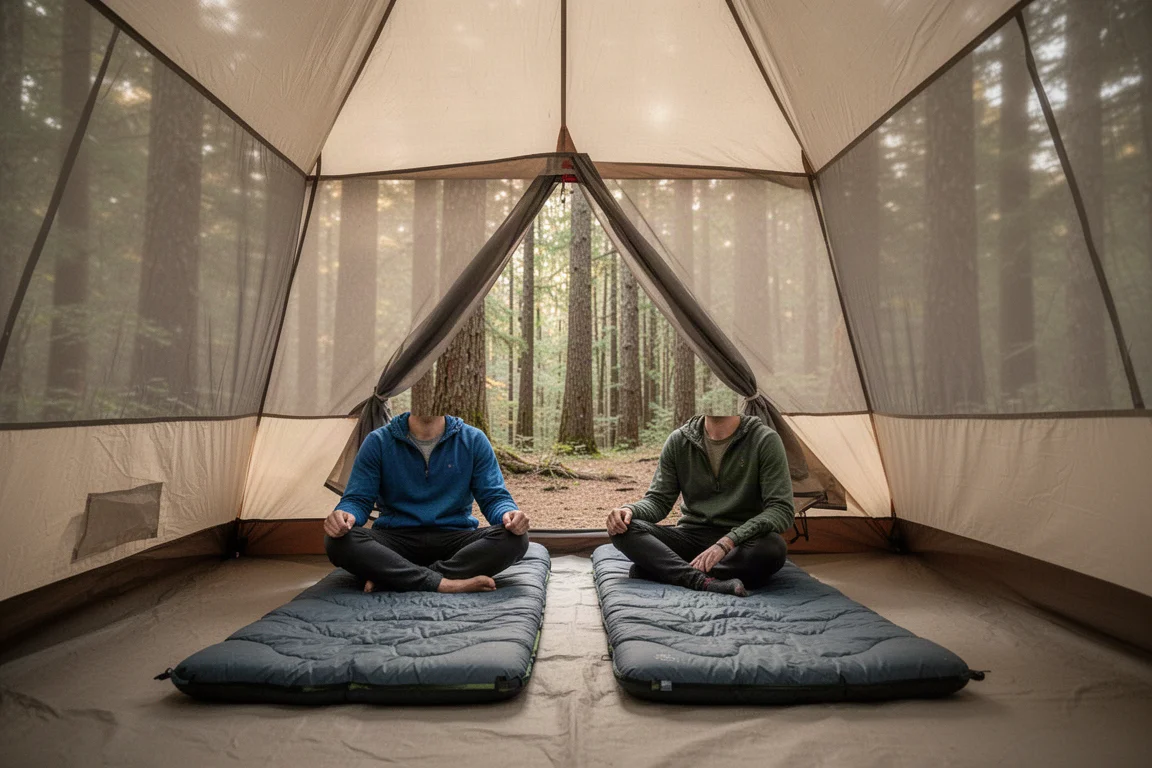
Two-person backpackers who want room to move will find the clearest value here. The floor measures 47 inches across, the peak height is 44 inches, and the interior length is 82 inches. For genuinely comfortable sleeping, plan on roughly 79 inches of usable length, which keeps heads and feet clear of the mesh walls.
Solo campers who prefer a spacious shelter will also appreciate the two-person version, since the floor easily takes two sleeping pads with a little room left for gear. The one-person version trims a full pound from the carry weight for anyone who does not need that extra space.
This is not a winter shelter. The brand markets the tent as a four-season model, but the design reads as a three-season tent, and anyone planning regular sub-freezing trips should look at a shelter built for that purpose.
Main Strengths
The strongest argument for this tent is how much of the usual backpacking checklist it covers without a premium price. Weight, packed size, interior dimensions, ventilation, and hardware quality all land in a range that is difficult to match at $159.
Build Quality and Materials
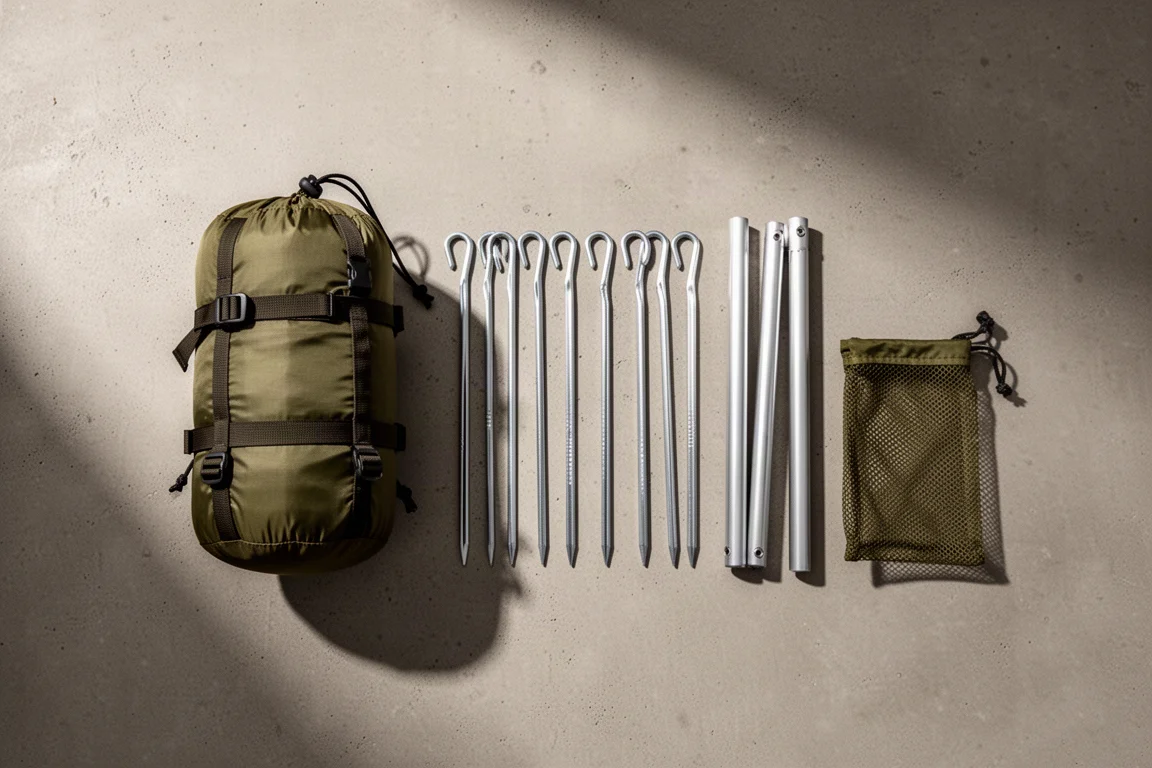
The tent body, fly, and poles ship bundled together under a compression strap with a buckle, and the hardware feels more substantial than the price suggests. Seams are taped on both the floor and the fly, all stakeout points are adjustable, and the poles and stakes are aluminum. A mesh gear caddy, twelve tent stakes, and setup instructions are included, and the storage bag has a grab handle plus two internal compression straps.
Stitching and thread work look clean throughout, and the fabric feels thick yet light in hand. The brand states the tent uses 20 denier nylon but does not detail the full material list, and the zipper specification is not published.
Interior Space and Ventilation
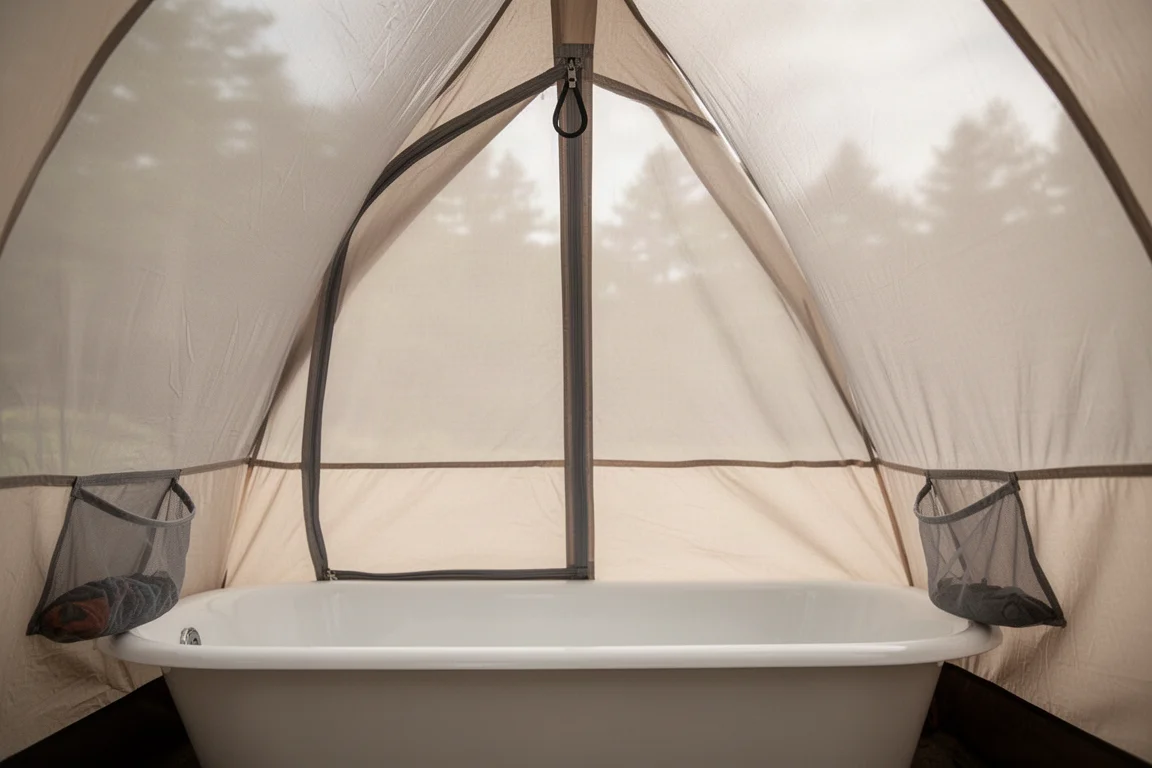
Inside, the tent is generous for a two-person backpacking shelter. Two adults can sit up, change clothes, and organise gear without the cramped shuffling that smaller tents force. Four mesh pockets sit one in each corner, there are hanging hooks at both ends, and plastic rings at the top accept the included mesh gear caddy.
Ventilation is the standout. The inner body is mesh on the walls, and fabric appears only at the very top of the body, which is exactly where you want it in a three-season tent. Air moves through the toe, the head, and both sides. The two doors are very large, use two-way zippers with corded pulls, and can be pushed back into the corners to open up the entry. There is no tie-back point for the body doors, so they simply tuck away rather than being secured.
Weather Protection and Pitching
Pitching is straightforward. The two poles crisscross into the corners through a mix of sleeves and clips, and the only thing to remember is that the poles must cross. If they do not, moving each pole to the opposite grommet corrects it in seconds. The body stands on its own, making the tent semi-freestanding, but the doors do need to be staked out.
With the fly on, the shelter adds two side vents that can be closed, each with a high interior lip that keeps driven rain from finding its way in. Four guy lines hold the fly taut, stakeout points at the head and toe pull the fly away from the body to increase airflow, and a storm flap covers the zippers. The fly doors roll back and tie out of the way, and the fly drops close to the ground while leaving a gap underneath so air can still move.
The brand claims a 3,000 mm waterproof rating, though it does not specify whether that figure applies to the floor, the fly, or both. Taped seams on both components are a good sign for wet weather, but the rating is best treated as a starting point rather than a guarantee.
Things to Consider Before Buying
The four-season marketing claim is the biggest item to set aside. This is a three-season tent, and that framing matters if you camp in cold, snowy conditions.
The semi-freestanding design means the doors require staking, so a site with no ground anchors will be awkward. The ceiling narrows noticeably toward the peak, which is normal for this shape but worth knowing if two people want to sit up side by side at the same time.
Material transparency is limited. The brand states 20 denier nylon but does not break down the fabric used for each panel, does not name the zipper hardware, and does not separate its waterproof rating by component. None of that is unusual at this price, but it does mean the specification sheet alone will not tell you everything.
Buying Advice
At $159 for the two-person version and $139 for the one-person version, this tent competes in a bracket where large interiors, full mesh bodies, taped seams, and aluminum hardware are often the first things to disappear. If you are shopping for a three-season shelter and space matters more than saving the last few ounces, the two-person version is the one to consider. If you hike solo and want the lightest carry, the one-person version keeps the same design language at 3.3 pounds.
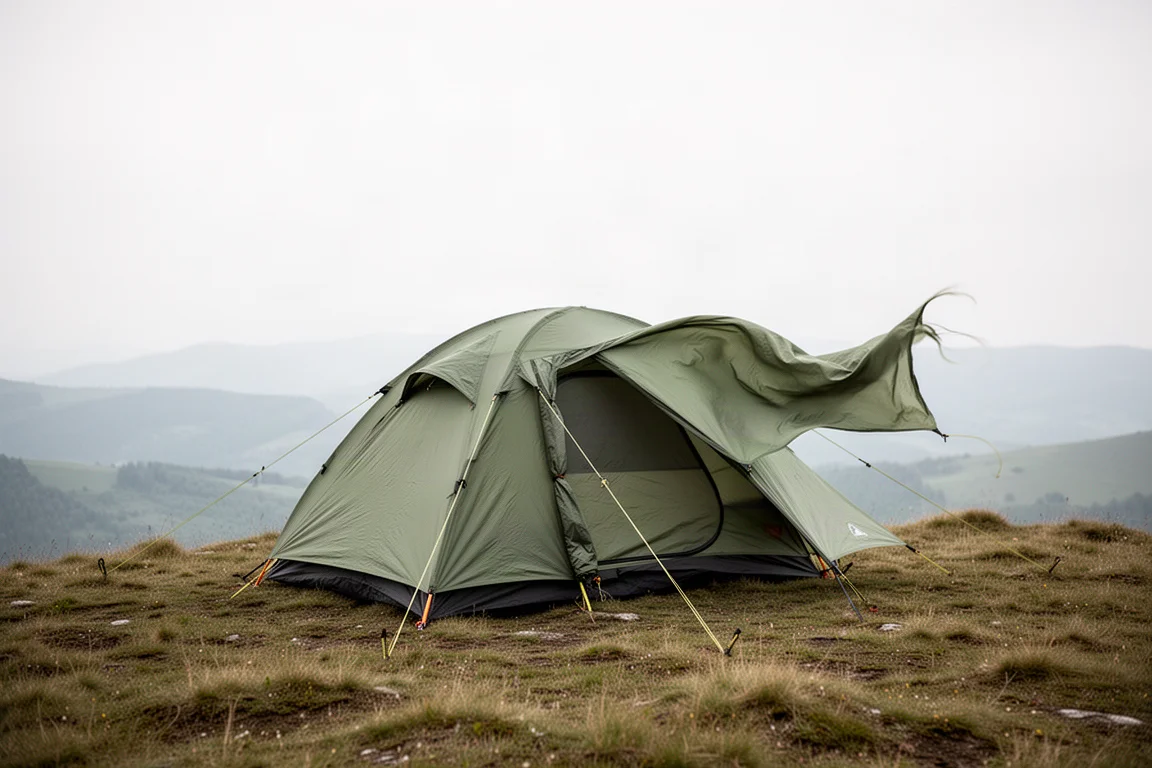
Weigh the purchase against how you actually camp. Backpackers who mostly travel in mild conditions and want a roomy, well-ventilated shelter will get the most from it. Campers who need a true winter tent, or who frequently pitch on ground where staking is impossible, should keep looking.
Conclusion
The MC2 Mount two-person backpacking tent is a well-executed three-season shelter at a price that is hard to argue with. The interior is large enough for two adults plus gear, the mesh-heavy body and closable fly vents handle airflow well, and the aluminum poles, aluminum stakes, and taped seams suggest a build that will hold up over time.
Its limits are clearly defined: it is a three-season design, it is only semi-freestanding, and the brand leaves some material and waterproofing details unspecified. For backpackers who want space, ventilation, and a manageable 4.3-pound carry weight, those trade-offs are reasonable at $159.
Product link
View more details for MC2 Mount 2-Person Backpacking Tent
This product is mentioned in the review. Check the specifications, options, and compatibility before buying.
View more details for MC2 Mount 2-Person Backpacking TentFurther reading
Related Reviews
Backpacking Tents
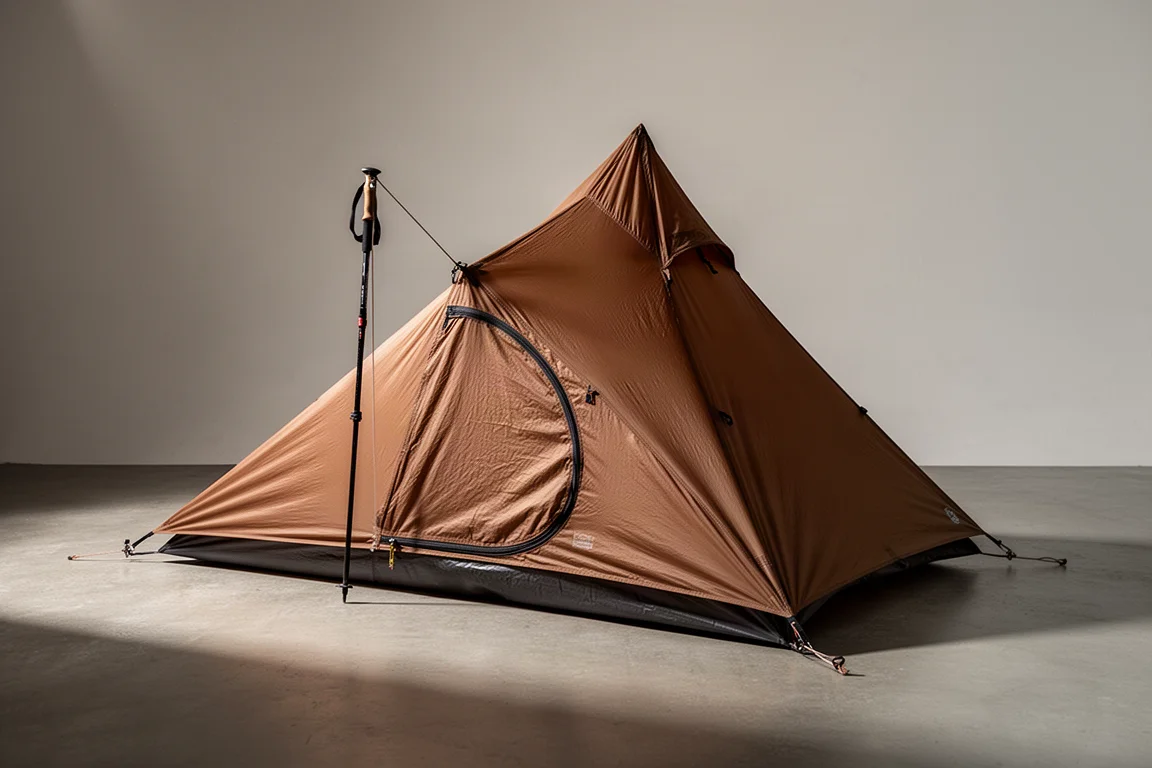
3F UL Lanchan Pro 1 Review: A 1 lb 8 oz Single-Wall Trekking Pole Tent
A practical look at the 3F UL Lanchan Pro 1, a single-wall trekking pole shelter with a 1 lb 8 oz weight, 20D silnylon fabrics, and a roomy 90 x 31 x 49 inch interior.
Backpacking Tents
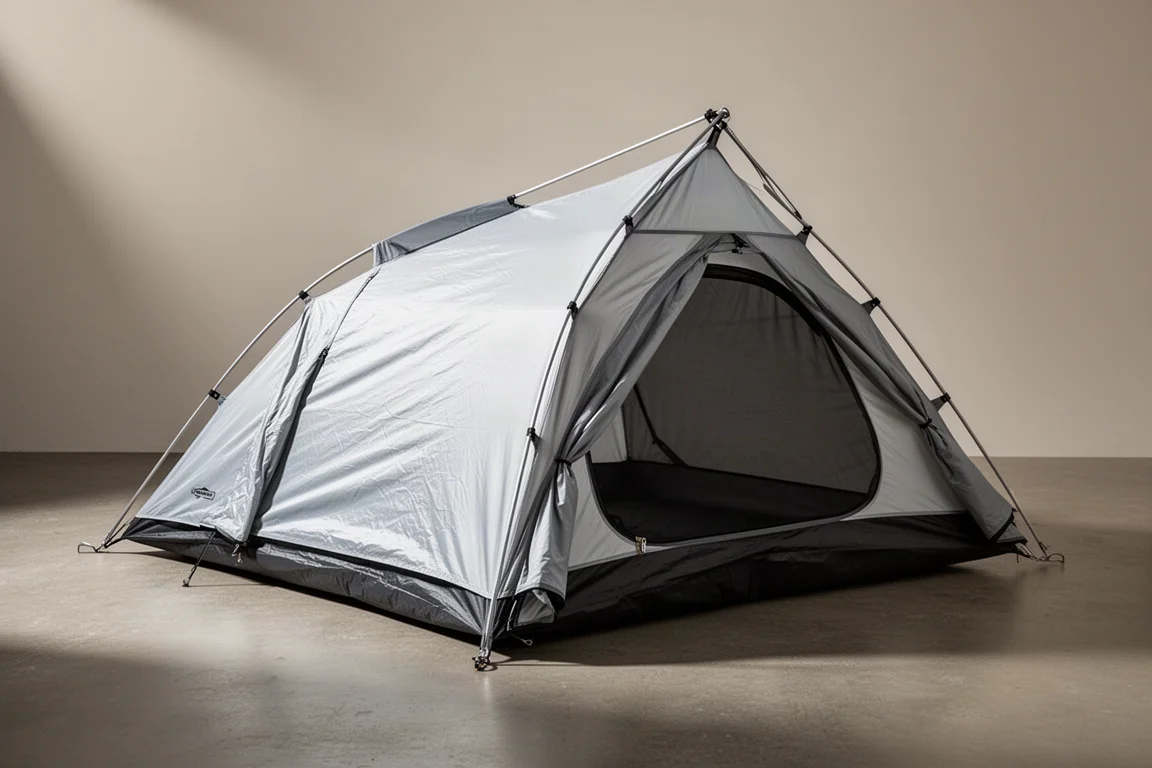
3F UL Taiji 2-Person Tent: A Convertible Backpacking Shelter Worth a Closer Look
A practical look at the 3F UL Taiji two-person tent, covering its materials, true two-person interior, fly-first pitching, and the seasonal inner swap that lets one shelter cover more of the year.
Backpacking Tents
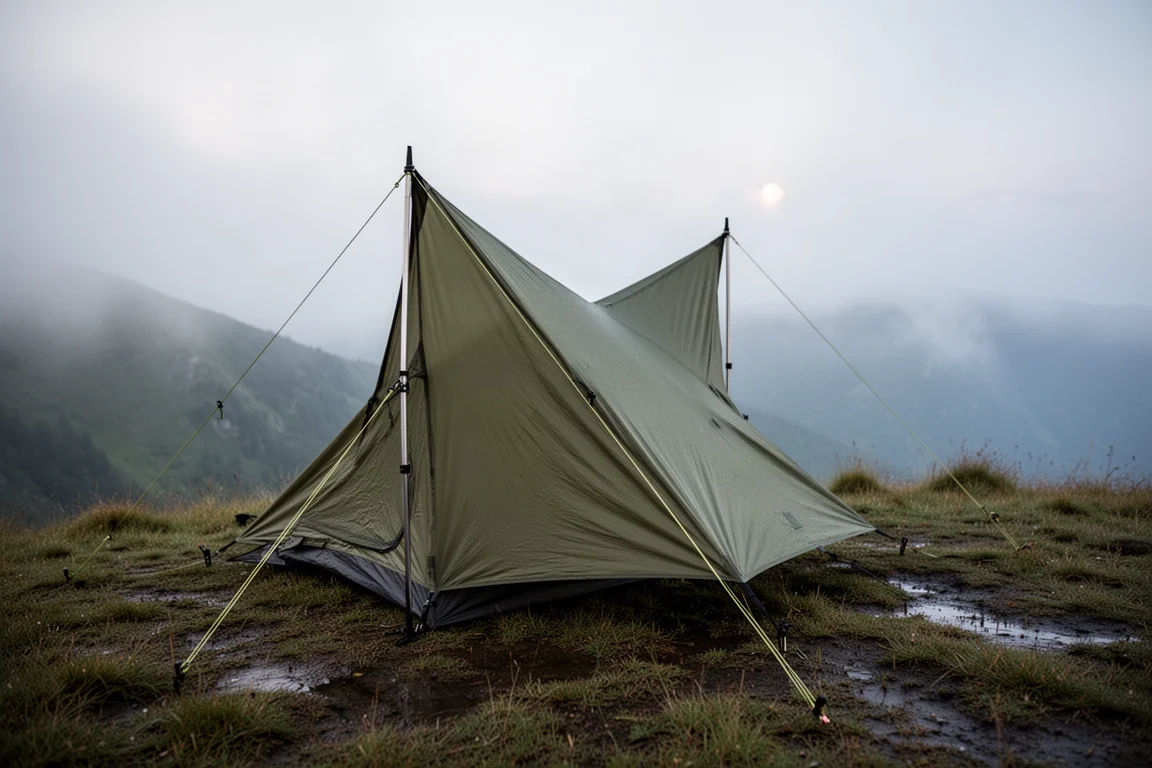
3FUL Lanshan Twoerson Pro Review: A Light Trekking Pole Shelter That Struggled in Rain
A two-person trekking pole shelter with a 2026 redesign, pitched with sticks and put through a night of steady rain. Here is what worked, what did not, and what to check before buying.