Running Shoes
Max Cushion Running Shoes Durability Comparison: Which Outsole Lasts Longest?
Four popular max cushion trainers compared on outsole wear and midsole durability after hundreds of miles of real use.
Introduction
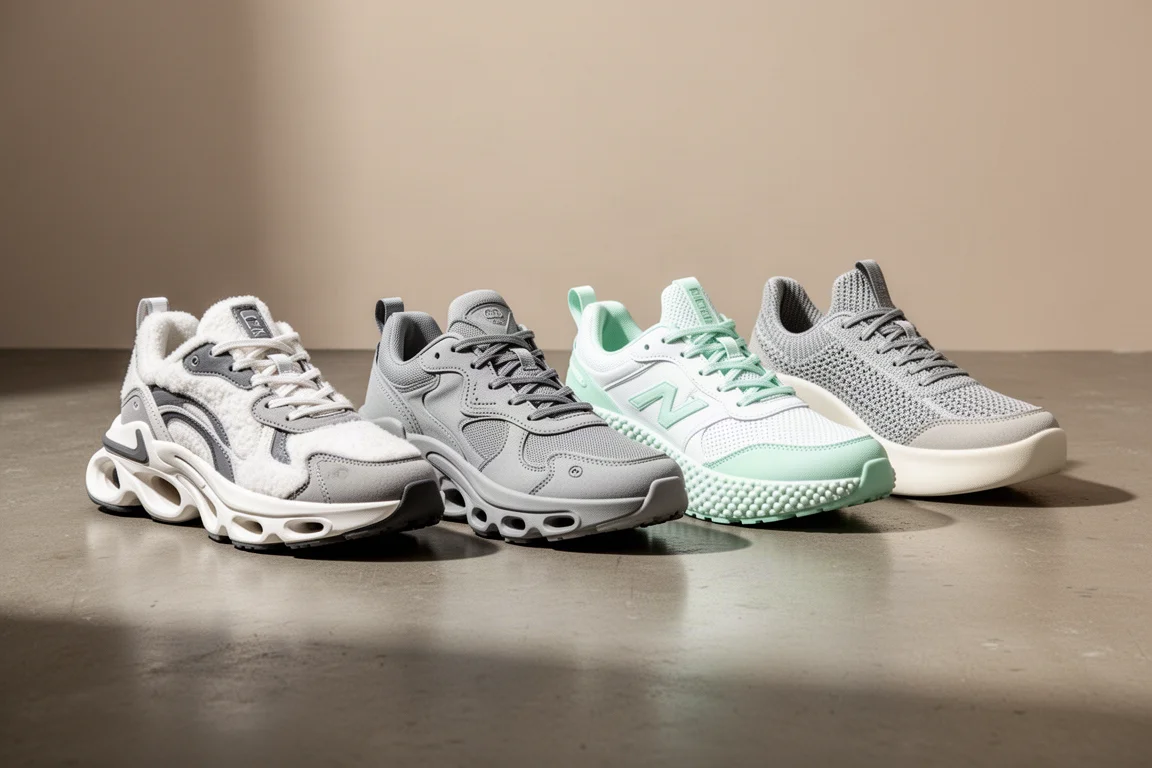
Outsole rubber is one of the most underrated factors when buying a max cushion running shoe. It decides how long the shoe stays safe and comfortable underfoot, and a shoe that holds its tread longer simply saves you money over time. In this comparison, four popular max cushion trainers are compared after similar mileage: the Asics Gel Nimbus 25, the On Cloudmonster, the Saucony Triumph, and the Saucony Endorphin Shift 3.
Mileage was roughly equal across the group at around 300 miles per pair, except the Gel Nimbus 25, which had closer to 200 miles. The results reveal a clear durability ranking that is worth knowing before you commit to any of these shoes.
How We Compared Them
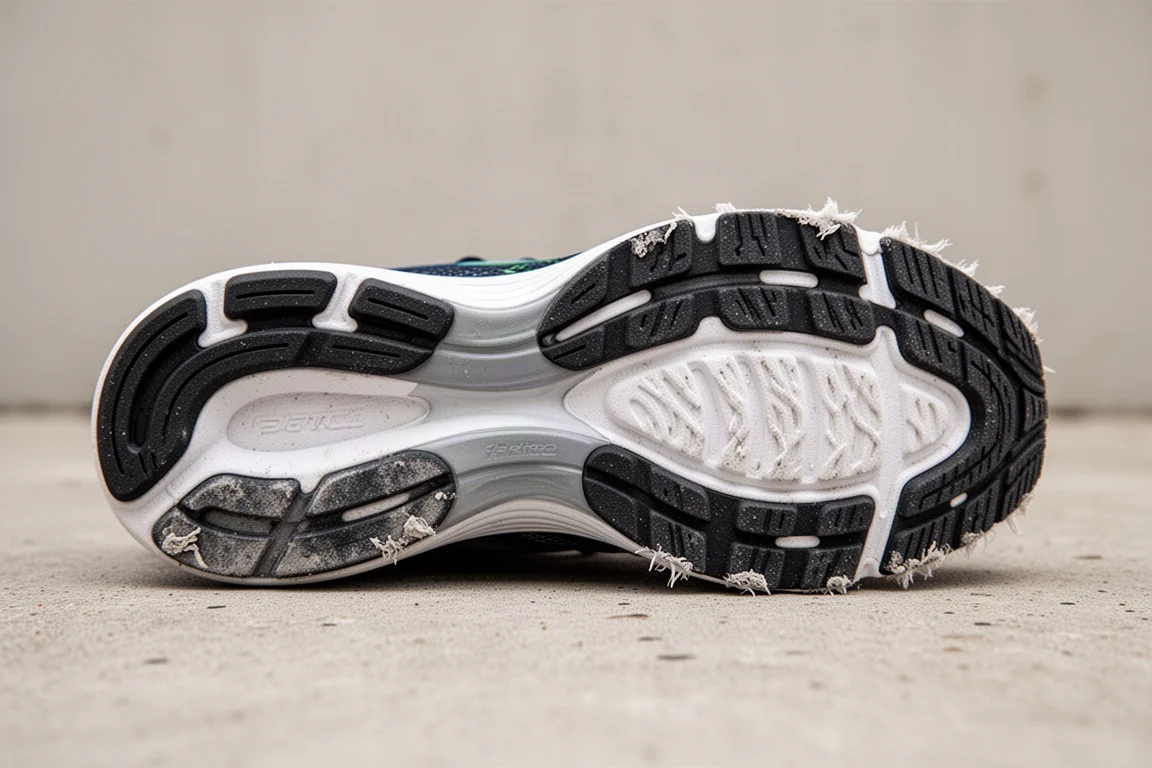
Each shoe was assessed on two things: how much outsole rubber remained, and how the midsole foam was holding up. Where rubber wears through, the foam underneath starts to degrade, so outsole coverage is a good proxy for overall shoe lifespan.
All four shoes use thick cushioning stacks, but the foam types differ. EVA-based foams tend to be firm but long-lasting, while softer rubbers underfoot tend to wear away faster. That trade-off shapes most of the results below.
Saucony Endorphin Shift 3: High Mileage, Average Durability
The Endorphin Shift 3 carried the highest mileage of the group at around 350 miles, and the outsole rubber was worn completely through, with wear starting around the 300 mile mark. Some of the EVA Poweron foam underneath had begun to chew up, and classic compression lines were visible where cushioning had been lost under repeated force.
Even so, the massive chunk of EVA foam still retained a decent amount of cushioning, and it could plausibly stretch toward 450 to 500 miles because that foam is quite durable. The trade-off is that it was firm out of the box, and the forefoot area has relatively little rubber coverage. Heel strikers should not find that an issue, but heavy scuffers will wear through the exposed areas faster than on the Gel Nimbus.
On Cloudmonster: The Least Durable of the Group
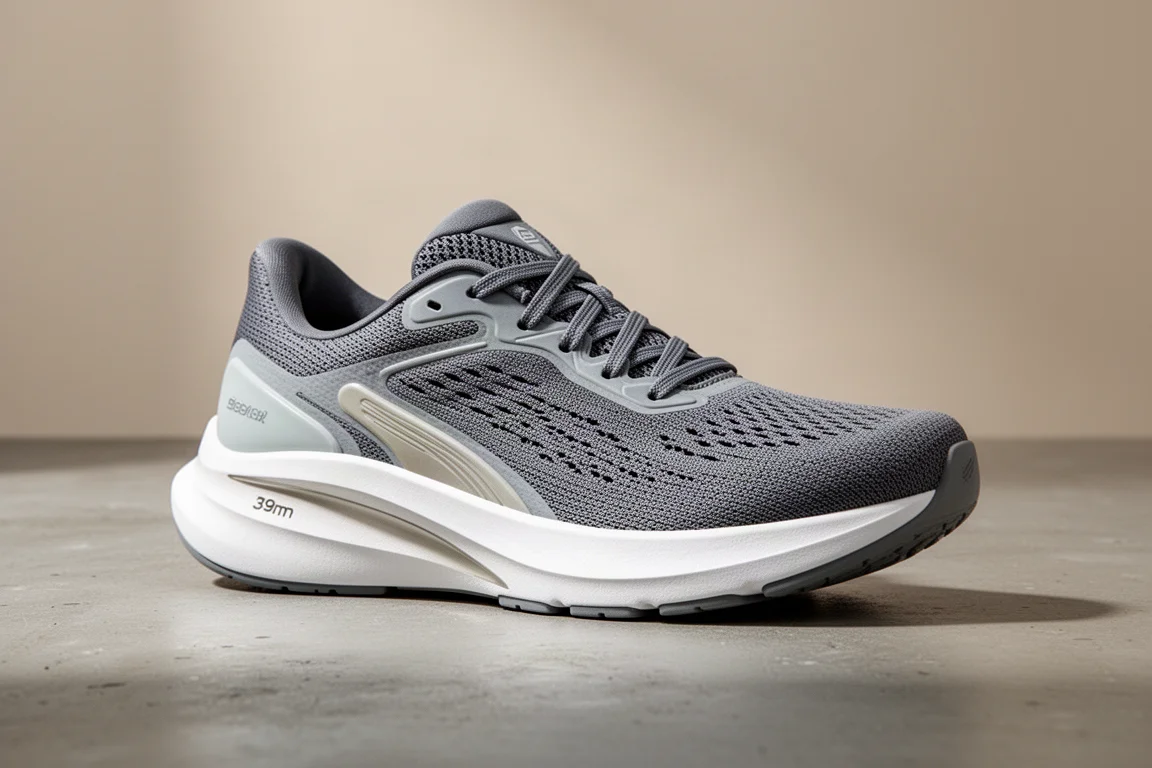
The Cloudmonster had about 300 miles of combined running, walking, and gym use, and it showed the most wear of any shoe here. The outsole was worn completely through in places, the heel foam had developed a significant divot, and one shoe had started to feel like it was bottoming out. Wear began around 200 miles, and the softer rubber is the main reason it ranks last for durability.
A second pair used by a forefoot striker had lost the entire forefoot pad at around 200 miles as well. The shoes still felt acceptable for walking and occasional gym or treadmill sessions, but they were no longer taken on serious runs.
Saucony Triumph: The Durability Winner
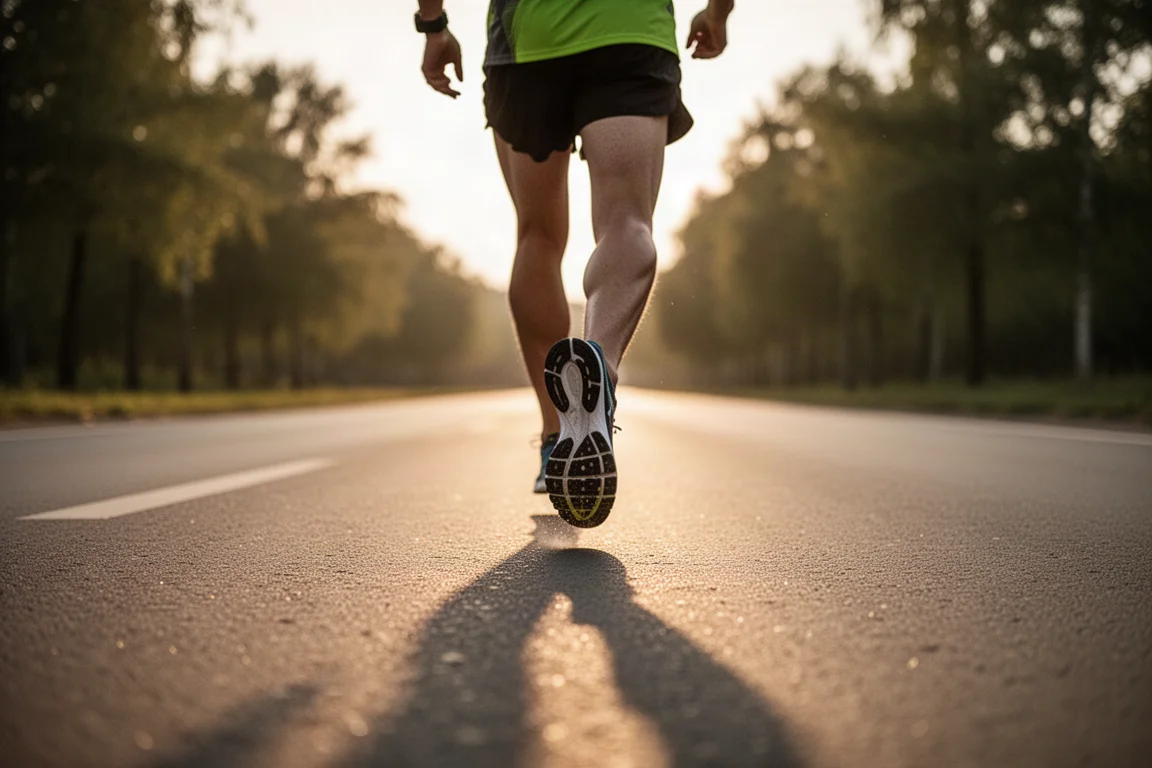
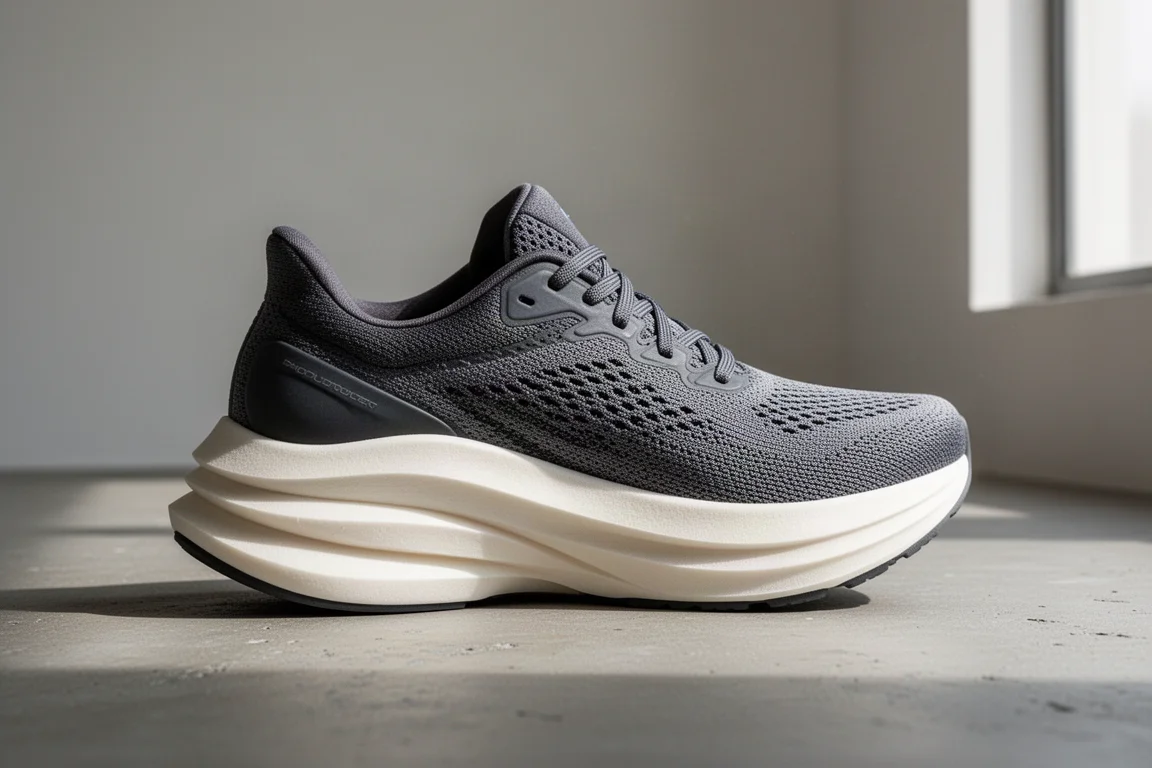
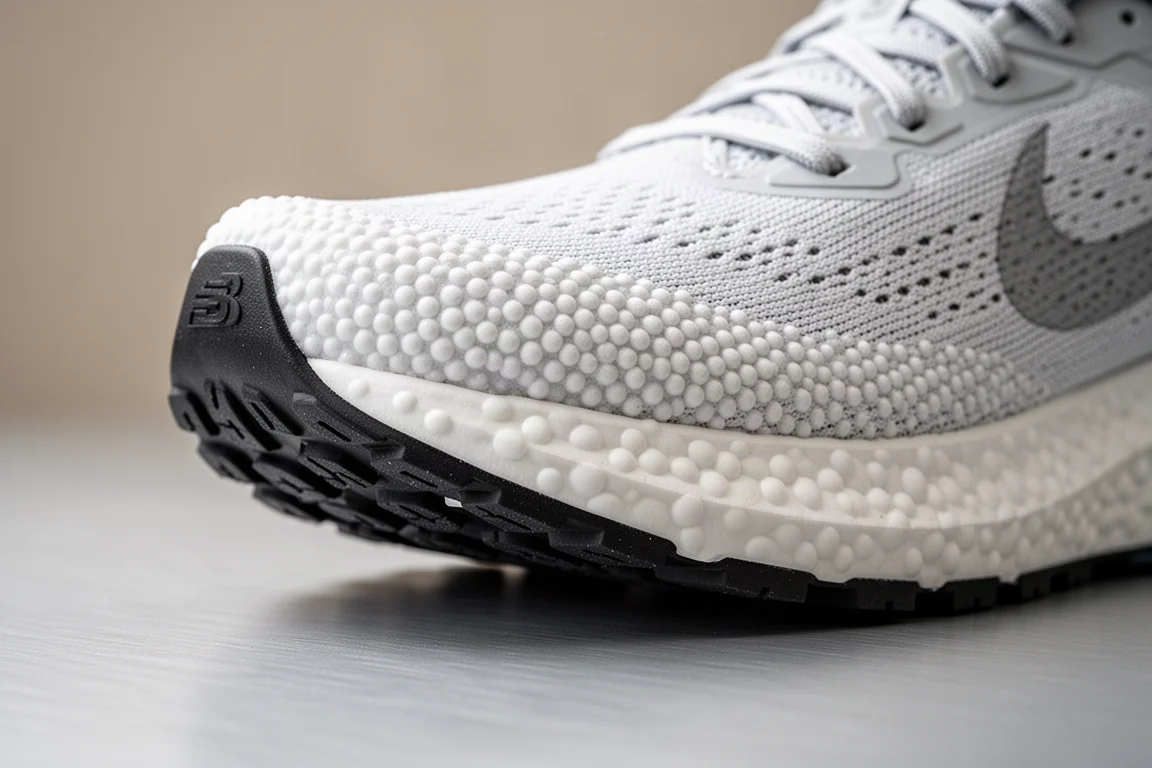
The Triumph, in the RunShield edition, uses PWRRUN+ foam, a beaded TPU compound and one of the most resilient and durable midsole foams available. At 300 miles it still felt extremely fresh underfoot, and the forefoot practically looked brand new with full tread remaining, thanks to the thick XT-900 rubber application.
The weak point is the rear: the heel outsole was worn completely through at 300 miles, meaning the foam beneath is starting to degrade despite feeling great. Expect to wear through the heel around 300 miles regardless. Overall, it is one of the most versatile and durable shoes in the group, the RunShield edition makes a strong winter running shoe, and it has been discounted to around $80 on some sites such as Sierra.
Asics Gel Nimbus 25: Fresh but Unproven at 200 Miles
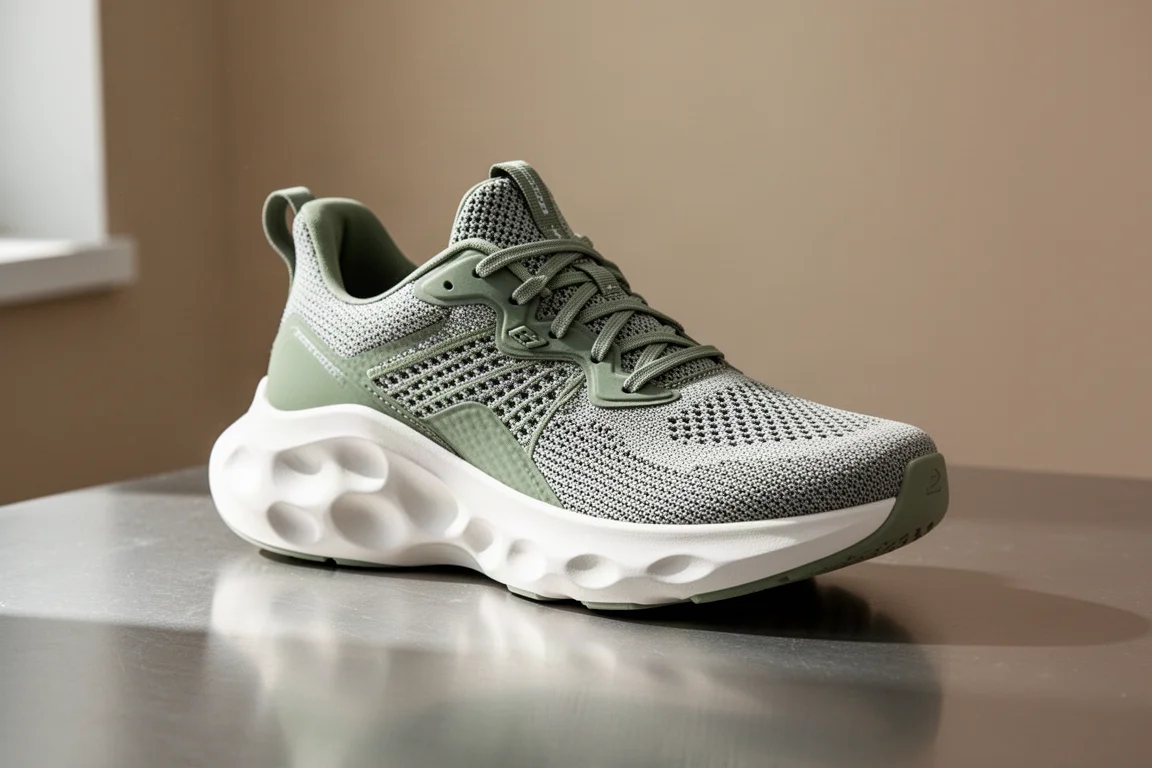
The Gel Nimbus 25 had around 200 miles on it and still felt fresh. It is the softest and most cushioned shoe of the group, and also the least responsive. The main outsole rubber was still fully intact, with no section of the primary rubber lost yet.
However, early signs of wear were visible at the edges, where foam spills over the side and was beginning to get chewed up. Based on that wear rate, the main rubber coverage looked likely to go somewhere between 225 and 275 miles.
Overall Buying Advice
Putting the group side by side, the Cloudmonster is the least durable due to its softer rubber. The Triumph is the clear durability winner, with the highest rubber coverage out of all four. The Endorphin Shift 3 and Gel Nimbus 25 land in the middle: the Shift has less rubber covering the forefoot, which matters mainly if you are a heavy scuffer, while heel strikers should be fine.
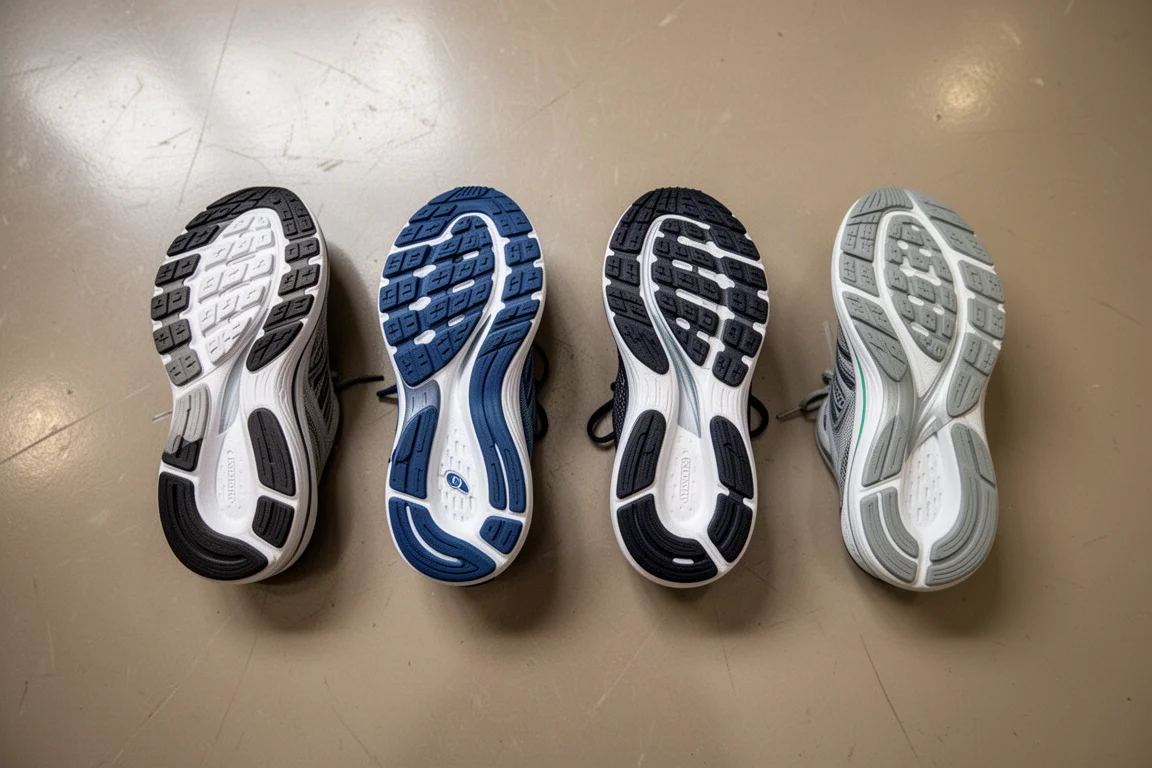
If durability is your priority, the Saucony Triumph is the safest pick, especially while deals bring it down to the $80 range. If you want maximum softness for easy recovery days, the Gel Nimbus 25 remains a strong choice, just expect to replace it sooner than the Triumph.
Conclusion
Outsole wear tells you a lot about how long a max cushion shoe will actually last. The Saucony Triumph leads the group on durability thanks to its beaded TPU foam and thick rubber, the Cloudmonster wears fastest, and the Endorphin Shift 3 and Gel Nimbus 25 sit in between. Match the shoe to your strike pattern and how hard you scuff, and you will get the most out of every mile.
Further reading
Related Reviews

Running Shoes
Best Road-to-Trail Running Shoes: Three Versatile Options for Mixed Terrain
A practical guide to three road-to-trail running shoes that handle both pavement and mild trails, with clear strengths and trade-offs for different runner types.

Running Shoes
Best Running Shoes for Achilles Tendonitis: Three Options Explained
Three running shoes with different heel drops and support features designed to help reduce Achilles tendon pain during walking and running.

Running Shoes
Best Running Shoes for Women: Five Top Choices Ranked
A ranked guide to five women's running shoes, from versatile daily trainers to high-performance racing options, with real strengths and trade-offs for each.