Running Shoes
Max Cushion Running Shoes Compared: New Balance More v5, Brooks Glycerin Max, Puma Mag Max and Hoka Skyflow
Four max cushion and elevated daily trainers tested back to back on recovery miles, long runs and everyday pacing to find which one fits your riding style.
Introduction
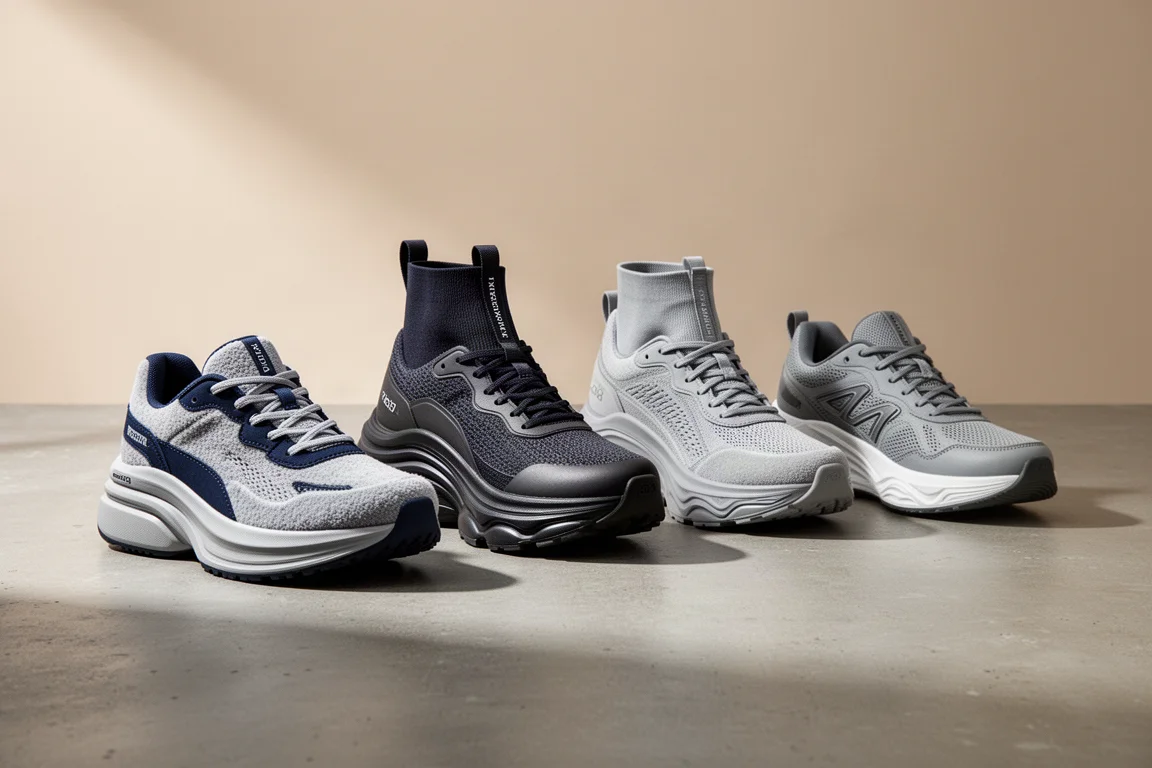
If you love cushion, support and protection underfoot, this is a good time to be shopping. The max cushion category has matured: the newest foams are no longer slow, dead plodders, and several of these shoes are surprisingly willing to pick up the pace. We spent recovery miles, everyday miles and long-run time on four contenders: the New Balance More v5, the Brooks Glycerin Max, the Puma Mag Max and the Hoka Skyflow. Here is how they stack up against each other.
New Balance More v5: The Recovery Day Specialist
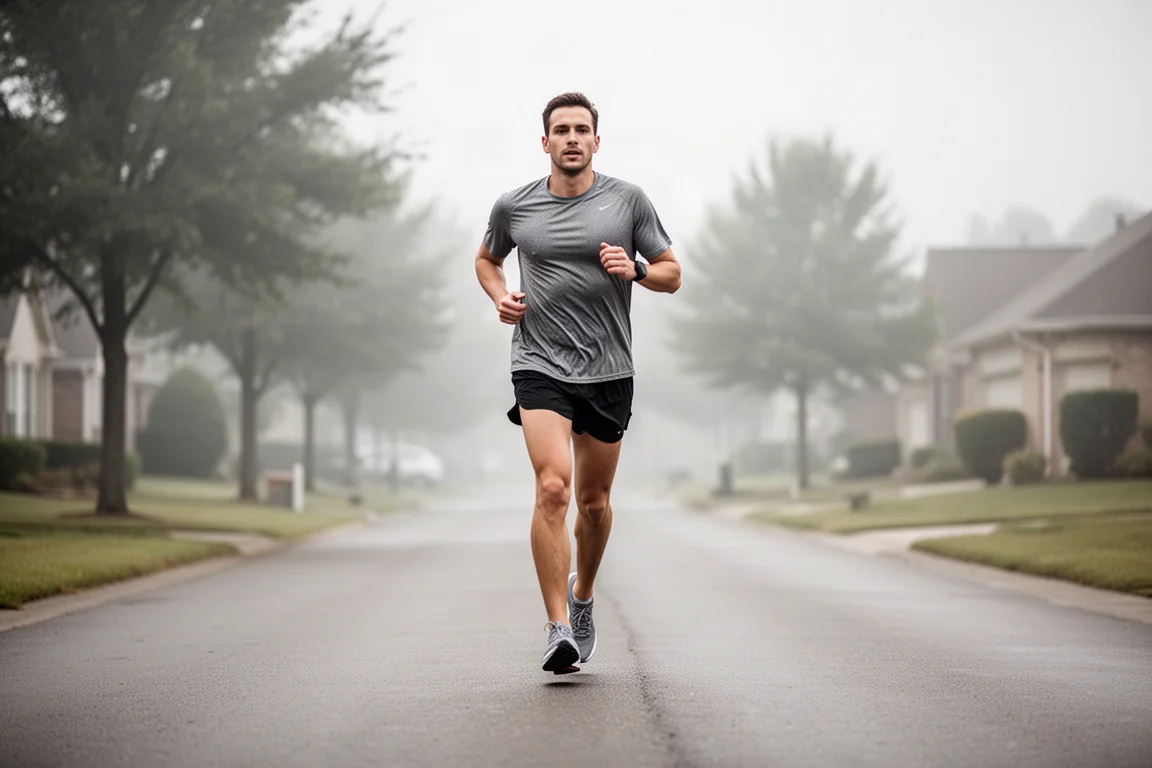
The More v5 is very cushioned with essentially no ground feel, and it tips you along with a well-shaped rocker that puts you slightly up on your toes. It is one of the softer and squishier max cushion shoes out there, built around a wide platform with foam pushed out at the front and wrapped at the back for extra stability. The surprise is the bounce: while it looks like a big floaty cruiser, it handled 6:20 to 6:30 per mile comfortably, well above a typical recovery pace of around 7:00 to 7:45. It is not the fastest shoe, but it is faster than you might expect.
Three adjectives describe it well: comfortable, soft and stable. There is no plate and no gimmicky midsole technology, just a solid EVA blend and an excellent rocker, which may be the single most underrated element of this shoe. The downsides to weigh: bigger runners have reported the foam bottoming out under heavy pounding, the toe box and midfoot can feel tight for some wearers, and despite sitting below the super max tier it is still a lot of shoe. If you want less foam, something like the New Balance 1080 v14 has less stack and a bit more ground feel.
At $155, the More v5 represents the pinnacle of recovery running footwear: soft, fun and easy to turn over without adding effort.
Brooks Glycerin Max: Comfort Above All
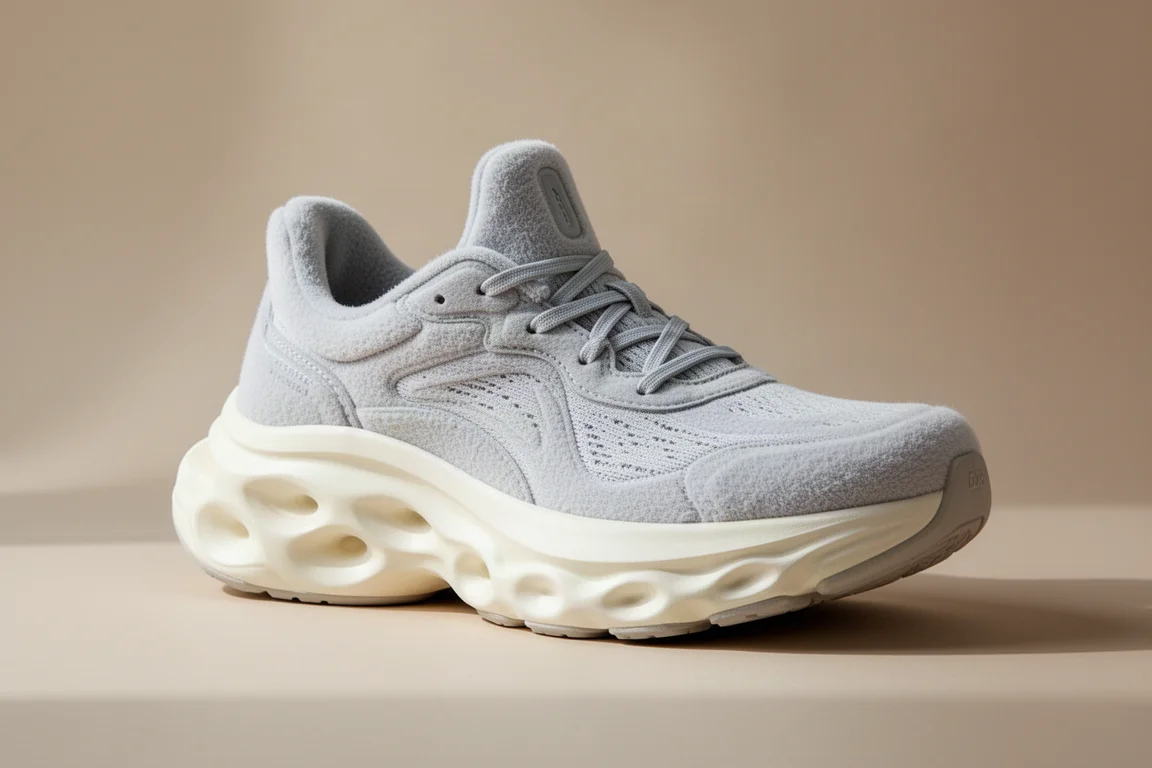
The Glycerin Max plays in a class almost of its own for comfort and balance. It carries a super tall stack of 45 mm in the heel and 39 mm in the forefoot, using Brooks’ DNA Tuned foam: very soft, very bouncy, and arranged as a dual-density setup with a softer heel and a firmer, more bouncy forefoot. Its transcendent quality is comfort, and it holds up better over longer miles than the More v5, keeping its bounce alive at the 10 to 12 mile mark where the More v5’s forefoot can start to feel a little flat.
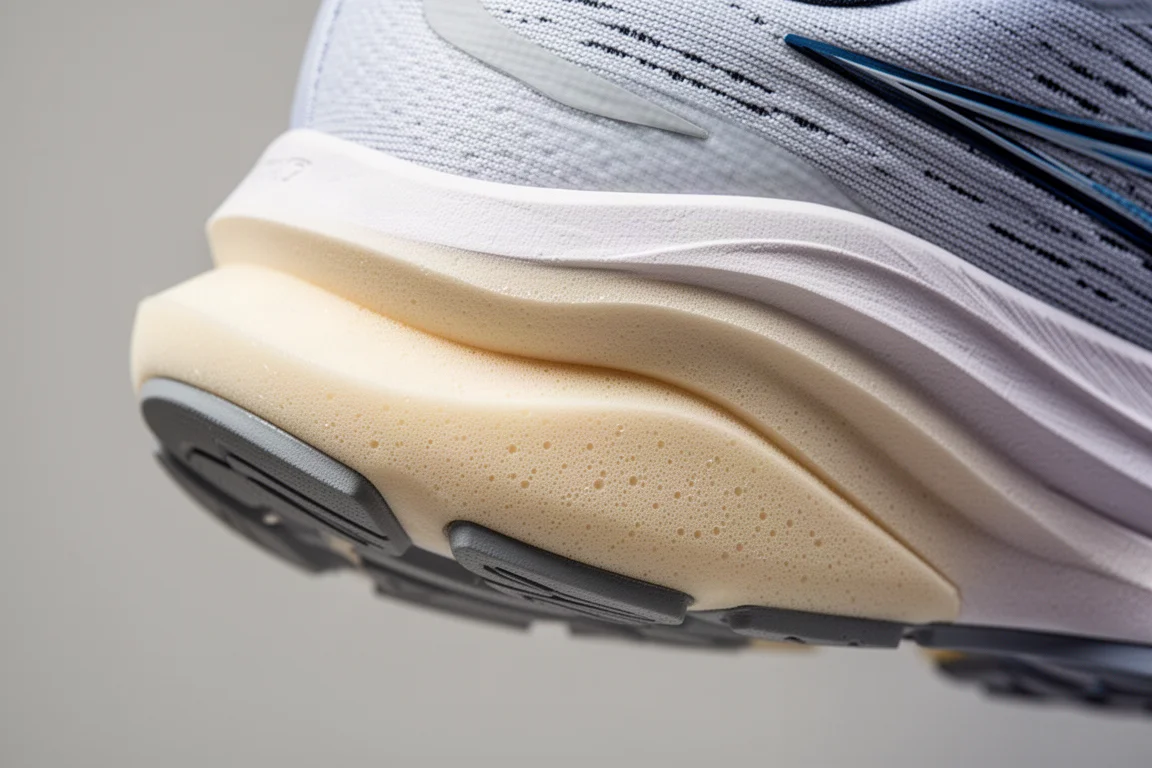
At $200 versus $155, it costs more, but this is one of the cases where the premium feels justified: the fit is wider and more dialed in, the rocker is smoother, it is easier to hit faster paces, and it does not bottom out. Stability is roughly the same, or slightly better in the heel. If you want to upgrade from a traditional max stack shoe into the super max tier, this is the one to beat.
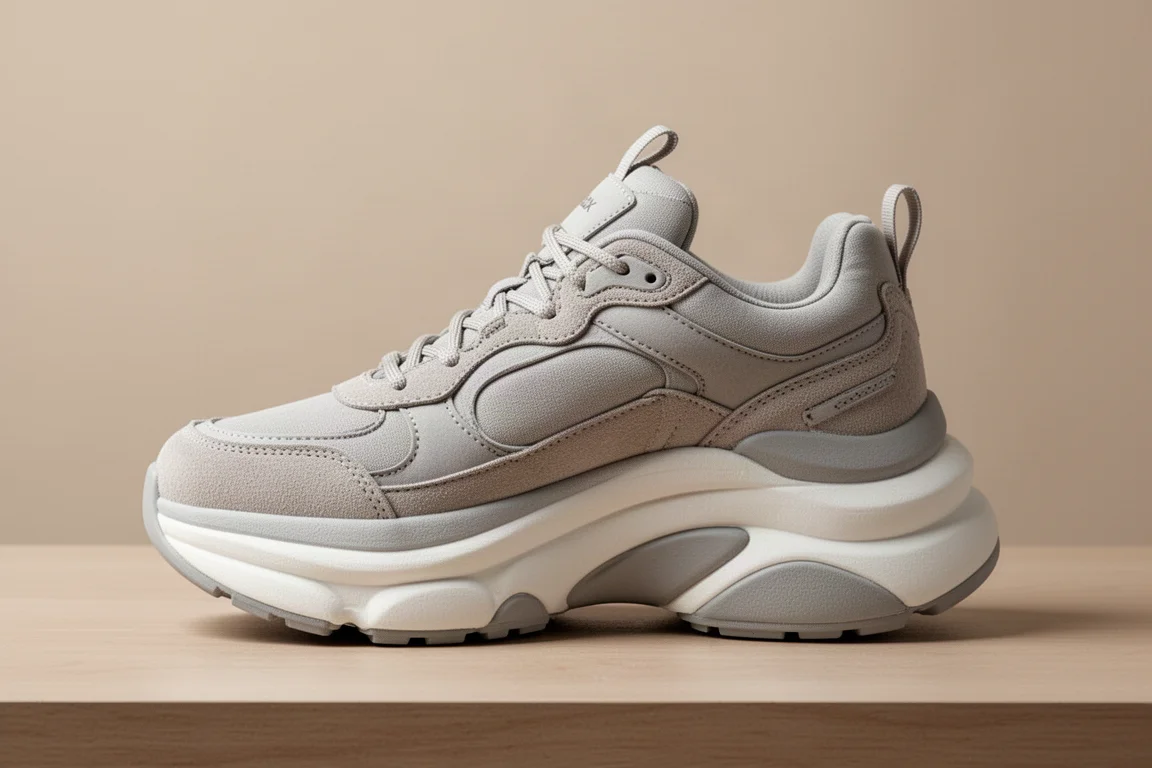
Puma Mag Max: Max Stack for Long Runs
The Mag Max is another super max stack shoe with a serious amount of foam. It is a little firmer in the forefoot than the More v5, bouncy without being too soft, and its calling card is protection, comfort and stability. It is as stable as a true stability trainer, and more protective overall than the More v5, which makes it a strong candidate for long, non-plated runs where time on feet matters.
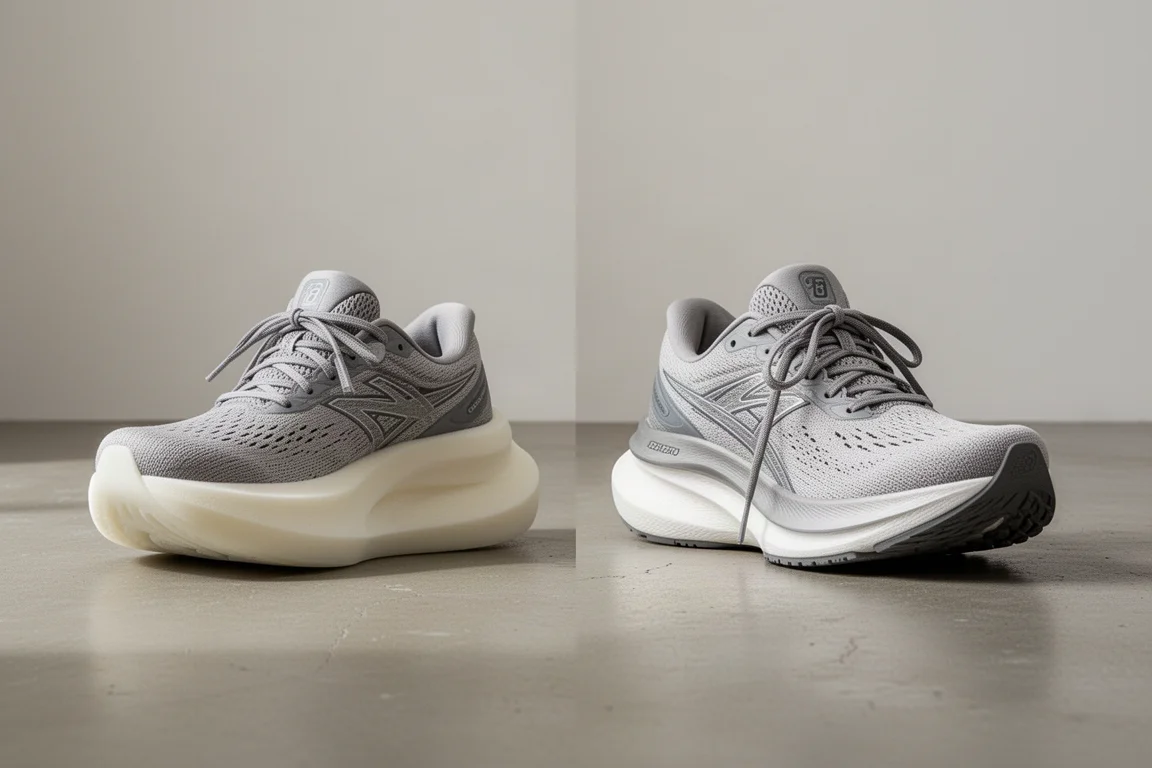
This is the pick if you want even more stability and protection than the More v5 and need something that stands up to extended time on feet. It feels bigger and heavier underfoot, while the More v5 feels a touch lighter and more fun with its softer ride. As a plated-shoe alternative with a comfortable, protective character for long runs, the Mag Max is the one to choose.
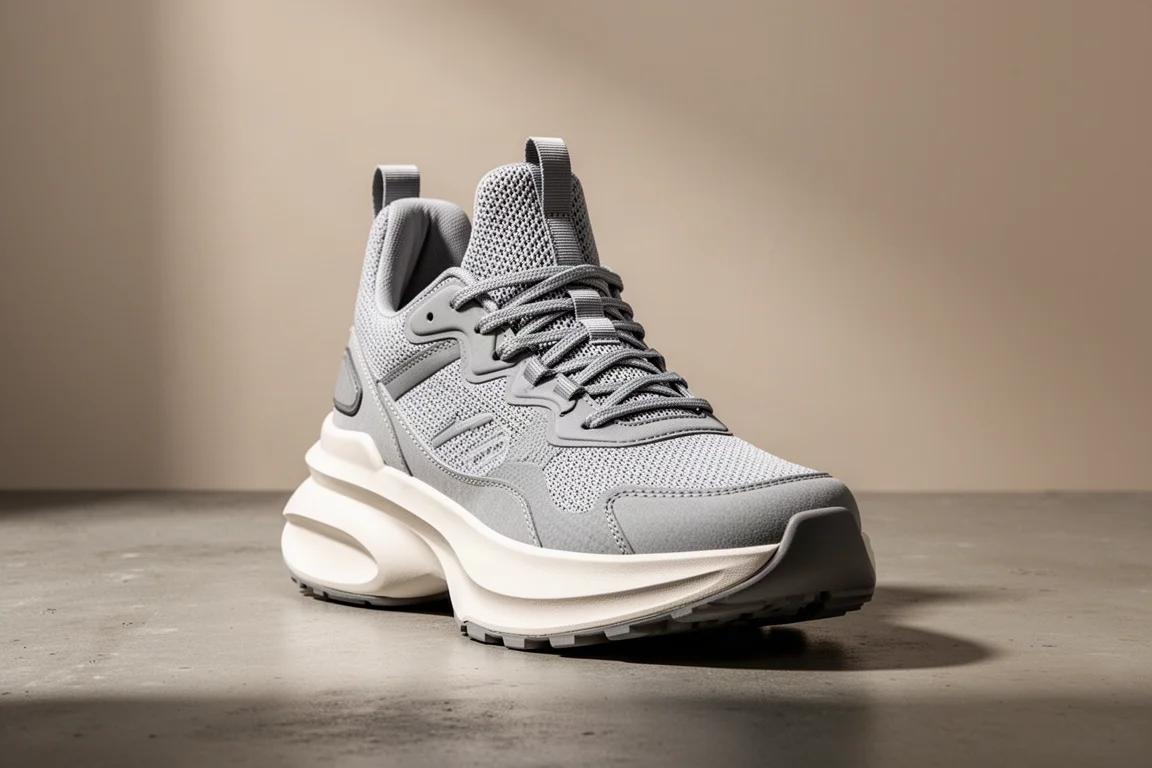
Hoka Skyflow: The Elevated Daily Trainer
The Skyflow is not a super max shoe; it is a standard daily trainer with a heel stack just under 40 mm. It is firmer and more structured than the others here, with a crunchy, light-density foam feel and excellent protection and very little ground feel. The trade is pace: it has more pep and bounce than a softer cruiser, and it stands up better to force and time on feet than any of the softer shoes in this group.
The rocker is great, similar in spirit to the More v5, which makes it very easy to run in. Easy miles in the 6:30 to 6:40 range came effortlessly, and it has been the go-to for short afternoon runs where nothing else feels right. Durability looks promising too: after roughly 30 to 40 miles the rubber is essentially untouched, and durability is advertised as one of its calling cards. At $160 it sits right alongside the More v5 in price, but with a firmer, still-cushioned character closer to an elevated everyday shoe.
Which One Should You Buy?
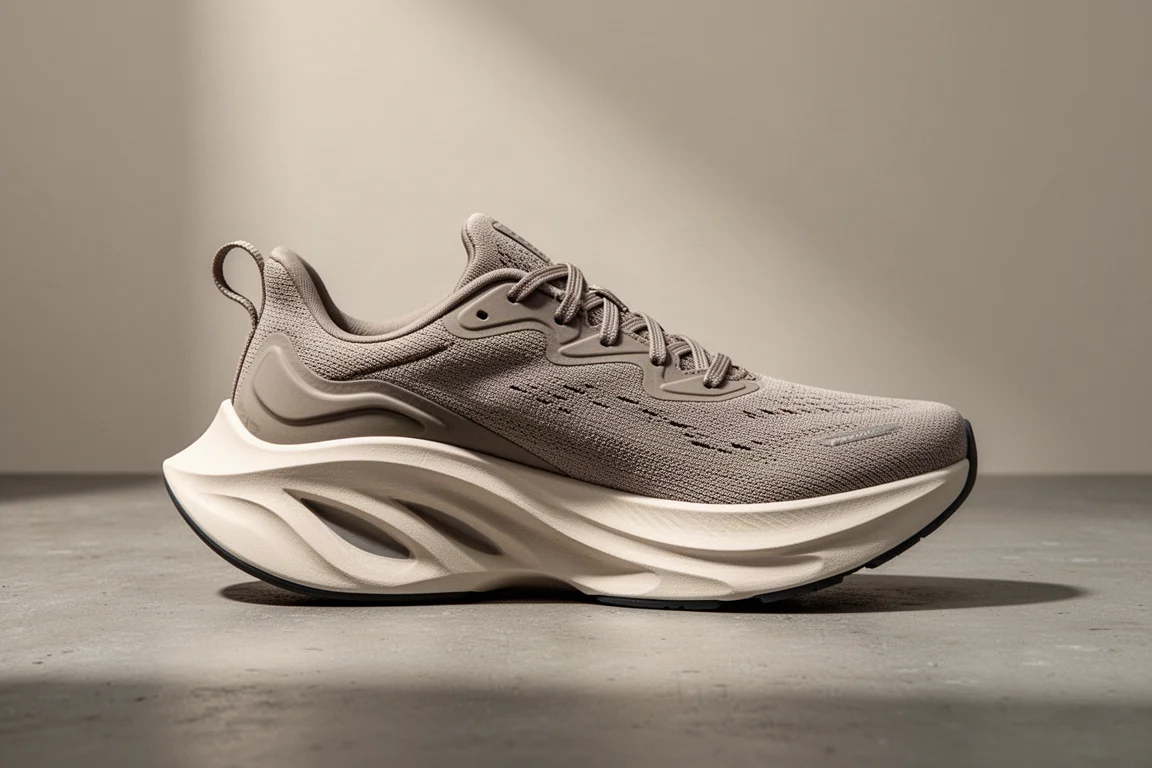
If you want a comfortable shoe for recovery miles and marathon training without spending $200, the More v5 is the easy answer. If comfort is your absolute top priority and the budget allows, the Glycerin Max is the ultimate in cushioned bounce. If long, protective non-plated runs are your target, go Mag Max. And if you want something firmer, peppier and more versatile as an elevated daily trainer, the Skyflow is the pick.
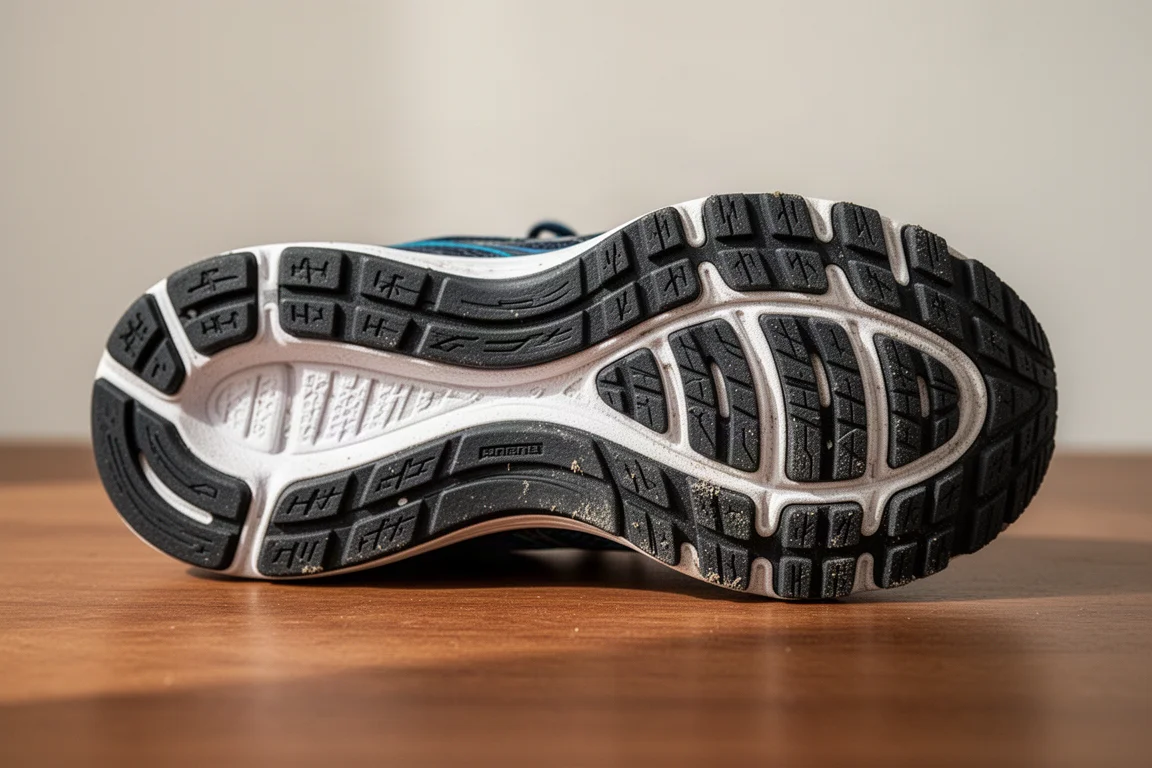
None of these is a wrong choice; it comes down to whether you lean soft and relaxed, super max comfort, stable long-run protection, or a firmer daily balance.
Conclusion
The max cushion category now offers real variety. The More v5 remains a superb value for recovery running, the Glycerin Max justifies its premium price with the best all-around comfort, the Mag Max brings max stack stability for long days on your feet, and the Skyflow delivers a firmer, durable elevated daily ride. Match the shoe to the miles you actually run and you cannot go far wrong.
Further reading
Related Reviews

Running Shoes
Best Road-to-Trail Running Shoes: Three Versatile Options for Mixed Terrain
A practical guide to three road-to-trail running shoes that handle both pavement and mild trails, with clear strengths and trade-offs for different runner types.

Running Shoes
Best Running Shoes for Achilles Tendonitis: Three Options Explained
Three running shoes with different heel drops and support features designed to help reduce Achilles tendon pain during walking and running.

Running Shoes
Best Running Shoes for Women: Five Top Choices Ranked
A ranked guide to five women's running shoes, from versatile daily trainers to high-performance racing options, with real strengths and trade-offs for each.