Cookware
Matfer Bourgeat Black Steel Frying Pan Review: The All-Purpose Pan That Improves With Time
A detailed look at why the Matfer Bourgeat 11 7/8-inch Black Steel Frying Pan stands out among carbon steel skillets, with practical guidance on seasoning, maintenance, and real-world cooking performance.
Introduction
Carbon steel skillets have become a favorite in professional kitchens and home cooking alike. If you have ever eaten a meal prepared in a restaurant, there is a strong chance it was cooked in a carbon steel pan. These pans combine the heat retention of cast iron with a naturally non-stick surface that improves over time, all in a lighter and more versatile package.
The Matfer Bourgeat 11 7/8-inch Black Steel Frying Pan emerged as the standout choice after testing eight different carbon steel skillets. This French-made pan offers practical advantages in design, performance, and durability that make it worth considering if you are looking to add a carbon steel skillet to your kitchen.
What Makes Carbon Steel Different
Carbon steel skillets are made from iron with a small amount of carbon, similar to cast iron. The key difference lies in the manufacturing process. By using slightly less carbon and shaping rather than casting the metal, manufacturers can create a thinner pan with sloped sides that is easier to handle than traditional cast iron while retaining most of its desirable properties.
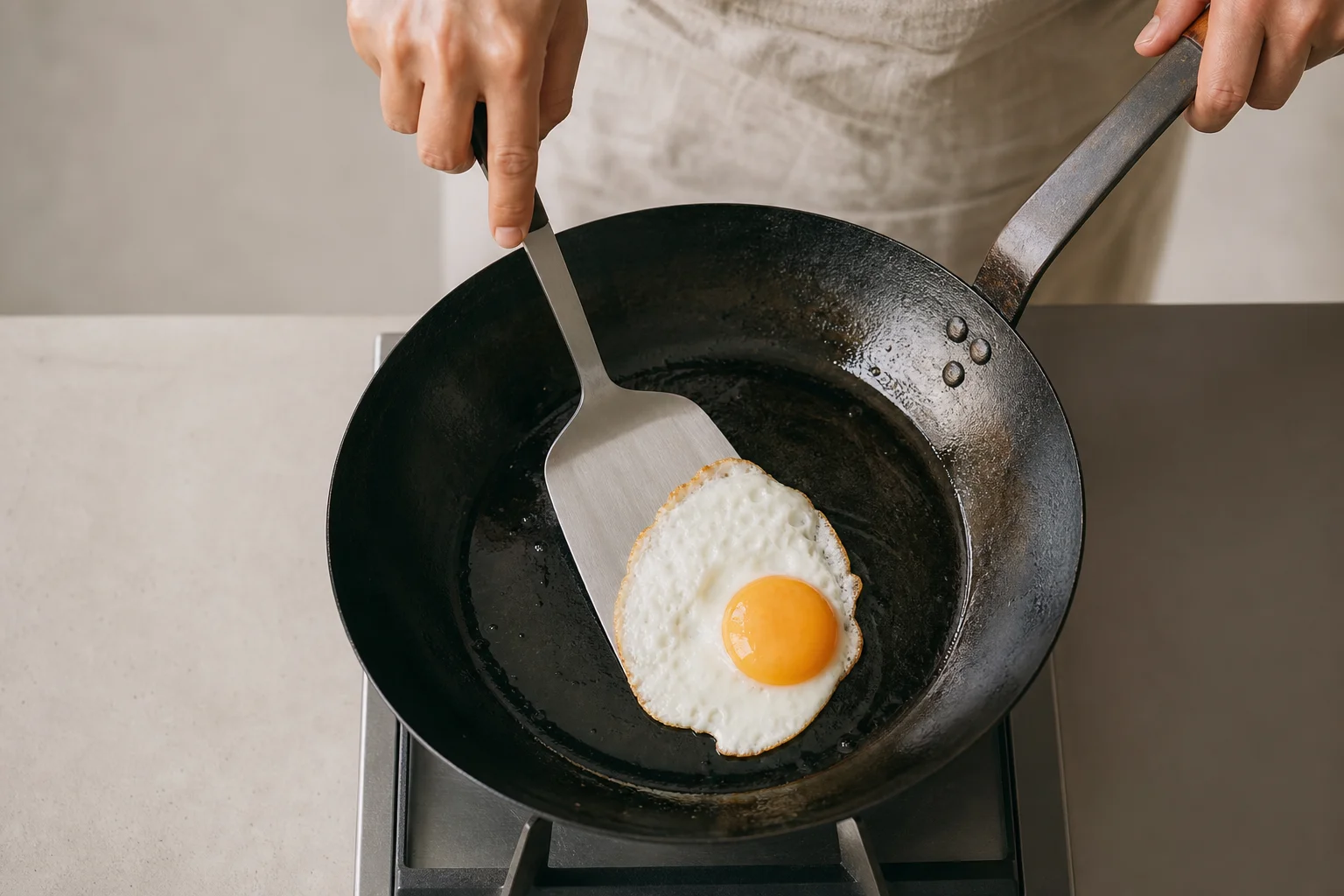
The most appealing characteristic of carbon steel is its ability to develop a naturally non-stick surface through seasoning. Unlike traditional non-stick pans that use PTFE or ceramic coatings, carbon steel builds its non-stick layer through polymerized oil bonded directly to the metal. This means the pan becomes more non-stick over time rather than degrading, and there are no chemical coatings to worry about.
Design Strengths of the Matfer Bourgeat
The Matfer Bourgeat excels in several practical design details that set it apart from other carbon steel skillets tested.
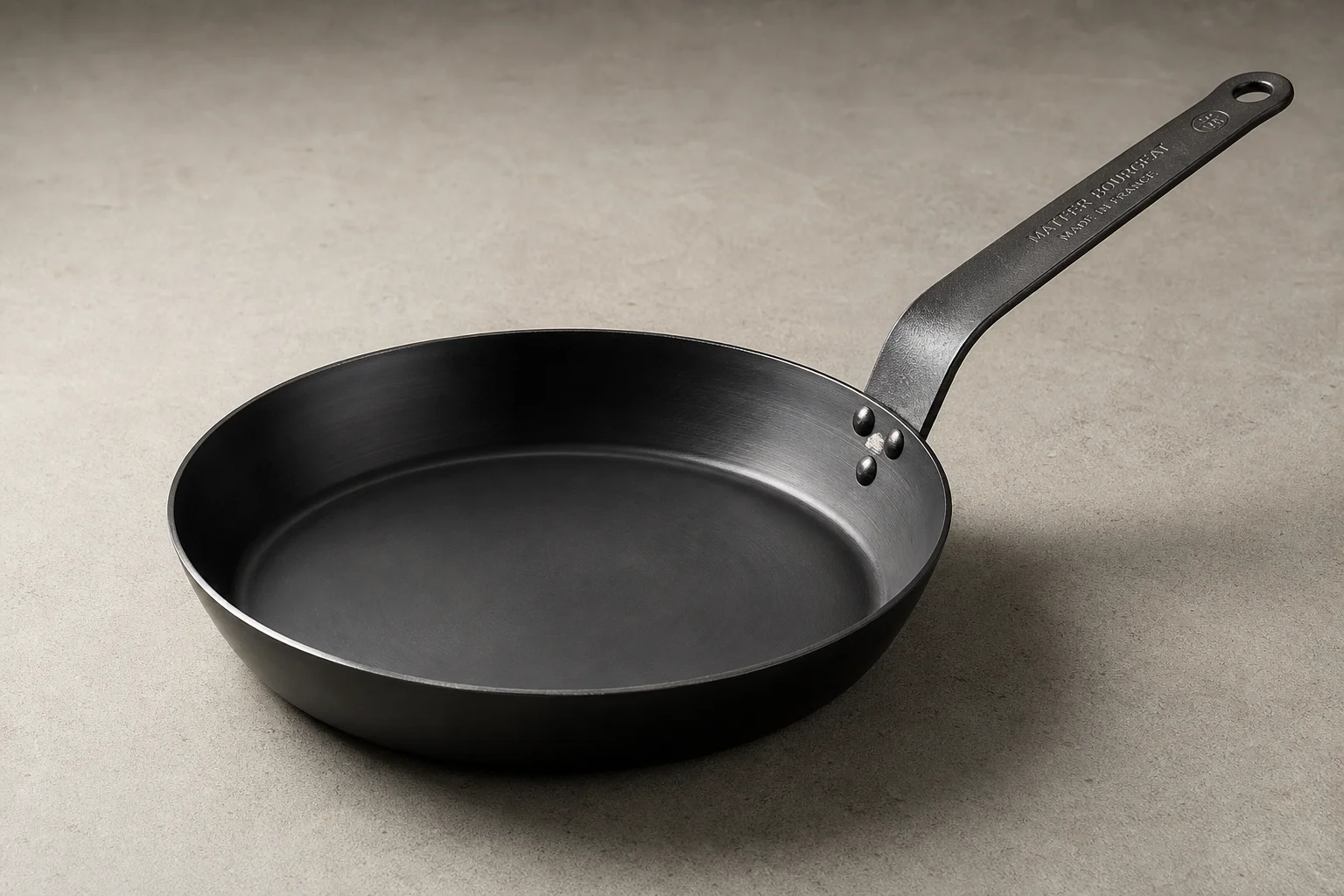
The 11 7/8-inch diameter provides ample cooking surface without being unwieldy. More importantly, the pan features low, sloping sides rather than the high, bowl-like walls found on some competitors. This design encourages evaporation and browning, and allows a spatula to slide underneath food easily. The broad, flat cooking surface gives food room to spread and develop a proper crust rather than steam.
The all-metal handle is a significant advantage. It can transition seamlessly from stovetop to oven without any concerns about heat damage. The handle angles upward slightly, a characteristic of European pans, but not so steeply that it becomes difficult to fit the pan into an oven without the handle catching on broiler elements. This proved especially useful when making dishes like tarte Tatin that require moving the pan between stovetop and oven.
The rivets that attach the handle are flat and flush with the surface, creating a smooth, consistent cooking area. This detail matters more than it might seem. Lumpy, protruding rivets can trap food particles and grease, making both cooking and cleaning more difficult. The smooth rivet design on the Matfer Bourgeat eliminates this problem entirely.
Heat Retention and Searing Performance
When compared directly to cast iron and stainless steel skillets, carbon steel delivers a balanced performance that makes it ideal for everyday cooking.
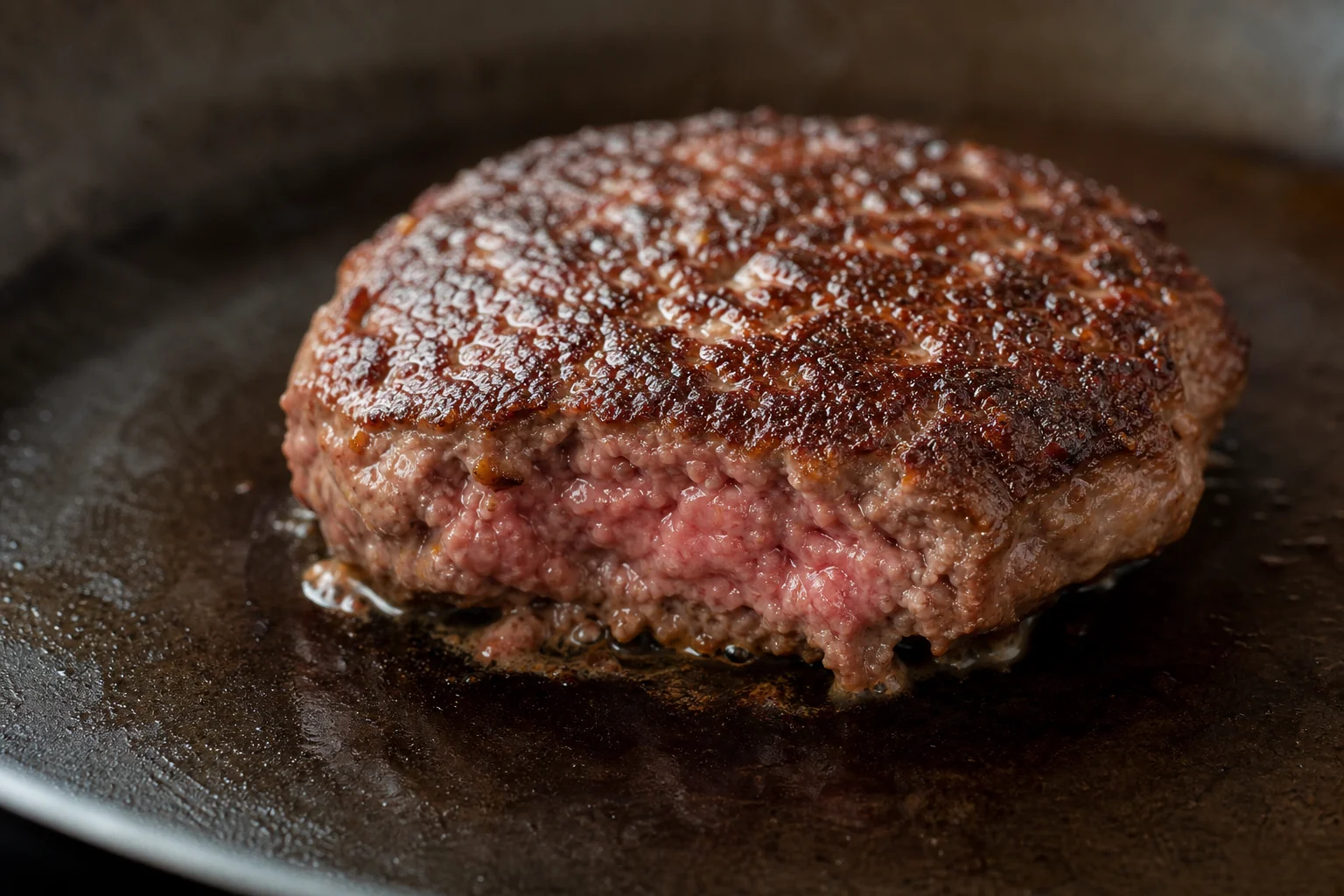
Cast iron excels at heat retention but can produce an overly dark crust that borders on burnt, especially on items like burgers. Stainless steel distributes heat evenly but lacks the aggressive searing power needed for a proper crust. Carbon steel strikes the middle ground. It retains enough heat to develop a deeply golden-brown, crispy exterior while cooking the interior to the desired doneness without overcooking the outside.
In practical terms, this means you get the searing capability you want for steaks, burgers, and vegetables without the learning curve required for cast iron. The pan cleans up easily after cooking, with minimal food residue sticking to the surface once it is properly seasoned.
Initial Seasoning Process
New carbon steel pans arrive coated with a protective layer of beeswax or grease to prevent rust during shipping. This coating must be removed before seasoning can begin.
Start by washing the pan thoroughly with hot water, soap, and an abrasive sponge or scrubbing brush. Do not be gentle here. Vigorous scrubbing is necessary to remove all traces of the protective coating from the cooking surface, sides, handle, and bottom. The pan should feel like smooth metal when you are finished, with no sticky residue remaining.
Once the pan is clean and dry, place it over medium heat and add one-third cup of oil, two-thirds cup of salt, and the peels from two potatoes. The salt and potato peels work together to remove any remaining wax or grease while also regulating heat to prevent spotty seasoning. Move the peels around the bottom and sides of the pan for eight to ten minutes. You can substitute sliced onion or scallions and ginger if you prefer.
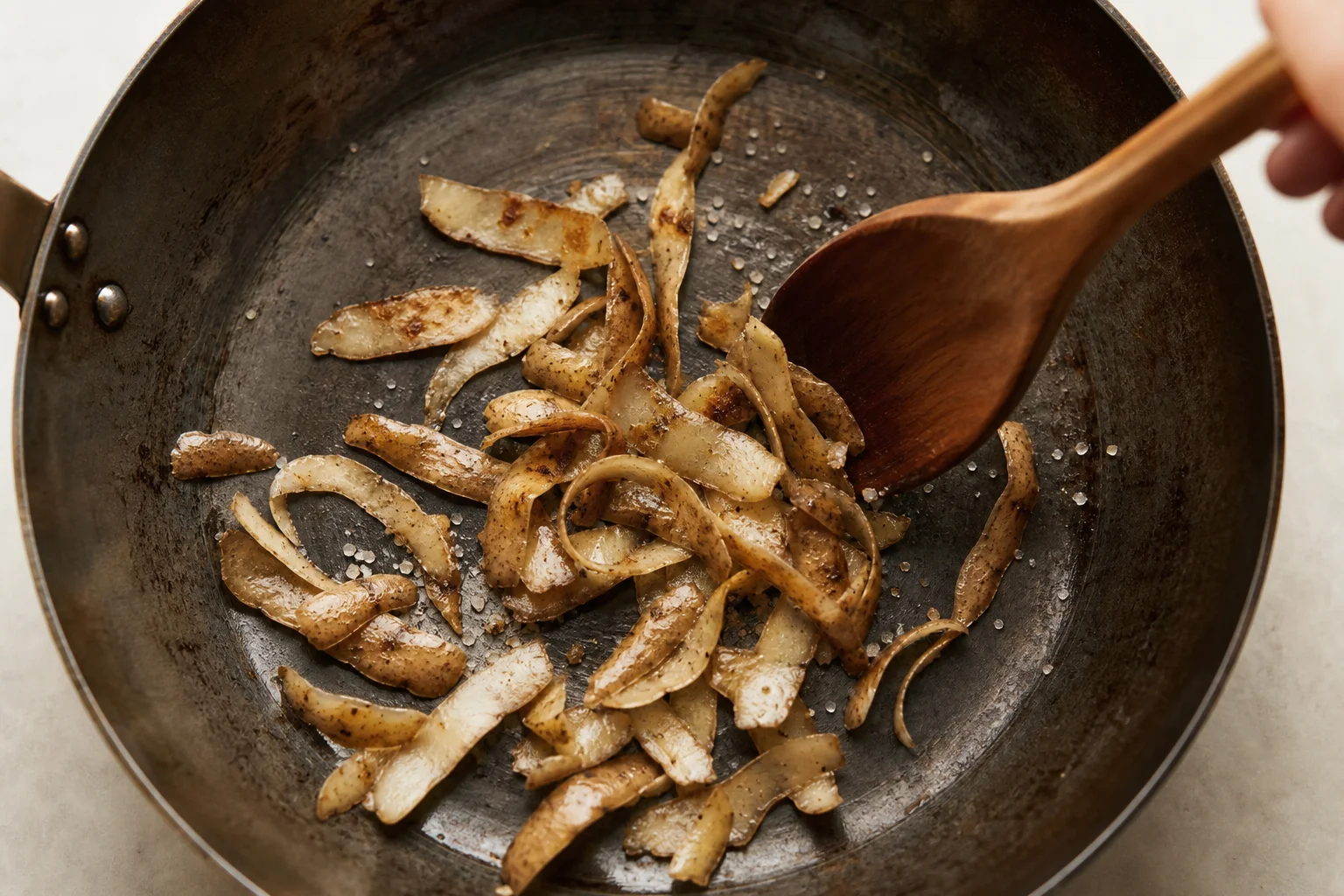
After discarding the peels, the pan is considered seasoned and ready to use. Cook with a small amount of fat to continue building the non-stick layer. Even at this early stage, food will slide across the surface with minimal sticking. The seasoning will continue to deepen and improve with regular use.
Long-Term Care and Maintenance
The Matfer Bourgeat improves with age when given basic care. After each use, wash the pan gently with a scrub brush or sponge. A small amount of soap is acceptable, though often unnecessary. Dry the pan thoroughly over a warm burner, being careful not to overheat it, as excessive heat can break down the seasoning.
Once dry, apply one-quarter teaspoon of oil to the entire surface using a paper towel or dedicated cloth, then wipe away any excess. The goal is a thin, even coating with no pooling or buildup. Let the pan smoke briefly as the oil polymerizes, then wipe away any beaded oil with a clean towel.
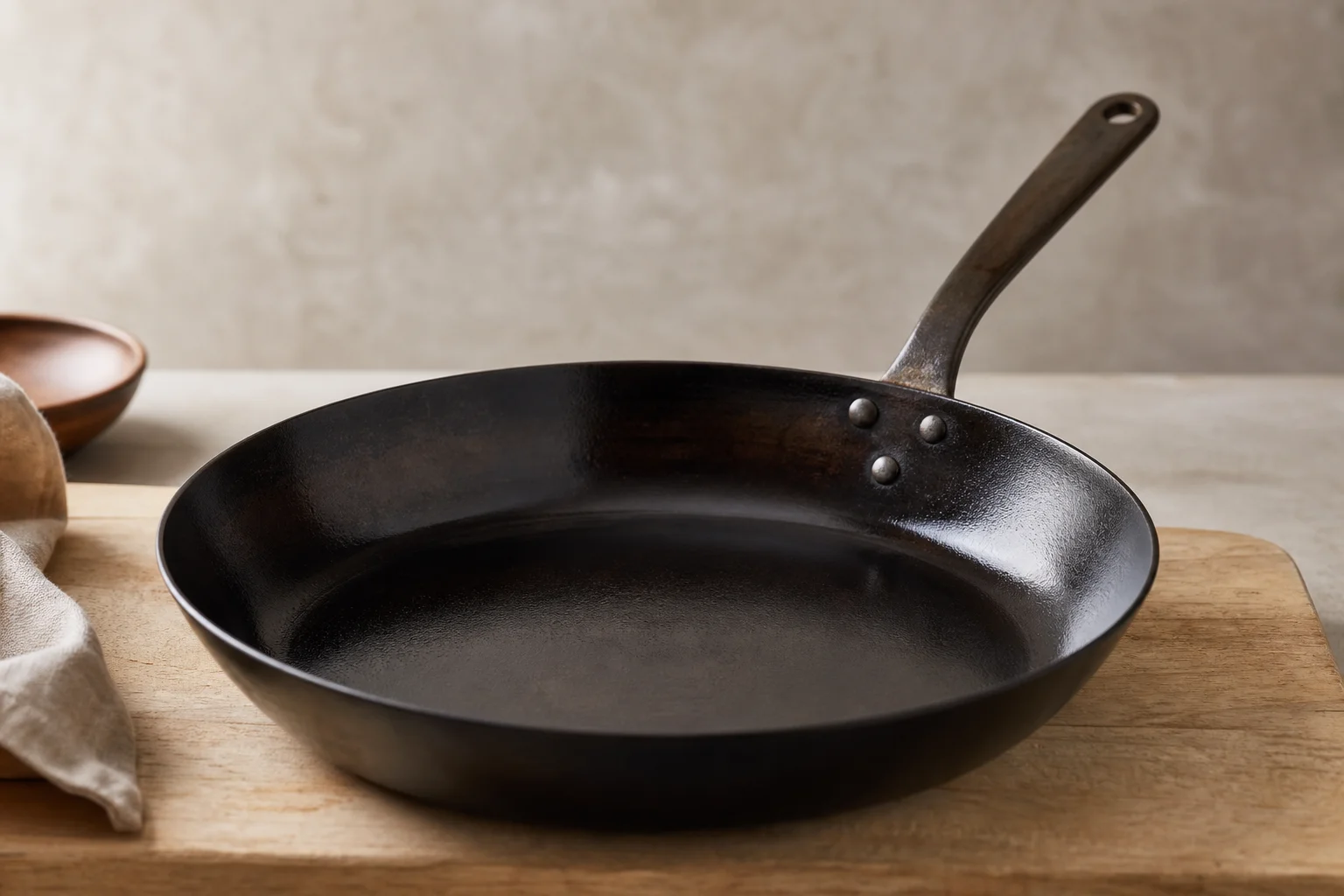
Acidic foods like tomato sauce, white wine, or lemon juice can strip back the non-stick layer slightly. This is not a permanent problem. You can either repeat the full seasoning process with potato peels if the damage is significant, or simply oil the pan and let the seasoning rebuild gradually through normal cooking.
Never place a carbon steel pan in the dishwasher, as the harsh environment will destroy the seasoning. Full seasoning can take upwards of a year to develop completely, and the surface may appear blotchy or uneven during this time. This is normal and temporary. With consistent use and maintenance, the pan will develop a rich, glossy patina that becomes increasingly non-stick.
Conclusion
The Matfer Bourgeat Black Steel Frying Pan represents the best balance of design, performance, and durability among carbon steel skillets. Its practical features, from the sloped sides to the smooth rivets to the well-angled handle, make it a pleasure to use rather than a compromise. The pan’s ability to sear effectively while developing a naturally non-stick surface that improves over time makes it a worthwhile investment for anyone who cooks regularly. It is the kind of pan that becomes more valuable the longer you own it.
Product link
View more details for Matfer Bourgeat Black Steel Frying Pan
This product is mentioned in the review. Check the specifications, options, and compatibility before buying.
View more details for Matfer Bourgeat Black Steel Frying PanFurther reading
Related Reviews
Cookware
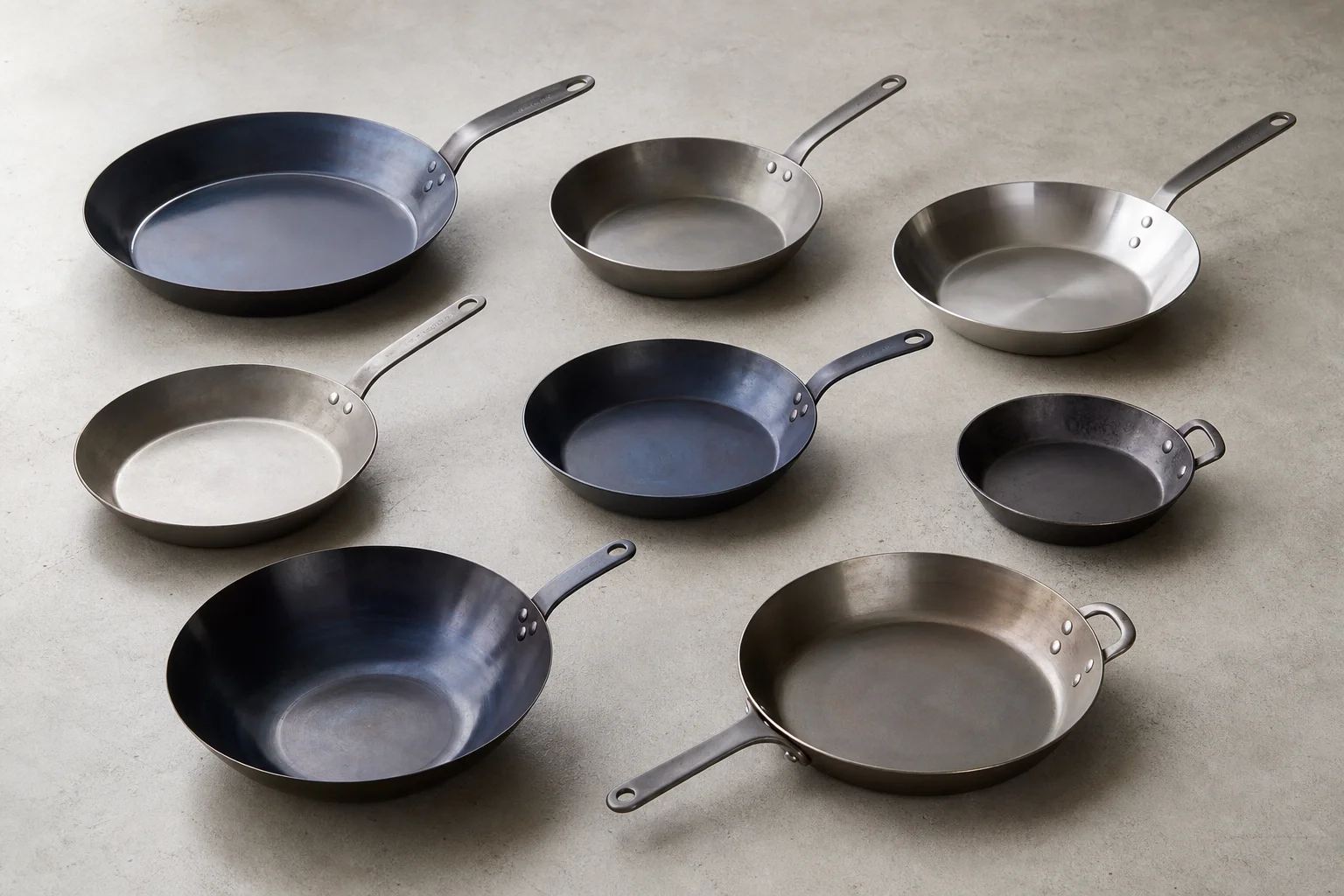
Best Carbon Steel Pans Tested: Which Brands Deliver Real Value
We tested eight popular carbon steel pans with controlled durability, heat, and cooking tests. Here's which ones perform best and which to avoid.
Cookware
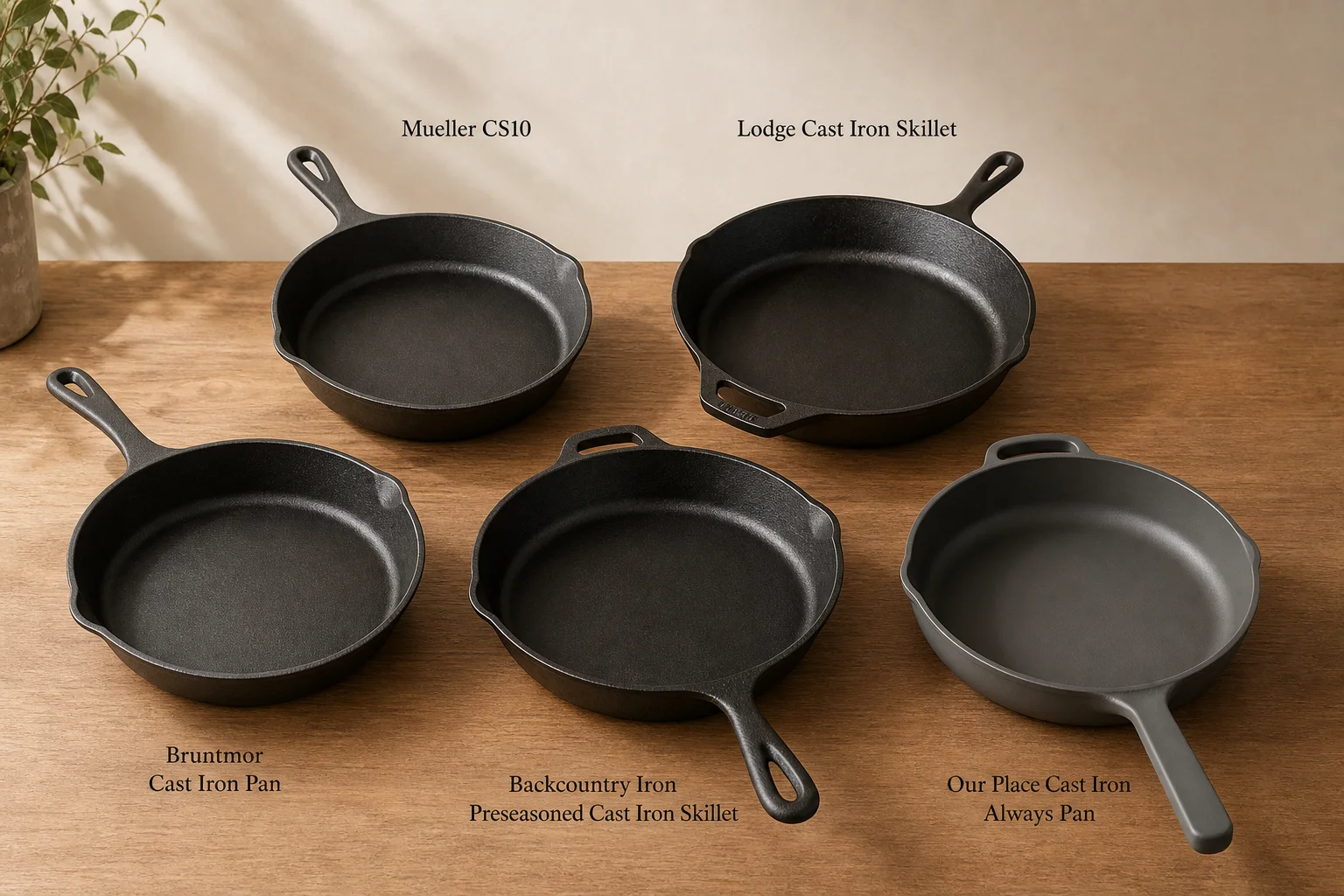
Best Cast Iron Pans 2026: Five Options from Budget to Premium
A practical breakdown of five cast iron skillets, from affordable Mueller to premium Our Place, with clear strengths and trade-offs for different cooking needs.
Cookware
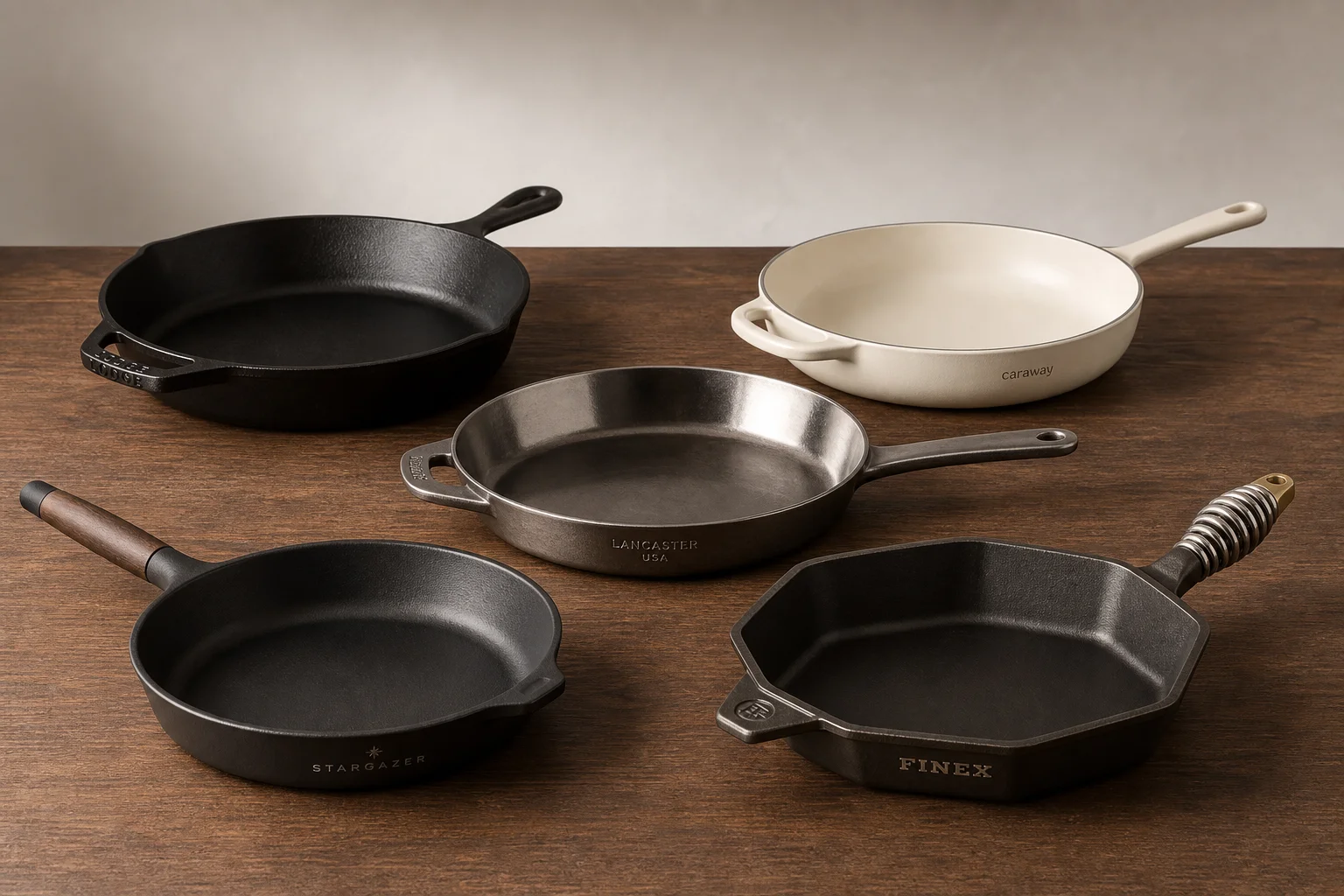
Best Cast Iron Skillets: Five Options for Every Kitchen
A comprehensive guide to five cast iron skillets, from budget-friendly classics to premium handcrafted options, each with distinct strengths and use cases.