Grow Lights
Mars Hydro FC400 vs Spider Farmer SE4500: Two LED Grow Lights With Nearly Identical DNA
A detailed side-by-side look at the Mars Hydro FC400 and Spider Farmer SE4500, two LED grow lights with matching specs and a few telling differences.
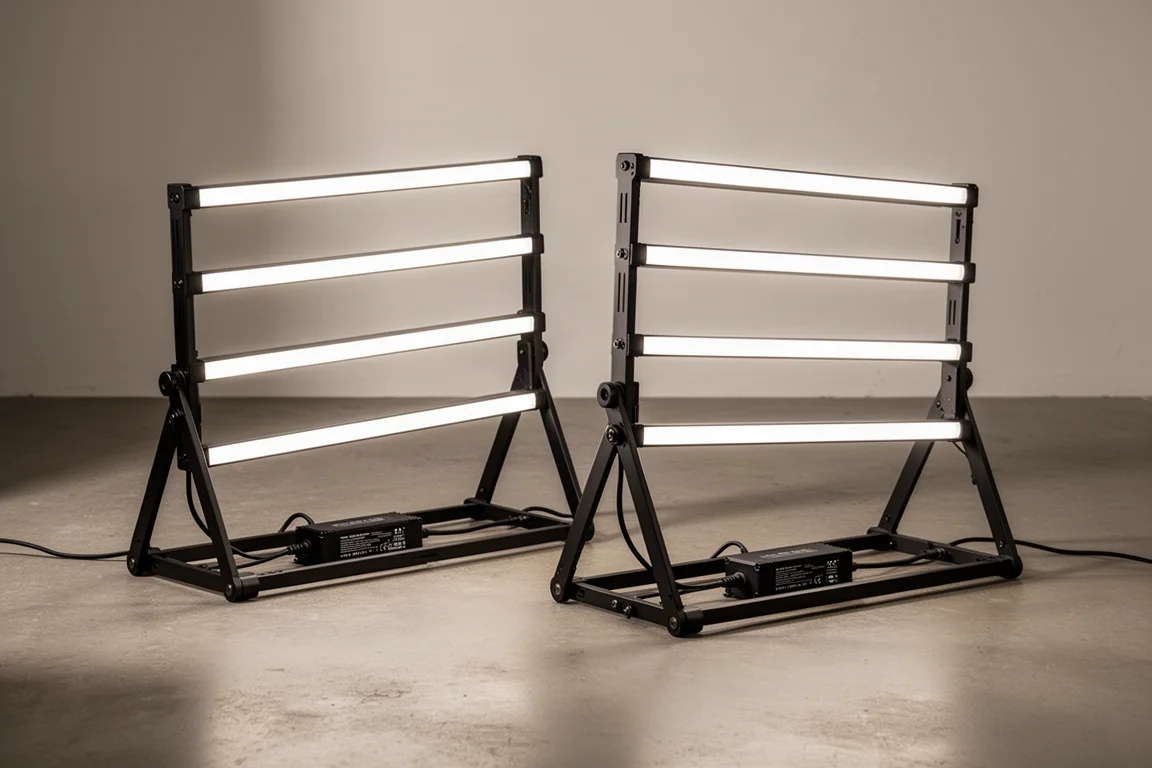
Introduction
Comparing LED grow lights usually means juggling different specs, different footprints, and different design philosophies. That is not the case here. The Mars Hydro FC400 and the Spider Farmer SE4500 turn out to be so similar on paper that the real question becomes: are these effectively the same light?
The answer, based on close inspection and hands-on measurement, is very nearly yes, with a couple of small but meaningful differences that could tip your purchase either way.
Two Lights, One Blueprint
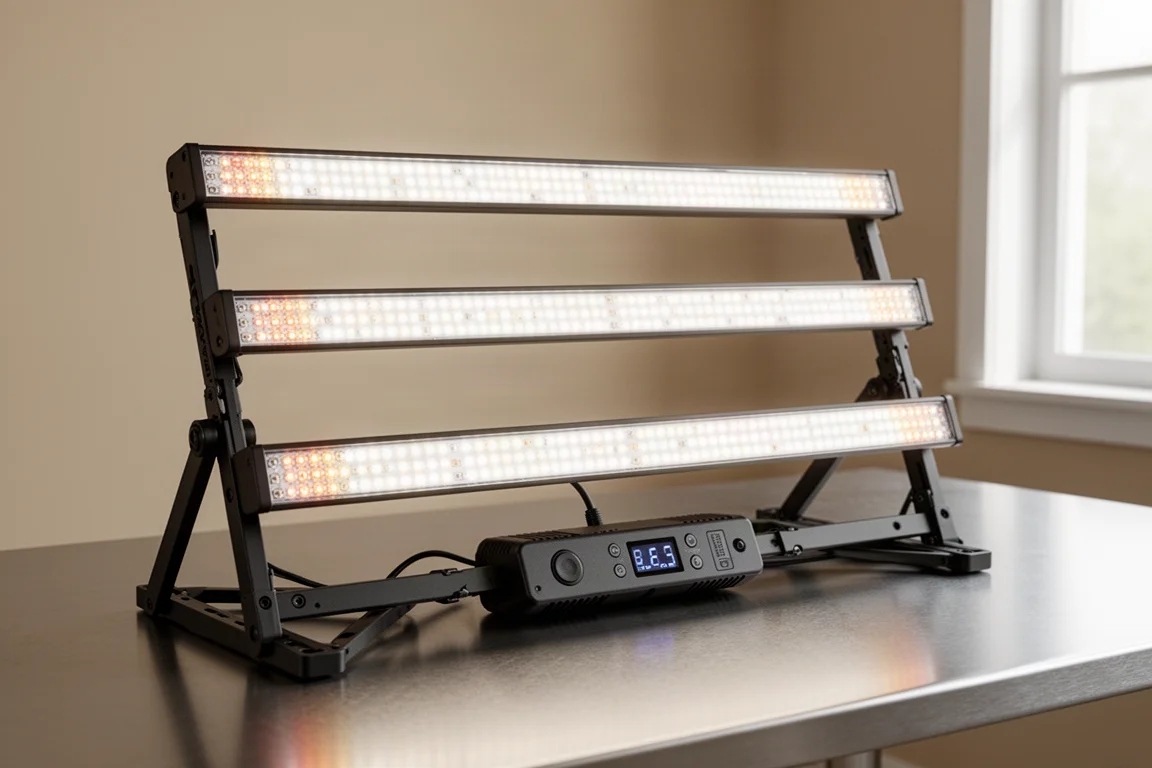
Before any measurements were taken, the physical evidence was already striking. The bar pieces on both lights carry the same part markings, the screws match, and the LED counts, spectrum, and even the number of infrared LEDs are identical. Both units reportedly shipped from the same factory address.
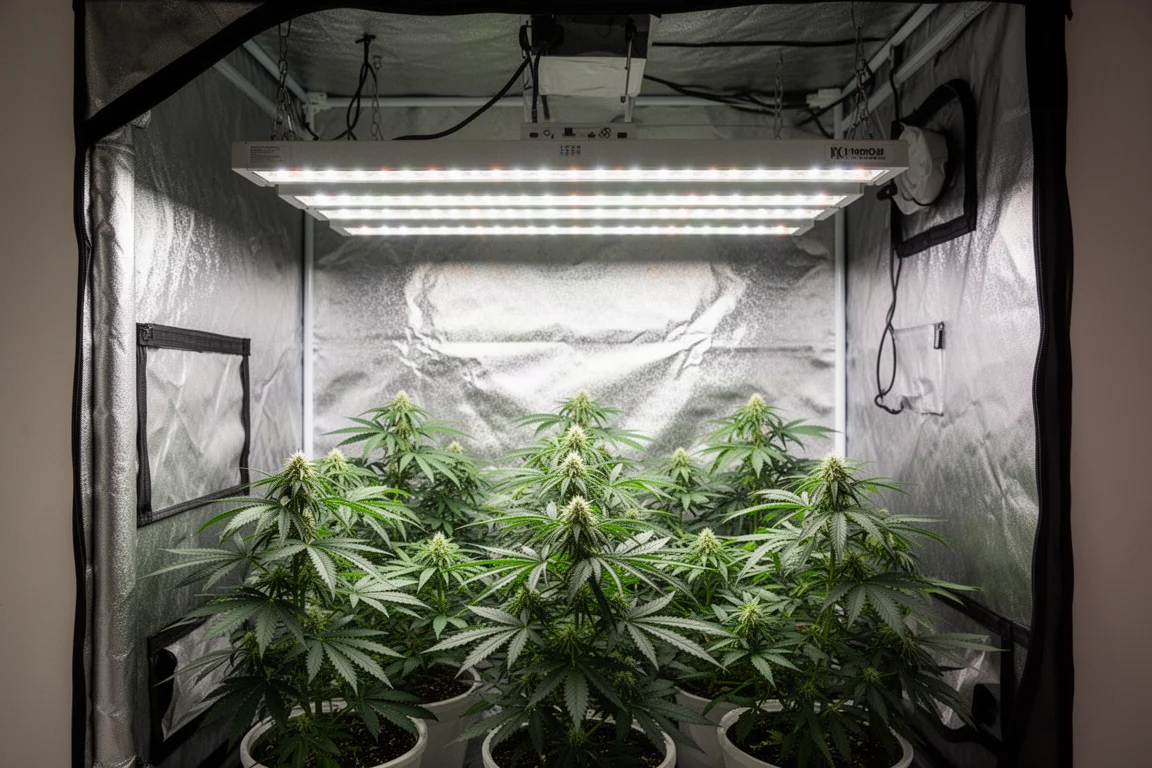
Dimensions back this up: the FC400 measures 45 by 14.25 inches, while the SE4500 comes in at 45 by 14.5 inches. These are two fixtures built to the same template, differing only in the details each brand chooses to emphasise.
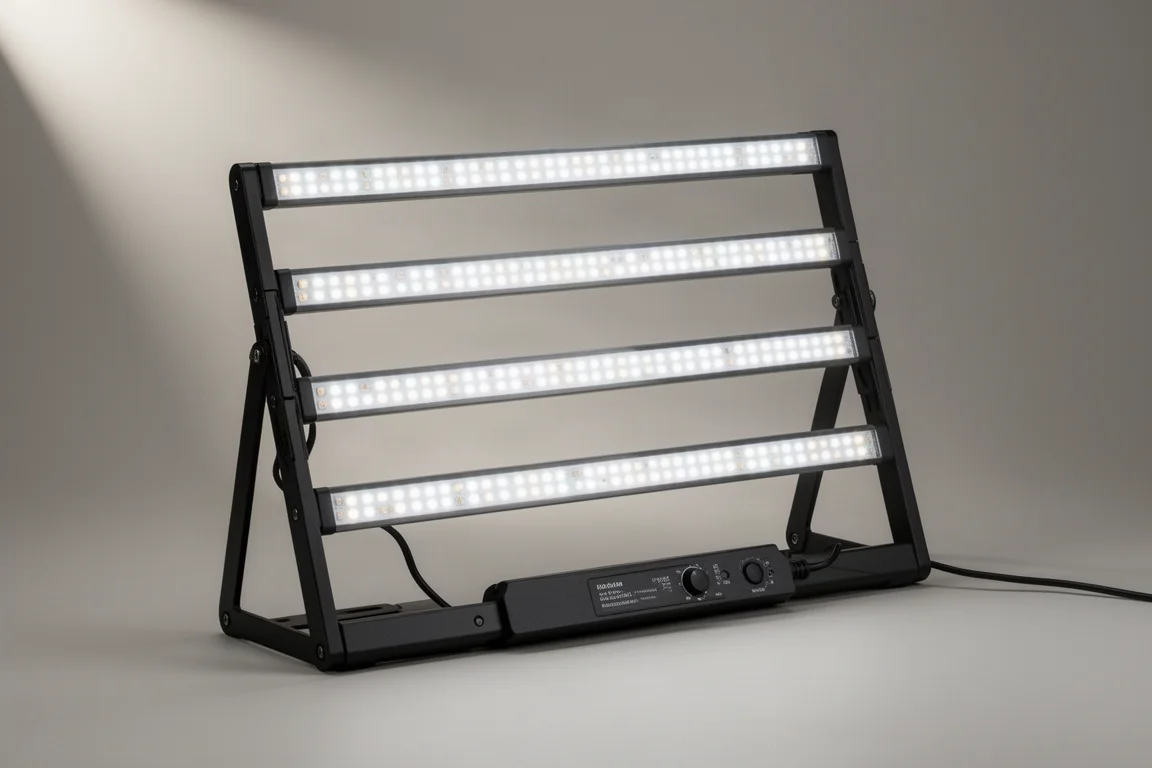
Light Output and Heat: The Measured Numbers
PPFD readings were taken with an Apogee MQ-500 at 18 inches from the light, at six locations inside a 2x4 AC Infinity tent. The Spider Farmer SE4500 came out slightly higher overall, which tracks with its driver running about 4 watts higher, allowing a little more total power.
One measurement nuance worth knowing: the left-side readings were lower than the right-side readings because the tent door was open on that side. The closed walls reflect and refract more light, which lifts the readings on the enclosed side.
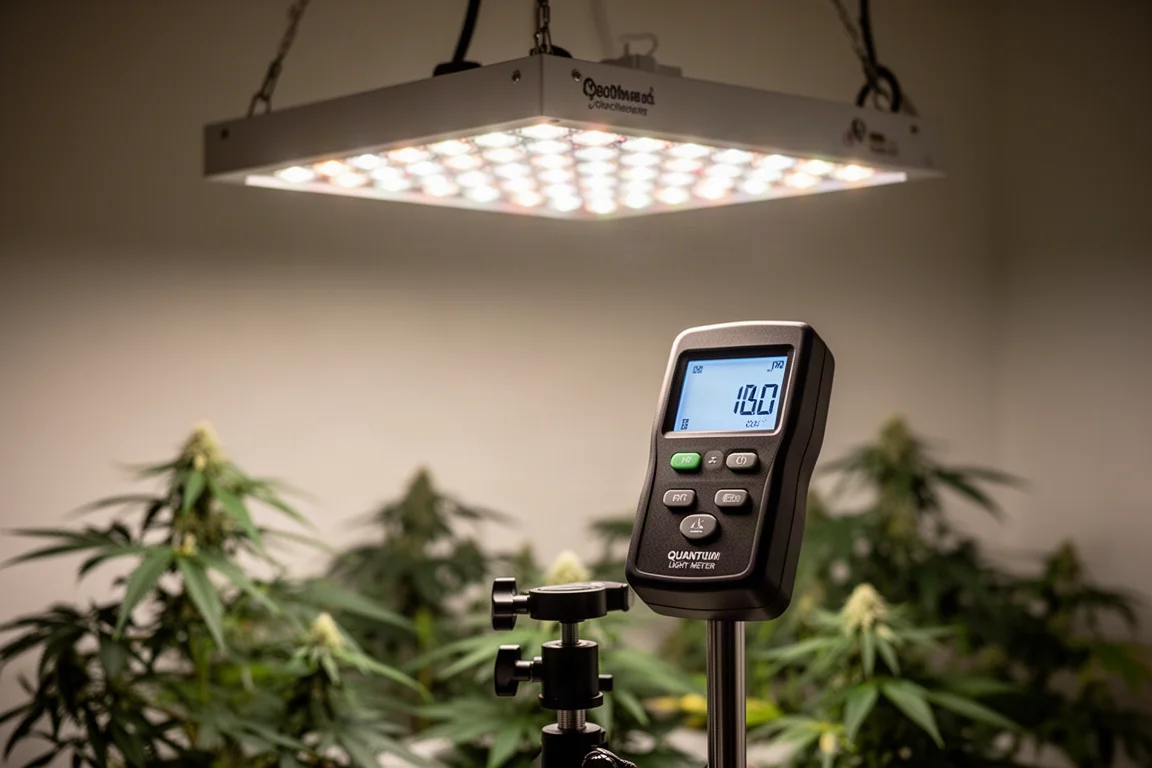
Heat behaved much as you would expect. Measured with an AC Infinity probe 12 inches below the light, the Mars Hydro settled at 75.9 degrees one hour after stabilization, while the Spider Farmer reached 76.1 degrees, a marginal difference largely explained by its higher wattage and brighter output.
Spectrum and LED counts are identical across both fixtures: 765 total LEDs across three light bars, with 240 white LEDs, 15 infrared LEDs, and 255 LEDs per bar.
Where They Actually Differ: LED Distribution
The first real difference is how the LEDs are laid out on the bars. On the Spider Farmer SE4500, the diodes are more concentrated toward the edges of the fixture compared to the Mars Hydro FC400.
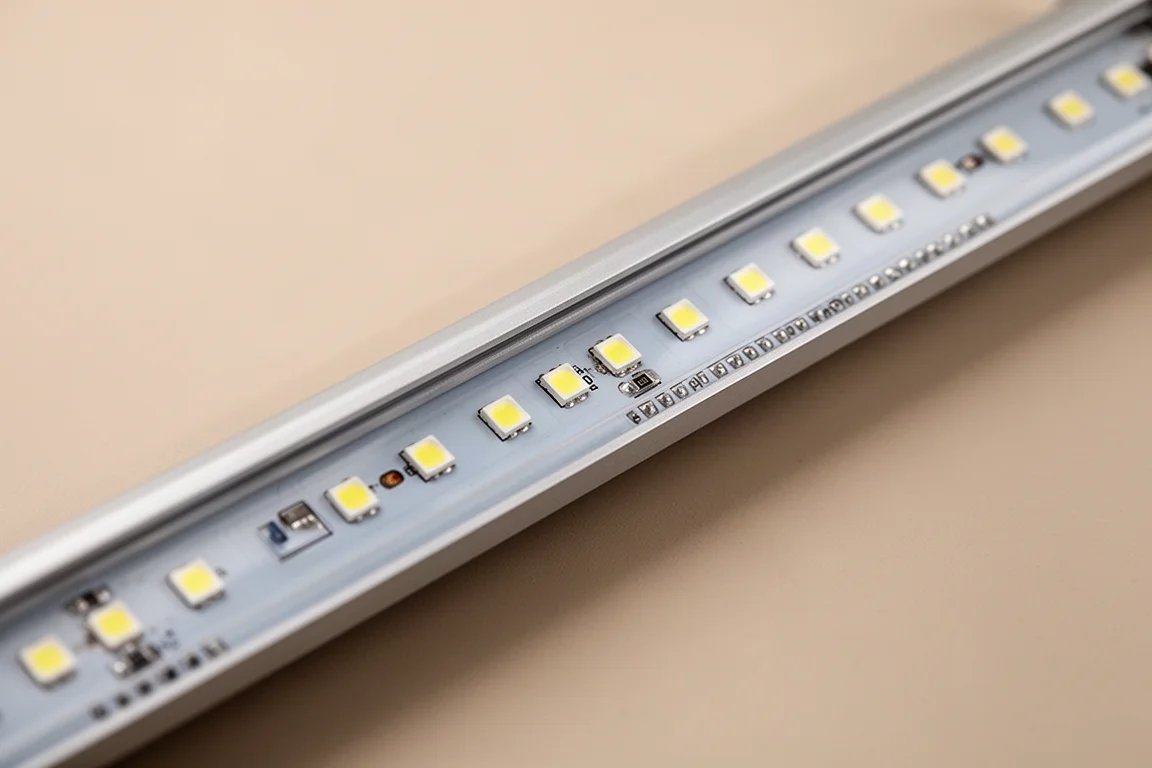
That small change matters in practice. A more edge-weighted distribution produces higher PPFD values toward the outside of the tent, addressing a common weakness of many grow lights today, where coverage drops off noticeably at the perimeter of the footprint.
Dimmer Controls and the Final Verdict
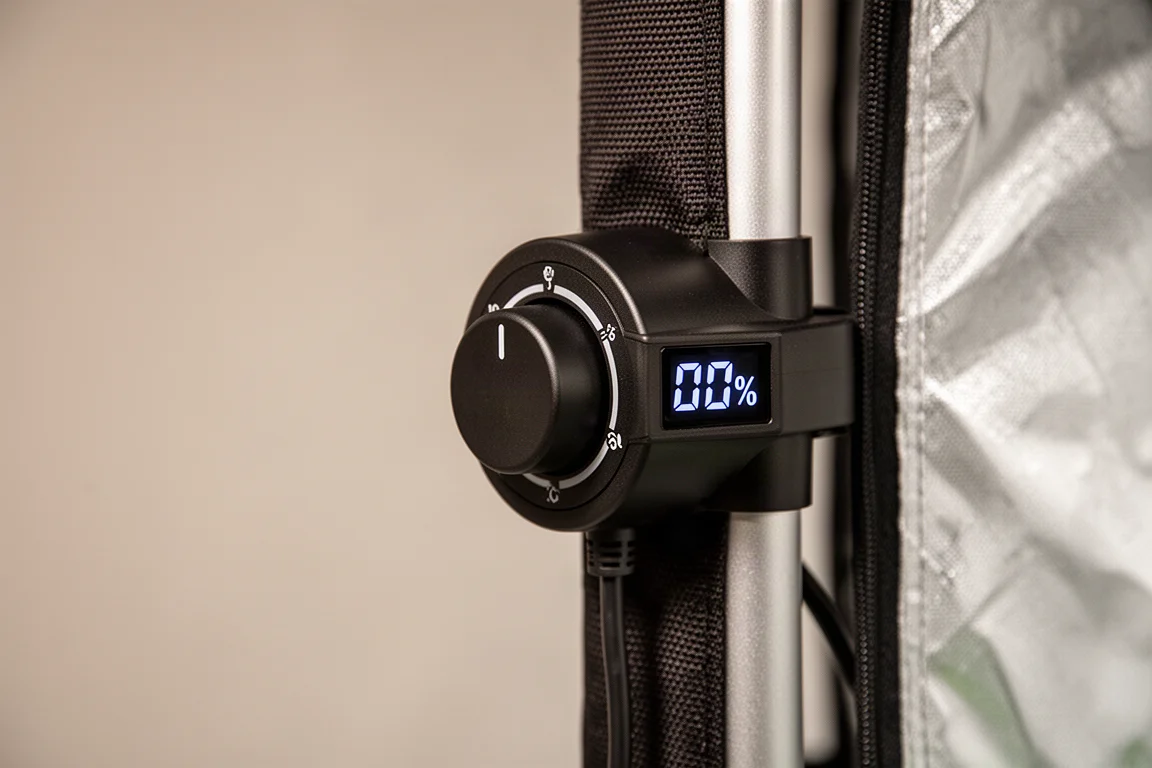
Both lights use continuous dimming dials that can be turned down to a full off position, so neither gives ground there. The difference is feedback: the Spider Farmer adds a display that shows the exact percentage of power being delivered, which makes dialling in a specific intensity much easier than guessing at a dial position.
The drivers appear to differ slightly between the two, but the overall picture is clear: same core specs, same construction, same factory origin, with the Spider Farmer pulling ahead on edge coverage and dimmer precision.
Conclusion
If the FC400 and SE4500 are functionally twins, the decision comes down to the refinements. The slightly higher PPFD readings, the edge-weighted LED layout, and the power-percentage display all favour the Spider Farmer SE4500 for buyers who want the most polished execution. The Mars Hydro FC400 remains a close match on every core spec, so if it lands at a better price, it is far from a compromise. Either way, you are getting essentially the same light, and choosing between them is about the fine details rather than the fundamentals.
Further reading
Related Reviews
Grow Lights
AC Infinity Ion Frame A7 Review: The Grow Light That Beats Its Own Spec Sheet
A high-output grow light for 2x4 tents that hits target PPFD at low dimmer levels, with strong efficiency and thoughtful mounting details.
Grow Lights
AC Infinity ION Frame Evo 3 Review: A New Bar-Style LED Grow Light for 2x4 Spaces
Samsung LM301H EVO diodes, app scheduling, and a magnetic frame make the ION Frame Evo 3 a serious option for 2x4 grow spaces.
Grow Lights
AC Infinity ION Grid T24 Review: A Full Spectrum LED Grow Light for 2x4 Spaces
A 260W full spectrum LED grow light with Samsung LM301H diodes, a programmable digital controller, and a complete hanging kit out of the box.