Art Supplies
Marco Chroma Color Pencils: How the 100-Set Compares to the Manga 24
Marco's Chroma line brings a soft, blendable core at a friendly price. We look at the full 100-pencil range and the 24-piece manga set to help you choose the right one.
Introduction
Marco has spent the last few years quietly expanding what it offers artists outside its home market. Where the brand was once known mainly for two affordable lines, the Renoir and the Raffine, it has since added sets like the Marco Tribute and the Marco Square. The Chroma line is its newest introduction, and it arrives with an appealing pitch: a soft, blendable core, a large palette, and pricing well below the premium brands.
This post looks at the two sets in the Chroma line: the full 100-pencil Chroma range and the smaller 24-pencil set that Marco labels its manga set. They share the same core formula, so the real question is which palette fits your work.
Pencil Design and Build
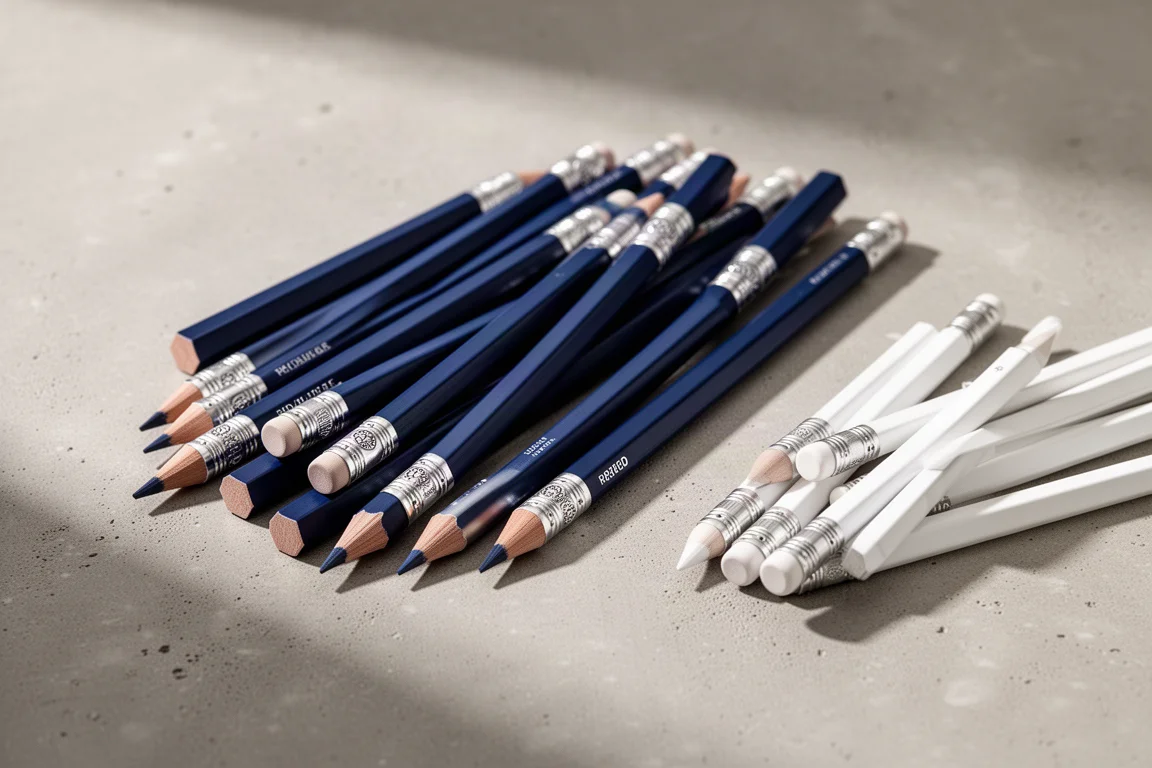
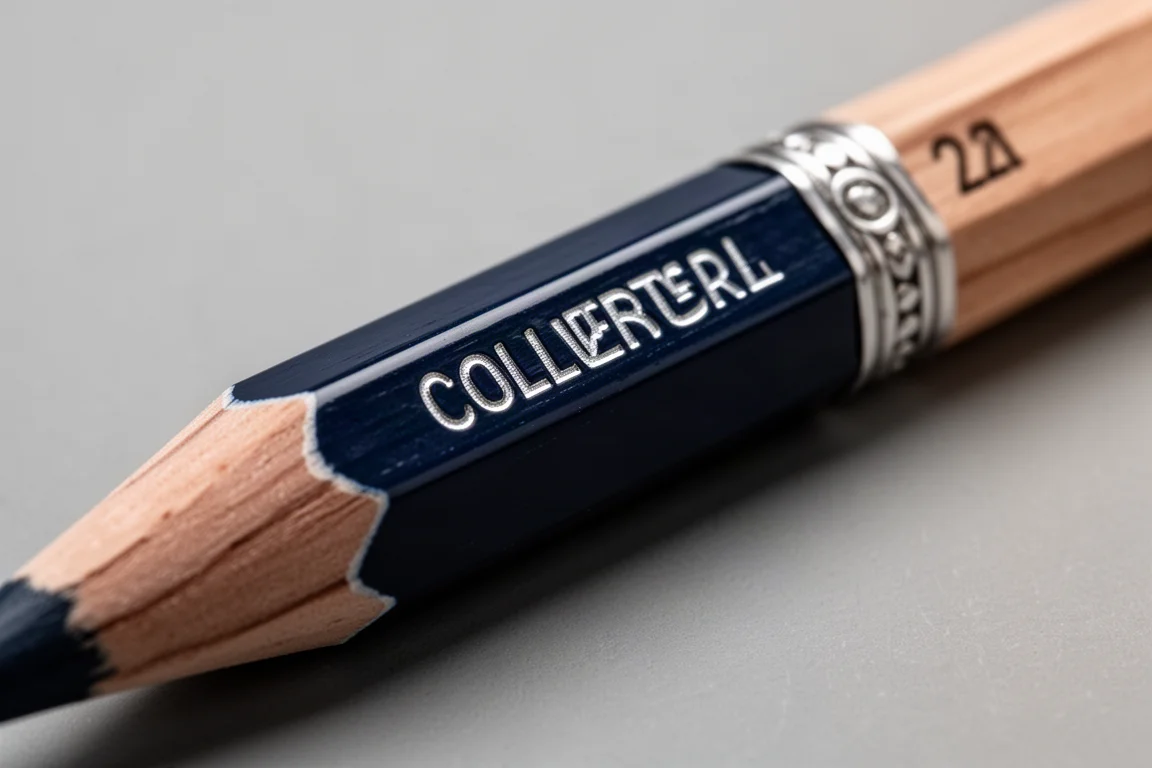
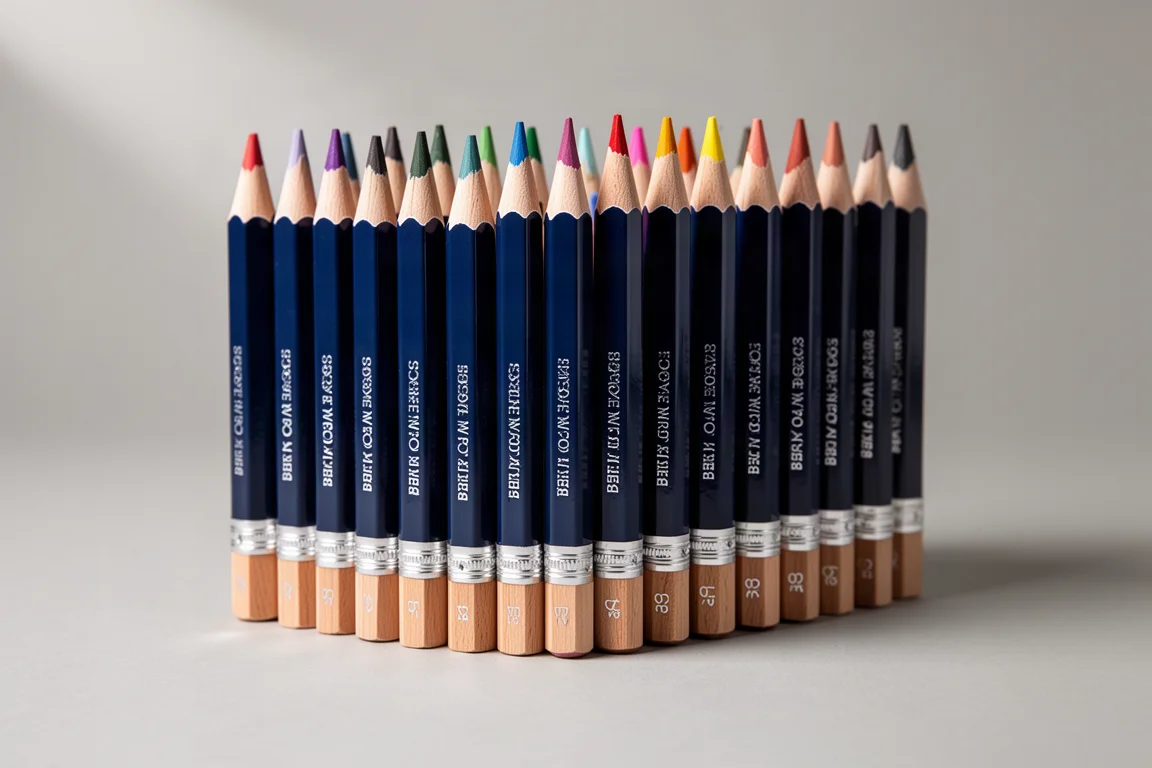
The Chroma pencils use a hexagonal barrel with a 3.6 mm core and a 7.1 mm barrel girth, both comfortably average for colored pencils at this level. The barrel is lacquered in a deep navy blue with silver lettering, which looks smart but can be hard to read in certain lighting, a familiar complaint with metallic printing.
Each pencil carries a decorative silver ring separating the barrel from a bare pigment identifier on the end, printed with a number only. That is one of our small frustrations: there are no pigment names printed on the barrel. For artists who are color blind or partially sighted, a pigment name alongside the number makes a real difference, and we would like to see Marco add one.
Sharpening is mostly a pleasure. The wood sharpens cleanly and only a couple of pencils in our set showed any core shattering, which is normal for a soft-core pencil. The quirk worth knowing about: the lacquer is brittle and small flakes of paint can chip off and fly loose while sharpening with a handheld sharpener. It is not a dealbreaker, but keep it in mind if you sharpen a full set at once.
The Manga 24 Set
The manga set is visually distinct, with a white barrel, but the barrel information matches the Chroma line and the core ingredients are the same as far as we can tell. The differences are modest: a slightly thicker 3.8 mm core and a 7.6 mm barrel.
The more interesting detail is what the palette actually is. From side-by-side testing, the pigments in the manga 24 set appear to be identical to the pastel tones in the Marco Square pastel set. That makes the “manga” label feel more like marketing than a genuine thematic choice, since manga artwork tends toward vivid, blocky color with pastels used only as accents. The tones themselves are lovely, but the naming is worth taking with a pinch of salt.
Layering, Blending and Solvent Work
The Chroma core is soft and pigmented, though not as soft as Prismacolor. On Bristol Vellum, the layering test showed rich, vibrant color building cleanly across five light layers, which matters if you work with odorless mineral spirits, since most artists want four or five layers down before applying solvent.
Blending was similarly strong. Blue and yellow produced a prominent green, yellow and red a clean orange, and red and blue a decent purple. It is not flawless, but it is dependable, and the softness of the core does most of the work here.
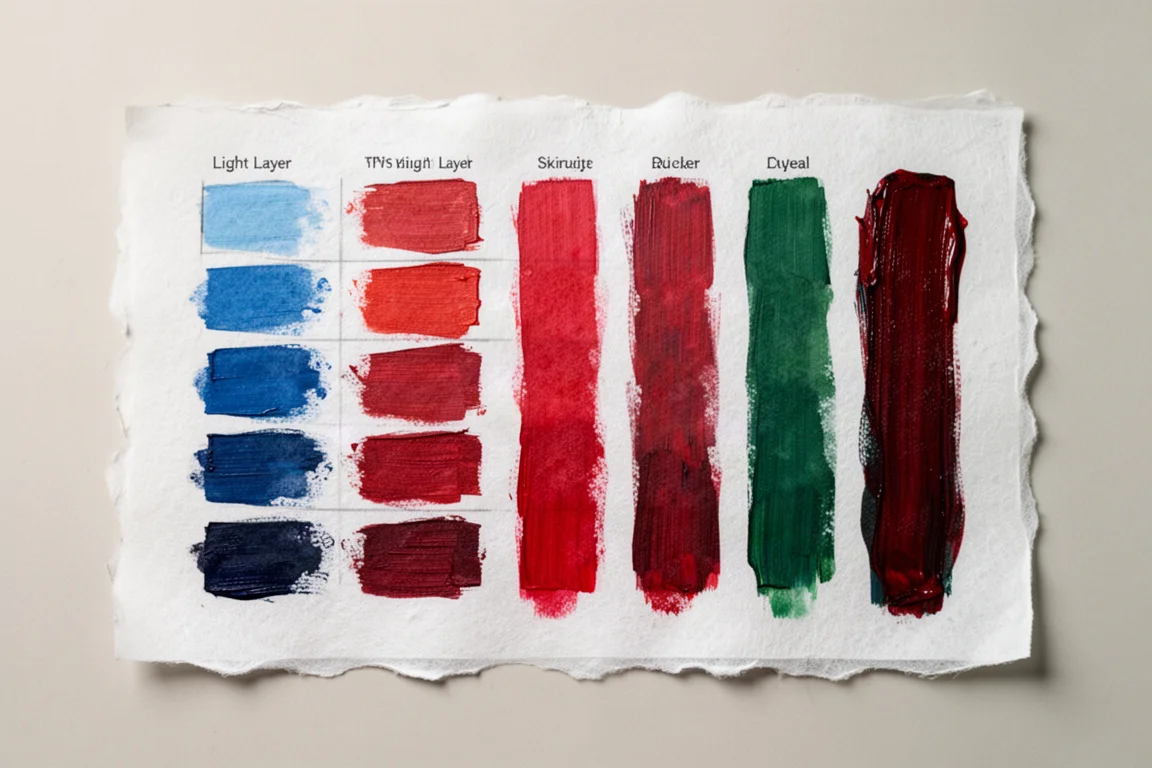
With odorless mineral spirits, the pigment broke down well and filled the tooth of the paper nicely, giving a painterly effect and reinvigorating the surface for more layers. If you already use solvent techniques, these pencils respond well to them.
The 100-Pencil Palette
The full 100 set is a genuinely good palette. There are only a few muted tones, with the balance skewed toward bright, vibrant, almost neon colors plus a group of metallics in the lower layers. The greens and reds are strong, and the grays deserve particular praise: Marco has done well here, and grays are a color family that many manufacturers overlook even in much larger sets.
The set also includes two sharpeners. Honestly, we would rather see them left out. Anyone buying a 100-pencil set almost certainly owns a sharpener already, and the space would be better used for pencils.
Real Artwork Performance
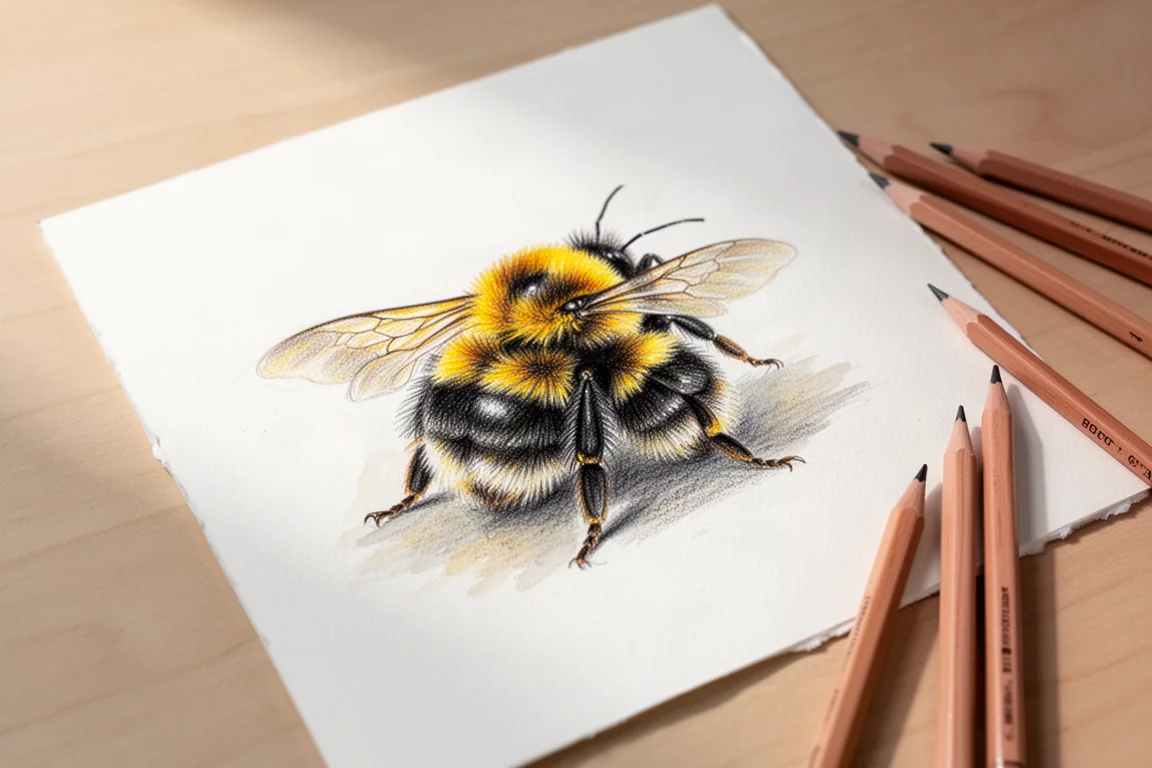
To put the pencils through a realistic workload, we drew a bumblebee on Hahnemühle 300 hot press watercolor paper. The result was one of the better pieces we have produced with budget-friendly pencils: the layering built up smoothly, blending behaved exactly as the test swatches suggested, and the slight tooth of the hot press surface worked in the pencils’ favor.
Nothing in the artwork process exposed a weakness. Everything needed was there in the palette, and the drawing came together without fighting the pencils at any stage.
Performance on Black Paper
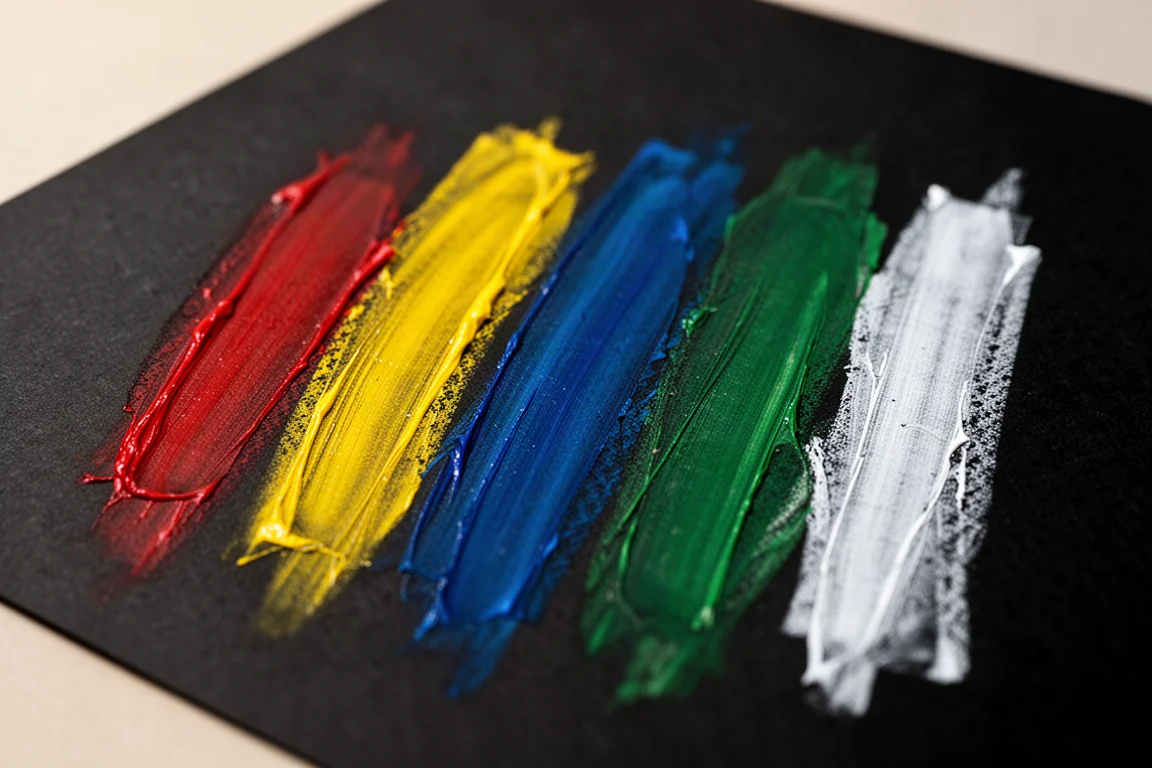
On black paper, the Chroma cores lean opaque. Testing red, yellow, blue, green and white with heavy applications, most colors covered well; the red was the most translucent of the group, while the blue was notably opaque. The white pencil, which most artists scrutinize, held up reasonably well.
Opacity is neither good nor bad on its own. Some artists want dense, opaque coverage and others prefer a translucent core, and it is worth remembering that a single test of a few colors does not guarantee every pencil in the set behaves the same way.
Which Set Should You Buy?
The choice between the two is mostly about overlap. The pastel tones in the manga 24 set are not duplicated in the 100 set, so the two are complementary rather than redundant. However, if you already own the Marco Square pastel pencils, the manga set offers essentially the same pigments and is probably not worth buying twice.
For most artists, the 100 set is the more compelling option: it is the entire Chroma range, there is no larger set, and the palette covers brights, metallics and a genuinely good gray family.
One important caveat: there is no recognized lightfastness testing here, no ASTM or Blue Wool ratings, and the price reflects that. If you plan to sell original artwork, these are not the pencils to do it with. Consider selling prints instead, which gives you archival quality through the printing process, and keep original pieces for work done with higher-end lightfast pencils.
Conclusion
The Marco Chroma line delivers a soft, pigmented, blendable core at a price that undercuts the established soft-core brands, with sharp design details (the brittle lacquer and the missing pigment names) being the only real gripes. The 100 set is the one to buy if you want the full range, while the manga 24 set makes sense mainly if you want the pastel tones and do not already own the Marco Square pastels. For layering, blending and even solvent work on a budget, they are an easy recommendation.
Further reading
Related Reviews
Art Supplies
Art Pop Watercolor Pencils 48-Color Set: A Thoughtfully Designed Student-Grade Option
The Art Pop 48-color watercolor pencil set blends well, dissolves smoothly, and includes artist-friendly details like barrel-printed color names, all at an affordable price.
Art Supplies
Artics Acrylic Markers 3mm Review: Versatile Paint Markers With a Few Caveats
A 48-color set of water-based acrylic paint markers that blend while wet, dry permanent, and keep the price low, though safety transparency remains a question.
Art Supplies
Best Art Supplies Worth Your Money: Pencils, Pens, Paints, and Paper That Earned Their Spot
After years of daily use and testing, these are the pencils, pens, watercolors, gouache, brushes, sketchbooks, and erasers that stand above the rest.