Running Shoes
Marathon Training Shoe Rotation: Nine Shoes, Session by Session
A complete marathon training rotation sorted by session type, from daily easy miles to race day, with strengths and trade-offs for each pick.
Introduction
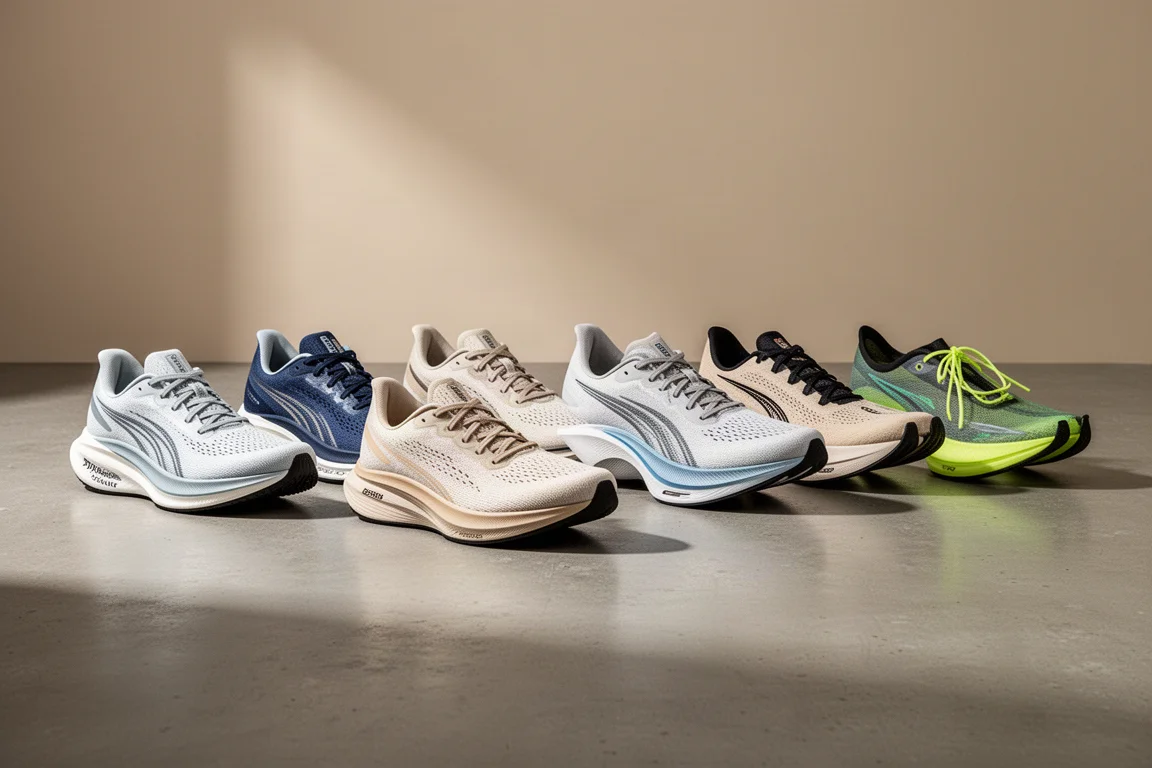
Building a marathon training rotation is about matching the right shoe to the right session. Preparing for a spring marathon means the bulk of running is easy endurance miles, with marathon-pace work, long runs, and a race-day shoe layered on top. Here is a nine-shoe rotation sorted by effort, so you can see how each model earns its place and decide what makes sense for your own block.
Easy Miles and Daily Grind
The bulk of marathon training happens at easy, sustainable paces, so the daily trainers carry the heaviest load. Three shoes cover that ground here.
Reebok Floatride Energy 4
The Floatride Energy 4 is a nicely balanced option with enough cushion for easier sessions and a comfortable upper that does not feel restrictive around the foot. There is a touch more build in the boot and a little more stability thanks to additional pieces in the heel, and the outsole works for almost any surface. It is a sure-fire pick for the daily grind.
Puma Velocity Nitro 2
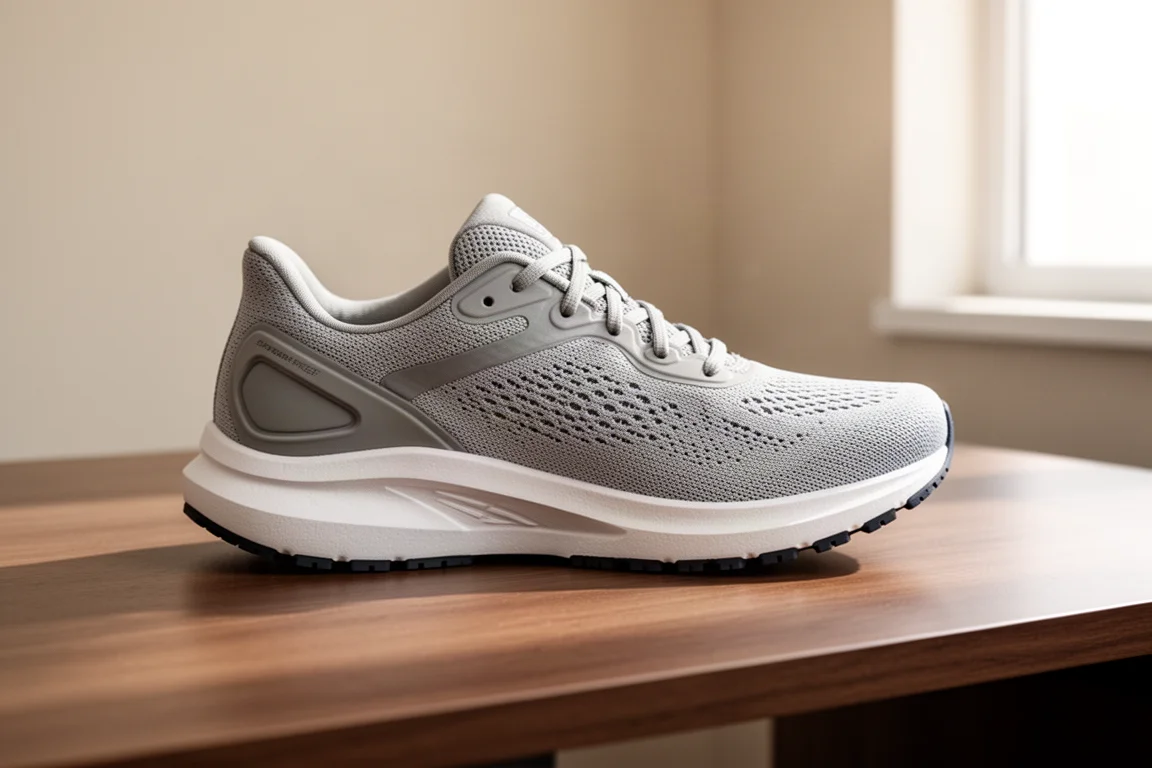
The Velocity Nitro 2 takes the brunt of daily miles without issue, and having a couple of pairs in rotation makes it easy to spread the workload. It fits comfortably in the same bracket as the Reebok as a well-rounded daily trainer that does not demand attention.

New Balance FuelCell SC Trainer
The SC Trainer slots in as the option for easy recovery-type miles. It is very cushioned and covers the softer end of the rotation, though it lacks the propulsive feel of some other plated models, which is worth keeping in mind if you want one shoe to do more jobs.
Marathon Pace Work
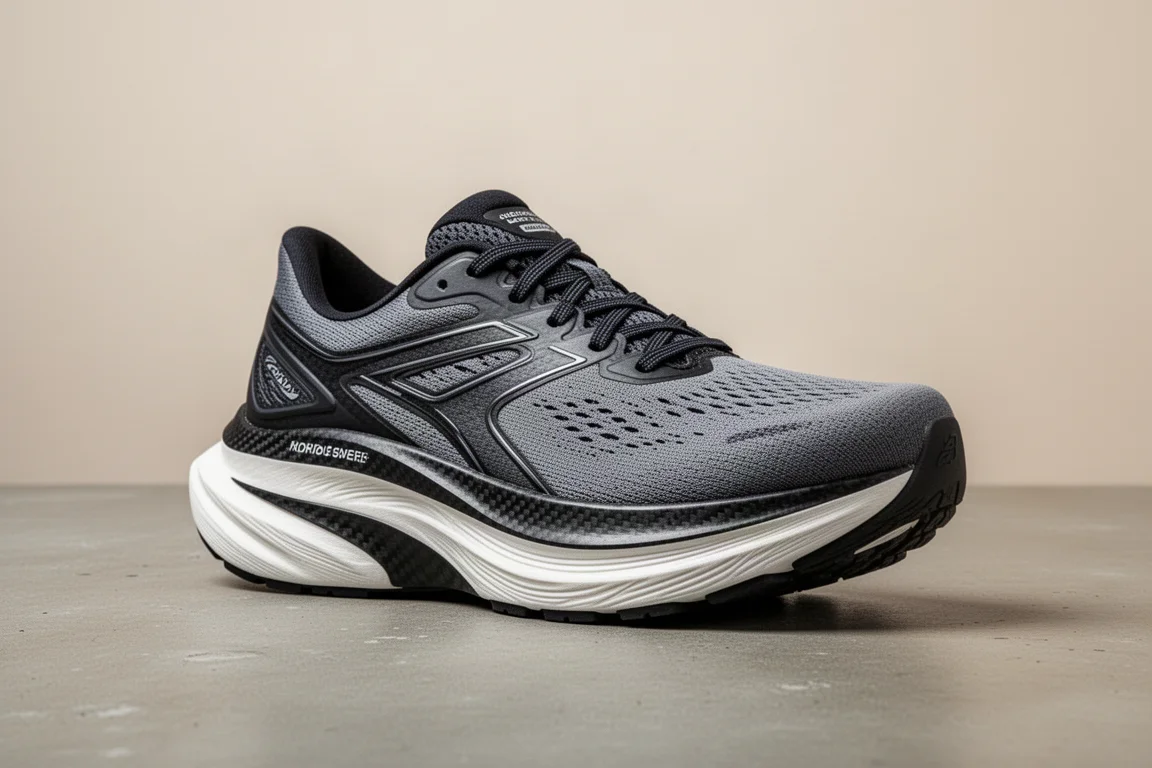
For marathon-pace sessions in the region of four minutes forty per kilometer, two shoes have consistently delivered.
Adidas Adizero Adios Pro 3
The Adios Pro 3 works well at tempo and marathon-pace efforts, with a good fit, enjoyable cushioning, and a versatile feel that is forgiving yet nimble without unwanted extra weight. The Continental rubber outsole grips well even on wet concrete, and the upper sheds debris and grit while refusing to absorb moisture in wet weather. One caveat: dialing in a consistent upper lockdown can take some work, and it may not be the right choice as the marathon race shoe for everyone.

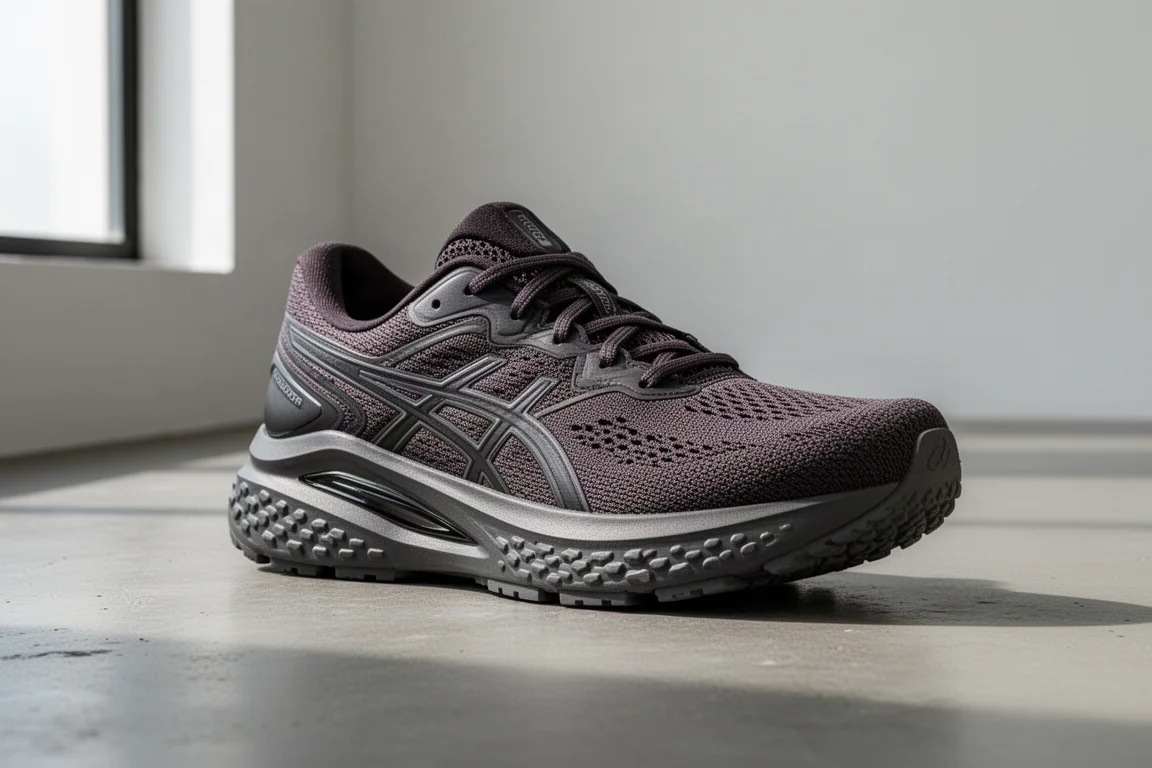
Puma Deviate Nitro 2
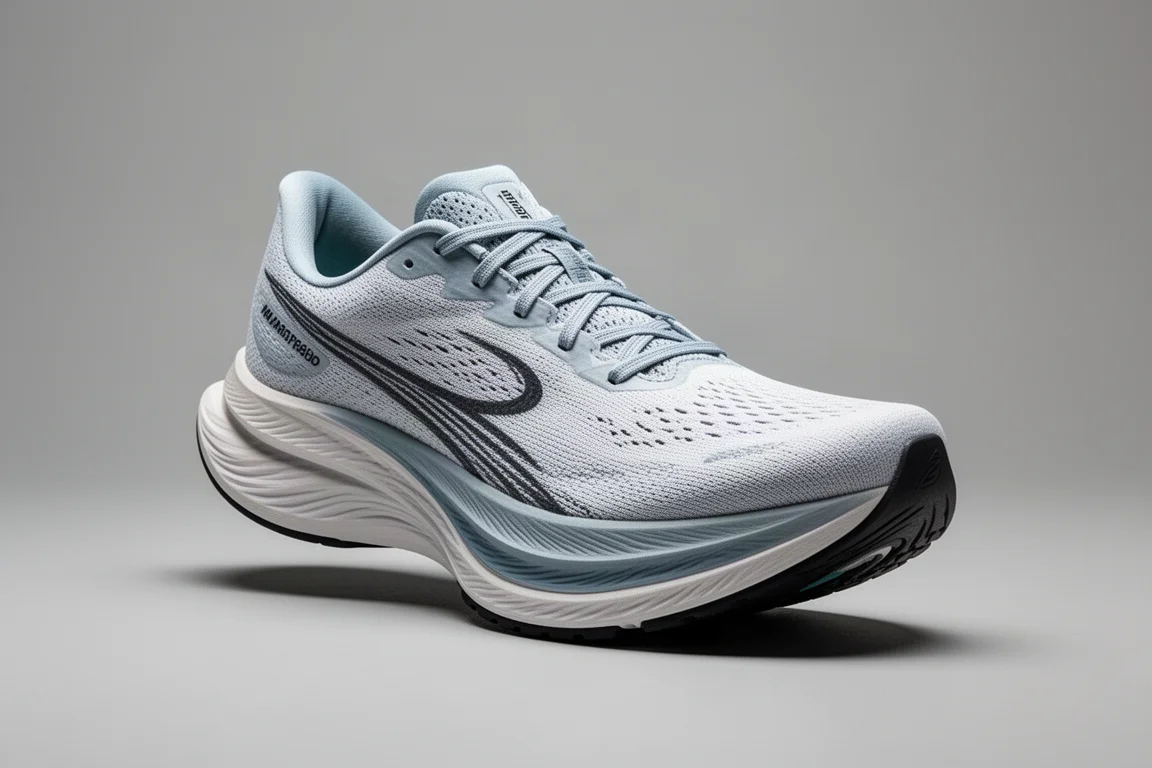
The Deviate Nitro 2 is the other marathon-pace pick, and it shades the Adidas in outsole grip on dry-but-treacherous winter roads. Both shoes are forgiving yet nimble at pace, so choosing between them comes down to conditions and personal preference on any given day.
Long Runs
Long runs scale from half-marathon-distance efforts up to around 20 miles late in the block. Cushion and durability matter most here.
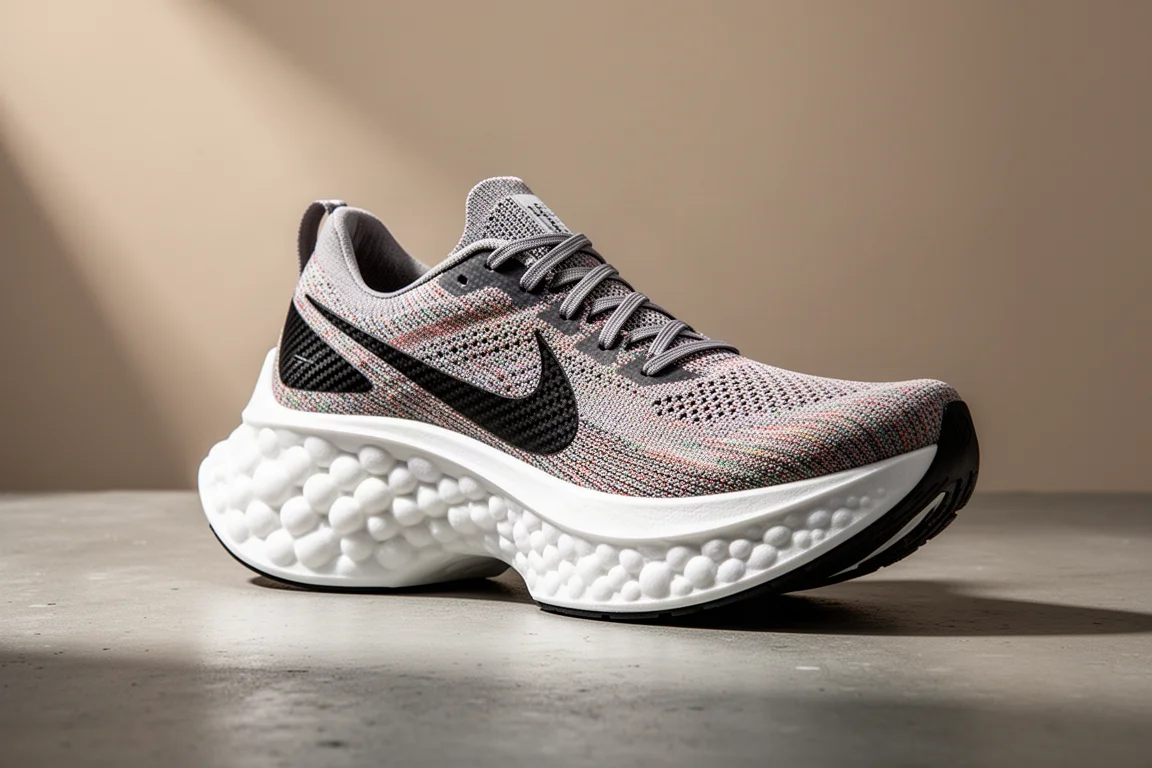
Nike Alphafly Next% 2
The Alphafly Next% 2 brings masses of cushioning, making it a strong candidate for long training runs. There is a bit of extra bulk that feels like overkill for racing, and it needs a fairly aggressive approach to get the best out of it, so it earns its place purely as a long-run training option.
Saucony Endorphin Speed 3
The Endorphin Speed 3 has plenty of life left in its midsole and keeps feeling better with use. There is enough cushion and some stability for longer efforts, especially with the stock insoles swapped out and slightly firmer, more rigid laces fitted.

View more details for Saucony Endorphin Speed 3
New Balance FuelCell SC Trainer
For a long effort with no fast intervals mixed in, the SC Trainer is a candidate thanks to its deep cushioning. The trade-off is that it does not have the propulsive feel of other plated models, so it suits relaxed long miles better than anything with pace work thrown in.
View more details for New Balance FuelCell SC Trainer
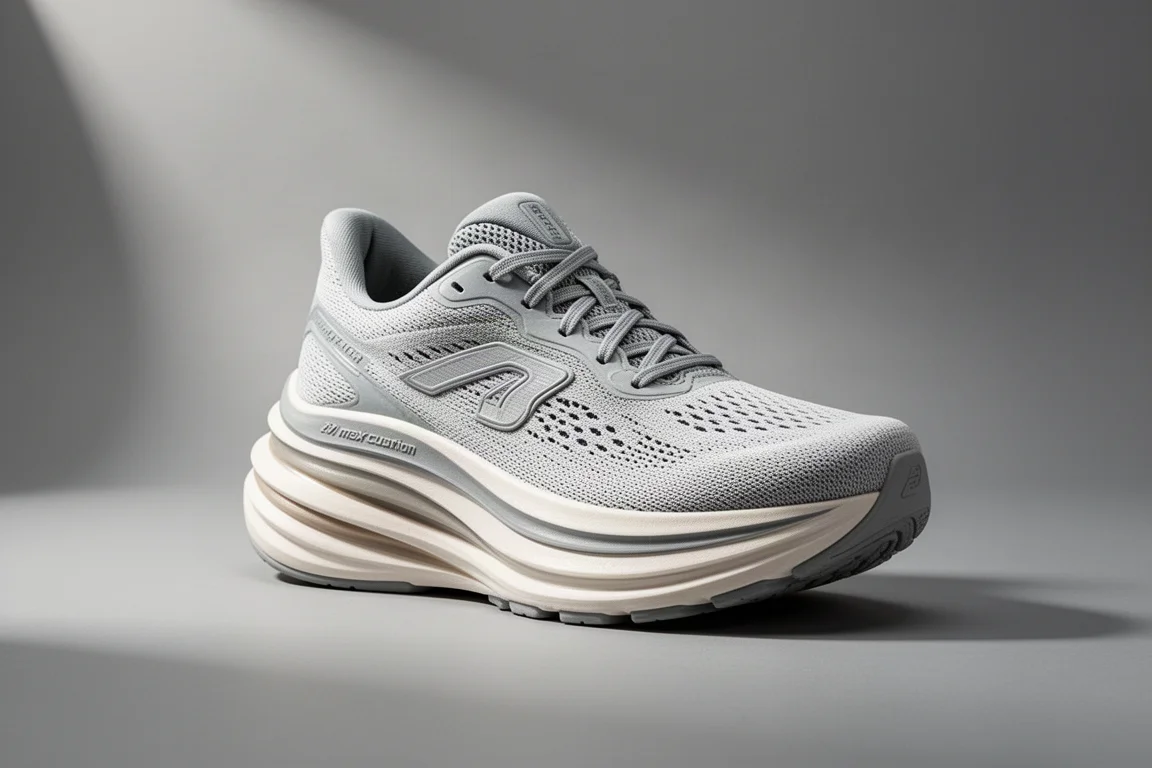
Saucony Prime X
The Prime X is the fatigue-day option: when the legs are heavy but the long run still has to be done, its max-cushion platform gets those miles under your belt with minimal fuss.
Race Day Pick
It pays to put some sustained test miles into any race shoe before race day. Pulling a shoe out of the box for the first time on the start line is a gamble: manufacturing defects, loose rubber, or lace problems should surface in training, not on the day. Enough miles to put the shoe through its paces, but not enough to damage the midsole or outsole, is the sweet spot.
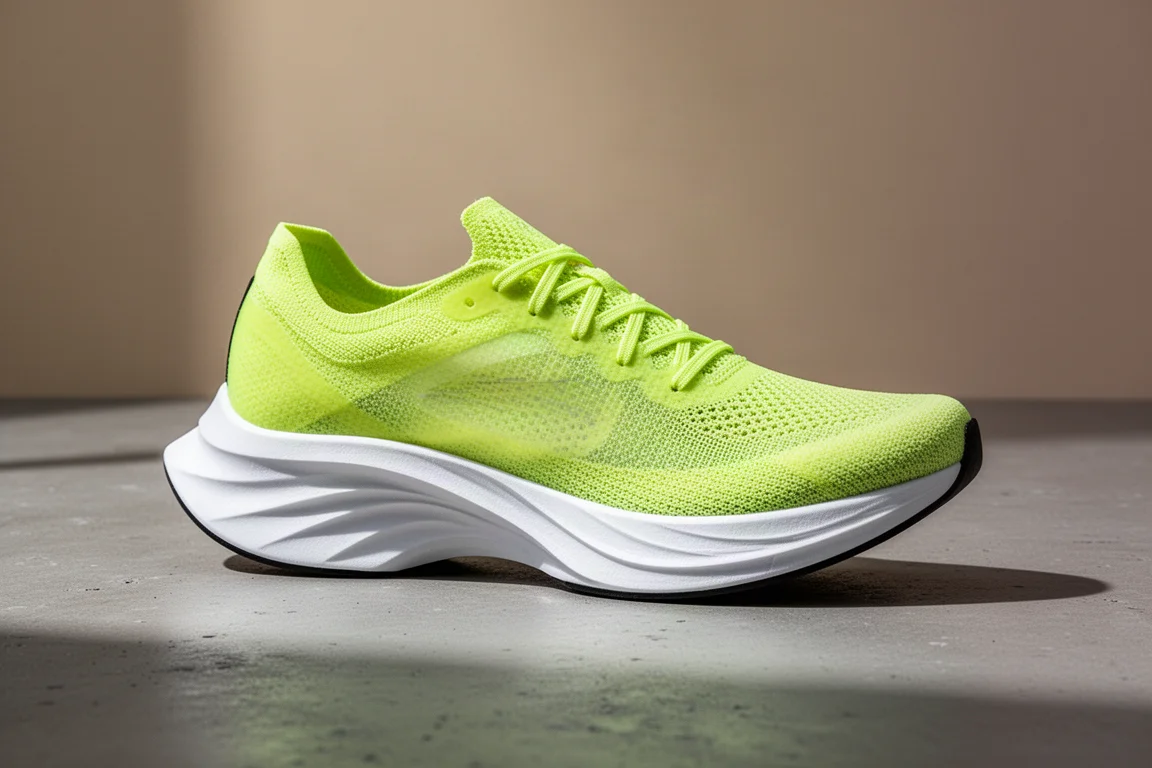
Nike Vaporfly Next% 2
The Vaporfly Next% 2 is the race-day choice, backed by proven confidence over the full marathon distance, including a solo 3:23 time trial in an earlier edition. A used pair with familiar feel is ideal for winter training miles: familiar underfoot, with a bit of extra pop. As the Vaporfly Next% 3 approaches, discounted colorways of the Next% 2 become easier to find, and grabbing the cheapest available pair is a sensible play. For long efforts with faster intervals injected, a well-used Zoom X midsole pair can stretch out a few more miles.

Buying Advice
If you are building a similar rotation, start with the daily trainers first, since they absorb the most mileage. Add one or two marathon-pace options that suit your winter conditions, keep a max-cushion shoe for tired-leg long runs, and only buy a race shoe you can test thoroughly before the big day. Rotations do not need to be expensive; last-generation models often cover every session at a lower cost.
Conclusion
A well-sorted rotation matches cushion, grip, and pace to each session: balanced daily trainers for the grind, grippy plated shoes for marathon-pace work, max-cushion options for long and fatigue runs, and a proven, well-tested racer for race day. Match the shoe to the effort and every pair in the lineup earns its miles.
Further reading
Related Reviews

Running Shoes
Best Road-to-Trail Running Shoes: Three Versatile Options for Mixed Terrain
A practical guide to three road-to-trail running shoes that handle both pavement and mild trails, with clear strengths and trade-offs for different runner types.

Running Shoes
Best Running Shoes for Achilles Tendonitis: Three Options Explained
Three running shoes with different heel drops and support features designed to help reduce Achilles tendon pain during walking and running.

Running Shoes
Best Running Shoes for Women: Five Top Choices Ranked
A ranked guide to five women's running shoes, from versatile daily trainers to high-performance racing options, with real strengths and trade-offs for each.