Running Shoes
Best Marathon Training Shoes 2026: A Real-World Rotation Rundown
Nine running shoes tested through a full marathon training block, from max-cushion easy-day cruisers to carbon race-day rockets.
Introduction
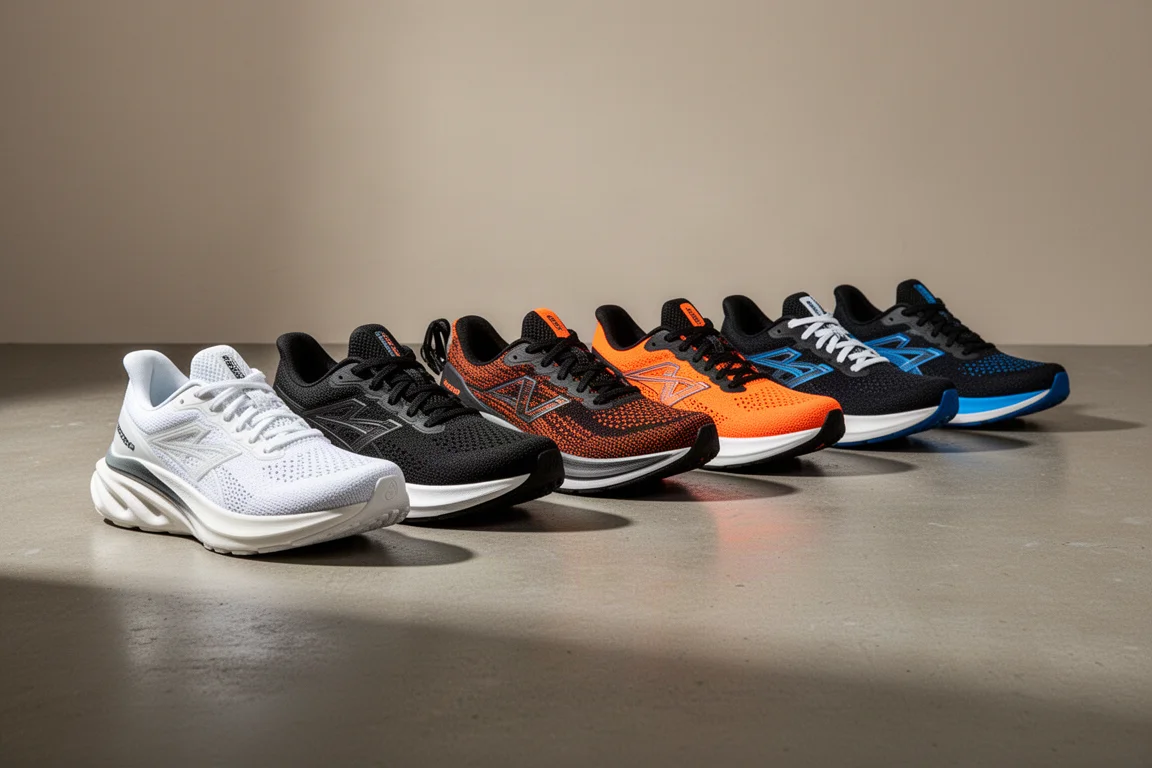
A marathon training block is the ultimate stress test for a shoe rotation. Over the past few months, a wide range of trainers and racers has been cycled through easy runs, steady efforts, long runs and fast intervals, and some shoes clearly earned a permanent spot while others are heading for the bin. Here is how the rotation shaped up, shoe by shoe.
Shoes Retired from the Rotation
The Nike Alphafly Next% 2 worked superbly well on longer sessions with speed injected into them, and it performed really well at marathon target pace with a few recoveries. After roughly 130 miles, though, it has taken a serious pounding. An odd clicking sound now comes from the right shoe on every push-off, seemingly from the midfoot area, possibly a damaged pod or an issue with the carbon plate. Beyond that, after about 40 to 50 miles the arch area became painful enough that another insole was needed. At around $270 a pair, that is a costly mistake to repeat.
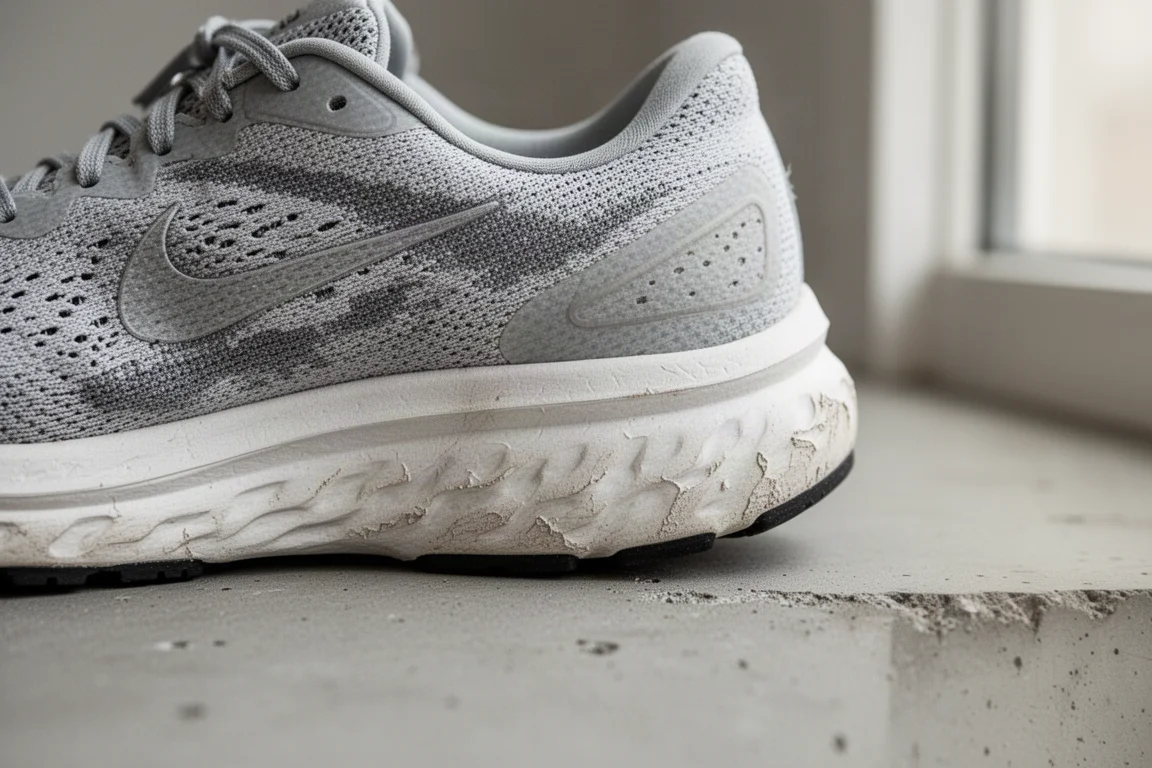
The Adidas Adios Pro 2 in the Berlin colorway was used extensively for speed training and looks great, but a small hole has developed on the ball of the foot in the left shoe and it has steadily worsened. Combined with some bad memories from training, this one has been put to pasture.
Nike ZoomX Invincible Run 3
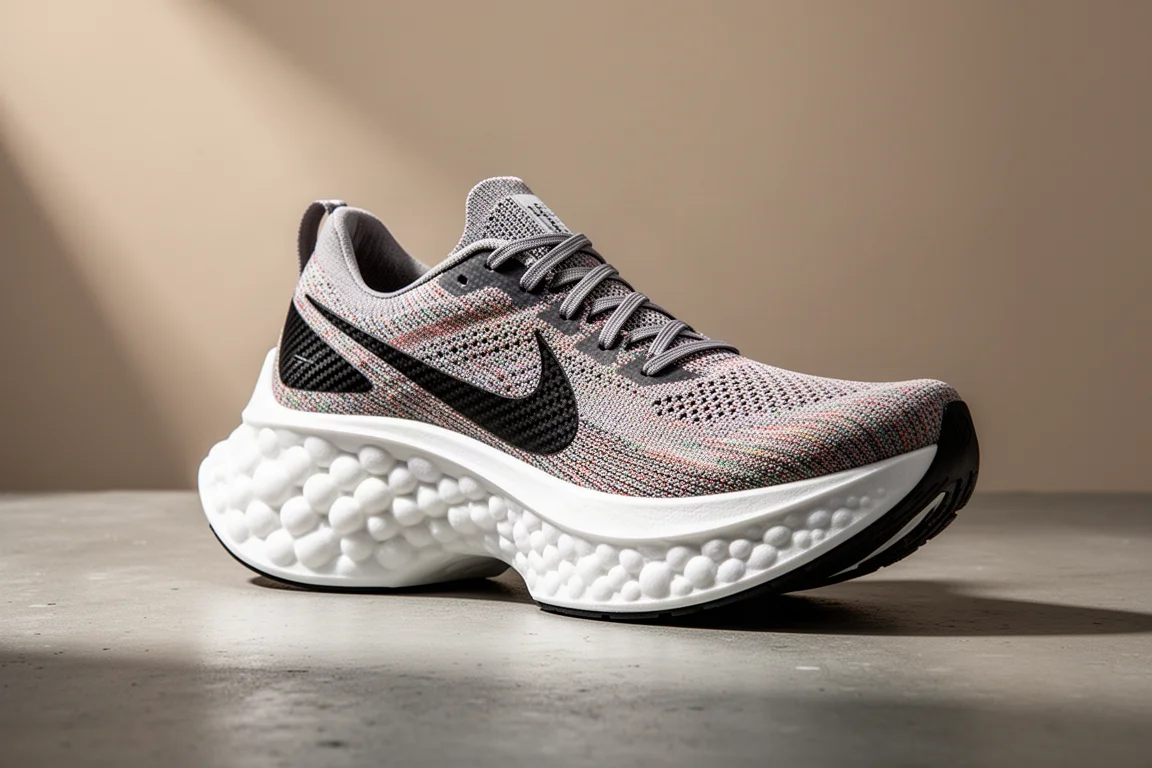
Now past the 100-mile mark, the Nike ZoomX Invincible Run 3 has proven to be a forgiving slab of foam that makes it easy to get out the door on days when the legs are worn down. This version is more stable thanks to an added fabric piece, durability has been pretty decent, the outsoles hold up well, and the multi-terrain grip and traction are genuinely good.
The main caveat is pace. This is an easy-pace-only shoe, best somewhere between 8:30 and 8:00 per mile, and it is not the choice for longer runs or anything resembling a speed session. For tired legs, evening recovery miles and clearing the mind, though, it is hard to beat. The cost sits at around $165, which feels justified given it is arguably the best in category right now.

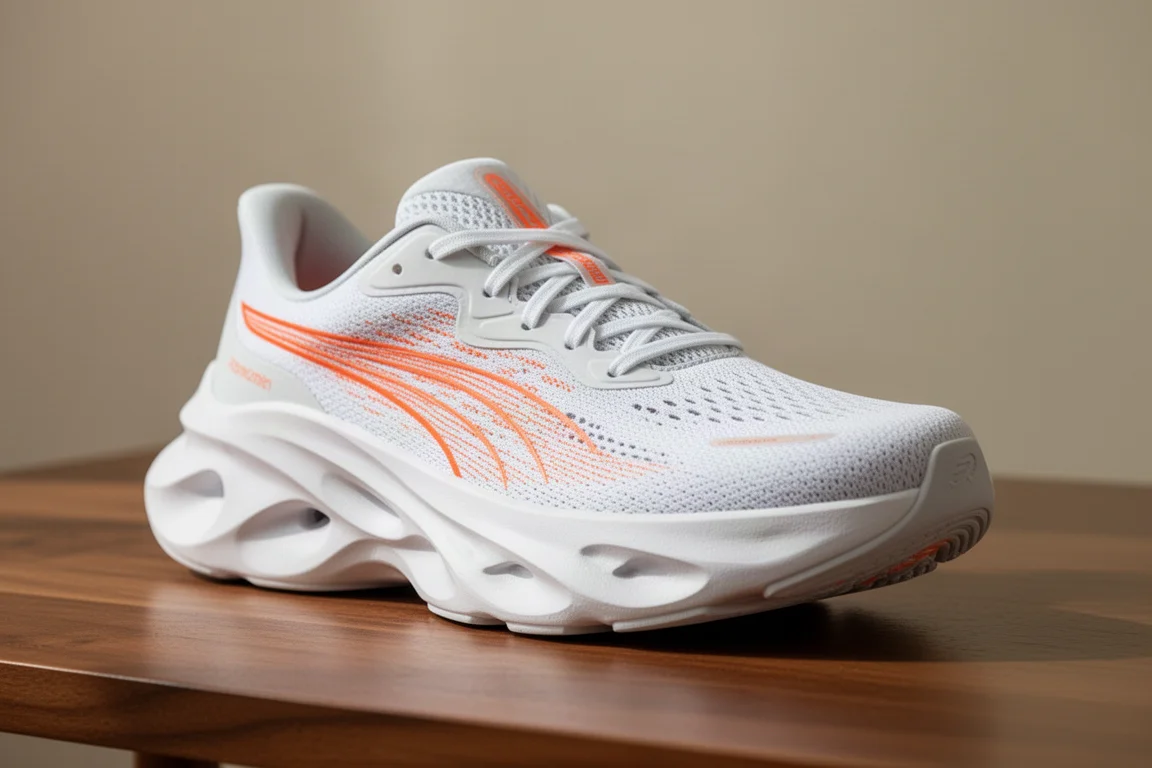
Puma Deviate Nitro Elite 2
The Puma Deviate Nitro Elite 2 has been one of the most valuable and versatile shoes in the rotation. It works across a multitude of run types: fantastic on longer runs up to around 15 miles at steady pace, and happy to throw in faster intervals and reps too. It is not the most rigid shoe, but as an all-rounder it is arguably the best overall.
The lightweight upper and improved fit over the first version left legs feeling good and protected by the PEBA-based Nitro-infused foam, and traction on country roads and paths is unmatched. Durability means it can stay in the rotation without fear of bottoming it out, which is exactly the worry when using something like the Alphafly in a training environment. For a lighter runner, this jack-of-all-trades works for both racing and training.
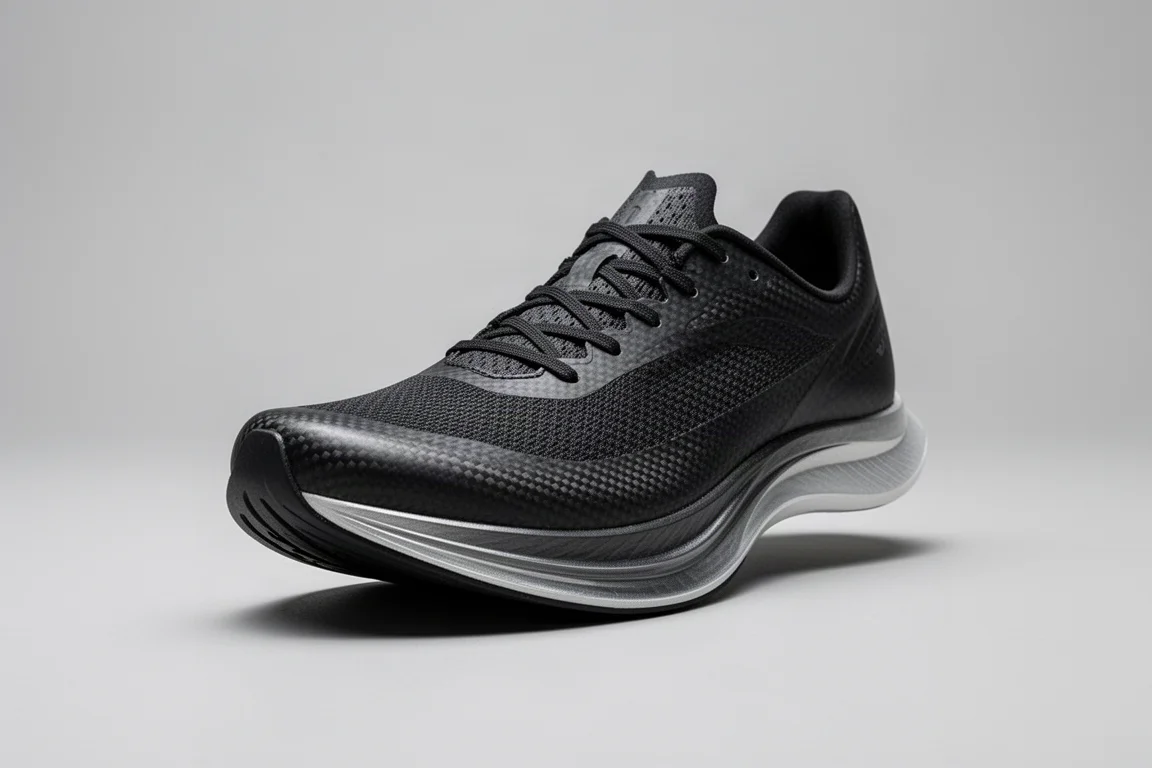
Adidas Prime X Strung
The Adidas Prime X Strung was bought out of retirement for this training block and it just keeps getting better. Despite the extreme stack height, it delivers a superbly stable ride, and with plenty of existing mileage on the shoe, the Lightstrike Pro midsole remains remarkably resilient. After multiple 17-plus mile long runs, it arguably feels even better now.

For a six-foot-three runner around 72 kilograms, it feels light at just under 300 grams in a UK 11, and nothing matches it for combining impact protection with propulsion. Sub-six-minute-per-mile reps in this shoe feel like flying through the air, which belies the weight. Two caveats: it takes some getting used to, and it is not recommended on uneven surfaces or strange road camber, so keep an eye out for potholes. It stays in the rotation for the foreseeable future.
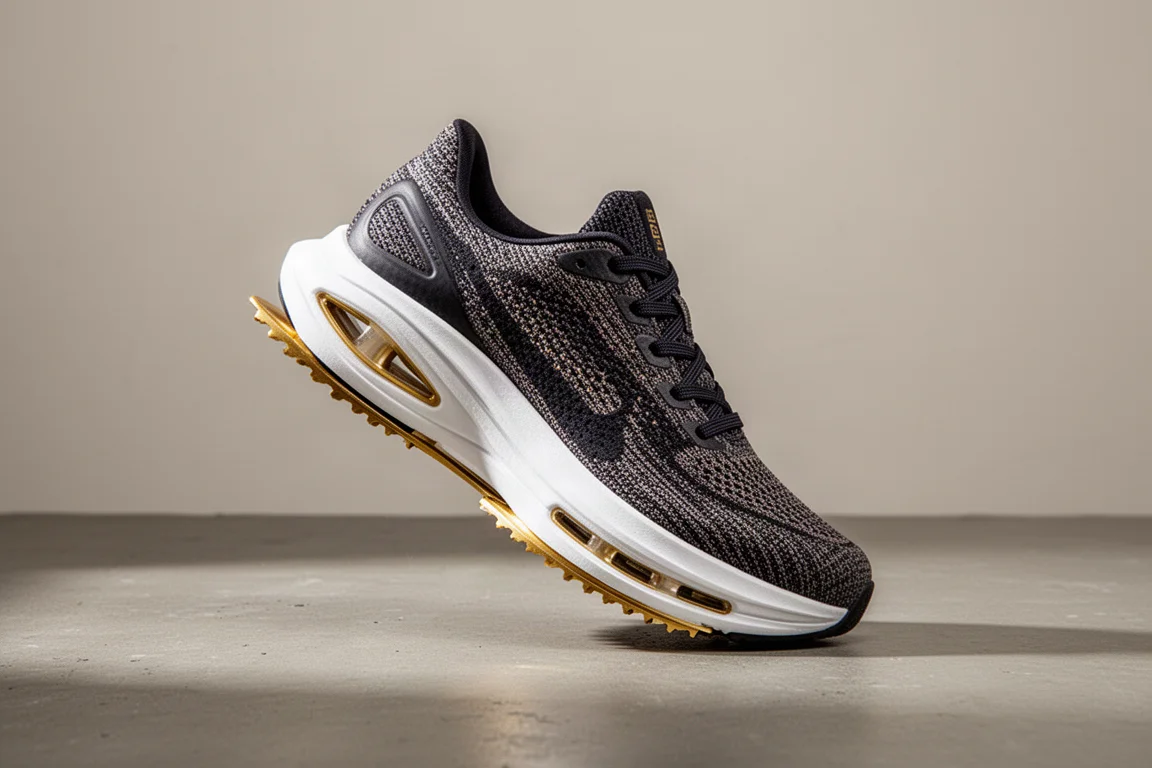
Puma ForeverRun Nitro
The Puma ForeverRun Nitro is incredibly bright in its orange version, and everything else pales in comparison on the color front, so the black version may be the more versatile pick. Underfoot, the Nitro softness stands out, with two different Nitro foam formulas working together in the core section of the midsole.
It slots neatly into the long, slower, steady run category and is a bit lighter than the Nike ZoomX Invincible Run 3, with grip that looks just as good. The cushioning is forgiving without being squashy, so you never feel like sinking into quicksand, and half-marathon-length runs kept the legs fresh for faster sessions later in the week. This is not a shoe for high-speed work, but as a stability-leaning option for steady mileage, the all-round package is easy to recommend.
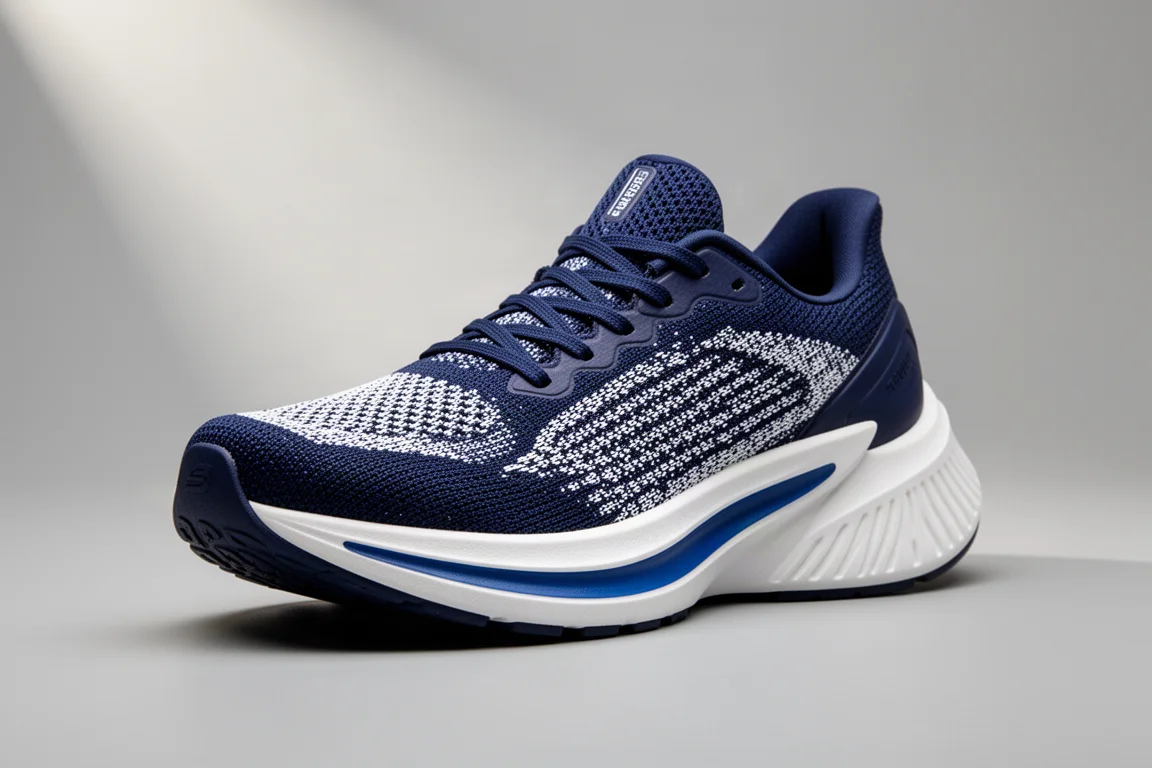
Nike Vaporfly Next% 3
Staying in the rotation for both training and racing is the Nike Vaporfly Next% 3. Out of the box it felt a touch firmer than previous versions, but after around 40 miles it has softened up and is really hitting the spot now. One practical tweak: swapping in more traditional laces felt noticeably better, something that also worked well on earlier Vaporfly versions.
Weight-wise it is one of the lightest race shoes out there by some margin. The main concern is durability, so it will probably only last the current training block before losing its magic, which is exactly why a backup shoe sits in reserve.
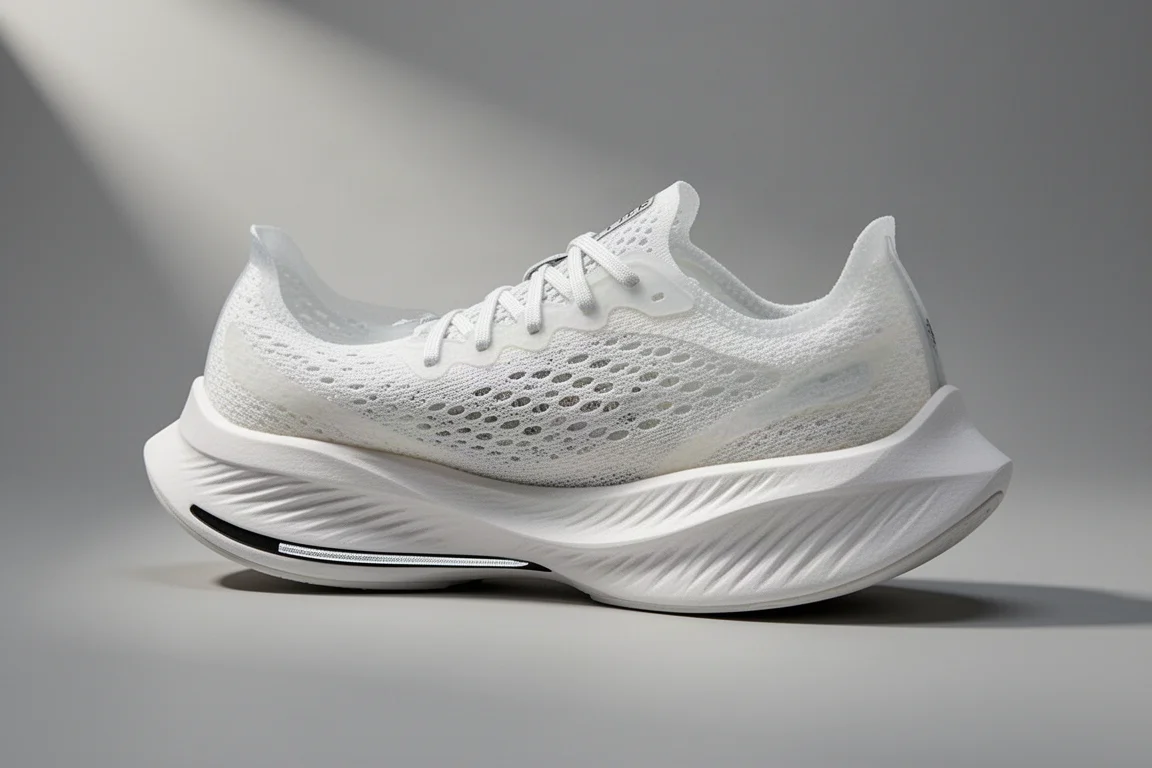
Hoka Rocket X 2
The Hoka Rocket X 2 is that backup, and it genuinely works. Not every Hoka has hit the mark in the past, but this one does, bringing useful versatility to the rotation. There is a little less drop from heel to toe, so it does not feel quite as aggressive as the Vaporfly, and the fit is spot on.

Hoka has also placed rubber strategically to extend the shelf life of the shoe, which should mean more miles before the foam loses its pop. It is being saved for faster reps and half-marathon-distance work, and could even become a racing option down the line.
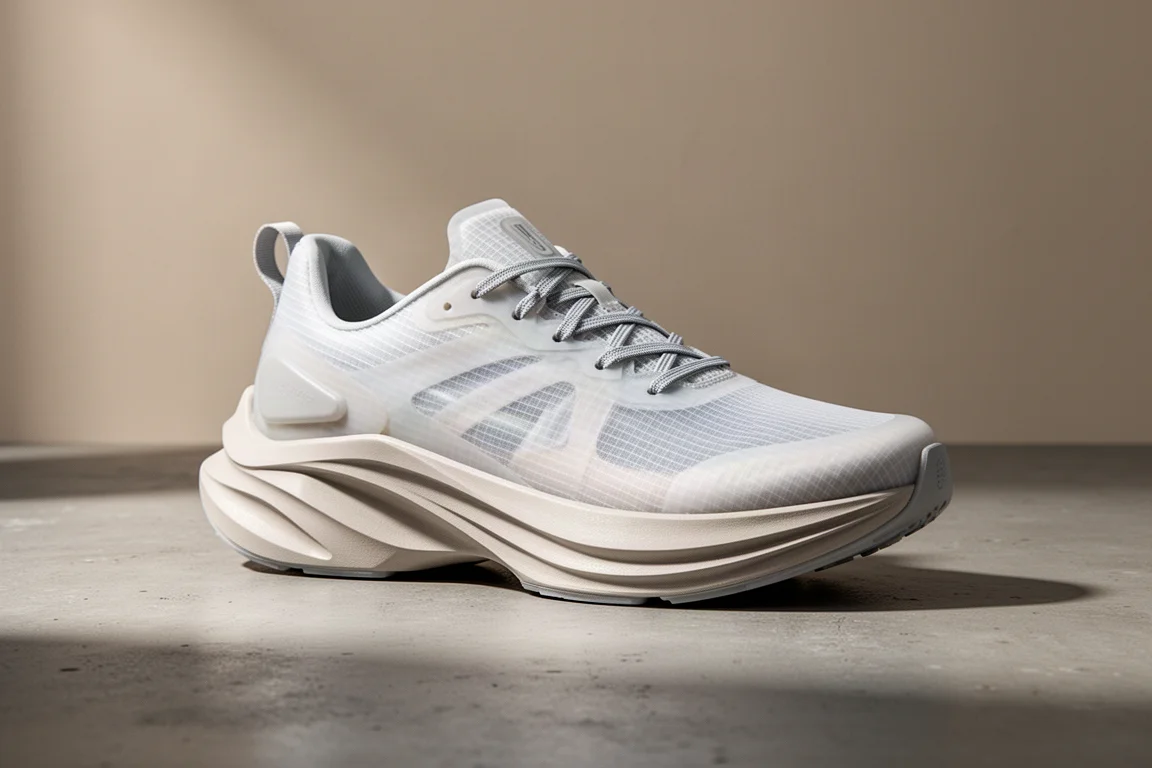
Puma Magnify Nitro 2
A lovely max-cushioned cruiser with a full-length Nitro midsole, the Puma Magnify Nitro 2 looks ideal for those longer efforts. It reads as a competitor to the New Balance 1080 but without the excessive bulk, and the outsole is a big improvement over the first version. A deeper verdict is coming shortly, but early impressions are very promising.
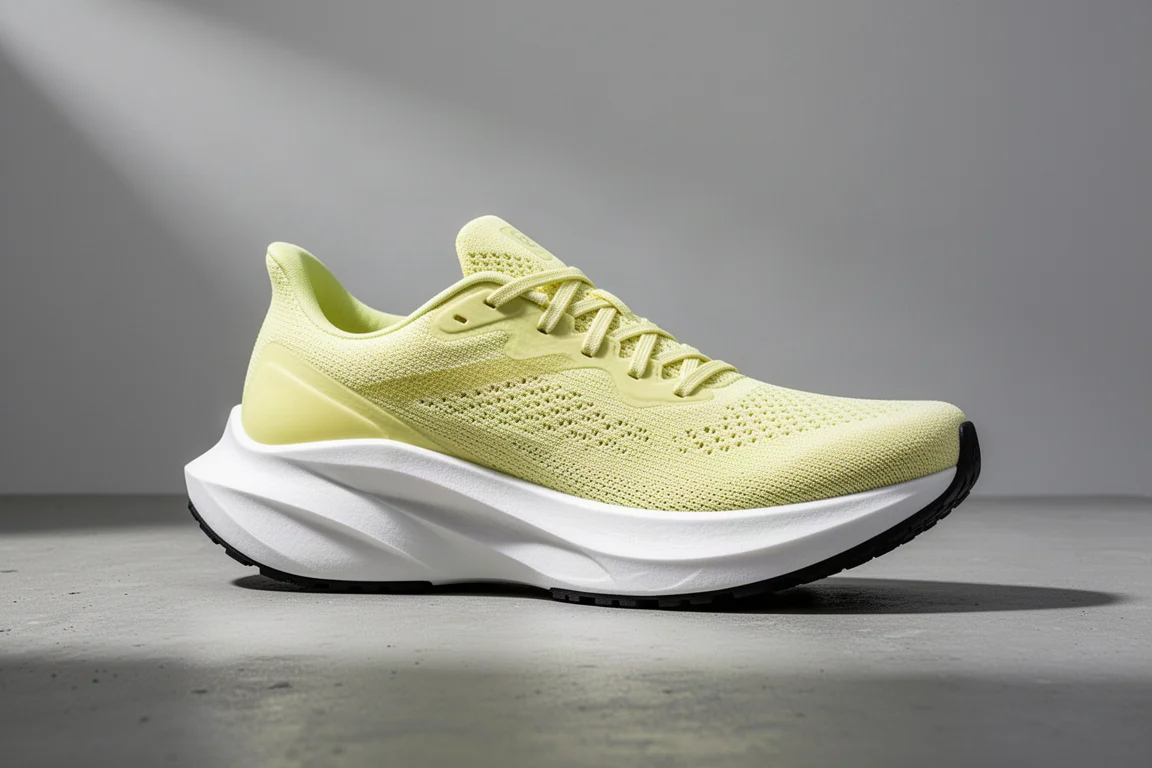
Overall Buying Advice
A good training rotation needs versatility: shoes that can handle different sessions and fit how you feel as a runner on any given day. Max-cushion trainers like the Invincible Run 3, ForeverRun Nitro and Magnify Nitro 2 cover easy and steady miles, while versatile racers-trainers like the Deviate Nitro Elite 2 and Prime X Strung handle long runs and faster work without falling apart. Super shoes such as the Vaporfly Next% 3 and Rocket X 2 are best saved for pace work and racing, and expect them to have a shorter performance lifespan. Watch durability carefully, as even well-loved carbon shoes can develop issues within a single training block.
Conclusion
The marathon block sorted the rotation quickly. The Alphafly Next% 2 and Adios Pro 2 could not survive heavy training use, while the Invincible Run 3, Deviate Nitro Elite 2, Prime X Strung and ForeverRun Nitro proved dependable daily workhorses. Up front, the Vaporfly Next% 3 and Hoka Rocket X 2 cover fast sessions and racing, with the Magnify Nitro 2 rounding out the easy-mile options. Build your own rotation around the sessions you actually run, and let durability guide what stays.
Further reading
Related Reviews

Running Shoes
Best Road-to-Trail Running Shoes: Three Versatile Options for Mixed Terrain
A practical guide to three road-to-trail running shoes that handle both pavement and mild trails, with clear strengths and trade-offs for different runner types.

Running Shoes
Best Running Shoes for Achilles Tendonitis: Three Options Explained
Three running shoes with different heel drops and support features designed to help reduce Achilles tendon pain during walking and running.

Running Shoes
Best Running Shoes for Women: Five Top Choices Ranked
A ranked guide to five women's running shoes, from versatile daily trainers to high-performance racing options, with real strengths and trade-offs for each.