Running Shoes
Marathon Supershoe Comparison: Alphafly 3 vs Metaspeed Sky Paris vs Cielo X1 vs Endorphin Pro 4
Four marathon racing shoes, fully tested: where the Alphafly 3 and Metaspeed Sky Paris shine, and why the Cielo X1 and Endorphin Pro 4 work better for most runners.
Introduction
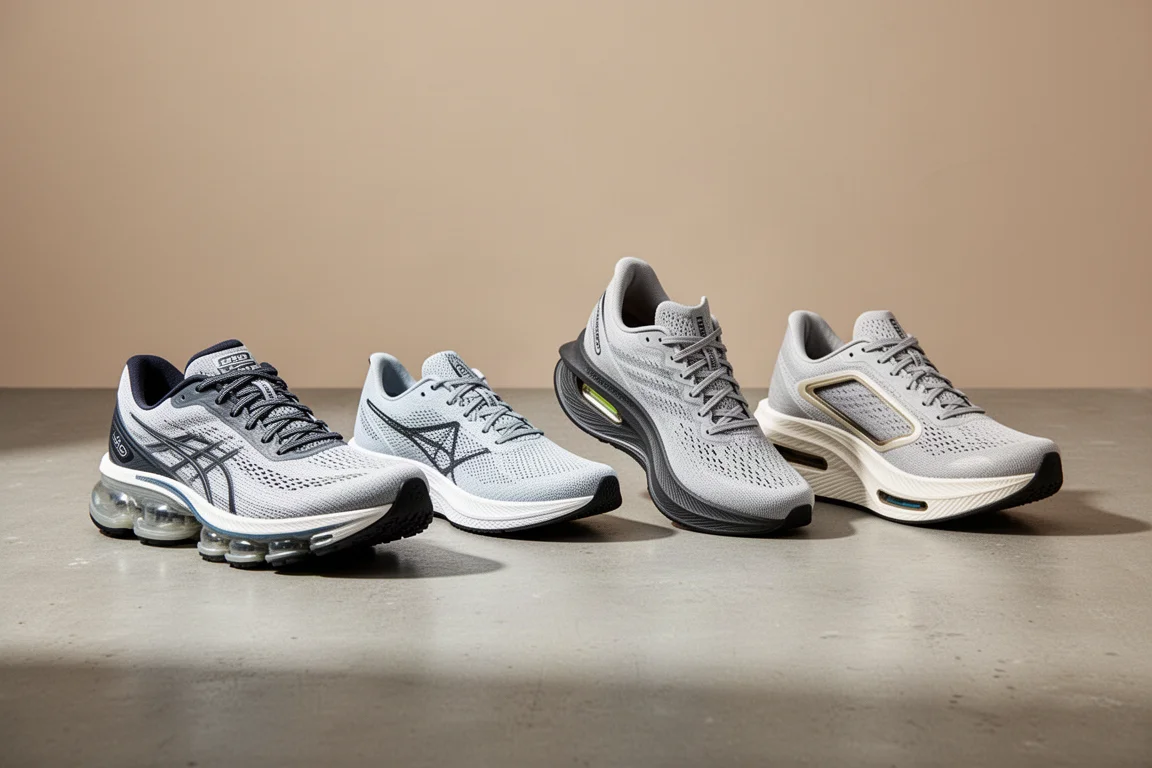
The Alphafly 3 and the Asics Metaspeed Sky Paris sit at the aggressive end of the marathon racing shoe spectrum, and both were fully tested before writing this comparison: the Sky Paris was raced in a marathon, and the Alphafly 3 covered three long runs over two hours each, including a 22-mile session. Both are fast racing weapons, but they differ in platform width, stability, and the ride they deliver.
The catch is that neither is the friendliest option for everyone. Two alternatives, the Hoka Cielo X1 and the Saucony Endorphin Pro 4, cover the tamer end of the range and, for most runners, may be the smarter pick. Here is how all four compare.
How We Evaluated These Shoes
These shoes were judged on platform design, weight, upper comfort, stability, durability, and how well the ride works at realistic marathon paces. Both the Alphafly 3 and Metaspeed Sky Paris reward powerful runners who land midfoot to forefoot and push the pace, but they approach it very differently.
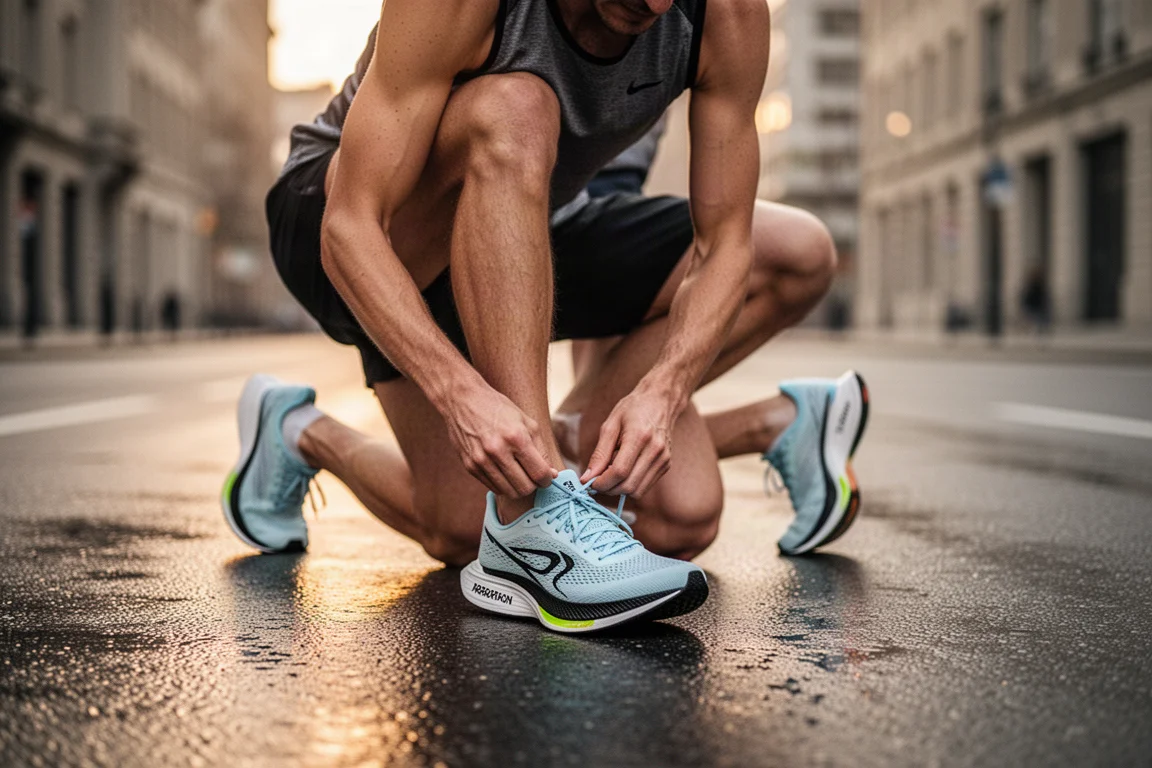
A key theme: the fastest, lightest, narrowest shoe is not automatically the best race-day choice. Runner support and comfort at mile 23 matter more than an ounce on the scale.
Nike Alphafly 3
The Alphafly 3’s special sauce is its forefoot Zoom Air pods, sitting under 100% ZoomX foam with a full-length carbon plate with visible cutouts. It comes in around 220g in a men’s US 10.5, heavier than the Sky Paris but not heavy on foot. The wider platform from the pods gives noticeably better stability than the Sky Paris.
The upper is the standout: a woven, sock-fit design so good that laces almost feel optional, with a wide toe box, snug-but-not-tight midfoot and heel, and textured laces. No bleeding toes across three long runs. The price is $285, a real premium, but the upper and pods may justify it if the shoe suits your stride.
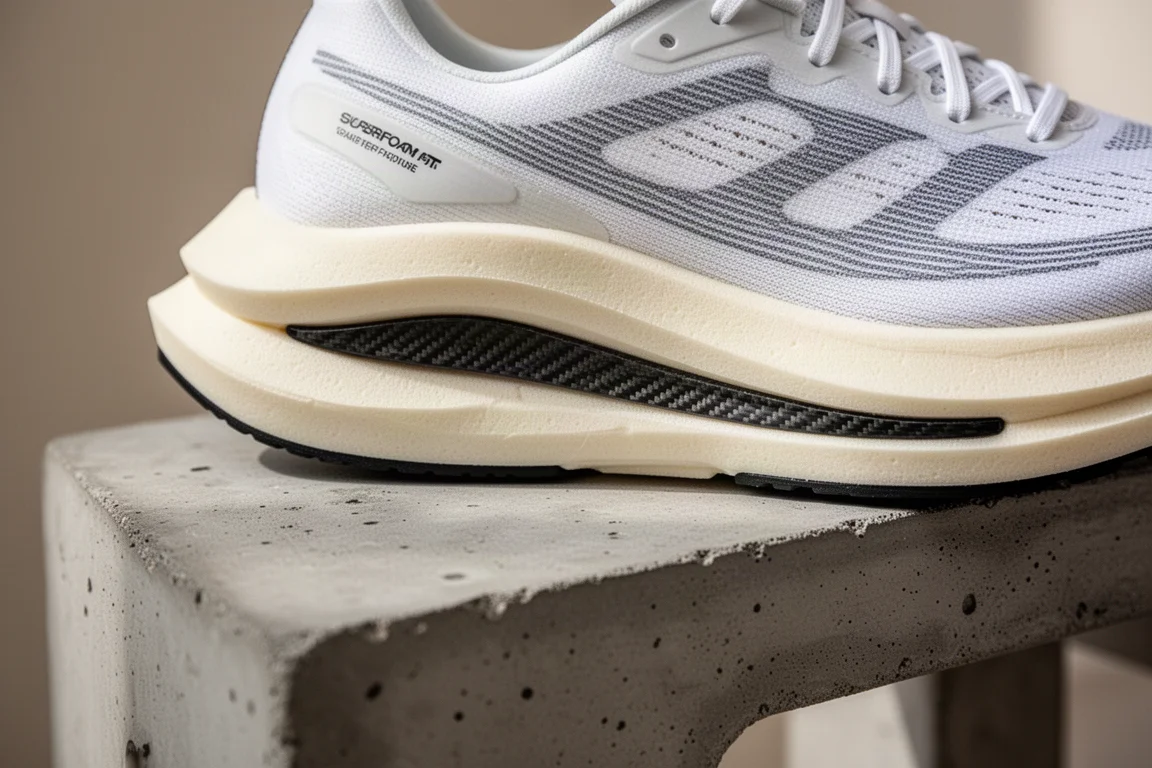
In use, the Alphafly 3 feels best at faster paces, roughly 3-hour marathon pace and quicker, where a midfoot to forefoot landing activates the pods. Slower, heel-leaning running makes it feel bulkier. Durability is the weak point: at 70 miles, the rubber is worn nearly flat and foam is cracking in exposed areas. Around 200 miles is realistic for harder-wearing runners, possibly 300 for light touchers.
Asics Metaspeed Sky Paris
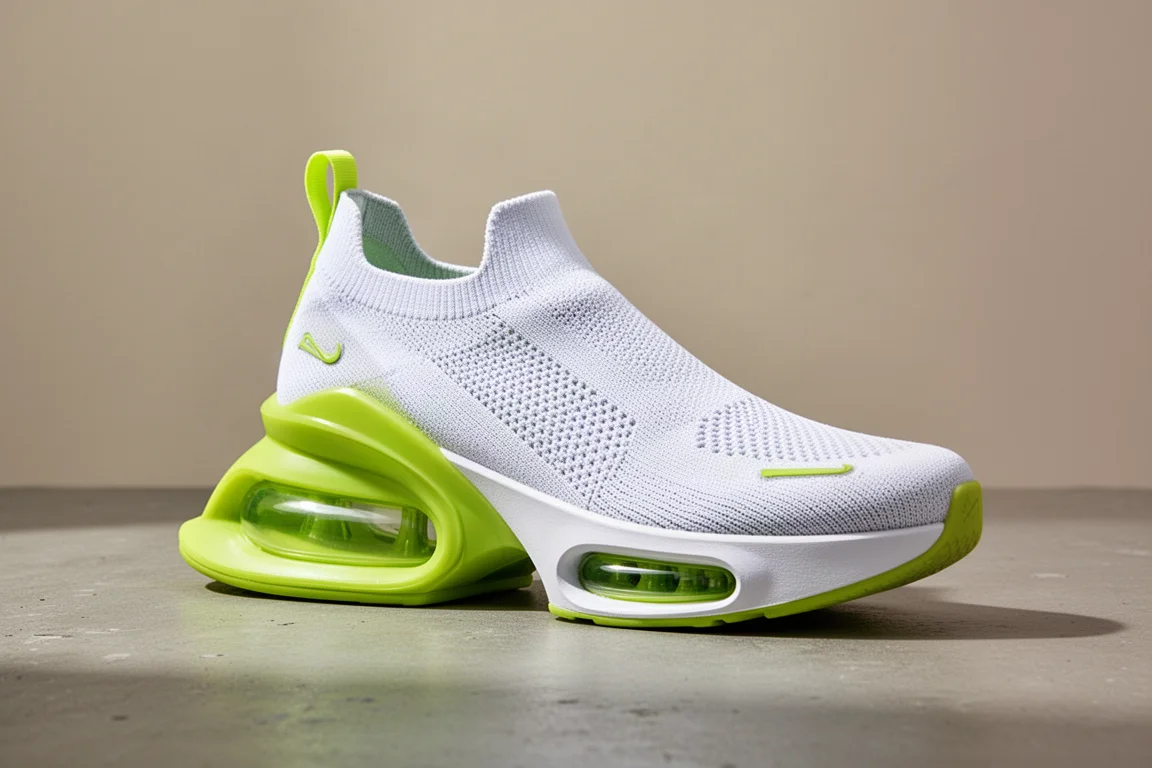
The Metaspeed Sky Paris is the newest of the group and the lightest, about 195g in a men’s US 10.5, lighter than the Vaporfly 3 at 207g. It achieves that through a narrow, carved-down PEBA midsole (34mm forefoot, 39mm heel), a full-length carbon plate with no window cutout, and a minimal upper. The foam is tuned slightly firmer than rivals, and a flared forefoot width gives a surprisingly controlled push-off.
The weaknesses are real. The upper is the clear low point: it runs about half a size small, the toe box is snug, the tongue is ungusseted, and the fit is awkward at longer distances even though laces and heel hold are fine. At $250 it is cheaper than the Alphafly, but the fit is a gamble.

As a ride, it was the choice for a 2:49 marathon, and the conclusion was clear: it is not the optimal marathon shoe for most runners. It is extremely narrow and the least supportive marathon racer in recent memory, and it only feels good when ripping 6:10 to 6:20 miles or faster. That makes it an excellent 5K, 10K, and likely half marathon tool, and a niche pick for sub-2:50 marathoners with strong forefoot strikes. Durability looks decent for midfoot and forefoot strikers, with exposed heel foam a concern for heel strikers.
Hoka Cielo X1
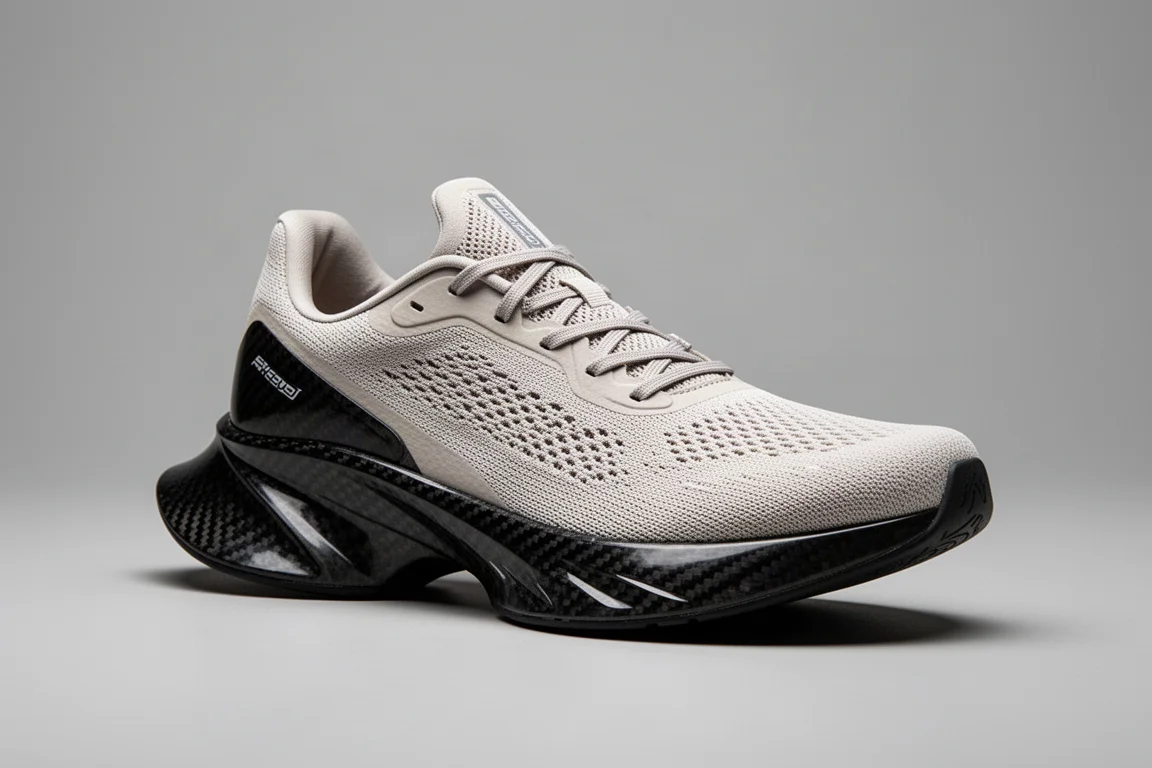
The Cielo X1 is the pick if you want Alphafly-like width and fun without quite as much aggression. It pairs a softer PEBA layer on top with a firmer layer below, a wide stable base very similar in width to the Alphafly, and a big rocker. Because there are no pods, it does not force you into a particular position, so it is easier to run in naturally.
The trade-off: the midsole carries more foam in the midfoot than the heel to stay under the 40mm World Athletics stack limit, and it naturally rests the foot toward the forefoot. Aggressive heel strikers may find some pace ranges uncomfortable getting over that midfoot foam. The price is $275, close to the Alphafly.
It held up well on a 22-mile long run at a similar pace to the Alphafly session, and the weight did not cause any issue. Lots of rubber on the outsole suggests good durability, though heel strikers will still see some exposed foam wear.
Saucony Endorphin Pro 4
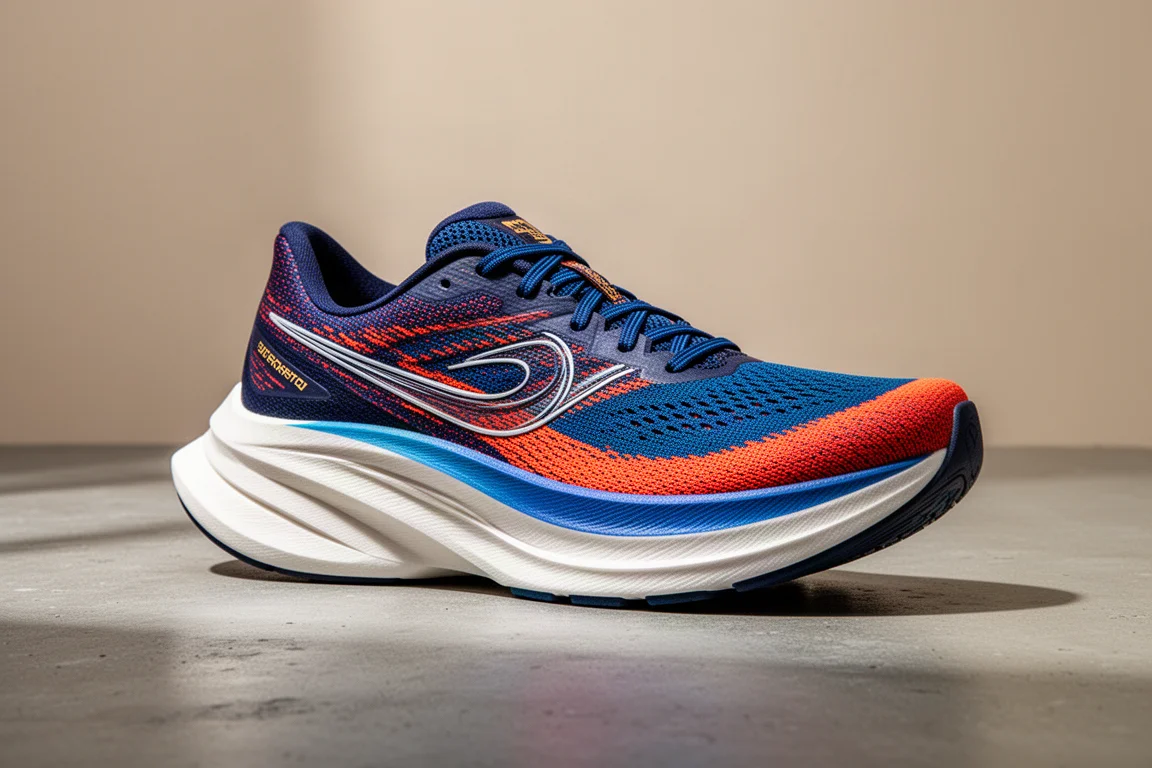
The Endorphin Pro 4 is the current favorite of the four: the most comfortable, the most natural to run in, and the best value. It uses a full-length carbon plate visible through a window and PWRRUN PB foam, one of the more durable racing foams on the market, with solid rubber coverage in the back that performed well in wet weather on a self-run sub-3-hour marathon in pouring rain.
It handled everything from 7:00 pace warmups down to 6:20 fast finishes with ease. It works at any pace and any foot strike, which is exactly what most runners want at hour three of a marathon. The one downside is a slightly narrow heel fit, which faded as a concern with more miles.
At $225, it undercuts the Sky Paris by $25, the Cielo X1 by $50, and the Alphafly 3 by $60, a 10% to nearly 20% discount, while being more durable and more comfortable. It is versatile enough for tempo runs, speed workouts, and long runs during a training block.
Overall Buying Advice
The quick breakdown:
- Alphafly 3: for a fast PR if you are a strong midfoot or forefoot runner who will use the shoe in training first.
- Metaspeed Sky Paris: for fast half marathon racing and below, or sub-2:50 marathoners who run aggressively off the forefoot. The least approachable of the four.
- Cielo X1: for something a bit more adventurous than the Endorphin Pro 4, provided you are not an aggressive heel striker.
- Endorphin Pro 4: the default for most people. Comfortable, fast, durable, stable, and cheaper than all three rivals.
Neither the Alphafly 3 nor the Sky Paris is the easiest marathon shoe. The Alphafly 3 will work for more people thanks to its width and stability, but if you are running a 3:30 or 4-hour marathon, the Endorphin Pro 4 or Cielo X1 will likely serve you better.
Conclusion
All four shoes are legitimate racing tools, but they serve different runners. The Alphafly 3 is the premium pick for aggressive PR attempts, the Sky Paris is a niche speed weapon for shorter races, the Cielo X1 is the fun stable middle ground, and the Endorphin Pro 4 currently sits on the throne as the shoe that will work best for the most marathoners.
Further reading
Related Reviews

Running Shoes
Best Road-to-Trail Running Shoes: Three Versatile Options for Mixed Terrain
A practical guide to three road-to-trail running shoes that handle both pavement and mild trails, with clear strengths and trade-offs for different runner types.

Running Shoes
Best Running Shoes for Achilles Tendonitis: Three Options Explained
Three running shoes with different heel drops and support features designed to help reduce Achilles tendon pain during walking and running.

Running Shoes
Best Running Shoes for Women: Five Top Choices Ranked
A ranked guide to five women's running shoes, from versatile daily trainers to high-performance racing options, with real strengths and trade-offs for each.