Stereo Amplifiers
Marantz Model 60n vs Yamaha R-N1000A: Which Stereo Integrated Amplifier Fits Your System?
A practical comparison of the Marantz Model 60n and the Yamaha R-N1000A: warm versus neutral voicing, power into low impedance speakers, room correction, and whether the extra spend is justified.
Introduction
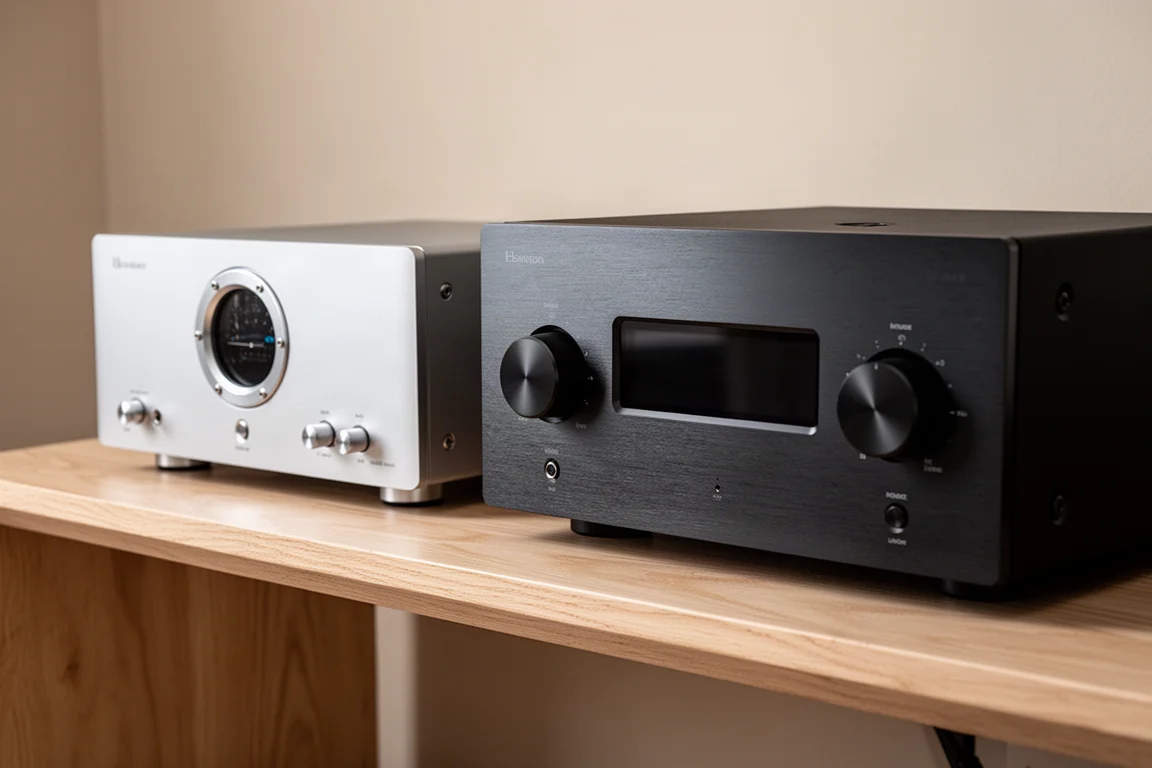
Two stereo integrated amplifiers, two noticeably different personalities, and one question worth answering before you spend: which one actually suits your speakers and your room? The Marantz Model 60n and the Yamaha R-N1000A sit in the same conversation, close in price and aimed at listeners building a serious two-channel system. They are not interchangeable. One leans warm and costs less. The other is more neutral, adds room correction, and keeps its composure with demanding loads.
This comparison looks at the things that matter after the first week of ownership: tonal character, how each amplifier behaves when the volume climbs, the features you are actually paying for, and how easy it is to pick the right model in the first place.
How These Two Amplifiers Compare
Both are two-channel integrated amplifiers with their own phono stages and digital-to-analog conversion, so a turntable and a digital source can each plug straight in without adding extra boxes.
The bigger difference is voicing. The Marantz Model 60n follows the warmer, slightly rounder presentation the brand is known for, while the Yamaha R-N1000A stays closer to neutral. In everyday terms, warm means a fuller low end and a softer top end. Neutral means the amplifier imposes less of its own character and lets the recording lead. Neither approach is correct on its own. What matters is which one flatters your speakers and the music you actually play.
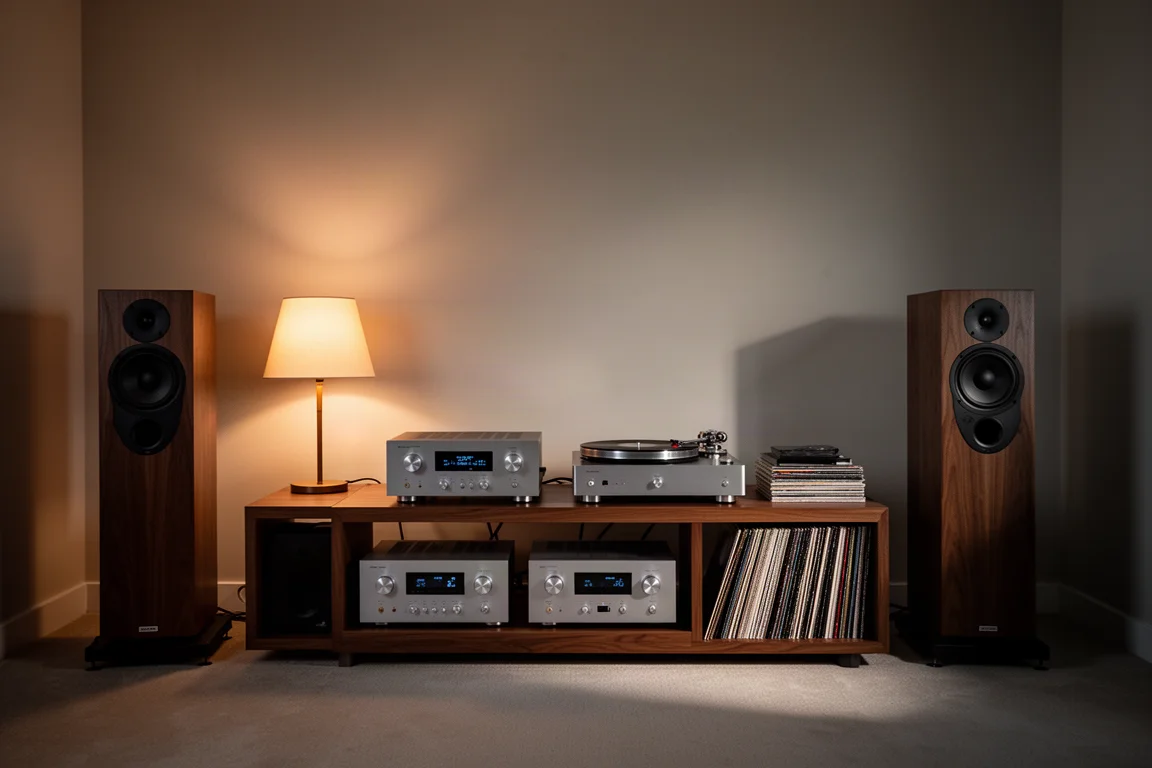
Beyond tonality, the comparison comes down to three practical points: how each amplifier copes when the volume goes up with harder-to-drive speakers, what the extra money buys in features and flexibility, and how simple the model range is to navigate when you are finally ready to buy.
Marantz Model 60n: Warm Sound and a Lower Price
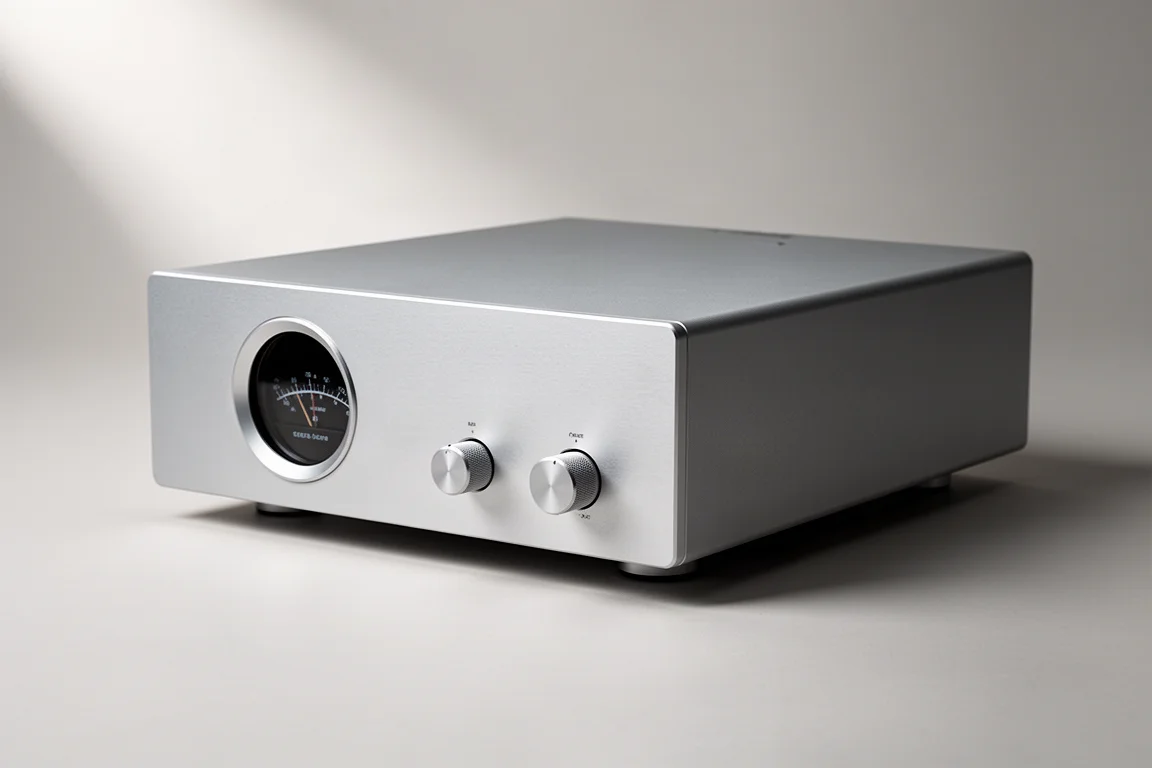
The Model 60n is a current-generation Marantz stereo integrated amplifier, and it wears the family look, including the porthole-style front panel design that now runs across the range from around $1,200 up to the brand’s higher tiers. That shared industrial design is deliberate. It lets Marantz spread parts, features and usability across many models, which helps keep costs down at every price point. The current generation also looks striking in silver, though finish availability varies by model and market.
Sonically, the Model 60n leans warm. Voices and acoustic material arrive with a gentle, rounded quality, and the phono stage follows the same character. If you have owned or spent time with Marantz amplifiers before and liked them, this will feel familiar rather than surprising.
The trade-off shows up when you push the volume with lower impedance speakers. The Model 60n can begin to sound strained in that situation, which is worth knowing if your speakers dip low or you simply like to listen loud. It is also the cheaper of the two amplifiers here, sitting roughly $200 below the Yamaha. For a listener who wants a warm tonal balance and does not need room correction, that saving is real and immediate.
Yamaha R-N1000A: Neutral Sound and More Control
The Yamaha R-N1000A is the more neutral amplifier of the pair. It does not add the same warmth, and its phono stage is less warm than the Marantz’s, which suits listeners who want a record to sound closer to the way it was cut. The digital-to-analog converter inside is slightly better as well, a detail that matters if most of your listening happens through digital sources.
Power delivery is the other clear advantage. Where the Model 60n could struggle at higher volumes with low impedance speakers, the Yamaha held up without the same strain. That headroom counts in larger rooms, with harder-to-drive speakers, and in any system where you want the last few clicks of the volume dial to stay usable.
Yamaha also includes YPAO room correction, which the Marantz does not offer. In a room with awkward dimensions, a low ceiling, or limited speaker placement options, that feature alone can justify the price difference. It is the kind of addition that keeps paying off long after the purchase, because it adapts the sound to the space you actually have rather than the ideal room you might want.
Sound and Power With Demanding Speakers
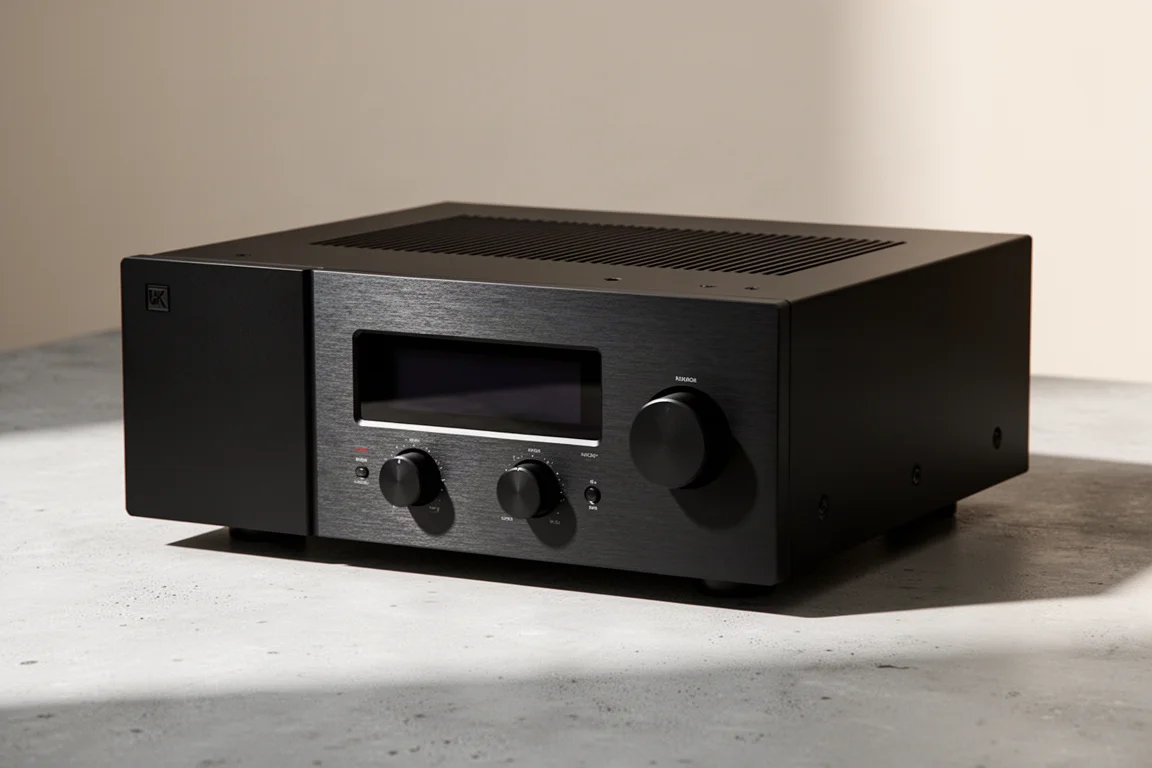
This is where the two amplifiers part ways most clearly. An amplifier that does not handle fluctuating speaker impedance well tends to produce bass that feels softer, rounder and less controlled. That is not the music changing tempo. It is the amplifier losing grip on the woofers, and it becomes obvious on dense recordings with a lot of low-frequency energy.
A more capable amplifier paired with the right speakers can make familiar tracks feel newly detailed, because your attention is drawn to elements that were previously buried. The Yamaha R-N1000A is the stronger performer in this respect of the two, and its more neutral voicing keeps that control intact across genres.
The Marantz Model 60n is not a weak amplifier. It simply has a lower ceiling when the demands rise, and it pairs best with speakers that stay close to a friendly impedance curve. Match it carefully and it will sound relaxed and enjoyable for long sessions. Push it with difficult speakers and you will hear the difference.
Features and System Flexibility
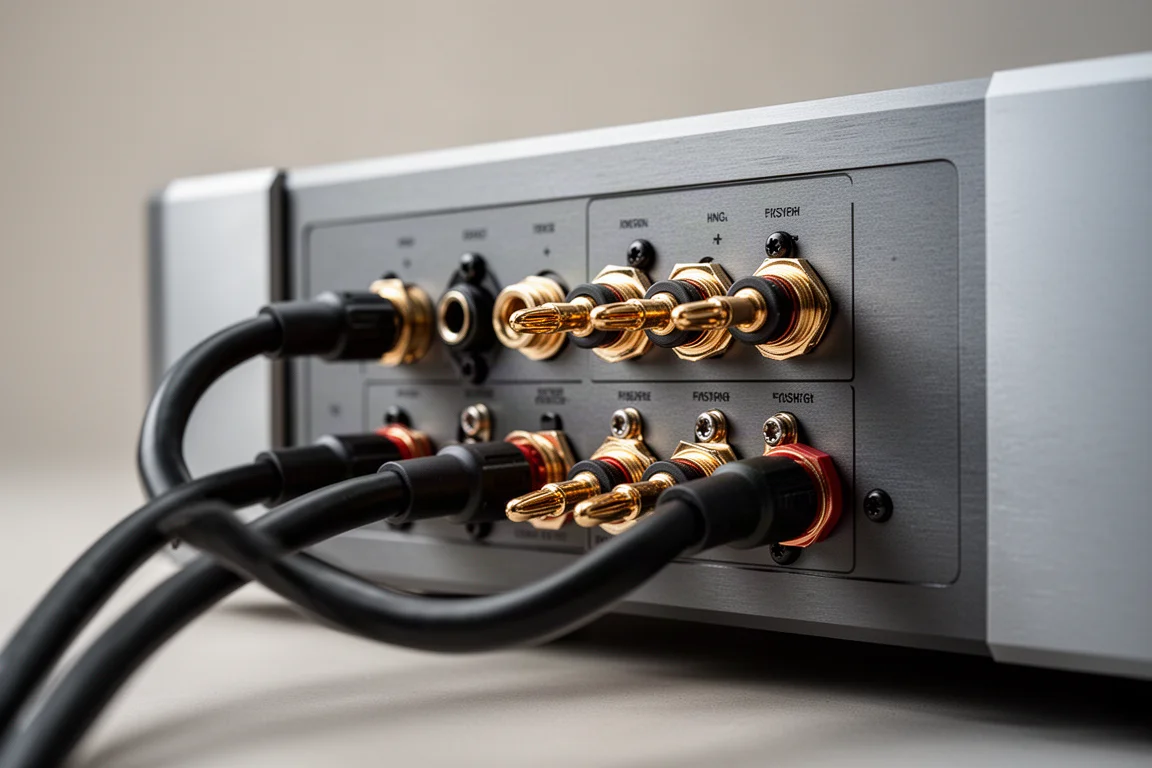
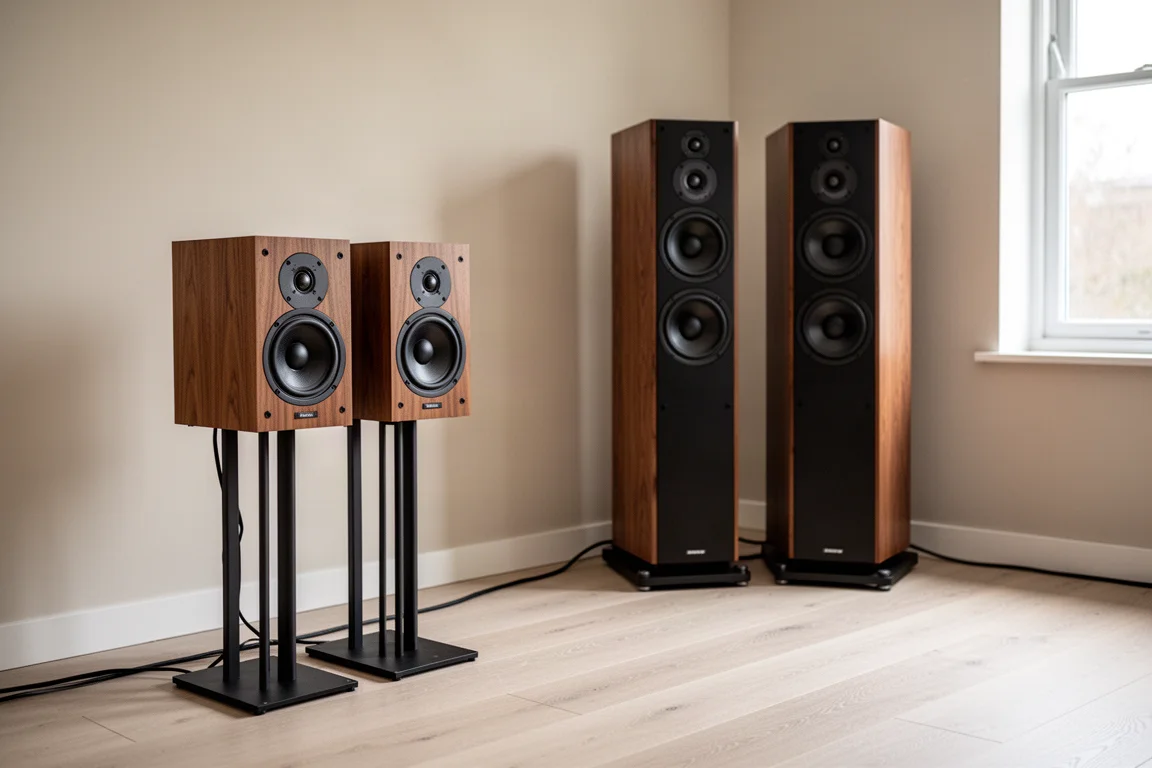
The Yamaha R-N1000A includes dual five-way binding posts, so it can drive an A and a B pair of speakers. You can switch between two pairs, treat them as two zones, or in some cases run both at once, provided the speakers are not low impedance. That is genuinely useful if you own two pairs of speakers you like, or if you want a second listening area without a second amplifier.
Marantz takes a different route to flexibility: the range itself is the feature. There is a model at nearly every price point, from the Stereo 70s at around $1,200 up to models in the $3,000 region, with the brand’s flagship two-channel design far above that. The catch is that the lineup is dense and overlapping, and individual models are often spread across different retailers, so the model your local dealer stocks may not be the one you had in mind. You can end up choosing between what is available rather than what you actually wanted.
Yamaha’s range is easier to read by comparison. Fewer models, clearly tiered, simple to place. That clarity is a real advantage when you are standing in a store trying to make a decision, and it reduces the odds of paying more for a product that takes features away rather than adding them.
What to Consider Before Buying
Before deciding between these two, work through the practical questions that shape the answer:
- Speaker impedance. If your speakers dip low or are known to be demanding, the Yamaha R-N1000A is the safer pairing.
- Room correction. If your listening space has awkward dimensions or limits where speakers can sit, YPAO is a meaningful advantage.
- Source priorities. Both include a phono stage and digital conversion. The Yamaha offers the slightly better converter and the less warm phono stage; the Marantz offers the warmer, more relaxed character.
- Two pairs of speakers. The Yamaha’s dual binding posts handle this without extra hardware.
- Budget and availability. The Marantz Model 60n costs less and shares a design language with a very broad range. Check which models your local dealers actually carry before committing.
If you value the warmer presentation and want to keep more money in your pocket, the Model 60n remains a sensible choice. If neutrality, headroom and room correction are higher on your list, the Yamaha is the more complete amplifier.
Buying Advice: Which Amplifier Fits Your System

In a direct comparison, the Yamaha R-N1000A is the amplifier to choose for most systems. It sounds more neutral, keeps its composure at higher volumes with lower impedance speakers, adds YPAO room correction, offers a slightly better converter, and gives you two speaker outputs to work with. The roughly $200 premium over the Marantz is easy to justify when room correction and power delivery both land in your favour.
Choose the Marantz Model 60n if warm tonality is the priority and you know your speakers are an easy load. It is the more affordable amplifier, it carries the same visual identity as the rest of the current Marantz generation, and its rounded character is exactly what some listeners are looking for. For anyone who finds neutral presentation a little clinical, that warmth is the whole point.
The simplest way to decide is to be honest about your speakers and your room. Warm and affordable, or neutral and more capable. Both paths lead to a system you can live with for years, provided the amplifier matches the load it has to drive.
Conclusion
The Marantz Model 60n and the Yamaha R-N1000A are close enough in price to be genuine alternatives, and different enough in character that the choice should not be left to chance. The Yamaha wins on neutrality, power delivery into demanding speakers, room correction and system flexibility. The Marantz wins on warmth and on price, and it rewards listeners who pair it with friendly speakers.
Decide which of those two priorities describes your system, and the decision becomes straightforward.
Further reading
Related Reviews
Stereo Amplifiers
Aiyima A01 Pro Review: A Compact Bluetooth Amplifier With a Full Tone Stack
A practical look at the Aiyima A01 Pro, a budget Class D amplifier with bass, middle, and treble controls, LDAC Bluetooth, and a clear set of trade-offs.
Stereo Amplifiers
Audiolab 7000A Review: The Flexible Modern All-in-One Integrated Amplifier
A Class AB integrated amplifier with HDMI ARC, a built-in DAC and three operating modes, priced under $2,000. Here is what it does well and what to check first.
Stereo Amplifiers
Best Amplifiers at Every Price Level: 12 Picks From Budget to Audiophile
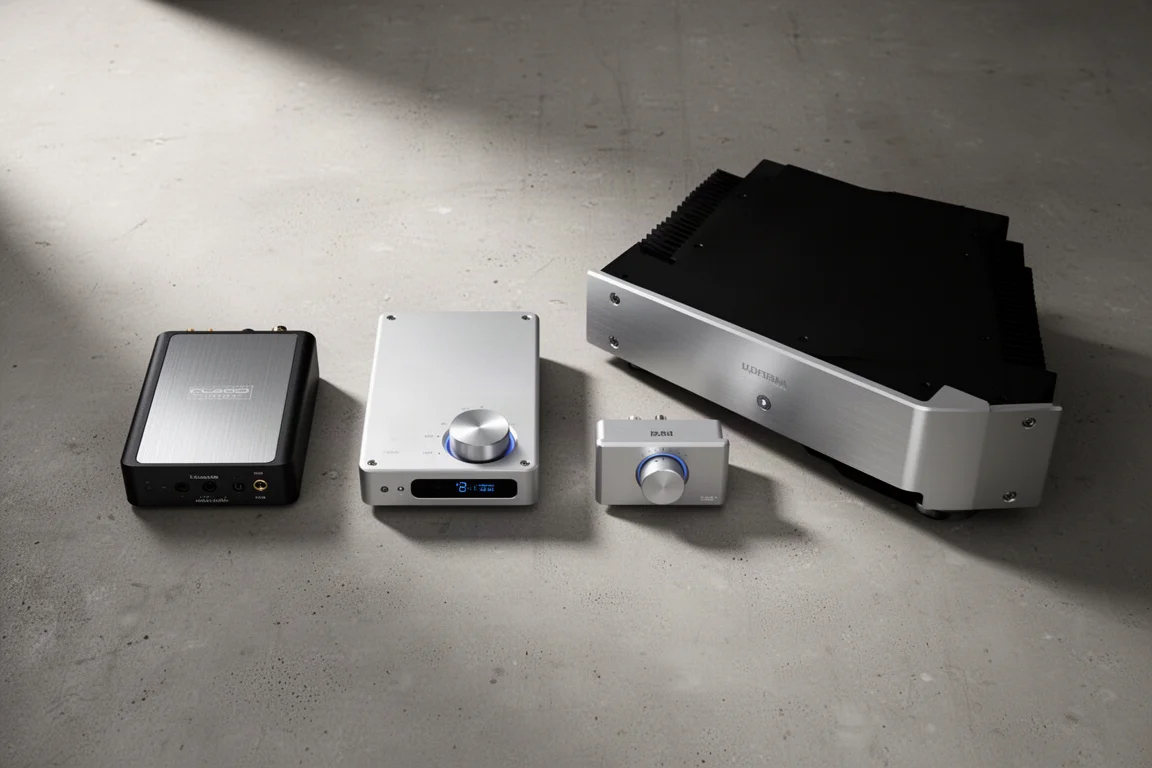
A practical roundup of twelve stereo amplifiers at increasing price points, from sub-$100 class D mini amps to integrated models with DACs, phono stages, and HDMI ARC.