Stereo Amplifiers
Marantz Model 10 Review: A Purist Flagship and Two Analog Alternatives
A close look at the Marantz Model 10 flagship amplifier, plus two analog alternatives worth weighing: the Musical Fidelity Nu-Vista 600.2 and the McIntosh MA7200.
Introduction
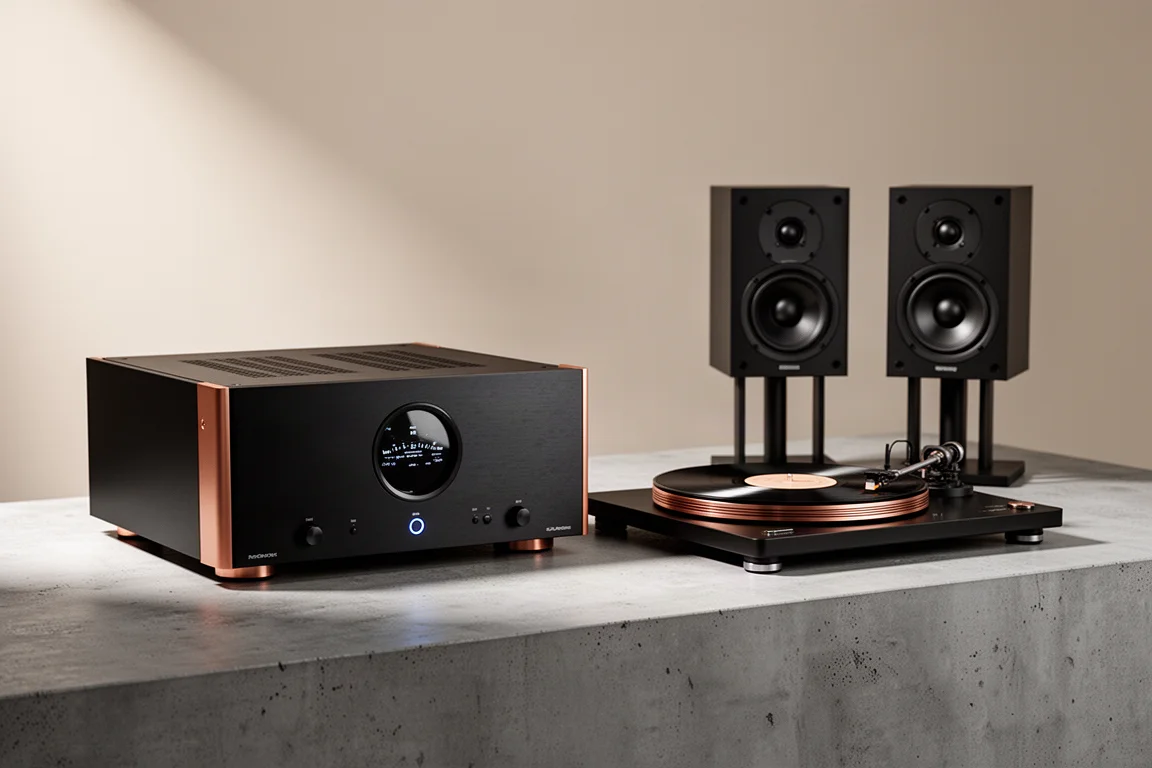
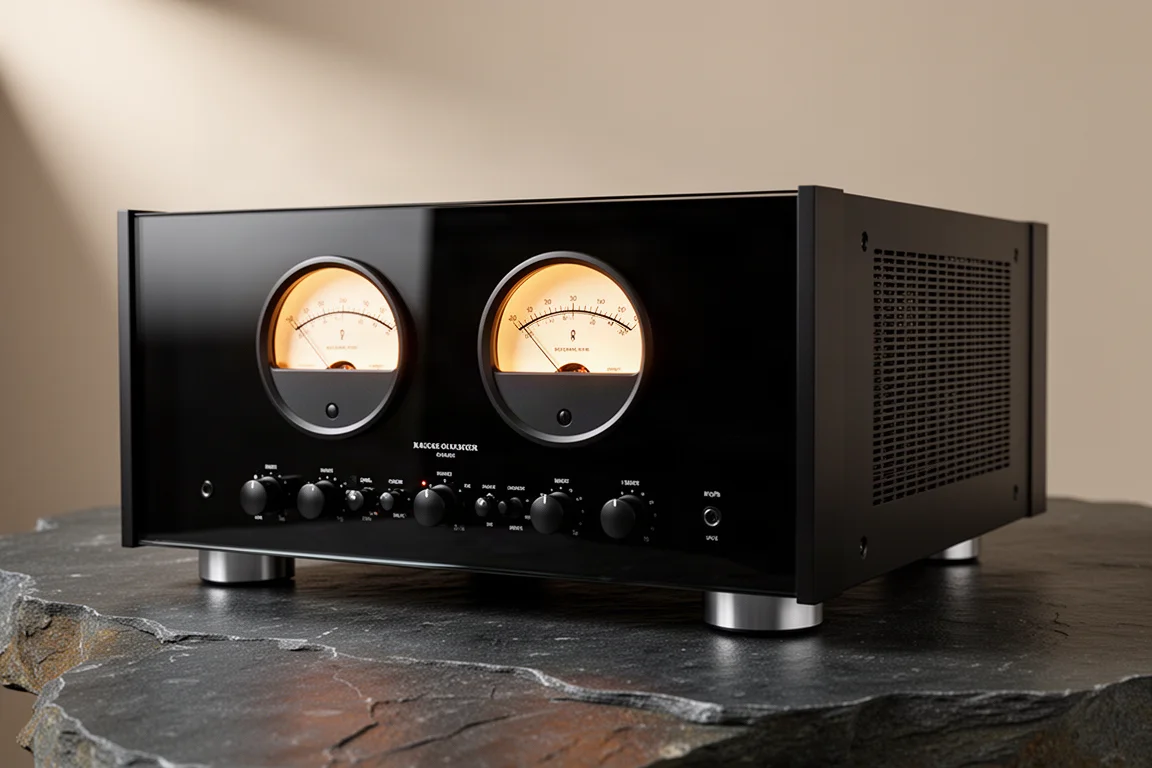
Marantz has spent decades as a familiar name in home cinema and mid-priced hi-fi, which makes the Model 10 a deliberate change of direction. This is a 74 lb (33.7 kg) flagship integrated amplifier with a copper-plated chassis and a $15,000 price tag, aimed at listeners who care more about refinement and craftsmanship than feature lists. It is also, by design, a strictly analog component: no DAC, no streamer, and no wireless technology of any kind.
That positioning raises a fair question for anyone shopping at this level. Neutrality and precision are easy to admire on paper, but they are not the same thing as musical involvement. The Model 10 is exceptionally clean and exceptionally quiet, yet its handling of dynamics leaves some listeners wanting more bite. What follows is a close look at the Model 10, followed by two analog alternatives worth weighing: the Musical Fidelity Nu-Vista 600.2 and the McIntosh MA7200.
Marantz Model 10: Build, Design, and Connectivity
The Model 10 shares visual DNA with other Marantz components such as the Model 40N, but the scale and construction signal a different class of product. At roughly 74 lb (33.7 kg), with a copper-plated chassis, it is built to sit at the top of the range.
Inside, it is a true dual mono Class D design co-developed with Purifi, rated at 250 watts into an 8 ohm load and 500 watts into a 4 ohm load. Power reaches the speakers through two sets of high-quality binding posts, which can also be configured for bi-wiring or bi-amping.
Connectivity is intentionally minimal. There is no built-in DAC, no streaming, and no wireless technology of any kind. What you get instead is four analog audio inputs, including a built-in phono preamp that supports both moving magnet and moving coil cartridges and can be adjusted based on the output of your cartridge. Two balanced analog inputs bring the total number of inputs to six.
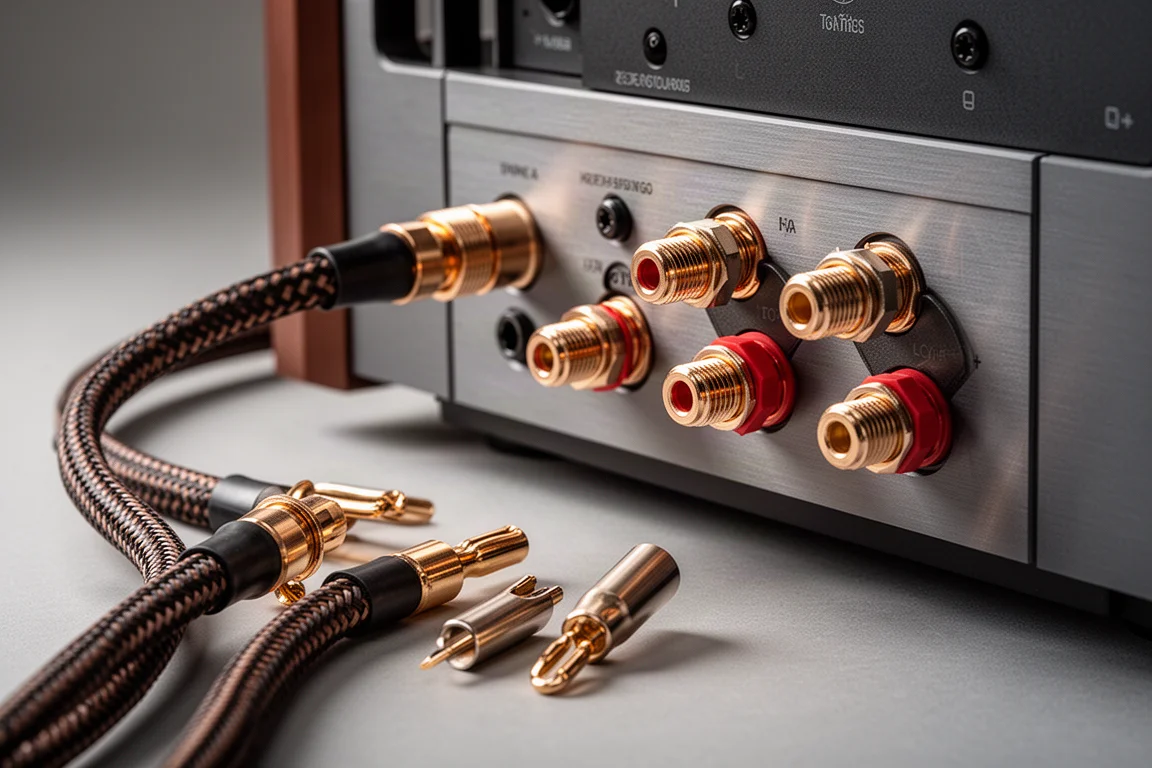
The Model 10 can also be operated in a strict amplifier-only mode when paired with a separate preamp, or it can feed a separate amplifier through its preamp outputs, available in both balanced and unbalanced form. An unbalanced line output is included as well.
On the front panel, a centre-mounted porthole display can be configured to show either the system level and input or digital meters. The included remote and the large circular display open up the amplifier’s adjustments: tone and balance controls, which Marantz labels trim, equalizer settings based on the impedance of your phono cartridge, and brightness control for the front panel and internal lighting. That internal lighting can be disabled entirely for the highest quality playback, at least according to Marantz.
Marantz Model 10: How It Sounds
Neutrality is the defining characteristic here. Bass is textural, deep, and controlled, particularly at higher volumes. The midrange is about as neutral as they come, and the highs are extended and detailed, perhaps with a very slight roll-off at the very top.
Layer separation is a genuine strength. The Model 10 pulls apart the individual strands of a recording and presents them with the clarity and focus you would expect from an amplifier of this pedigree. It also has one of the quietest backgrounds you will hear from a modern amplifier, which makes that separation easier to appreciate. Driving 4 ohm, 85 dB bookshelf speakers that ask a great deal of an amplifier, it provided plenty of headroom and control.
The trade-off shows up in dynamics. Not dynamic range, which describes the distance between the quietest and loudest notes, but dynamics in the sense of speed and immediacy, the pace at which musical contrasts reveal themselves. The Model 10 tends toward restraint. The synthetic claps that lead into the chorus of Michael Jackson’s “In the Closet” should grab your attention and feel jarring; through the Model 10 they were polite, even at in-room levels well above 85 dB and through horn-loaded speakers. Compared with a 2 watt single-ended triode amplifier, the Marantz lacked some of the snap and contrast that gives certain recordings their tension. Raising the volume injects immediacy and a greater sense of scale, but that is not how every listening session works.
The counterargument is equally valid. Material that can sound harsh or fatiguing elsewhere, such as Beth Hart’s “Mama”, came across as calmer and easier to sit with. And at high volumes driving difficult speakers, the Model 10 proved unflappable. It is the kind of amplifier you can listen to for hours without fatigue, and it is easy to forget it is in the room at all.
Model 10 Phono Stage and Design Details
The phono stage is one of the Model 10’s strongest practical features. Its adjustability is first rate, and being able to make changes from the remote rather than fiddling with the small switches found on many phono stages is a genuine convenience. Sonically it follows the character of the amplifier as a whole, bringing a slightly warmer, rounder feel to vinyl playback. Rougher masterings benefit from that treatment: material that can sound abrasive on other systems is smoothed out in a way many listeners will find agreeable, even preferable. The same restraint that defines the line stage applies here, so records that depend on sudden dynamic shifts may feel held back.

Design is where the Model 10 invites the most debate. The layout is clean, the materials are serious, and the copper-plated chassis is a real statement, but the fascia still leans on a digital display and a carbon fibre finish that has now appeared across the range for several years. At this price, a mechanical meter in the spirit of a fine watch, a solid piece of walnut below the floating aluminium face, or a signed and numbered plaque would all do more to separate the flagship from its siblings. The bundled remote is also very close to the ones supplied with far cheaper Marantz components, which feels like a missed opportunity on a $15,000 product.
None of that changes how the amplifier performs, and the fundamentals are strong. What it does change is how special the Model 10 feels to own, and that matters when a brand moves upmarket.
Musical Fidelity Nu-Vista 600.2: The More Expressive Alternative
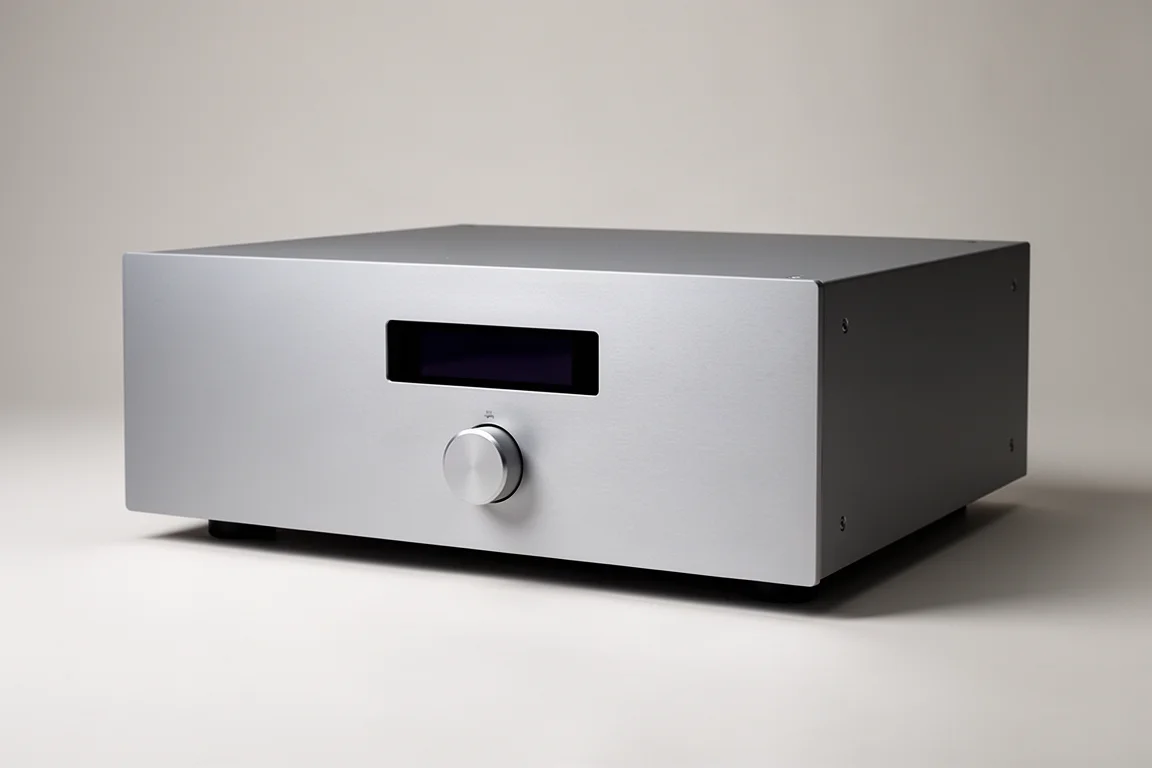
Like the Model 10, the Nu-Vista 600.2 is an all-analog amplifier with no digital inputs, but it uses a Class AB output stage rather than Class D. The Marantz is the more powerful of the two on paper, though in a direct comparison on the same speakers that gap is unlikely to be noticeable. The two amplifiers could hardly look more different, so system aesthetics will play a part in the decision as well.
Where they diverge is in character. The Nu-Vista 600.2 is more intelligible at all volumes, more detailed, and has greater contrast from top to bottom without needing to be pushed. It also costs less than the Model 10, which makes it a compelling option for listeners who value expression and immediacy over absolute neutrality.
McIntosh MA7200: The Value Pick With Brand Cache
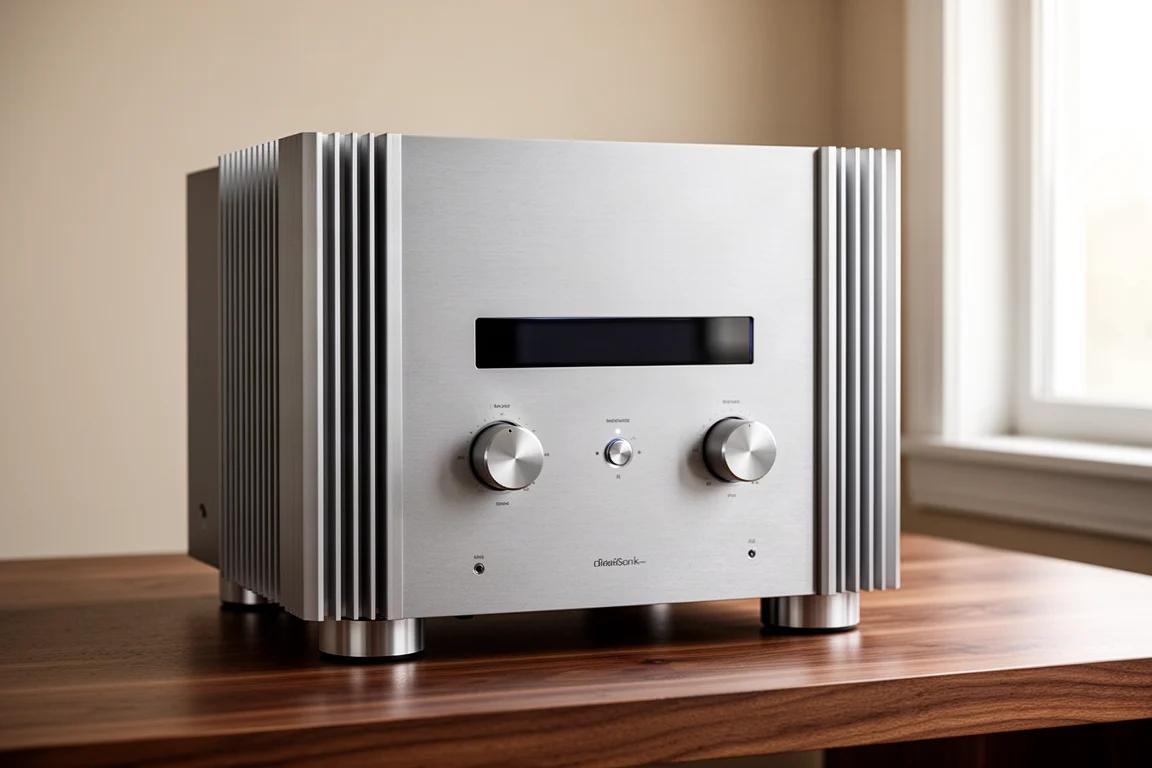
The Model 10 is not chasing the everyman or the home cinema receiver customer. It is aimed at the buyer who would otherwise be looking at McIntosh, and that audience tends to be loyal. The MA7200 makes the comparison uncomfortable: it can do everything the Model 10 can and more, at roughly half the cost, which makes it the far better value of the two.
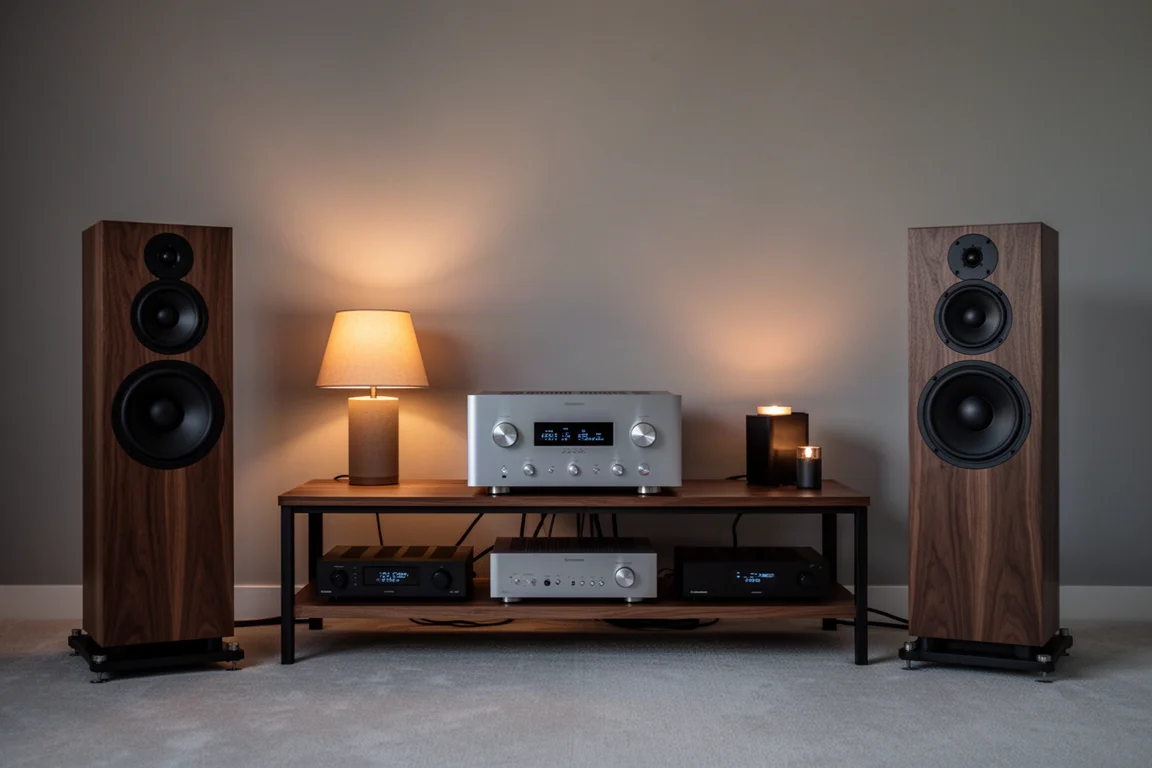
That is a notable statement for a McIntosh product, a brand rarely associated with value. For buyers who want the broadest capability per dollar and who are already comfortable in that ecosystem, the MA7200 is the more sensible purchase. For purists who want nothing in the signal path they do not need, the argument is less clear-cut.
Where the Model 10 Sits in the Wider Market
At around $15,000, the Model 10 competes with a small group of established luxury integrated amplifiers. The Mark Levinson No. 5805 sits just under $11,000, the Dan D’Agostino Pendulum retails for about the same as the Marantz, and the Pass Labs INT-250 is priced at $13,000 with a Class AB design that makes for a close comparison. Each of these carries the kind of brand cache that luxury buyers tend to weigh alongside performance.
Within Marantz’s own range, the Model 40N remains a strong everyday option. The Model 10 is the better amplifier, but with commonly available, mass-market loudspeakers in a real-world room it is likely more than most listeners need. For the more digitally minded, the Model M1 costs less than $1,000 and stands out as one of the best overall products the brand has made in a decade.
Buying Advice: Matching the Amplifier to the Listener
The Model 10 makes the most sense for listeners who already know what they value: a neutral, quiet, fatigue-free amplifier that disappears into the system and never asks for attention. In a vinyl-focused setup, its adjustable phono stage and slightly warmer presentation are genuine advantages, and its ability to drive difficult speaker loads without strain is reassuring if your speakers run at 4 ohms with modest sensitivity.

Before buying, it is worth being honest about three things. First, whether you need digital inputs at all, because the Model 10 has none. Second, how much you rely on dynamic contrast at low volumes, since that is exactly where the amplifier is most reserved. Third, whether the finish and remote matter to you as much as the sound, because at this price the ownership details are part of what you are paying for.
If the answers point toward neutrality and long, relaxed sessions, the Model 10 delivers. If they point toward expressive dynamics, the Nu-Vista 600.2 is the more rewarding choice. If they point toward capability and value, the MA7200 is difficult to argue with.
Conclusion
The Marantz Model 10 is a genuinely accomplished amplifier. It is built to a high standard, it is exceptionally quiet, it separates layers with real clarity, and it handles difficult speaker loads without strain. Its composure makes long listening sessions easy, and it never inserts itself into the music. What it will not do is inject drama into recordings that depend on sudden dynamic contrast, and at $15,000 the details of finish, display, and remote are fair game for scrutiny.
That is the trade-off worth understanding before buying. For a transparent, unfailingly polite amplifier paired with a turntable, the Model 10 delivers on its brief. For more expressive dynamics at a lower price, the Musical Fidelity Nu-Vista 600.2 deserves a serious look. And for the strongest value and the broadest capability, the McIntosh MA7200 is the pragmatic answer.
Further reading
Related Reviews
Stereo Amplifiers
Aiyima A01 Pro Review: A Compact Bluetooth Amplifier With a Full Tone Stack
A practical look at the Aiyima A01 Pro, a budget Class D amplifier with bass, middle, and treble controls, LDAC Bluetooth, and a clear set of trade-offs.
Stereo Amplifiers
Audiolab 7000A Review: The Flexible Modern All-in-One Integrated Amplifier
A Class AB integrated amplifier with HDMI ARC, a built-in DAC and three operating modes, priced under $2,000. Here is what it does well and what to check first.
Stereo Amplifiers
Best Amplifiers at Every Price Level: 12 Picks From Budget to Audiophile
A practical roundup of twelve stereo amplifiers at increasing price points, from sub-$100 class D mini amps to integrated models with DACs, phono stages, and HDMI ARC.