Trail Running Shoes
Mammut Energy Trail Lineup 2026: Three New Trail Running Shoes, One for Every Kind of Trail
Mammut enters trail running with the Energy Trail All Mountain, Endurance Ultra, and Speed. Here is how the three shoes differ and which one fits your running.
Introduction
Mammut is best known as a Swiss mountain brand with roots stretching back to 1862, when it made rope for the agricultural industry before shifting its focus to mountain sports. Climbing, hiking, and alpine pursuits have long been the core of the business. With trail running exploding in popularity over the last seven or eight years, the brand has now used its extensive mountain knowledge to build an entirely new trail running lineup.
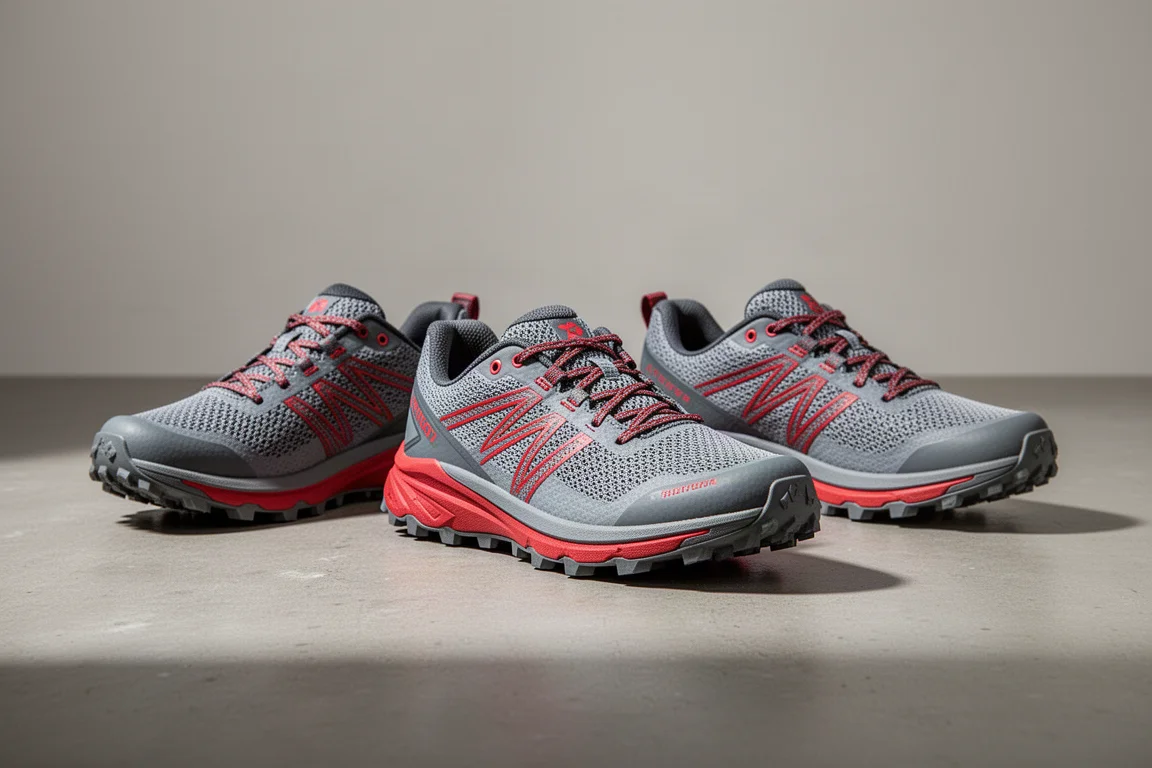
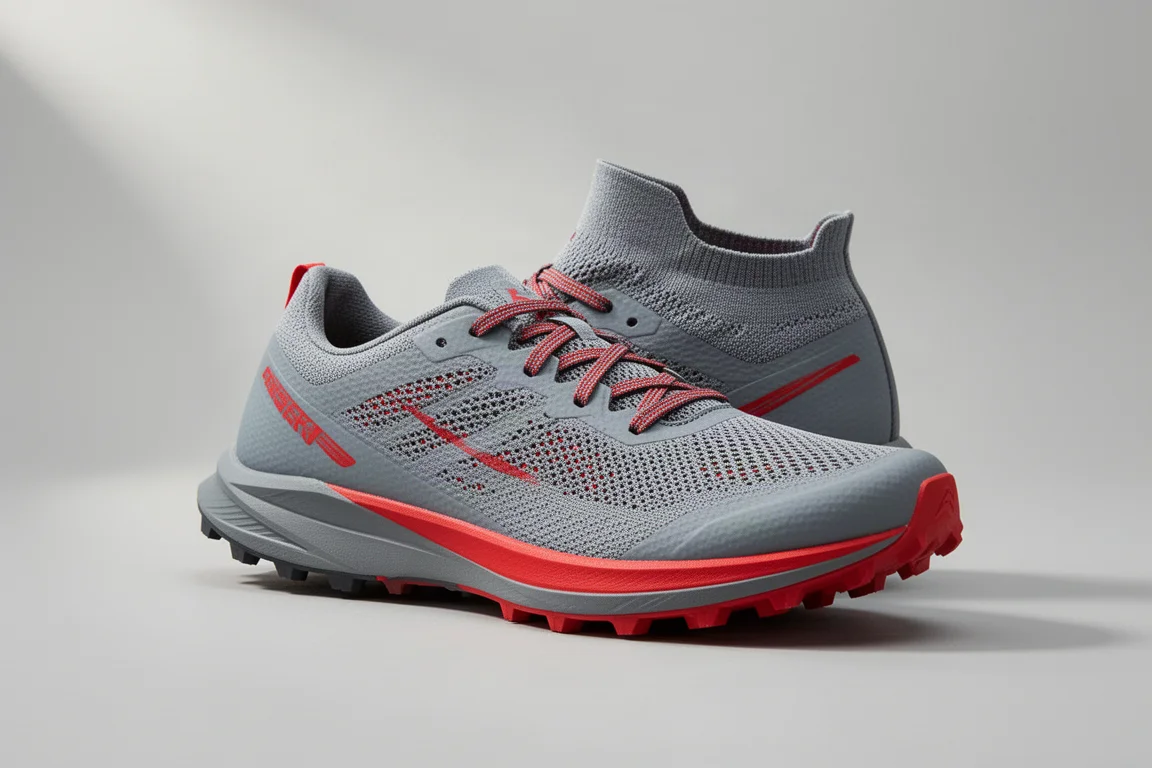
The range consists of three shoes: the Energy Trail All Mountain, the Energy Trail Endurance Ultra, and the Energy Trail Speed. They arrive in a matching grey and red colorway, and at first glance they look very similar. In practice, each has been designed for a specific task within a trail running shoe rotation, and the construction differences between them are significant.
A New Trail Lineup from a Mountain Heritage Brand
The three shoes share the same visual identity, but they split clearly by intended use. The All Mountain is the versatile mid-distance workhorse for all types of terrain. The Endurance Ultra targets mid to long-distance runs, prioritising grip and stability with comfort for challenging long trails. The Speed is the lighter, racier option, stripped back for a responsive and nimble feel.
Here is a quick overview of the key specs as measured on a UK 9.5 pair:
- All Mountain: 34mm heel, 26mm forefoot, 8mm drop, 315g
- Endurance Ultra: 38mm heel, 30mm forefoot, 8mm drop, 345g
- Speed: 30mm heel, 24mm forefoot, 6mm drop, 271g

Mammut Energy Trail All Mountain
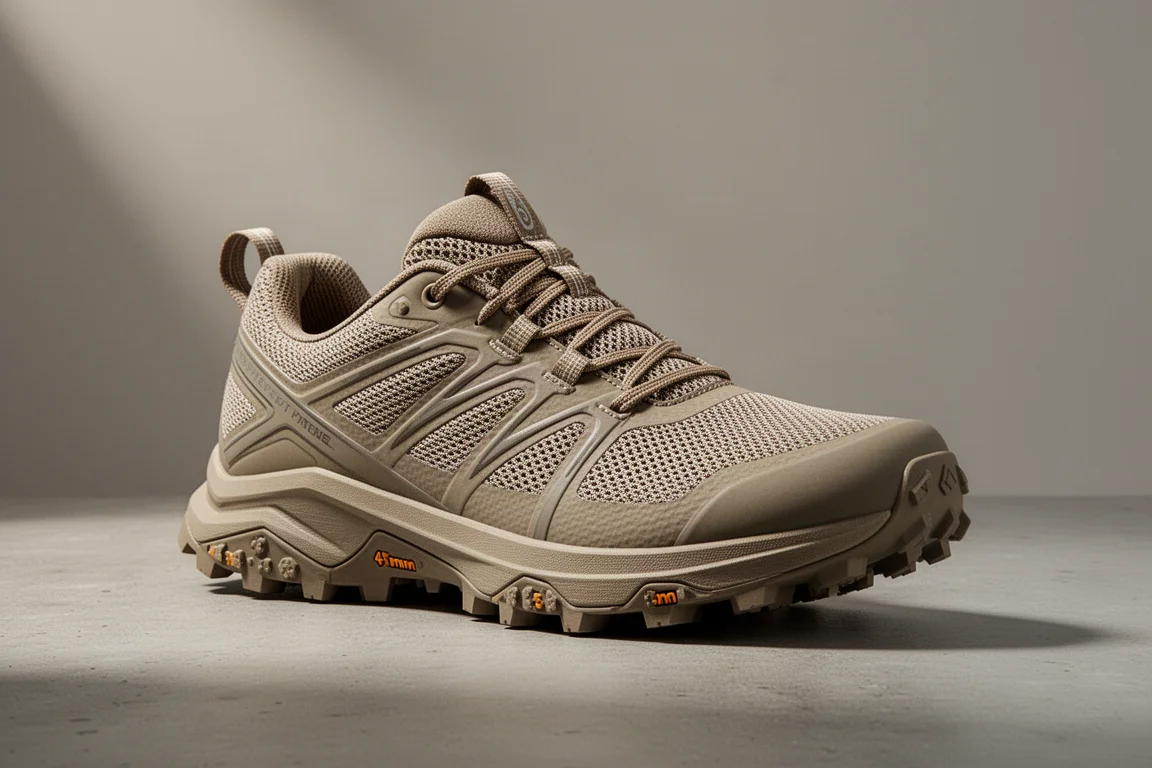
The Energy Trail All Mountain is the versatile mid-distance option in the range, designed to tackle all types of terrain and to serve as a workhorse daily trainer. The upper uses a lightweight, highly breathable engineered mesh that feels durable enough to hold up to tough trail miles. There is a well padded gusseted tongue, a standard looped lace system, zonal padding around the ankle and heel, a heel pull loop, and a toe bumper for upfront protection.
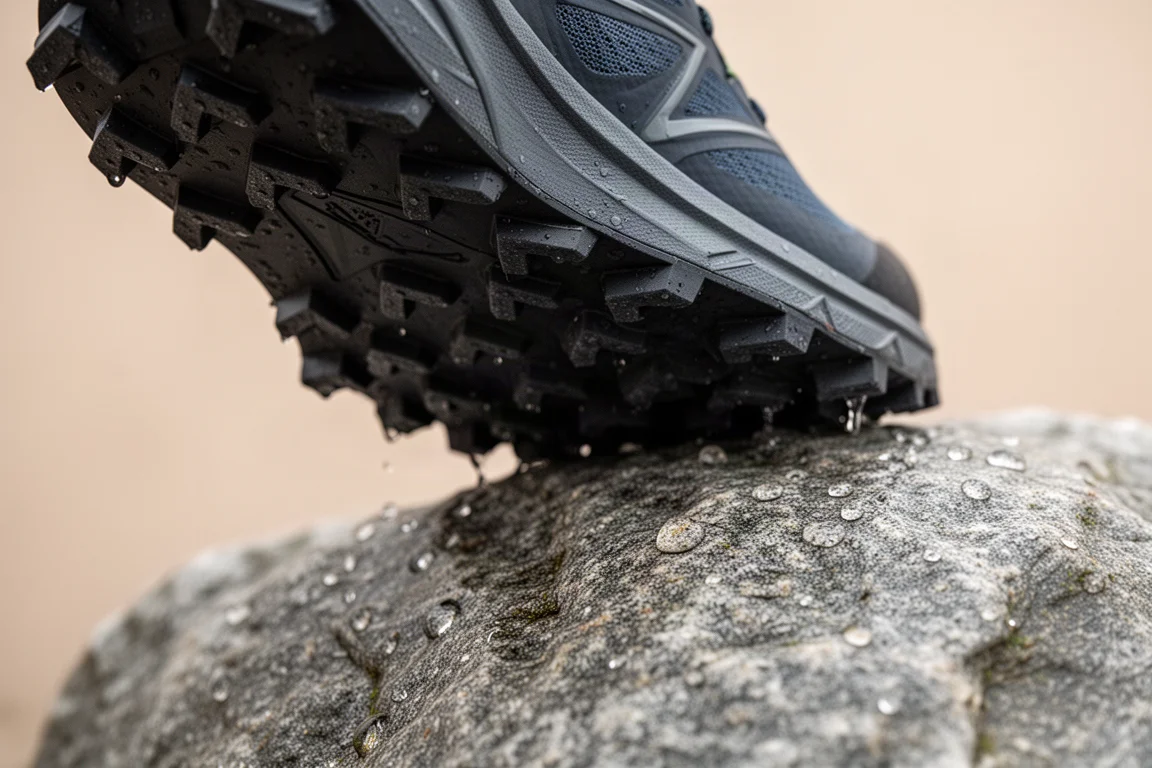
Underfoot, the midsole uses Mammut’s Core Plus foam, a supercritical nitrogen-infused EVA that should deliver good levels of comfort, protection, and performance on the trails. The outsole is clad in Mammut’s in-house rubber for a balanced blend of friction across a wide mix of surfaces, finished with a Swiss-designed lug layout mixing 4mm and 5mm lug depths for maximum grip. On foot, the shoe gives off a similar feel and look to familiar versatile trail trainers, which is a good sign for everyday use.
Mammut Energy Trail Endurance Ultra
The Endurance Ultra is built for longer distances and is the most expensive shoe in the lineup, retailing at €220 on release. The stack is deeper than the All Mountain at 38mm heel and 30mm forefoot with the same 8mm drop, but the weight climbs to a fairly hefty 345g in a UK 9.5, with much of it apparently sitting in the midsole.
The upper keeps the same lightweight, breathable engineered mesh, but with more traditional padding around the ankle collar and heel and a thinner gusseted tongue. The lacing uses two locking loops on either side that form bands around the midfoot as part of Mammut’s Base Fit technology, designed for a secure lockdown through the midfoot. Structural overlays wrap the upper, and there is a toe bumper and heel pull tab.
The big difference is the midsole: Core Ultra foam, a dual-compound blend of supercritical nitrogen-infused EVA and ETPU, combined with Mammut’s Flexron plate. Importantly, this is a more forgiving polymer plate rather than an overly stiff carbon option, which suits trail running well, and the foam-and-plate combination should offer good comfort with high energy return. The outsole gets an upgrade too: super sticky Mega Grip lightbase rubber, a compound widely known for excellent grip on dry or wet, rocky trails, with a similar lug depth to the All Mountain.

Mammut Energy Trail Speed
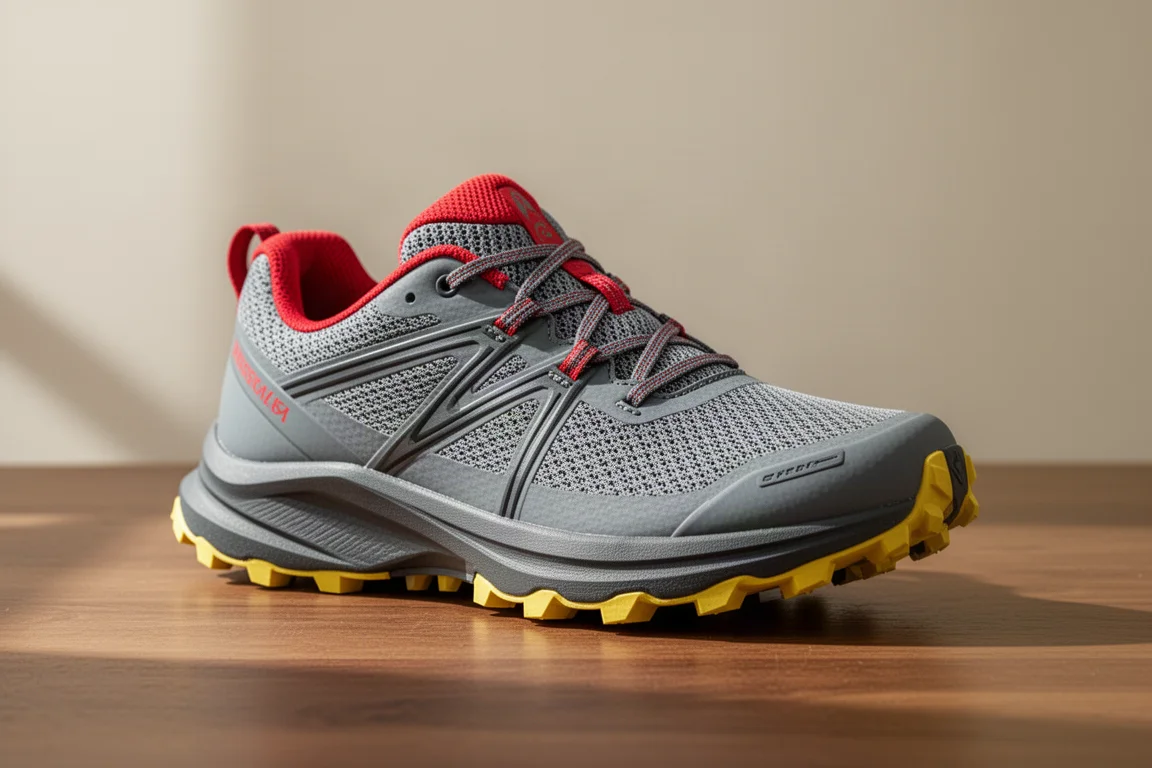
The Speed is different from the other two in almost every way: sleeker, more stripped back, lighter, and clearly race inspired. It is aimed at short to mid-distance trail runs where you might be moving quicker, with a racier, narrower fit. It retails at €190 on release and is the lightest of the three at 271g in a UK 9.5.
The stack is the lowest in the range at 30mm heel and 24mm forefoot, with a slightly lower 6mm drop. The upper is a booty-style design using the same lightweight, highly breathable engineered mesh, with almost no padding in the tongue area and only light zonal padding around the ankle. A traditional lacing system is paired with pull loops on both the heel and the tongue, which helps with a shoe of this type.
The midsole returns to Core Plus supercritical nitrogen-infused EVA, now with the addition of the Flexron polymer propulsion plate from the Endurance Ultra. That combination should make the Speed feel nimble and responsive underfoot, with a dynamic forefoot flex and good stability. The outsole uses the same sticky Mega Grip lightbase rubber, but with a shallower lug depth of around 3mm. That is the main caveat: on muddy ground this shoe is considerably less versatile than its siblings, so it is best treated as a dry-conditions, faster-days option. Narrower through the midsole, especially at the heel, it felt connected and genuinely fun on first try-on.
Overall Buying Advice
Think of the three shoes as a rotation rather than three versions of the same product. If you want one shoe to do almost everything at a mid-distance, the All Mountain is the sensible default. If your runs stretch into the long and challenging, and grip on wet rock matters most, the Endurance Ultra justifies its higher price with its dual-compound foam, Flexron plate, and Mega Grip rubber. If you want something light and quick for shorter, faster runs in dry conditions, the Speed is the pick, with the caveat of its shallower lugs.
Conclusion
Mammut’s first proper trail running lineup shows plenty of design and development thinking, with a clearly defined role for each of the three shoes. Full on-trail testing will confirm how the foams, plates, and rubber perform over real miles, but on paper the range covers the everyday trainer, the long-distance endurance shoe, and the lightweight speed option well.
Further reading
Related Reviews
Trail Running Shoes
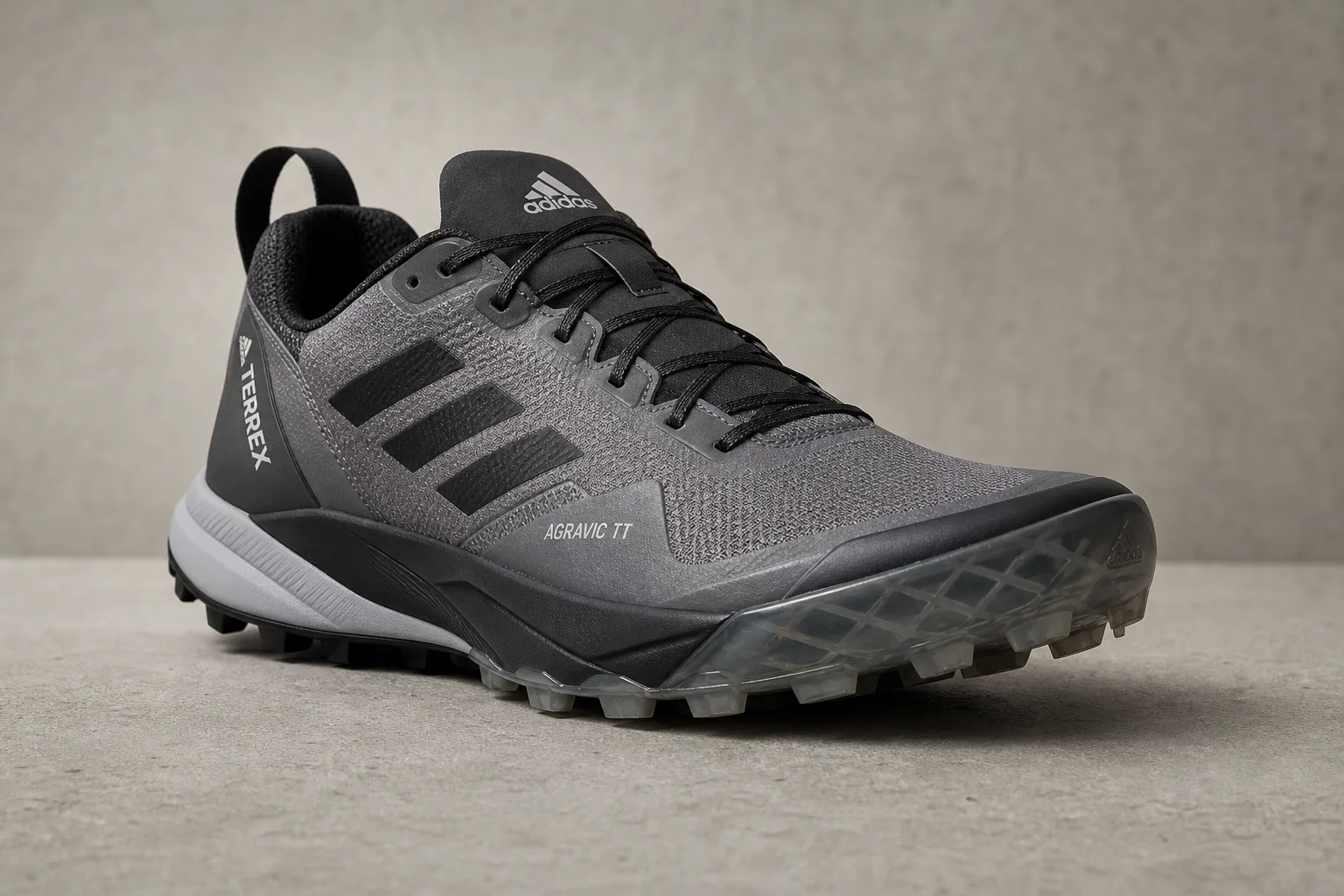
Adidas Terrex Agravic TT Review: A Technical Trail Shoe Built for Rocky Terrain
The Adidas Terrex Agravic TT combines a full-coverage rock plate with a firmer midsole to deliver protection and stability on technical, rocky trails. A capable choice for runners who prioritize underfoot defense over lightweight cushioning.
Trail Running Shoes
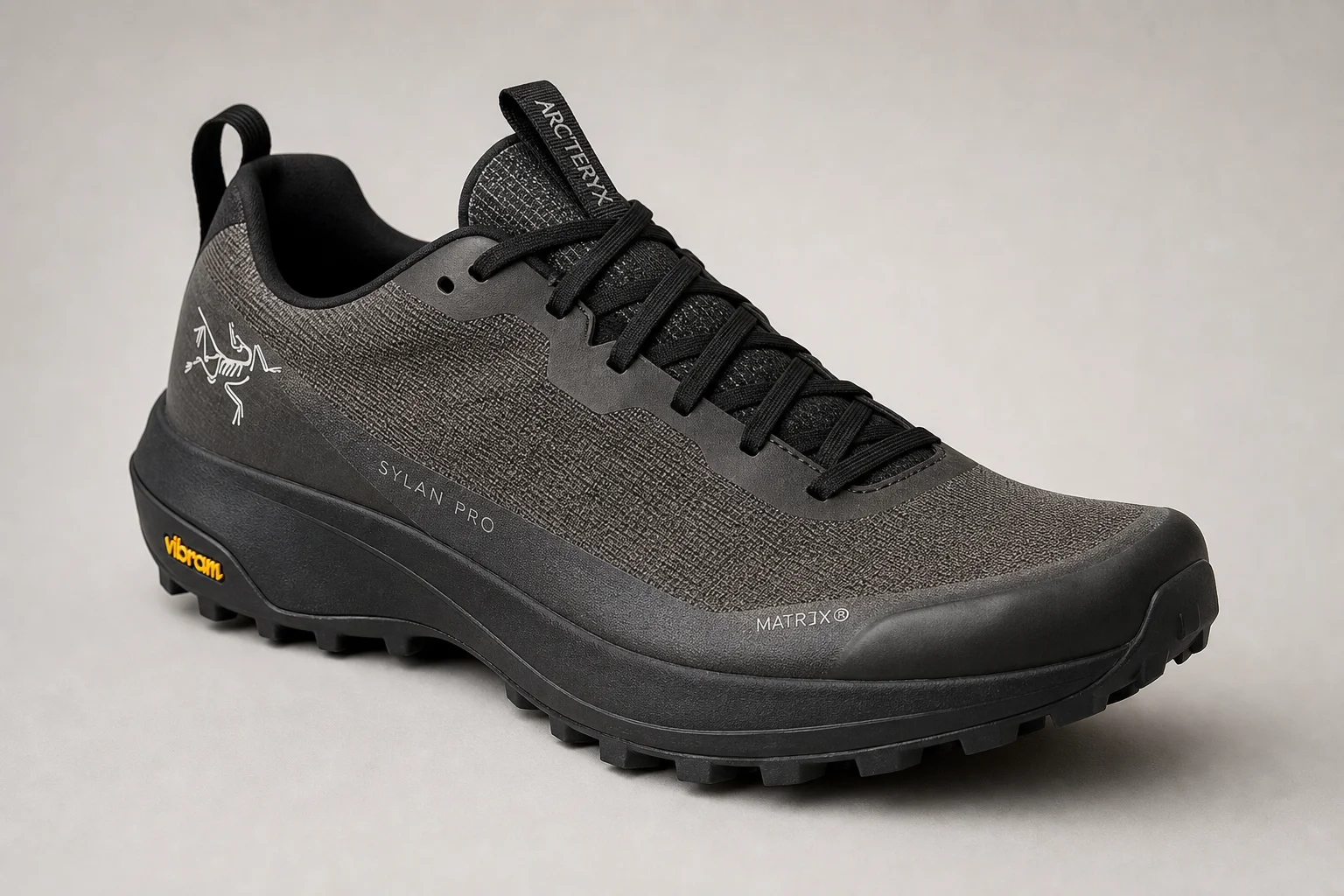
Arc'teryx Sylan Pro Review: A Rocker-Focused Mountain Running Shoe Tested on 20 Miles
The Arc'teryx Sylan Pro brings a pronounced rocker geometry and secure fit to mountain terrain. We tested it on a 20-mile Sawtooth loop to evaluate its climbing efficiency, protection, and handling of technical descents.
Trail Running Shoes
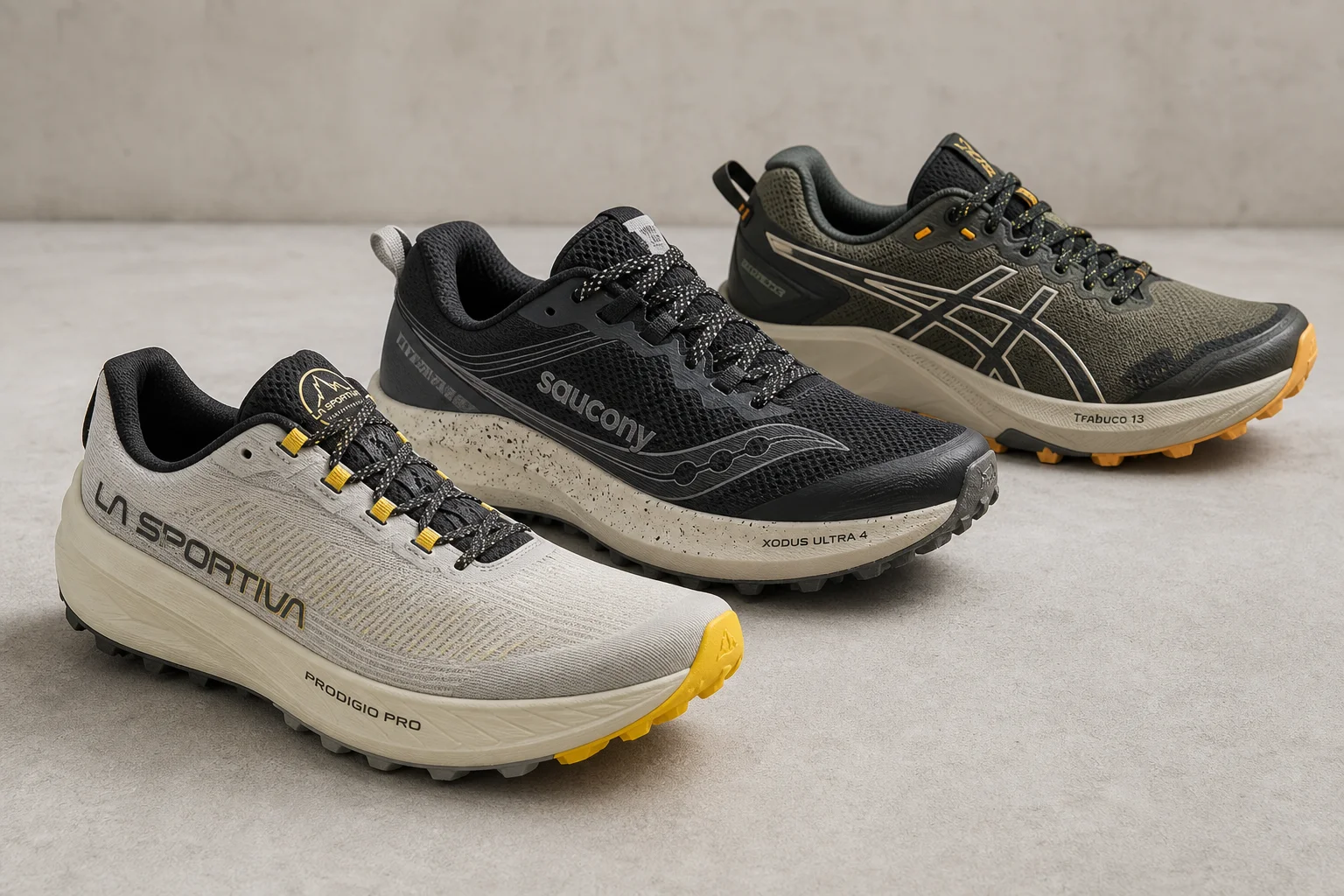
Best All-Mountain Trail Running Shoes: Three Versatile Options for Any Trail
A focused roundup of three all-mountain trail running shoes that handle technical terrain, long distances, and variable conditions with real strengths and practical trade-offs.