Robot Lawn Mowers
Mammotion Yuka 2000 Review: A Robot Mower That Handles Big Lawns and Long Grass
The Mammotion Yuka 2000 robot lawn mower promises hands-off mowing for up to 2,000 square metres, with dual cutting discs, cameras, and a self-emptying catcher. Here is what it is like to set up and run.
Introduction
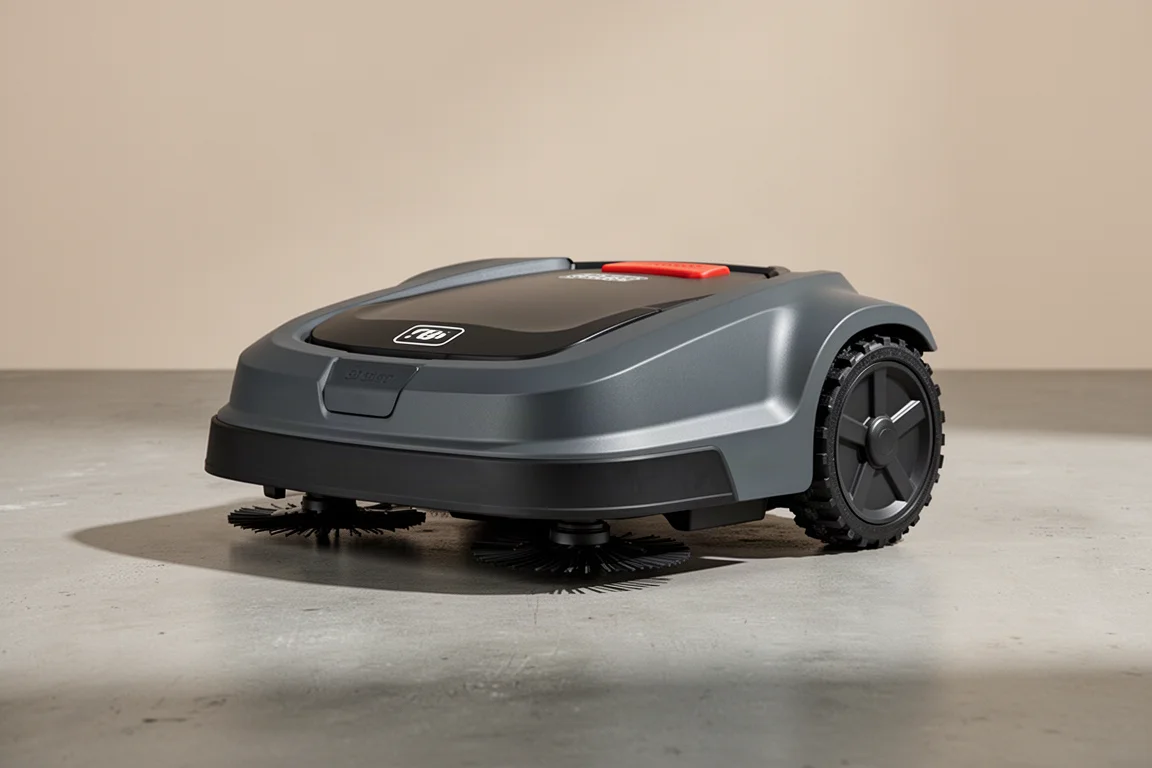
The Mammotion Yuka 2000 is a robotic lawn mower built for lawns of up to 2,000 square metres, or roughly half an acre. It arrives with a lot in the box: the mower itself, a charging base, an RTK antenna unit, and pegs for securing the base. Setup takes some patience, but once mapped, the mower handles the mowing on its own schedule with surprisingly little noise.
What sets it apart from most robot mowers is the cutting hardware. Instead of a single offset blade disc, it uses two rotating blade sections, so a much larger area of the mower is cutting at any moment. That should mean faster job completion and, potentially, a more even cut.
Setting Up and Charging
The first instruction inside the box is to charge the unit before doing anything else. One practical tip: flip the mower over before charging and remove the packaging foam underneath, which is there only to protect it in transit.
The underside is more interesting than most. The wheels are rubberised rather than plastic, with two slightly more industrial rear wheels and a small front caster that allows quick maneuvering in tight spaces. The charging base can be pegged down, and it is worth testing everything works before fastening anything permanently. The base position matters: it should sit away from trees and other obstructions that could interfere with the satellite signal, and the generous 10-metre power lead helps you place it where it needs to be.
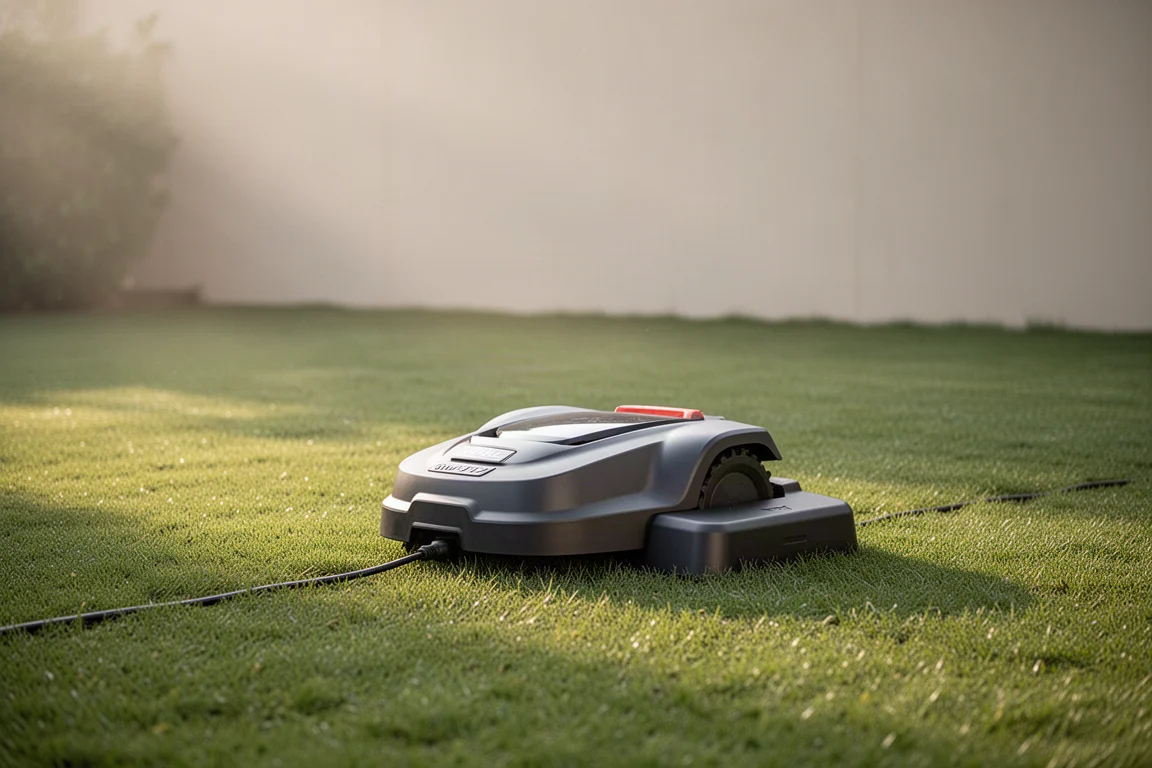
Charging is straightforward. The mower beeps, a green light flashes on the side of the unit while charging, and a flashing light on the base turns solid once charging is complete. A four-dot indicator on the mower shows charge level, and during testing the unit drew only around 100 watts while charging, which is a modest draw.
Mapping Your Lawn
You will need the companion app to get started, with QR codes in the box for Apple and Android downloads. Once the mower is docked and powered on, you map the perimeter by driving the robot manually with remote control from your phone. The mower talks to you during the process, beeping if you bump an edge by mistake.
You need to stay within roughly 5 to 10 metres of the mower while mapping, and you only have to map each area once. The mower can get right up to the edge of obstacles, though you will still need to leave some allowance at the boundary: a strip of around 15 cm is the closest it is designed to cut, so a weed eater remains necessary for finishing edges.
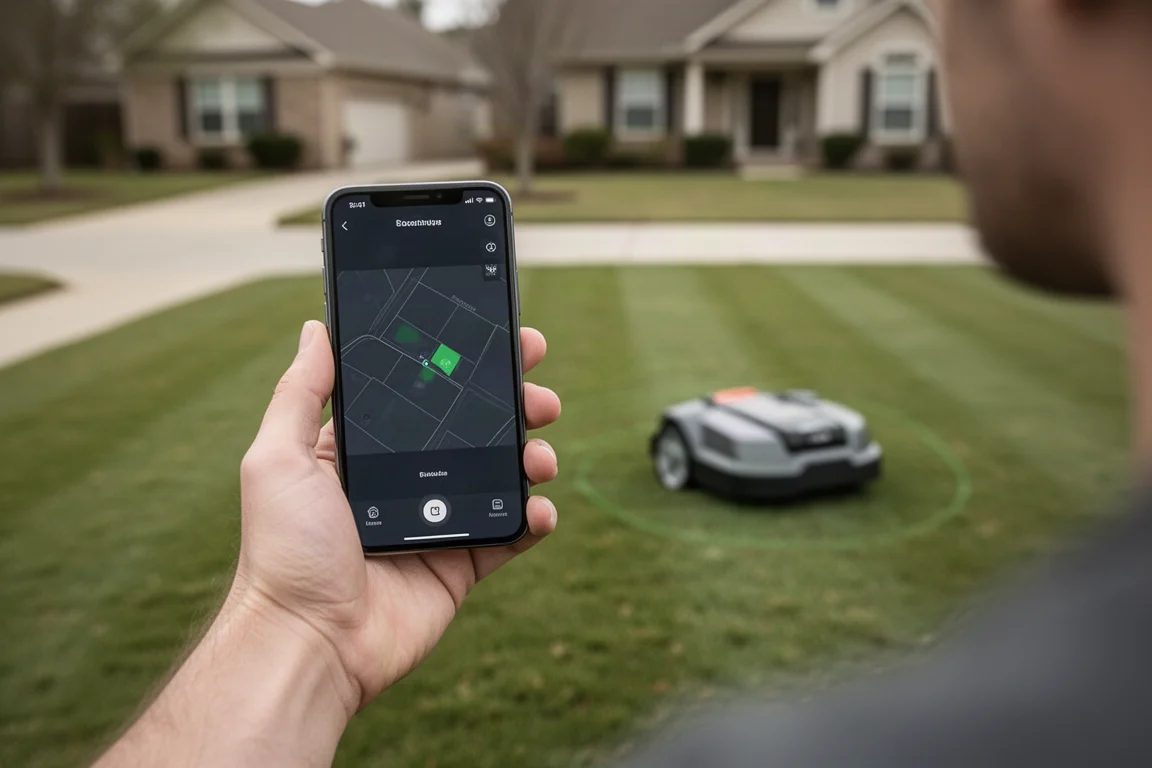
It is worth being careful during the remote-control mapping pass, because the mower moves quicker than you might expect.
Cutting Performance
Once the perimeter is mapped, you press start and the mower takes over. Before cutting, it seems to survey the area, and you can set it to slow down or stop when it detects objects, even nudging up to trees rather than stopping short. On a clear straight run it moves quickly, covering around 2 feet per second, though you can dial the speed down from its 6 m/s maximum to as low as 0.3 m/s for a finer finish.
The mower stops and beeps when something is in its path, and it detects when it is lifted, announcing that it is suspended in air, and when it is flipped or rolled over. If a task is paused, the app lets you resume, return to base, or restart.
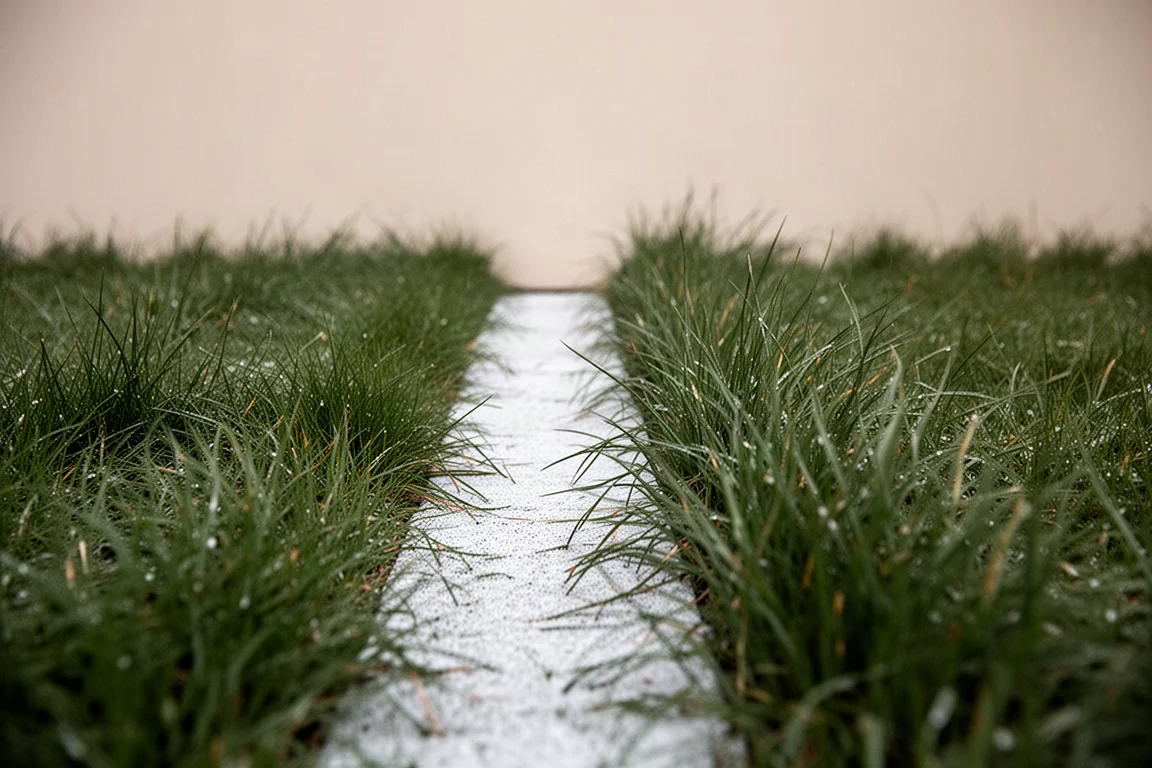
In testing on very long, wet winter grass, well beyond the recommended height, the mower still cut through it, though much of the long grass bent over under the wheels. On reasonable grass it should perform better. The cut path is roughly 8 inches wide, so expect multiple passes on a larger lawn. There are also several mowing pattern options, including zigzag and checkerboard, and the mower can even be set to write words in the lawn.
One quirk worth knowing: the mower sometimes returned to base to charge even when the battery indicator showed three out of four bars, so expect some autonomous decisions you did not schedule.
Rain Sensing and Everyday Living
A sensor on the top of the unit detects rain. Set to avoid mowing in wet conditions, it returned to base when water was poured on it in testing, which is the behaviour you want for a machine left outside.
The Yuka 2000 also carries two cameras: one on the front and one on top facing backwards. The rear camera works as a security feature, letting you record anyone attempting to take the mower, and there is even a small windscreen wiper to keep the camera clean in rain or dirt.
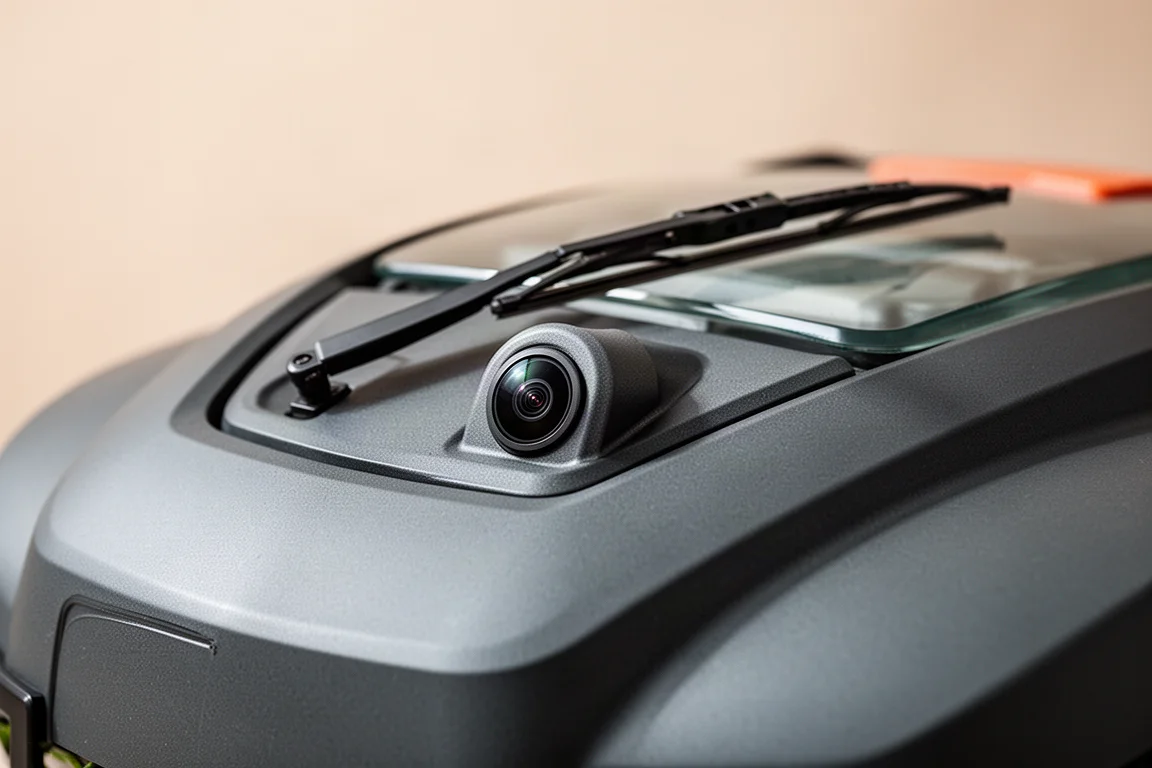
The mower is also quiet. Compared with a conventional mower, it makes very little noise, enough that nearby birds were unbothered. The app and firmware receive frequent updates, so functionality keeps improving over time. A self-emptying grass catcher accessory exists for the Yuka range, though it was not fitted during this test.
If you want to run the whole system off-grid, a portable power station with a solar panel can power both the mower charger and the RTK antenna, allowing fully scheduled, self-sufficient mowing. The RTK unit can be placed away from the base where the satellite reception is better.
Things to Consider Before Buying
- You still need a weed eater for the edges. The mower leaves a 15 cm perimeter and struggles with tight nooks and crannies.
- Grass should be reasonably short before you start. Very long or wet grass confuses the sensors and gets flattened by the wheels.
- It occasionally makes unscheduled trips back to its charger.
- Setup requires smartphone app use, and positioning the base and antenna well takes some trial and error.
Buying Advice
The Yuka 2000 makes sense if you have a lawn up to half an acre and want to stop thinking about mowing altogether. Give it a few passes to let the grass settle, keep the sensors’ workload manageable by clearing loose debris, and pair it with a power station and solar panel if you want the whole setup running without grid power.
Conclusion
The Mammotion Yuka 2000 delivered a solid first impression despite being tested in the worst conditions winter could offer: overgrown, wet, slushy grass. The dual blade design, quiet operation, rain sensing, and security cameras make it a genuinely capable autonomous mower, provided you accept the edge-trimming chore and a bit of a learning curve during setup.
Product link
View more details for Mammotion Yuka 2000
This product is mentioned in the review. Check the specifications, options, and compatibility before buying.
View more details for Mammotion Yuka 2000Further reading
Related Reviews
Robot Lawn Mowers
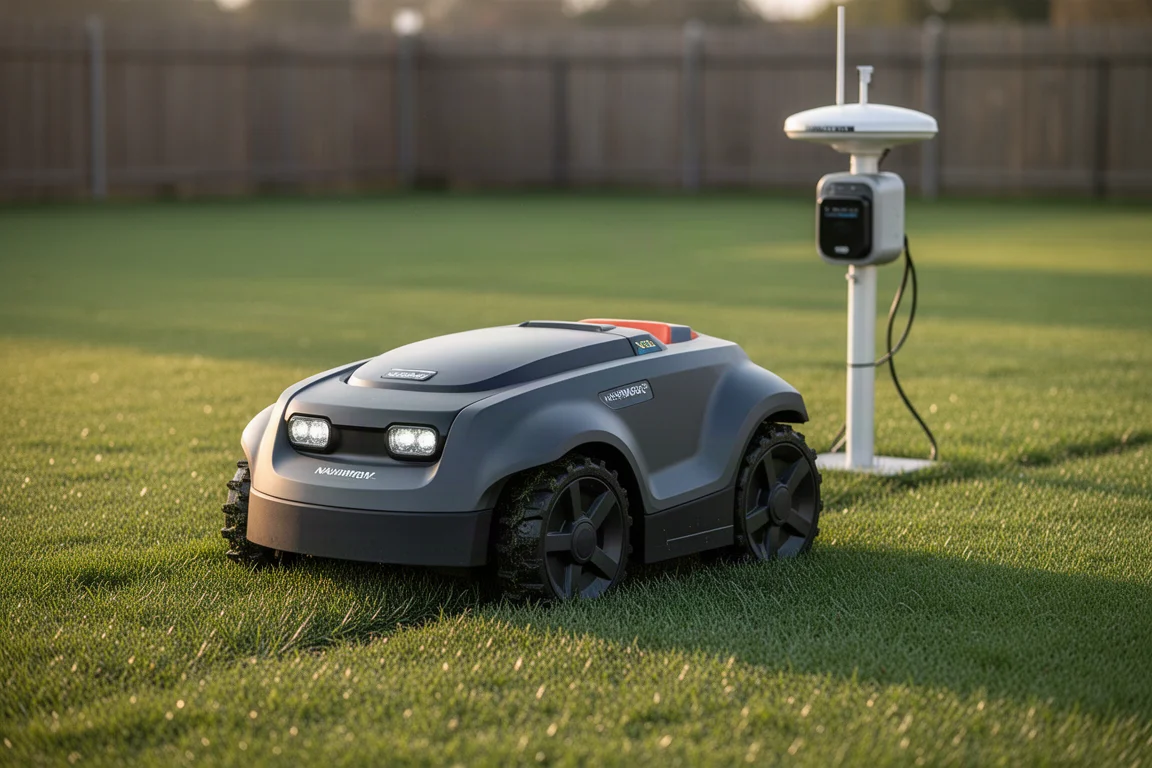
Segway Navimow X430 Review: A Hands-Off Robot Mower for Large, Challenging Lawns
A real-world look at the Segway Navimow X430 robot lawn mower, covering setup, cutting quality, obstacle detection, heat tolerance, and daily automation.
Robot Lawn Mowers
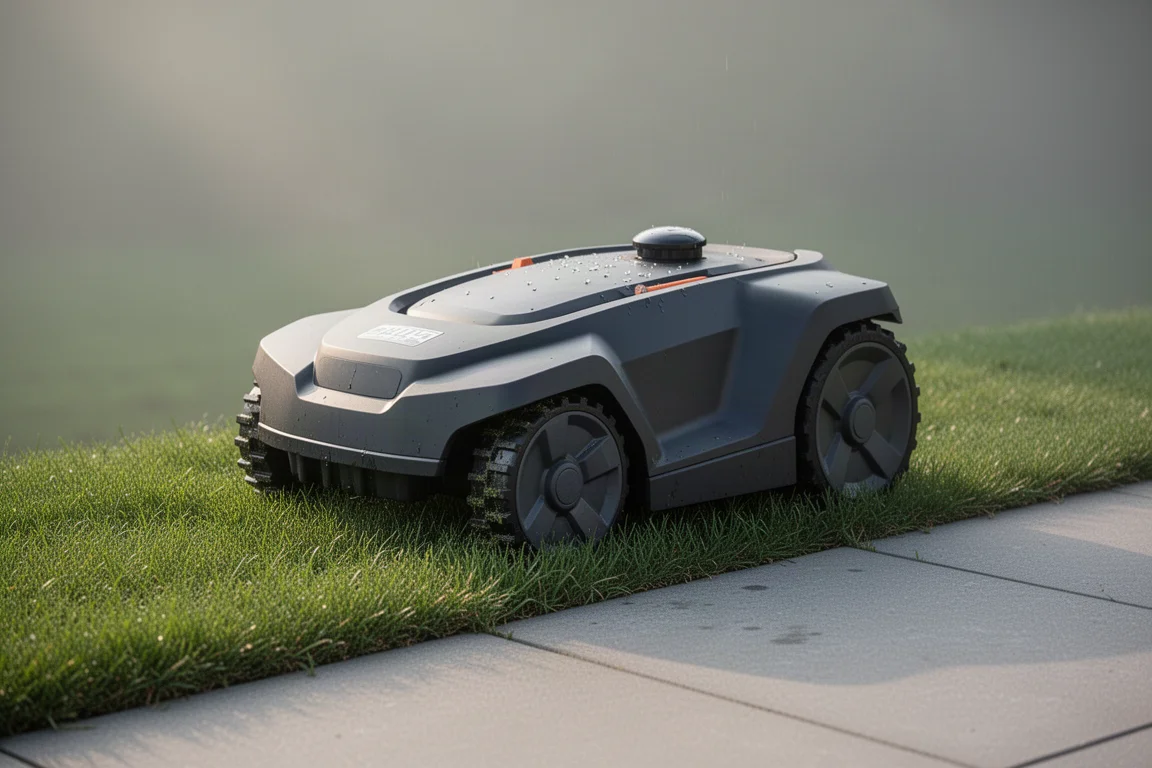
Airseekers Tron SE DS Review: A Robot Mower That Mulches Like Nothing Else
Six blades, Flow Cut mulching, net RTK navigation and strong wet-grass performance make this compact robot mower an interesting pick for smaller lawns.
Robot Lawn Mowers
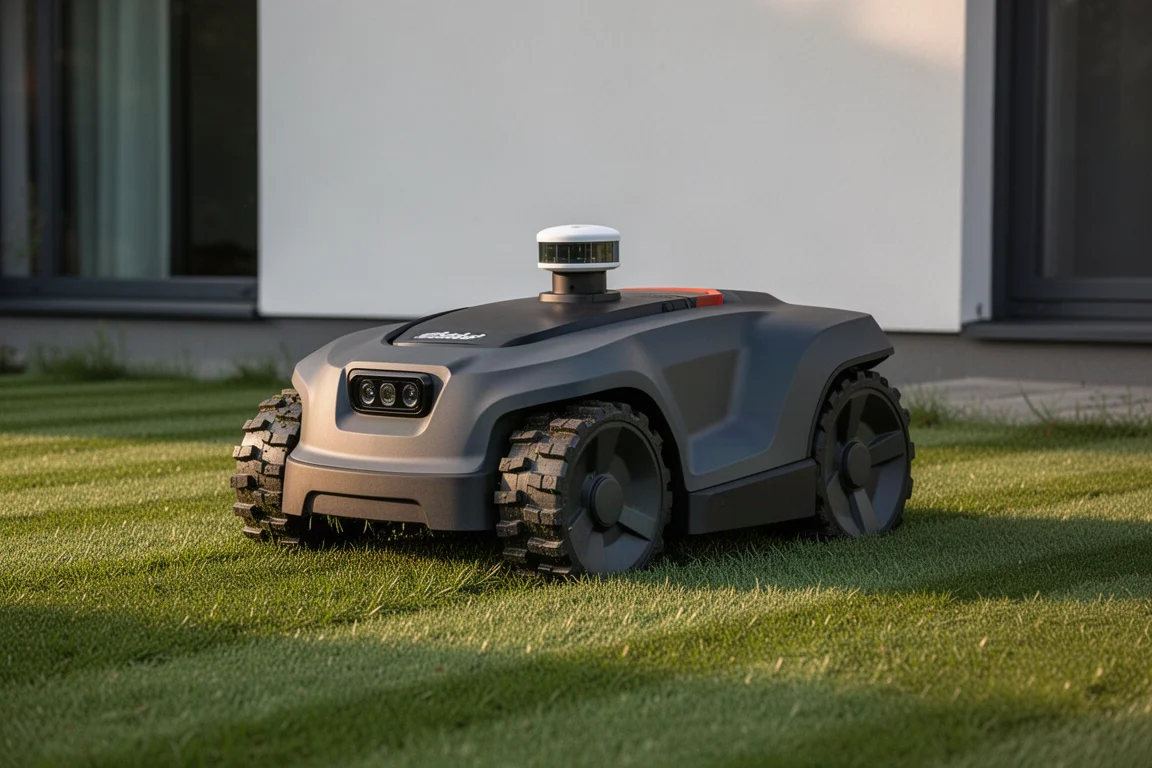
Antbot M9 Pro Review: A Compact Robot Mower That Cuts Where Others Give Up
The Antbot M9 Pro combines RTK, 360-degree lidar and dual cameras so it keeps mowing under trees and around obstacles. Here is how it performed in real-world testing.