Outdoor Power Equipment
Makita XGT String Trimmer Review: A Real Upgrade Over the 36V LXT
The Makita XGT string trimmer brings a variable speed trigger, faster spool-up, and better runtime than the older 36V LXT. Here is what to know before buying.
Introduction
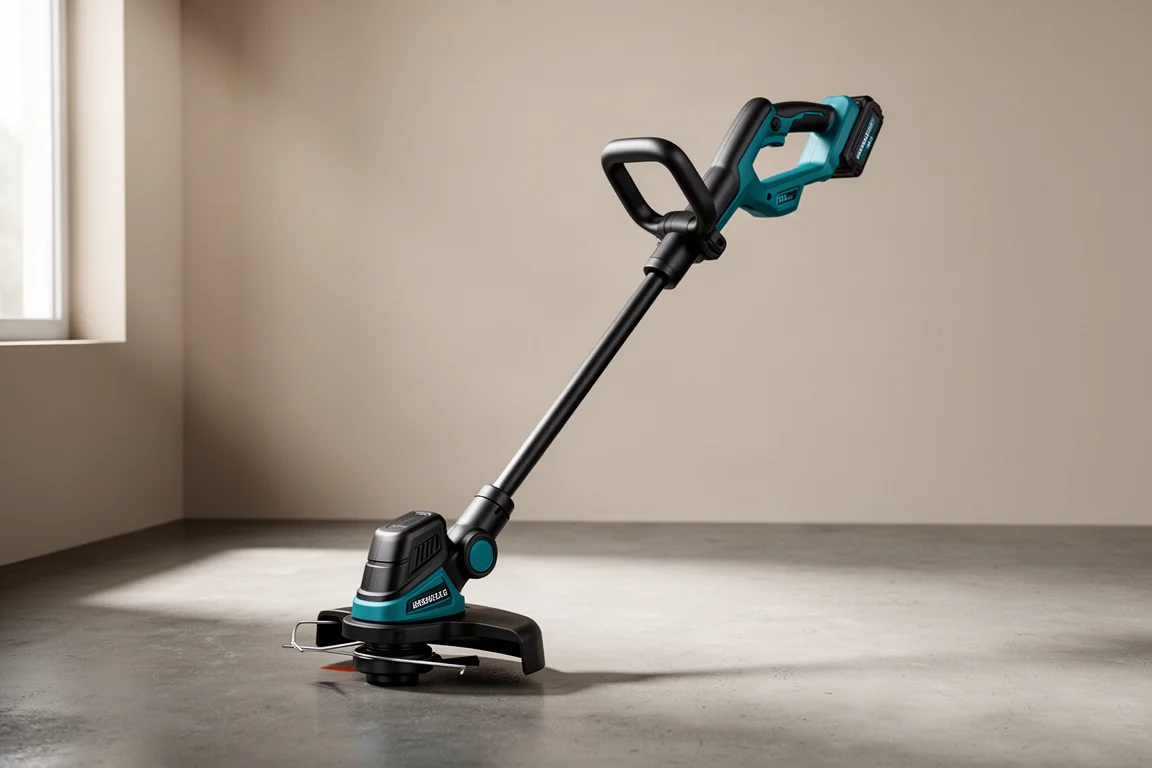
Makita’s new XGT string trimmer takes over from the older 36V LXT model, and after living with both on the same property, the difference is bigger than a spec sheet suggests. The XGT brings a variable speed trigger, faster spool-up, noticeably better runtime, and much larger controls. The catch is pricing: at full retail it is hard to justify, but on a deal it becomes a very different story.
Who This Trimmer Is For
The XGT string trimmer makes the most sense for property owners with roughly half an acre or less, especially lots with plenty of edges and fencing to work through. It runs through that kind of property comfortably on a single 4.0Ah battery. For anyone maintaining much larger areas, or putting in six to eight hours of trimming per week, the math favors a gas trimmer instead, since the battery investment required would push the total cost well past a thousand dollars.

Main Strengths
The headline feature is the variable speed trigger. On the older 36V LXT and Makita’s 18V trimmers, the trigger is effectively on or off: you choose between speed one, two, and three, and that is it. The XGT instead lets you modulate the trigger within each speed setting, so you can hold it at half speed or three-quarter speed. On the property tested, a lot of trimming happened between half and three-quarter throttle, and that is likely a big part of the runtime advantage.
Spool-up is also faster. The XGT spins up roughly 25 to 30 percent quicker than the 36V model. Power itself is up modestly, somewhere in the 10 to 15 percent range: not massive, but noticeable in use.
Runtime is where the XGT really pulls ahead. The motor runs cooler and appears more efficient, and it is possible to finish an entire property burning one bar or even no bars at all, whereas the 36V model would drain two batteries over the same work. The rough assessment is around 30 percent better runtime. With the included 4.0Ah battery, the whole half-acre job completes on one charge.
Controls and Display
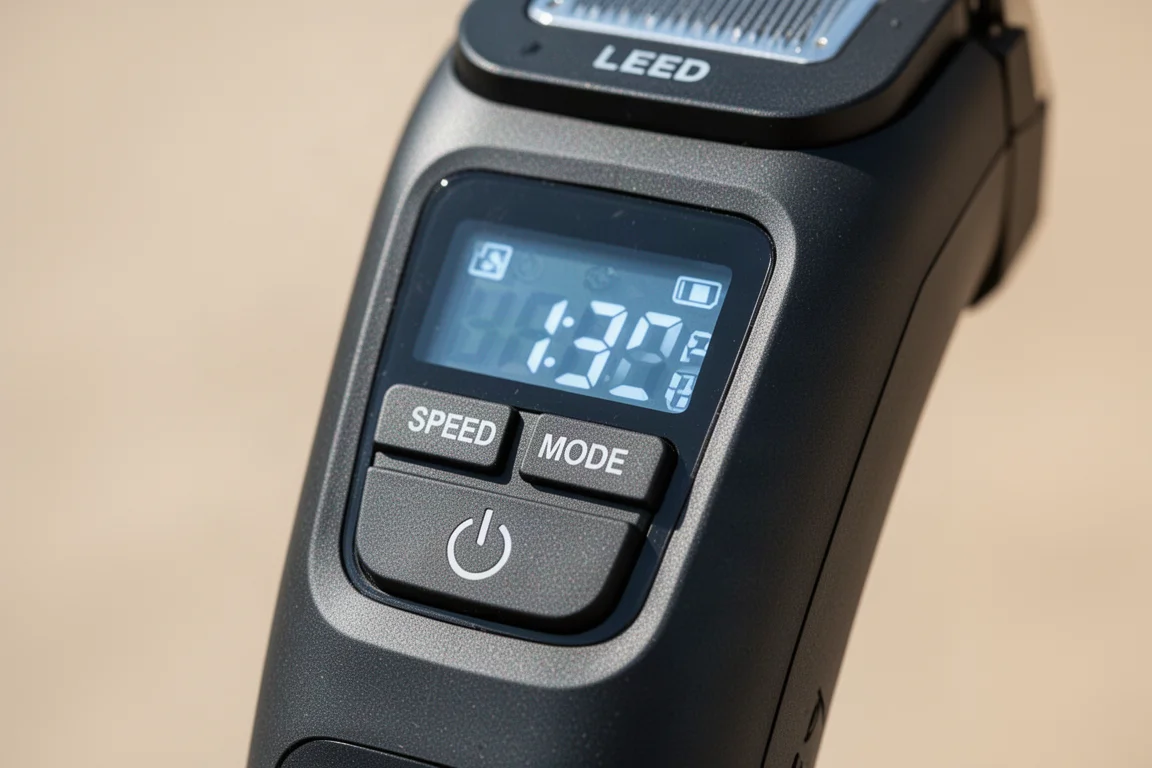
The control panel on the XGT is dramatically larger than the one on the 36V LXT. Speed settings are easier to read and easier to operate with gloves on, which matters in bright sun where the older model’s smaller indicators could be hard to see. It is a straightforward quality-of-life improvement that becomes obvious the first time you switch between the two machines.
The Head Situation: Upgrade It
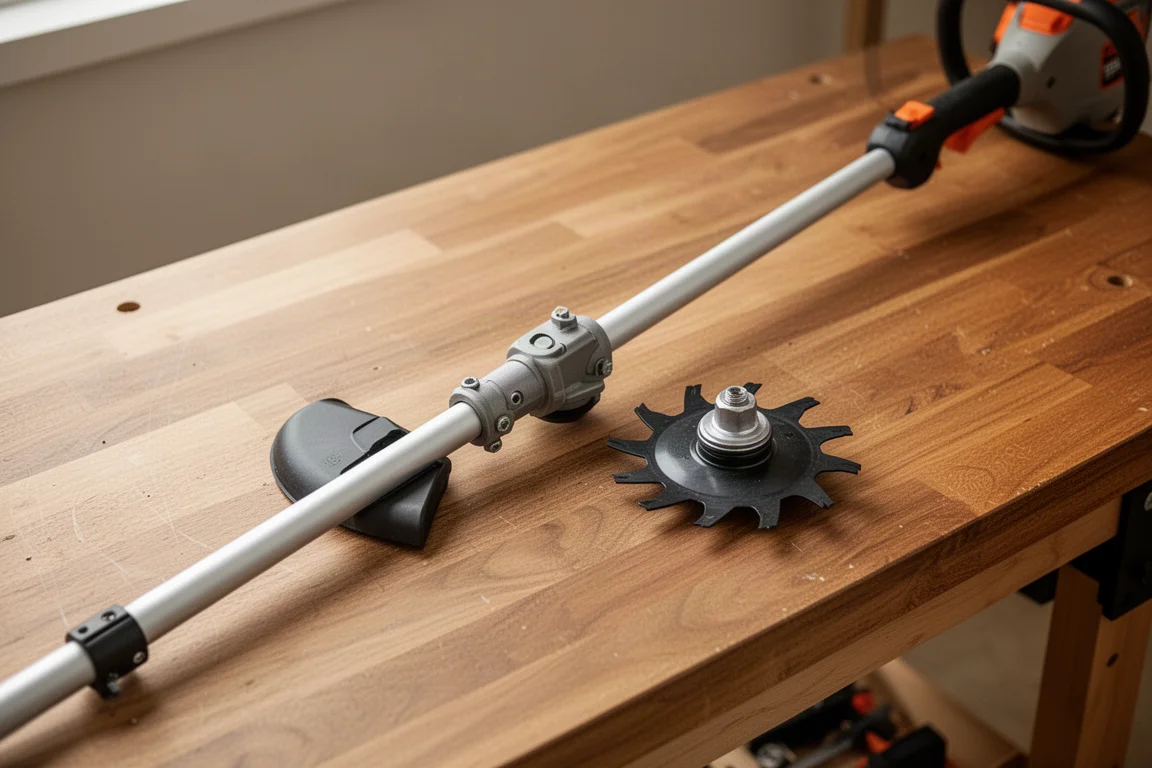
Here is the frustrating part: Makita did not improve the trimmer head at all. The stock head that ships on both the XGT and the older 36V model jams constantly and never feeds out the right amount of line. It nearly ruins an otherwise solid tool.
The fix is cheap and simple. Swapping to an Echo Speed Feed 400 head costs around $30 more and transforms the experience. Installation is trivial: unscrew the old head and screw on the new one. The Echo head also holds about twice the line of the stock Makita head, and it resolves the majority of the feeding problems almost immediately. If you buy either Makita trimmer, plan on this upgrade.
Things to Consider Before Buying
Weight is nearly a non-issue. Both trimmers weigh around 10 pounds as shipped, the XGT with a 4.0Ah battery and the 36V with a 5.0Ah. Moving to larger batteries like the 8.0Ah adds only a little weight and can actually improve balance toward the front. The included shoulder strap on the XGT works reasonably well, though some riders may prefer their own setup.
Pricing is the main obstacle. Retail sits around $500, which is a hard sell for a battery trimmer, especially given the cost of Makita’s 4.0Ah batteries at roughly $200 each. On clearance or used markets, deals do surface. The XGT tested here was picked up as a kit with a 4.0Ah battery and charger for around $350, and after selling the extra charger, the effective cost landed around $240 to $250. The older 36V XRU15, bought open-box, came in around $160. At $250 to $300, the XGT is a genuinely good deal; at $500, a gas trimmer is the more sensible purchase.
Also worth knowing: Makita makes a dual-battery X2 version of the XGT line, but that machine is designed entirely for brush cutting rather than string trimming. The single-battery XGT trimmer can still handle brush cutting, just without the same raw power.
Runtime and Power Verdict
Summing up day-to-day use: the XGT does a half-acre property with mixed edges and fencing on one 4.0Ah battery, no problem, without burning through multiple packs the way the 36V model did. The variable speed trigger compounds that advantage by letting you throttle down when full power is not needed, extending battery life further.

Buying Advice
If you already own the 36V LXT trimmer, the upgrade to the XGT is worth it for the variable speed trigger, better runtime, faster spool-up, and larger controls. If you are buying new at full retail, think twice. If the price drops to the $250 to $300 range, it becomes an easy recommendation. And no matter which model you end up with, budget $30 for an Echo Speed Feed 400 head, because the stock head is the weakest link in both machines.
Conclusion
The Makita XGT string trimmer is a clear step up from the 36V LXT: more efficient, longer running, faster to spool up, and far nicer to operate thanks to its bigger controls and variable speed trigger. It is not perfect at full price, and the stock trimmer head remains a genuine letdown. Get it on a deal, add the aftermarket head, and it handles a half-acre property with ease.
Product link
View more details for Makita XGT String Trimmer
This product is mentioned in the review. Check the specifications, options, and compatibility before buying.
View more details for Makita XGT String TrimmerFurther reading
Related Reviews

Outdoor Power Equipment
Best Cordless Chainsaws 2026: EGO, Milwaukee, and Stihl Compared
Three flagship battery-powered chainsaws from EGO, Milwaukee, and Stihl go head to head in cutting speed, power, weight, and price.

Outdoor Power Equipment
Best Cordless Leaf Blowers 2026: Nine Models Put to the Test
We tested nine leading cordless leaf blowers from Ryobi, STIHL, Toro, EGO, Husqvarna, DeWalt, Makita, Milwaukee, and Echo to find the best blowing force, run time, and value.
Outdoor Power Equipment
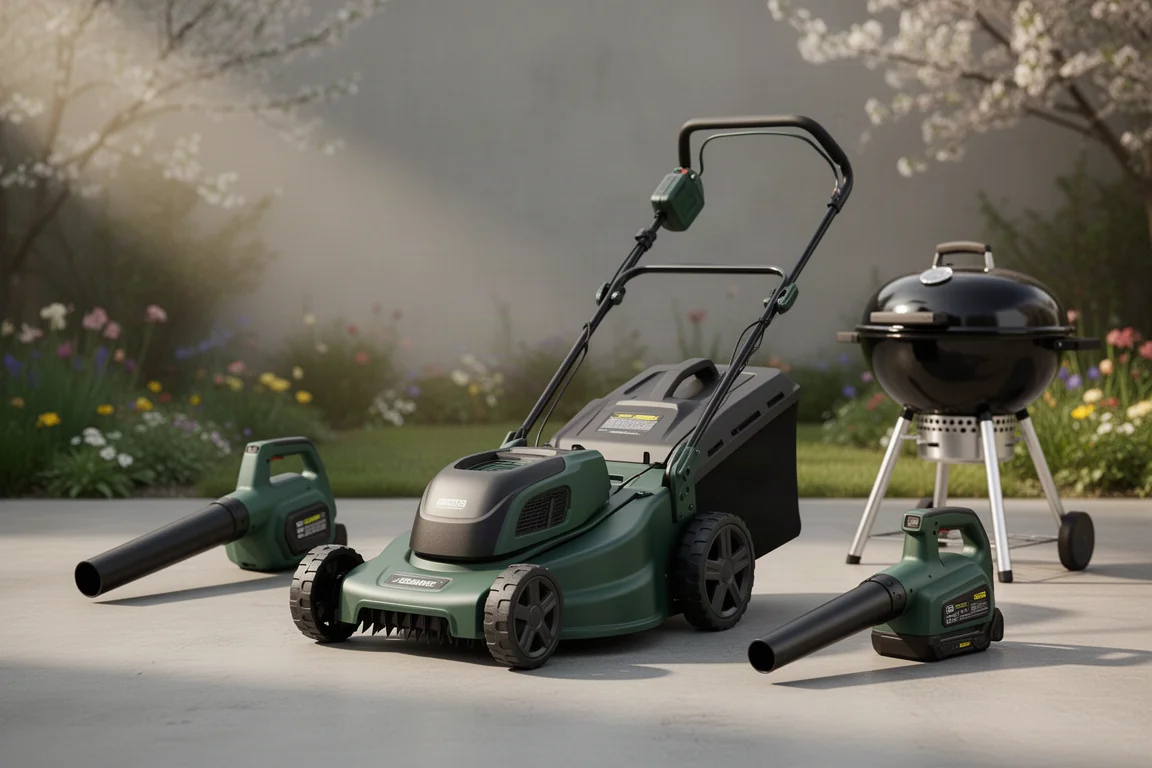
Amazon Big Spring Sale 2026: Best Outdoor Power Equipment and Backyard Deals
Cordless mowers, blowers, grills, and portable power on sale this spring, with practical advice on which packages are actually worth buying.