Garden Tools
Makita Pruning Saw Showdown: 12V CXT vs 18V LXT
Makita's 12V and 18V pruning saws share the same bar, chain speed and brushless motors, so which one should you buy? Here's how they really differ.
Introduction
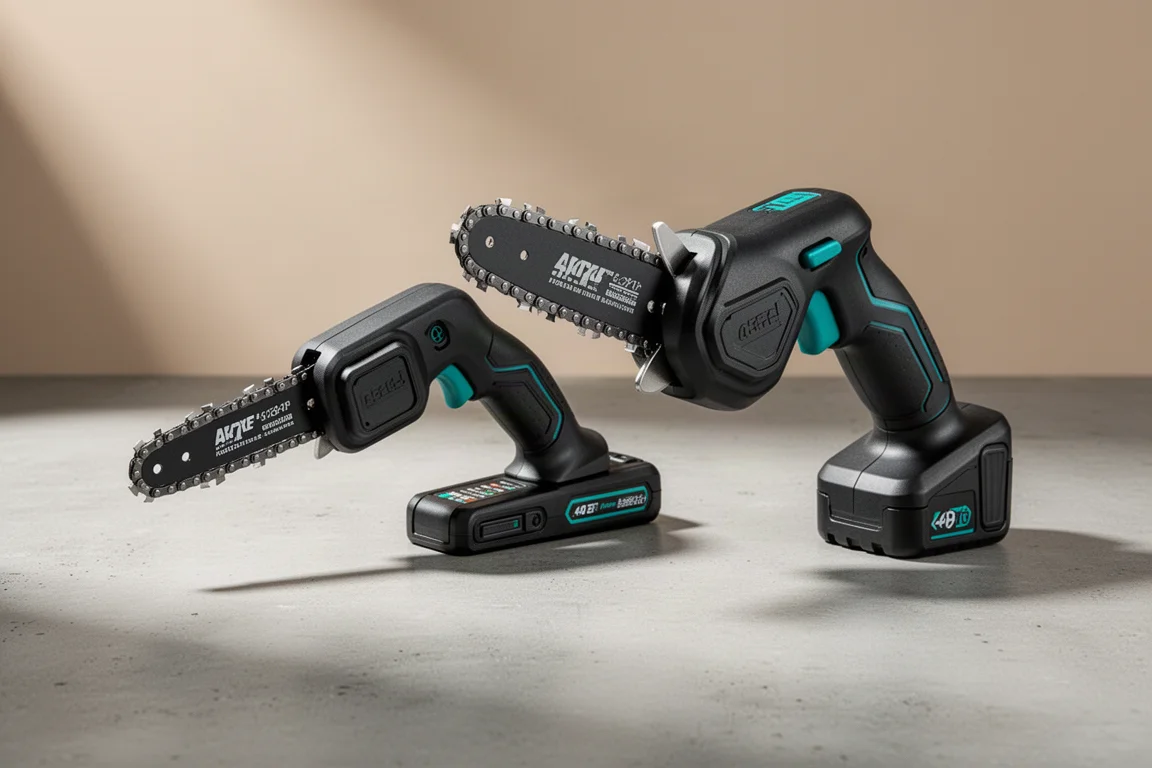
Makita makes two pruning saws that look almost identical: the UC100D on the 12V CXT platform and the DUC101 on the 18V LXT platform. At a glance they seem like the same tool in two sizes, but the reality is more interesting: they are nearly identical in hardware, yet noticeably different in how they cut. Here’s how they compare so you can pick the right one for your battery setup.
What They Share
Both saws use the same four-inch guide bar. Measured from the tip of the bar to the body, that’s about 110mm, with roughly 120mm of chain length, so slightly more than four inches of cutting capacity. Despite the different battery platforms, Makita has not made the 18V version’s bar any bigger.
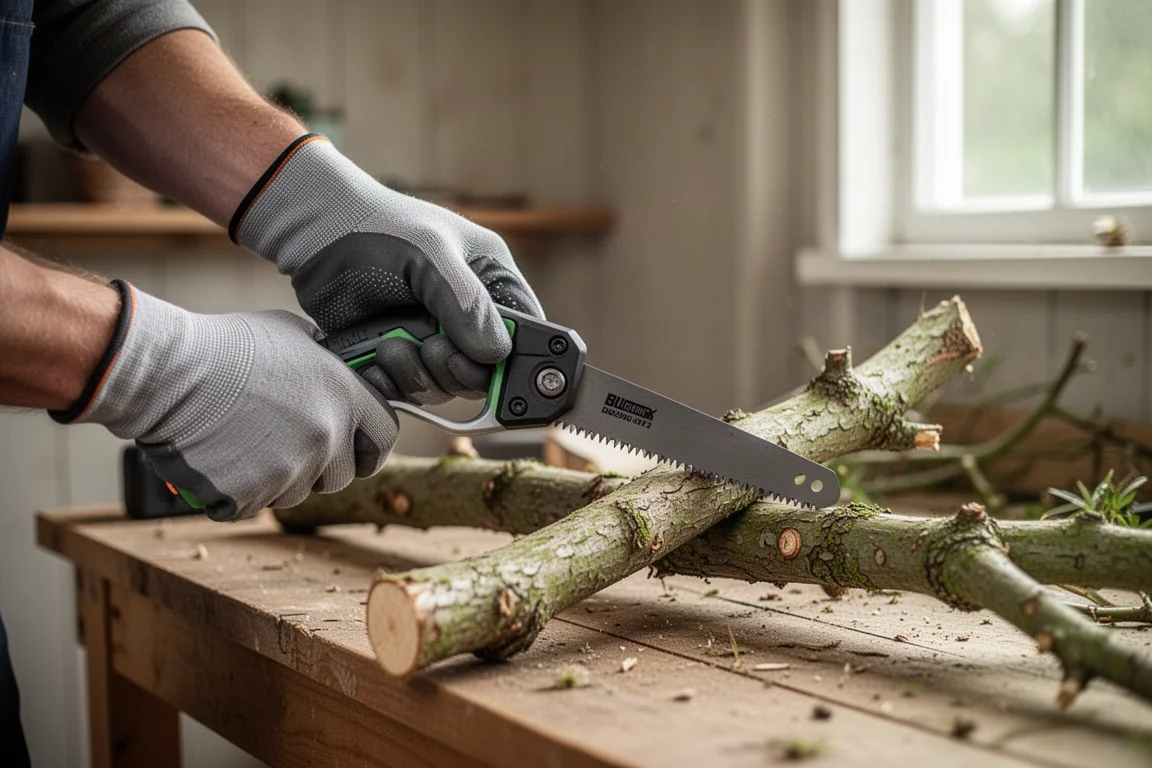
Both models are brushless and both run the chain at 8 metres per second. Both also include an oiler with a captive cap that pops up for refilling, a fairly standard setup that’s easy to live with.

There’s also a genuinely useful feature here: a self-tensioning chain. A small pin moves backwards and forwards to keep the chain tight, so people who aren’t used to chainsaws don’t need to worry about adjusting tension constantly. You just loosen the cover every now and then and the tool takes care of the rest.
Safety is handled well too. There’s a front flap to protect your hand from debris or kickback, a two-handed design with a dedicated rear hand mount, and activation via a safety switch plus trigger, with the safety positioned for both left and right-handed users.
The One Visible Difference
The only cosmetic difference is the hand guard. The 12V unit in Japan comes with a flexible rubber guard, while units sold elsewhere typically come with a solid plastic one in the same shape. Makita hasn’t explained why the two markets differ, and it applies to both the 12V and 18V models, so outside Japan you should expect the solid plastic guard no matter which version you buy.
Power and Cutting Behaviour
This is where the two saws genuinely part ways. The 18V DUC101 is substantially more powerful. It stalls far less under load, so you can push a bit harder and get cutting done faster.

The 12V UC100D will still get you through, but you need to cut gently and let the tool do the work. If you’ve never used the 18V version, the 12V feels perfectly fine. If you use the 18V first, the 12V can feel a little disappointing by comparison. Weight is the 12V’s advantage: you can save a couple hundred grams depending on the batteries you pair with either tool.
Which One Should You Buy
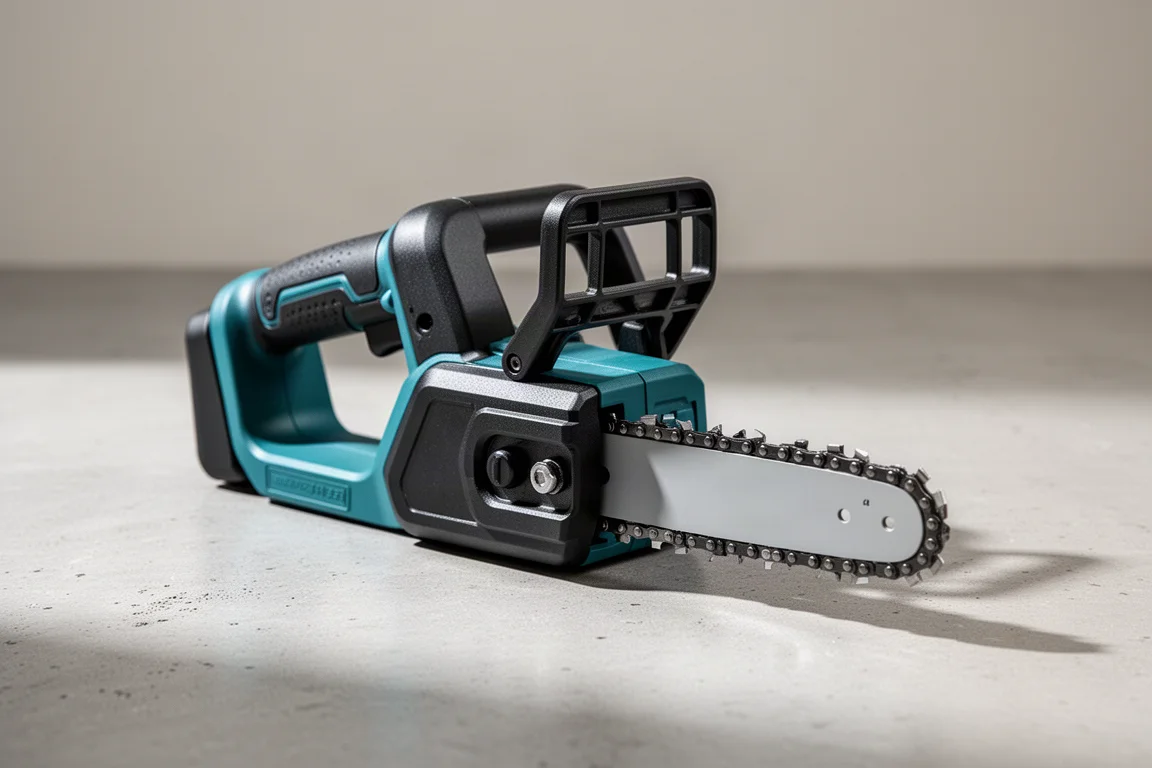
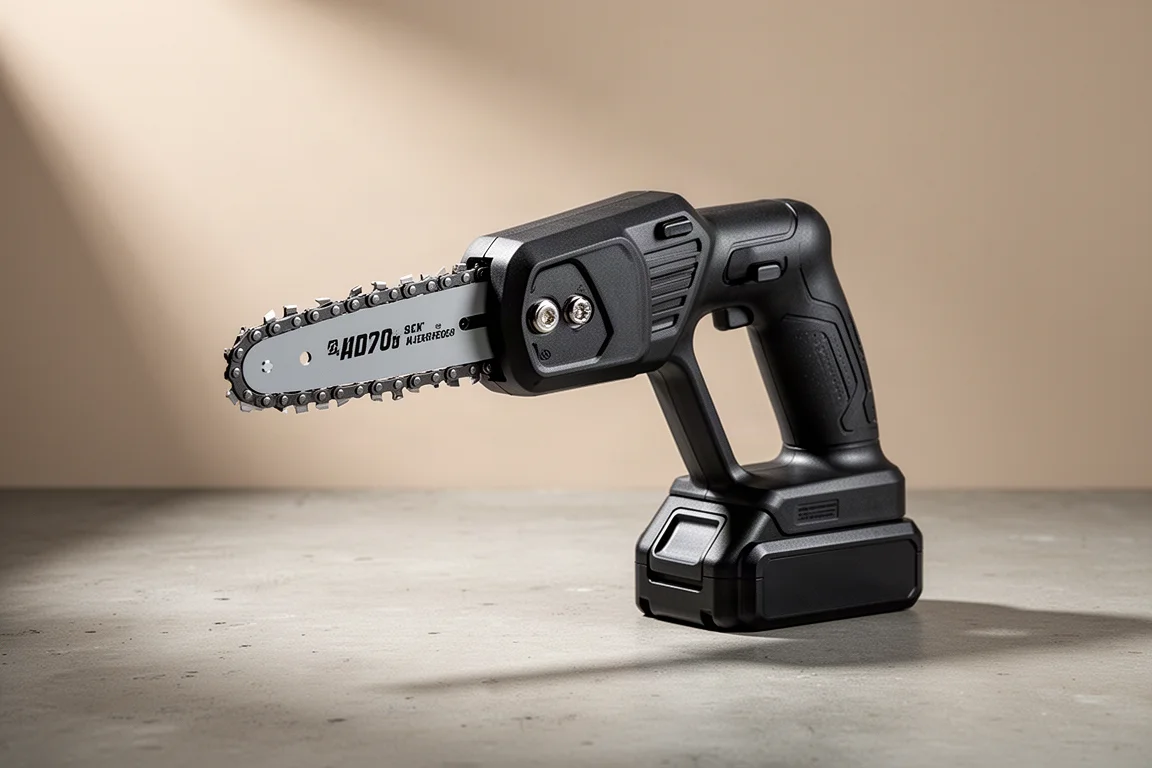
For most people the answer is simple: if you’re on the 18V LXT platform, buy the DUC101. It’s the same tool with more cutting authority, and 18V is where the majority of Makita users already sit.
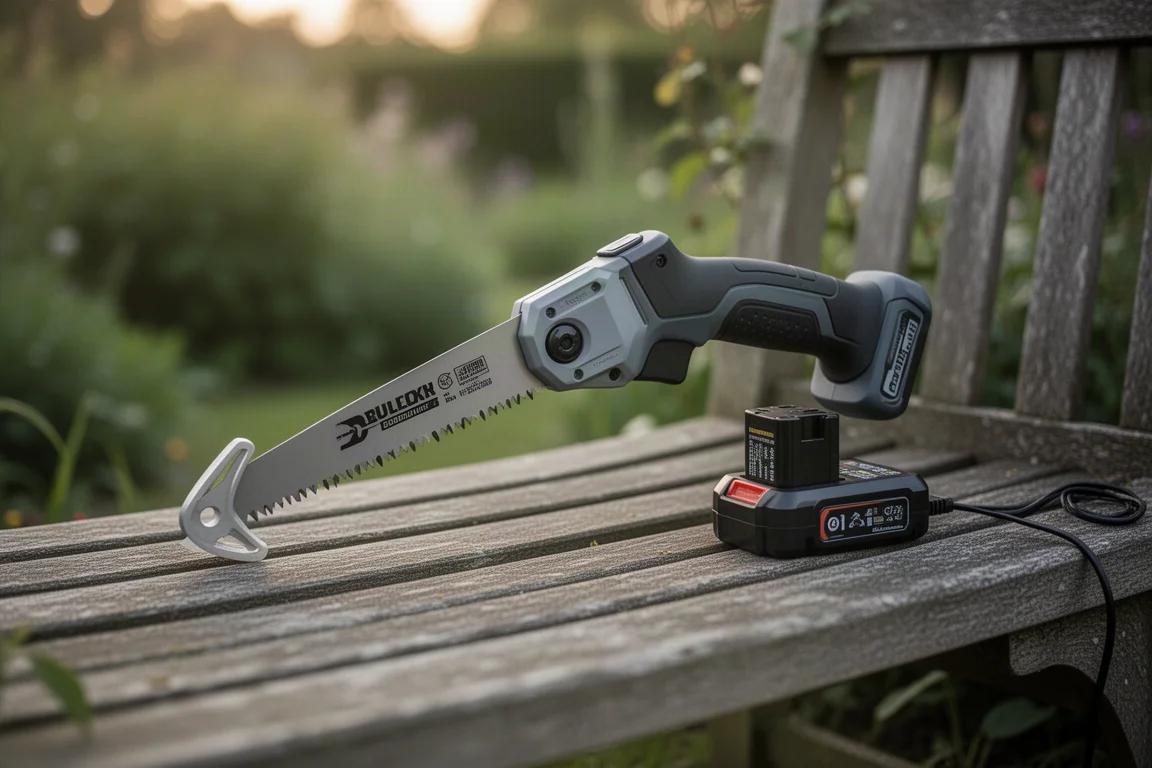
The 12V UC100D makes sense if your batteries are all 12V CXT, or if you want the lightest possible option for occasional branch pruning. It’s lightweight, compact and quick to charge, which is exactly what a casual garden user needs. It’s also worth noting that this style of tool has a natural ceiling: at around eight inches of bar with big batteries, you’re approaching the weight territory of a top-handle chainsaw, so a smaller bar here keeps the tool in its sweet spot.
Conclusion
The Makita UC100D and DUC101 are two tools that are completely identical yet completely different. Same bar length, same chain speed, same brushless motors and same self-tensioning chain. The difference comes down to power under load, and to the battery platform you already own. Choose the 18V for faster, more confident cutting, and the 12V for a lighter, cheaper path if that’s your ecosystem.
Further reading
Related Reviews
Garden Tools
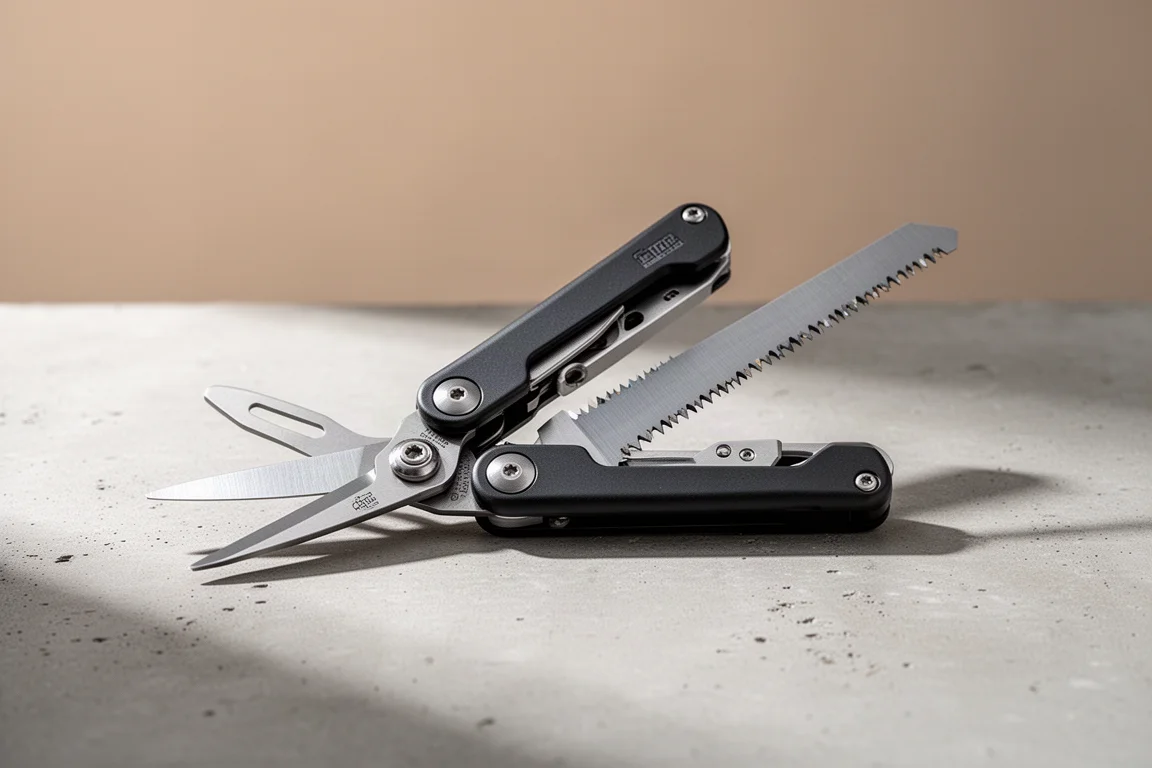
Bibury Folding Trimming Multi-Tool Review: Shears, Saw, and Blade in One
An inexpensive folding trimming multi-tool with shears, a surprisingly capable saw, and a blade we would not rely on. Here is how it held up on real overgrown branches.
Garden Tools
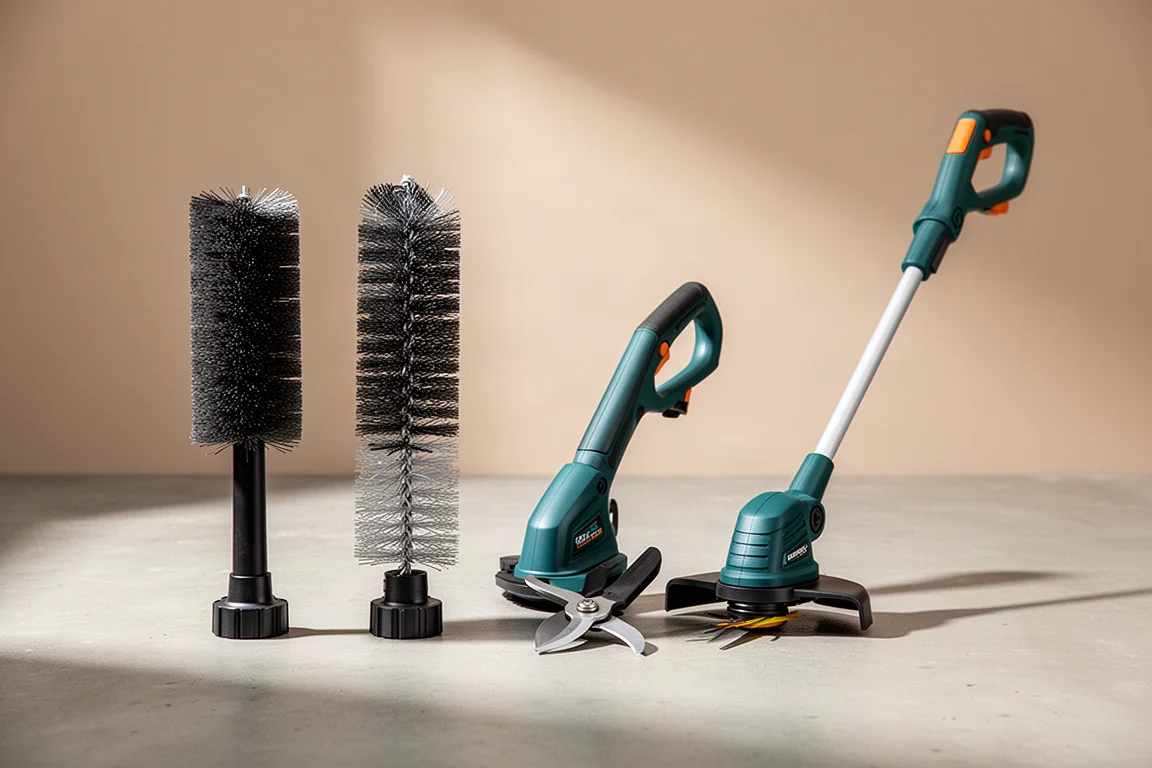
4 Garden Power Tools Worth a Look: Ryobi Patio Cleaners and DeWalt XR Garden Tools
Two Ryobi patio cleaners and two DeWalt XR garden tools put through real springtime work, with honest strengths and trade-offs for each.
Garden Tools
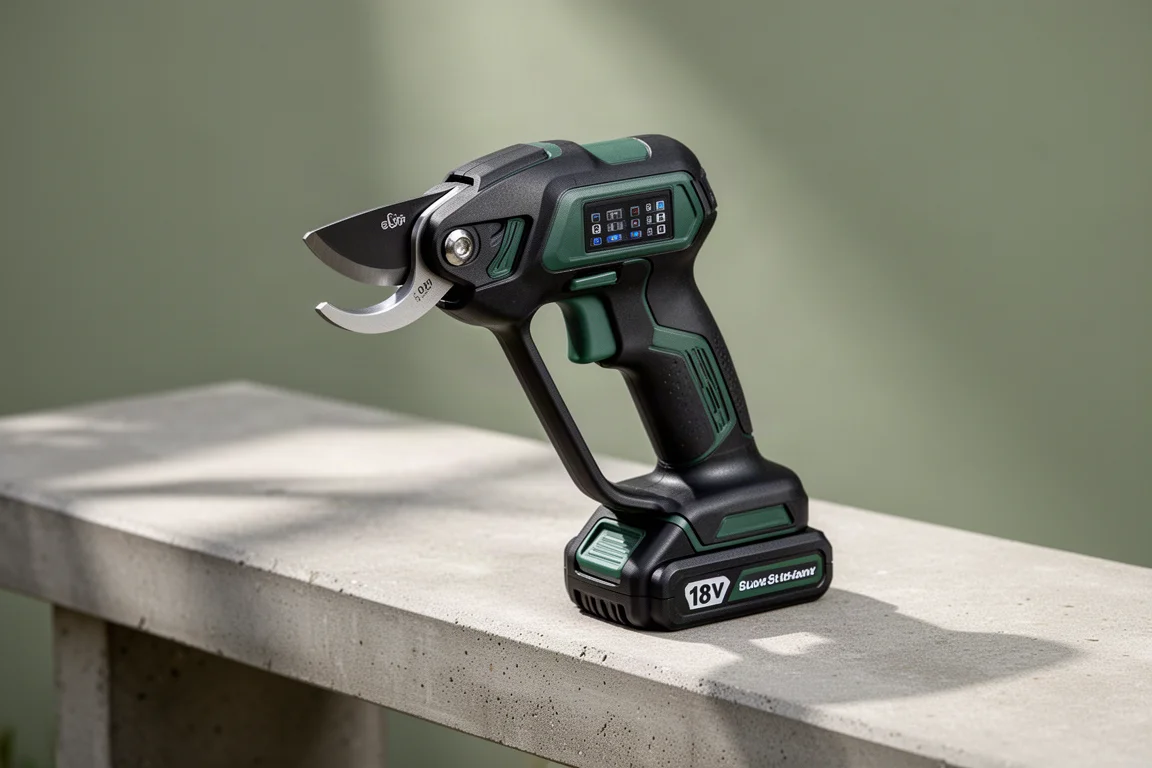
AEG ALP18 Pruning Shears Review: A Cordless Pruner With Real Muscle
The AEG ALP18 cordless pruning shears cut up to 30mm soft wood, keep operation easy on the hands, and add more torque than rival pruners, with a few quirks to know first.