Garden Tools
Makita DUP181 Review: A Late but Welcome Entry in the Cordless Pruner Market
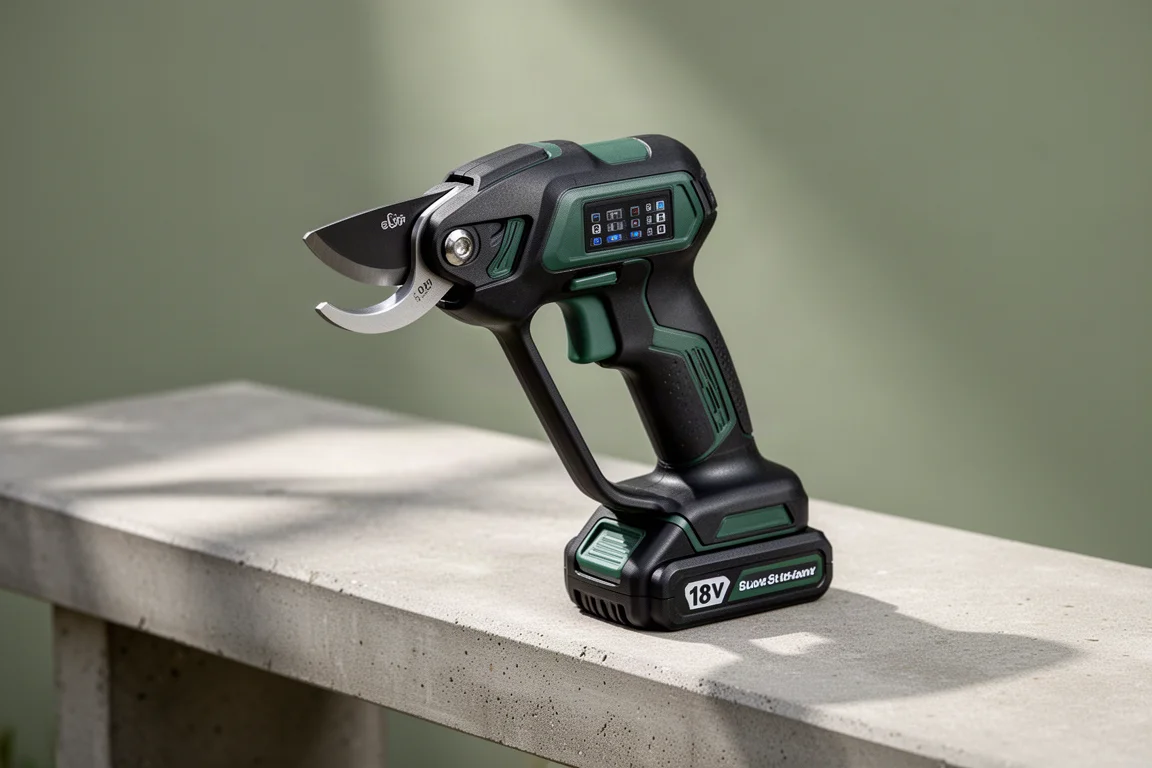
Makita finally built an 18V cordless pruning shear with the battery mounted on the tool. We put the DUP181 through bamboo, hardwood dowel, and everyday garden work to see if it was worth the wait.
Introduction
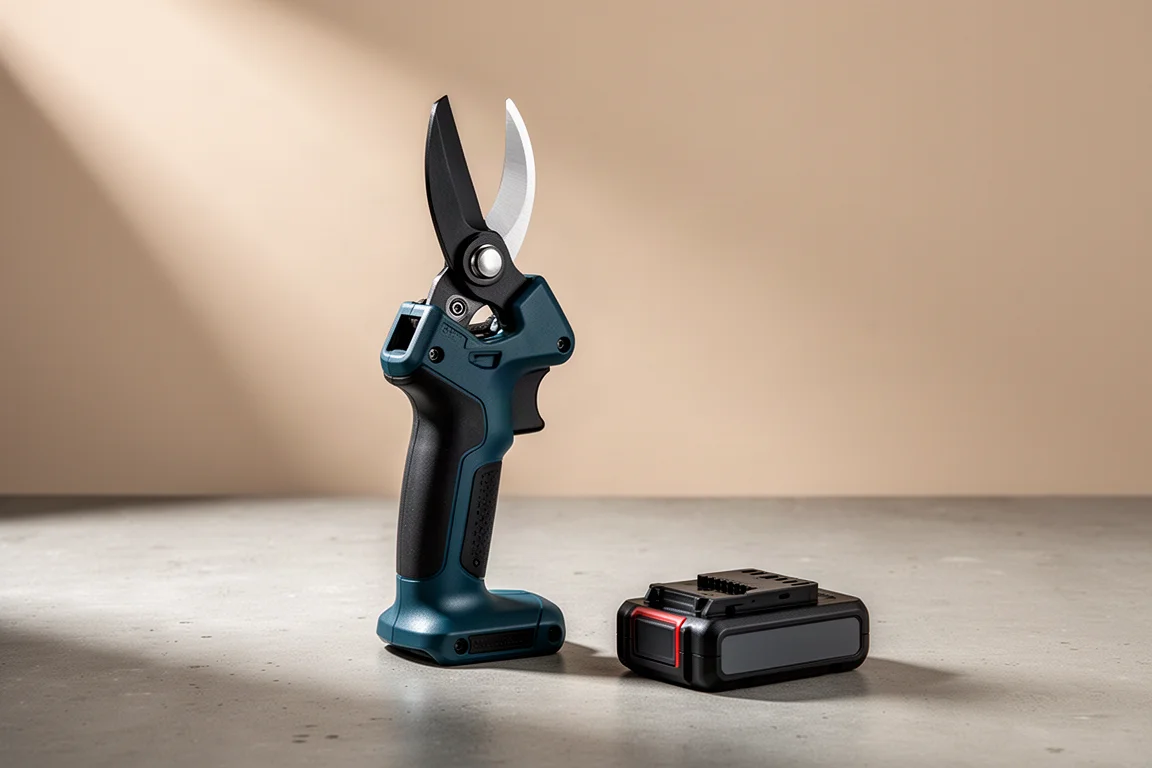
Cordless pruning shears have become one of those quietly essential garden tools: small motorized secateurs that take the strain out of repetitive cutting, especially for gardeners with sore hands or arthritis. Plenty of brands have offered them for years, many of them budget imports. Makita, oddly, was one of the last major names to the table with a proper 18V version that takes a battery mounted directly on the tool. That tool is the DUP181, and after spending real time with it, it turns out to be a well-built, feature-rich unit with one notable compromise: raw cutting power.
What’s in the Box
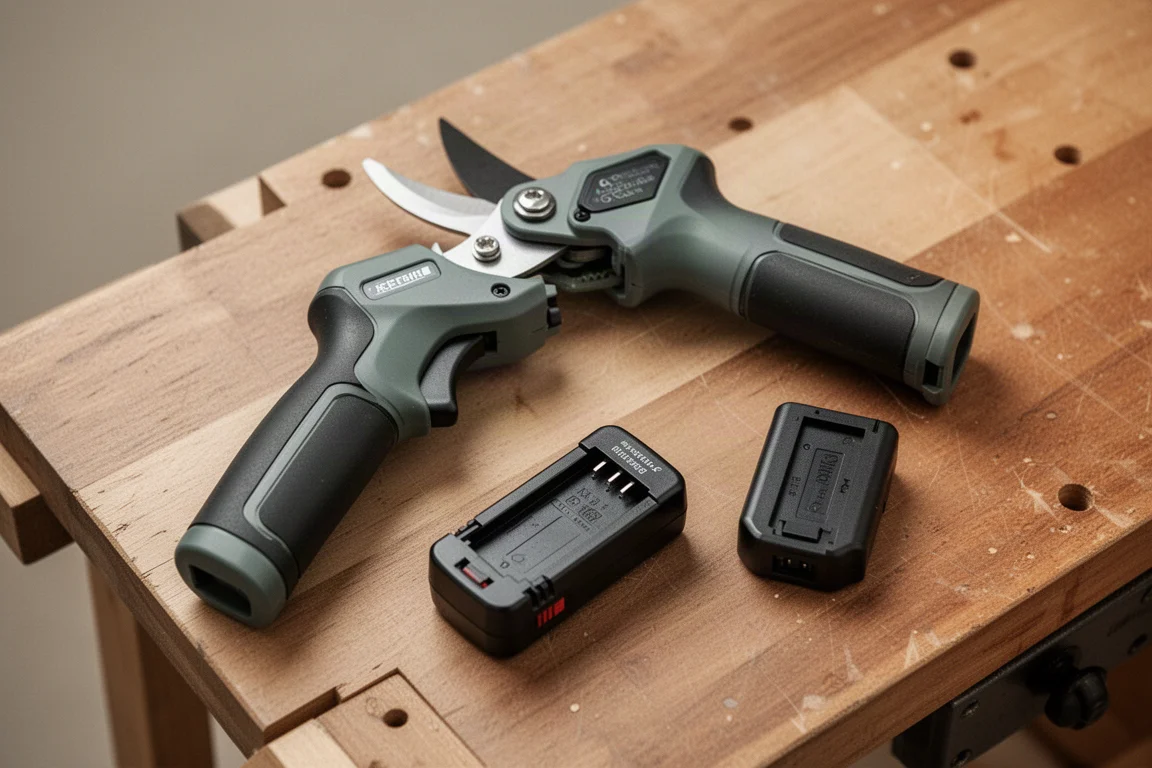
The DUP181 arrives with the tool, a blade cover, a pair of Allen keys, and a blade-removal tool. No spare blades, which is typical of the brand, and no battery or charger at this price point: it is sold as a bare tool. That matters, because for only slightly more money, competing brands sell a pruner bundled with a battery and charger. If you are not already inside Makita’s battery ecosystem, do that math before buying.
One quirk of the naming: this is the 181 rather than the 180 because the 180 is a corded-battery model, and Makita has a long, strange history with this category. Earlier attempts included a 36V tool running two 18V batteries connected by a cable, a 12V version, and an 18V unit with the battery on a cord. The DUP181 is the first time Makita has done what everyone else does: battery straight on the tool, at a sane price.
Features That Set It Apart
The headline feature is adjustable cutting depth. You can set the blade travel in four increments: 30mm, 25mm, 18mm, and 10mm. For repetitive small cuts like rose bushes or deadheading, the smaller settings make the tool faster and more efficient. Cycle through the settings by holding the trigger and pressing the mode button, then lock in your choice.
The trigger behavior is also thoughtful. Rather than firing through a full cut the moment you touch it, the slow trigger lets you hold the blade at any point in its travel. That makes accidental cuts far less likely and gives you control for partial or slow cuts.

Other touches worth noting: a battery status indicator that flags flat or overloaded batteries, a pause mode that keeps the blades shut when you set the tool down, and no rubber over-molding to tear or go sticky. The housing is straightforward PA6 with 30% glass fiber, and it feels like the best-built tool of its type in this comparison group. It also retains your last depth setting even when you swap batteries, and it works with some third-party batteries, though it warns when they are low. One caveat: it lacks the finger-detection safety stop that one competitor includes, which cuts power the instant the blade touches skin.
How It Cut: Real-World Testing
Testing was done on thick-walled bamboo at a consistent 26mm, plus dry hardwood dowel for a genuine stress test. On the bamboo, the DUP181 cut through comfortably within its 30mm rating at good speed, though not the quickest of the group, and it briefly tripped its red overload light under pressure before recovering.

On the dry hardwood dowel, it got through in three cuts, slower than the strongest tools in the group but well ahead of the budget units that stalled or gave up entirely. Overall it sits in the middle of the pack on cutting performance. The best competitors offer a larger cut capacity and more torque, but the Makita counters with better ergonomics, more features, and superior build quality. It is the nicest tool to hold and use of everything tested, just not the most powerful.
For context, budget tools in this category can be surprisingly capable: an inexpensive import bought years ago for under $50 US is still running, and a very cheap 25mm-rated unit punched well above its price. But the Makita feels like a different tier of tool in hand.
Things to Consider Before Buying
- It is a bare tool, so factor in a battery and charger unless you already own Makita 18V batteries.
- The 30mm capacity is smaller than some rivals, including one mainstream competitor rated at 38mm that bundles a battery and charger for a similar total outlay.
- Cutting power is good but not class-leading. If thick, hard wood is your regular workload, look at higher-capacity options.
- No finger-detection safety stop, unlike one competitor that quietly includes it.
- Compared with Makita’s own absurdly priced 12V pruner from a couple of years ago, which cost around $1,200 as a bare tool, the DUP181 finally gets the pricing right.
Buying Advice
The DUP181 makes the most sense for gardeners already using Makita 18V batteries who do a lot of small, repetitive pruning. The adjustable depth settings, slow trigger, and pause mode genuinely improve the experience for that kind of work, and the build quality is the best in class here. If your main need is cutting through thick branches all day, a higher-capacity pruner will serve you better. If you want something very cheap for light garden use, entry-level options exist, though expect slower cutting and more frustrating auto-shutoff behavior on some models.
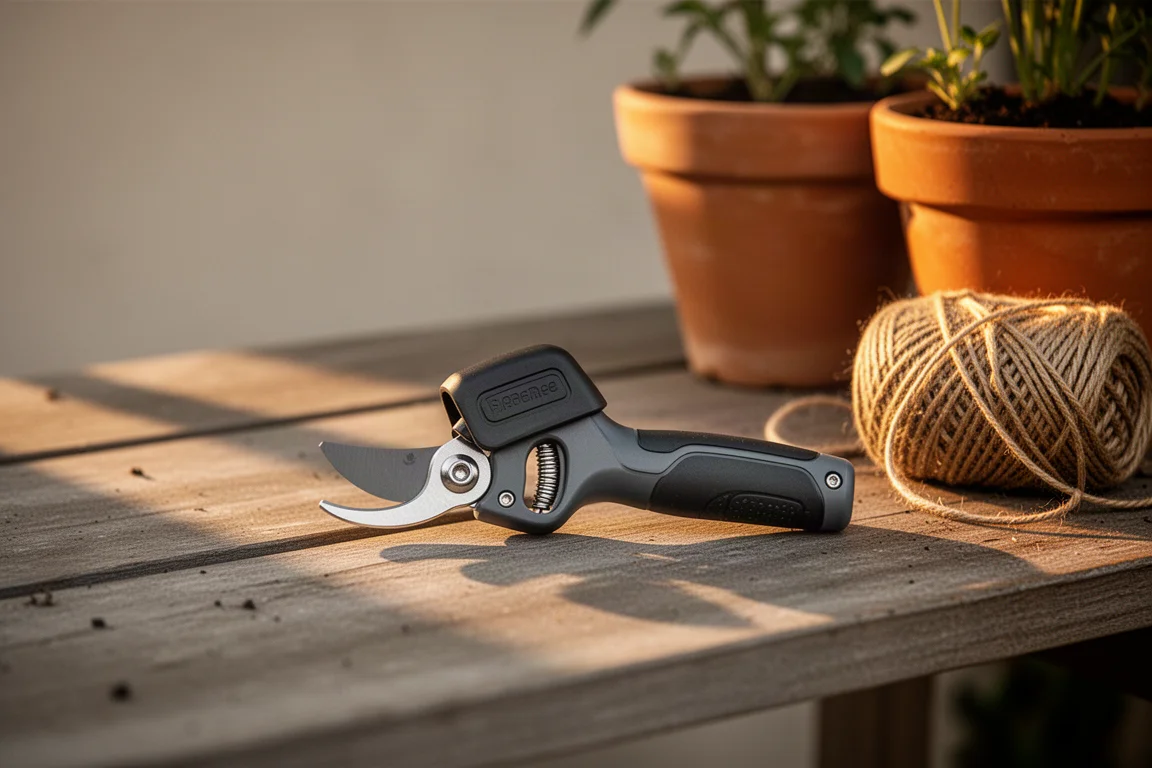
As a bonus use case, these tools handle more than garden branches. They cut hose, plastic pipe, and even thin steel poles from a gazebo without obvious blade damage. Just do not expect them to substitute for proper trade cutters on metal.
Conclusion
Makita took far too long to release a battery-on-tool 18V pruner, but the DUP181 was worth the wait for the right buyer. It is probably the best-built and nicest-feeling pruning shear of its generation, packed with features most competitors skip, priced reasonably for a mainstream brand, and limited mainly by a 30mm capacity and mid-pack cutting power. For repetitive garden pruning on an existing Makita battery collection, it is an easy recommendation. For maximum cutting capacity per dollar, the competition still has answers.
Product link
View more details for Makita DUP181
This product is mentioned in the review. Check the specifications, options, and compatibility before buying.
View more details for Makita DUP181Further reading
Related Reviews
Garden Tools
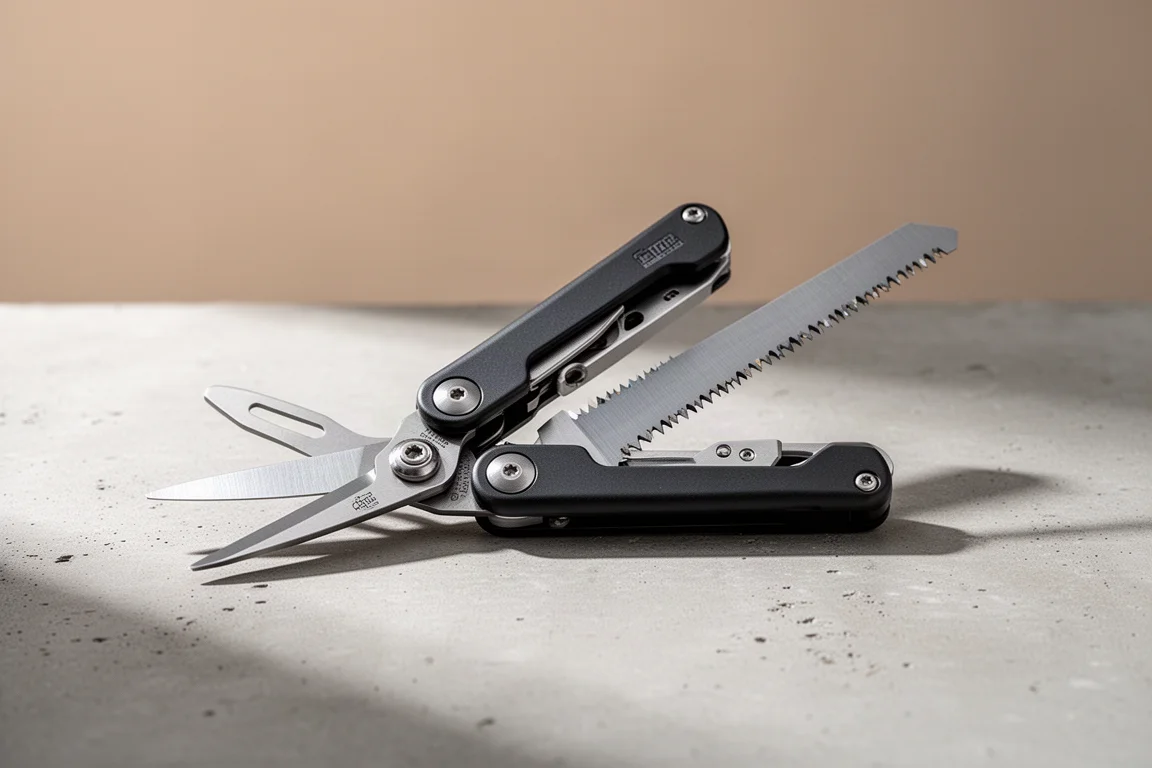
Bibury Folding Trimming Multi-Tool Review: Shears, Saw, and Blade in One
An inexpensive folding trimming multi-tool with shears, a surprisingly capable saw, and a blade we would not rely on. Here is how it held up on real overgrown branches.
Garden Tools
4 Garden Power Tools Worth a Look: Ryobi Patio Cleaners and DeWalt XR Garden Tools
Two Ryobi patio cleaners and two DeWalt XR garden tools put through real springtime work, with honest strengths and trade-offs for each.
Garden Tools
AEG ALP18 Pruning Shears Review: A Cordless Pruner With Real Muscle
The AEG ALP18 cordless pruning shears cut up to 30mm soft wood, keep operation easy on the hands, and add more torque than rival pruners, with a few quirks to know first.