Outdoor Gear
Makita CW001G Cordless Cooler and Warmer Box: The Ultimate Camp Fridge That Runs on Tool Batteries
A compressor-powered 20-litre cooler and warmer box that runs on Makita LXT or XGT batteries, mains power, or your vehicle's 12V socket. Here's how it performs in real use.
Introduction
Makita’s CW001G cordless cooler and warmer box is one of those products that makes you question what counts as a power tool. It chills, it freezes, it heats, it runs on the same slide-in batteries as your drills and grinders, and it even charges your phone. After extended real-world testing, it turned out to be far more capable than the novelty label suggests.
What the Makita CW001G Actually Is
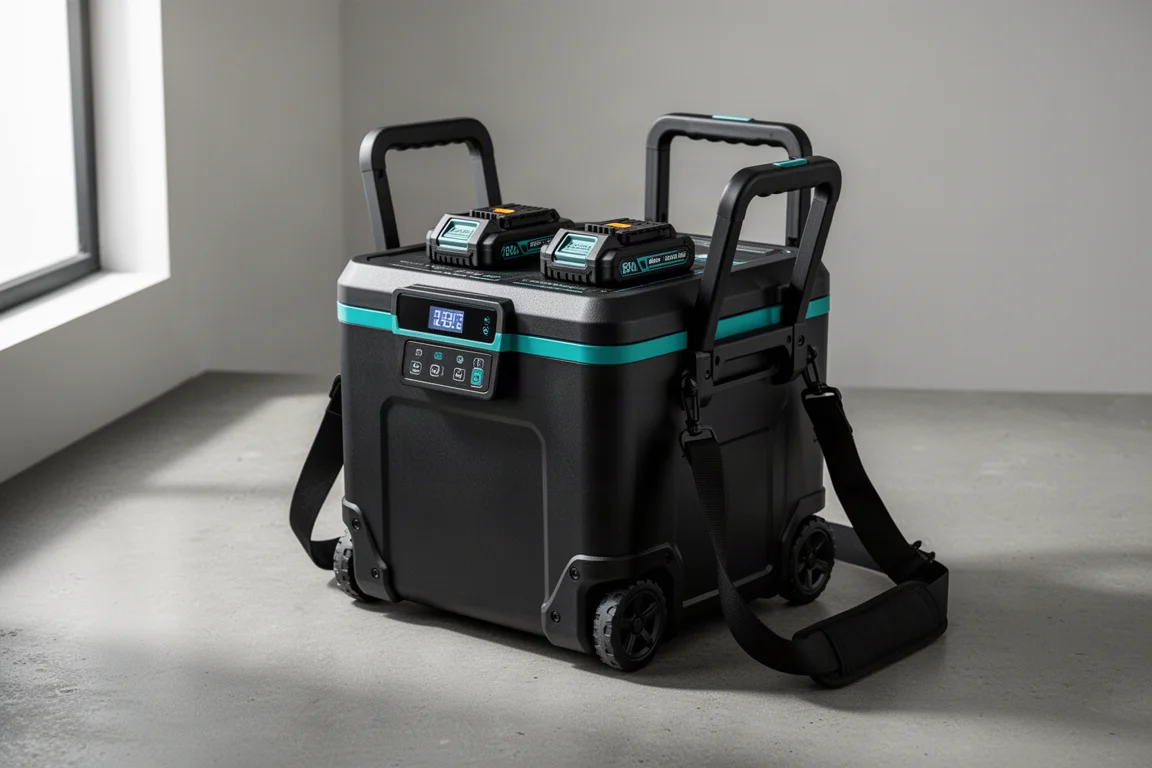
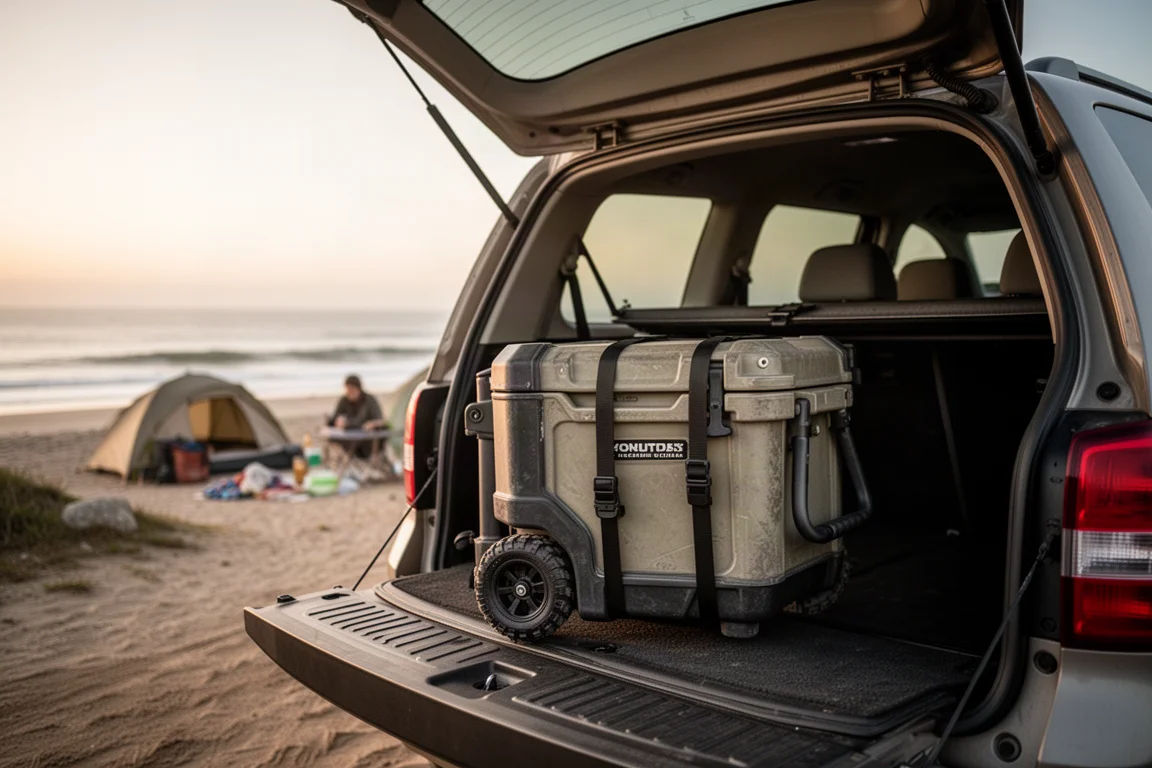
The CW001G is a 20-litre (5.4 gallon) compressor-based cooler and warmer box. Being compressor-cooled rather than evaporative explains its heft: it weighs over 12 kg empty. Makita compensates with wheels, a folding handle, side hand grips, and a shoulder strap, though a fully loaded unit is still a two-handed affair.
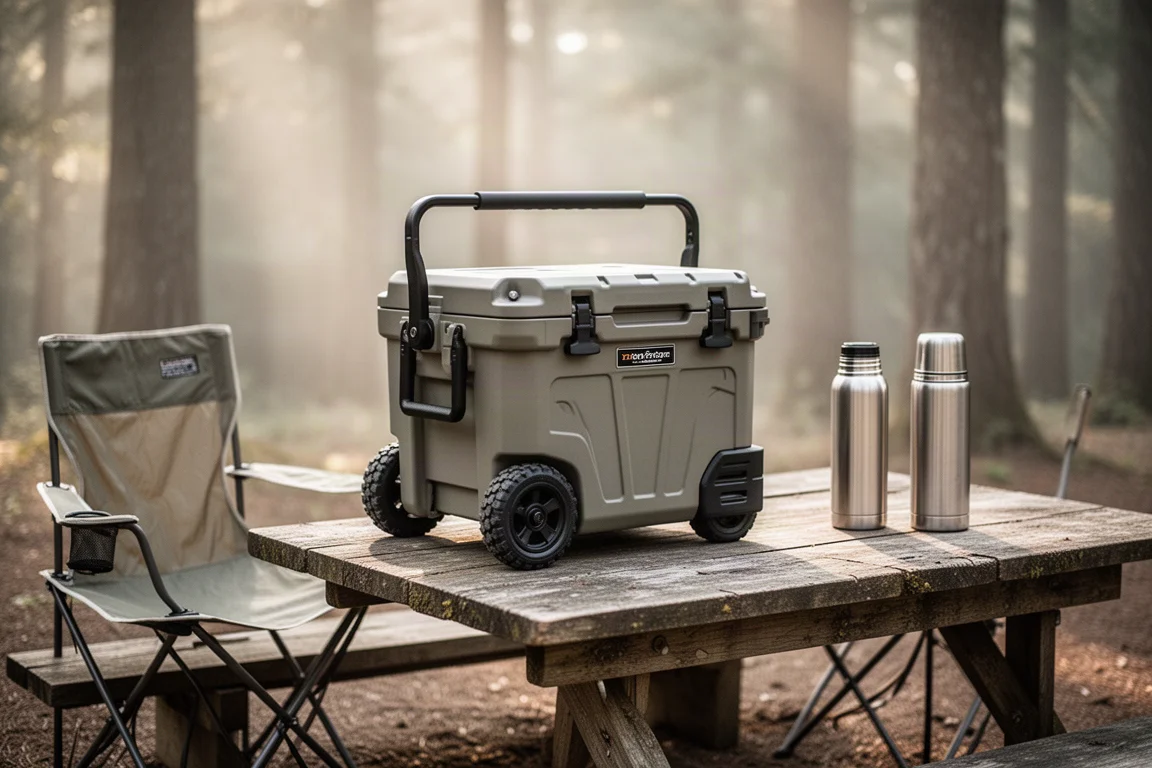
It can run on Makita LXT 18V batteries, XGT 40V max batteries, mains power via the included power adapter, or a vehicle’s cigarette lighter socket using the supplied 12V adapter. Note that the two battery platforms cannot be used at the same time; the 40V slots block out the 18V slots and vice versa. It only needs one battery to run, but if two are loaded it depletes one fully before switching to the other.
Other practical touches include a 2.4A USB output on the body for charging a phone, sturdy cup holders on the lid, solid hinges, a removable front air filter that pops off for easy cleaning, four rubber feet, and a tilt alarm that beeps if the unit is tipped too far. There is even a bottle opener built in, though it is admittedly not the best one we have used.
Temperature Range and Controls
The control panel adjusts the target temperature mostly in 5-degree increments. In cooling mode, it ranges from -18°C (0°F), cold enough to properly freeze food, up to 10°C (50°F). In warming mode, it starts at 30°C and climbs to 60°C (140°F).
The interior light only activates when the lid opens, so it will not quietly drain your batteries. One caveat: the display is genuinely difficult to read in direct sunlight.
Cooling Performance and Battery Runtime
Set to 10°C starting from an interior temperature of 14°C with two freshly charged 18V batteries, the unit was projected to run 21 hours. After 13 hours, one battery was flat and the other still full, meaning the unit had barely begun drawing from the second battery. Cans pulled from the box measured around 11°C at the top and felt colder toward the bottom, where the cooling is most effective.
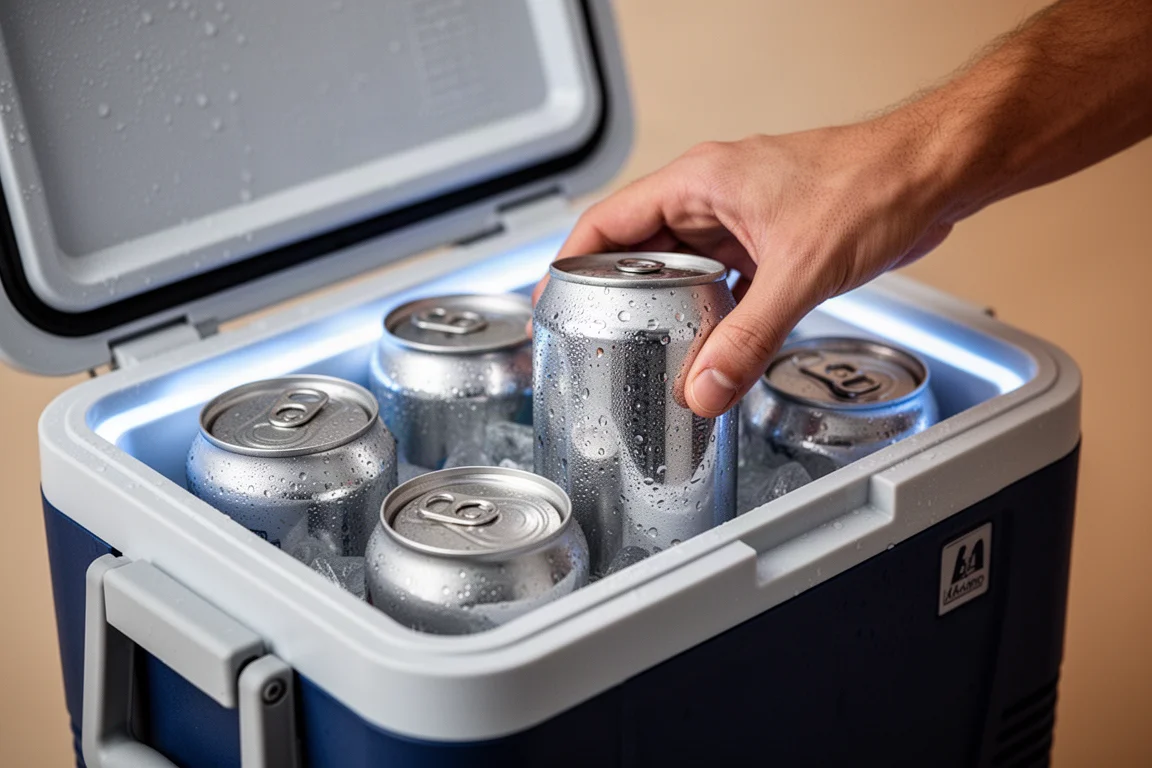
It made the full 21 hours, holding at 8°C, comfortably cold enough to drink. Swapping in a nearly depleted 40V battery confirmed the unit recognised batteries from both platforms, pushing the total run past 23 hours. Real-world runtime appears to exceed the manual’s figures when ambient temperature is milder than the 30°C the specifications assume.
Capacity is generous: at least 18 standard 330ml cans fit easily, and 27 to 28 were loaded in testing, close to the 30 cans claimed in the manual.
Warming Performance
In heat mode with two 4.0Ah 40V batteries at 60°C, the box reached 42°C after half an hour and hit 60°C within about an hour and a half. From there, battery drain tracked closely with the rated seven-hour runtime: the first battery dropped to two bars at roughly one hour and 45 minutes, projecting to about seven hours total across both packs. Notably, the unit has held temperatures above 60°C in earlier use, so the heating capability is genuine.
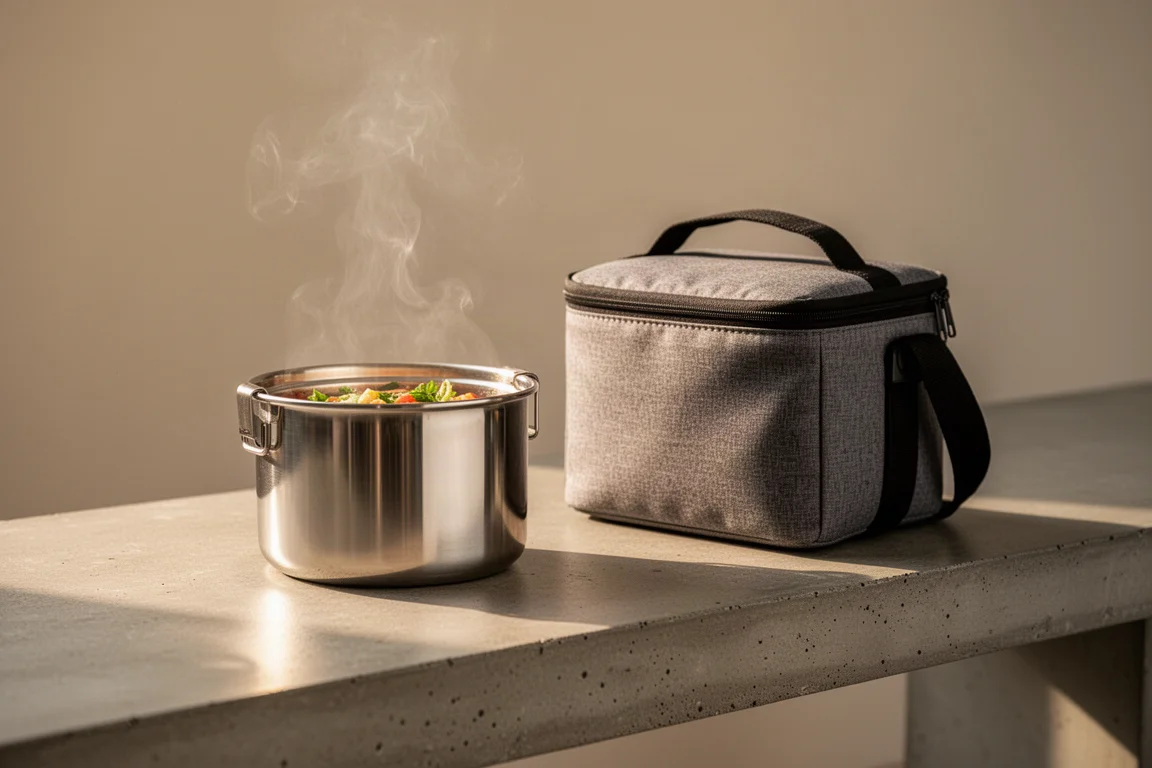
That makes it useful for more than drinks: keeping takeaways warm on a long drive home, or holding hot food at a campsite with power connected.
Rated Runtimes at a Glance
Per the manual, with two 5.0Ah 40V batteries, expect roughly 10 hours at -18°C, 36 hours at 10°C, 18.5 hours at 30°C, and 8.5 hours at 60°C. With two 6.0Ah 18V batteries, the figures are about 6.5 hours at -18°C, 25.5 hours at 10°C, and 5.5 hours at 60°C.
Keep in mind that real-world times vary greatly depending on how often you open the lid, whether the unit sits in direct sun, and ambient temperature. Cooling in the sun takes more power; heating takes less.
Things to Consider Before Buying
The weight is the obvious trade-off. Over 12 kg before you add drinks and batteries means the wheels and handle are not optional luxuries. The screen readability in sunlight is another minor annoyance.
Buying advice: make sure the unit you purchase has both LXT and XGT markings on the top. That way, even if you are currently on the 18V system, you are future-proofed for 40V batteries later. There was no opportunity to test whether the largest 8.0Ah power-source battery fits, though it looks like it would. One small quirk: if you charge a phone via the USB port, you either have to leave the lid open or jam the cable carefully into the seal.
Who Should Buy It
This box suits campers, anglers, beach-goers, and road-trippers who already own Makita batteries. If camping with mains power, it works as a proper freezer or chiller plugged in at the site. Chilling it down to -18°C before leaving home means frozen food stays frozen for the trip. With a vehicle’s 12V socket, it keeps everything cold on the drive.
If you live a little too far from the takeaway shop, heat mode has that covered too.
Conclusion
The Makita CW001G is a genuinely impressive piece of kit: a compressor cooler that freezes properly, heats properly, and sips power slowly enough to run all day on batteries you may already own. It is heavy and the display is hard to read in the sun, but as a portable fridge-freezer-warmer for camping, fishing, and road trips, it delivers on its promises.
Product link
View more details for Makita CW001G
This product is mentioned in the review. Check the specifications, options, and compatibility before buying.
View more details for Makita CW001GFurther reading
Related Reviews
Outdoor Gear
Backpacking Gear Evolution: 100 Years of Technology Compared
We tested backpacking gear from 1925, 1975, and 2025 across a three-day hike in Yosemite. Here's how technology has transformed comfort, weight, and the outdoor experience.
Outdoor Gear
Best Affordable Hiking Watches: Five Rugged Options for Outdoor Adventures
Five durable hiking watches that balance ruggedness, functionality, and value for outdoor enthusiasts who need reliable GPS tracking and weather resistance.
Outdoor Gear
Best Backpack Coolers 2026: Five Practical Options for Outdoor Adventures
Five backpack coolers with distinct cooling capabilities, storage features, and design trade-offs to help you choose the right one for your outdoor needs.