Outdoor Gear
Makita Cordless Cooler and Warming Box Review: A Portable Fridge, Freezer, and Warmer in One
A compact cordless cooler that chills down to 15°F, warms up to 140°F, and runs off Makita batteries, AC, or DC power.
Introduction
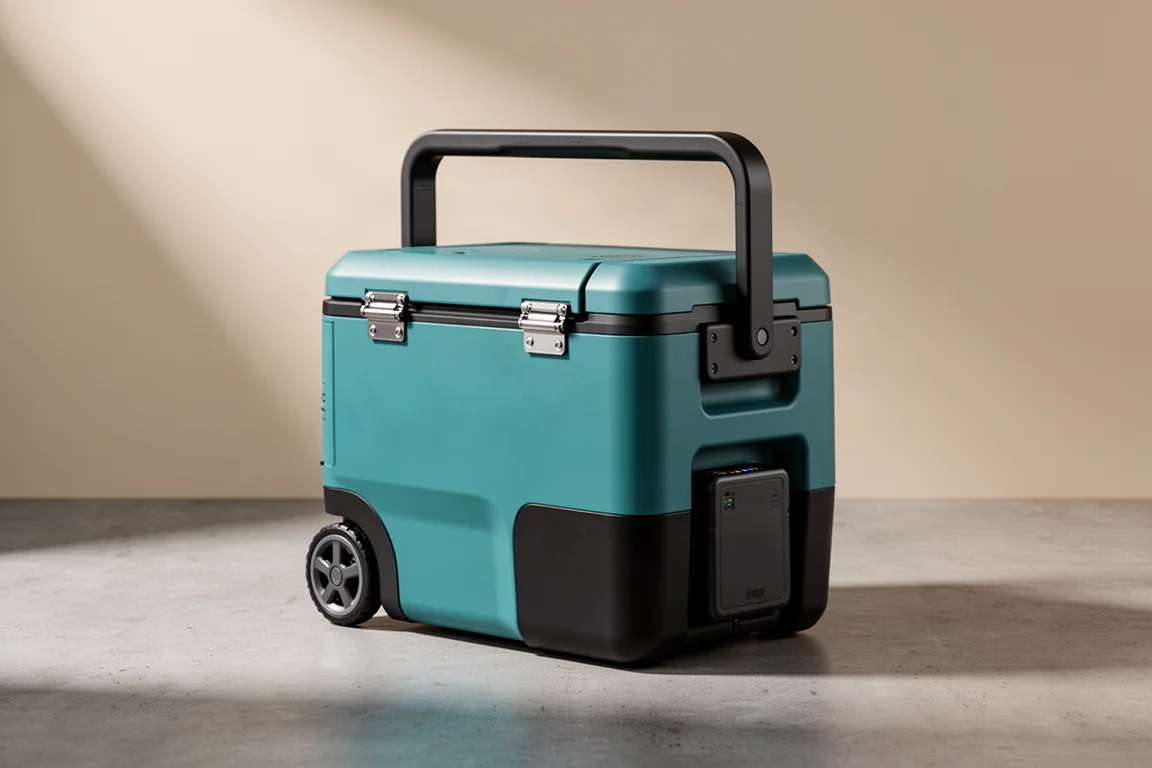
Most coolers ask you to choose between ice and mess. Makita’s Cordless Cooler and Warming Box takes a different approach: it is a powered, temperature-controlled box that can chill beverages, work as a freezer down to 15°F, and even keep food warm at up to 130 or 140°F. It adjusts in 10-degree increments from 50 down to 15 in cooling mode, and it runs off Makita batteries, AC power, or DC power. That combination makes it a genuinely interesting option for job sites, camping trips, tailgates, and road trips.
We put it through a series of cooling and warming tests to see what it actually does in real use, and where its limits are.
Design and Everyday Handling
The unit is small and light enough to pick up easily, though there is some weight at the business end, where the cooling happens. Small wheels at one end let you tilt it and roll it along, and a handle makes carrying it straightforward. One quirk worth knowing: the compressor will shut itself off if you tilt the unit too far in cooling mode, though it is far more tolerant of being moved around in heating mode.
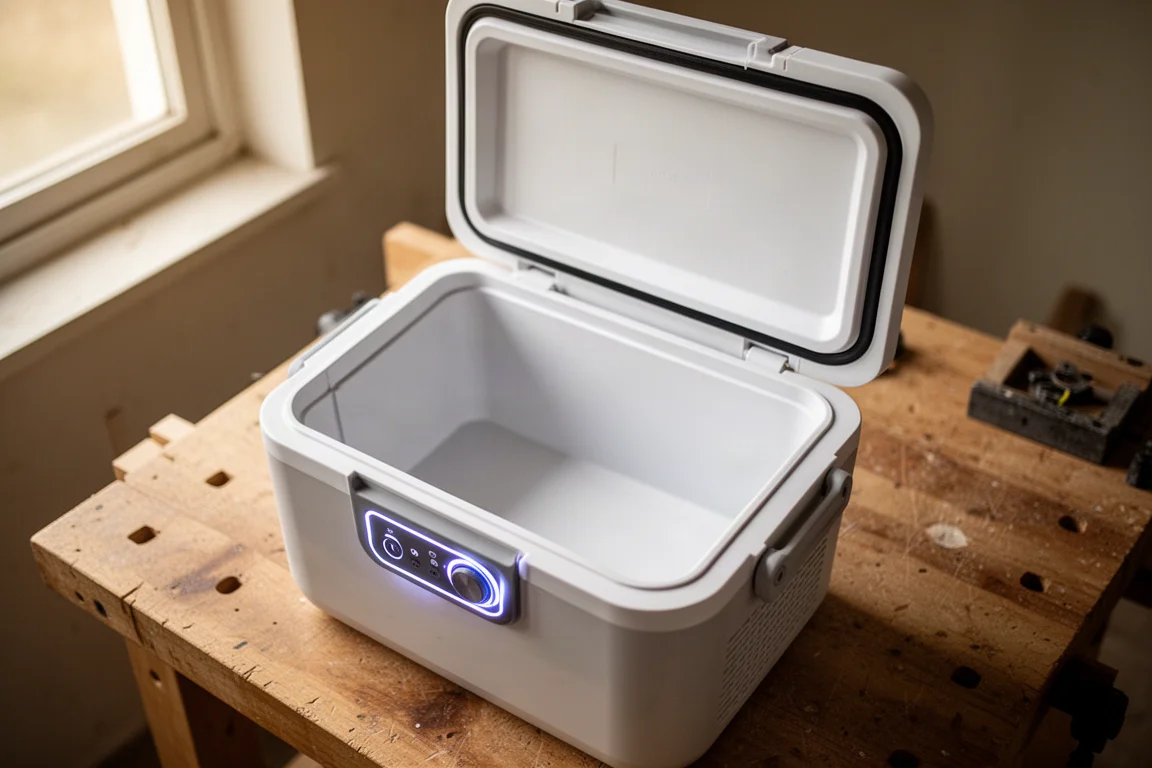
On the power side, it accepts up to two Makita batteries and also runs from AC or DC sources. Note that plugging the unit in does not charge the batteries inside it. The DC plug uses an L-shaped adapter that sits in an awkward spot, pushing against the wheel area, but once it is connected it stays connected, which is a practical plus. There is also a handy bottle opener on one side and solid metal hinges on the other.
Weather Resistance and Water Rules
The box carries an IPX4 rating when running on battery power, and the hinges and seams are largely sealed. There is a small intentional break in the interior gasket to handle pressure and air temperature fluctuations when switching between cold and hot operation.
The critical limitation: you should never put water or ice inside. Liquid could find its way into the electronics, so this is a dry cooler. That shapes how you use it in practice. Pre-cool the unit or load it with already-cold items, then let it bring everything down to temperature, which it can do in roughly 20 minutes for the compartment itself.
Controls and Capacity
The control panel lets you switch between Fahrenheit and Celsius, and changing power sources causes the unit to restart for about two to three minutes while the compressor recalibrates. In cooling mode you can select from 50 down to 15 in 10-degree steps; heating offers just two settings, 130 and 140.
The cooling compartment measures about 12.5 inches wide, 9.25 inches deep, and 10.5 inches deep at the base. In practice that fits roughly 15 tall cans, or about 22 standard 12-ounce cans if you pack them carefully.
Cooling Tests: How Fast and How Cold
The first test loaded 16 warm beverages (five 16-ounce bottles and four 12-ounce cans) with a single 5.0Ah battery and set the unit into the freezing range. After an hour and six minutes, the bottles were cool but not cold, and the cans were cooler to the touch but not at drinking temperature. By an hour and thirty minutes, the battery had run down and the unit shut off.
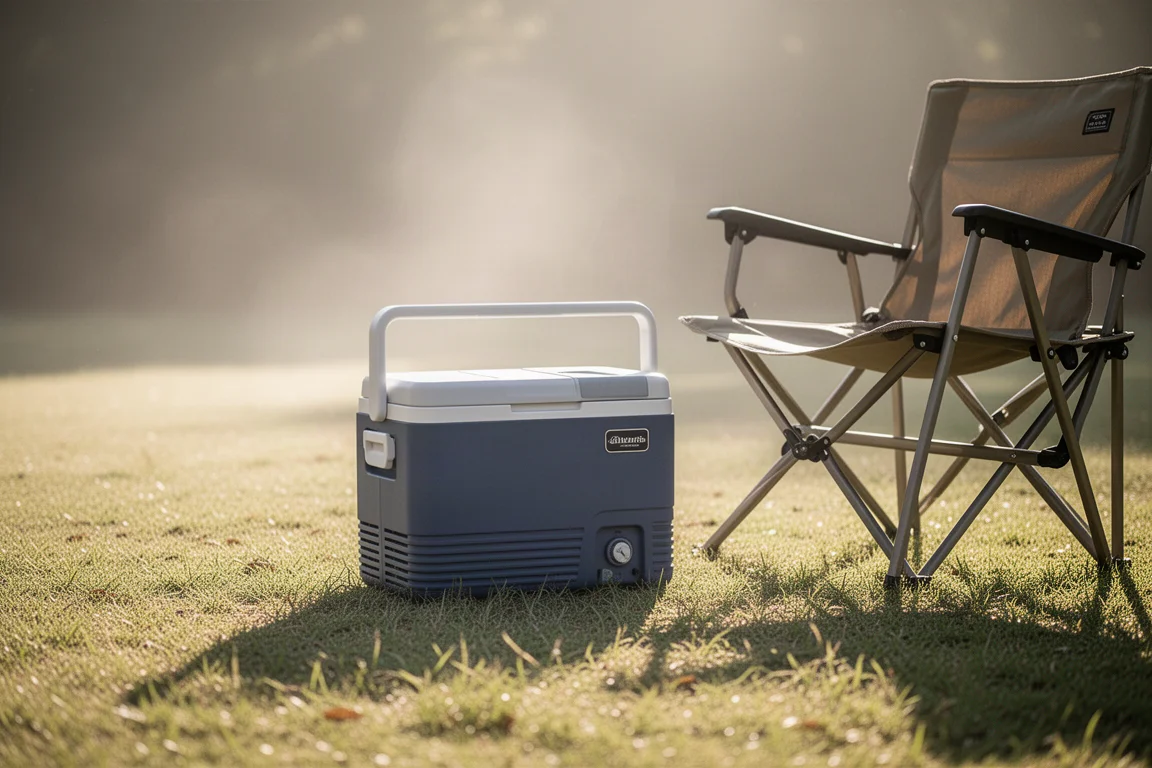
The takeaway: cold air moves fast, but without ice contacting the contents, warm beverages take a while to get truly cold. Since you cannot add ice, the smart play is pre-cooling the unit and loading cold items, which it will then hold very effectively. Two batteries would also extend cooling runtime considerably.
A second test left the unit in 85°F direct sun in Michigan. It kept working well, holding internal temperatures in the low 20s with contents on the edge of freezing. Thermal imaging showed the exterior around 117°F with no hot spots. The unit is limited to operating in ambient temperatures up to 122°F, so a vehicle interior in extreme heat is not the right environment, but outdoor use in sun is not a problem.
Real-World Cooling Results
After moving to AC power and setting the thermostat to 30°F overnight, 16 hours later the water inside was very cold but not frozen, despite the display reading right around freezing. That suggests the thermostat on this model reads slightly warm of actual conditions, which cuts both ways.
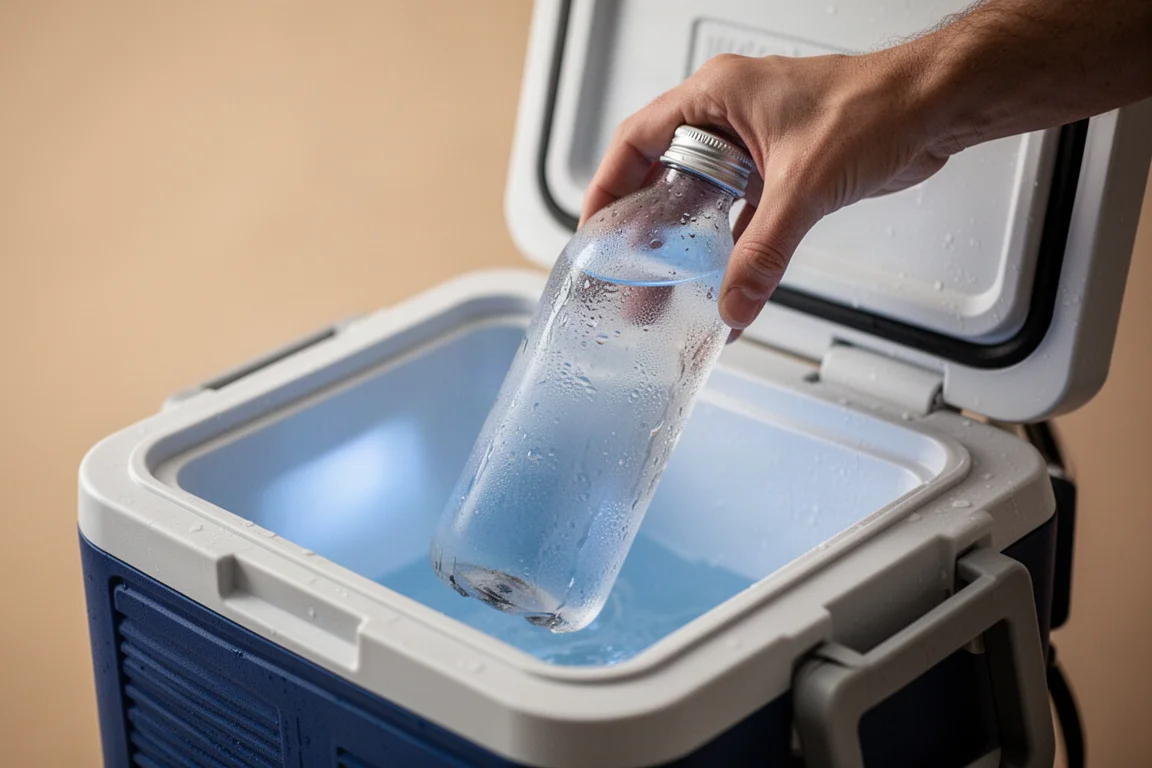
The good news: if you want ice-cold beverages, set it to 30°F and let it run. The next setting up, 40°F, is not cold enough to approach freezing, so 30°F is the sweet spot for drinks. For genuine freezing, 15°F is the setting to trust rather than riding the borderline.
Heating Performance: Keeping Food Warm, Not Cooking It
In heating mode the draw is surprisingly low, around 41 to 44 watts, which is modest for a heating element. Starting from an ambient 70°F, the compartment reached 132°F in almost exactly one hour, with some loss from opening the lid periodically.
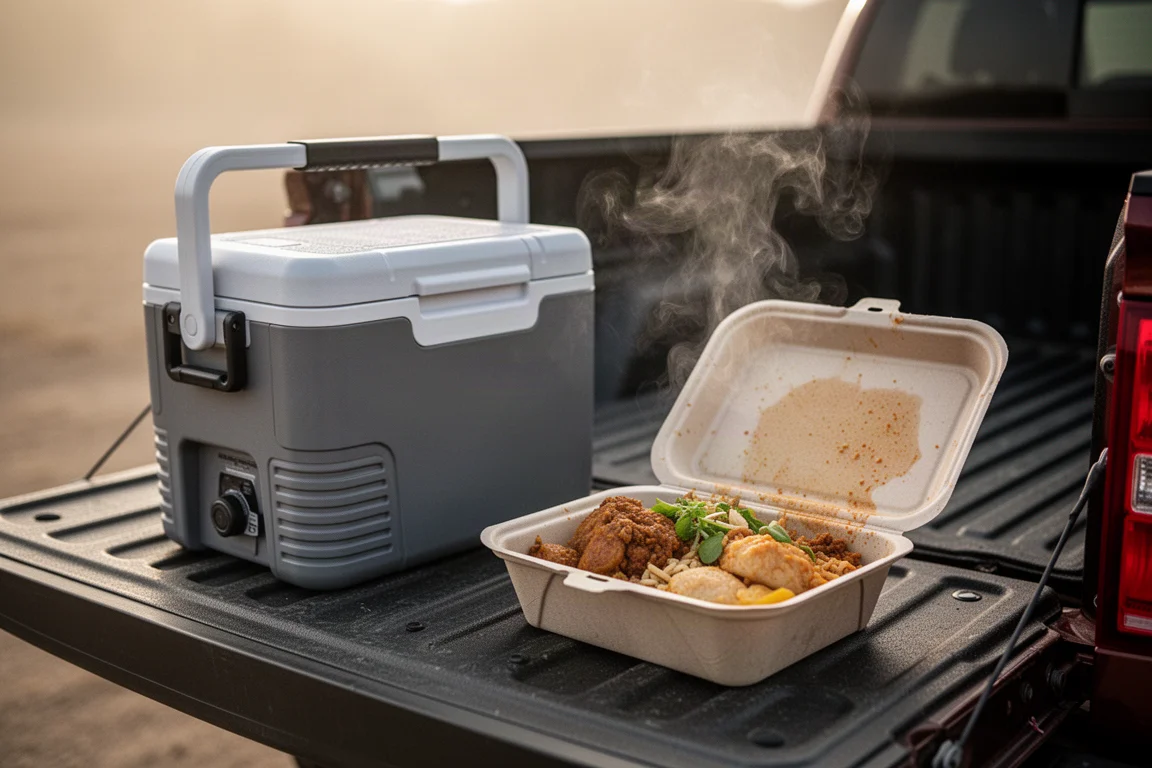
The key point is that this is a warming box, not an oven. It heats the air inside rather than cooking food from scratch. A cold item would take hours to warm through. The realistic use case is buying warm food, putting it in the box, and having it still be at a good serving temperature an hour or two later, whether that is at a job site or a tailgate.
Things to Consider Before Buying
This box does some things very well and has clear limits. It will keep already-cool contents genuinely cold and can freeze items at the 15°F setting. It will keep warm food warm for a couple of hours. It will not cool warm beverages quickly from scratch, and it will not heat up cold food, both of which need patience the single-battery runtime does not support.
The lack of fine adjustability near freezing is worth noting too. The 30°F setting is reliable for very cold drinks, but if you need true ice or frozen contents, plan on 15°F and adequate battery capacity. Two batteries rather than one makes a meaningful difference in how long the unit can run while cooling.
Buying Advice
If your typical use is pre-chilled drinks at a campsite, cold beverages on a job site, or keeping takeout warm until lunch, this box fits well. If you need to flash-cool warm groceries or cook with heat, look elsewhere. Factor in the cost of Makita batteries if you are not already in that battery platform, since two batteries give you the most useful runtime.
Conclusion
The Makita Cordless Cooler and Warming Box is a clever, well-built combination unit that rewards realistic expectations. Set it to 30°F for reliably ice-cold drinks, trust 15°F for freezing, use the warming mode to hold already-warm food, and keep liquids out of the compartment entirely. Within those boundaries, it does its job well and is a lot of fun to use.
Product link
View more details for Makita Cordless Cooler and Warming Box
This product is mentioned in the review. Check the specifications, options, and compatibility before buying.
View more details for Makita Cordless Cooler and Warming BoxFurther reading
Related Reviews
Outdoor Gear
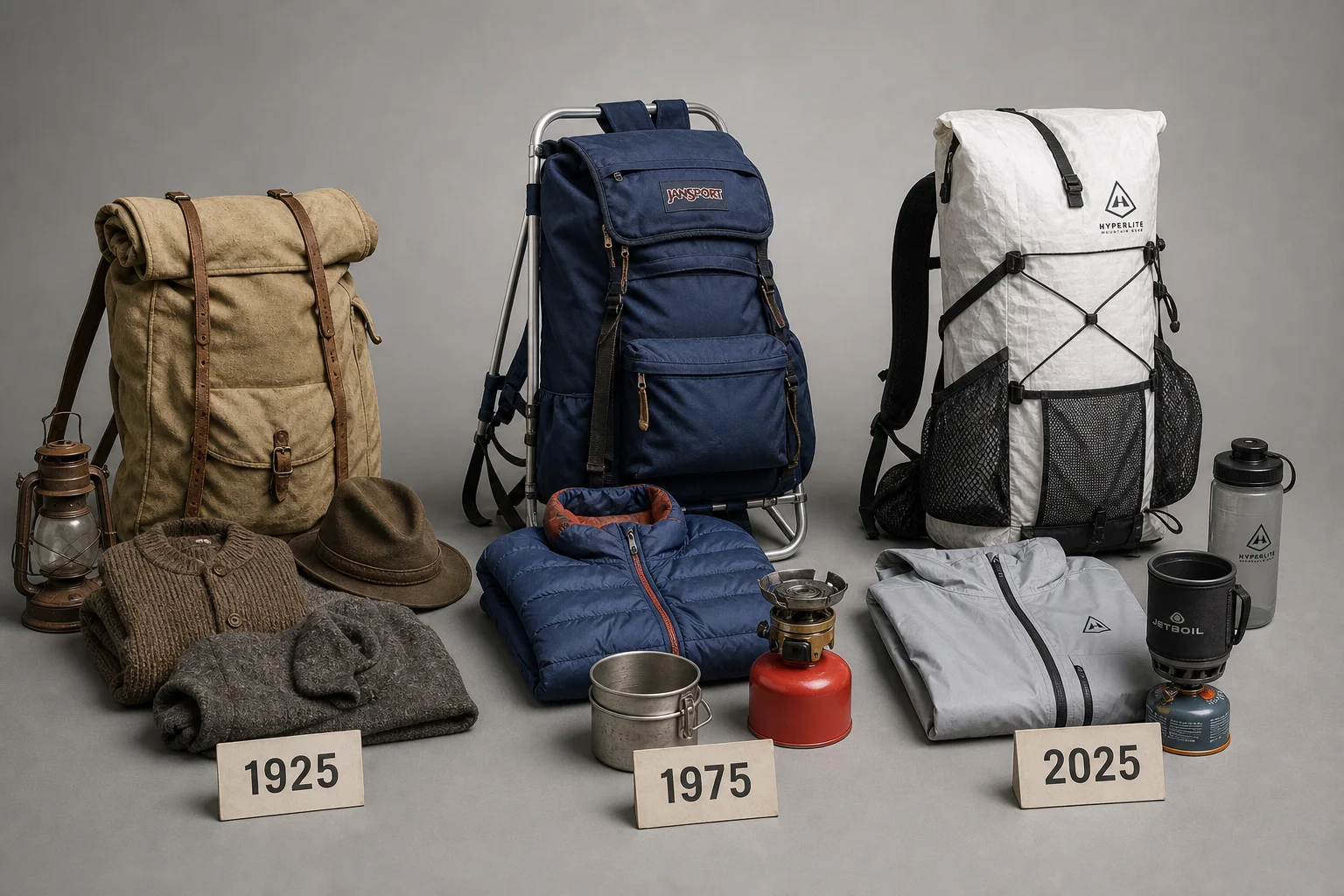
Backpacking Gear Evolution: 100 Years of Technology Compared
We tested backpacking gear from 1925, 1975, and 2025 across a three-day hike in Yosemite. Here's how technology has transformed comfort, weight, and the outdoor experience.
Outdoor Gear
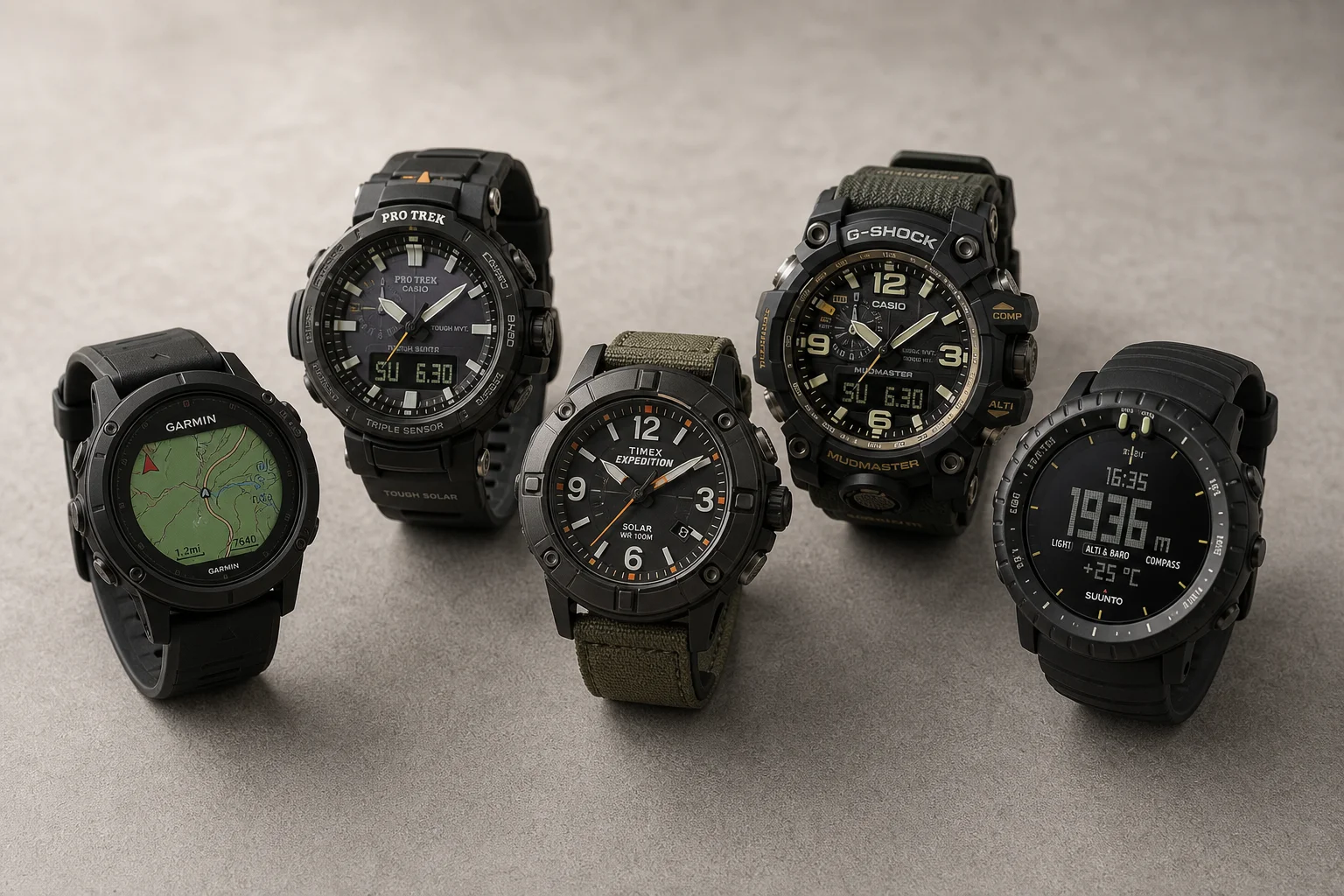
Best Affordable Hiking Watches: Five Rugged Options for Outdoor Adventures
Five durable hiking watches that balance ruggedness, functionality, and value for outdoor enthusiasts who need reliable GPS tracking and weather resistance.
Outdoor Gear
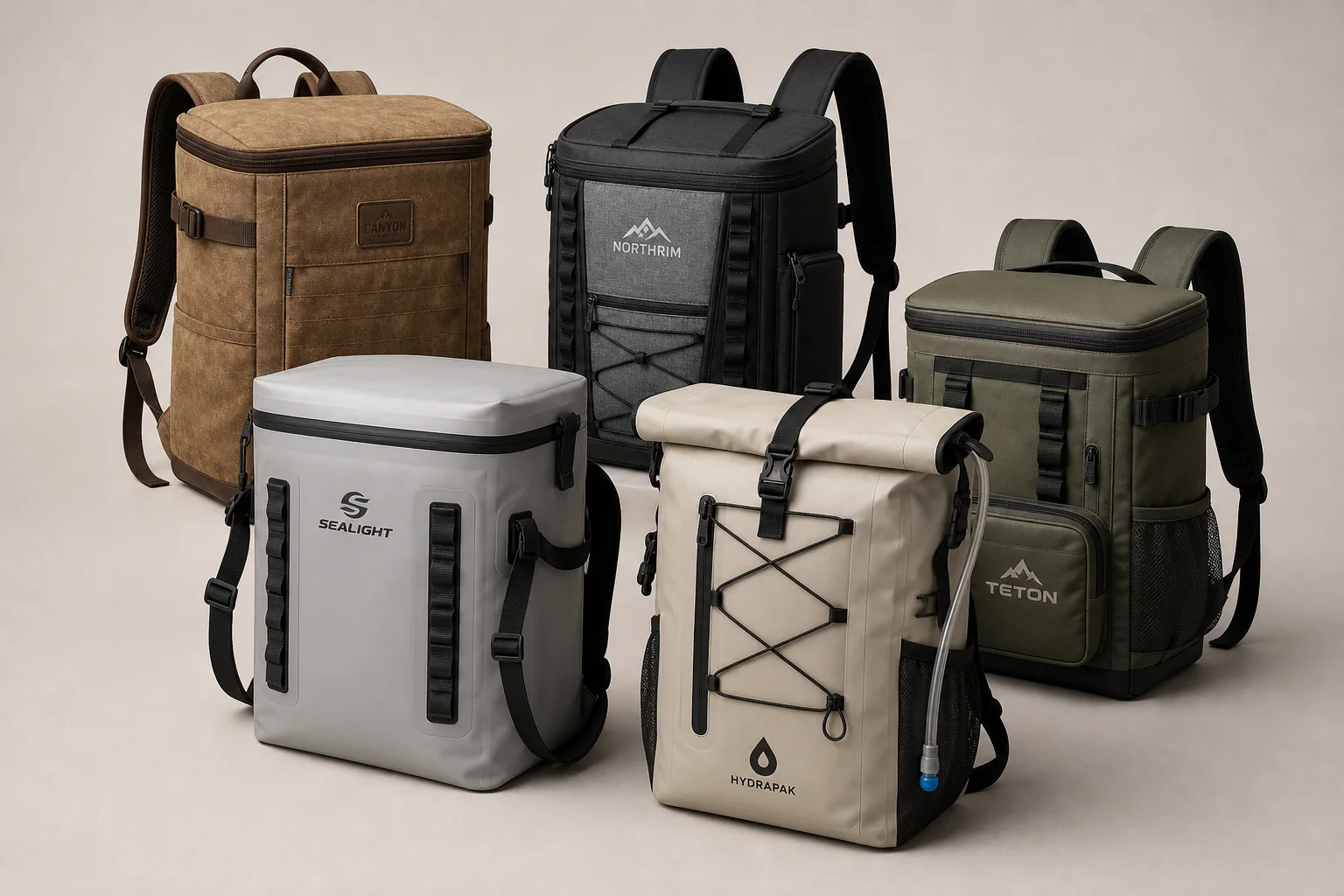
Best Backpack Coolers 2026: Five Practical Options for Outdoor Adventures
Five backpack coolers with distinct cooling capabilities, storage features, and design trade-offs to help you choose the right one for your outdoor needs.