Garden Tools
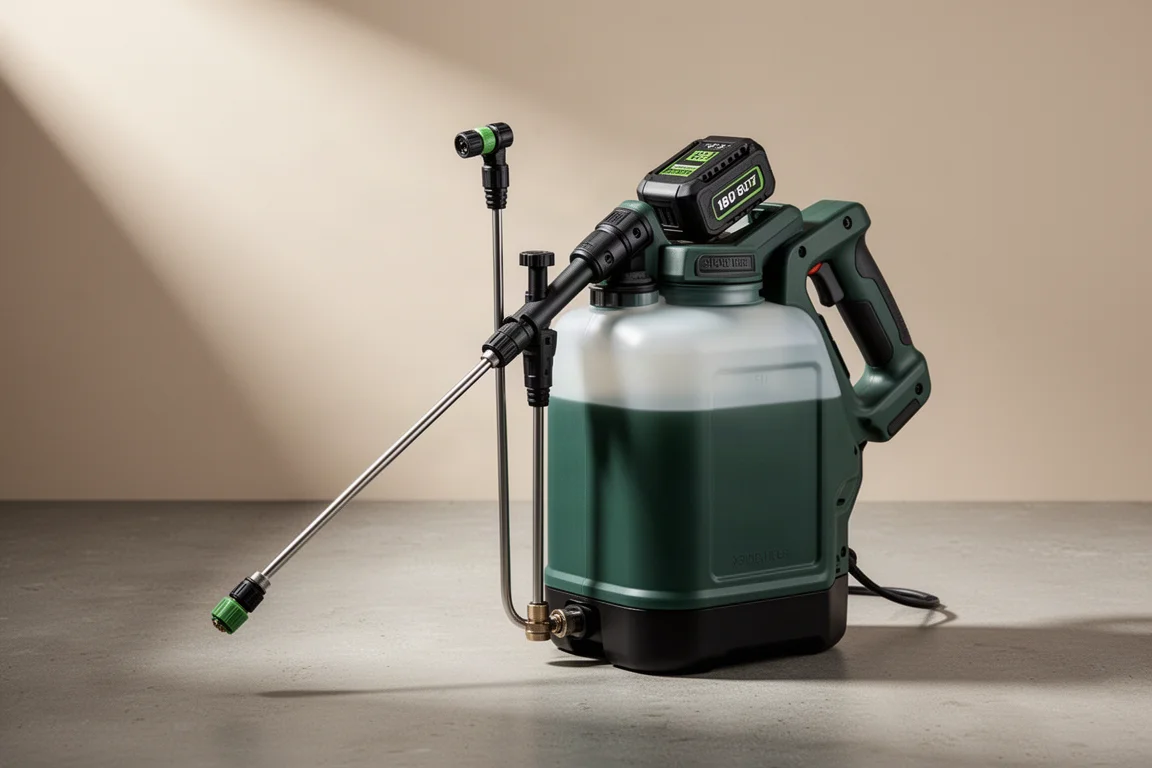
Makita 18V 5L Battery Garden Sprayer: A Hand-Pump Alternative That Finally Works
A cordless 5-litre garden sprayer with dual rotating nozzles, a locking trigger, and enough battery life to keep going long after the weeds are gone.
Introduction
Anyone who has fought with a hand-pump pressure sprayer knows the routine: pump until your arm aches, spray for thirty seconds, watch the pressure die, repeat. They clog, they leak, and they never seem to last long. That frustration is exactly the gap this Makita 18V 5L battery-powered garden sprayer is built to fill.
It is a cordless sprayer with an 18V battery platform, a 5-litre tank, and a surprisingly thoughtful set of features for something in this category. After filling it, spraying a mix of ant barrier spray and herbicide around a fairly large garden, and cleaning it out again, the verdict is simple: this is a genuinely decent sprayer, with a couple of small quirks worth knowing about first.
Setup and Everyday Details
Assembly is minimal, though be warned: the manual is genuinely enormous, roughly 30 millimetres thick, so budget a little reading time before your first spray. Makita’s packaging has also clearly been moving toward more paper and cardboard and less polystyrene and plastic, which is a nice touch before you even pick the tool up.
Two details stand out immediately. First, the tank cap doubles as a measuring cup: undo the cap, and you have a built-in cup for measuring concentrate. It sounds trivial, but it is one of those ideas that makes you wonder why every sprayer does not have it. Second, the lance has a clip that slots into either side of the unit at any point along the lance, so you can park it while working or clip it to the side for storage.
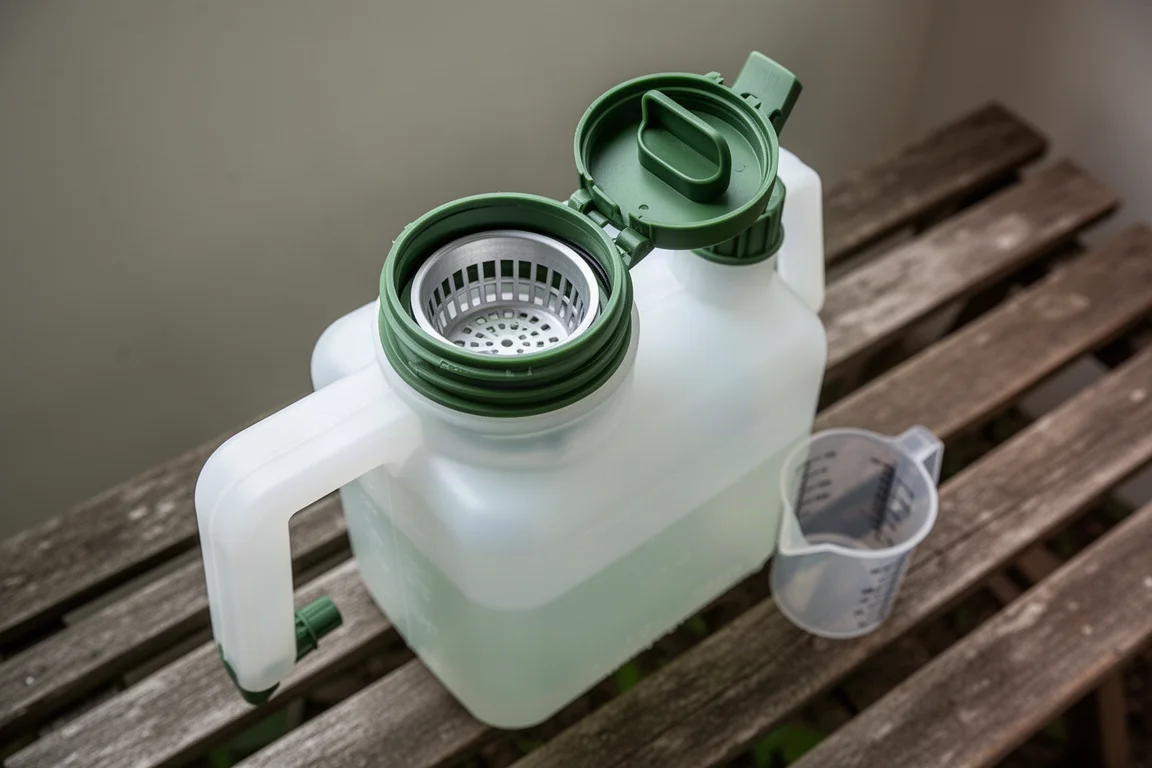
Filling is straightforward once you know the trick: the small side hole is only for storing the cup, not for filling. You twist off the whole top to access the reservoir, which has a filter inside to help keep debris from clogging the tank and pump. The tank plastic is not the easiest to see through, but level markings run up to the full 5 litres.
How It Sprays
The trigger can be locked on, which saves your hand on longer sessions, and there is an on/off button on top of the tool alongside a battery gauge. One small oddity: the batteries show four charge bars while the tool itself only shows three, which is a minor inconsistency but worth knowing.
The nozzle setup is the real highlight. There are two heads, and both rotate a full 360 degrees. One has its own on/off lock, so you can run one nozzle, both nozzles, or have them pointing in different directions. That is genuinely useful for jobs like hedges, where you want spray going two ways at once.
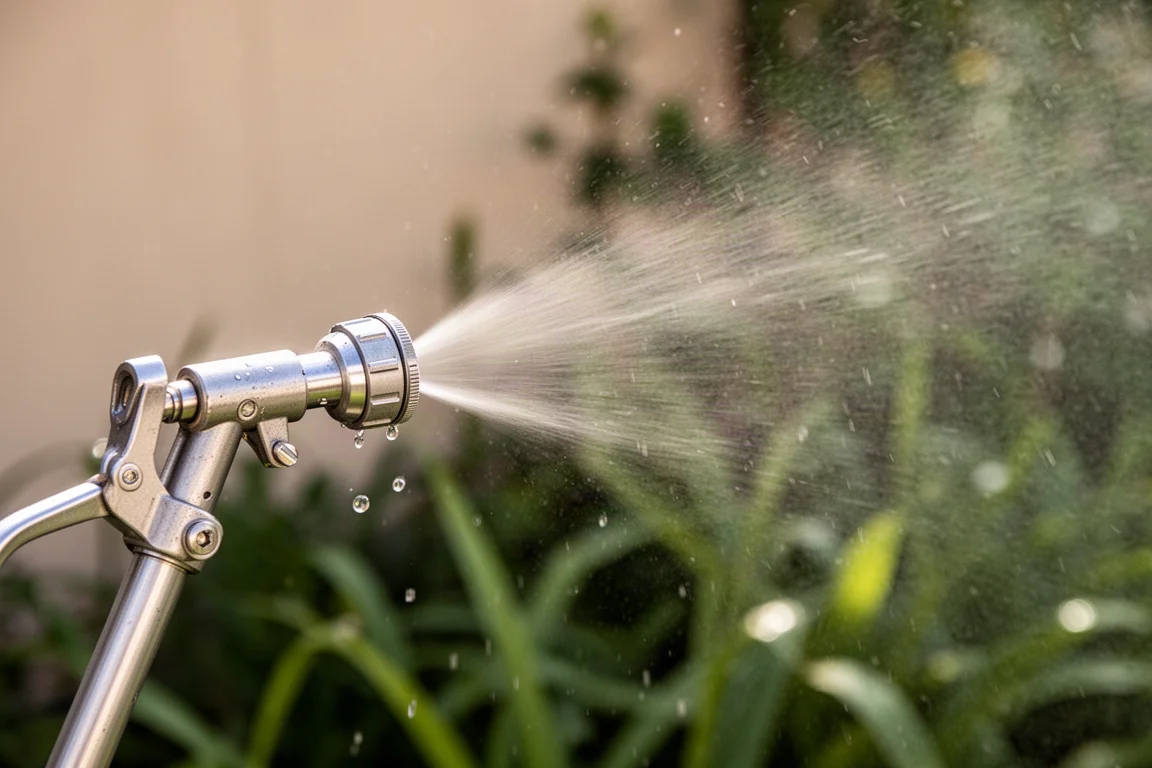
The lance itself extends by about 180 millimetres, which is honest but modest. If you are hoping to reach tall hedges or distant fence lines without moving, it will not transform your reach. At full output with both nozzles open, the sprayer moves about 900 millilitres per minute, which means the full 5-litre tank empties in under six minutes. For very large properties that may feel small; for typical suburban gardens, it is about right.
Real-World Spraying
With herbicide loaded and a 6Ah fully charged battery installed, the expectation going in was that spraying would barely dent the charge. That proved correct. By the end of a long session covering weeds plus ant barrier spray, roughly 20 to 25 litres of total spraying including cleaning water, the battery still read fully charged.
Wet leaves and weeds got coated quickly and evenly, and the adjustable nozzle twisted easily from a jet to a fine spray pattern to suit the job. Fully loaded with 5 litres of liquid and the battery, the whole unit weighs only about 8.5 kilograms, so it is easy to carry by hand and set down wherever you like. A shoulder strap is included if you want it, but for this size and weight it feels optional rather than essential.

Two caveats came up in use. It can be a little drippy, with the lance ends releasing drops after spraying, so avoid parking it somewhere the drips could land on plants you want to keep alive. That said, other sprayers in this class drip too, so it is not a dealbreaker. Also, when you remove the cap, be careful where you set it down: if it picks up dirt, that grime gets sucked straight into the pump.
Cleaning and Aftercare
Cleaning matters with these tools, because leftover weed killer can form crystals that block everything up. The lazy method is simple: pour in some fresh water and spray it out. It takes a second to pressure up, and pumping a litre of water through clears the pump, wand, and nozzles.
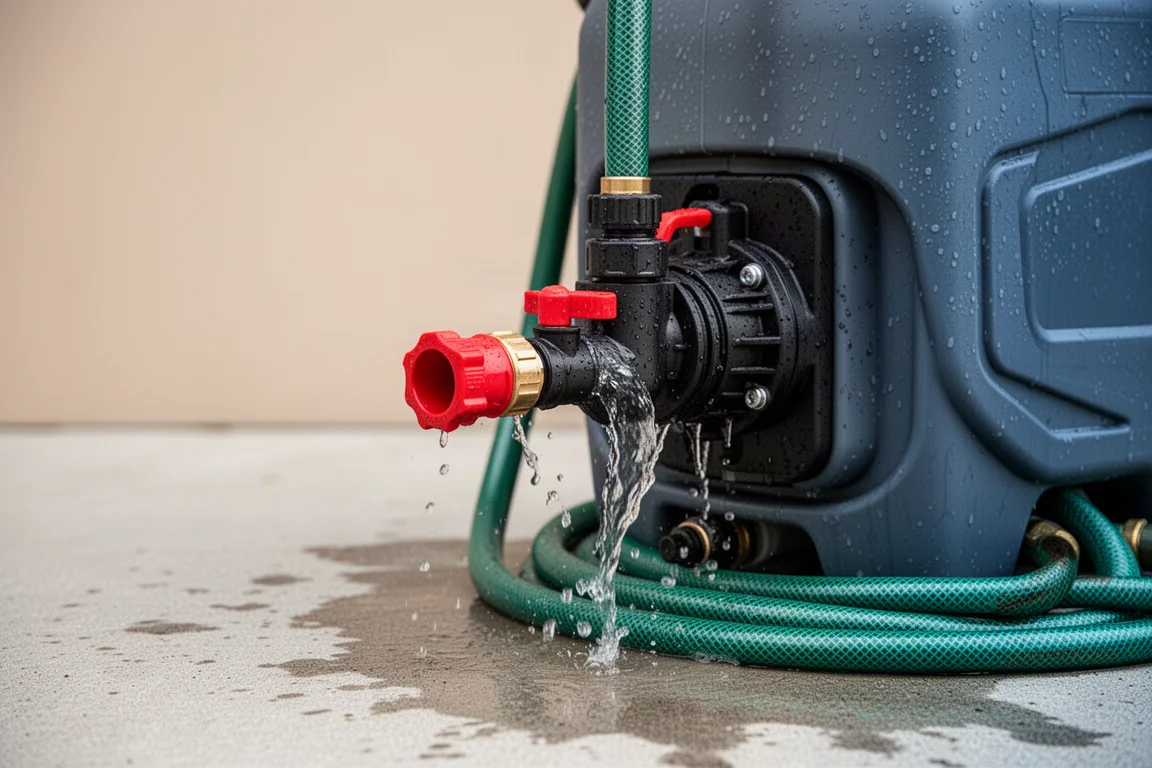
For a more thorough flush, there is a red valve: open it, put a hose through, and cycle water through the pump to clean the inside properly. Either way, a quick rinse after each use should keep it healthy far longer than the hand-pump sprayers that tend to die within months.
Should You Buy It
If you are still wrestling with hand-pump sprayers that barely hold pressure, this Makita makes an easy case. It takes seconds to pressure up, sprays continuously without pumping, and the battery barely notices the work. The 5-litre capacity strikes a sensible balance: big enough for a serious weeding session, small enough to carry comfortably at around 8.5 kilograms fully loaded.
The honest trade-offs are the drippy lance ends, the short 180mm lance extension, and the need to keep the cap clean when filling. None of these are unusual for the category. If you need to cover several hectares in one go, a 15-litre backpack sprayer is a better fit, but for a regular garden this size works well without strapping 20 kilograms of liquid to your back.
Conclusion
After a full season-style workout of ant spray, herbicide, and cleaning cycles, this Makita 18V 5L sprayer earned its keep. The dual rotating nozzles, measuring-cup cap, locking trigger, and near-invisible battery draw add up to a sprayer that just gets the job done. Look after it with a quick rinse after each use, and it should outlast the throwaway pressure sprayers that plague most garden sheds.
Product link
View more details for Makita 18V 5L Battery-Powered Garden Sprayer
This product is mentioned in the review. Check the specifications, options, and compatibility before buying.
View more details for Makita 18V 5L Battery-Powered Garden SprayerFurther reading
Related Reviews
Garden Tools
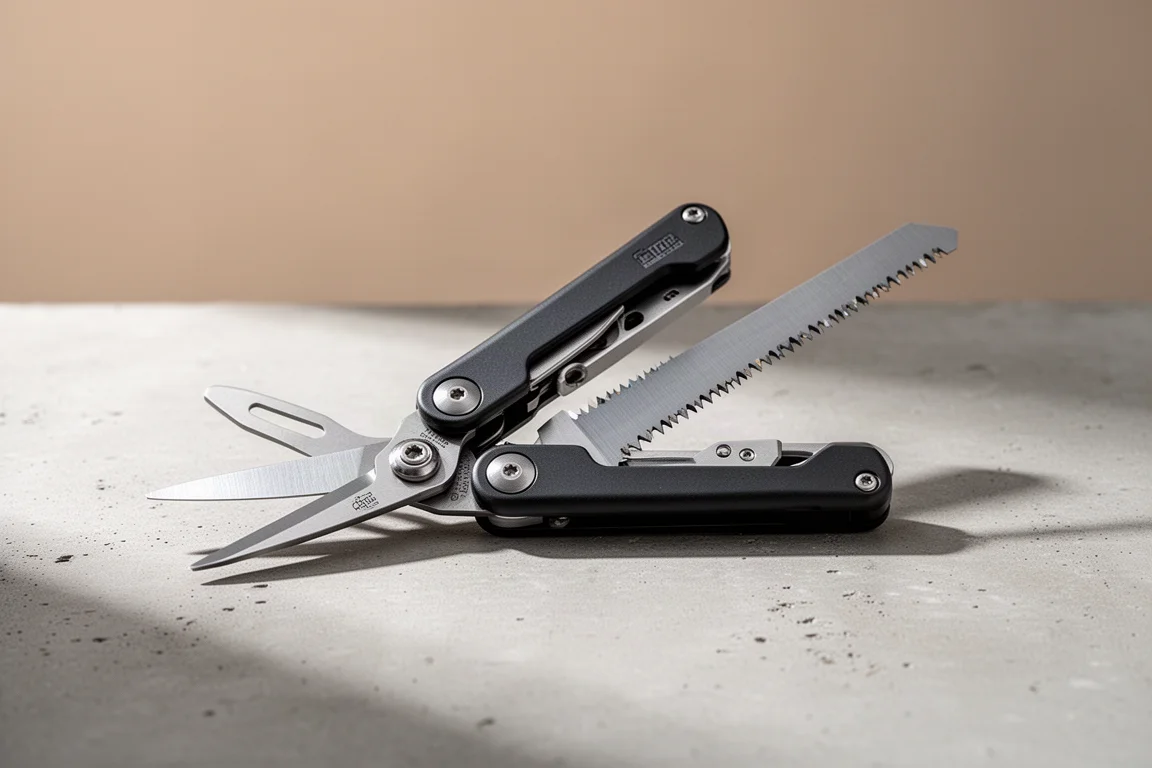
Bibury Folding Trimming Multi-Tool Review: Shears, Saw, and Blade in One
An inexpensive folding trimming multi-tool with shears, a surprisingly capable saw, and a blade we would not rely on. Here is how it held up on real overgrown branches.
Garden Tools
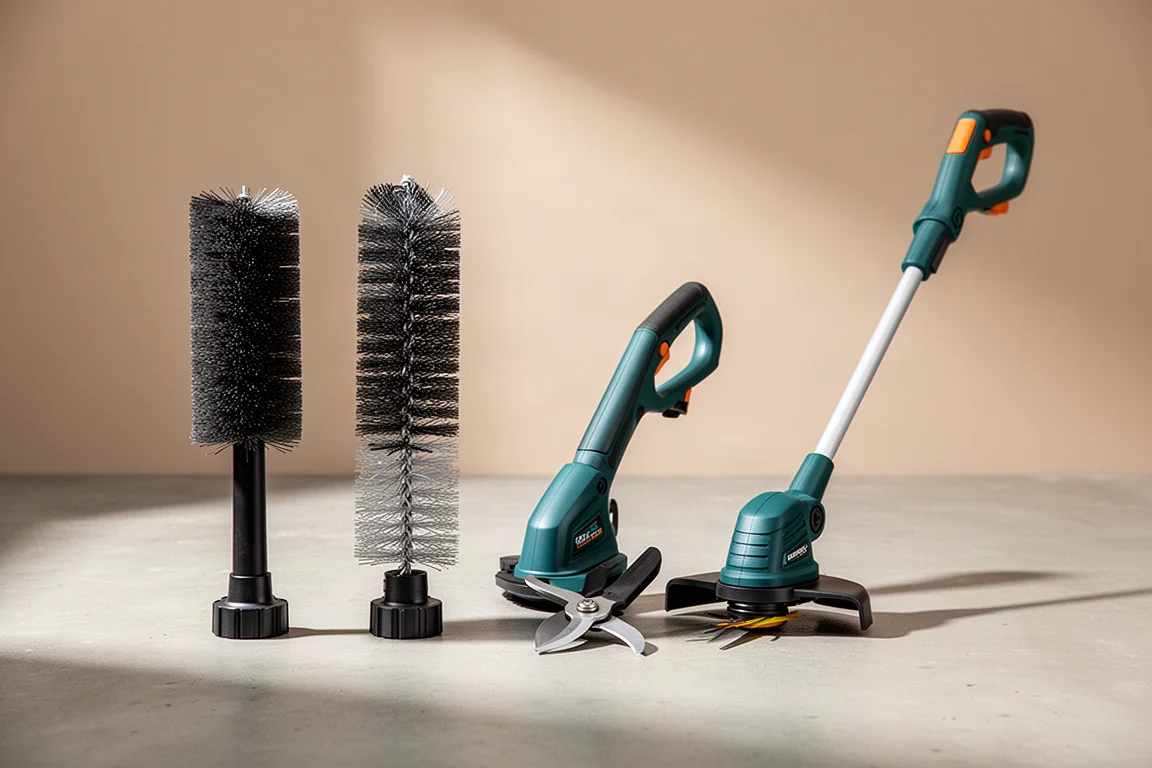
4 Garden Power Tools Worth a Look: Ryobi Patio Cleaners and DeWalt XR Garden Tools
Two Ryobi patio cleaners and two DeWalt XR garden tools put through real springtime work, with honest strengths and trade-offs for each.
Garden Tools
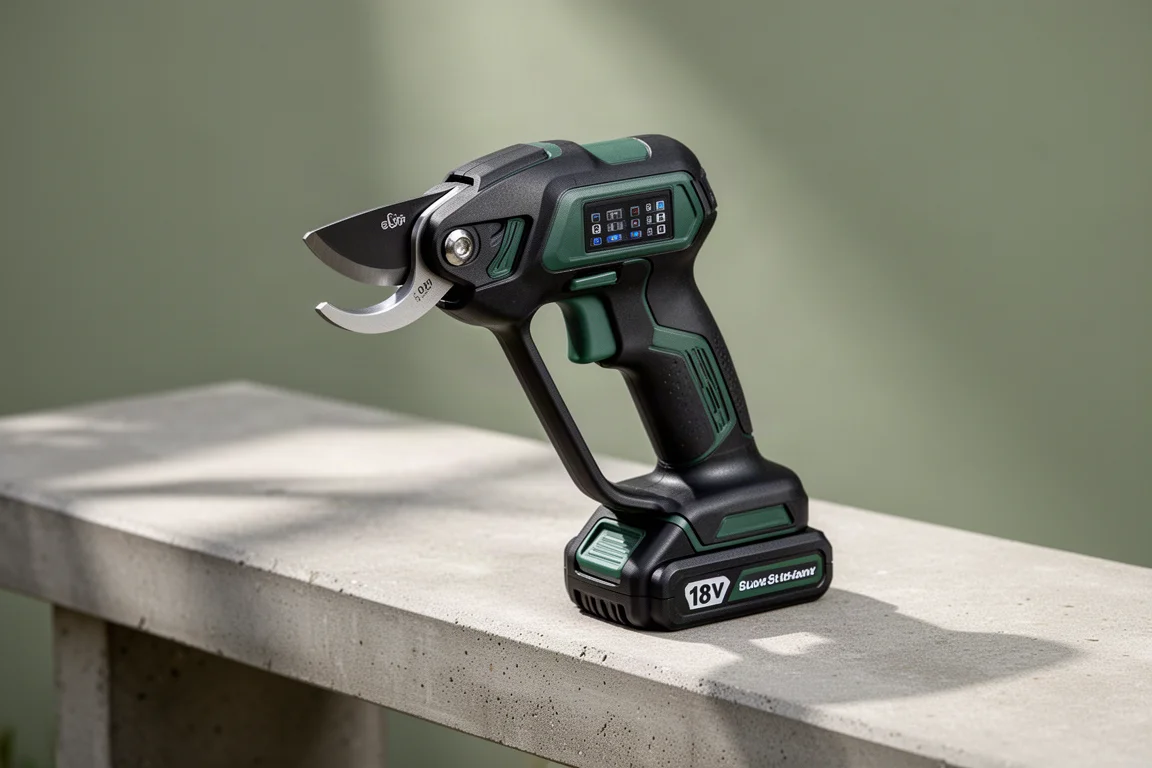
AEG ALP18 Pruning Shears Review: A Cordless Pruner With Real Muscle
The AEG ALP18 cordless pruning shears cut up to 30mm soft wood, keep operation easy on the hands, and add more torque than rival pruners, with a few quirks to know first.