Fountain Pens
Majohn Q1 (Moonman Q1) Fountain Pen Review: Big Ink Capacity, Big Caveats
A close look at the popular Majohn Q1 eyedropper fountain pen: its Tombow Egg-inspired design, generous ink capacity, and the quality control issues that can make it a gamble.
Introduction
The Majohn Q1, also sold as the Moonman Q1, has built up a lot of enthusiasm online. It is a small, very girthy Chinese fountain pen that appears under a couple of different brand names, and after seeing how widely praised it is, we picked one up to see whether the reputation holds up. The short version: the concept is genuinely appealing, but the unit we tested arrived with serious writing problems, and the design expects some setup work from you. Here is the full breakdown.
Who This Product Is For
On paper, this pen has a very clear audience. The oversized, rounded body is designed to help people with arthritis write with a fountain pen without pain or discomfort. That idea traces back to Japanese pens like the Tombow Egg and various jumbo pens, and it is arguably the nicest thing about the Q1: a genuinely thoughtful ergonomic mission. If you struggle with slim pens and want a fat, short, light writer with a huge ink reservoir, this is exactly the form factor to look at.
Design and Build: A Familiar Silhouette
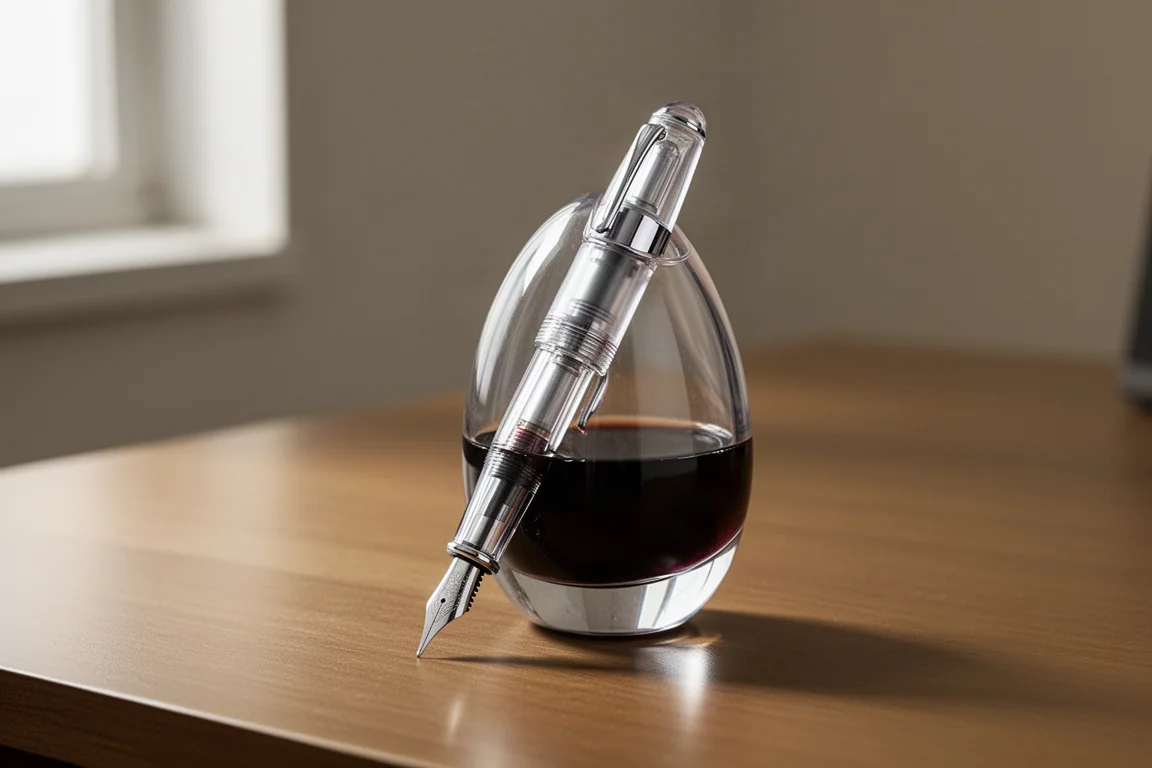
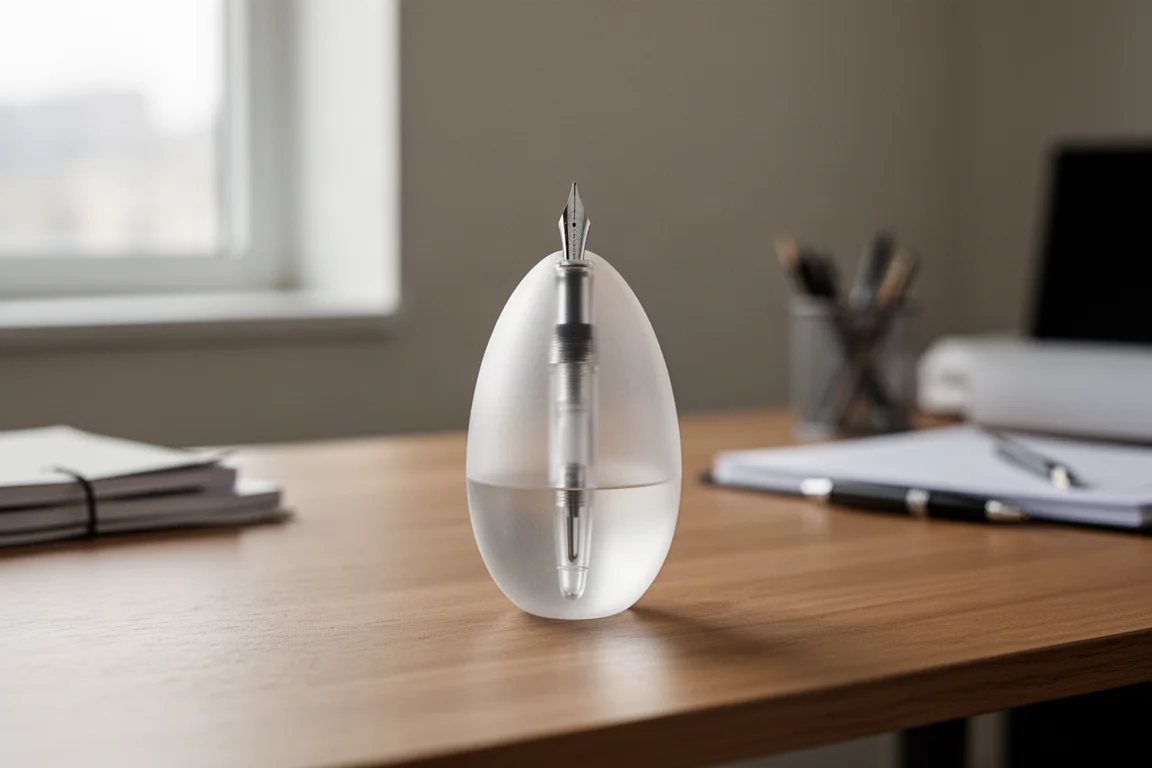
The Q1 is, almost one-to-one, a copy of the old Tombow Egg. The body shape, size, center band ring, and clip all mirror that pen closely; only the section and the nib differ meaningfully. Since original Tombow Eggs are not especially easy to find, that is not necessarily a flaw, but it is worth knowing you are buying an homage rather than an original design.
The pen came in a charming cardboard outer box with quirky printed copy, and the clear demonstrator finish we chose is a fun way to show off the ink inside. The finial looks a bit like a lens, the clip is functional, and the center band is engraved with the brand name. At $19.59 USD ($20.58 with shipping) it is inexpensive by fountain pen standards, and the odd, chunky look has a certain charm.
Ink Capacity and Filling
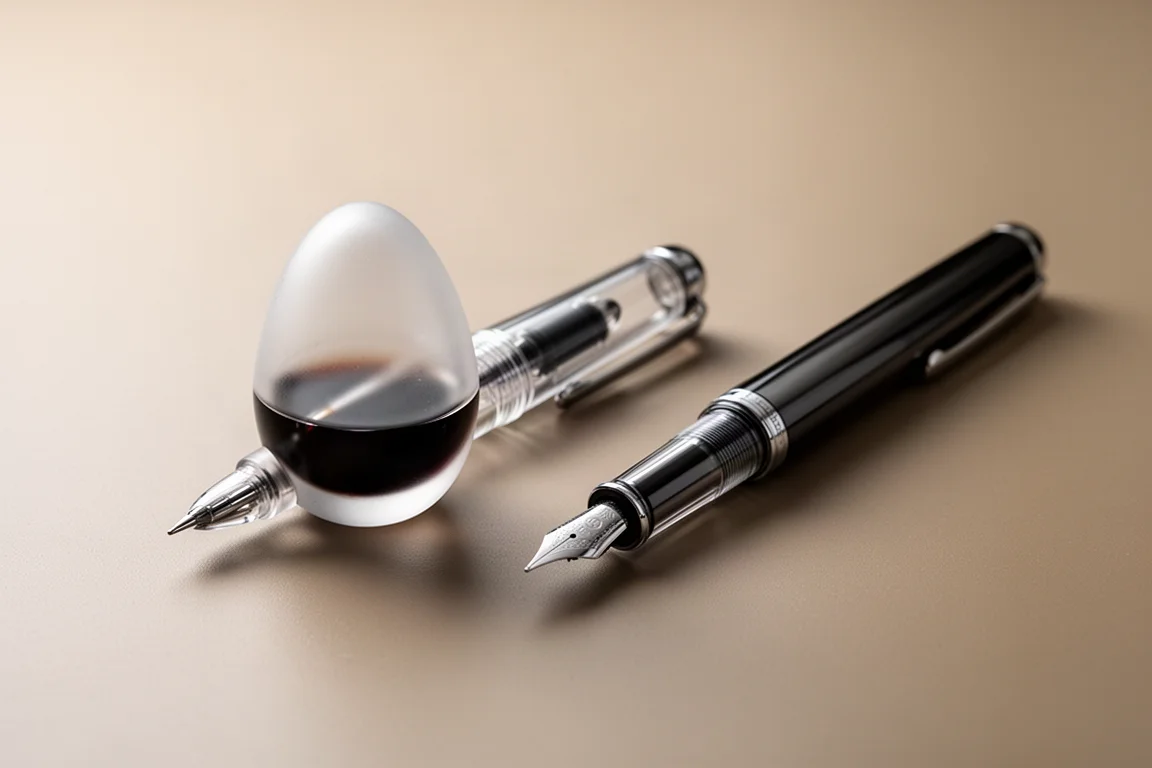
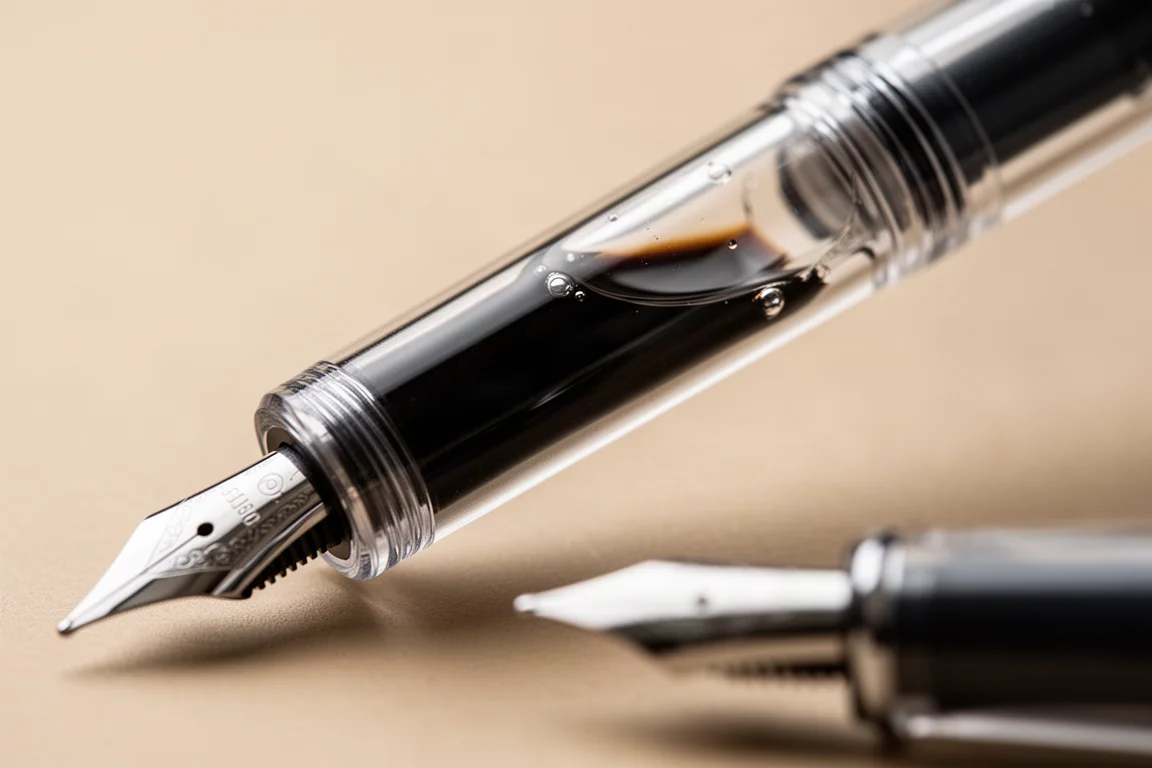
This is a straight eyedropper pen. Despite instruction material covering plunger and vacuum fillers, there is no fancy filling system here: you fill the barrel directly with an eyedropper. The barrel is chunky, roughly the same diameter as a five-milliliter sample vial, so you get multiple milliliters of ink in one fill, which is a genuinely big advantage for long writing sessions.
One important detail: the section threads are exposed, so dipping the pen in a bottle would let ink into the threads, but since this is an eyedropper pen that is largely a non-issue by design.
Writing Performance: The Deal-Breaker
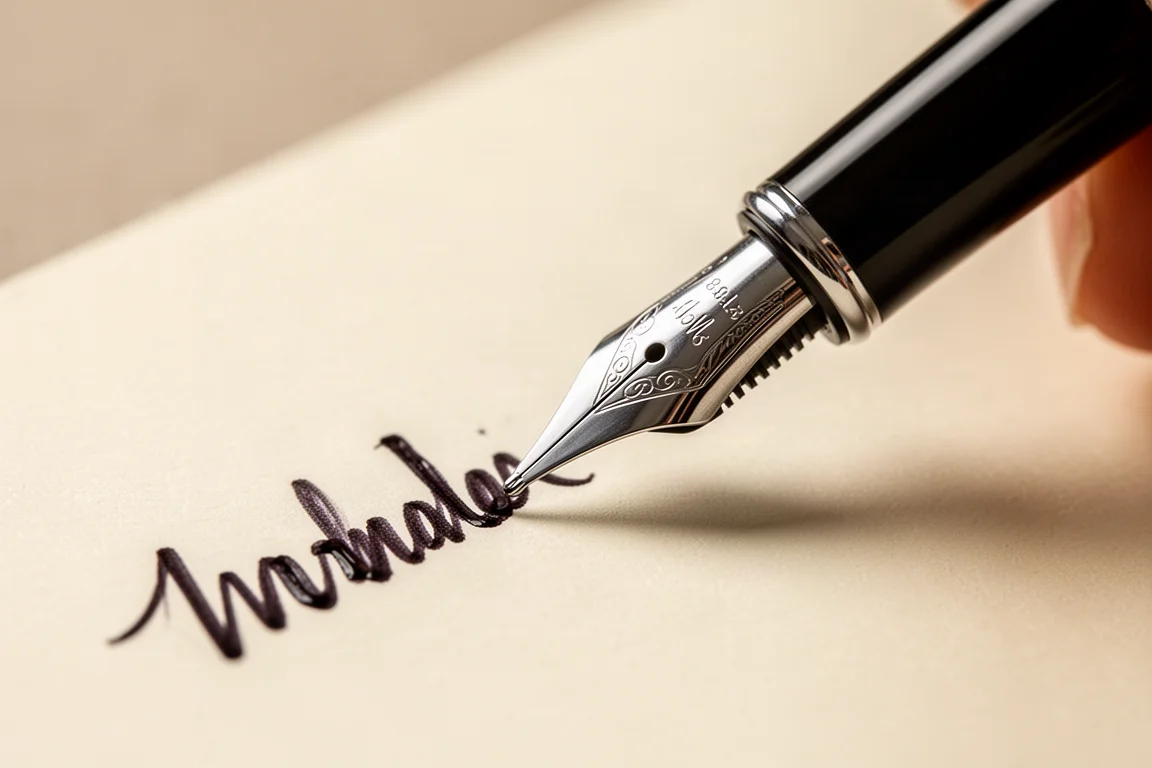
Here is where things fall apart. Out of the box, on Rhodia paper with Platinum Carbon Black and zero pressure, our extra fine nib barely wrote. Most letters were missing because the nib slit is too tight; only when pressure was applied did ink start to flow. Reverse writing was similarly unusable.
There is real potential underneath. The tines are relatively thin near the ends, so with care you can squeeze out some line variation with light pressure, and with a properly opened slit the nib could likely write well. Making a nib wetter is not a difficult fix for someone comfortable tuning pens. But a fountain pen should write under no pressure, and this one did not.
Be aware that quality control is clearly all over the place: other buyers report theirs writing fine, while ours was effectively unusable. Also note that the pen arrives completely unprepared for eyedropper filling. No silicone grease is applied to the threads, and without greasing them yourself, ink will seep out. We learned this the hard way when the cap filled with ink the day after inking it. Some brands pre-grease their eyedroppers; this one expects you to do it.
Things to Consider Before Buying
For extended writing sessions, comfort is subjective. The girth is the point of the design, but the proportions are odd, and it did not feel comfortable over long stretches in our testing. It posts securely, which helps, since unposted it is quite tiny.
Beyond tuning the nib, budget for silicone grease and a small eyedropper if you buy this pen. Neither is expensive, but the pen should not need them out of the box, and leakage is a real risk if you skip the greasing step.
Buying Advice
If you are comfortable doing minor pen tuning, greasing threads, and accept a design borrowed from the Tombow Egg, the Q1’s low price, huge ink capacity, and arthritis-friendly ergonomics can still make it a reasonable gamble. If you expect a pen to write flawlessly out of the box, look elsewhere, because the unit we received simply did not.
Conclusion
The Majohn Q1 has an admirable ergonomic mission, a charming quirky look, and an enormous ink reservoir for around twenty dollars. But our sample barely wrote without pressure and leaked through ungreased threads, which makes it hard to share the online enthusiasm. Buy it only if you are prepared to tune and prep it yourself.
Product link
View more details for Majohn Q1
This product is mentioned in the review. Check the specifications, options, and compatibility before buying.
View more details for Majohn Q1Further reading
Related Reviews
Fountain Pens
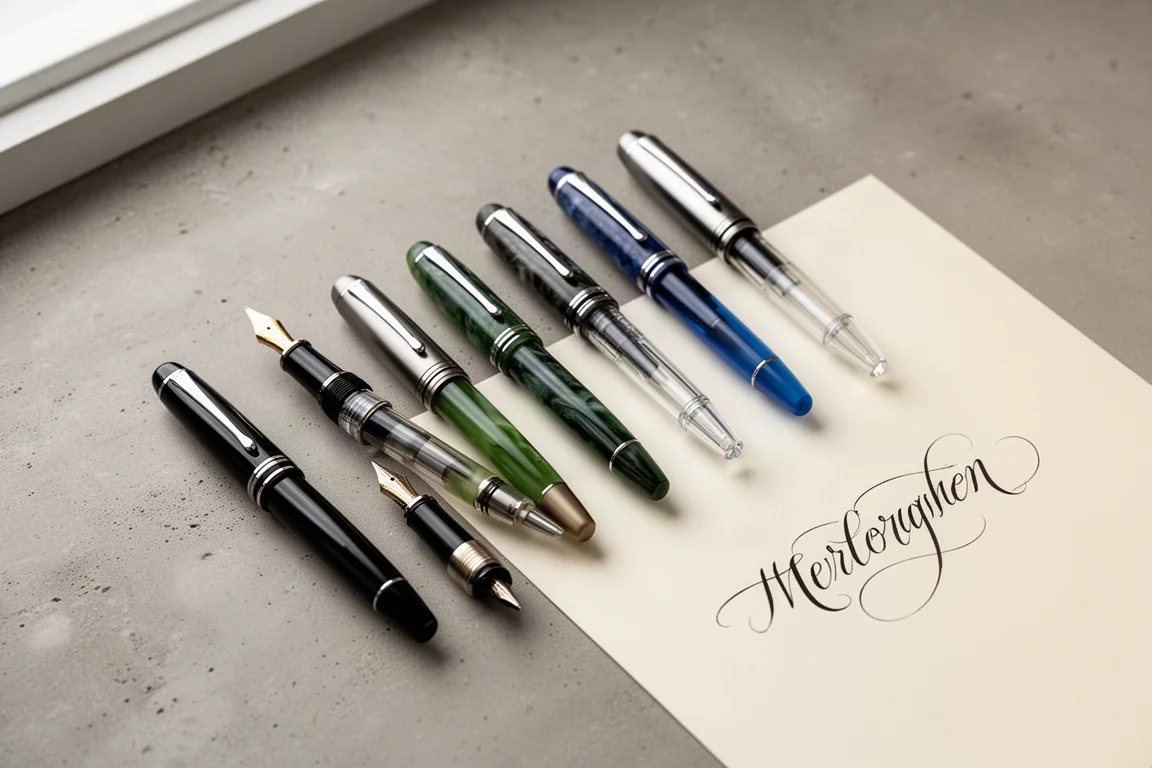
Best Budget Fountain Pens Tested: 9 Pens, One Clear Winner
A hands-on comparison of nine affordable fountain pens for everyday writing, calligraphy, and sketching, with a clear standout for flexible nib fans.
Fountain Pens
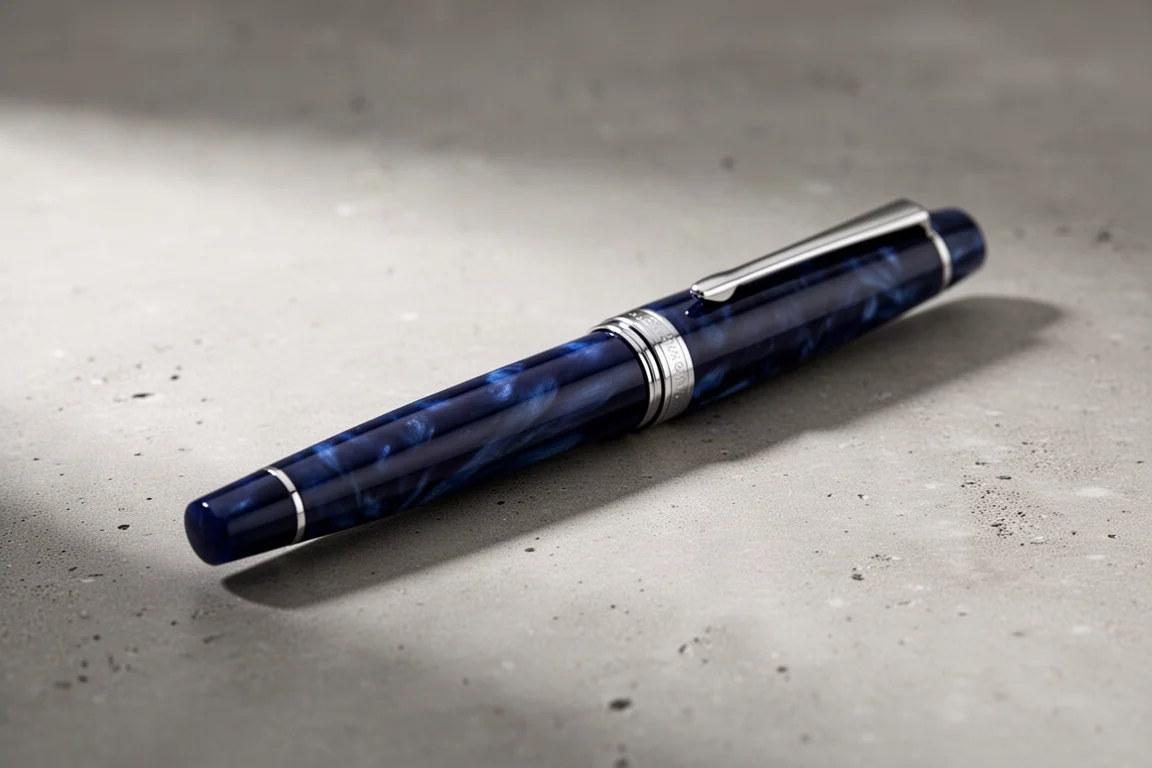
Aurora Optima Review: An Italian Piston Filler That Punches Above Its Price
A 14k gold nib, ebonite feed, and a beautifully deep oraloid body make the Aurora Optima one of the most rewarding piston fillers around.
Fountain Pens
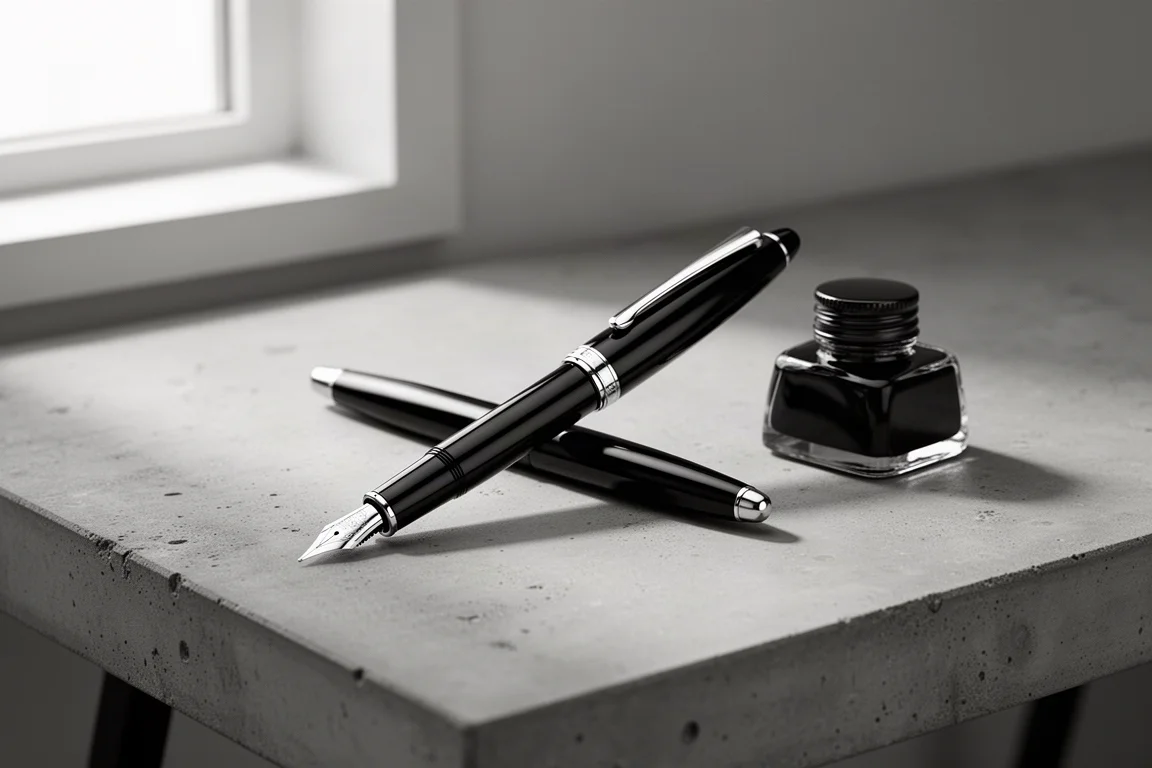
Cross Bailey Light Review: The Entry-Level Fountain Pen Worth Keeping at the Office
A plastic-bodied Cross with a metal clip, snap cap, and famously smooth extra fine steel nib. Around $15, available almost everywhere, and easy to recommend.