Fountain Pens
Majohn C4 and Majohn P140: Two Budget Fountain Pens and the Reality of Fixing a Dry Nib
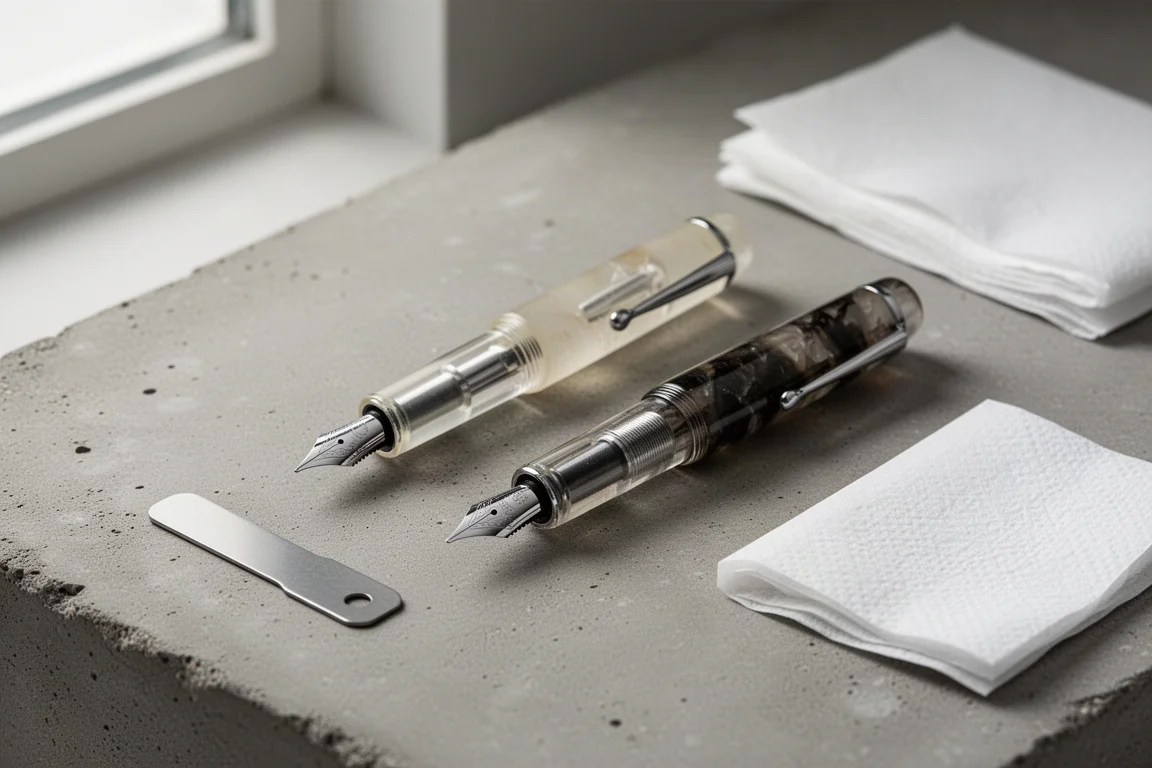
Both Majohn pens write dry out of the box. We look at what each pen offers and test whether a cheap nib flossing tool can actually open up the flow.
Introduction
Majohn has built a solid reputation for offering piston fillers and eyedropper-style pens at prices that make experimenting painless. Two of its models, the C4 and the P140, keep coming up in conversation for the same reason: they are affordable, well-liked, and, in many examples, remarkably dry writers.
Dry nibs are frustrating but not hopeless. This post looks at both pens and walks through a real-world attempt to open up a dry nib, first with an inexpensive nib flossing tool and then with a simple manual technique.
Why Dry Nibs Happen
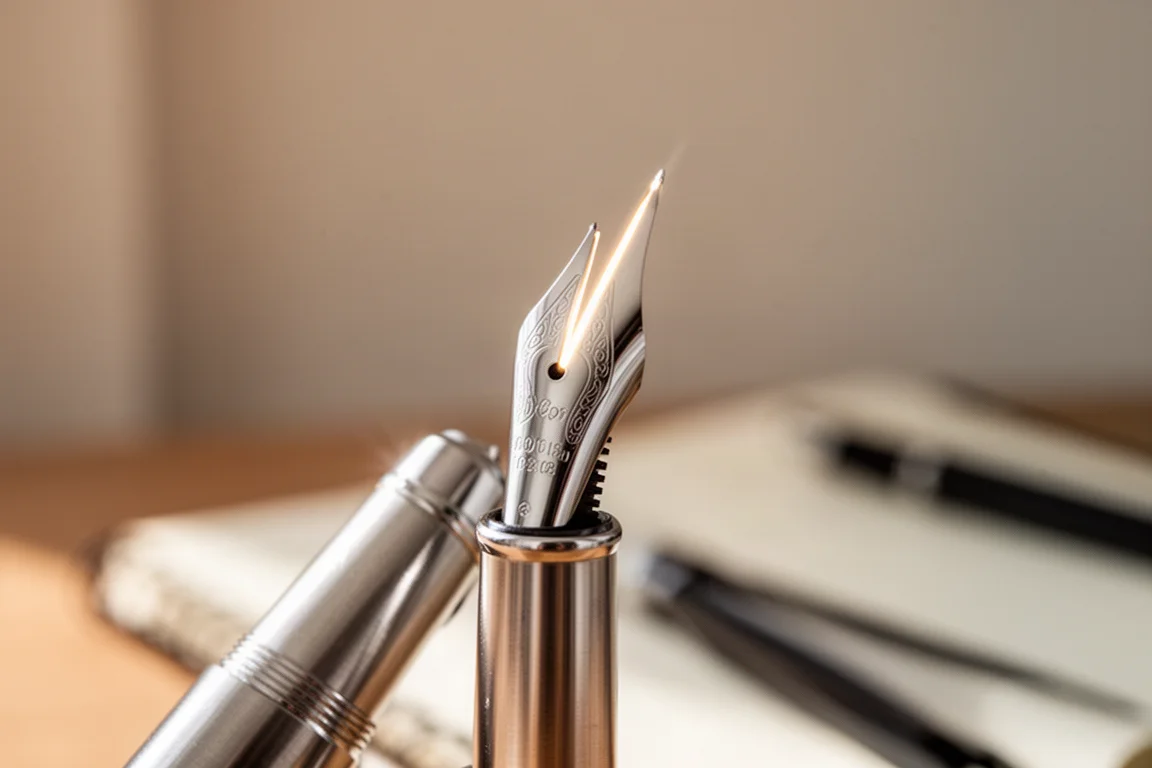
A nib writes dry when the tine slit is too tight for ink to flow freely through the feed. The slit should carry light all the way toward the tips of the tines; when it stops short, the pen tends to starve for ink unless you press down. Some writers chase a wetter flow with brass shims or spark plug adjustment feeler gauges, which come in similar thicknesses around 0.002 of an inch.
Paper matters here too. Very smooth, coated papers like Rhodia can exaggerate how dry a nib feels, while a smoother, less coated notebook can give a fairer reading.
Majohn C4
The C4 is a piston-filled pen with a reputation for running dry. In its stock state, it needs noticeable pressure on the page to put down a satisfying line, which is exactly the kind of behaviour that sends owners looking for a fix. It is a pen worth liking on its own merits, but if you expect generous ink flow without tuning, temper that expectation before buying.
Majohn P140
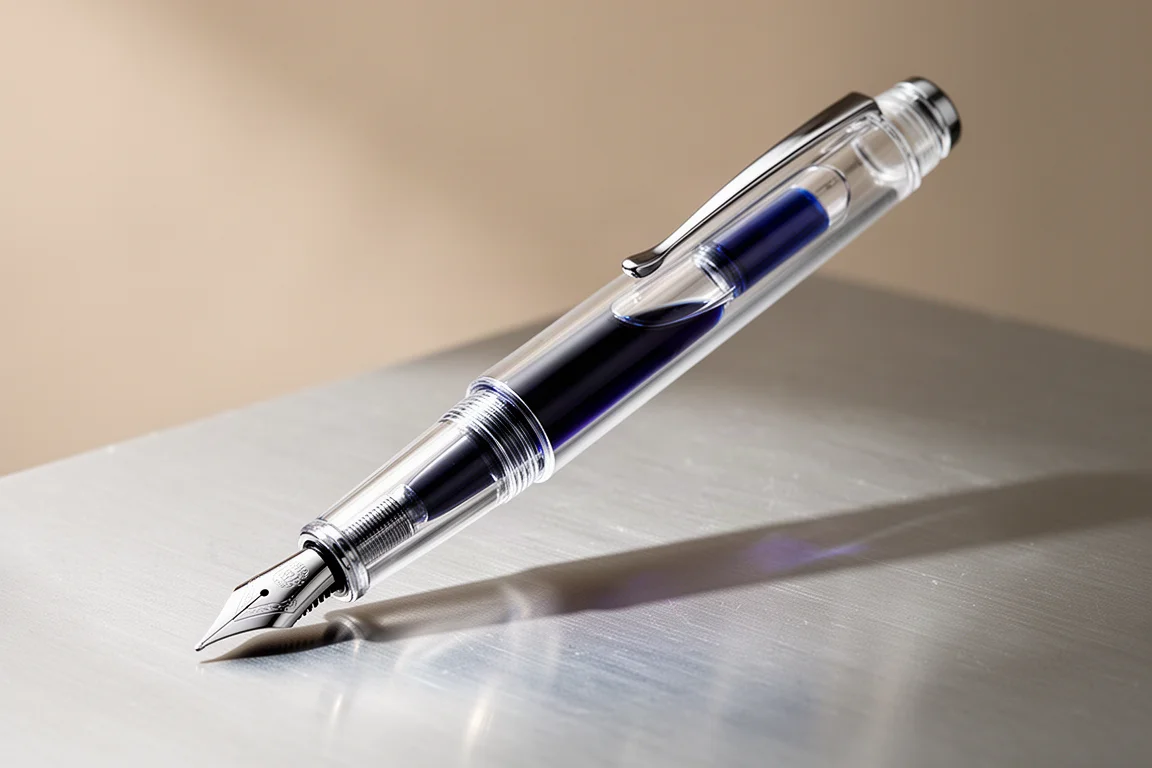
The P140 is the more comfortable platform for experimentation. It is a piston-filled pen with a number 8-sized nib, which means there is no secondary ink chamber or shut-off valve complicating the ink path. The nib unit also pulls out easily with a straight, gentle tug, making cleaning and adjustment far less intimidating.
Out of the box it is dry: with no pressure the line is faint, but with light pressure it lays down exactly the kind of line most people actually want. The gap between those two states is the problem, and it is fixable.
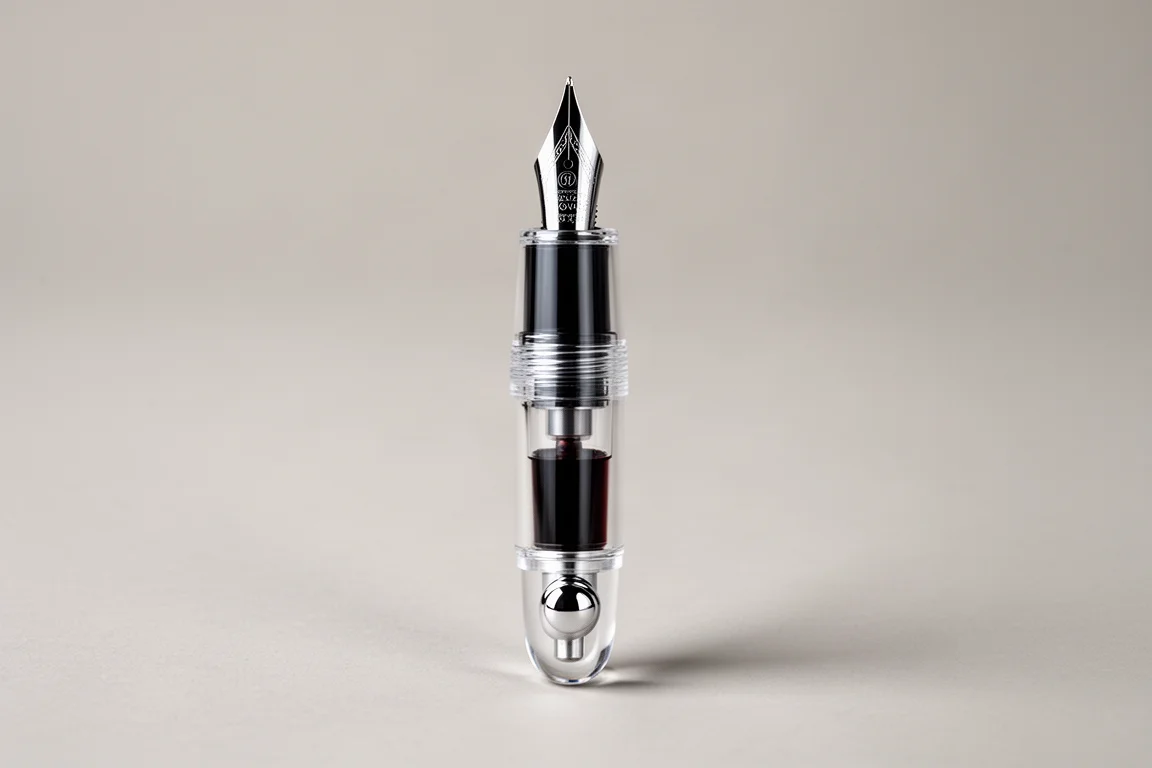
Removing the Nib the Safe Way
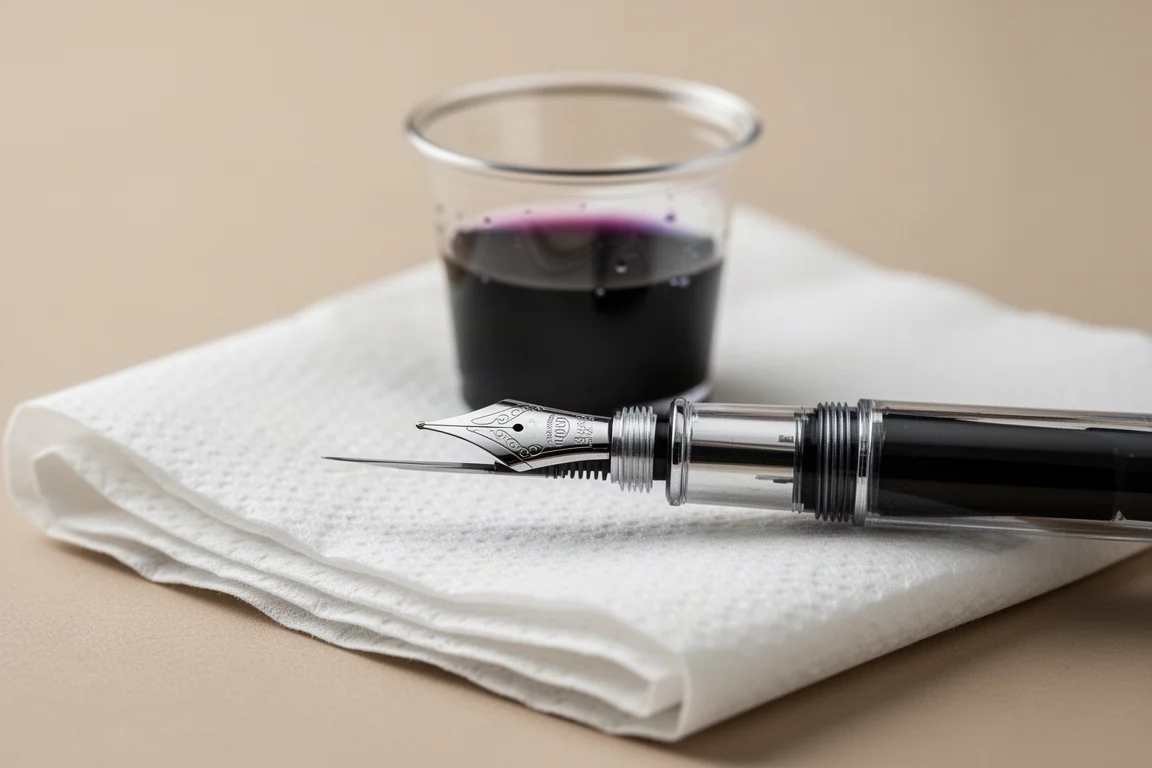
Before any adjustment, the nib should come out of the pen. Rest the nib in the crook of a finger with the thumb on the feed and pull straight out. Do not twist. Twisting is the fastest way to bend the tines out of alignment. Keep the section with some ink in it, and gently wipe only the nib itself.
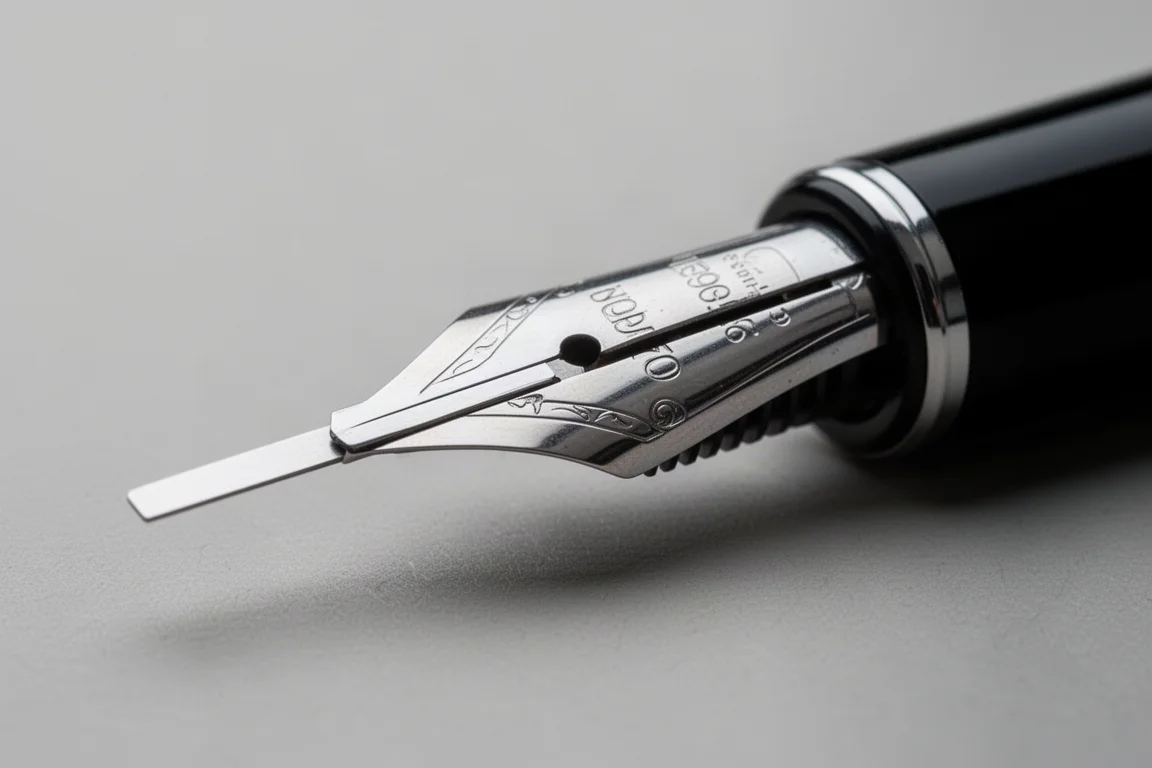
Testing the Tiny Tool
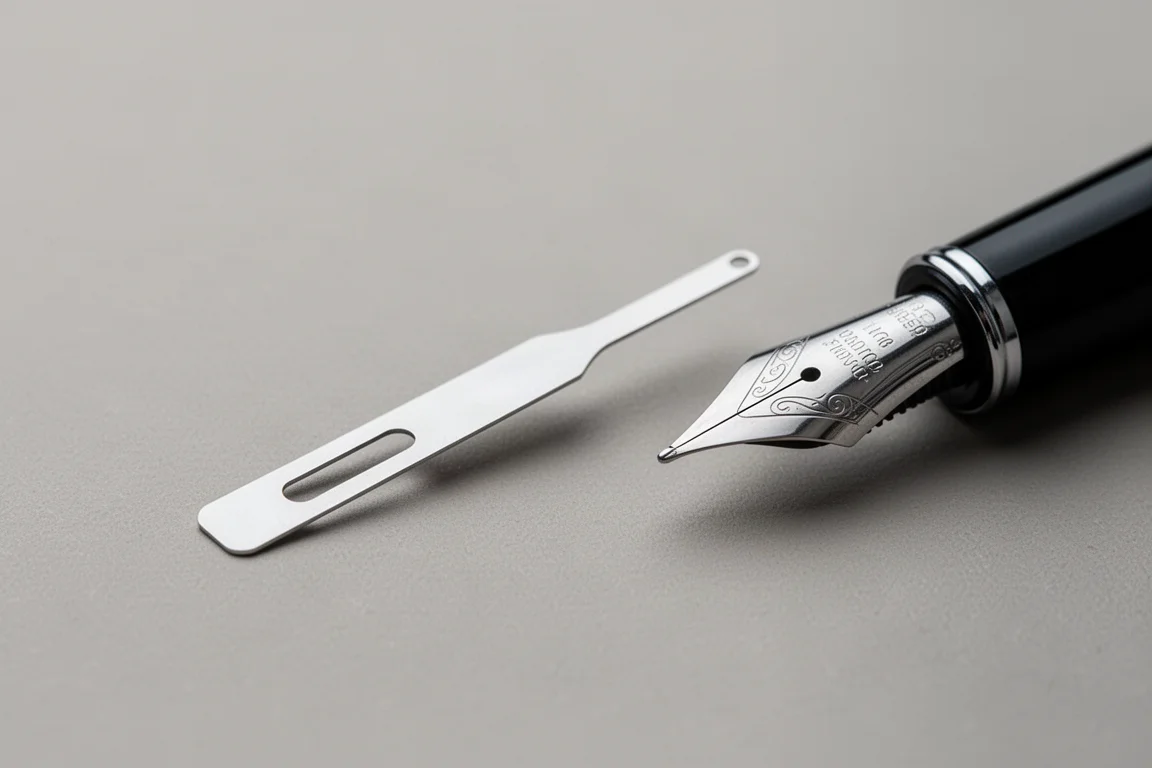
A small nib flossing tool sold through AliExpress, priced under 10 Canadian dollars including shipping, promises an easy path to a wetter nib. The method is to slip the thin metal shim into the tine slit, ideally from the breather hole end, and pull it through several times without scratching the nib or feed.
Held up to the light, the slit did open somewhat after repeated passes, and the shim slid through more easily as the work progressed. As pure flossing, removing accumulated paper fibre from the slit, the tool has genuine value and is gentle enough to use occasionally on any pen. As a flow-fixing device, it underdelivered: even after two rounds of flossing plus a careful gentle twist to spread pressure across the tines, the nib was slightly wetter but still too dry to write well without pressure.
A Gentler Alternative
The fix that actually worked came down to careful hand pressure. Working from the shoulders of the nib with slow, even, minimal pressure, the tines can be coaxed open a little at a time, checking progress against the light between every pass. Even pressure left and right is essential so the tines stay aligned.
The one failure mode to avoid at all costs is lifting the tines away from the feed. If a gap opens between nib and feed, capillary action breaks and the pen will write briefly, then stop repeatedly as ink has to be forced into the feed. On a modestly priced pen this kind of experiment is reasonable; on an expensive pen, leave it to a professional.
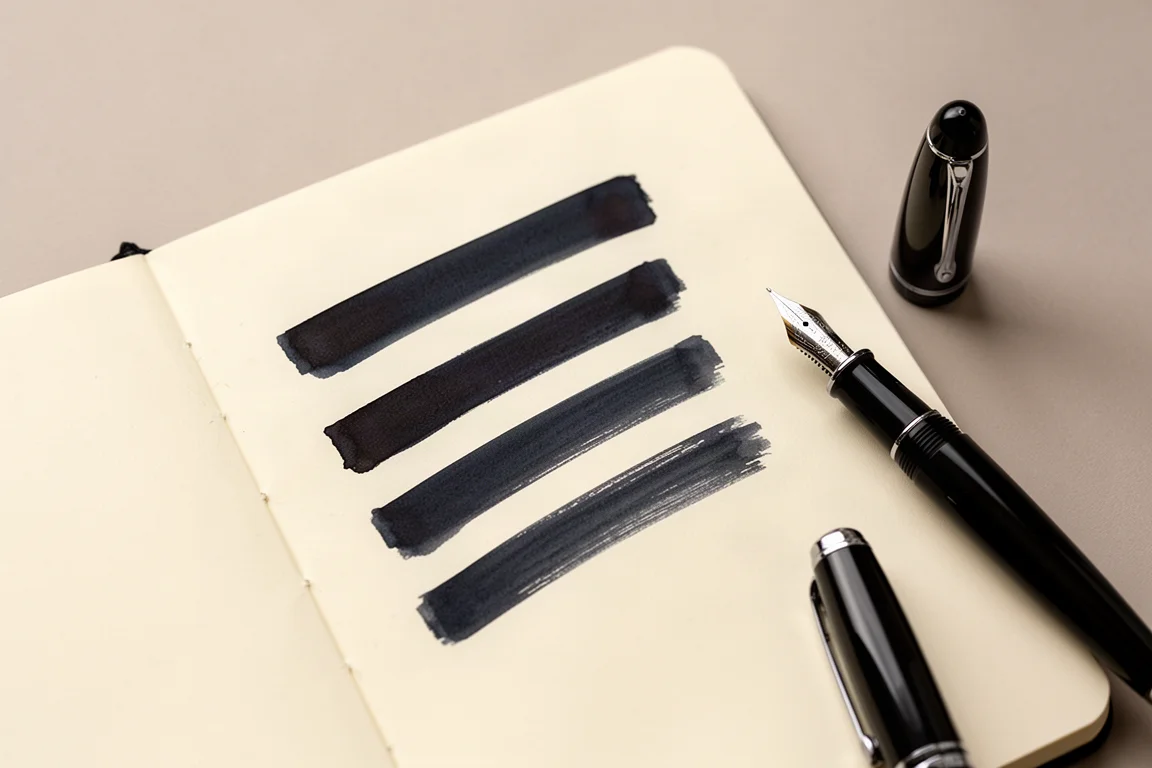
After a final check for nib-to-feed contact and a gentle shake to start the flow, the P140 wrote with a rich, even line under no pressure at all. No gusher, no skipping, just the flow the pen should have had from the start.
Buying Advice
The Majohn C4 and P140 are both appealing budget piston fillers, but treat both as starting points rather than finished products. If you enjoy light nib maintenance, the P140’s removable nib unit and simple ink path make it the easier project. If you would rather not touch a nib, buy from a seller known for well-adjusted pens or plan on a professional tuning.
The flossing tool is worth a look only as a cleaning accessory. For genuinely dry nibs, patient manual adjustment is the method that delivered.
Conclusion
Dry nibs are a solvable problem, and neither Majohn pen is disqualified by one. With a straight nib pull, a careful eye, and gentle pressure at the tine shoulders, the P140 went from a press-dependent dry writer to a comfortable, generous one. Just keep expectations for cheap shim tools modest: they floss well, but they do not tune.
Further reading
Related Reviews
Fountain Pens
Best Budget Fountain Pens Tested: 9 Pens, One Clear Winner
A hands-on comparison of nine affordable fountain pens for everyday writing, calligraphy, and sketching, with a clear standout for flexible nib fans.
Fountain Pens
Aurora Optima Review: An Italian Piston Filler That Punches Above Its Price
A 14k gold nib, ebonite feed, and a beautifully deep oraloid body make the Aurora Optima one of the most rewarding piston fillers around.
Fountain Pens
Cross Bailey Light Review: The Entry-Level Fountain Pen Worth Keeping at the Office
A plastic-bodied Cross with a metal clip, snap cap, and famously smooth extra fine steel nib. Around $15, available almost everywhere, and easy to recommend.