Cookware
Made In vs Le Creuset 5.5 Quart Dutch Oven: Which One Belongs in Your Kitchen
Two French-made enameled cast iron Dutch ovens go head to head on weight, lid knobs, handles, self-basting design, and heat retention to help you pick the right one.
Introduction
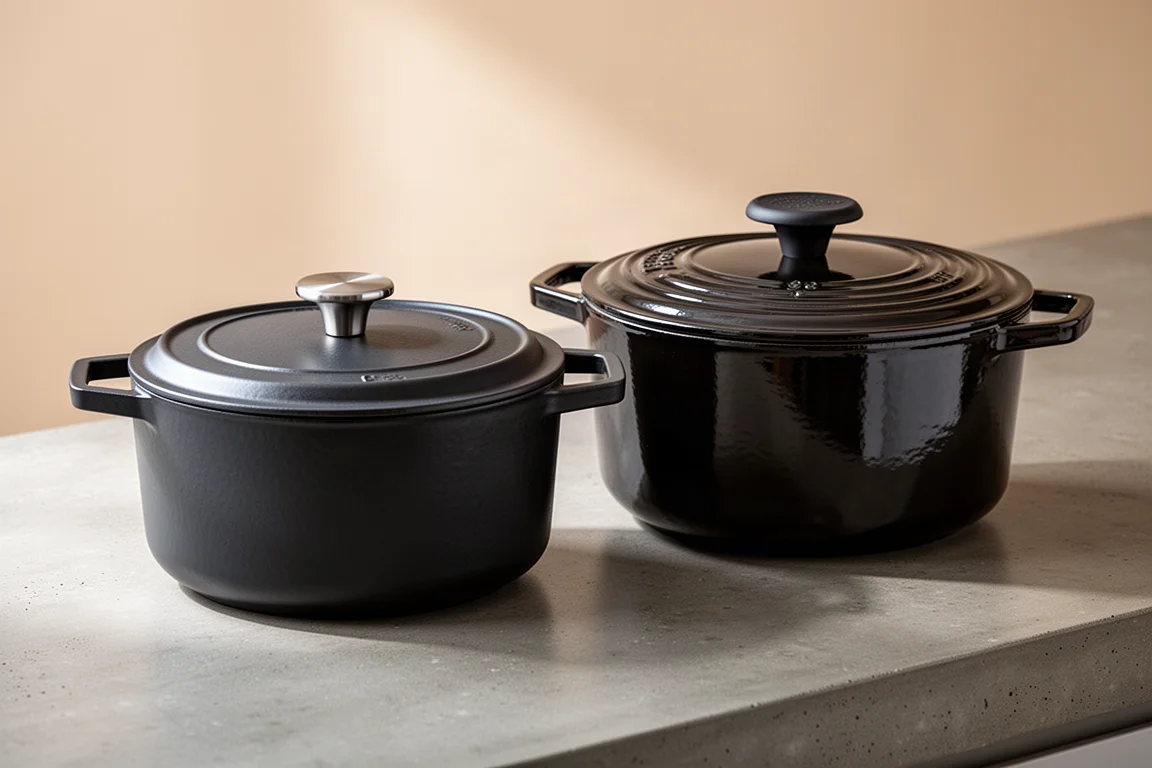
Few pieces of cookware divide opinion like the enameled cast iron Dutch oven, and two names dominate the conversation: Made In and Le Creuset. Both of these 5.5 quart options are made in France, both are built from enameled cast iron, and both cook beautifully. So which one deserves a spot on your stove? The differences come down to weight, knob design, handle geometry, and a few clever lid details that genuinely affect how food turns out.
What They Share
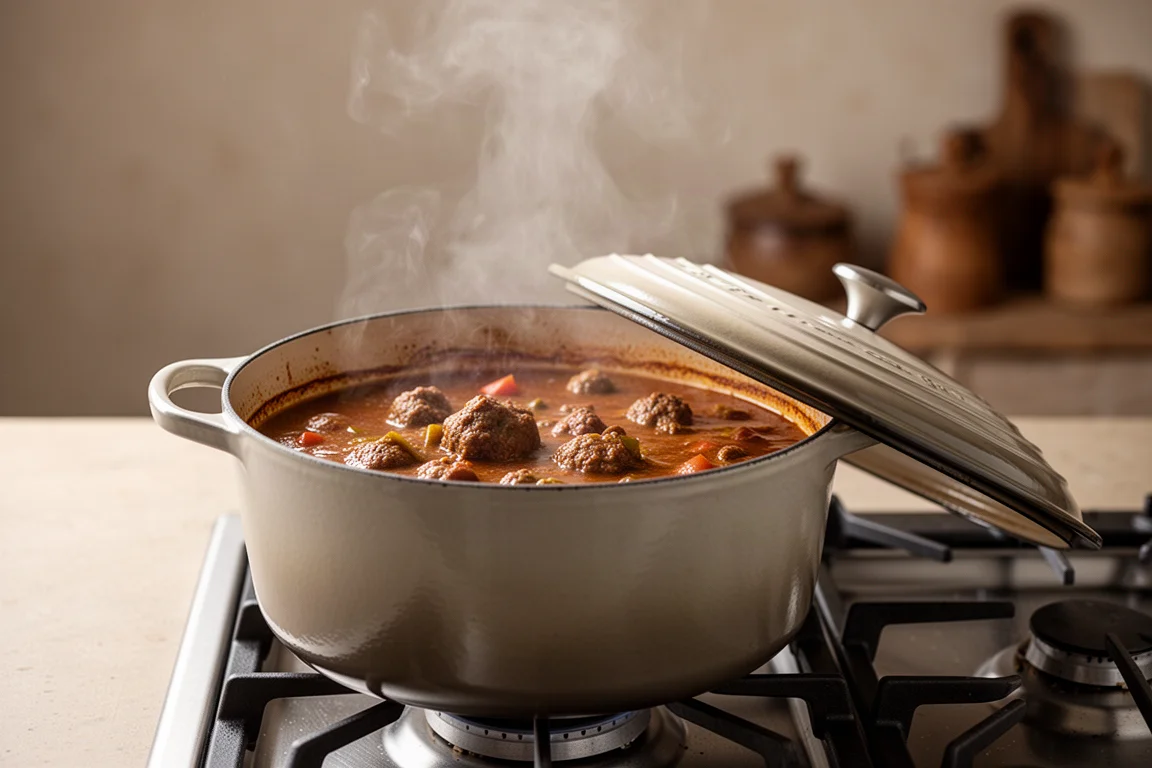
Both Dutch ovens behave the way good cast iron should. They heat up slowly like most cast iron, but once hot they heat evenly and retain that heat very well. That makes both ideal for long-simmered stews, sauces, soups, chili, and similar slow-cooked dishes. Both are made in France with high quality materials, both have a beautiful exterior finish, and both come in a generous range of color options. Realistically, you cannot go wrong with either.
Weight: Heavier vs Lighter
The Made In Dutch oven weighs a little over 13 pounds, while the Le Creuset comes in at about 11.5 pounds. That two-pound difference sounds minor on paper, but it is very noticeable when you are lifting a full pot of stew in and out of the oven or washing up at the sink.
The flip side is heat retention. The Made In’s heavier construction holds heat slightly better, which helps with slow braises and keeping food at temperature at the table.
Lid Knobs: Stainless Steel vs Plastic
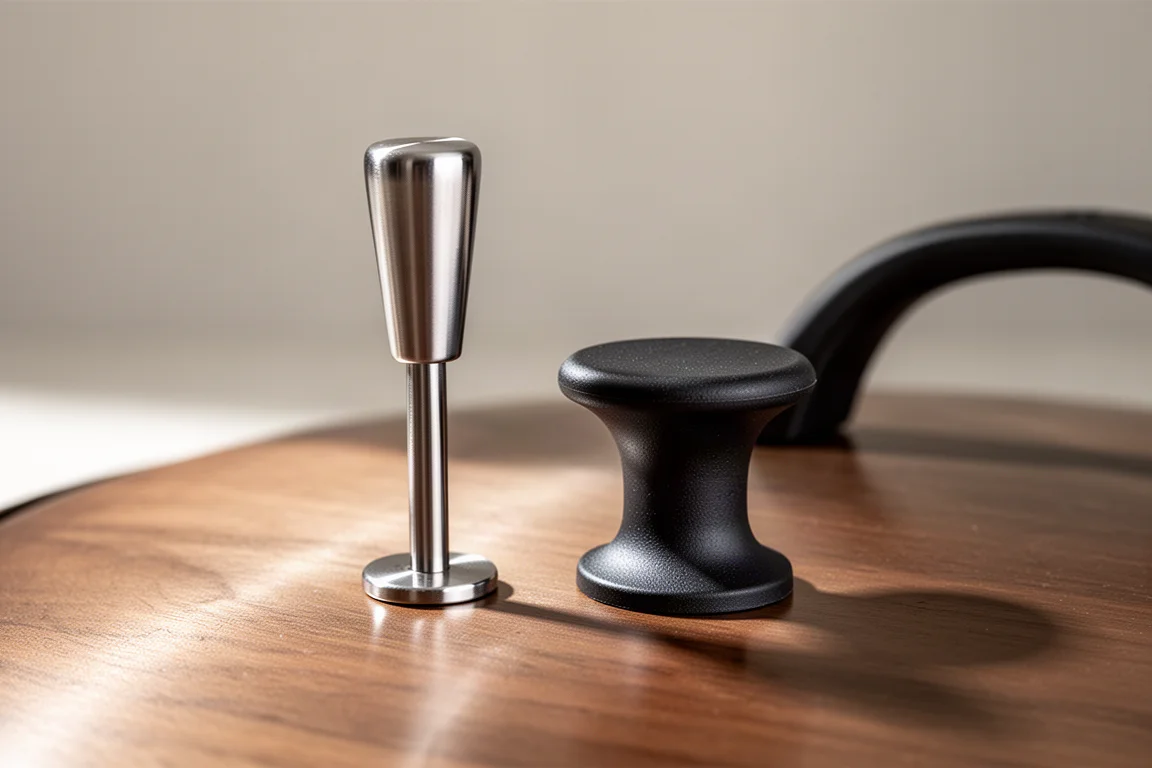
The knobs reveal one of the most practical differences between the two. Made In uses large stainless steel knobs with a wide top and a long stem, so you can easily fit your hand underneath and your knuckles will not touch the lid, which matters because lids get very hot.
Le Creuset uses plastic knobs with a much wider stem. They are easy to grab, but getting a grip without your hand touching the lid is harder, so you need to be careful if the lid is hot and you are not wearing an oven mitt.
The material choice also affects oven safety. The Le Creuset plastic knob is oven safe only up to 480°F, while the Made In stainless steel knob is oven safe up to 580°F. However, the Le Creuset plastic knob stays cooler on the stovetop, which is a genuine comfort advantage during stovetop cooking.
Side Handles: Grip Space Matters
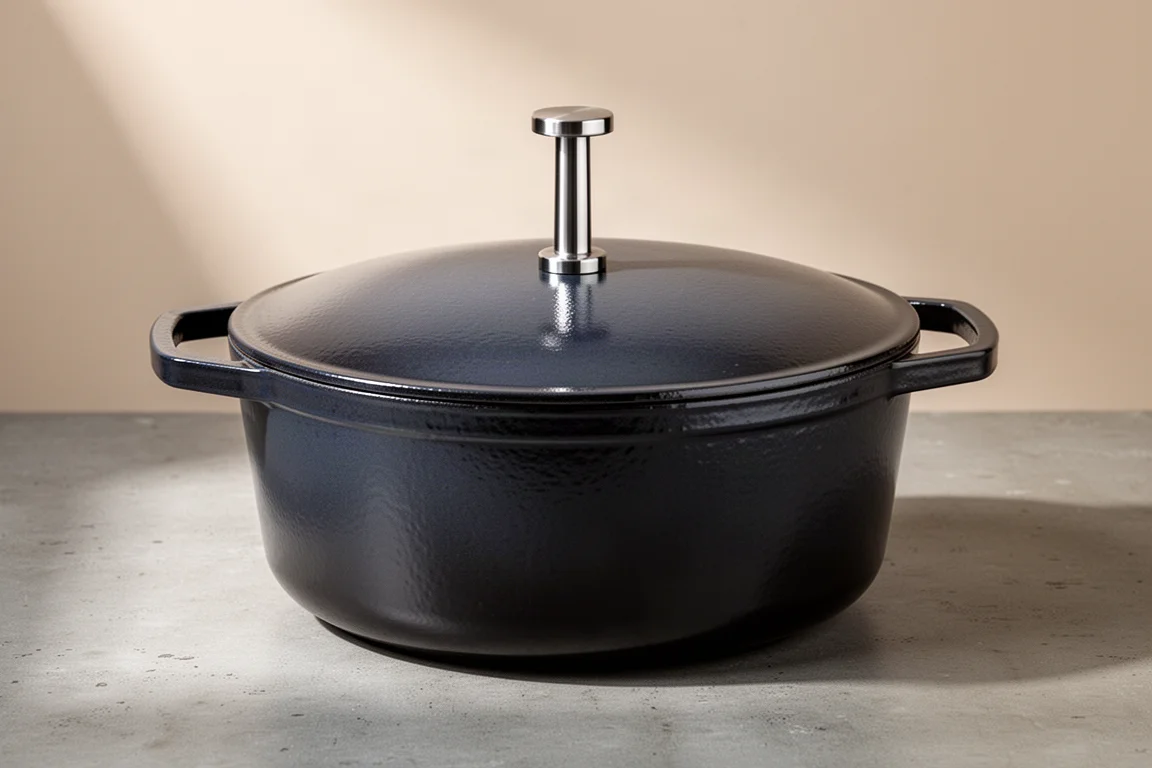
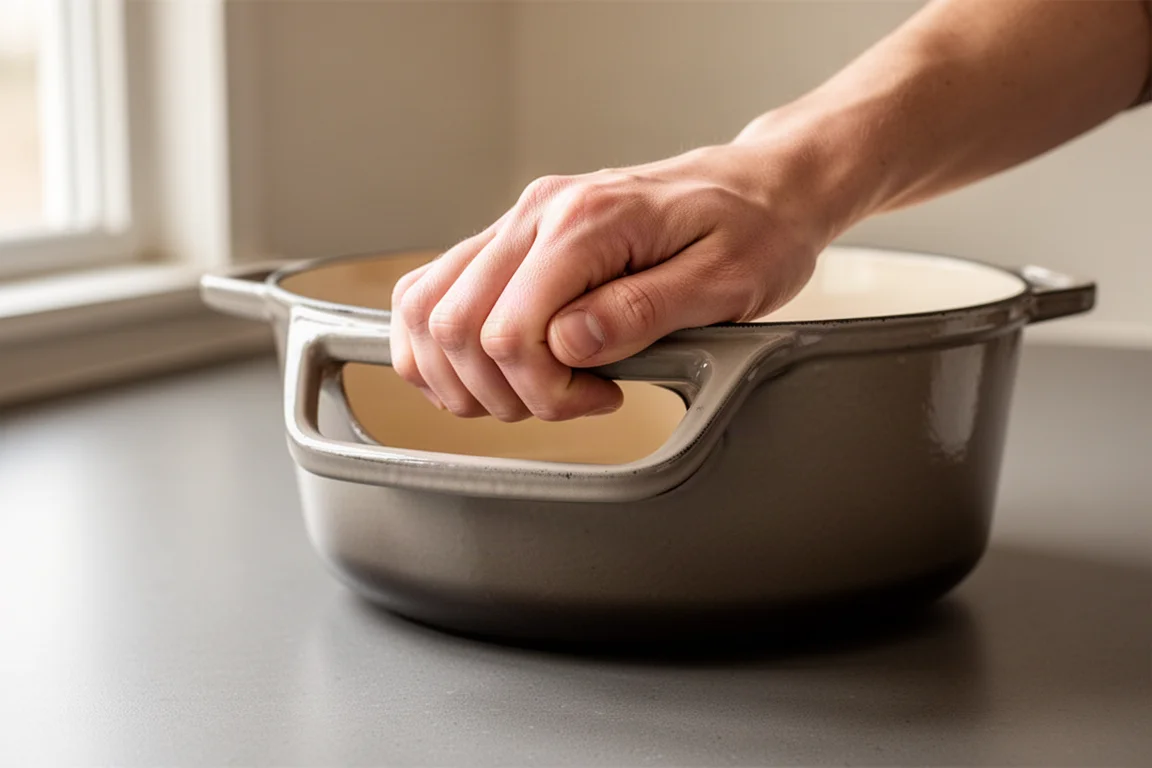
Both pots have large side handles that are easy to grip, but the opening on the Made In is a little smaller, so your fingers sit more snugly. With the Le Creuset, there is much more room and plenty to grab onto. If you cook with thick oven mitts or have larger hands, the extra clearance on the Le Creuset is worth noting.
Lid Design: Flat vs Ridged, and Self-Basting Dimples
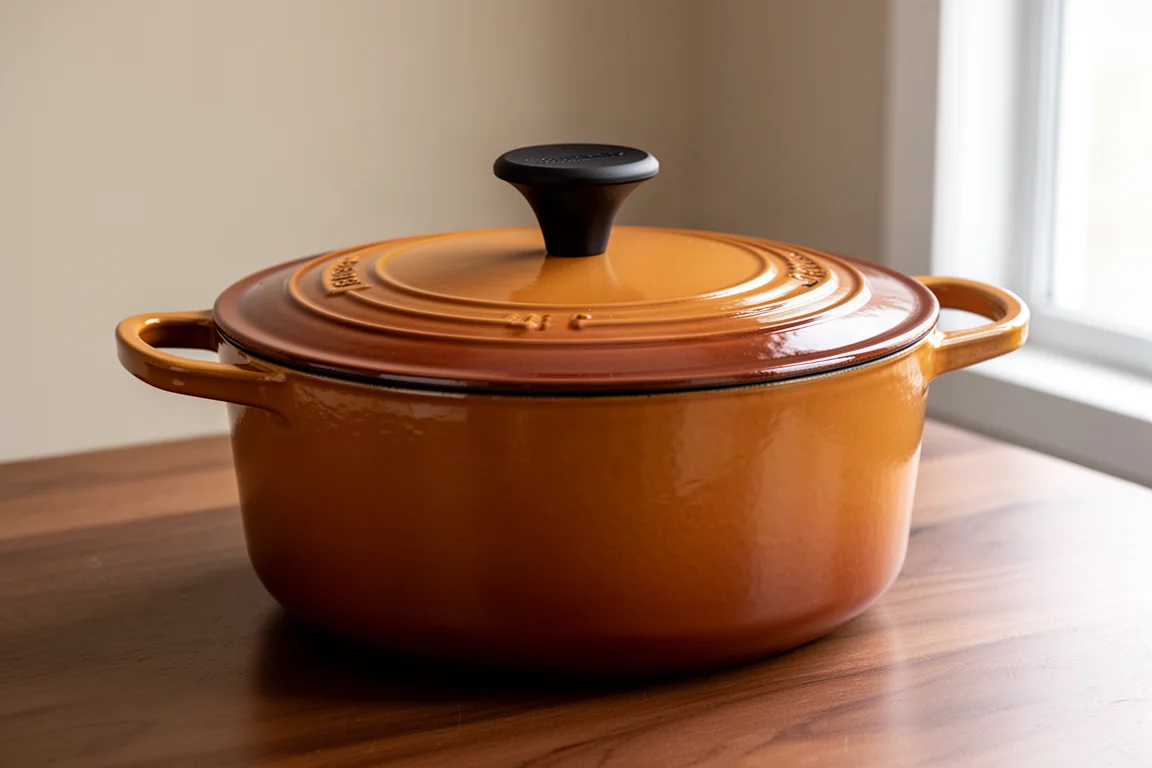
Le Creuset lids have ridges around the top; Made In lids are flat. The ridged design lets you rest a spoon on the lid without it sliding off. Made In’s flat lid will not hold a spoon. It is a minor point, but it is a real advantage for Le Creuset in day-to-day cooking.
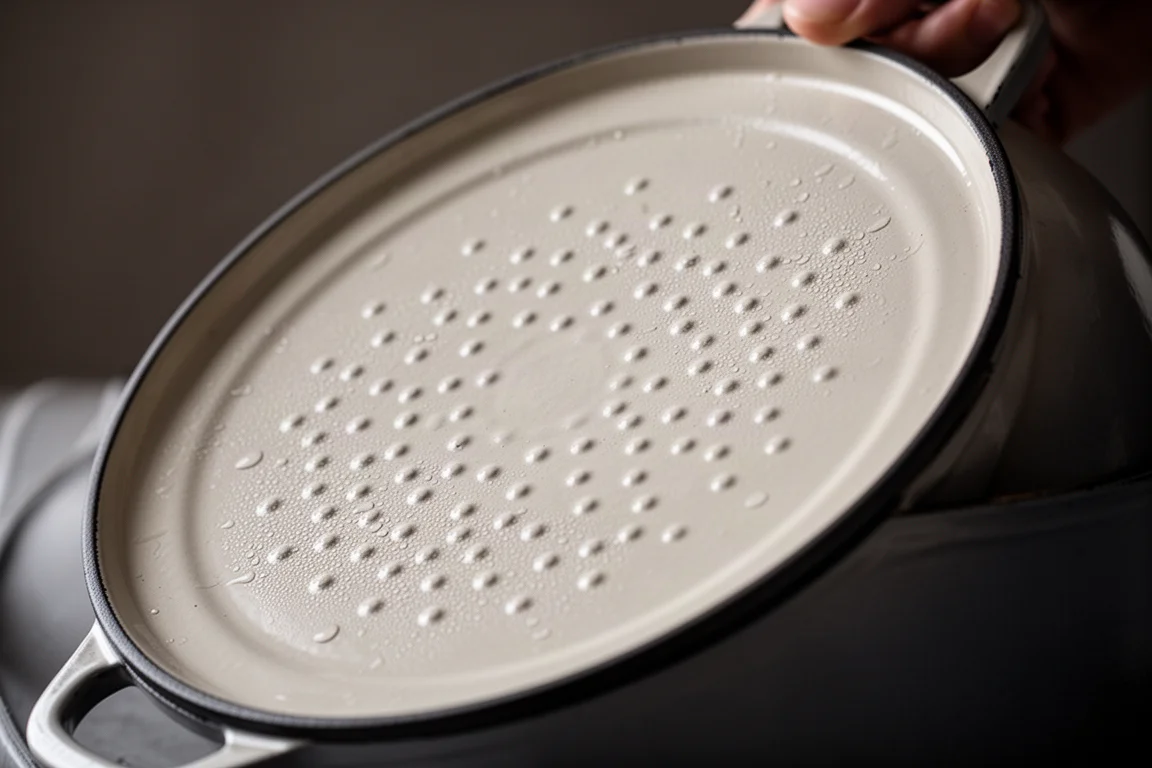
The bigger difference is on the underside. Made In lids have dimples that Le Creuset lids do not, and testing shows the dimples genuinely collect more moisture and distribute it more evenly. Steam rises, hits the lid, collects around the dimples, and rains back evenly over the pot. On the Le Creuset, moisture still collects but tends to run to the sides, dripping back around the edges rather than across the whole pot.
Which One Should You Buy
If you want the lighter pot for easier lifting, the Le Creuset is the better bet. If you do not mind the extra weight and you value the perks of the stainless steel knob, the higher oven-safe temperature, the self-basting dimpled lid, and slightly better heat retention, the Made In is the stronger choice.
Conclusion
Both are excellent, high quality Dutch ovens made in France with beautiful finishes and plenty of color options. The right pick comes down to priorities: lighter weight and stovetop-cool knobs with Le Creuset, or heavier construction, a 580°F-rated steel knob, and better moisture distribution with Made In. You genuinely cannot go wrong with either.
Further reading
Related Reviews
Cookware
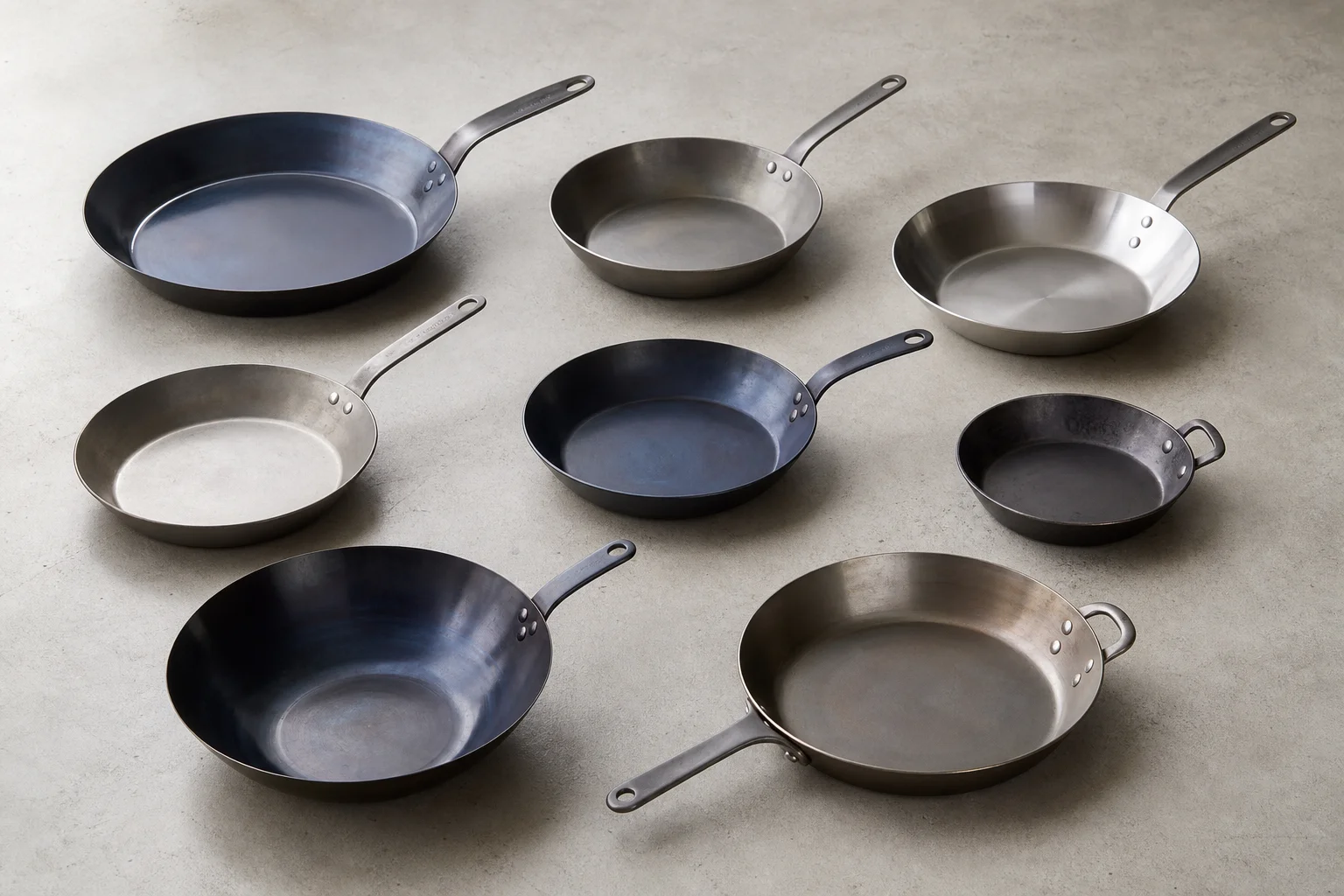
Best Carbon Steel Pans Tested: Which Brands Deliver Real Value
We tested eight popular carbon steel pans with controlled durability, heat, and cooking tests. Here's which ones perform best and which to avoid.
Cookware
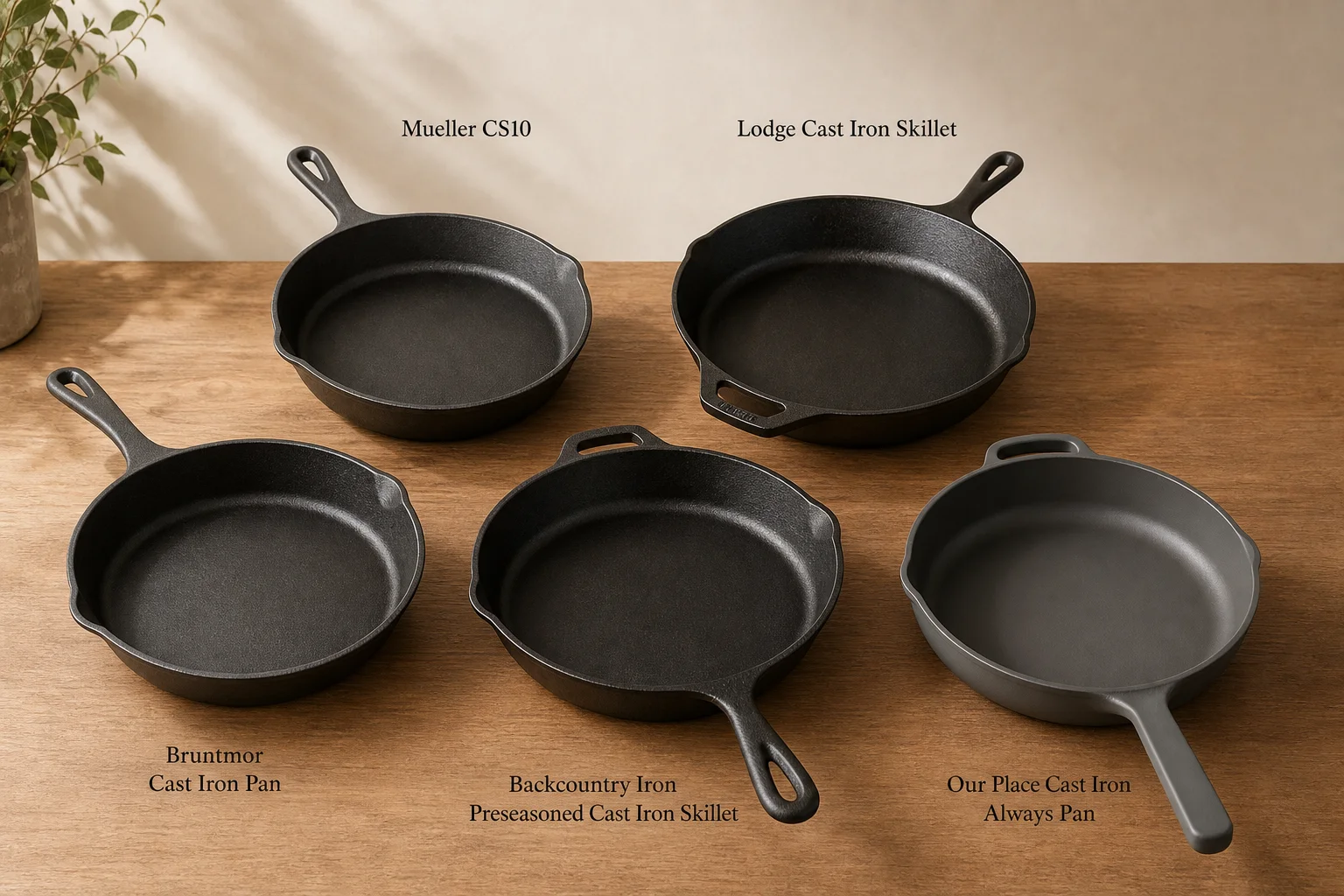
Best Cast Iron Pans 2026: Five Options from Budget to Premium
A practical breakdown of five cast iron skillets, from affordable Mueller to premium Our Place, with clear strengths and trade-offs for different cooking needs.
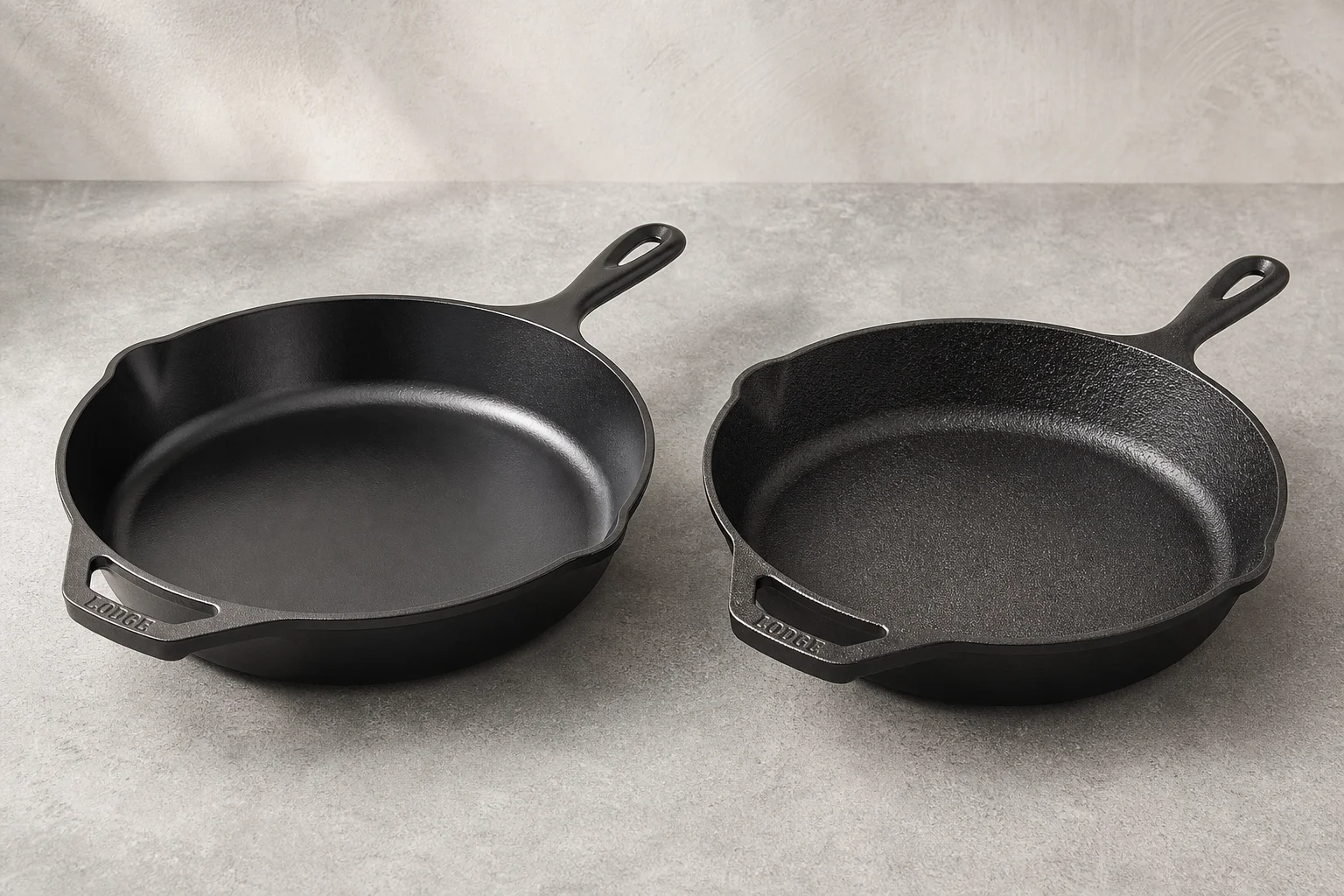
Cookware
Best 12-Inch Cast Iron Skillets: Premium Craftsmanship vs. Reliable Budget Option
Two standout 12-inch cast iron skillets tested for heat retention, surface finish, and durability. One premium choice and one budget-friendly alternative that both deliver.