Cookware
Made In Carbon Steel, Stainless Steel, and Enameled Cast Iron: Which Pan Actually Fits Your Kitchen?
We compare three Made In pans side by side on heating speed, heat retention, versatility, and maintenance to help you pick the right skillet.
Introduction
Carbon steel gets marketed as the miracle pan: it supposedly sears like cast iron, heats fast like stainless steel, and releases food like non-stick. That is a lot of promise for one piece of metal. The reality is more nuanced. Carbon steel genuinely lives up to the hype in several respects, but it also has real limitations that catch beginners off guard.
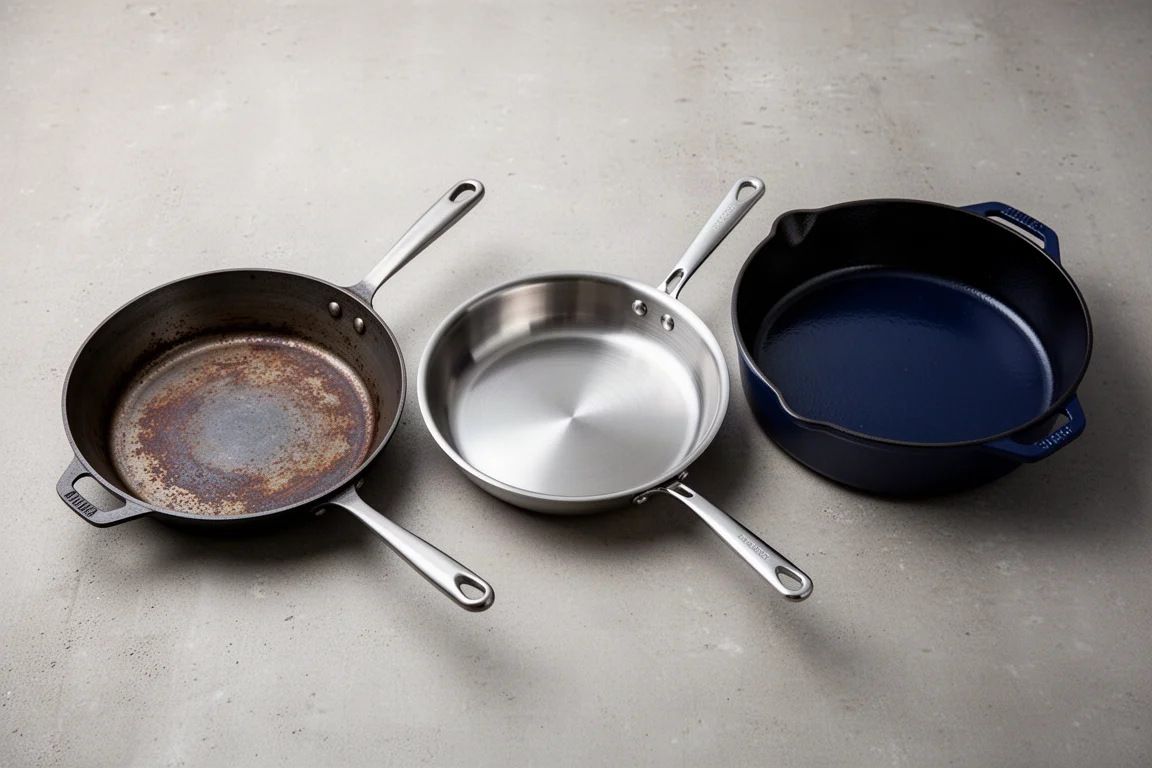
To see how it stacks up, we look at three Made In pans side by side: the 12-inch carbon steel skillet, the 12-inch stainless steel frying pan, and the 11-inch enameled cast iron skillet. We cover heating behavior, versatility, maintenance, and durability, so you can decide which material actually suits your cooking.
What Makes Carbon Steel Different
Carbon steel is compositionally close to cast iron, but the small difference matters. Carbon steel is roughly 99% iron and 1% carbon, while cast iron sits around 97 to 98% iron and 2 to 3% carbon. The higher carbon content makes cast iron harder but more brittle, which is why cast iron pans need thick walls to avoid cracking.
Carbon steel, with its lower carbon content, is pliable enough to be stamped or pressed into shape rather than poured into molds. That manufacturing difference is why carbon steel pans are thinner and significantly lighter than cast iron while remaining very durable. Neither material conducts heat as well as aluminum or copper, the metals typically used as core layers in stainless steel cookware, but because carbon steel is thinner, it heats up and responds to temperature changes much faster than cast iron.
Heating Speed: How Each Pan Performed
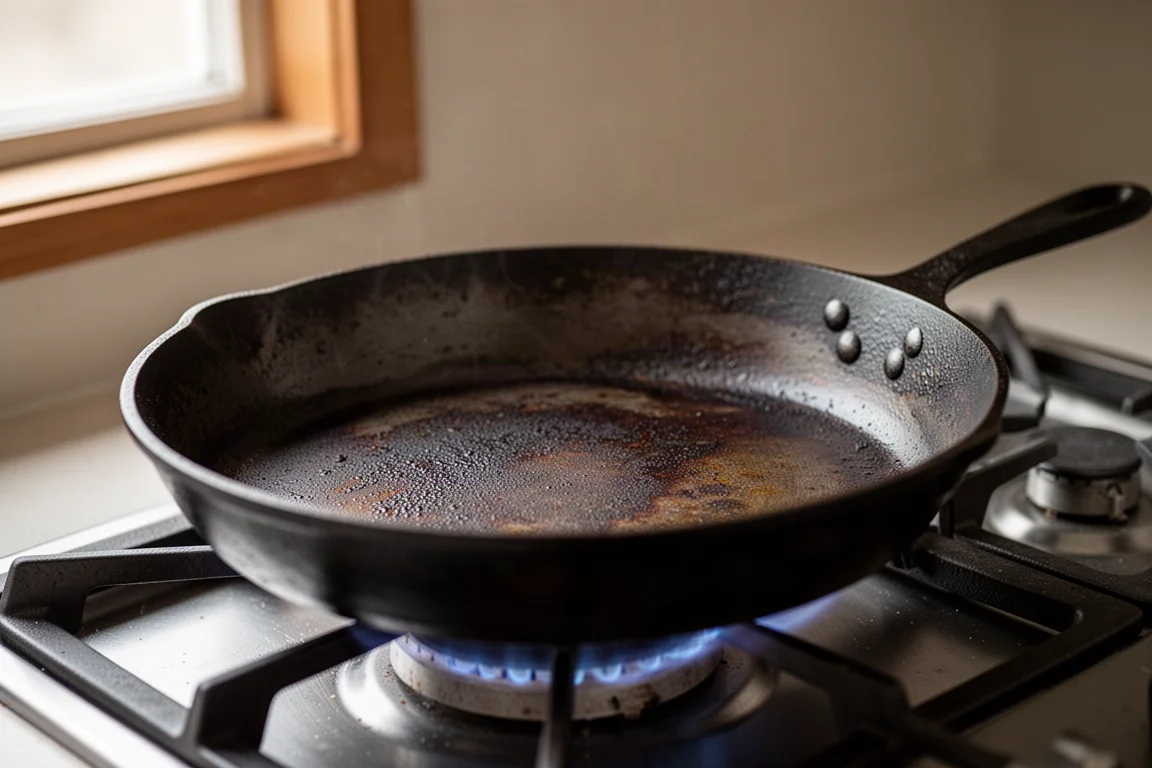
A controlled test on the same burner at the same temperature measured each pan’s surface temperature after one and two minutes. The stainless steel pan heated the fastest, which makes sense because its core layers are aluminum and aluminum conducts heat quickly. The relatively thin carbon steel pan was not far behind. Cast iron heated the slowest of the three.
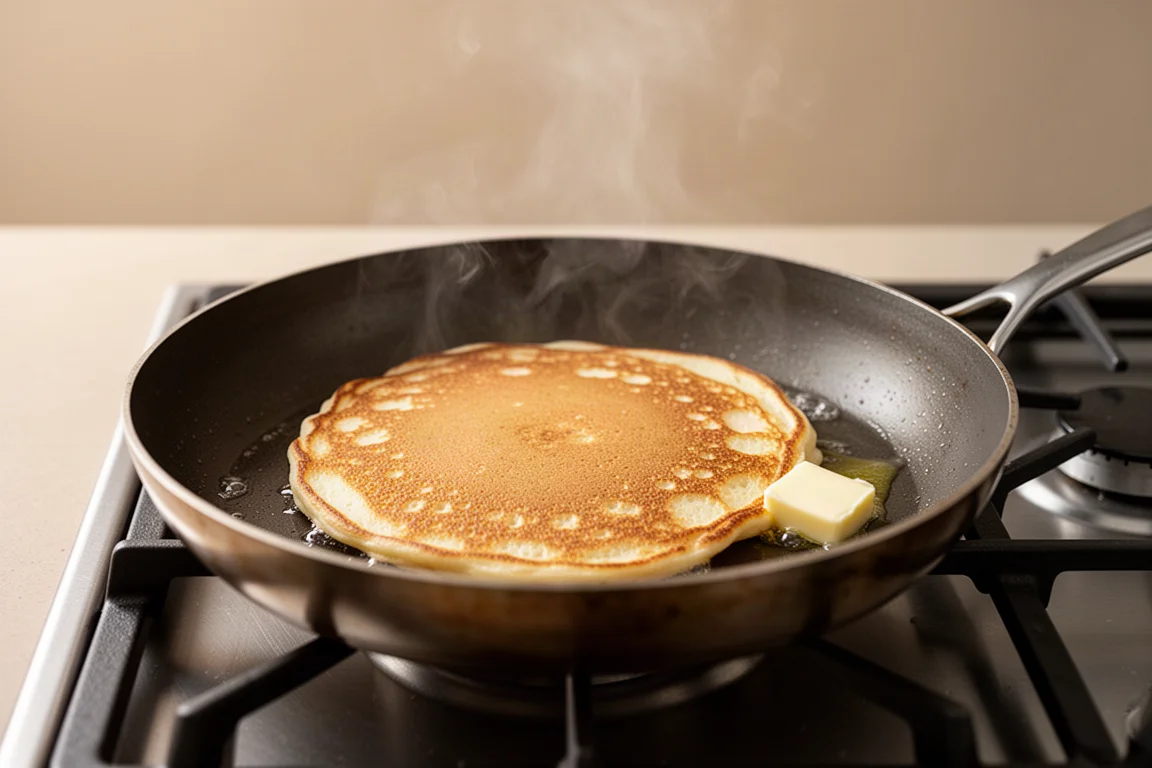
A second test used identical pancake cooking to validate those findings: each pan preheated on medium for exactly 45 seconds, greased with butter, then cooked with a third of a cup of batter. The stainless steel pan cooked the pancake fast and evenly. The carbon steel pan heated quickly but cooked one side of the pancake more than the other. The cast iron pan heated so slowly that the pancake was nowhere near done when the timer ended.
The takeaway: carbon steel heats faster than cast iron because it is thinner, but slightly slower and less evenly than stainless steel because of its lower thermal conductivity.
Heat retention tells the opposite story. After heating each pan to exactly 400°F and letting it rest for five minutes, the carbon steel surface measured 112°F, the stainless steel pan 123°F, and the cast iron pan 178°F. Heat retention tracks thickness, and the Made In cast iron skillet is by far the thickest of the three.
Responsiveness: Carbon Steel’s Real Advantage
If carbon steel neither heats as fast as stainless steel nor retains heat like cast iron, what does it do well? The answer is responsiveness. When you turn the heat up or down, the pan’s temperature changes quickly, which gives you more control. If frying oil runs too hot or too cold, you can correct it almost immediately. Cast iron, by contrast, takes a while to cool down once you lower the heat.
The trade-off is attention. A responsive pan can overheat and burn food quickly if you look away. Note that thickness and heat properties vary considerably by brand, but in general carbon steel is more responsive than cast iron, and in some cases more responsive than stainless steel.
Versatility and Cooking Performance
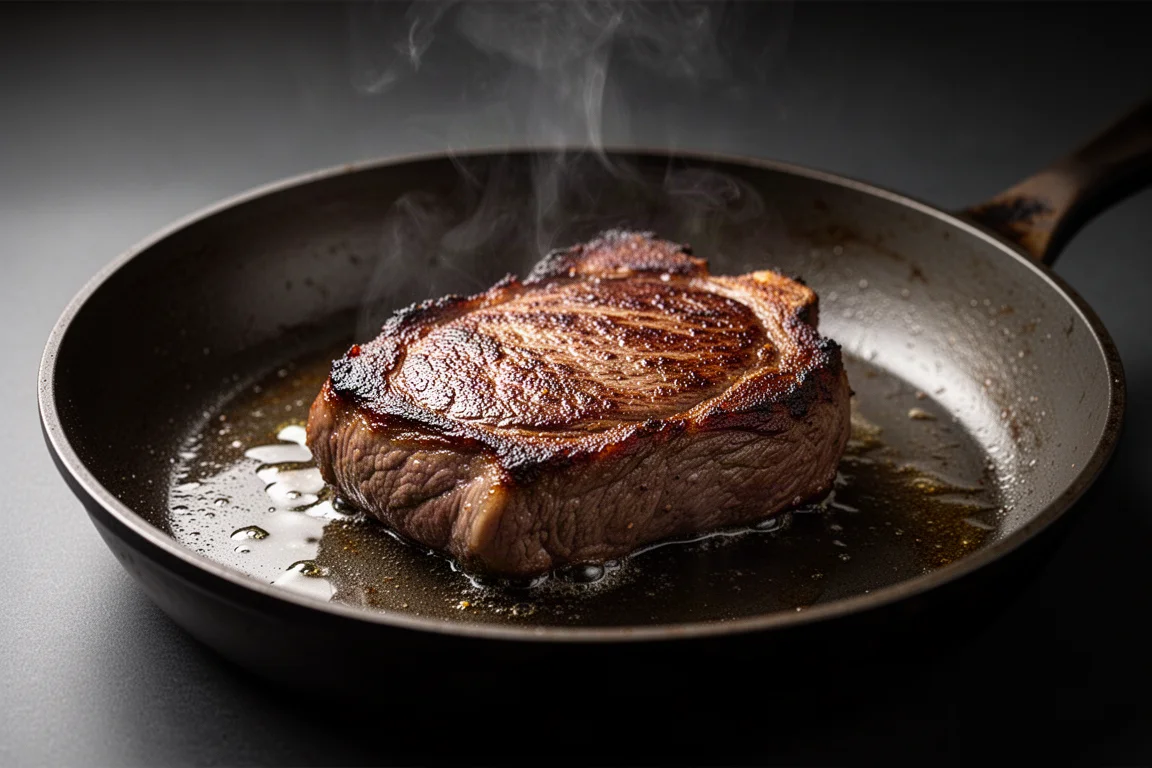
One of carbon steel’s biggest strengths is versatility. It works on every cooktop, including induction, and is safe in the oven, under the broiler, and on a grill. The Made In carbon steel pan is rated safe up to 1200°F. That high heat tolerance makes it ideal for searing and browning. Some meats may stick slightly at first, but leaving them for a minute lets a crust form, and the food naturally releases.
Because it is much lighter than cast iron, carbon steel is excellent for sauteing vegetables, tossing food, and anything that involves lifting and maneuvering the pan. A well-seasoned pan releases food much like a non-stick pan, though you still need oil or butter, and if the seasoning is worn in spots, delicate foods like omelets and scrambled eggs can still stick. That combination of light weight, high heat tolerance, and a relatively slick surface makes it a strong choice for one-pan meals that start on the stove and finish in the oven.
The Made In carbon steel skillet is made in Sweden and comes pre-seasoned, so you can cook with it right away.
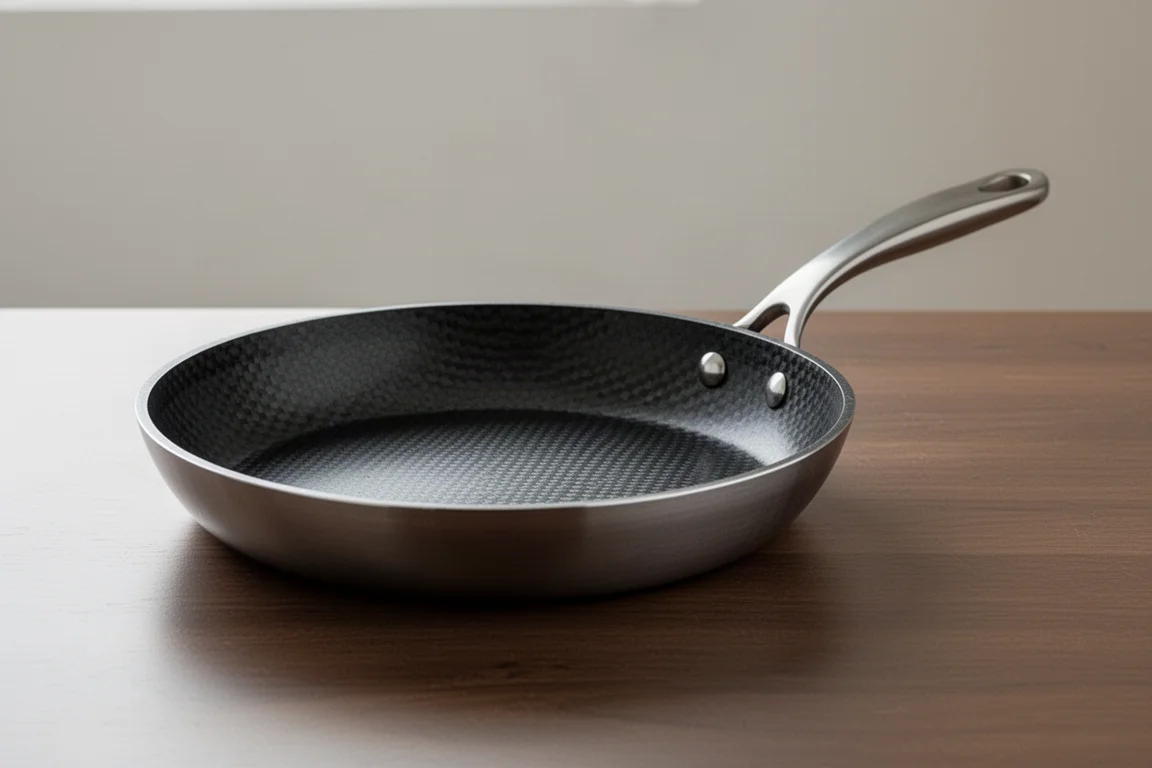
The one major limitation is acidic food. A squeeze of lemon or a splash of wine is fine, but prolonged exposure to something like tomato sauce will strip the seasoning off the cooking surface. Bare cast iron has the same issue. For acidic dishes, stainless steel and enameled cast iron are better options because they are non-reactive with no seasoning to damage.
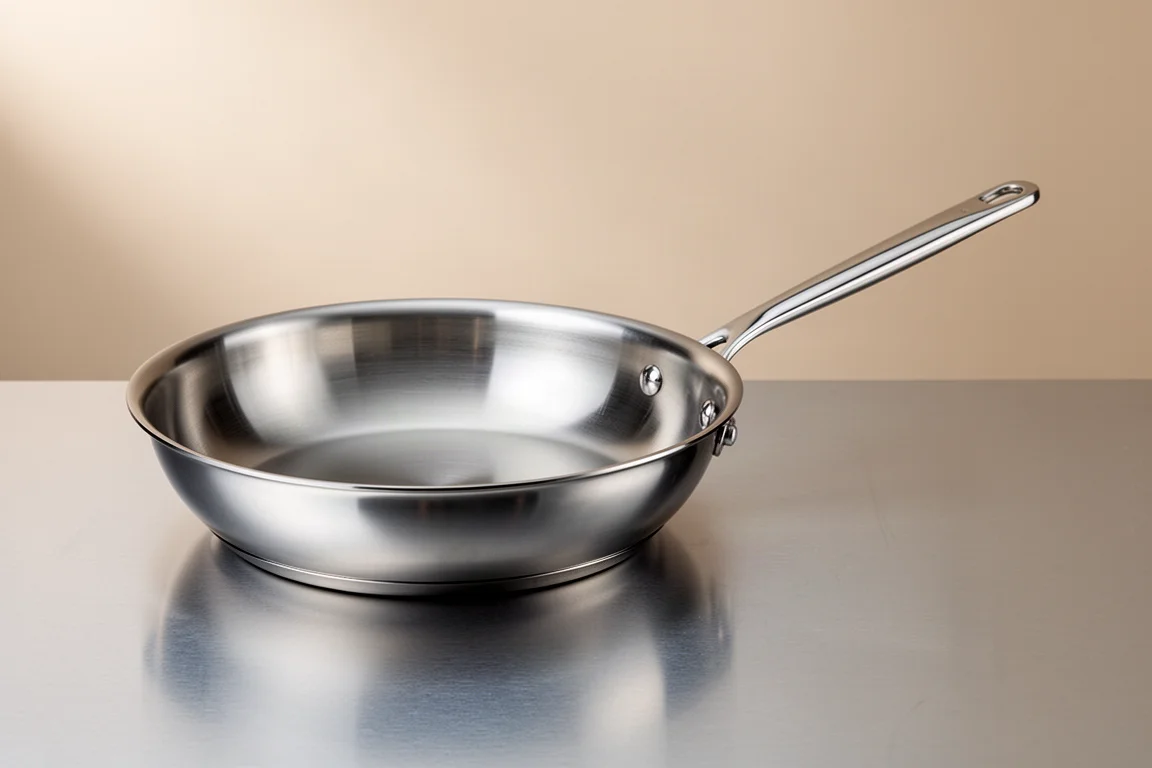
That is where the Made In stainless steel frying pan earns its place. It heated the fastest and most evenly in testing, making it the strongest performer for quick, even cooking, though delicate foods like eggs and fish are more prone to sticking on it.
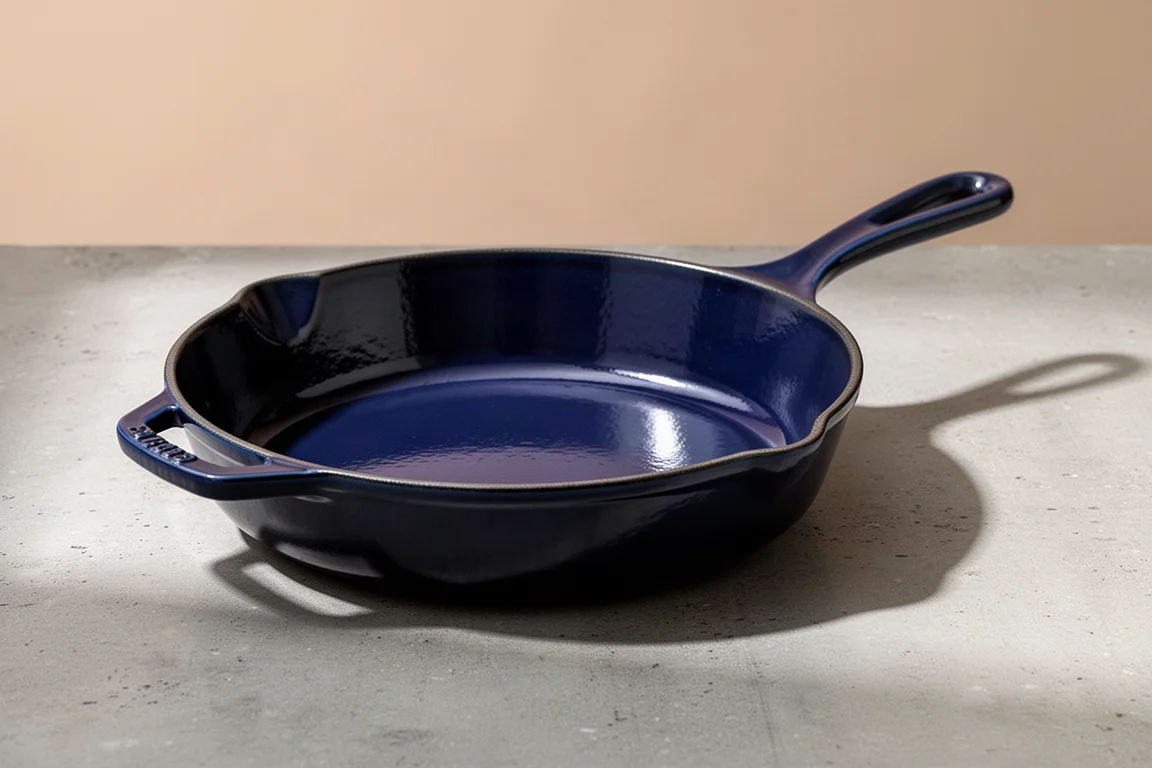
The enameled cast iron skillet rounds out the trio. It heated the slowest and retained the most heat, which suits long, steady cooking, and its enameled surface handles acidic foods without issue.
Seasoning, Cleaning, and Maintenance
Seasoning is the part of carbon steel ownership that intimidates people, but it simply means baking a thin layer of oil into the pan. Iron rusts when exposed to water and air, so seasoning protects the surface and makes it more food-release friendly. Some brands, including Made In, ship pans pre-seasoned. Either way, you will re-season periodically as the coating wears down or if rust appears.
You can season on the stove or in the oven. In both cases, scrub the pan clean, coat it with a very thin layer of oil, and heat it until the oil hardens through polymerization. The key rule: wipe the pan until it almost looks dry. Too much oil leaves a sticky pan, and you will have to start over. After the initial seasoning, just cooking with the pan builds and maintains the coating. A splotchy look after one or two seasonings is normal, and the pan darkens over time.
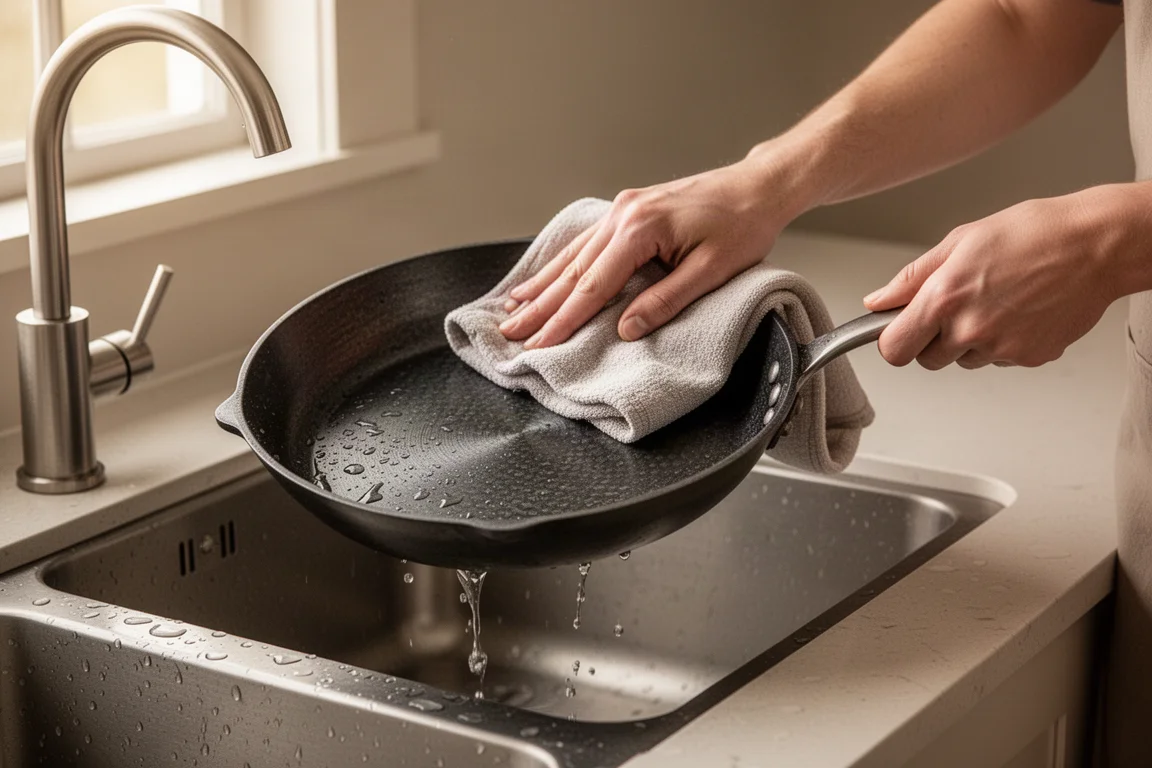
Cleaning is simpler than the internet suggests. Mild dish soap does no harm in practice. If you prefer to avoid it, use a chainmail scrubber or deglaze with water to loosen stuck-on bits. Two rules are worth following strictly. First, never put carbon steel in the dishwasher; hot water, steam, and detergent will ruin the seasoning. Second, dry the pan completely after washing, because even a well-seasoned pan can rust if moisture sits on it.
If you notice tiny black bits on your food, or a paper towel turns black when you wipe the pan, the pan needs a deep clean. Those bits are flaking seasoning, burnt food, or both. Scrub with steel wool until a paper towel wipe stays clean, then apply a quick seasoning.
Durability and Long-Term Care
Durability is one of carbon steel’s biggest advantages. It will not crack or break if dropped, which can happen with cast iron, and there is no coating or enamel that can chip or wear away. Metal utensils are fine, though sharp edges can scratch the seasoning; if that happens, a new layer fixes it. It is one of the rare kitchen products that genuinely gets better with age, since the seasoning develops the more you cook.
The one thing to guard against is warping. Drastic temperature changes, such as rinsing a piping hot pan under cold water, cause uneven expansion and contraction that can leave you with a wobbly, unusable pan. Let it cool first.
Which Pan Should You Buy?
Choose carbon steel if you want a lightweight, high-heat searing pan that handles stove-to-oven cooking and you do not mind occasional seasoning. It is the best fit for sauteing, browning, and one-pan meals, but not for long-simmered tomato sauces.
Choose stainless steel if even, fast heating and non-reactivity matter most, and you mostly cook acidic dishes or foods where sticking is manageable with proper technique.
Choose enameled cast iron if you prioritize heat retention for slow cooking and want a surface that tolerates acidic ingredients without any seasoning upkeep.
Conclusion
Carbon steel does live up to the hype, with a few honest caveats: it needs seasoning, it dislikes prolonged acidic exposure, and it demands attention because it responds to heat changes so quickly. In exchange, you get a light, nearly indestructible pan that sears beautifully and improves with every use. Pairing it with a stainless steel pan for acidic or precision cooking and an enameled cast iron piece for slow, heat-heavy recipes covers nearly everything a home kitchen asks of a skillet.
Further reading
Related Reviews
Cookware
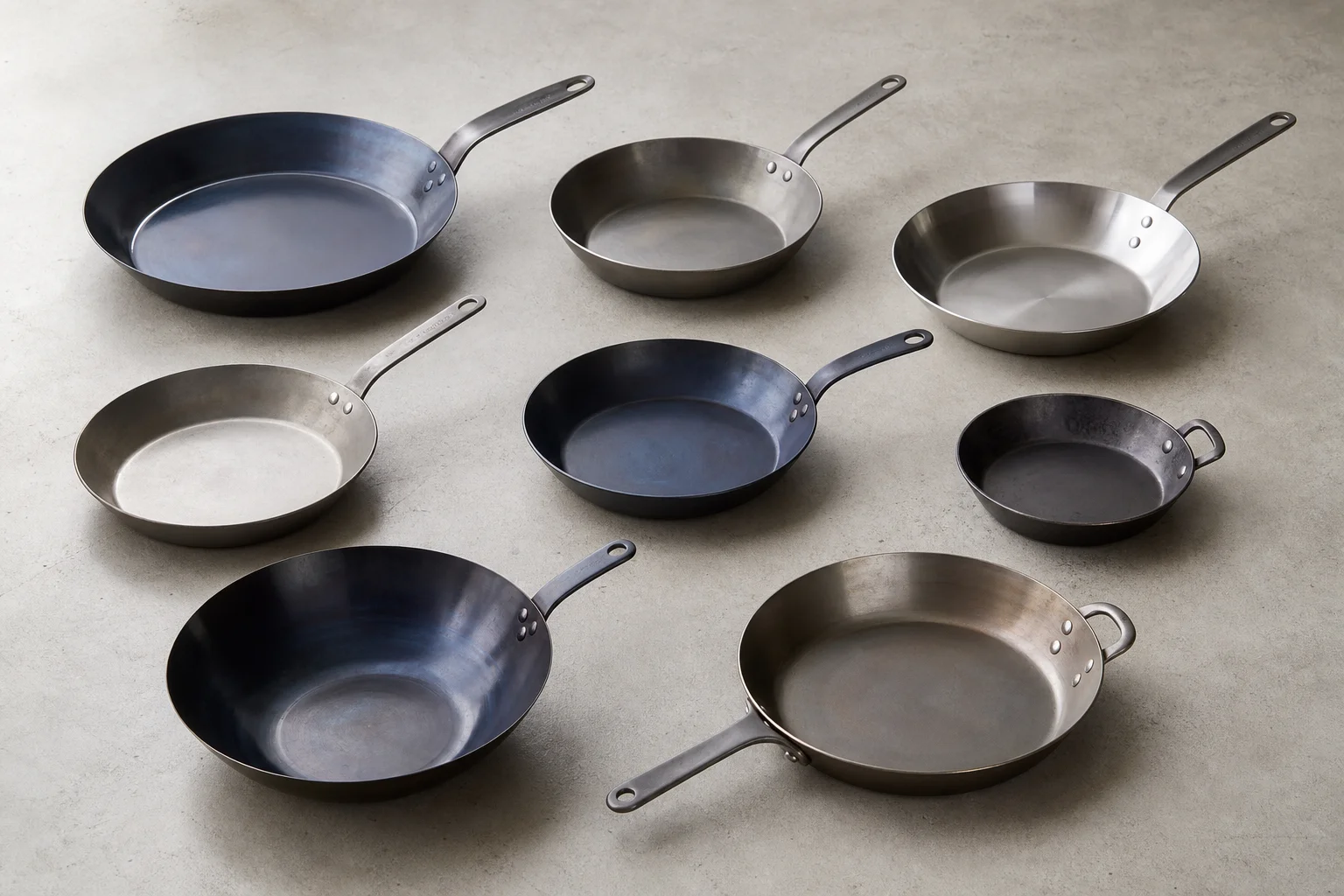
Best Carbon Steel Pans Tested: Which Brands Deliver Real Value
We tested eight popular carbon steel pans with controlled durability, heat, and cooking tests. Here's which ones perform best and which to avoid.
Cookware
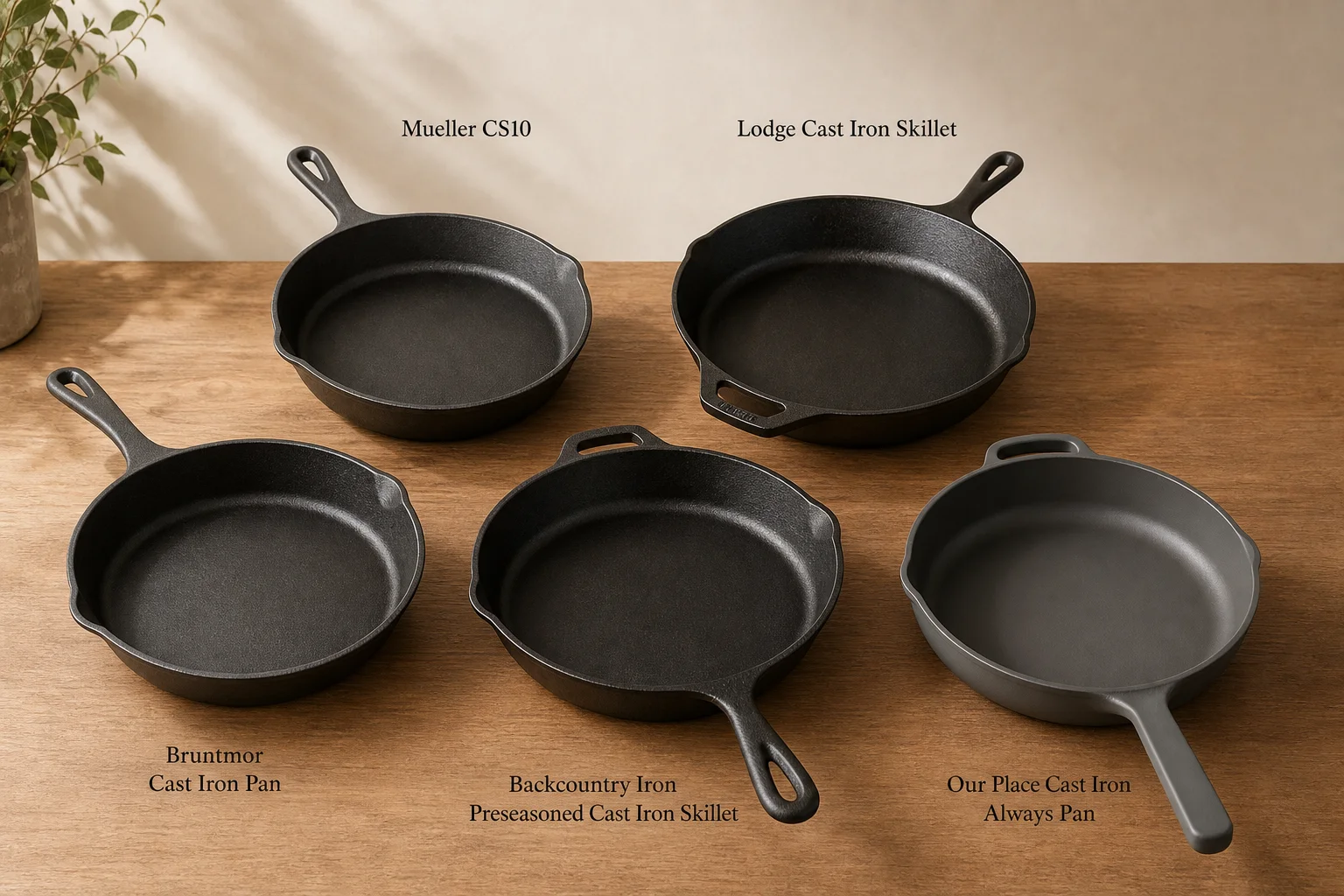
Best Cast Iron Pans 2026: Five Options from Budget to Premium
A practical breakdown of five cast iron skillets, from affordable Mueller to premium Our Place, with clear strengths and trade-offs for different cooking needs.
Cookware
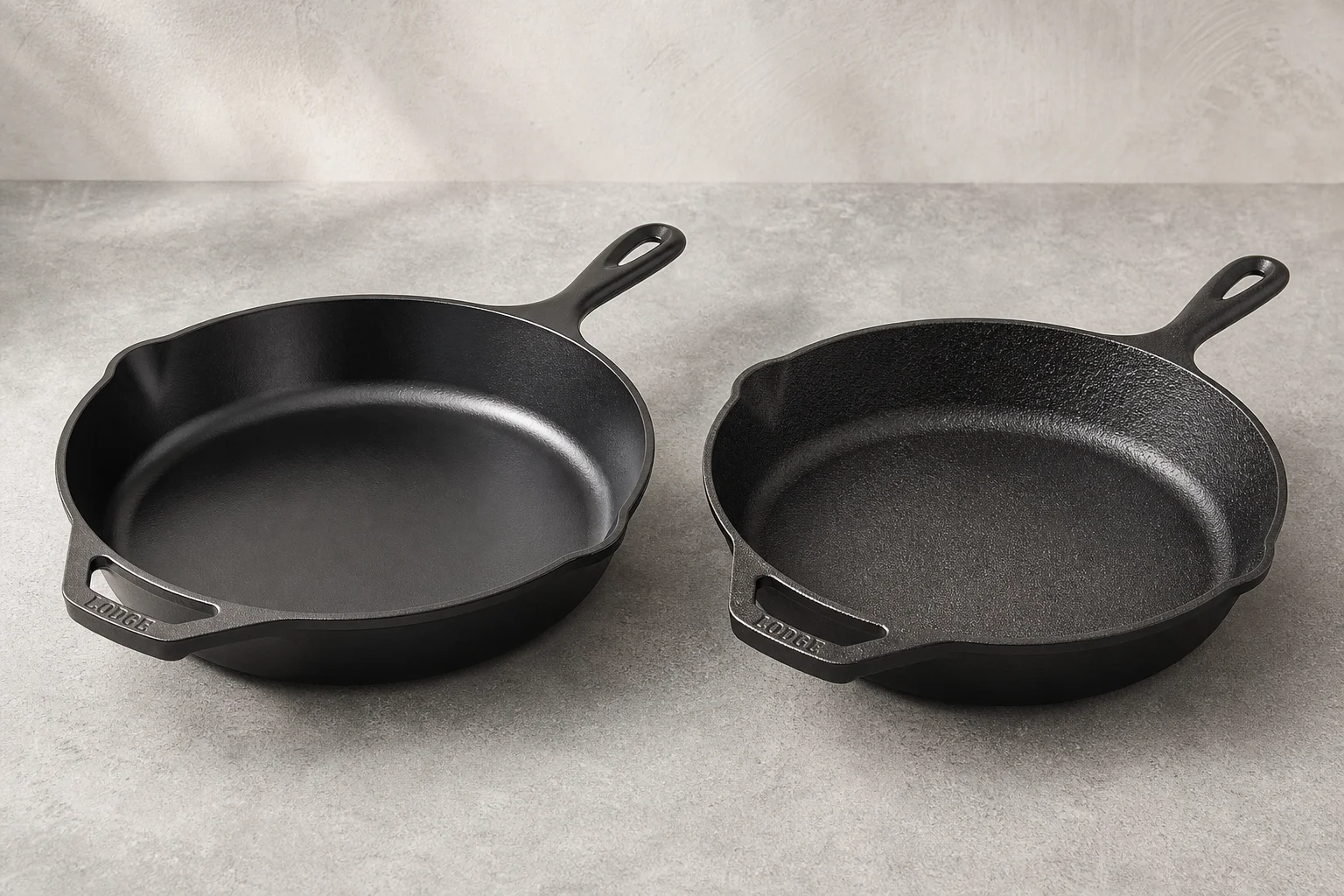
Best 12-Inch Cast Iron Skillets: Premium Craftsmanship vs. Reliable Budget Option
Two standout 12-inch cast iron skillets tested for heat retention, surface finish, and durability. One premium choice and one budget-friendly alternative that both deliver.