Camping Gear
Loftec Hybrid Down Booties Review: Warm Feet in the Backcountry
A lightweight pair of insulated camp booties built to keep feet warm and handle moisture when the limits of a sleeping bag get tested.
Introduction
Few things undermine a night outdoors faster than cold feet. You can have a warm torso, a solid sleeping pad and a bag rated for the conditions, and still spend hours shifting around trying to coax feeling back into your toes.
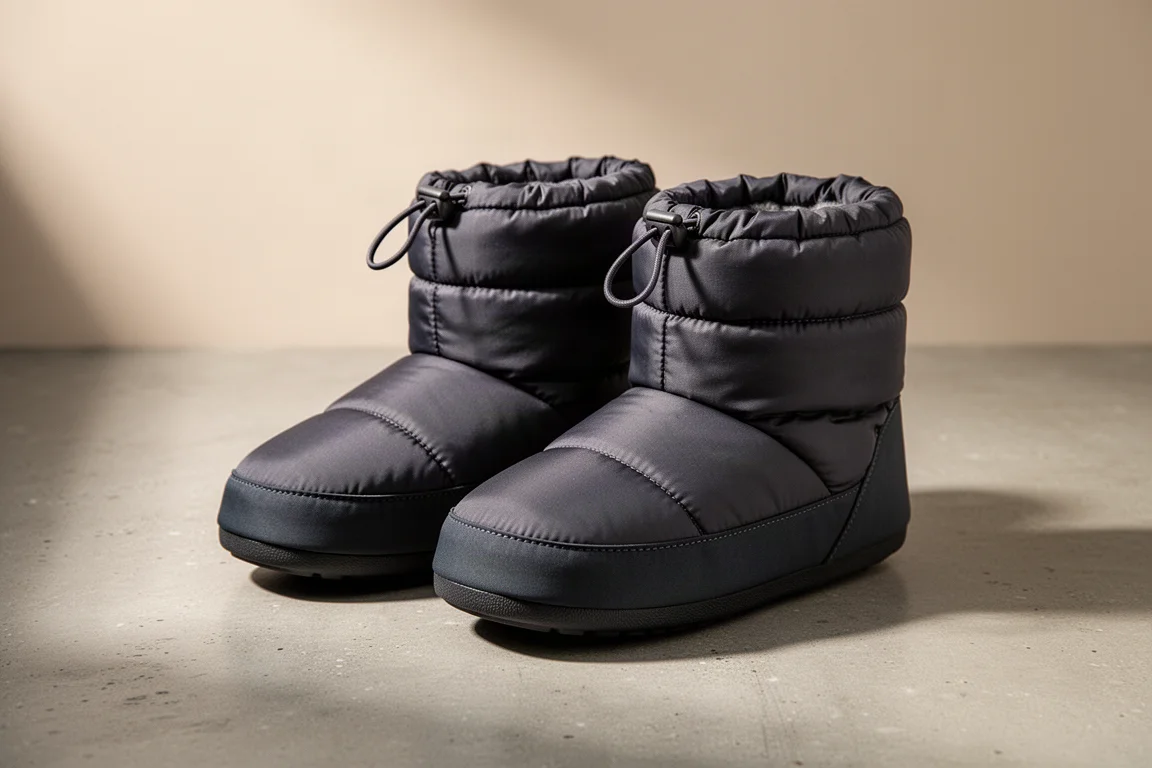
The Loftec Hybrid Down Booties are a direct answer to that problem. They are insulated camp booties designed to be worn inside a sleeping bag or around camp, built around a hybrid insulation that keeps working even when moisture becomes part of the picture.
They weigh roughly 3.5 ounces depending on the size you choose, pack down small enough to disappear into the bottom of a pack, and come in three sizes. The premise is straightforward: warm feet change how a night feels, and they change how confidently you can use the sleeping bag you already own.
The design came out of a backcountry trip in Alaska, where wet feet on a cold hillside led to frostbite and roughly a month without full feeling in the toes. That experience is the reason the booties exist at all, and it explains why moisture resistance sits at the centre of the design rather than being treated as an afterthought.
Who These Booties Are For
These booties are for anyone who has woken up in the backcountry with cold feet and then spent the morning trying to get warm again. That includes campers who run cold in general, people with naturally poor circulation in their hands and feet, and anyone who regularly pushes a sleeping bag close to its stated temperature limits.
They are also a practical option for a specific and familiar scenario: going to bed with damp or wet socks and wanting them dry by morning without ruining the insulation you are relying on. That is a decision many campers agonise over, and it is one these booties are built to make easier.
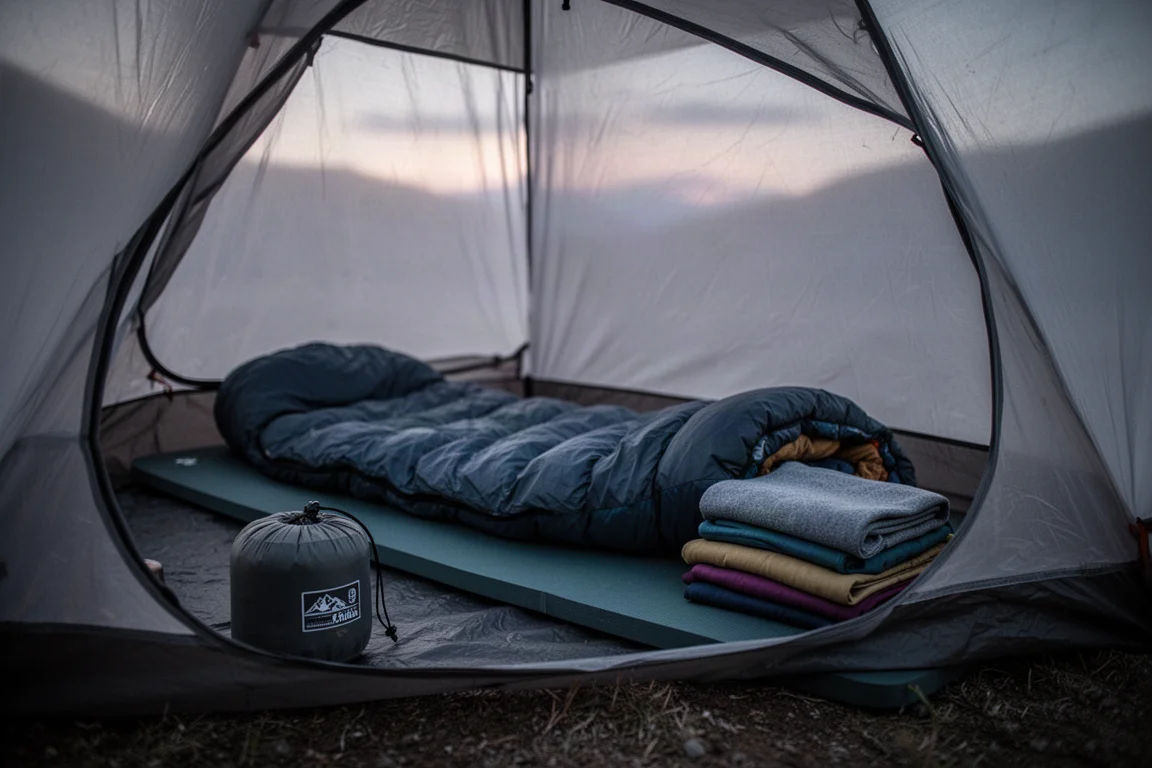
It is worth being clear about what they are not. They are not a replacement for a sleeping bag that is genuinely underperforming for the conditions, and they are not a fix for a bad sleeping pad. What they do is add a warm, moisture-tolerant layer at the one end of the body that most often goes cold, which is usually enough to change the quality of a night.
Main Strengths
The first strength is simply the amount of loft on offer for the weight. At around 3.5 ounces depending on size, the booties add very little to a pack, and they compress down to roughly the size of a small stuff sack. That makes them easy to carry even when you are not certain you will need them.
The second is how they change the mental arithmetic of a cold night. Knowing your feet will stay warm makes it far easier to tolerate a cold face, cold hands or a cold elbow. Instead of lying awake wondering whether the night is going to get worse, you can settle in and sleep, which is ultimately the point of the whole sleep system.
Hybrid Insulation and Moisture Resistance
The defining feature here is the Loftec hybrid insulation. It is a down blended with a loose-fill synthetic that looks and behaves like down, and that holds its position evenly through the baffles rather than migrating and clumping.
The important difference is what happens when it gets wet. The material can be completely soaked without failing, and it barely loses loft in the process, then dries considerably faster than a pure down fill would.
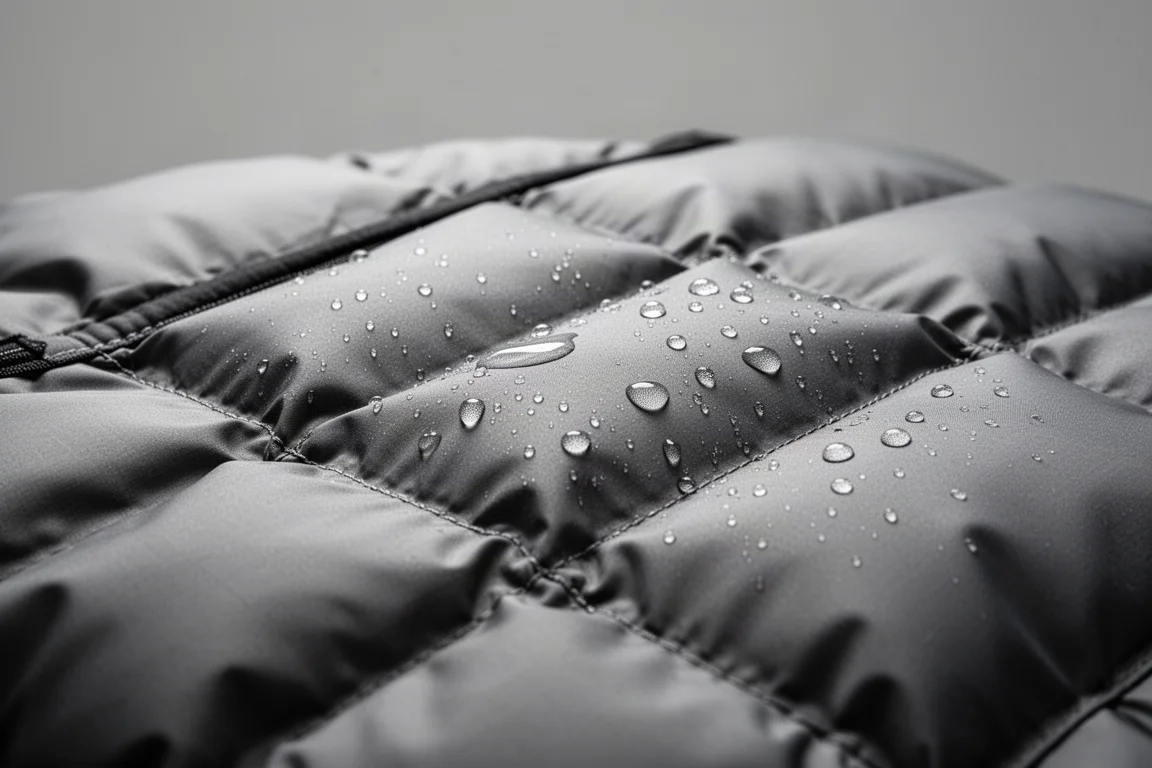
In practice, that changes several small decisions. A damp sock can go straight into the bootie overnight and come out dry in the morning without the insulation being compromised. A foot box that has picked up condensation against a tent wall is far less of a concern. Even sitting around camp in heavy fog or persistent damp, the booties keep doing their job rather than quietly losing the properties you bought them for.
Real-World Scenarios Where They Matter
The scenarios where these earn their place are rarely dramatic. More often they are the small, ordinary failures of a night outside.
You pitch on a slight slope and slide toward the bottom of the tent during the night, pressing the foot of your bag against the wall until it turns damp. You arrive at camp late with wet feet and no realistic way to dry your socks before sleep. You sit on a hillside in thick fog, wearing rain gear because the air itself is wet, and your feet are the part of you that suffers first.
Each of those situations is manageable on its own. Stacked together across a multi-day trip, they are exactly how cold feet and lost sleep accumulate. A pair of booties that tolerates moisture removes most of that risk for very little weight and almost no pack space.
Things to Consider Before Buying
The most obvious limitation is sizing. There are three sizes, which is a narrower range than you might find on a more conventional piece of footwear, so it is worth confirming which one matches your feet before ordering.
It is also worth setting expectations correctly. These are a sleep and camp layer first, designed to keep feet warm while you rest rather than to serve as general footwear around a campsite or on the trail. Treat them as part of your sleep system and they do their job well.
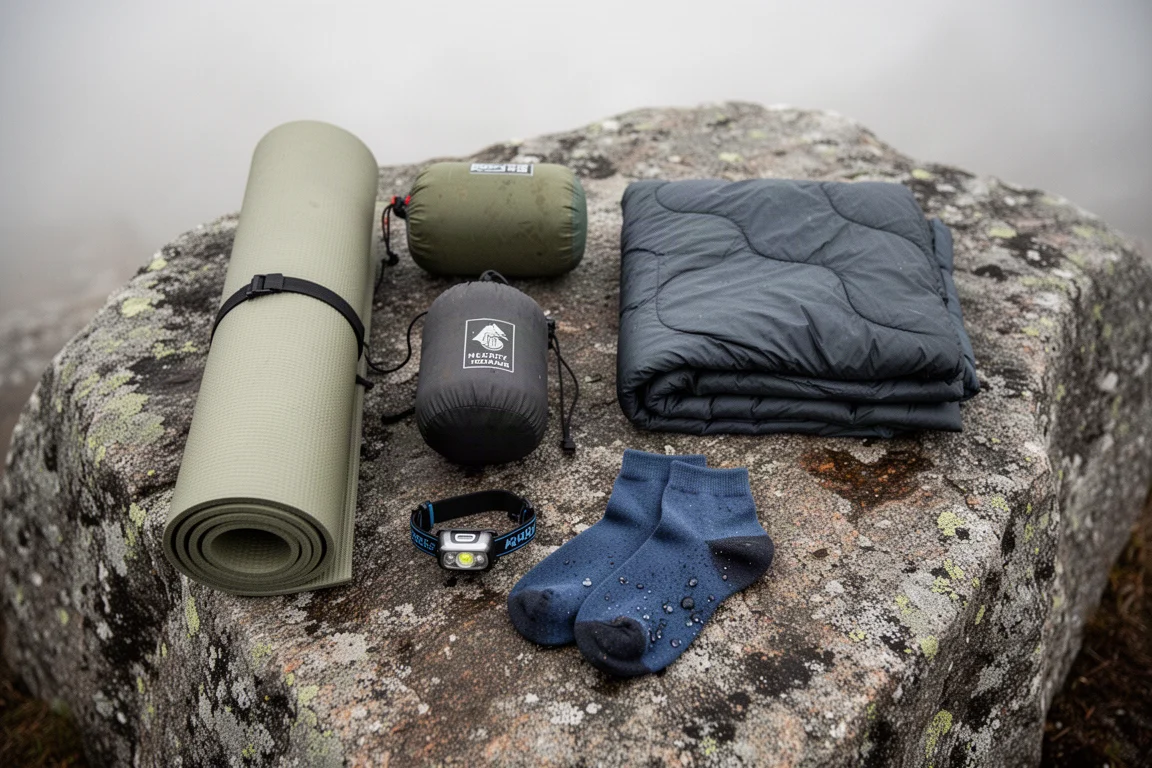
Finally, weight and packed size vary slightly depending on which size you choose, so the 3.5-ounce figure is best read as an approximate range rather than a fixed number. That is a minor detail, but it matters if you are counting grams across an entire kit.
Buying Advice
These make the most sense for campers who have already experienced cold feet in the backcountry and would rather solve the problem directly than keep upgrading sleeping bags in search of a fix. If your feet are the weak point in an otherwise capable sleep system, adding insulation at that end is a targeted and inexpensive-feeling solution.
They are also a sensible purchase for anyone who camps in consistently damp conditions, where a pure down product would force you to think twice about every damp sock and every condensation-soaked foot box. The hybrid fill removes that hesitation entirely.
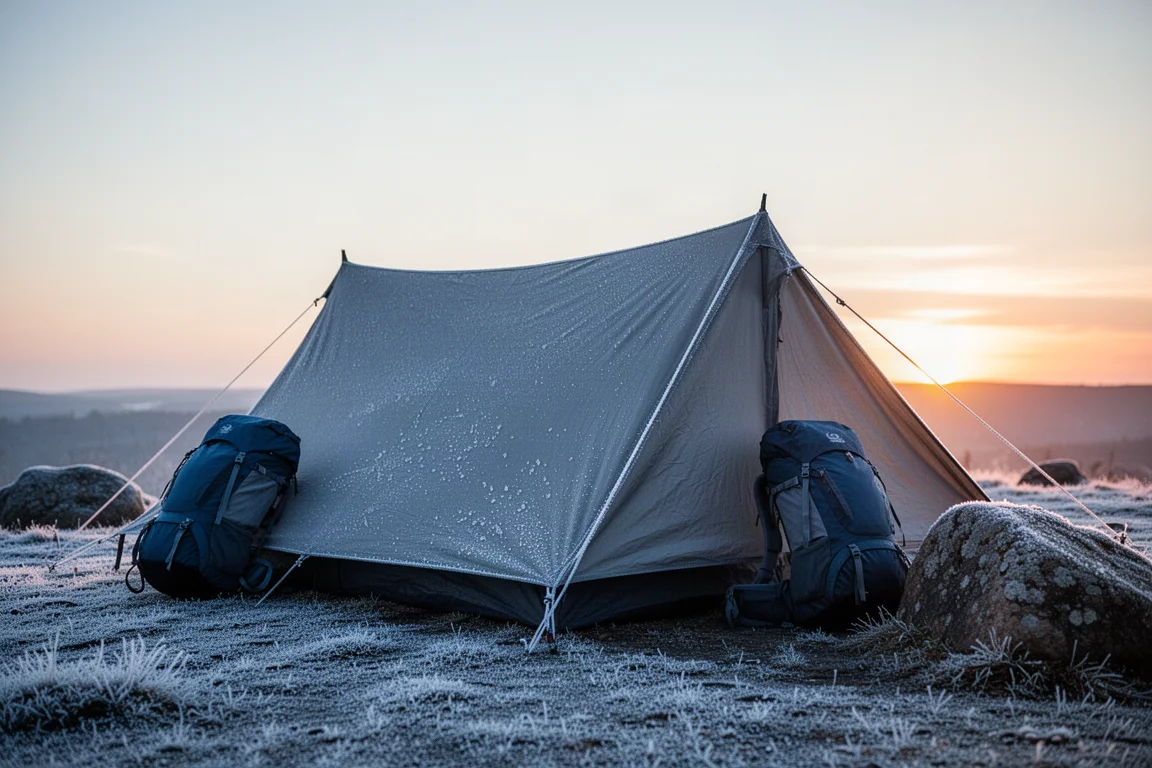
The weight and packed size are small enough that carrying them on every trip is a reasonable default, even when the forecast looks mild. Gear that only gets packed when you are certain you will need it tends to be the gear you wish you had brought.
Conclusion
The Loftec Hybrid Down Booties are a narrow product aimed at a very specific problem, and that is precisely why they work. They are light, they pack down small, and the hybrid insulation means moisture does not quietly cancel out the warmth you paid for.
If cold feet have ever cost you sleep in the backcountry, or if you regularly camp in damp conditions and want one less thing to worry about, these are a straightforward addition to a sleep system. Warm feet will not fix every part of a cold night, but they change more of it than most pieces of gear this small.
Product link
View more details for Loftec Hybrid Down Booties
This product is mentioned in the review. Check the specifications, options, and compatibility before buying.
View more details for Loftec Hybrid Down BootiesFurther reading
Related Reviews
Camping Gear
3FUL Ultralight Ground Sheet Review: A Two-Person Footprint Worth Packing
A 6.7 oz two-person ground sheet in ripstop silnylon, priced around $30. Here is what it protects, what it does not do, and who should pack it.
Camping Gear
Backcountry Light Dual-Function Tarp and Floor Review: A Footprint First
A dual-purpose tent floor and tarp that keeps falling rain off you, but cannot block wind. Here is where it works and where it does not.
Camping Gear
Best 2-Person Camping Mattresses for Couples: 10 Options Compared
A practical comparison of ten two-person camping mattresses, covering self-inflating pads, air pads and air mattresses for couples.