Kitchen
Lodge Cast Iron Skillet Review: Is It Really the Best You Can Buy?
After years of cooking hundreds of meals, we put the Lodge Classic and Chef Collection skillets head to head with Calphalon and Stargazer in real kitchen tests.
Introduction
Lodge has become the default recommendation for cast iron. Major food and cooking publications consistently name it the best cast iron skillet you can buy, and its reputation is backed by more than a century of production. But reputation alone is not a reason to spend money, so this review looks at what Lodge actually delivers after years of use and hundreds of cooked meals.
To put the claims to the test, this comparison covers Lodge’s two most popular collections, the Classic and the Chef Collection, alongside two competitors: Calphalon, which sells a similar skillet at roughly the same price, and Stargazer, a considerably more expensive skillet made in small batches. The result is a clear picture of where Lodge genuinely excels and where the premium alternatives justify their higher price tags.
Design and Build: Classic vs Chef Collection
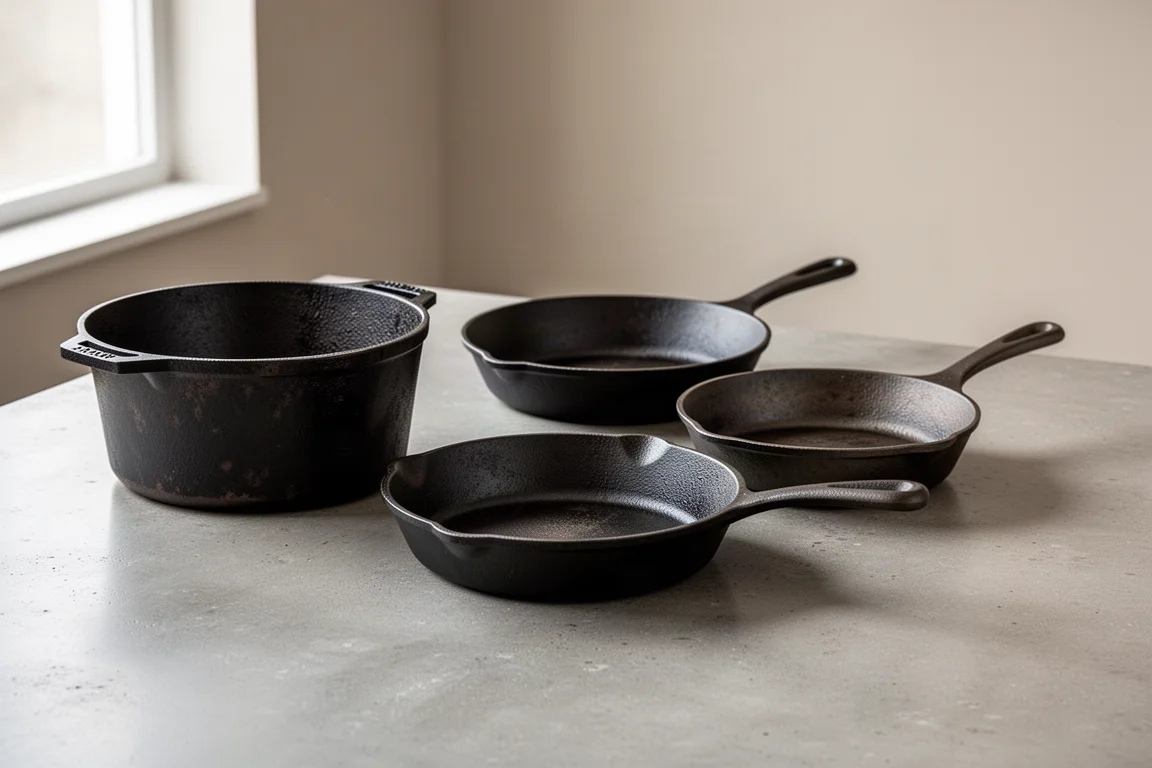
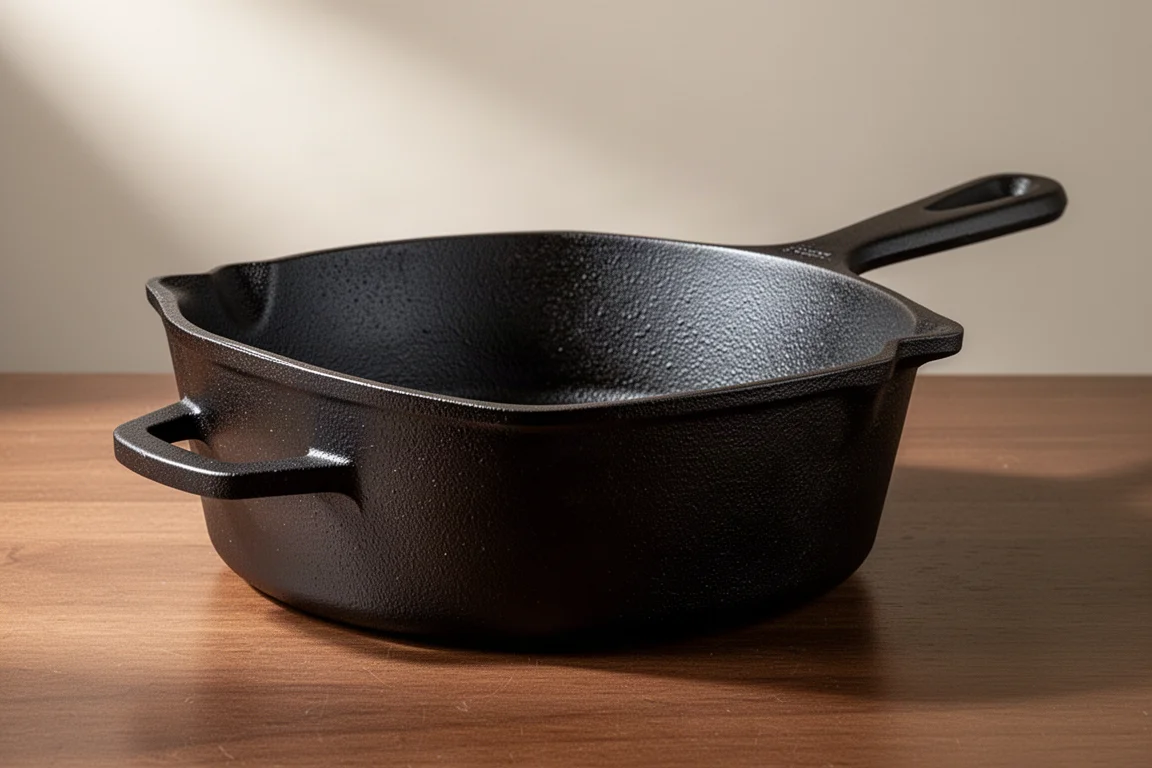
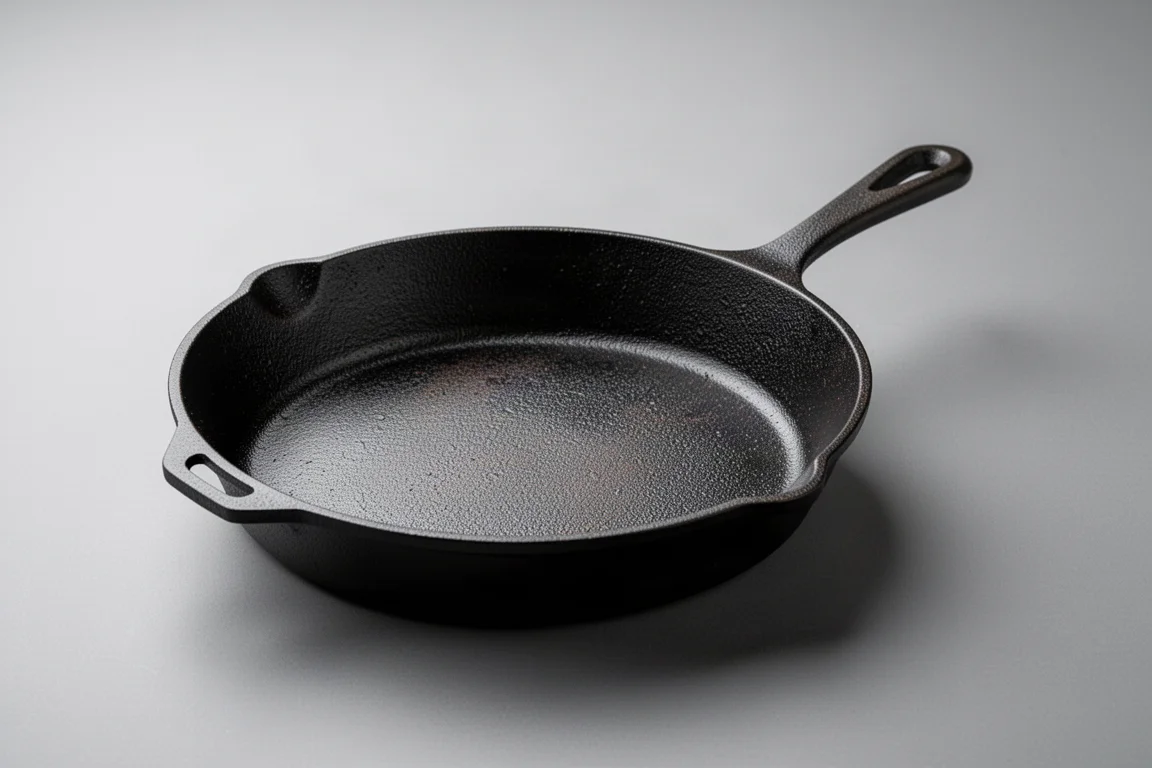
Lodge skillets have the classic, rugged cast iron look: thick walls and a dark, honest finish. The two most popular collections differ mainly in shape. Classic skillets have tall, straight walls, while Chef Collection skillets use shallower, sloped walls that make it easier to slide a spatula under food, especially when it sits close to the edge of the pan.
Weight is the first thing you notice when you pick one up. The Lodge Classic 12-inch skillet weighs 8.1 pounds, which is substantial. The Calphalon comes in at 7.2 pounds and the Stargazer at a lighter 6.5 pounds. If you like Lodge but find the Classic too heavy, the Chef Collection’s thinner construction brings it down to just 6.3 pounds, making it the easiest of the Lodge options to handle.
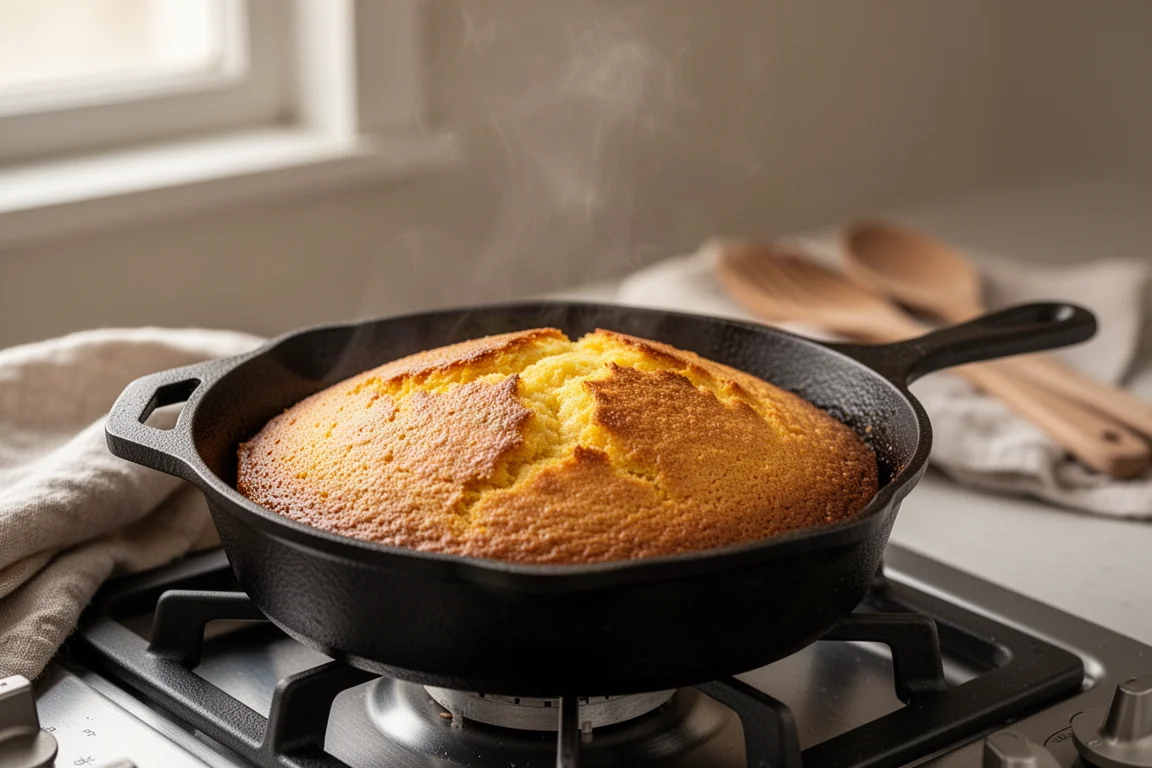
One of the family’s favorite uses for these skillets is cornbread. It cooks evenly, and the bottom develops a crispy golden brown crust that is hard to replicate in other pans.
Handles and Pour Spouts
The Lodge Classic handle is 5 inches long and sits parallel to the cooking surface. Because it is cast as one piece with the body, it gets extremely hot, so you will need an oven mitt or the red silicone handle holder included with the skillet. The Chef Collection handle is angled slightly upward and half an inch longer; it still heats up on the stove, but not as quickly as the Classic’s.
For comparison, Calphalon’s handle is slightly shorter at 4.75 inches, while Stargazer’s is much longer at 7.6 inches and stays noticeably cooler during stovetop cooking. Lodge’s helper handle, positioned across from the main handle, sticks out about 1.25 inches. Calphalon’s measures 1.5 inches and Stargazer’s 1.75 inches, but Lodge’s smaller helper handle still provides plenty of room to grip.
Both Lodge skillets have a pour spout on each side for pouring oil and other liquids without spilling. The Chef Collection’s spouts are larger than the Classic’s, though in practical use the difference was negligible. Oil poured cleanly into the bowl, though it still dripped down the sides a little. Stargazer takes a different approach with a flared rim running all the way around, which genuinely does a better job of preventing drips when pouring from any angle.
Surface Texture and Seasoning
Lodge skillets have a slightly rough, pebbly texture that comes directly from the manufacturing process. Molten iron is poured into sand casts, and when the iron hardens, the texture of the sand leaves a rough surface behind. Some brands, such as Stargazer, smooth the cooking surface after casting; Lodge does not. Lodge argues the rougher surface holds seasoning better, while smoother-surface brands argue their finish prevents sticking.
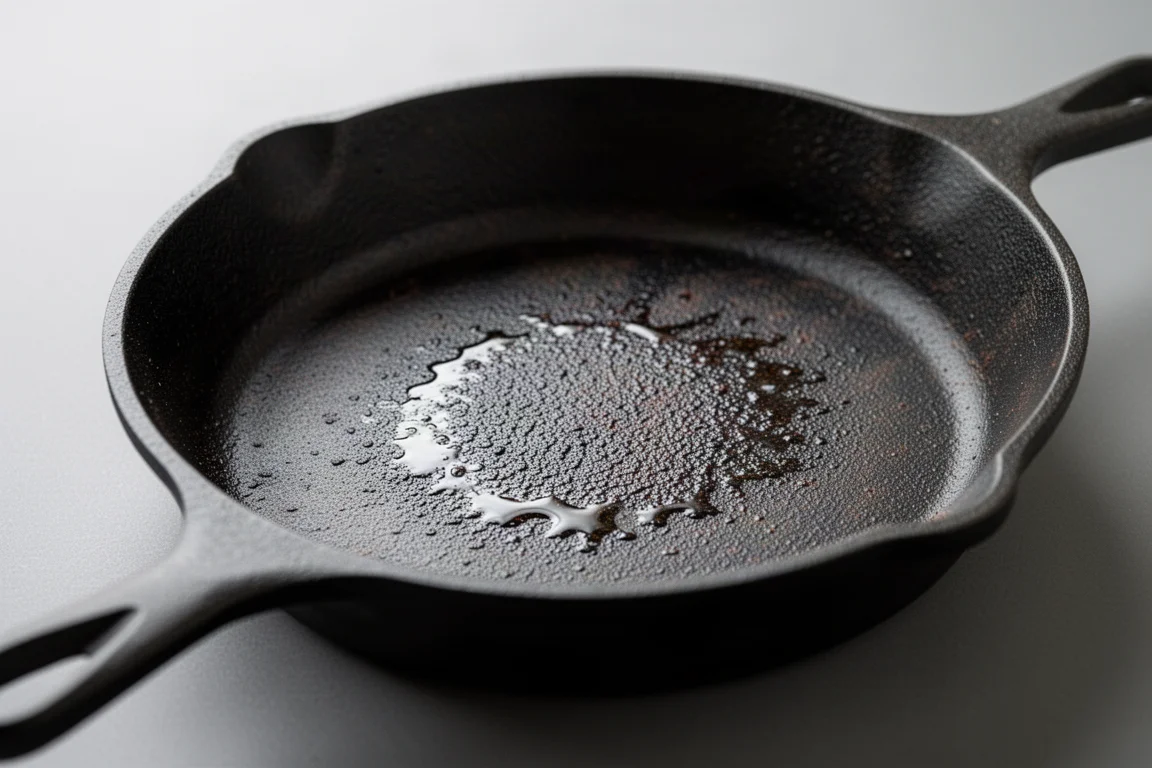
In practice, there is real truth to Lodge’s claim. Lodge skillets arrive pre-seasoned with a durable, even coating that adheres well to the surface. In long-term use, the seasoning lasts longer, and you only need to re-season once or twice a year to keep it in good shape. Stargazer is also pre-seasoned, but its thinner coating wears off more quickly, and even after re-seasoning there were recurring issues with wear.
The one minor complaint with the rough surface: when you dry the skillet with a paper towel, tiny paper fibers snag and remain behind. They wipe off easily, but it is a small, recurring annoyance.
Cooking Performance
Used over several years, Lodge skillets cook exactly the way cast iron should. They heat up slowly, but once preheated they stay hot and hold a consistent temperature. That superior heat retention makes them ideal for searing steak, burgers, salmon, and shrimp, and equally well suited to baking pizza and bread.
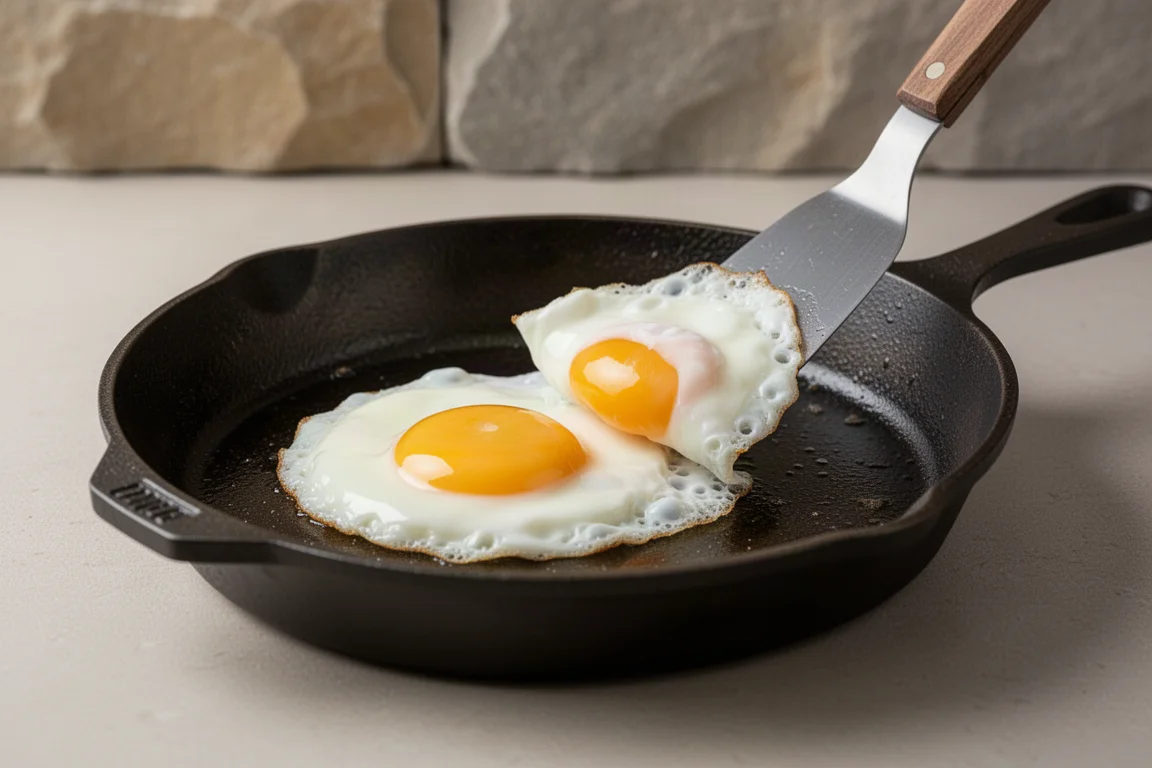
The well-seasoned surface is the other major benefit. Eggs, pancakes, fish, and other delicate foods release cleanly as long as you grease the surface first. Dozens of eggs cooked in these pans have never stuck.
The honest caveat is that there is nothing unique about how Lodge cooks. Calphalon, Stargazer, and other cast iron brands also sear, bake, and fry with excellent results. Because they all use similar materials, the performance differences are subtle and mostly come down to the thickness and shape of each skillet.
How Lodge Compares: Heat Test Results
To move beyond impressions, a series of controlled tests compared all four skillets directly. The first test measured heat conduction: how fast and evenly each skillet heats. Two cups of 55°F water went into each pan, all heated on the highest setting of the same electric burner. All four showed some uneven heating at first, with bubbles concentrated in one area before spreading evenly across the surface.
The Stargazer boiled the water fastest at 2 minutes and 2 seconds. The Lodge Chef Collection came second at 2 minutes 43 seconds, Calphalon third at 2 minutes 48 seconds, and the Lodge Classic last at 3 minutes 1 second.
The second test measured heat retention, a key factor for cast iron since you want the pan to hold its temperature when cold ingredients go in. After removing each boiling skillet from heat: after 5 minutes, the Lodge Classic held 124°F, the Chef Collection 120°F, Stargazer 119°F, and Calphalon 118°F. At the 10-minute mark, Lodge Classic led again at 102°F, with Stargazer at 101°F and the Chef Collection and Calphalon tied at 100°F.
The final test measured induction performance, with two cups of 55°F water heated on an induction burner set to 464°F and temperature checked after two minutes. Here the Lodge Classic won decisively, heating the water to 167°F. Stargazer reached 158°F, the Chef Collection 151°F, and Calphalon last at 143°F.
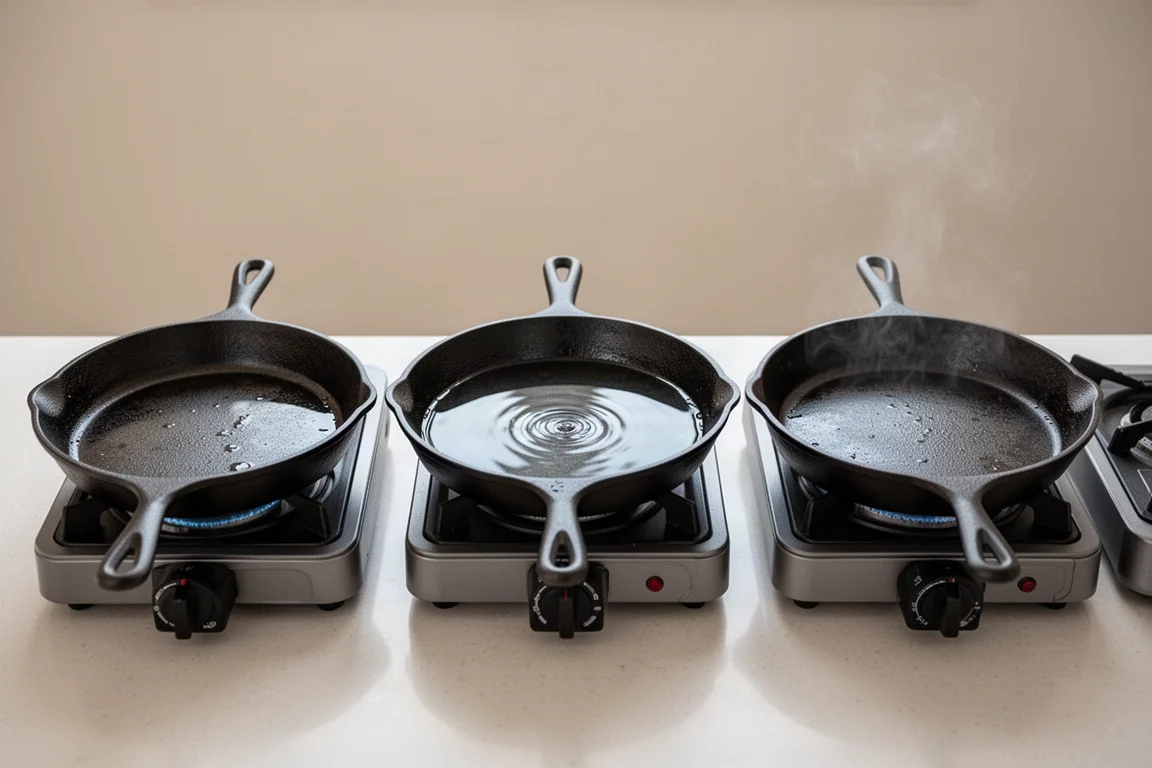
The pattern across all three tests is consistent. The Lodge Classic heats slowly on electric cooktops but heats faster than everything else on induction and retains heat the best. The Lodge Chef Collection and Stargazer, with their thinner walls, heat quickly on both electric and induction yet still retain heat surprisingly well. Calphalon was second-to-last or last in every single test.
Price and Value
Despite its long history and the fact that every skillet is still made in South Pittsburg, Tennessee, Lodge is one of the most affordable cast iron brands available. The 12-inch Classic skillet is currently listed for around $30 on Lodge’s website, the 12-inch Chef Collection for around $50, and the premium Blacklock collection for $80.
The competition is far more expensive. The Stargazer 12-inch skillet costs $155, the Smithy $210, and the Field Company $215. The answer to how Lodge stays so cheap is scale: founded in 1896, Lodge has become one of the best-selling brands, letting it produce each skillet at a far lower cost than small-batch makers. Skipping the surface-smoothing step also keeps costs down.
The Competition
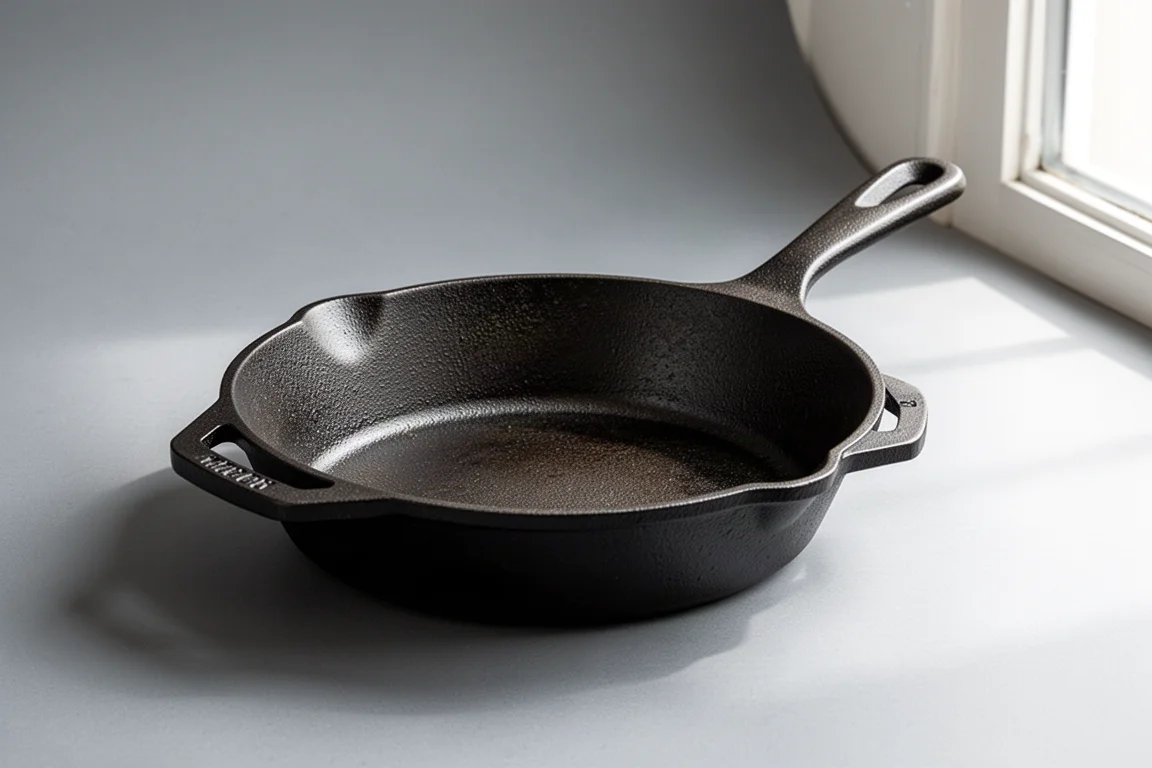
Stargazer’s appeal is design-led: a lighter 6.5-pound body, a long 7.6-inch handle that stays cool, and a flared rim that pours cleanly from any angle. Its thinner walls also made it the fastest to boil water in testing. The trade-offs are a thinner seasoning that wears faster and a price more than five times higher than the Lodge Classic.
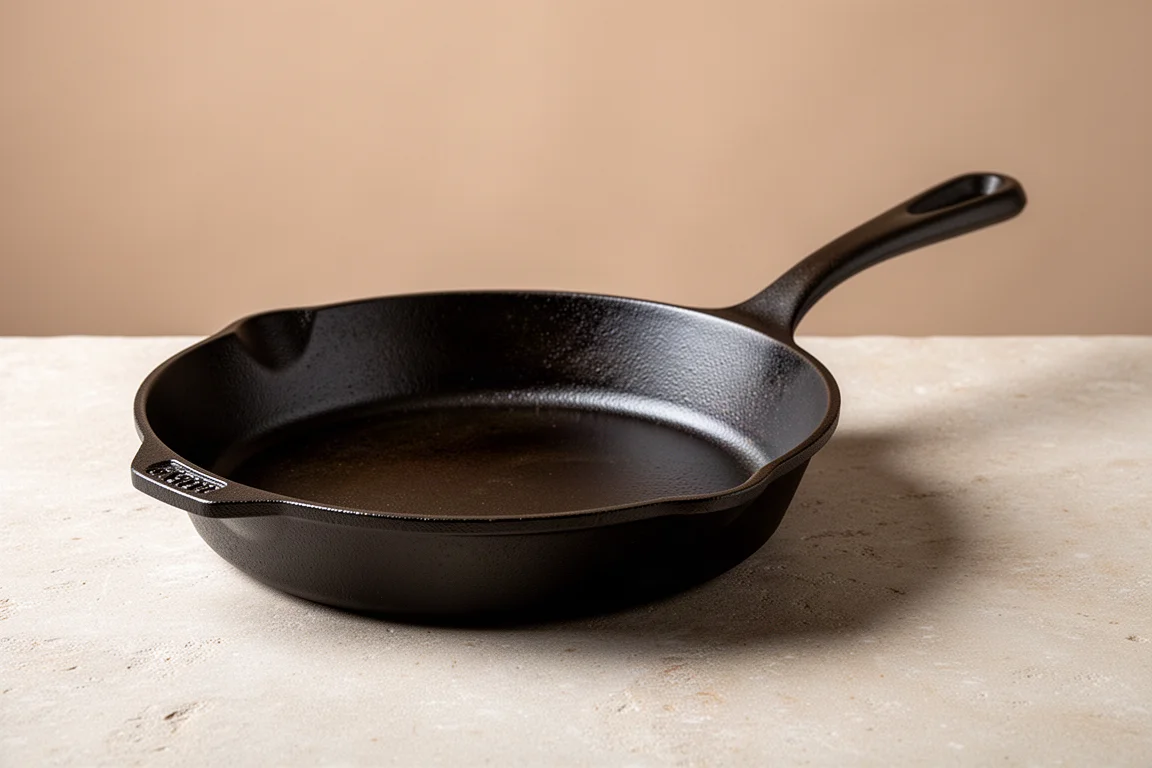
Calphalon sits at a similar price point to Lodge but could not justify itself in testing. It placed second-to-last or last in every heat test, has the shortest main handle of the group, and offers no standout feature to offset those results. If you are choosing between the two at comparable prices, Lodge is the clearer pick.
Buying Advice
So should you buy a Lodge cast iron skillet? Based on the testing, it is one of the best options on the market, and at its price it is very hard to find better value. Plenty of brands offer longer handles, flared rims, and smoother surfaces, but those differences are minor in practice. Actual cooking results are nearly identical, and in some tests Lodge performed better.
If you genuinely love the design features of a premium brand, spending more is defensible, since a well-maintained cast iron skillet can last forever. But if you simply want a quality, high-performing American-made skillet at the best price, Lodge is an excellent choice. Choose the Classic for maximum heat retention and the lowest price, or the Chef Collection if the 8.1-pound weight of the Classic concerns you.
Conclusion
Lodge has earned its reputation the honest way: consistent manufacturing, durable factory seasoning, and heat retention that beat every competitor in testing, all at a price the others cannot touch. The rough surface and hot handle are real but manageable trade-offs. For most cooks, the Lodge Classic or Chef Collection 12-inch skillet is the smartest cast iron purchase available today.
Further reading
Related Reviews
Kitchen
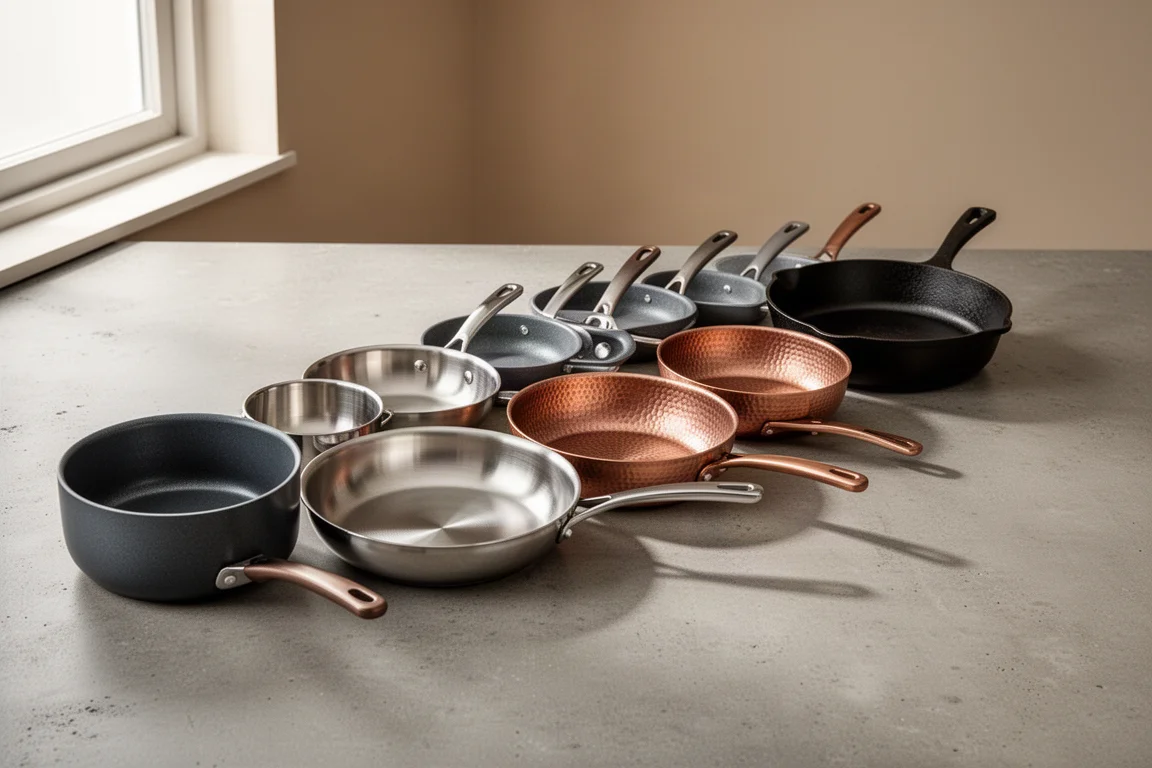
Best Nonstick Frying Pans Compared: 11 Skillets From $16 to $185, Tested
Eleven nonstick frying pans go head to head in pancakes, eggs, heat distribution, thermal efficiency, and scratch resistance to find out whether a cheap pan can really compete with a premium one.
Kitchen
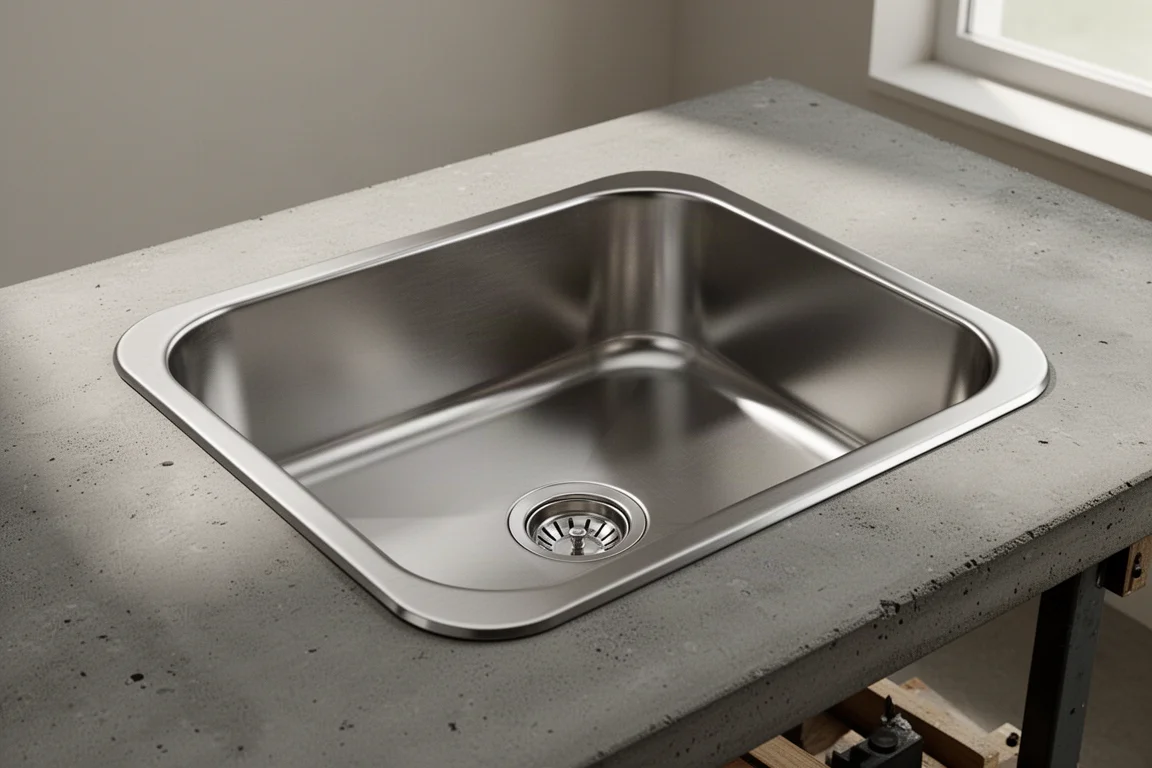
Vivor Stainless Steel Kitchen Sink Review: A Solid Drop-In Upgrade With One Weak Spot
An all-stainless single-basin drop-in sink with easy-clean rounded corners and a drain-sloped base, at a roughly $200 price point.
Kitchen
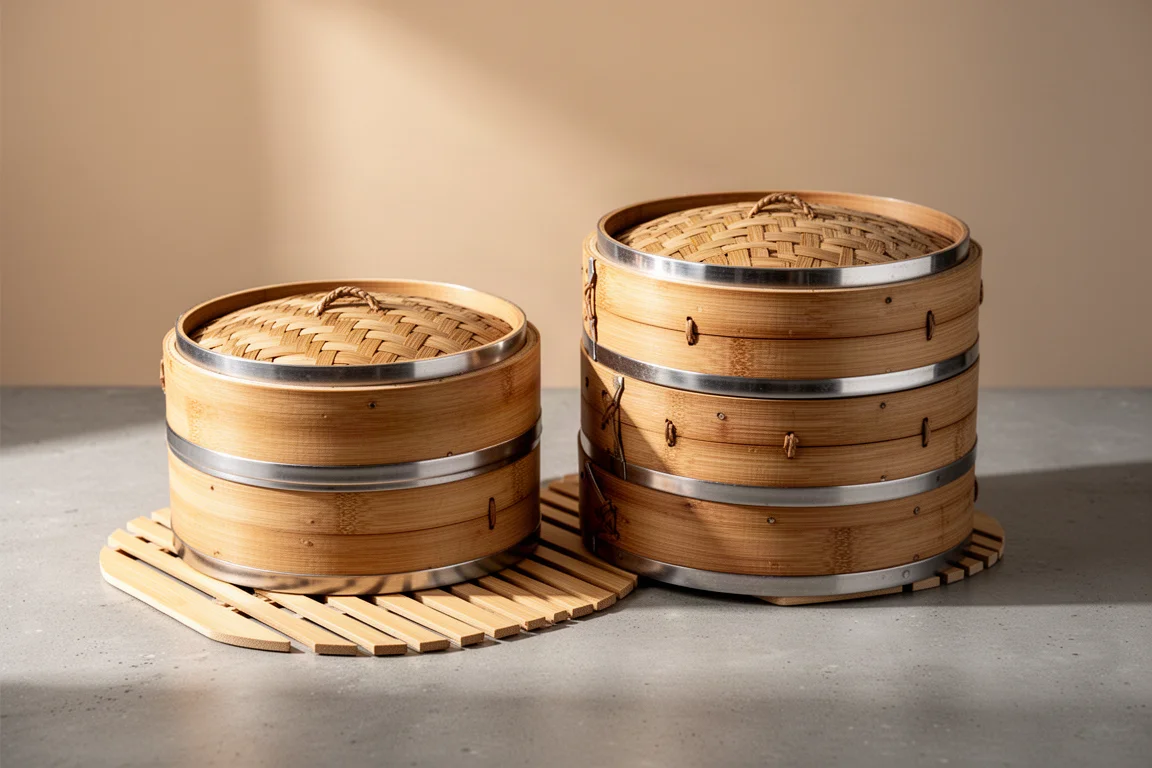
Best Bamboo Steamers: Two Tested Picks for Dumplings, Bao, and More
After hands-on steaming tests with dumplings and bao, two bamboo steamers stood out for build quality and staying in alignment.