Skiing
LINE Skis Bacon Family Review: One Powder Ski, Two Widths, Endless Playfulness
The all-new LINE Skis Bacon family covers the whole mountain with a 108 for faster resort laps and a 115 for deep powder freestyle.
Introduction
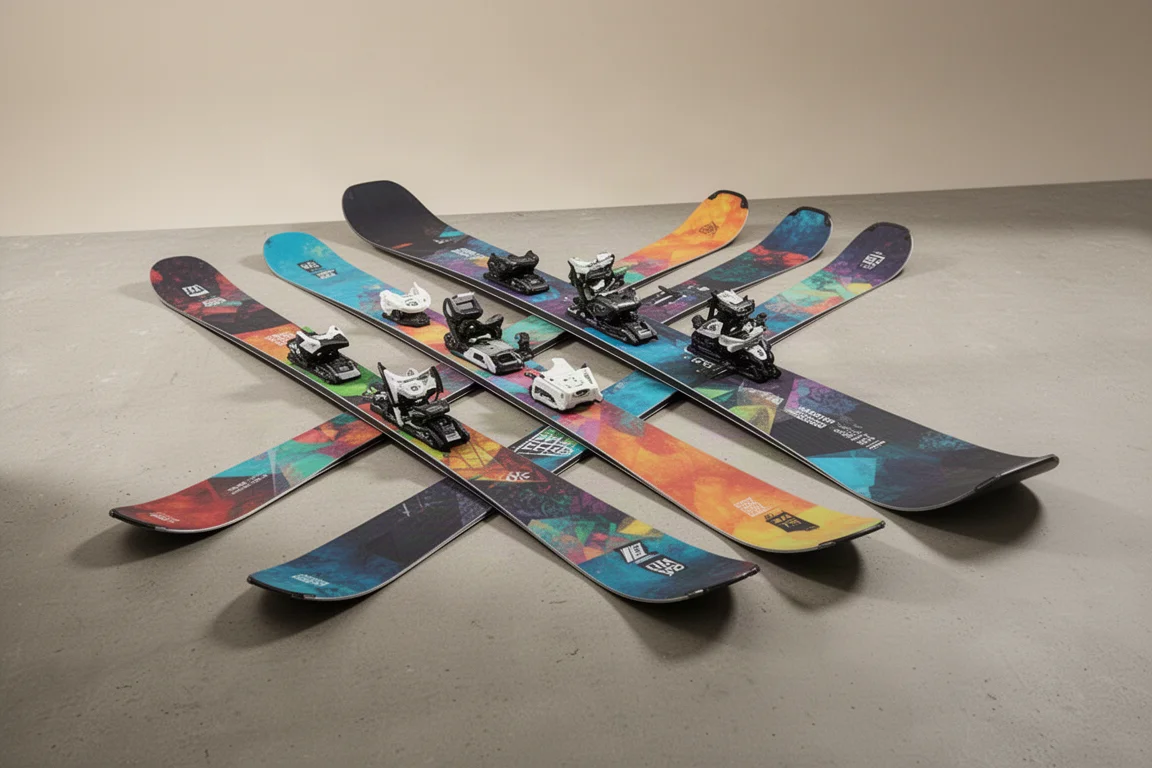
The Bacon family from LINE Skis has been completely rebuilt, and this year the lineup splits into two distinct widths: the Bacon 108 and the Bacon 115. The message from the team is simple: the older Sir Francis Bacon is gone, and the Bacon is now the one ski intended to cover fresh snow, resort laps, side hits, and backcountry freestyle.
If you like skiing switch, buttering, tapping rails and stumps, popping off natural features, and still want something stable enough to charge through chop, this family is designed around exactly that balance. Below we break down the family as a whole and then look at each width individually so you can pick the right one.
The LINE Skis Bacon Family at a Glance
Across the lineup, the Bacon is positioned as the ultimate backcountry powder, fresh snow, and at-the-resort ski. It is meant for good times in soft snow with friends, with enough playfulness to jib, tap, pop, and butter your way around the entire mountain. The balance is deliberate: not too heavy, not too stiff, so it stays maneuverable and playful while still being reliable when you lean on it.
It also works as a true all-rounder for touring and sled-access riding. Riders describe taking it ski touring, sled skiing, and everywhere in between, bringing park tricks like 540s and 900s into the backcountry and landing switch in deep snow. A twin-tip powder profile makes riding backwards in deep snow genuinely practical, which is a bigger deal than it sounds.
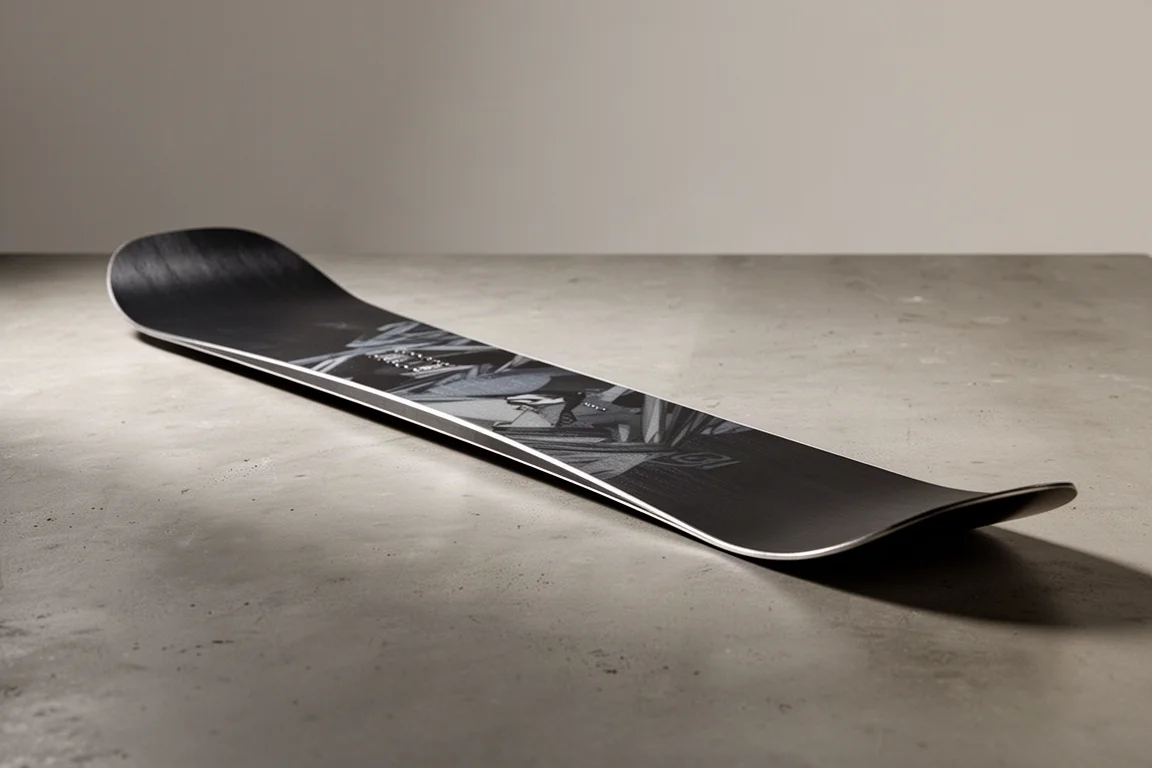
Bacon 108: The Faster Resort and Tree Ski
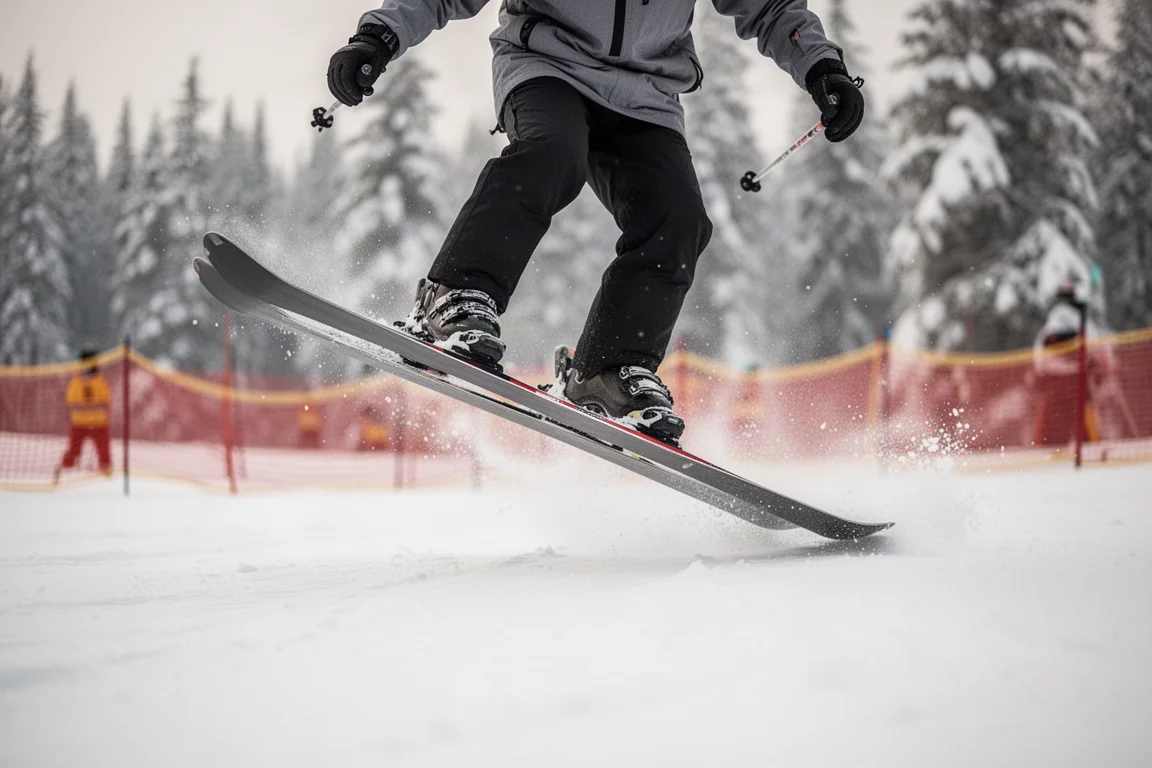
The 108 is the width to grab when you want to charge a bit faster and ski quicker through the trees at the resort. It is the ski described as the pick for days at Alta: it does really well in powder but still lets you whip it around, throw cork sevens off little bumps, backflips, 360s, and butters, and hit those little jumps on the side of the run.
It also handles imperfect resort terrain better than its playful character suggests. On landings with a mogul or two, or step-down features at your local hill, the 108 charges right through instead of getting bucked around. If most of your days are at the resort with occasional deep days, this is the width that fits.
Bacon 115: Built for Deep Snow and Switch Landings
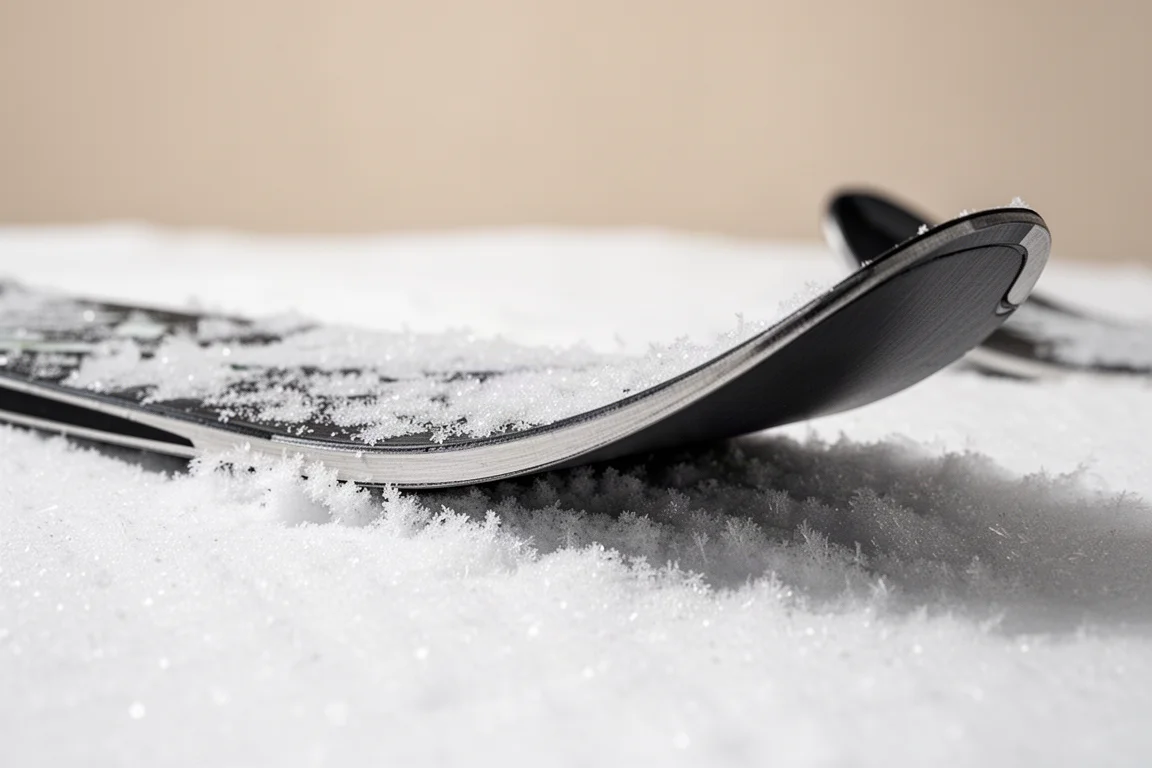
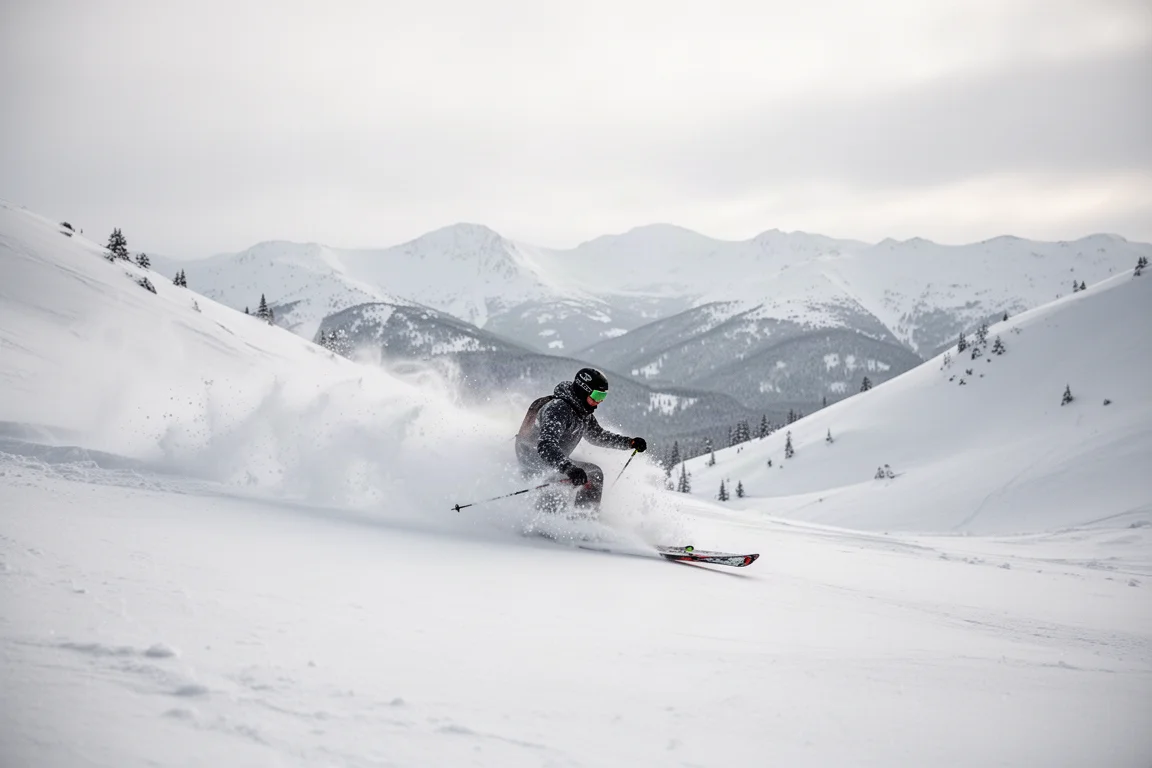
The 115 adds width for float in deeper powder, and it is the pick for big storm days and sled-access laps. The wider platform gives you the confidence to stomp and ride out of tricks in deeper conditions, which matters when you are doing flips and spins into soft landings.
Even at 115 underfoot, groomers are not off the menu. You can still lay down carves back to the chairlift and enjoy the ski on hardpack, though the clear sweet spot is deeper snow where the extra float pays off. For riders who want maximum freestyle performance in powder, this is the width that keeps the fun alive when it gets deep.
Durability and New Tech Across the Line
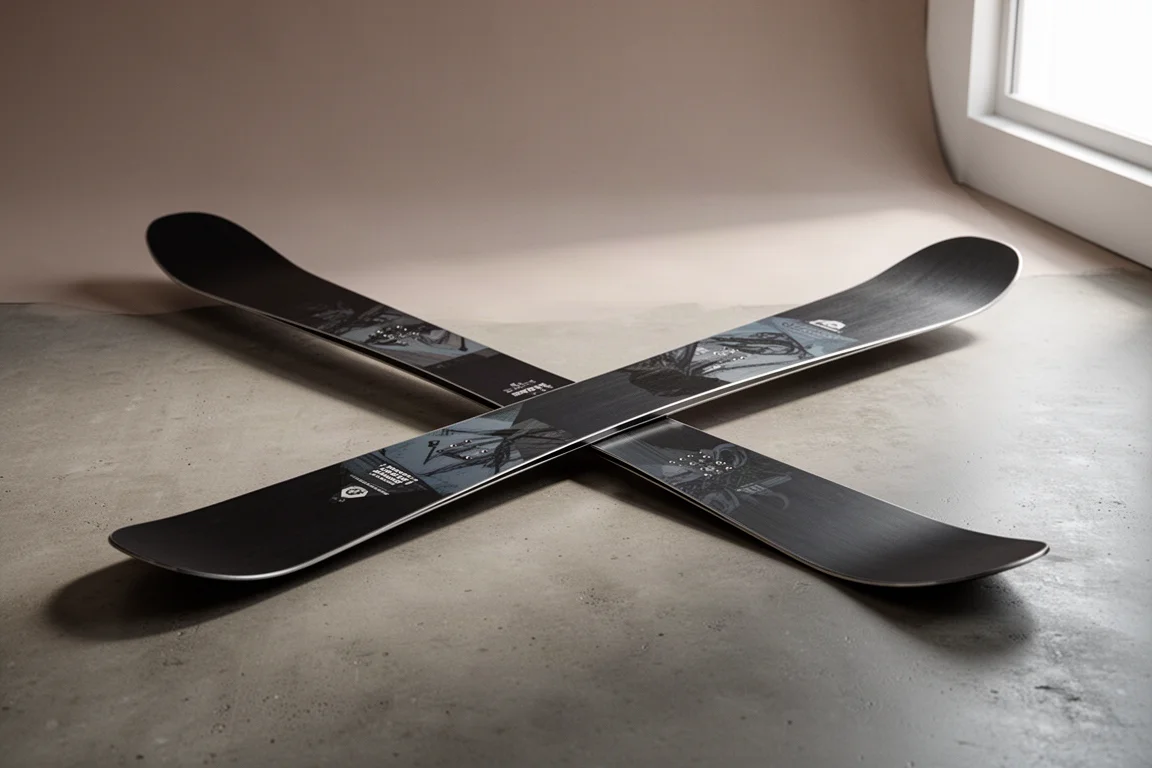
Durability got real attention this generation. The sidewalls have been thickened, the ski gets a fatter base and edge, and a new thin tip construction in the tip and tail improves swing weight while actually making the ski tougher. That combination matters most when you are taking park tricks to big-mountain features and landing switch in deep snow.
Both the Bacon 108 and Bacon 115 also use LINE’s new bio-based resin, described as more durable and more sustainable, along with thick cut sidewalls for better edge durability. Skis get cold, and riders butter them constantly, so the material choices are aimed at keeping the ski lively and long-lasting through hard use.
Which Bacon Should You Buy?
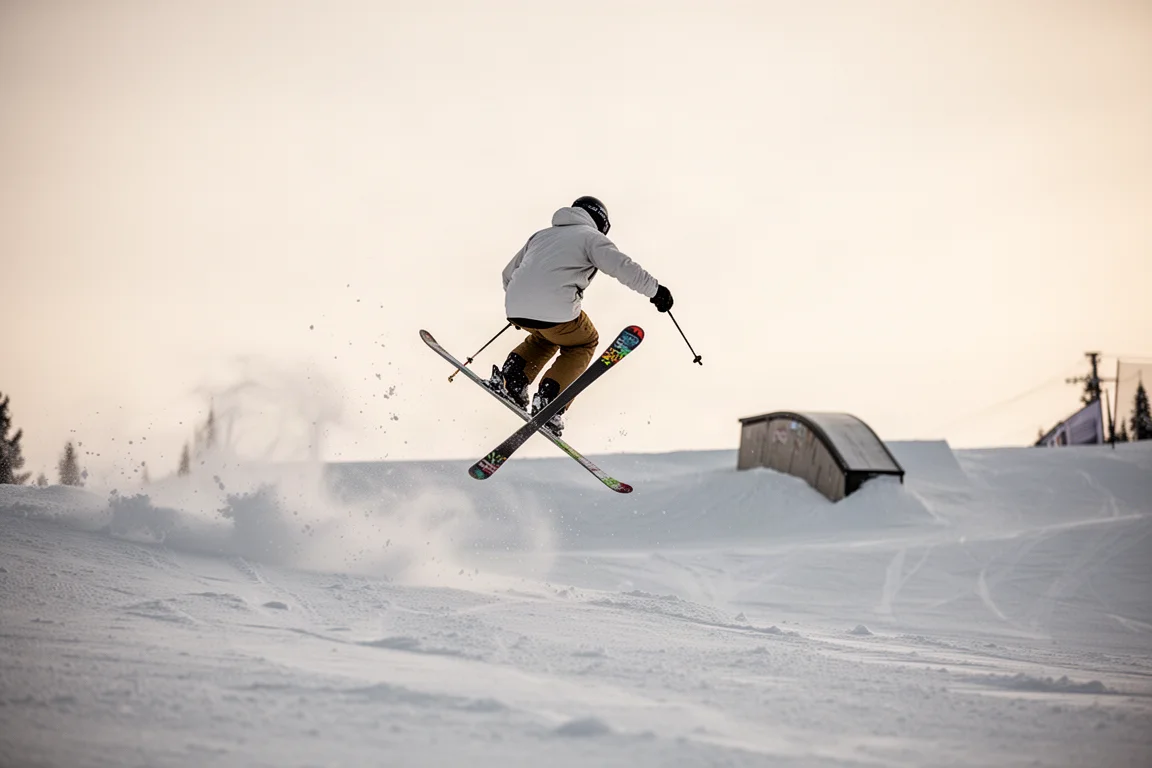
Choose the Bacon 108 if your days skew toward resort laps, faster tree skiing, and side hits, with powder as a bonus rather than the default. Choose the Bacon 115 if you chase deep snow, ride sled- or tour-accessed terrain, and want the most float and confidence for freestyle tricks in powder.
Either way, the Bacon family is built around the same idea: a fun, freestyle-inspired, stable powder ski that you can use however you want, from first chair side hits to backcountry switch landings in pow.
Conclusion
The all-new LINE Skis Bacon family does a good job of replacing one ski with a two-width system without losing what made it fun. The 108 covers quicker resort and tree skiing, the 115 covers deep snow freestyle, and both share a durability-focused construction with bio-based resin, thick sidewalls, and thin tip tech. If playful powder skiing with freestyle ambitions sounds like your winter, there is very likely a Bacon width that fits.
Further reading
Related Reviews
Skiing
2027 Ski Top Sheets: The Best-Looking Skis of the New Season
A fun, opinionated look at the 2027 ski lineup and the top sheets that stand out most, from the Nordica Enforcer 104 to the Rossignol Sender series.
Skiing
Armada Declivity 92 vs Peak 88: Two All-Mountain Skis, Two Very Different Characters
A staff-favorite carving machine and an approachable Bode Miller signature ski, compared for different levels of skier.
Skiing
Atomic 100mm Ski Line Compared: Maverick 100 TI, Bent 100, and Backland 100
Atomic's three 100mm skis share a similar outline, so the real choice comes down to construction, weight, and terrain. Here is how the Maverick 100 TI, Bent 100, and Backland 100 differ.