Ski Gear
Line Blend Review: A Freestyle Ski Built Around Flex
A close look at the Line Blend, an unusually flexible twin-tip ski that pairs a maple macro block core with a 100mm waist and a 22-meter turn radius.
Introduction
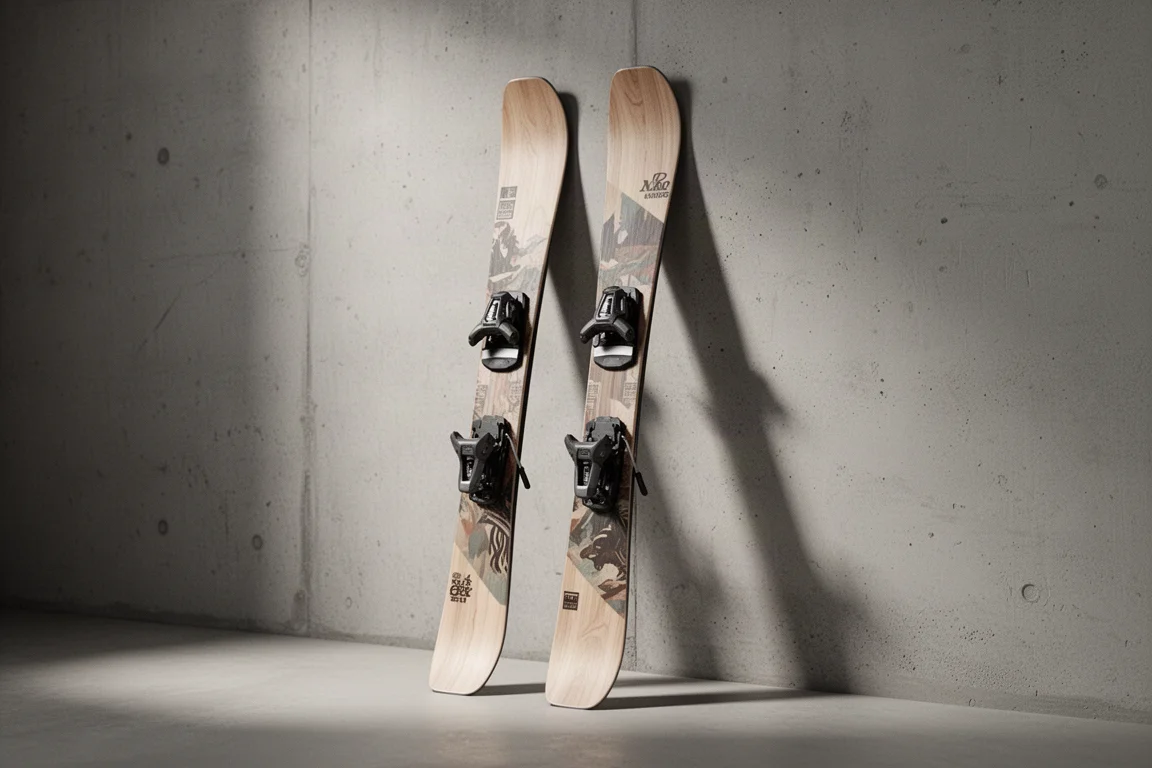
The Line Blend is one of the more unusual skis you can put on your feet. Even within its own brand it stands apart, and measured against the wider market it reads as a genuine outlier: a ski with an extraordinary amount of flex that somehow still stands up to aggressive park riding.
That combination is the entire point. The Blend is built for riders who want to load a ski up and feel it respond, whether that means butters, jibs, ground work, or nollies. If you have never thought about how a ski bends, this is probably not the model for you. If flex is central to how you play on snow, it very likely is.
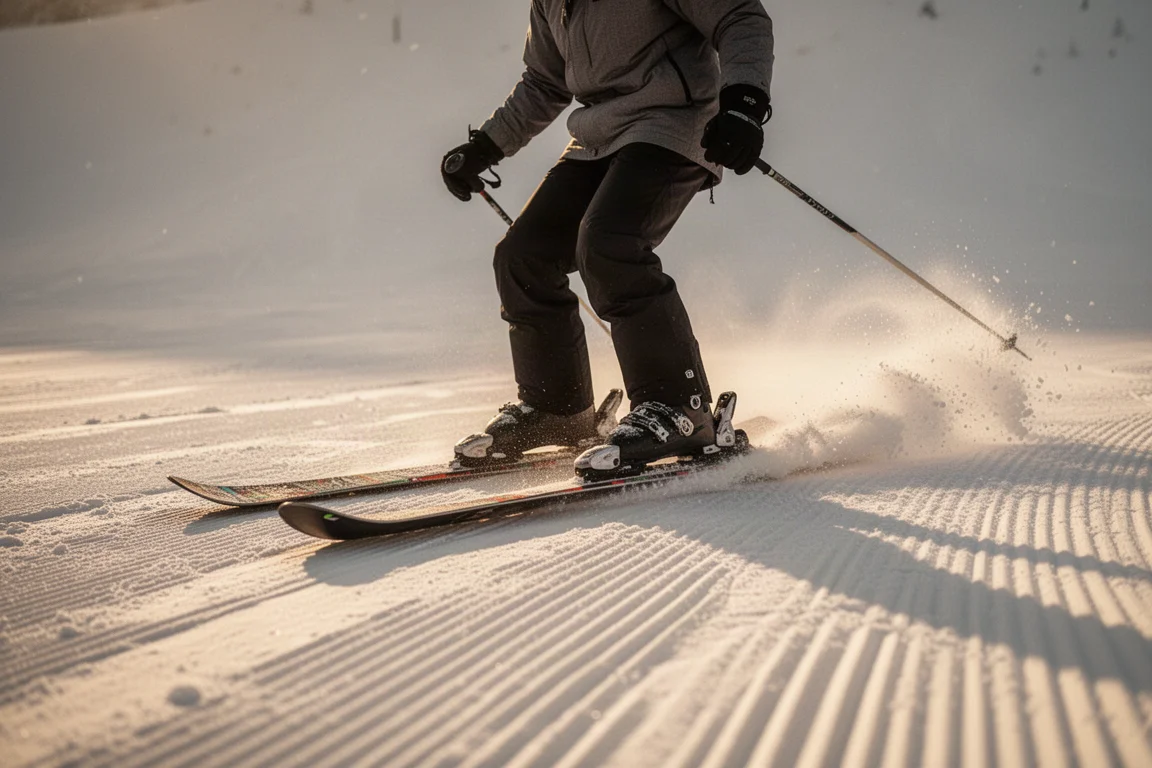
Line describes the ski as a blend of flexibility and durability, and that is not marketing shorthand here. Those two qualities normally pull against each other, and the Blend is unusual precisely because it delivers both at once.
Who the Line Blend Is For
This is a narrow ski with a narrow audience, and Line is upfront about that. The Blend is aimed at park skiers, the kind of rider who already knows what they are looking for and has the skill set to take advantage of a very soft, very playful platform. Think of it as the freestyle equivalent of a highly specialized slalom ski: extremely good at one job, and not trying to be anything else.
That rider is the one who uses the ski’s flex as a creative tool. Ground work, jibs, butters, nollies, and any trick where you load the ski and let it spring back all sit squarely in the Blend’s wheelhouse. The narrower the intended use, the more distinctive the ski becomes, and the Blend is a good example of that trade-off working in a product’s favor.
Flex and Durability
The core of the story is the maple macro block construction. Maple is strong, but the Blend uses it in very thin sections, which is what allows the ski to bend so dramatically. Line is skilled at playing with thick and thin material, and the layout here is deliberate: a slightly thicker zone underfoot where the sidewall sits, and a razor-thin core in the tip and tail.
The result is a ski that can be flexed to an almost complete circle. The tips and tails are extremely bendy, and the durability holds up to rigorous riding in a way that is genuinely hard to imagine from something this soft. The comparison Line uses is a maple sapling: you can bend it over, twist it, and the wood gives without breaking.
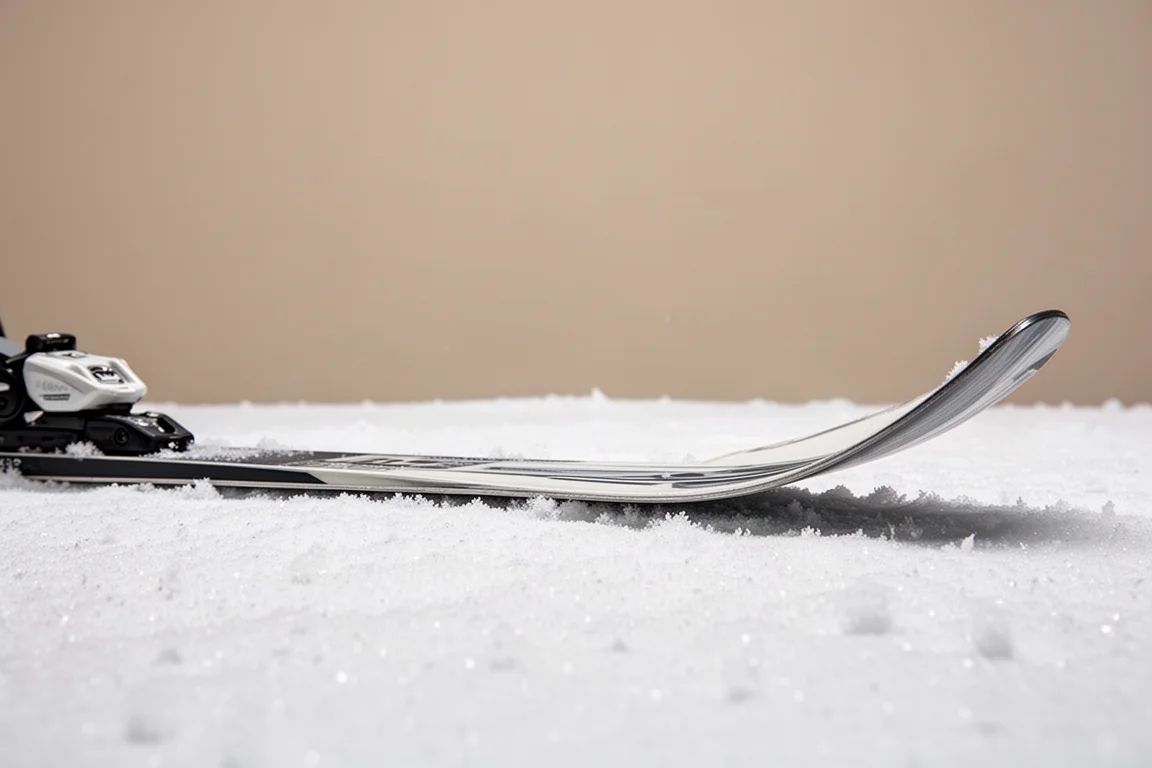
Structurally, the ski runs half cap through most of its length before tapering into full cap. That transition point matters, because it is also roughly where the rocker begins. The construction explains the behavior: soft enough to manipulate, tough enough to survive the abuse that park riding delivers.
Shape, Rocker, and Turn Radius
At 100 millimeters underfoot, the Blend carries real soft snow capacity. That makes it useful beyond the park, whether you are riding natural features or just want a platform with some float.
The profile is moderate rather than extreme. There is some camber underfoot, but not a lot, and the rocker is gradual and low, with a small jut out at the end rather than an aggressive early rise. The shape is not heavily tapered, which contributes to a longer turn radius of about 22 meters and long tip-to-tail edge contact.
The tail is where things get more playful. It is a true twin tip, though not symmetrical, and the tail carries a little more taper than the front. Overall splay is meaningful without being wild. Together those choices add up to a ski that feels loose and easy to pivot when you want it, while still holding a predictable edge when you commit.
Things to Consider Before Buying
The honest caveat is range. The Blend is a very specific tool, and its strengths come with matching limits. A rider who splits time between groomers, bumps, and all-mountain terrain will find far more versatile options, and the long turn radius will feel sluggish to anyone who wants quick, short arcs at speed.
It is also a demanding ski in its own way. A platform this soft rewards riders who understand how to load and release it, and it can feel vague or unsupportive to someone who is still building those skills. The softness that makes butters effortless is the same softness that asks for good technique everywhere else.
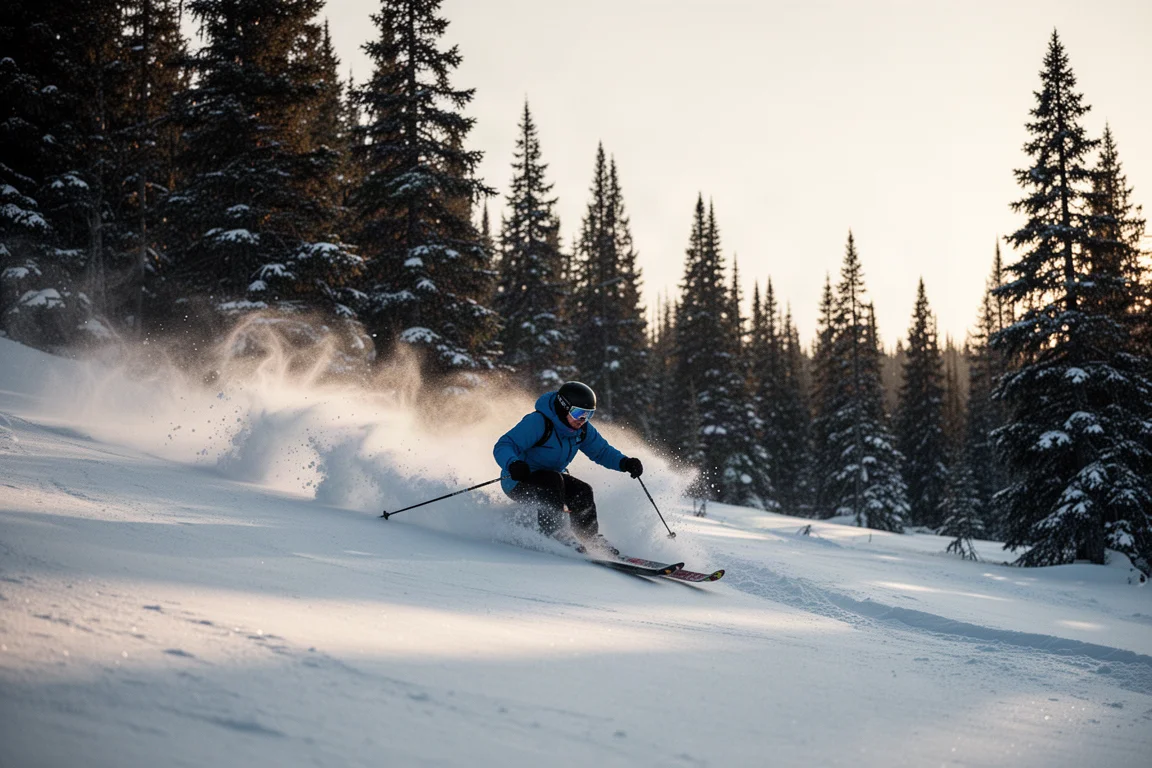
If your riding is mostly carving on hardpack with occasional park laps, this is not the ski to build a quiver around. If your days are shaped by the terrain park and creative use of natural features, the trade-offs look much more reasonable.
Riding Style and Skill Requirements
The Blend assumes a rider who already knows what they want. It is not a ski that teaches you freestyle; it is a ski that gets out of the way once you have the fundamentals. Riders who understand how to use flex deliberately will find a lot to work with here, and riders who do not will likely find it frustrating.
That is not a flaw so much as a filter. Being clear about which group you fall into is the single most useful thing you can do before deciding on this ski.
Buying Advice
Approach the Blend as a specialist purchase rather than a first pair of skis. If your riding is centered on the park, on jibs, butters, and ground tricks, and you want a platform that is dramatically more flexible than the norm without giving up durability, this is one of the few products that fits the brief. The maple macro block construction and the half-cap build are what make that possible.
If you need one ski to cover everything, look at a more conventional all-mountain or park-all-mountain shape instead. The Blend does not pretend to be that ski, and buying it for the wrong job will leave you disappointed rather than impressed.
The most practical next step is to be honest about your terrain mix and your comfort with a very soft ski. If both answers point toward freestyle, the Blend is a confident choice. If either one gives you pause, the flexibility that defines this ski is also the reason to look elsewhere.
Conclusion
The Line Blend is a rare thing: a ski defined almost entirely by one characteristic, executed well enough that it becomes a genuine advantage rather than a gimmick. Its extreme flex, maple macro block core, 100mm waist, and true twin tip shape add up to a platform built for riders who treat the mountain as a playground.
It will not suit everyone, and it is not meant to. For the right park-focused skier, the combination of flexibility and durability is hard to match.
Product link
View more details for LINE Blend
This product is mentioned in the review. Check the specifications, options, and compatibility before buying.
View more details for LINE BlendFurther reading
Related Reviews

Ski Gear
2023 Blizzard Hustle vs Rustler: Six Freeride Skis Compared
Blizzard's 2023 Hustle collection rebuilds the Rustler shape with a lighter core and no metal. Here is how all six skis differ, and which one suits your riding.

Ski Gear
2023 Skis of the Year: Atomic Maverick 88 TI, Salomon QST 106, and Look SPX 12 Pro
Three standout ski picks for all-mountain carving, powder days, and reliable binding performance, with practical buying notes for 2023 models.

Ski Gear
2025 Nordica Enforcer 104 Review: A Directional Charger Replaces the 104 Free
The 2025 Nordica Enforcer 104 drops the Free name and the twin-tip personality, gaining weight, stiffness and composure in rough snow. Here is what changed and who it suits.