Ski Gear
Line Blade Optic Series: Four Skis, One Freeride Family
The Line Blade Optic range spans four widths, from a lively park-friendly 92 to a big-mountain 114, all built around metal laminate dampening and a playful freeride shape.
Introduction
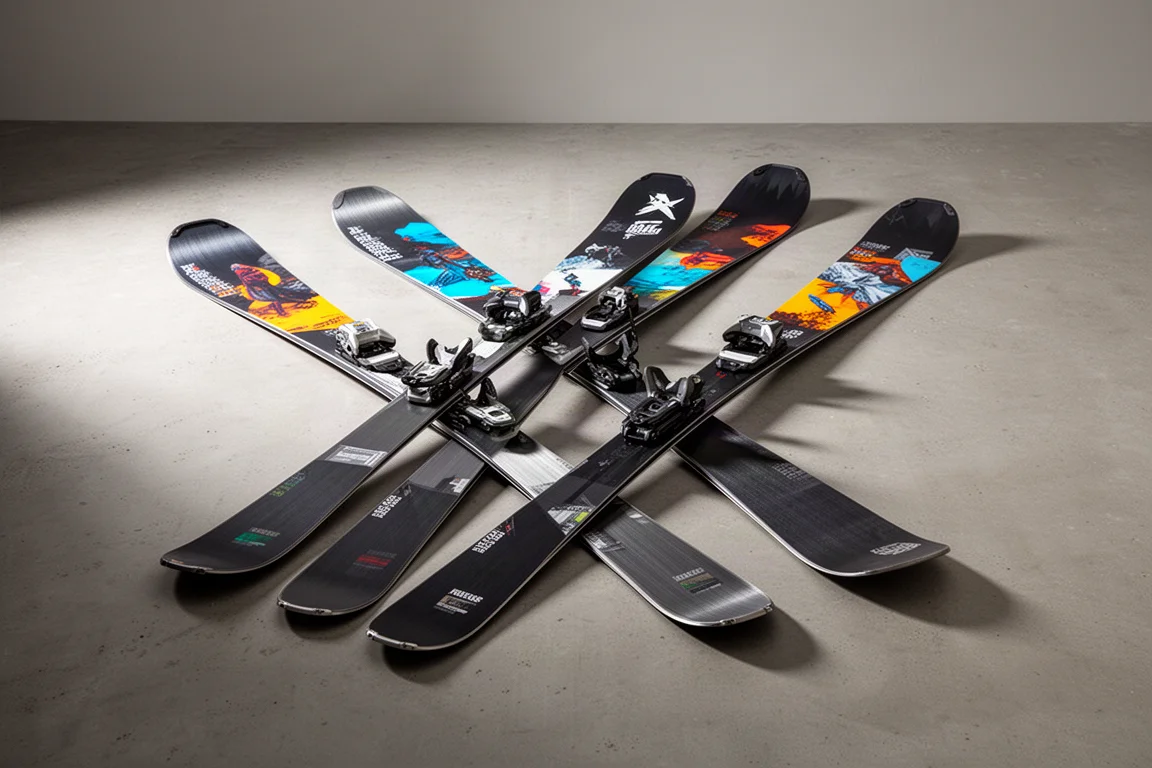
The Line Blade Optic series takes the gas pedal metal construction from the original Blade and reshapes it into a dedicated freeride family. The range covers four widths: 92, 96, 104, and 114 underfoot. Every ski in the collection shares a metal laminate running essentially tip to tail, a mostly gradual long rocker in the tip and tail, and a longer sidecut radius that favors drawn-out turns and fast fall-line skiing.
What makes the series interesting is how it balances stability with playfulness. Instead of the flat, demanding feel many metal skis are known for, the Blade Optic keeps enough give in the tip and tail for butters, presses, and switch takeoffs while still holding together on big landings and firm snow. The Line freeride team uses these as its main skis for pillows, spines, and powder riding.
The Tech Behind the Series
Line’s engineers shaped the Blade Optic from the Vision series profile while refining the metal shaping from the Blade collection for higher speed stability. The gas pedal metal overdrive places titanal running from tip to tail, which absorbs and dampens the entire ride. Camber sits underfoot with early rise in the tip and tail, plus a progressive shape with taper in both ends.
That long, low, gradual rocker lets the skis lift out of a plane, drift, and draw out turns as needed, while the longer average sidecut radius supports long turns across the hill before pointing them down the fall line. The result is a freeride ski with roots in freestyle: you can stomp big airs and charge fast, then toss the ski sideways and get jibby when the mood strikes.
Line Blade Optic 92
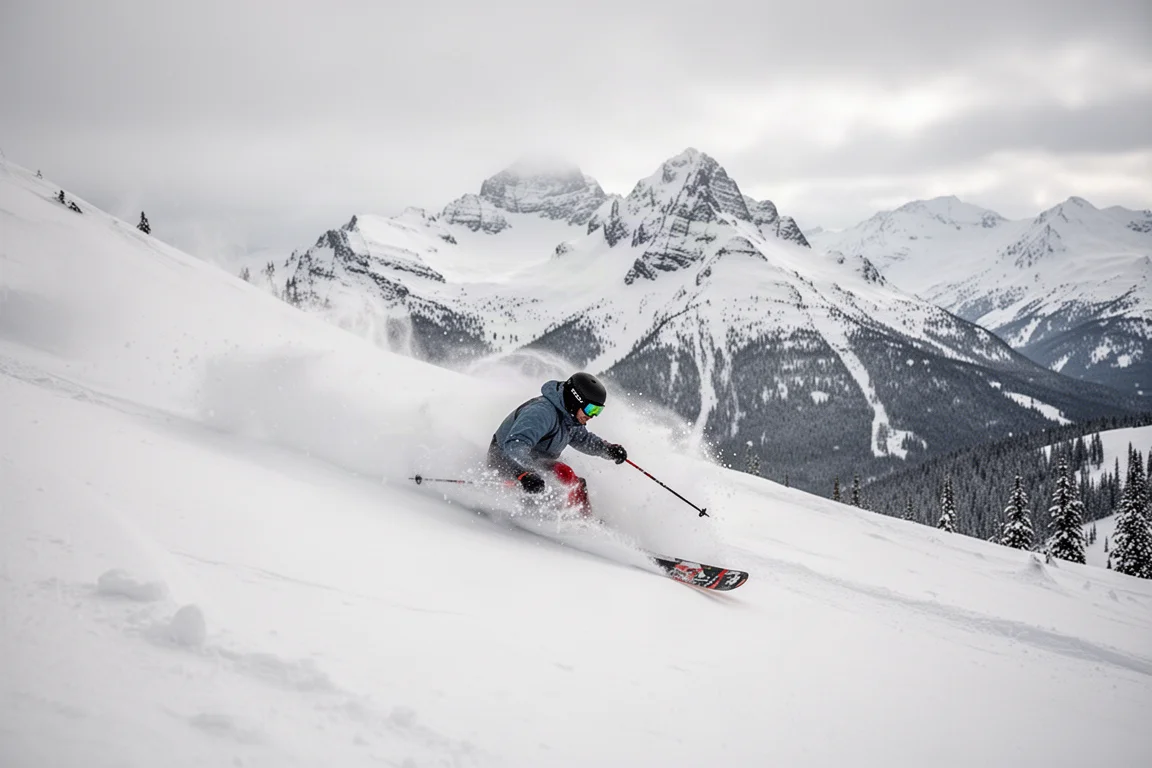
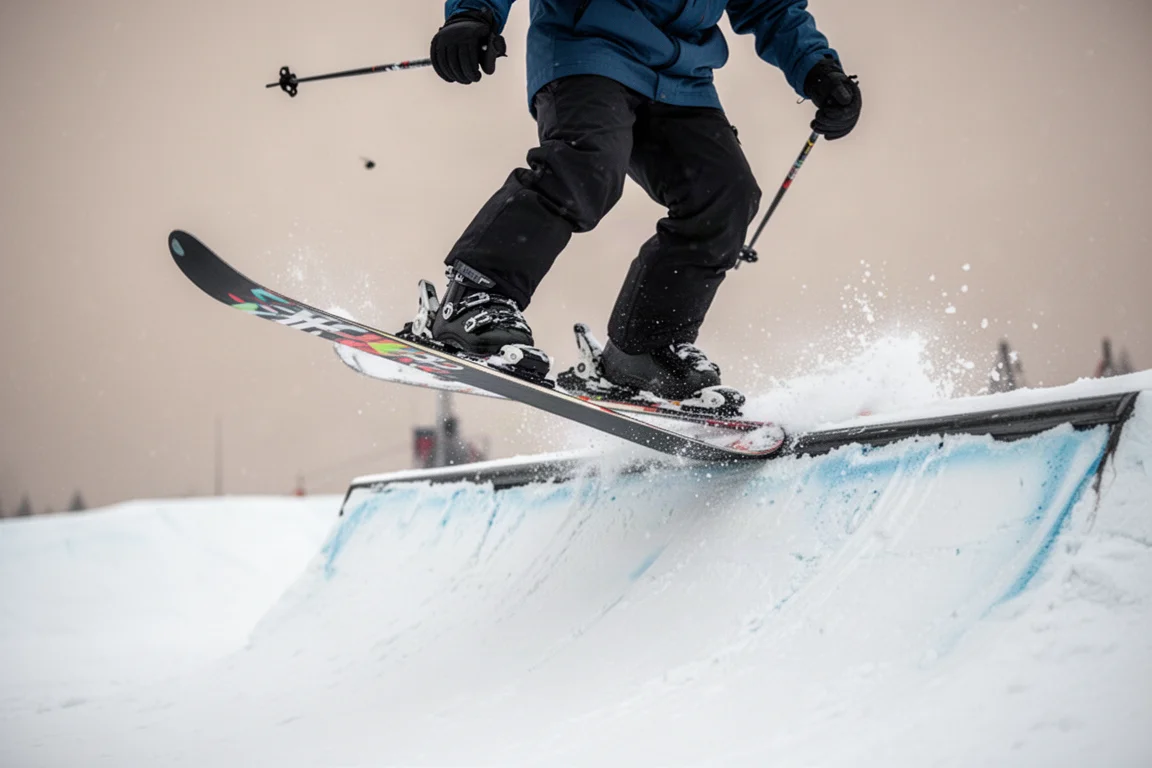
The Optic 92 is the outlier: the metal is gone entirely. Removing it drops the swing weight and makes the ski more playful, lighter, and snappier. It carries the energy of a park ski but handles the whole mountain, which is why plenty of riders use it in the park and everywhere else.
If you want the Blade Optic feel in its most nimble form, this is the one.
Line Blade Optic 96
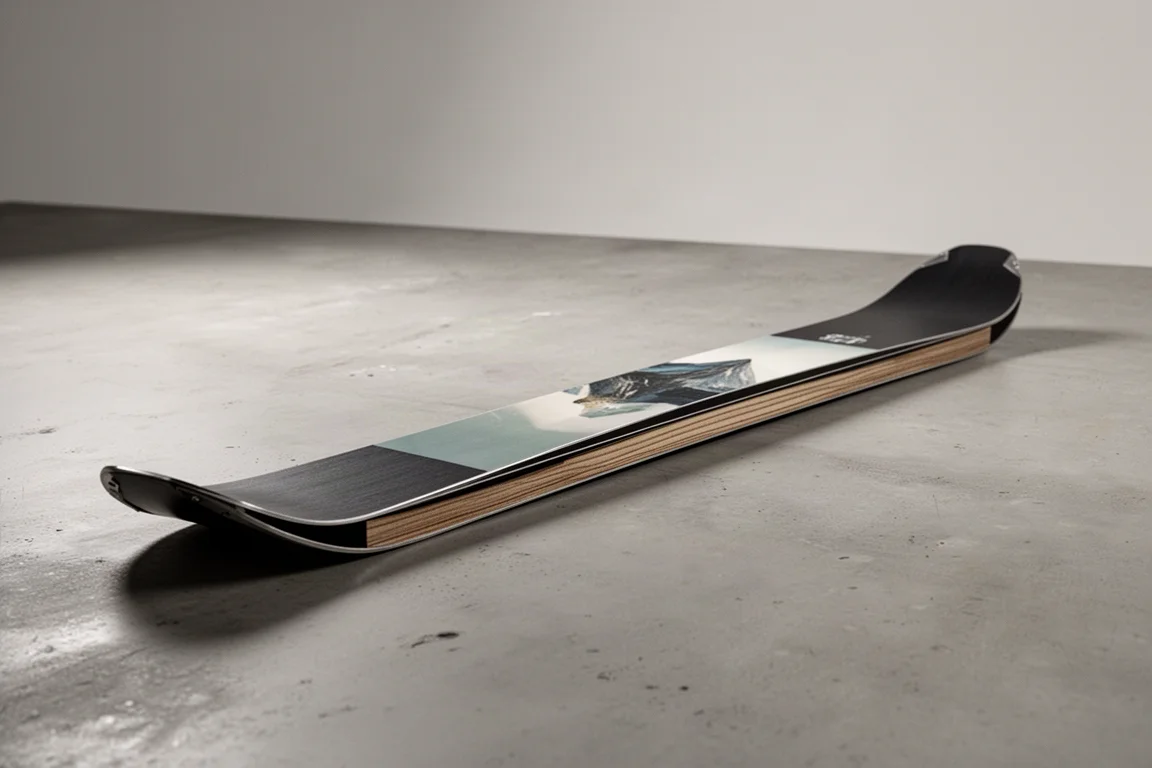
The Optic 96 is the pick for inbounds spring conditions, hardpack, and firm snow. It carves well and can be laid over hard on edge, and in chunder and variable snow the construction absorbs everything in the way you would want from a metal laminate.
For skiers who spend most of their days on firm or mixed resort snow, the 96 is the natural fit in the lineup.
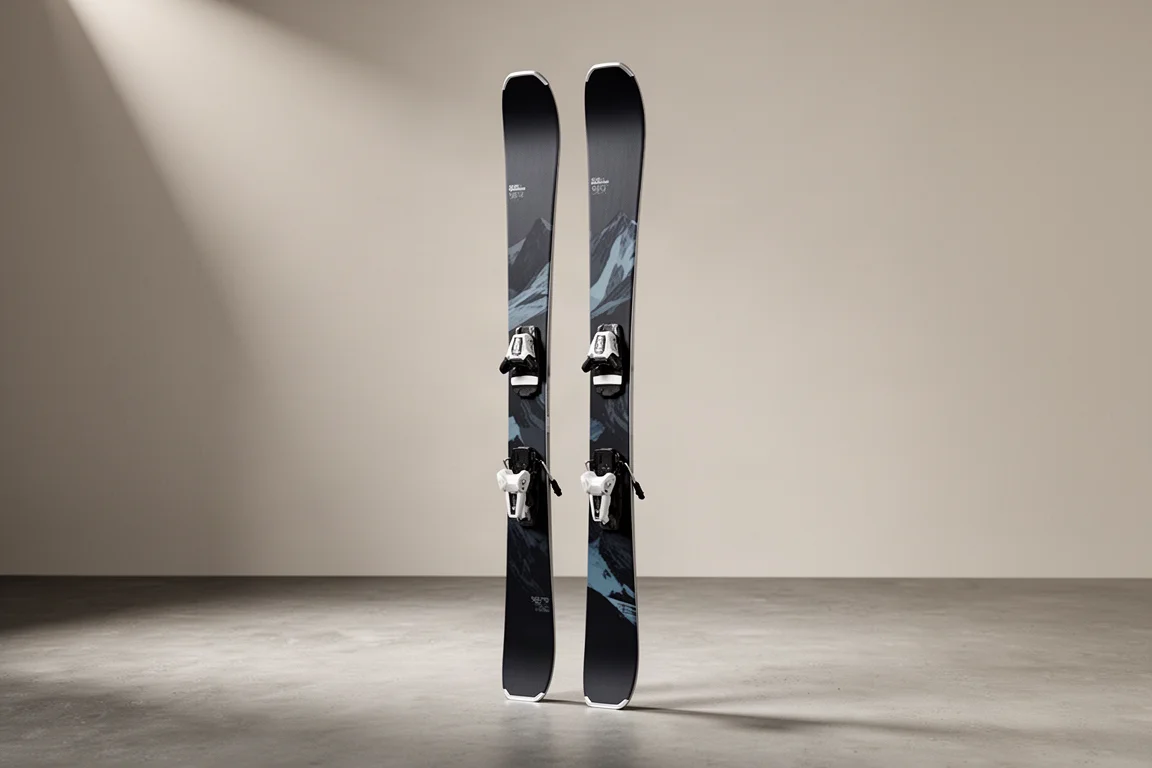
Line Blade Optic 104
If you can only own one ski from this family, the 104 is the candidate. It is smaller than the 114, so it works anywhere from the park to the groomers, and it shines in soft snow while still ripping inbounds. It is good in powder, good on firm snow, super stompy, and still fast.
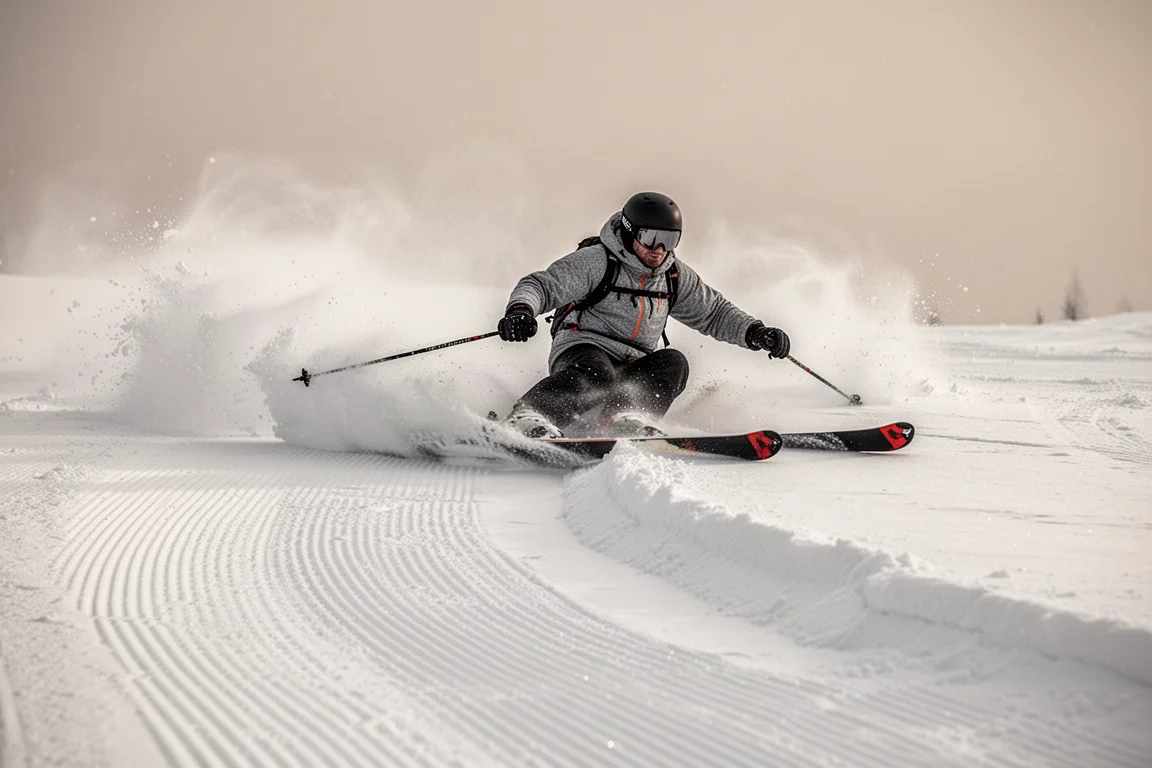
The 104 is the do-everything choice: fast, stable enough to land big, and versatile enough that you never feel locked out of any part of the mountain.
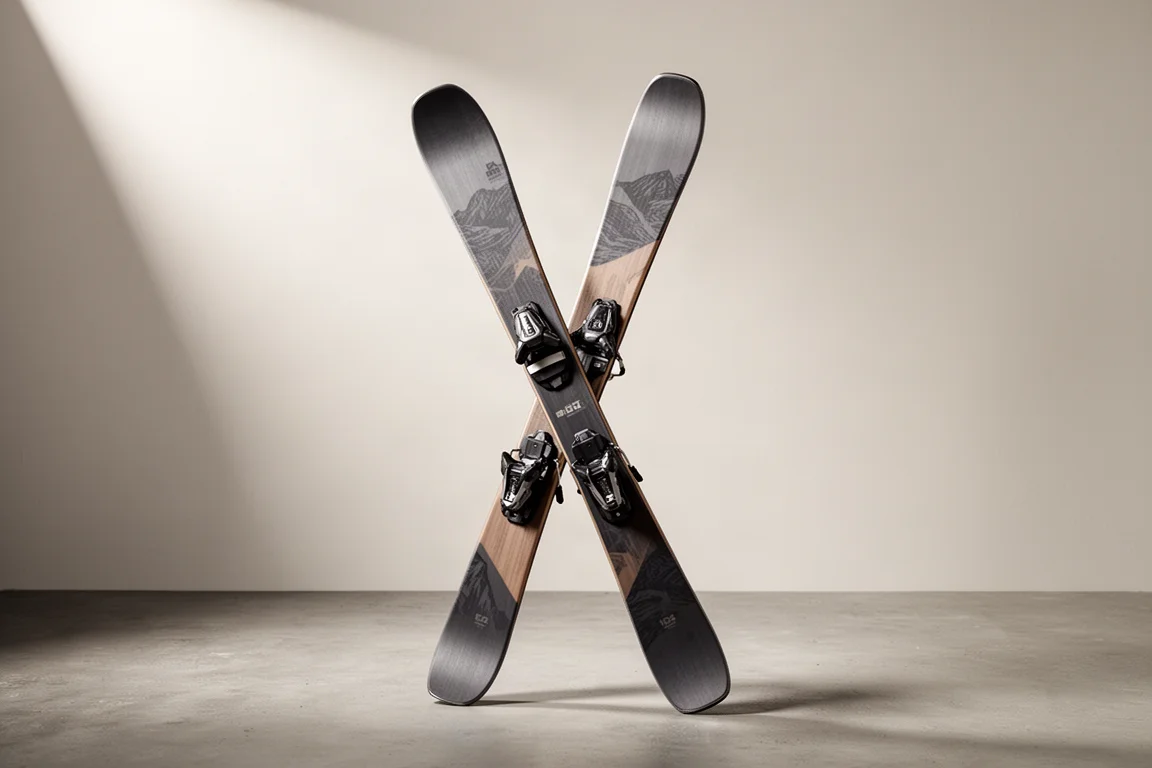
Line Blade Optic 114
The 114 is the biggest of the collection and the one many riders keep on their feet nearly all winter. It is the go-to for big-mountain shooting and backcountry riding, typically in longer lengths, and it is the ski of choice for the freeride team on sled trips and backcountry jumps. Gas pedal metal blasts through crud and bumps, and it stays reassuring on big landings and big cliffs while still being forgiving enough to shut down speed and toss sideways.
The rocker profile is somewhat symmetrical, so it skis well switch for a freeride ski, and competitors riding events in often cruddy conditions have taken to it readily.
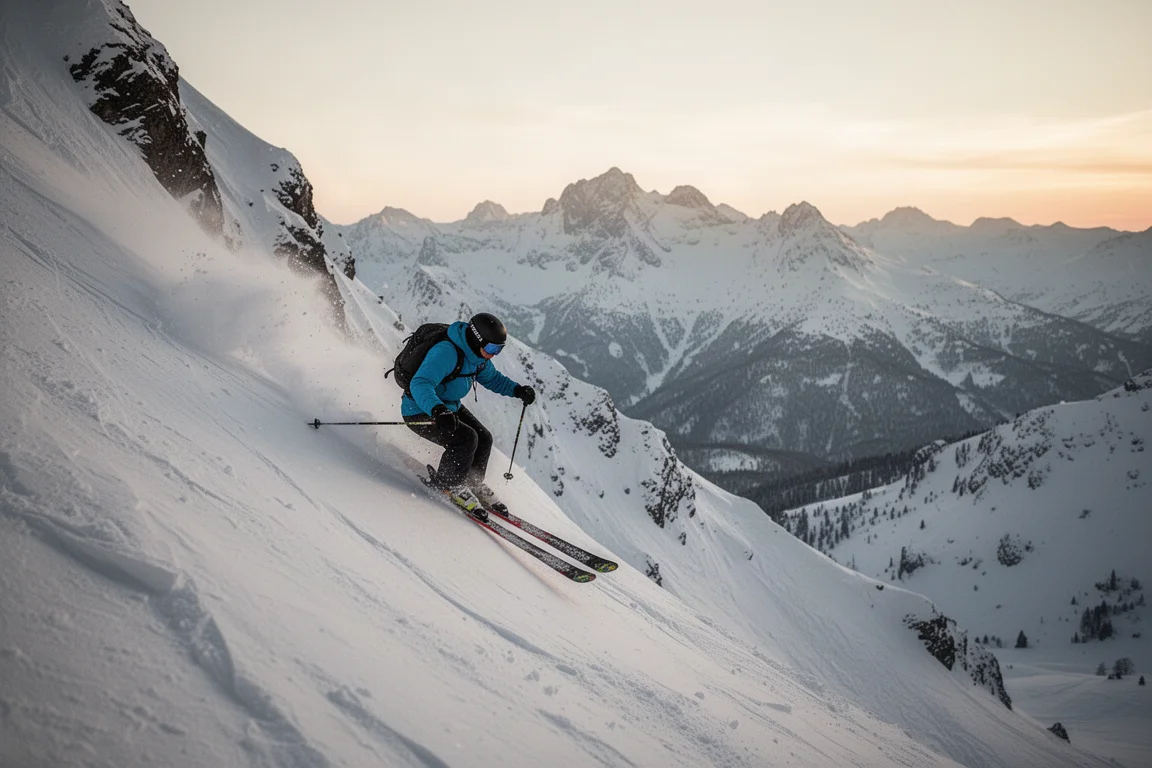
For skiers who chase soft snow and big terrain most of the season, the 114 is the most compelling ski in the series.
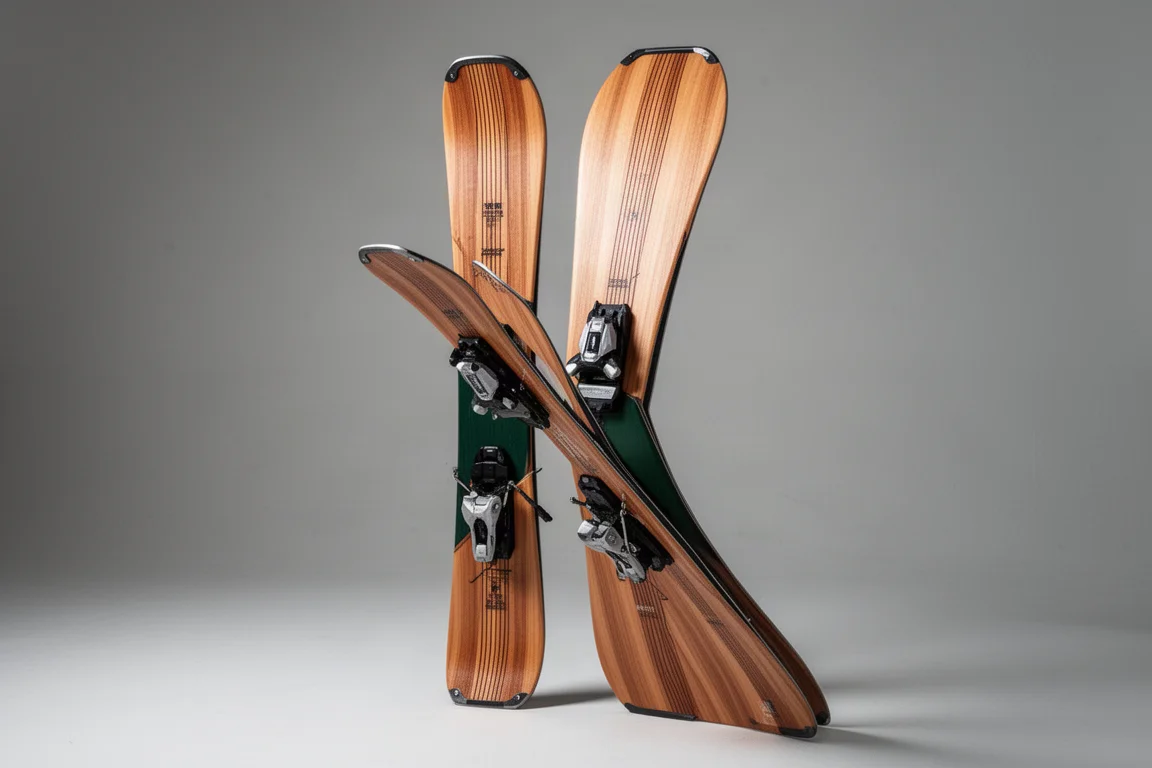
Which One Should You Buy?
Match the width to where you actually ski. Park laps and all-mountain playfulness point to the 92. Firm snow, hardpack, and spring resort days suit the 96. If you need a single quiver-of-one, the 104 covers the widest range. Deep snow, backcountry missions, and big lines belong to the 114.
Conclusion
The Line Blade Optic series manages something unusual: four distinct widths that all keep the same identity. Metal-laminate stability for speed and landings, combined with a shape playful enough to press, butter, and ski switch. Pick your width based on your snow, and the rest of the formula stays the same.
Further reading
Related Reviews

Ski Gear
2023 Blizzard Hustle vs Rustler: Six Freeride Skis Compared
Blizzard's 2023 Hustle collection rebuilds the Rustler shape with a lighter core and no metal. Here is how all six skis differ, and which one suits your riding.

Ski Gear
2023 Skis of the Year: Atomic Maverick 88 TI, Salomon QST 106, and Look SPX 12 Pro
Three standout ski picks for all-mountain carving, powder days, and reliable binding performance, with practical buying notes for 2023 models.

Ski Gear
2025 Nordica Enforcer 104 Review: A Directional Charger Replaces the 104 Free
The 2025 Nordica Enforcer 104 drops the Free name and the twin-tip personality, gaining weight, stiffness and composure in rough snow. Here is what changed and who it suits.